FAST SHIP
22 Reviews
ON SALE 15% OFF
$189.00$219.00

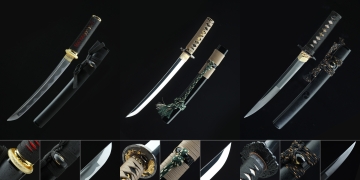
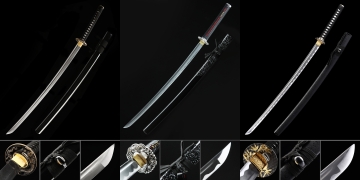
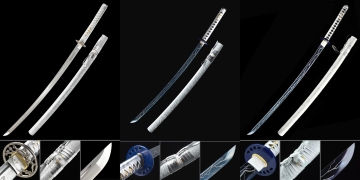
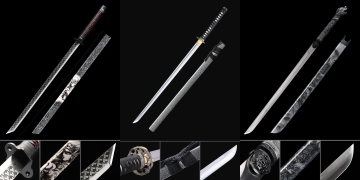
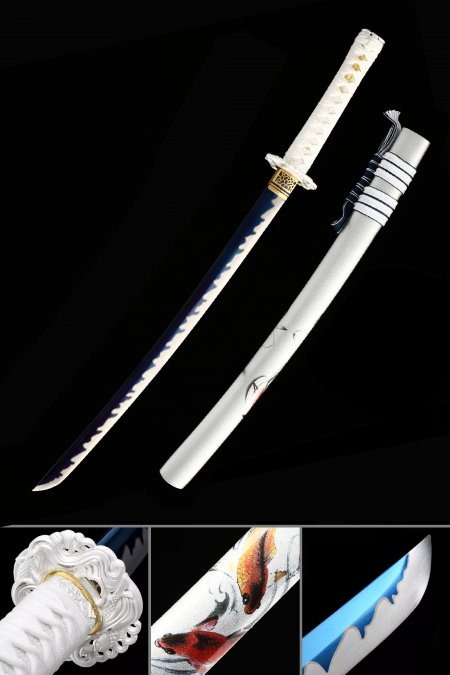
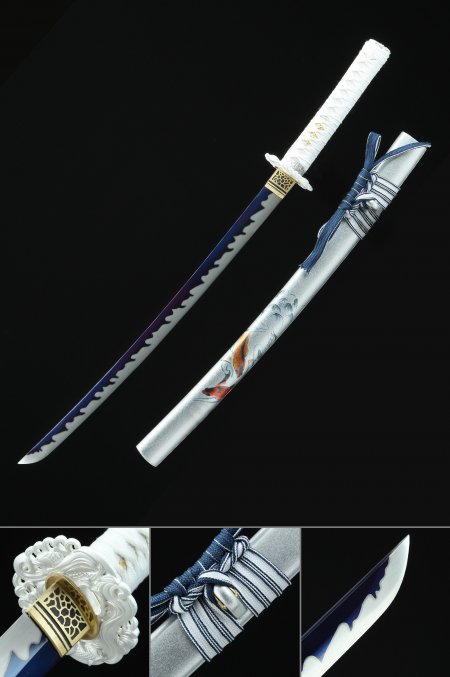
Silver wakizashi bring a refined aesthetic to any serious collection - combining the compact elegance of the companion blade with decorative silver-tone fittings, ornate saya, and hand-wrapped tsuka. Each piece is crafted for display and appreciation, showcasing the artistry of traditional Japanese sword design. Enjoy free shipping on your order and hassle-free returns.
I Love it definitely will order from here again great place for swords
 |
Manganese Steel Wakizashi with Blue Flame Blade and Koi Fish Painted Silver Saya - White Ito Wrap |
Absolutely beautiful products as always. Comes extremely well packaged for safe transport. Blades are very sharp well oiled and wrapped for protection. Very high quality and great for display pieces that are also functional.
|
Manganese Steel Wakizashi with Blue Flame Blade and Koi Fish Painted Silver Saya - White Ito Wrap |
Beautiful sword, Koi fish and water themed blade. Looks even better in person. My wife is going to love this beautiful sword.
|
Manganese Steel Wakizashi with Blue Flame Blade and Koi Fish Painted Silver Saya - White Ito Wrap |
Have purchased quite a few different swords from truekatana a nd all arrived safely and quickly to Australia. r
Packaged well and in beautiful workmanship on the swords .
 |
1095 Carbon Steel Blue-White Blade Wakizashi with Koi Saya, White Tsuka & Gold-Tone Tsuba |
my daughter wanted a Japanese sword for her birthday, after much research, we picked this website and this sword, way exceeded my expectation , especially for the money, people at the party are already on the website getting ready to make a purchase
Ed
|
Manganese Steel Wakizashi with Blue Flame Blade and Koi Fish Painted Silver Saya - White Ito Wrap |
Sword came exactly as it looked in pictures and is definitely sharp! :)
|
Manganese Steel Wakizashi with Blue Flame Blade and Koi Fish Painted Silver Saya - White Ito Wrap |
Product is good. Had some issues with shipping. First time, wrong item was shipped so I was given a discount on the next order. Shipping took longer than expected, but it arrived in good order and correct item this time! I will continue to be a customer.
|
Manganese Steel Wakizashi with Blue Flame Blade and Koi Fish Painted Silver Saya - White Ito Wrap |
The quality is great the only reason I’m rating 4/5 is because it’s very hard to get the blade out. Other than that amazing sword
|
Manganese Steel Wakizashi with Blue Flame Blade and Koi Fish Painted Silver Saya - White Ito Wrap |