FAST SHIP
85 Reviews
Free Shipping
89.00 USD
ON SALE! 15% OFF
Was: $109.00

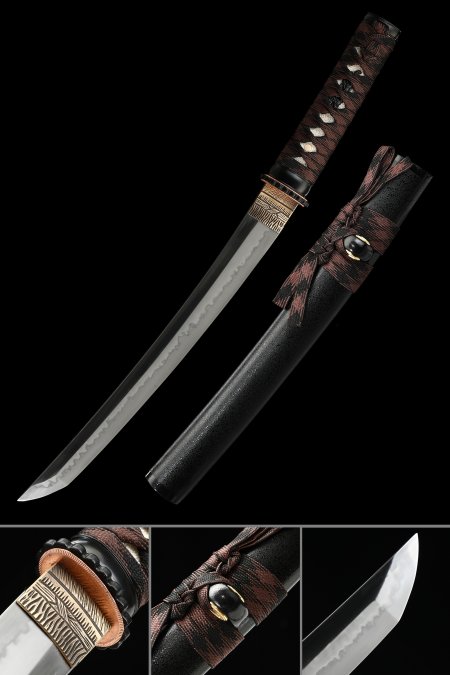
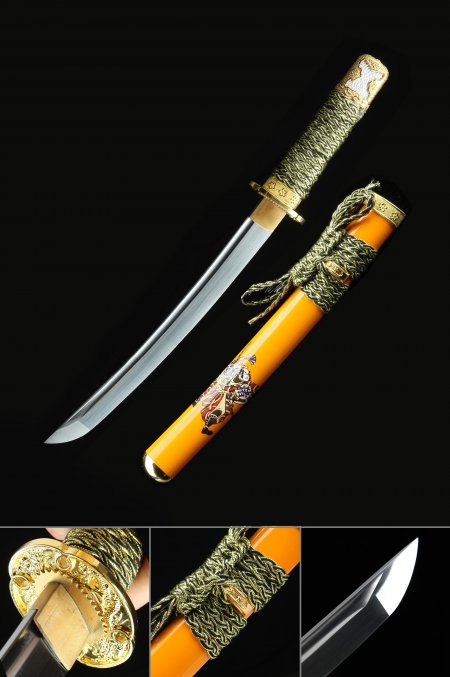
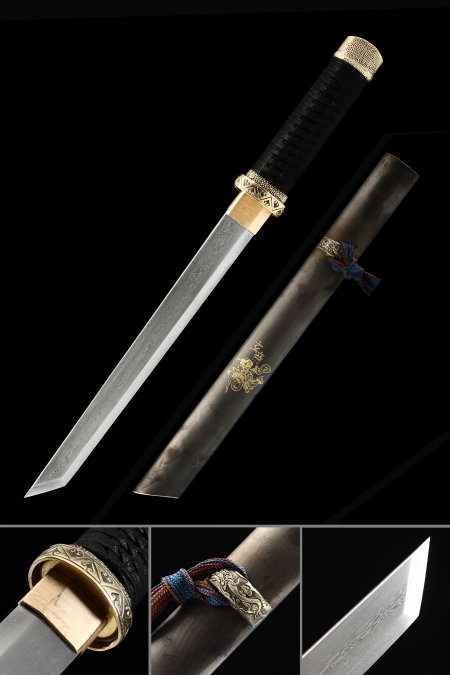
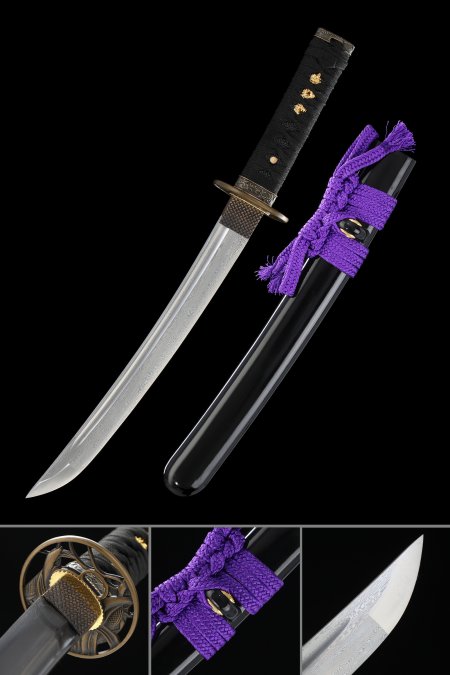
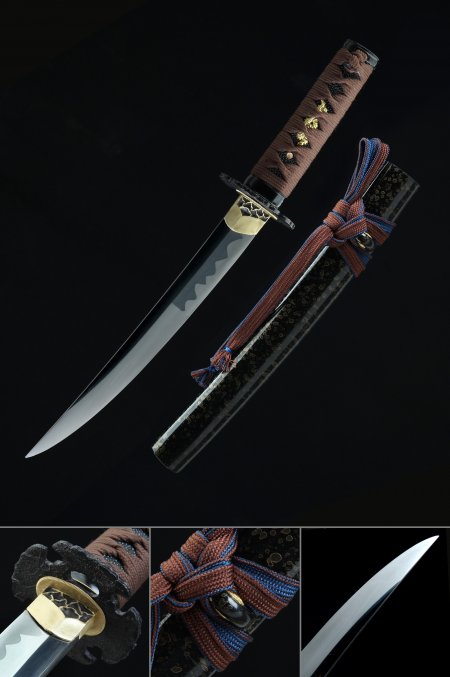
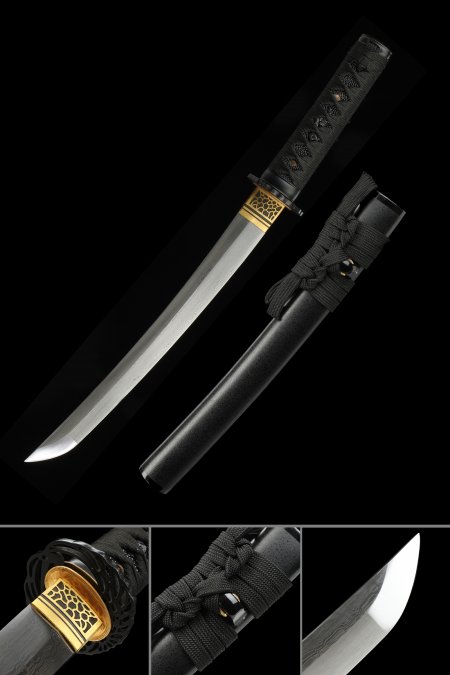
The traditional Japanese tanto is one of the oldest and most culturally significant blade forms in Japanese sword history. Every piece in this collection is hand-forged using methods that trace back to the swordsmiths of the Kamakura and Muromachi periods, when the tanto served as an essential companion blade for samurai warriors. These are not modern interpretations or simplified reproductions. Each tanto features authentic blade geometry, proper tang construction, and period-correct fittings that honor the craft traditions behind the original design. From the hira-zukuri flat grind to the classic shinogi-zukuri ridgeline, from plain aikuchi mounts to fully dressed koshirae with silk-wrapped handles, this collection covers the full range of traditional tanto forms for collectors, practitioners, and admirers of Japanese blade art.
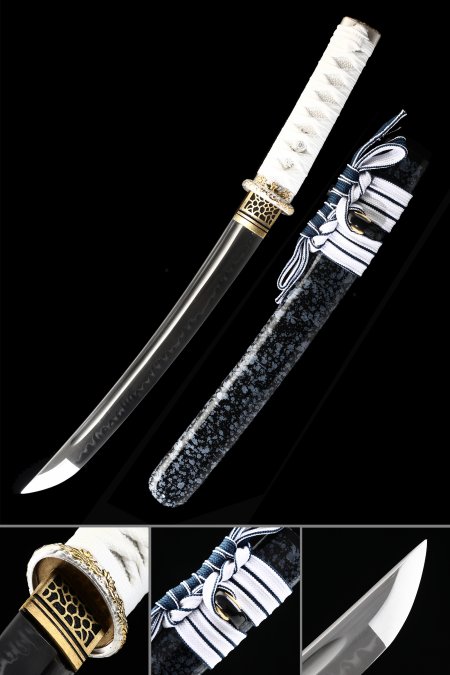
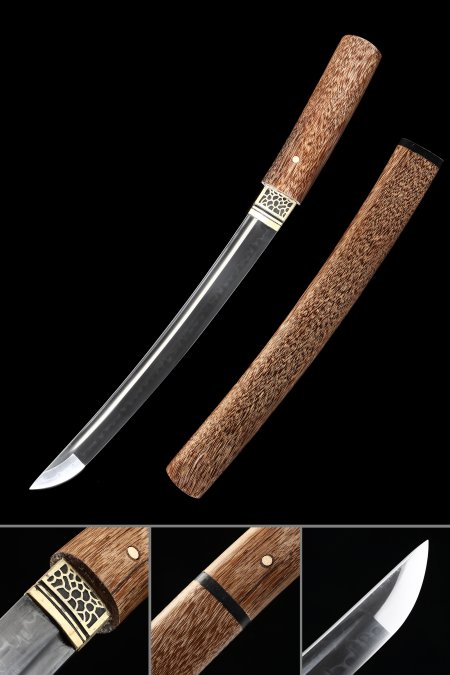
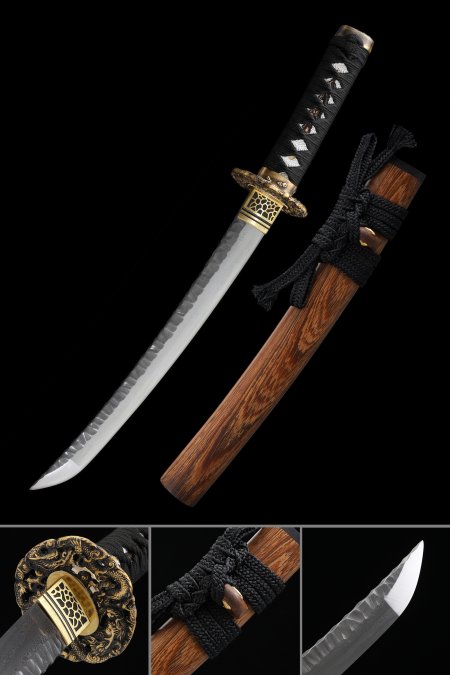
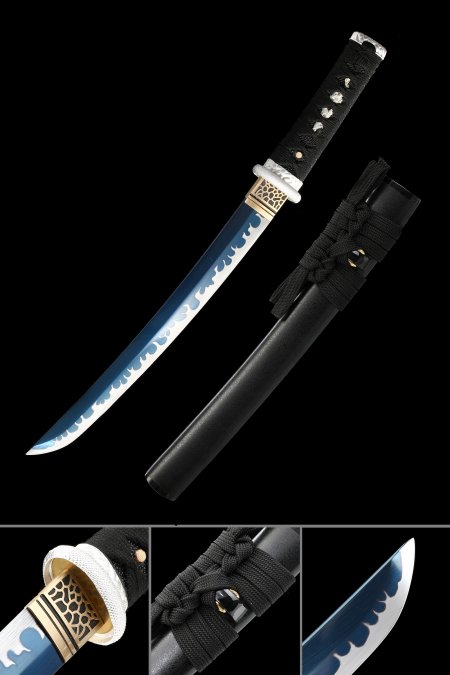
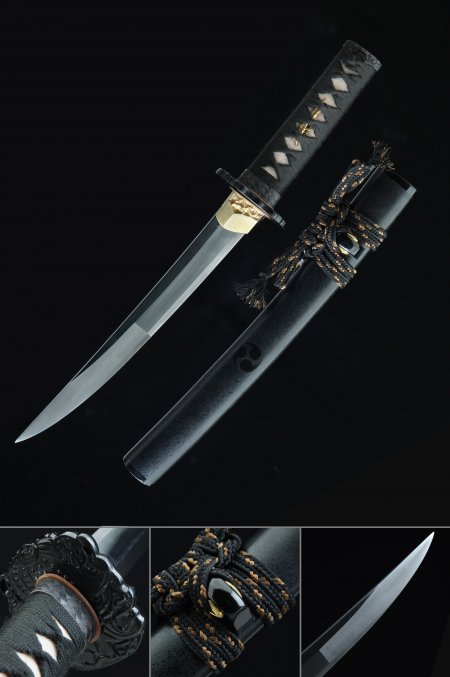
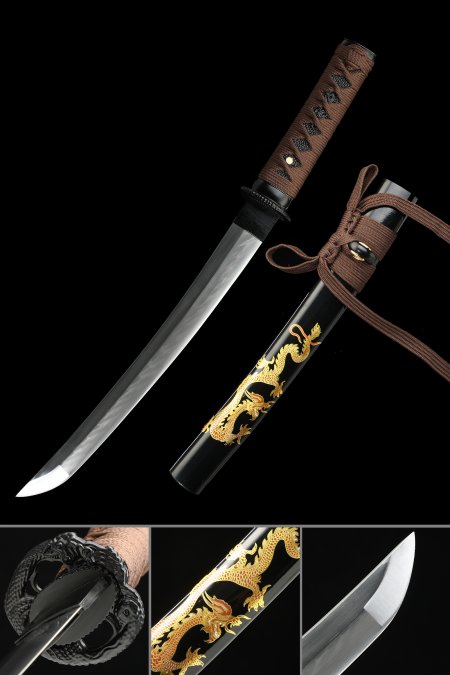
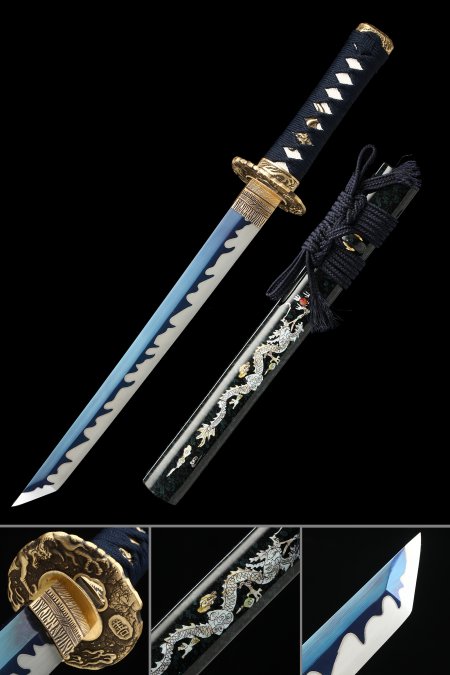
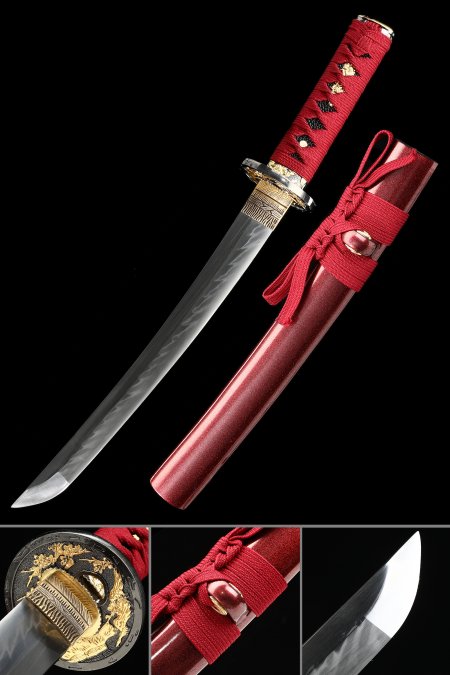
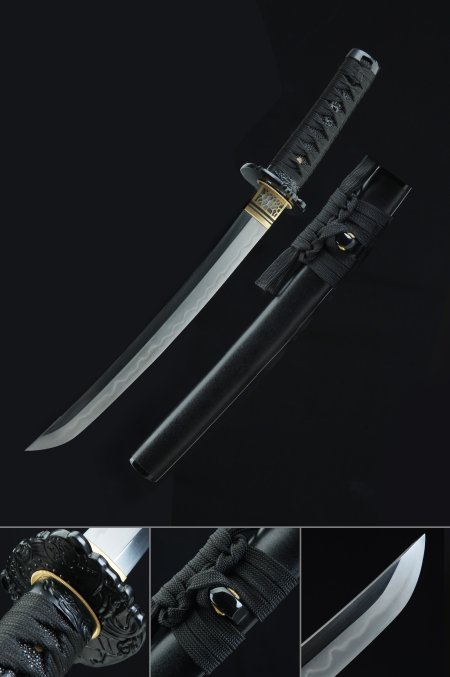
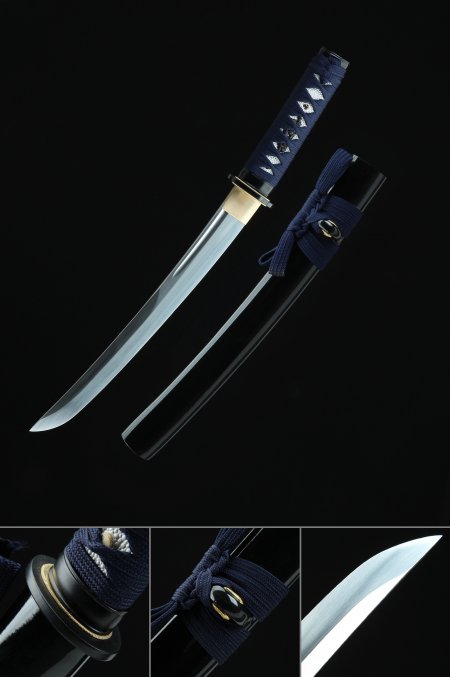
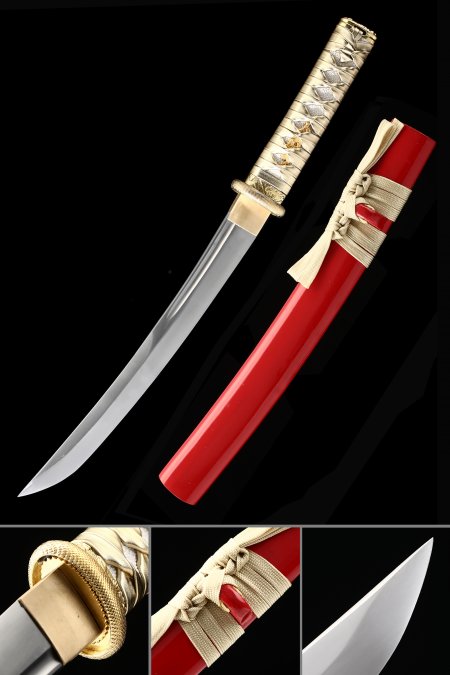
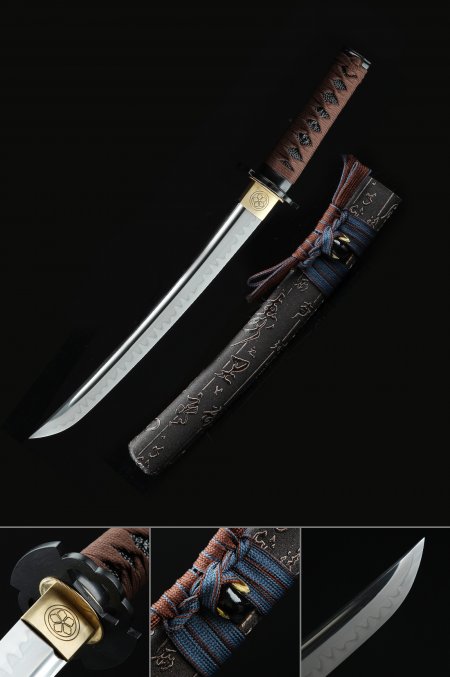
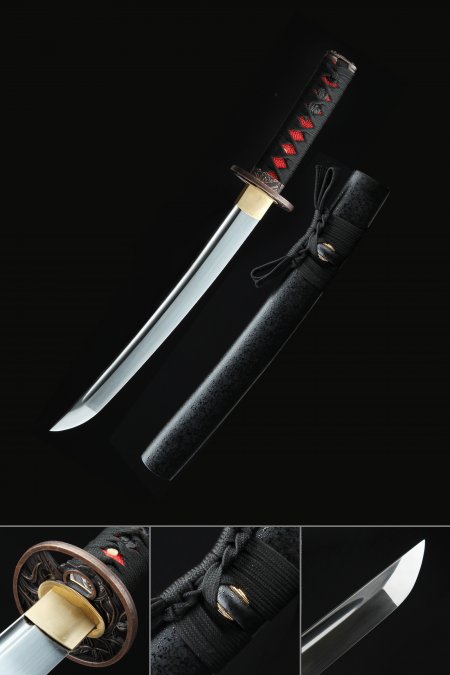
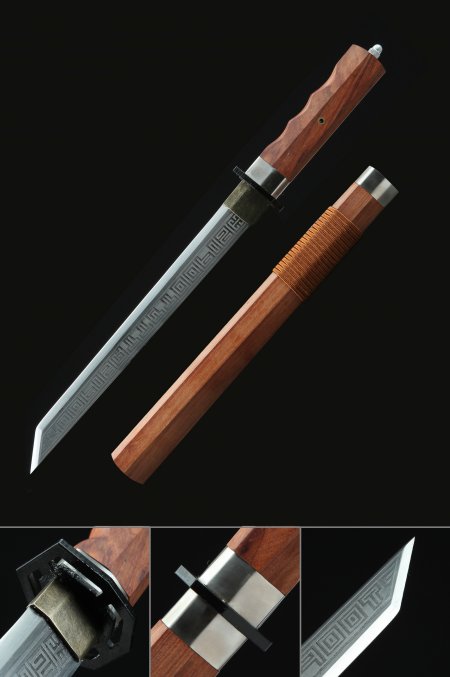
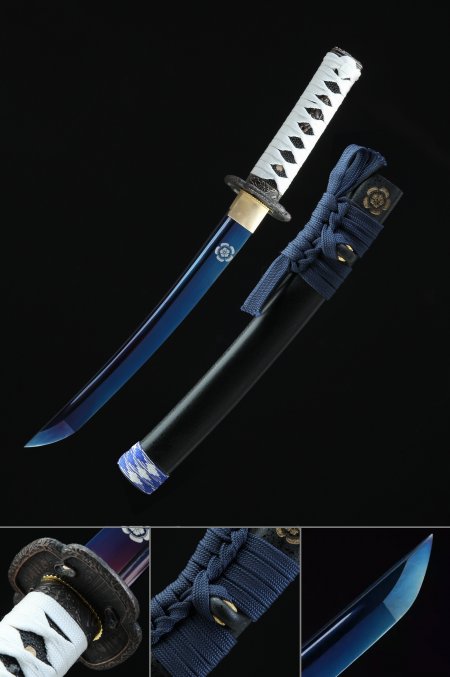
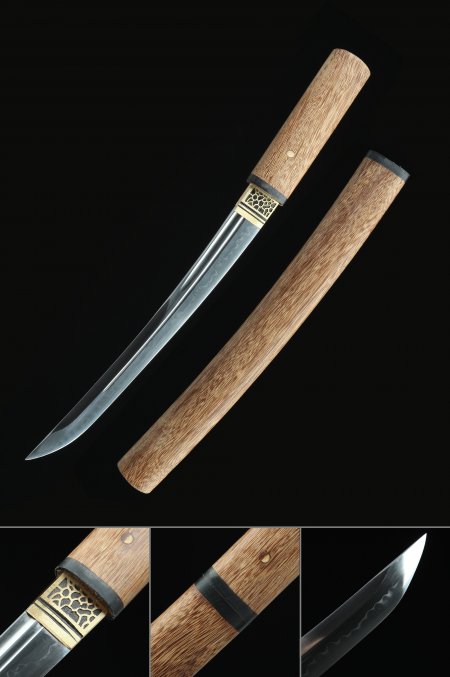
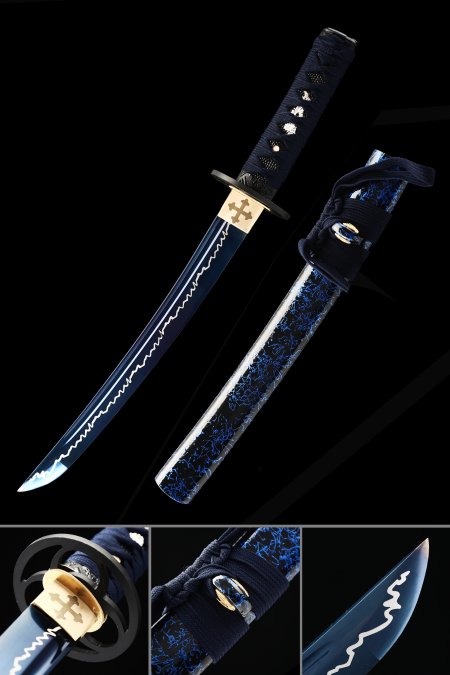
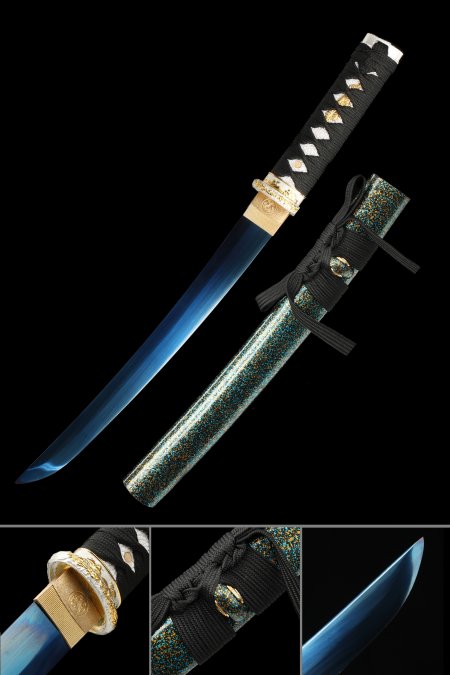
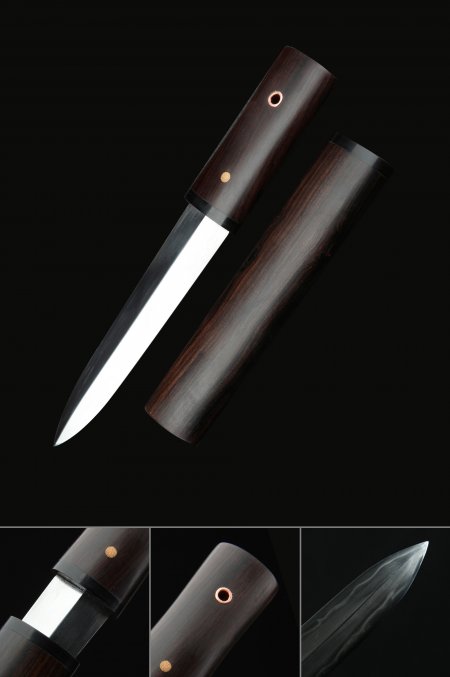
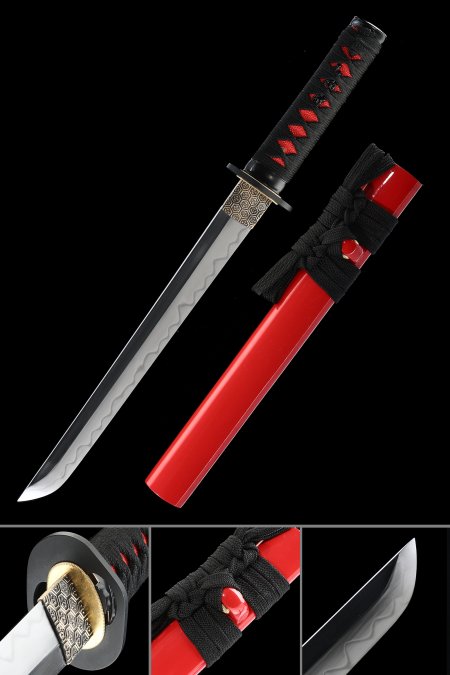
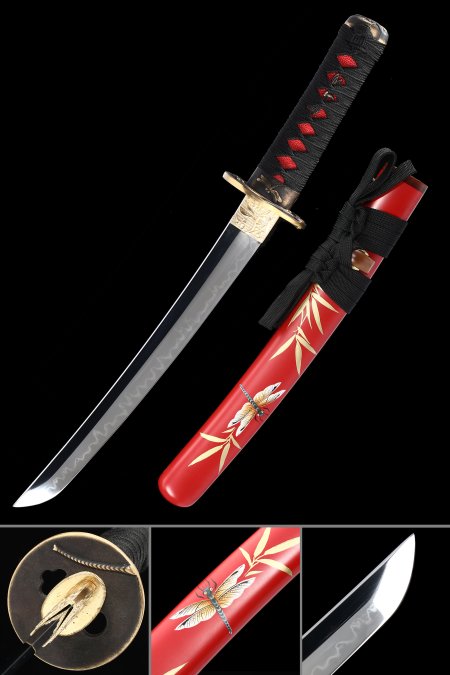
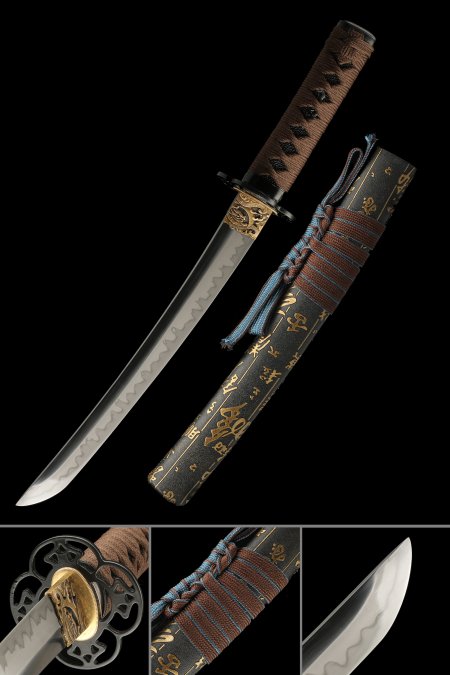
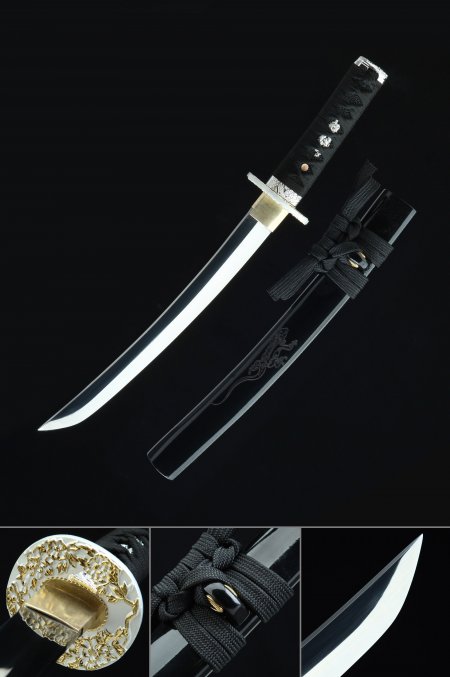
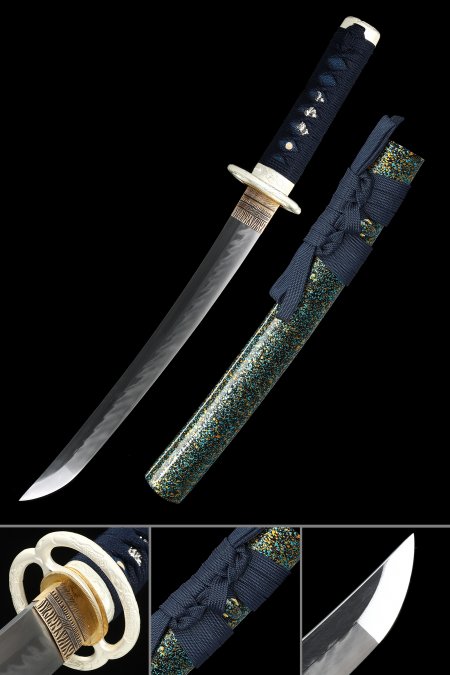
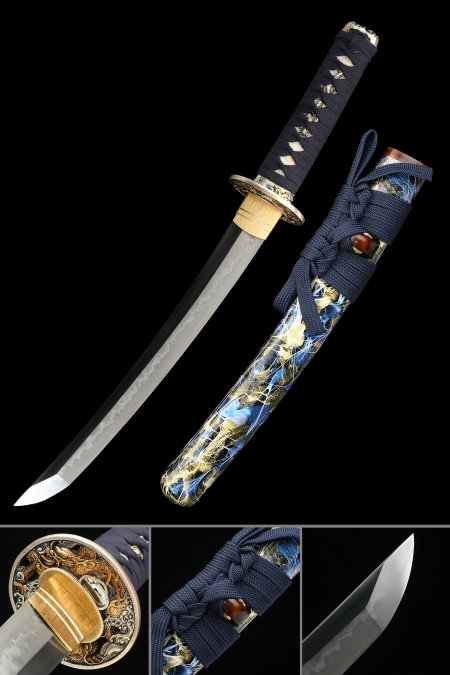
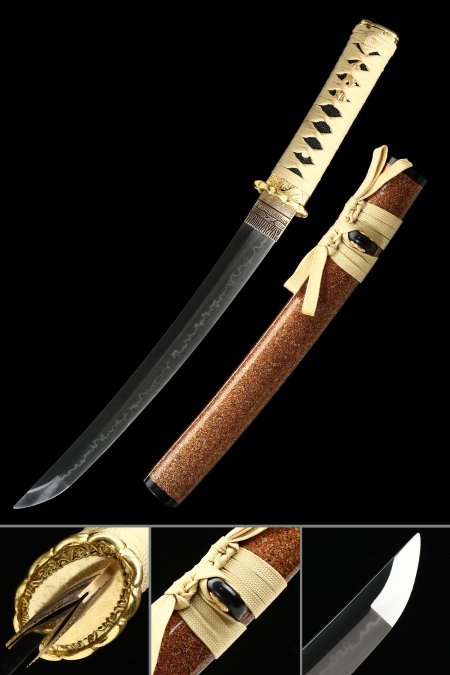
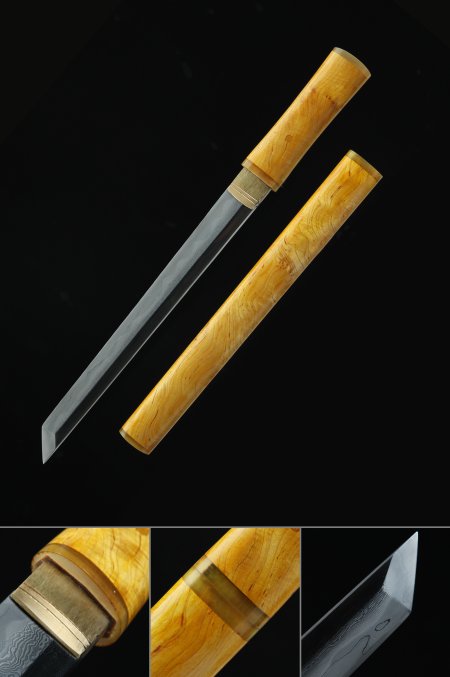
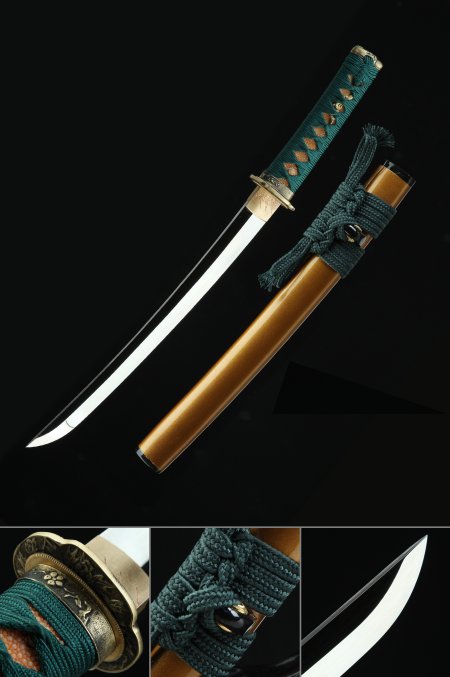
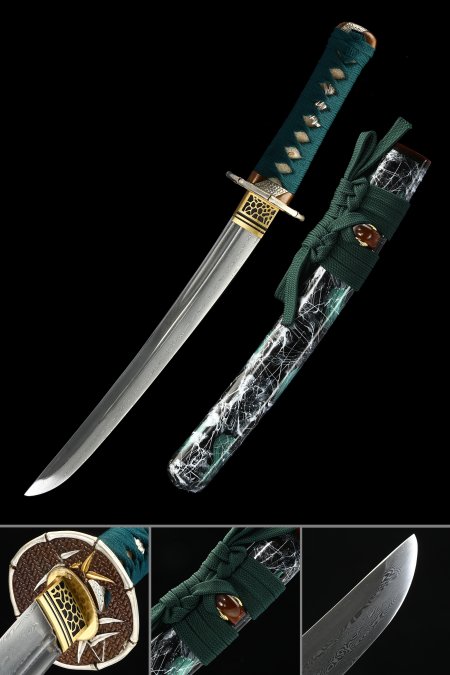
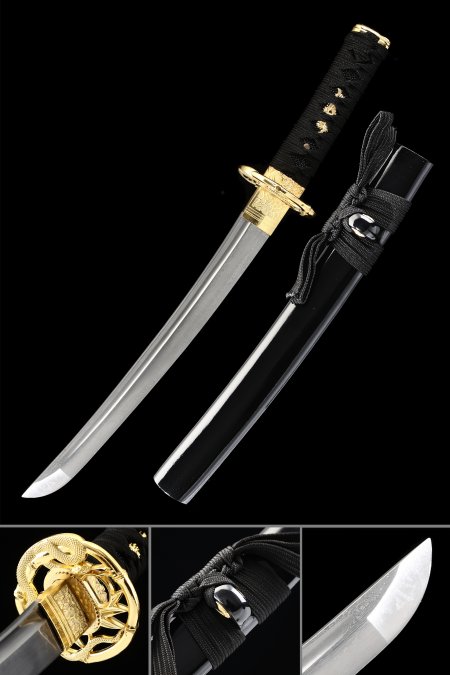
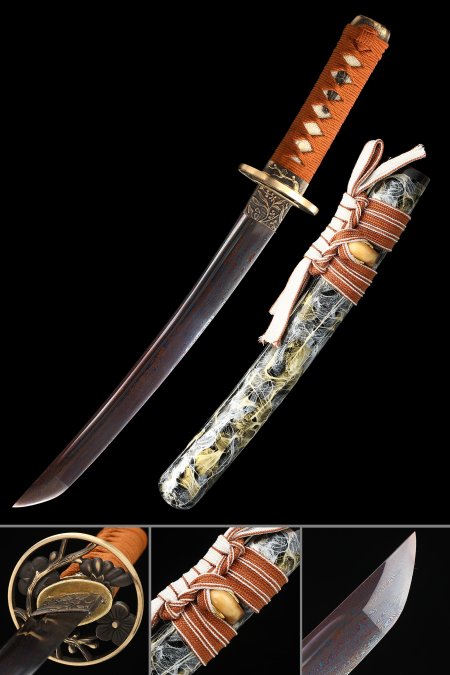
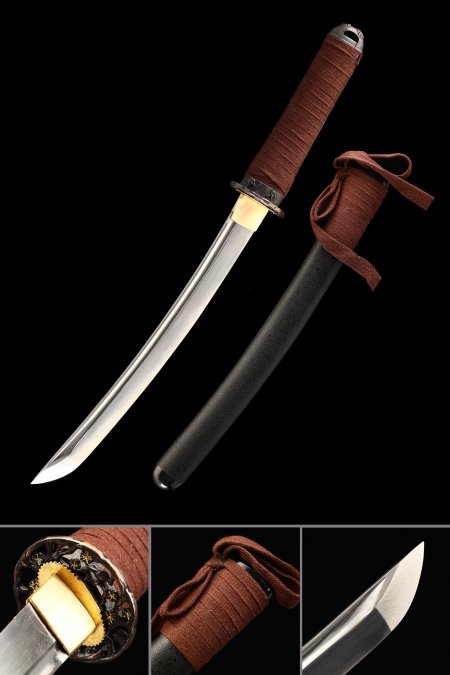
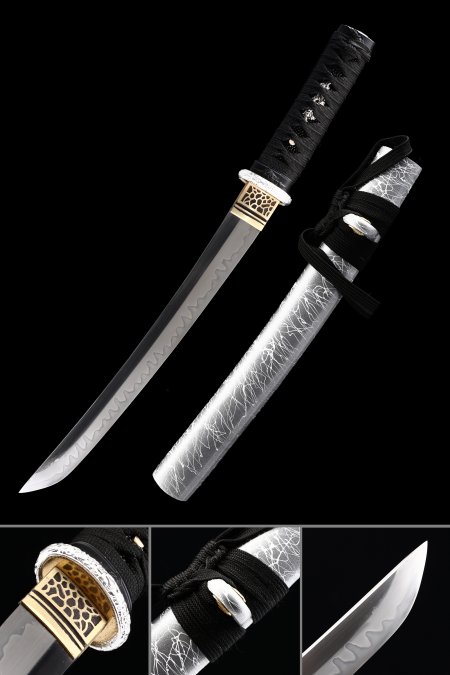
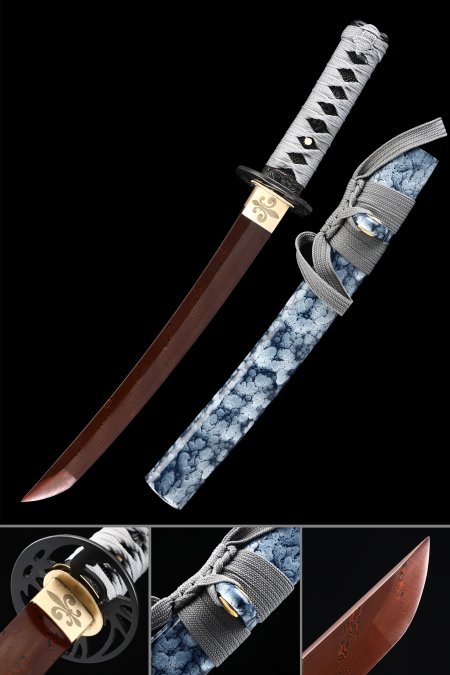
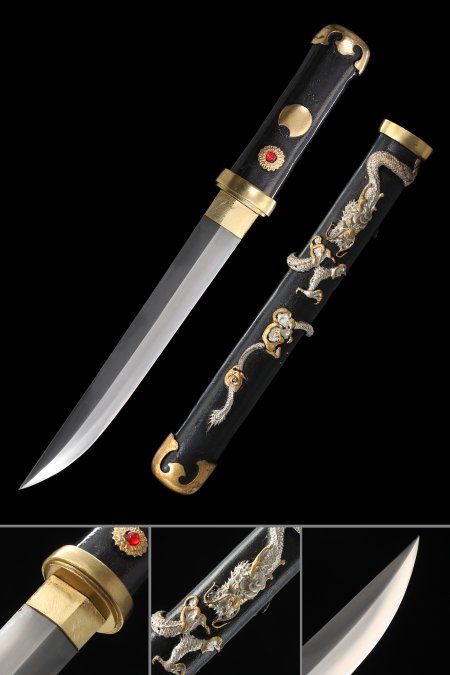
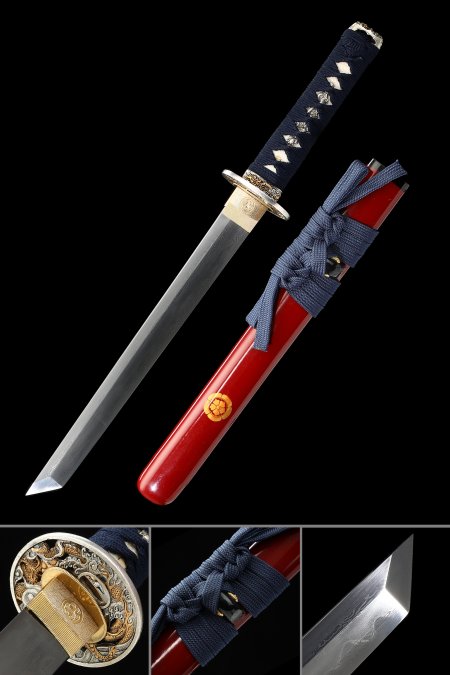
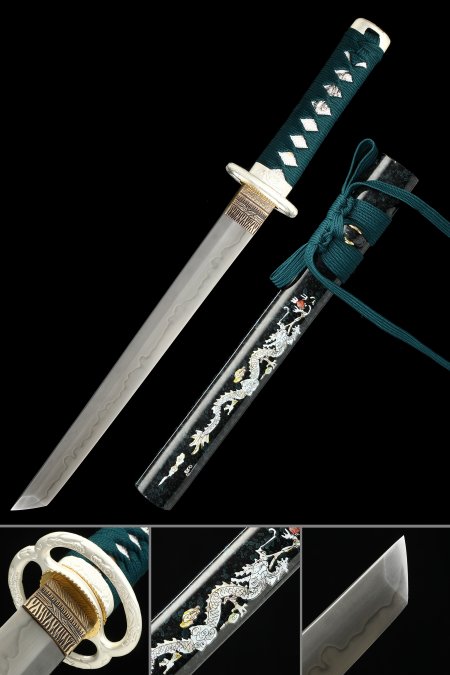
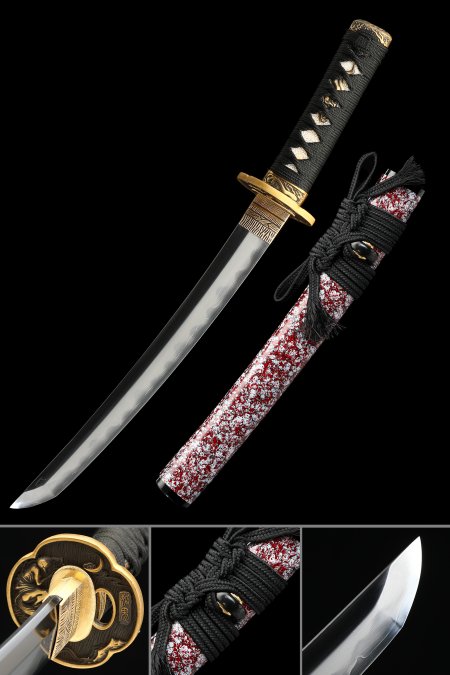
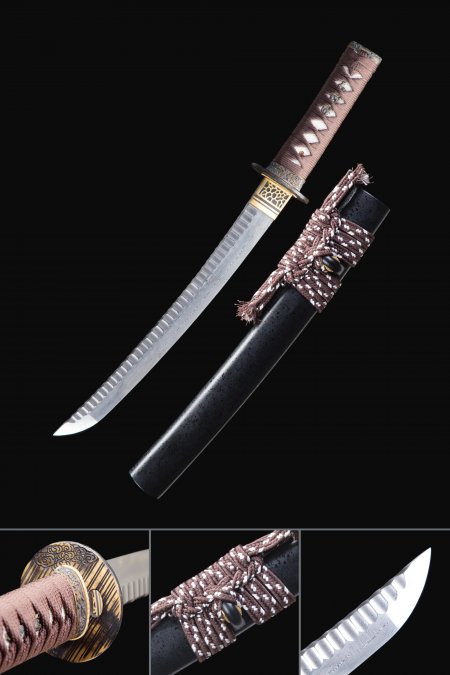
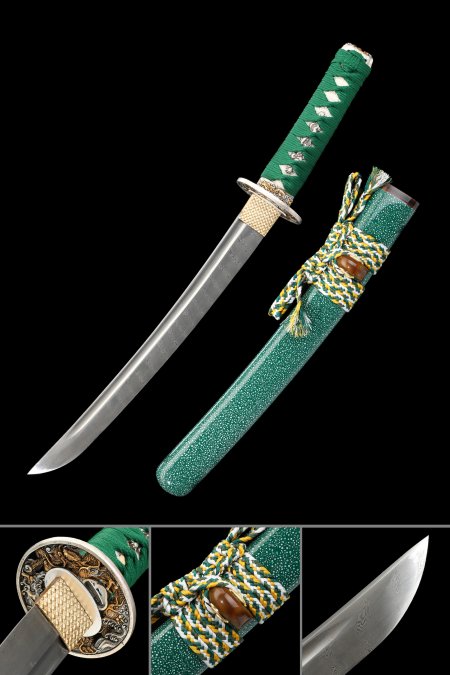
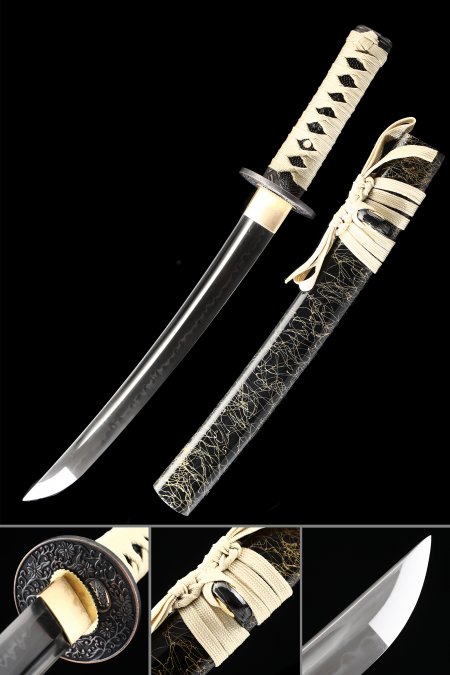
A traditional Japanese tanto is a short-bladed weapon that has been a central part of Japanese sword culture since at least the ninth century. The word tanto translates to "short blade" in Japanese, and it refers specifically to a knife or dagger with a blade length typically between six and twelve inches. Unlike Western daggers that often feature symmetrical double-edged blades, the traditional tanto is a single-edged weapon with a flat or ridged blade geometry that prioritizes thrusting power and edge durability. The blade is mounted in a wooden handle and housed in a wooden scabbard, with fittings that can range from austere and functional to elaborately decorated depending on the intended use and the wealth of the original owner.
What separates a traditional Japanese tanto from a modern tanto-style knife is the construction method and the attention to historical accuracy in every component. A Hand Forged Tanto is made using techniques that derive directly from the methods of historical Japanese swordsmiths. The steel is heated in a forge, hammered into shape on an anvil, and heat-treated through a quenching process that hardens the edge while leaving the spine relatively soft and flexible. The tang extends fully through the handle and is secured with bamboo mekugi pins, the same fastening system used on katana and other traditional Japanese swords. The fittings, including the tsuba guard, the fuchi and kashira handle caps, and the habaki blade collar, are made individually and fitted by hand rather than mass-produced and assembled from generic parts. A tanto sword in the traditional style is a complete system where every component works together and reflects centuries of accumulated craft knowledge. This level of construction is what gives the traditional tanto its value as both a functional tool and a collectible art object, distinguishing it from factory-produced tactical knives that borrow the tanto tip shape but share none of the heritage, materials, or handcrafted attention to detail that define the genuine article. Owning a traditional tanto means owning a piece of living history that connects you directly to one of the world's most respected blade-making traditions.
Traditional Japanese tanto feature several distinct blade profiles, each developed for specific purposes and associated with particular historical periods. The most widely recognized is hira-zukuri, a flat-ground profile where the blade has no shinogi ridgeline and both surfaces slope evenly from the spine to the edge. This creates a strong, wedge-shaped cross-section that excels at penetrating hard targets and was the dominant profile for fighting tanto during the Kamakura period. Hira-zukuri blades are also the easiest to maintain because the flat surface can be polished and inspected without the complications of working around a raised ridge.
Shinogi-zukuri is the ridgeline profile most commonly seen on katana and tachi, and when applied to a tanto it creates a blade with a flat area between the spine and the ridge, a distinct angle change at the ridge, and a beveled cutting surface below. This profile is lighter at the tip than hira-zukuri, which can improve cutting dynamics for slashing techniques. A Straight Tanto Sword in shinogi-zukuri looks like a miniature katana and is a popular choice for collectors who want their tanto to visually match a longer sword in a display set. Shobu-zukuri is a variation of shinogi-zukuri that eliminates the yokote line, the horizontal line that separates the tip section from the main blade on a standard shinogi-zukuri profile. This creates a smoother, more continuous transition into the tip and is considered an elegant and refined profile. Less common profiles include unokubi-zukuri, kanmuri-otoshi, and kissaki-moroha-zukuri, a distinctive double-edged tip design associated with certain schools of swordsmithing. The Hamidashi Tanto Sword can feature any of these profiles, as the hamidashi designation refers to the mounting style rather than the blade geometry. Understanding these profiles helps you select a tanto that matches both your aesthetic preferences and the historical period you want to represent in your collection. Each profile also responds differently to polishing techniques, with the flat surfaces of hira-zukuri showing the clearest reflection of steel grain patterns while the ridgeline of shinogi-zukuri creates attractive light contrasts between the different planes of the blade.
The best steel for a traditional Japanese tanto depends on whether your priority is display, cutting performance, or historical authenticity. For display-only pieces that will sit on a stand and be admired, 1045 carbon steel provides a clean, polished blade at the most affordable price point. The steel takes a good finish, and because the blade will not be subjected to impact or cutting stress, the lower hardness of 1045 is not a limitation. For tanto that will be used for light cutting practice on tatami mats or similar targets, 1060 carbon steel offers a noticeable improvement in edge hardness while remaining tough enough to handle occasional contact with hard surfaces.
Serious cutting practitioners and collectors who want the best performance should consider 1095 carbon steel or T10 Tanto blades. The 1095 grade has a high carbon content that allows the edge to be hardened to a level where it holds its sharpness through many cutting sessions, and the short blade length of the tanto means the slight increase in brittleness at higher hardness is a minimal concern. T10 tool steel incorporates tungsten into the alloy, which refines the grain structure and produces a blade that is both very hard at the edge and remarkably tough throughout. For collectors who value visual drama in the blade, folded steel and Damascus steel options create the most striking surface patterns. A 1095 Carbon Steel Tanto with clay tempering offers the best combination of performance and historical authenticity, producing a natural hamon temper line that connects the modern blade directly to the techniques used by Kamakura-era smiths. The hamon is formed during the quenching process when the differential clay coating causes the edge and spine to harden at different rates, creating a visible boundary between the hard martensite at the edge and the softer pearlite at the spine. This is the same metallurgical process that has defined Japanese blade craft for over seven hundred years, and it remains the gold standard for anyone seeking the most authentic and historically faithful traditional tanto experience available today.
The aikuchi tanto and the standard mounted tanto share the same blade but differ in one critical element of their fittings: the aikuchi has no tsuba hand guard. In a standard tanto mounting, the tsuba sits between the handle and the blade collar, providing a physical barrier that prevents the hand from sliding forward onto the cutting edge during use. Tanto tsuba are typically smaller and thinner than those on katana, but they still serve the same functional purpose and often feature elaborate decorative metalwork. The aikuchi eliminates this guard entirely, creating a sleek, uninterrupted transition from the handle directly to the habaki collar at the base of the blade.
This design choice has both practical and aesthetic implications. Practically, the absence of a tsuba makes the aikuchi tanto easier to wear inside the obi sash without the guard digging into the wearer's abdomen or hip. Historically, the aikuchi style was favored for tanto carried as personal defense weapons by courtiers, merchants, and women who wore their blades concealed or tucked close to the body where a protruding tsuba would be uncomfortable. Aesthetically, the aikuchi presents a more streamlined and refined appearance that emphasizes the quality of the lacquer work on the saya and the precision of the handle wrapping. A Sharp Tanto in aikuchi mounting is just as functional as one with a full tsuba, but it demands more careful handling because there is no guard to prevent your fingers from sliding forward during aggressive use. For cutting practice, a Full Tang Tanto with a standard tsuba mounting is the safer choice, while the aikuchi is ideal for display, collection, and light handling where the emphasis is on elegance rather than martial application. Many collectors choose to own both styles so they can appreciate the visual contrast between the fully guarded standard mounting and the clean, guard-free aikuchi profile when displayed side by side on a stand. The aikuchi has enjoyed renewed popularity among modern collectors who are drawn to its minimalist appearance and the historical associations with refined court culture rather than overt martial display.
Traditional Japanese tanto are defined by blade length, and the accepted range spans from roughly six inches at the shortest to just under twelve inches at the longest. In the Japanese measurement system, the blade length of a sword is measured in shaku and sun, where one shaku equals approximately eleven point nine inches. Any blade under one shaku in length is classified as a tanto, while blades between one and two shaku are classified as wakizashi. This means the maximum traditional tanto blade length is just under twelve inches, though most historical examples and modern reproductions fall between eight and ten inches. The overall length of the mounted tanto, including the handle, typically ranges from thirteen to eighteen inches depending on blade length and handle proportions.
Within this range, different sizes serve different purposes and carry different historical associations. A Short Tanto with a blade under eight inches was commonly carried as a concealed personal weapon or as a utility knife for everyday tasks. These compact blades were favored by women, monks, and civilians who needed a discreet self-defense option. Longer tanto approaching the twelve-inch boundary were more commonly associated with samurai warriors who carried them as battlefield sidearms alongside a katana or tachi. The size you choose should reflect your intended use and display preferences. For desk or shelf display, a shorter tanto in the eight-inch range creates an elegant, compact presentation. For stand display alongside a katana, a longer Tanto Blade in the ten to eleven-inch range provides better visual proportion and matches the scale of the longer sword more effectively. Handle length typically ranges from four to six inches, with proportions that allow a comfortable one-handed grip while maintaining the visual balance of the mounted piece. When ordering a custom tanto, specifying both blade and handle length ensures that the finished piece fits your hand comfortably and looks proportionally correct on your chosen display stand. The weight of the tanto also varies with length, with shorter models weighing as little as half a pound and longer examples approaching one pound with fittings, which affects how the piece feels in hand and how it sits on a display stand.
Yes, a properly constructed traditional Japanese tanto is fully capable of performing cutting tasks, and many practitioners use them in tameshigiri test cutting to evaluate blade quality and to practice technique. The key requirements for a cutting-capable tanto are the same as for any functional Japanese blade: the steel must be of sufficient grade, the heat treatment must produce an appropriately hardened edge, and the tang must extend fully through the handle with secure mekugi pin retention. A tanto with 1060 carbon steel or higher, proper heat treatment, and full-tang construction will cut through rolled tatami mats, bundled straw, and similar traditional test targets with clean, decisive passes when the technique is correct.
The short blade length of the tanto gives it cutting characteristics that differ from longer swords. Because there is less blade to work with, the cutting window is smaller, and edge alignment becomes even more critical than with a katana. This makes the tanto an excellent training tool for developing precision and discipline in your cutting technique. A Clay Tempered Tanto is the premium choice for cutting practice because the differential hardening creates an edge that is extremely hard and sharp while leaving the spine soft and resilient. This combination allows the blade to bite into targets aggressively without the risk of chipping or snapping that a uniformly hard blade might face. The visible hamon line produced by clay tempering is also a mark of quality and authenticity that adds value to the piece as a collectible. For practitioners who want the most visually distinctive cutting tanto, a Real Hamon Tanto displays the natural temper line created during the heat treatment process, which serves as both a performance feature and a visual signature that every blade enthusiast can appreciate. The hamon pattern is unique to each blade and provides a permanent record of the specific conditions under which the blade was quenched, making every clay-tempered tanto genuinely one of a kind. Whether you are a seasoned practitioner or a collector who occasionally tests a blade, a well-constructed traditional tanto will reward proper technique with clean, satisfying cuts through appropriate targets.
Caring for a traditional Japanese tanto follows the same principles that Japanese sword owners have practiced for centuries, adapted for the materials and conditions of modern home environments. The most important maintenance task is preventing rust and oxidation on the blade surface. Carbon steel is reactive and will develop rust spots quickly if exposed to moisture, fingerprints, or high humidity. After handling your tanto, wipe the blade thoroughly with a soft cotton cloth to remove any oils from your skin. Then apply a thin layer of choji oil, which is a traditional Japanese blade oil made from clove oil in mineral oil, using a clean cloth or the small cotton ball that often comes in a sword maintenance kit. Spread the oil evenly across both sides of the blade, covering the entire surface from the habaki to the tip.
For a High Quality Tanto with premium fittings, pay attention to the metal components as well. The tsuba, fuchi, kashira, and menuki can develop patina over time, which some collectors consider desirable and others prefer to prevent. If you want to preserve the original finish, wipe the metal fittings with a dry cloth after handling and store the tanto in a low-humidity environment between forty and sixty percent relative humidity. The lacquer on the saya should be wiped with a slightly damp cloth to remove dust and then dried immediately. Do not use chemical cleaners or solvents on lacquered surfaces, as these can strip the finish or cause clouding. The ito wrapping on the handle should be kept dry and clean. If the wrapping becomes soiled, a gentle wipe with a barely damp cloth followed by thorough air drying is the safest cleaning method. Store your tanto horizontally with the edge facing upward to prevent the cutting edge from resting against the inside of the scabbard, which can dull the edge over time. A Real Tanto made from quality materials and maintained with these simple steps will remain in excellent condition for decades and can be passed down as a family heirloom.
The daishō, meaning "big-small," refers to the paired set of katana and wakizashi that samurai were required to wear as a symbol of their social status during the Edo period. While the tanto is not technically part of the daishō itself, it was commonly carried as a third blade and holds a respected position in the broader samurai weapon system. The Katana, Wakizashi And Tanto Set represents the complete three-blade configuration that collectors most commonly display together. In this arrangement, the katana occupies the top tier of a display stand with its edge facing upward, the wakizashi sits on the middle tier, and the tanto rests on the lowest tier, creating a graduated presentation that mirrors the hierarchy of the weapons in actual use.
Historically, the tanto served purposes that the longer blades in the set could not fulfill. It was the weapon of last resort in close combat when the katana and wakizashi had been lost or when fighting in such tight quarters that a long blade was unusable. It was also the blade used for seppuku, the ritual act of self-disembowelment that samurai performed to preserve their honor, which gave the tanto a solemn cultural significance beyond its martial function. In everyday life, the tanto served as a utility knife for mundane tasks that would be beneath the dignity of a sword. Matching the fittings of all three blades in a set was a mark of wealth and good taste, with the same motifs executed across all pieces by the same fittings maker. A Traditional Katana paired with a wakizashi and tanto in coordinated fittings represents the pinnacle of Japanese sword collecting and makes a display that communicates both martial heritage and aesthetic refinement. Building such a matched set is a rewarding long-term project for collectors who appreciate the visual and historical coherence of a unified presentation. Even if you start with a single tanto, choosing fittings that lend themselves to future matching with a katana and wakizashi gives you a foundation to build on as your collection grows over time.
The fittings on a traditional Japanese tanto are collectively called kodogu, and they include every metal and decorative component beyond the blade itself. The tsuba is the hand guard that sits between the handle and the blade collar. On a tanto, the tsuba is typically quite small compared to those on a katana, often round or oval in shape and featuring intricate metalwork that ranges from simple iron construction to elaborate compositions with gold, silver, and copper inlay. A Dragon Tsuba Tanto features a guard carved or cast with dragon motifs, which is one of the most popular traditional designs and symbolizes power, wisdom, and protection in Japanese culture.
The fuchi is the metal collar that wraps around the handle where it meets the tsuba, and the kashira is the pommel cap at the end of the handle. These two pieces are traditionally made as a matched pair with coordinating designs. Beneath the ito wrapping on the handle sit the menuki, small metal ornaments that provide grip texture and serve as another canvas for decorative art. The menuki designs often relate thematically to the tsuba motifs, creating a unified aesthetic across the fittings set. The habaki is the blade collar that fits snugly over the base of the blade and provides the friction fit that holds the blade securely in the scabbard. It is usually made from copper or brass and may be plain or decorated. The saya houses the blade and is traditionally constructed from honoki wood with a lacquer finish. A Cherry Blossom Saya Tanto features a scabbard decorated with sakura motifs in lacquer, which is one of the most recognizable and beloved designs in Japanese decorative arts. The sageo cord wraps around the kurikata knob on the saya and was historically used to secure the tanto to the obi sash. All of these components work together as a system, and the quality and coherence of the fittings are what distinguish a truly traditional tanto from a basic reproduction. When evaluating a tanto, paying close attention to the harmony between the fittings motifs and the precision of their construction tells you more about the overall quality of the piece than the blade alone ever could.
A traditional Japanese tanto is one of the finest gifts you can give to anyone who appreciates Japanese culture, martial arts, blade craft, or simply beautiful handmade objects. Its compact size makes it far more practical as a gift than a full-length katana, both for shipping and for the recipient's display options. A tanto fits on a desk, a bookshelf, a mantle, or a small wall bracket without requiring the dedicated display space that a longer sword demands. The combination of a hand-forged blade, hand-fitted wooden fittings, and carefully wrapped handle gives the tanto a level of tactile and visual quality that is immediately apparent when you pick it up. A Beautiful Tanto with premium lacquer and decorative fittings makes a memorable gift for weddings, graduations, retirements, or any occasion where a lasting and meaningful present is called for.
For home display, the traditional tanto offers several advantages over other collectible blades. Its small footprint means it works in rooms where space is limited, and its rich fittings provide visual interest at close viewing distances that reward careful examination. A display case or glass-topped table is an ideal setting for a tanto because visitors can appreciate the detail of the tsuba, the texture of the ito wrapping, and the pattern of the lacquer work from just a few inches away. This close-viewing quality is something that katana and other longer swords cannot match as easily because their scale works better at a distance. A Folded Steel Tanto adds another dimension to the display experience because the layered steel pattern on the blade surface is most visible and most impressive at close range, making it an ideal choice for a piece that will be examined and admired up close. Whether you are buying for yourself or for someone special, a traditional Japanese tanto is a timeless piece that carries cultural weight, artistic value, and genuine craftsmanship in a package that fits comfortably into any living space. The enduring appeal of the tanto as a gift lies in its combination of beauty, history, and the unmistakable quality of a handmade object that no mass-produced item can replicate.
Order was great. One of the sheaths did have a crack in it but thats ok.
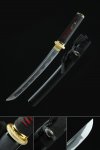 |
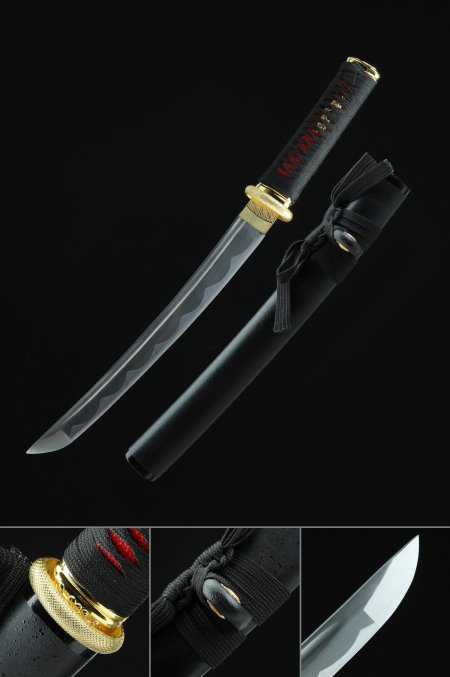
1045 Carbon Steel Tanto Sword with Black Matte Hardwood Saya and Gold Alloy Tsuba - Full Tang Japanese Short Sword |
I thought my product was made in Japan… Looks like made in China… good thing blade sharp display doesn’t look bad except handle has wood piece that’s light brown that doesn’t match black they could’ve dyed it. Def worth more around $50-$90 not $150. The little wood part on sword handle bothers me they should’ve dyed it black to blend it in. Other than that honestly it’s just okay and don’t think it was worth the $150
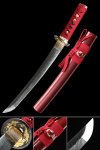 |
T10 Clay Tempered Tanto Sword with Real Hamon in Red Saya - Gold Floral Tsuba Collectible |
Exceeded expectations, quality materials and workmanship
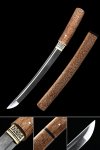 |
Shirasaya Tanto T10 Folded Clay Tempered Steel with Real Hamon in Natural Rosewood Saya |
My second blade bought from True Katana and I am very happy with both. Sharp and beautiful to look at.r
Highly recommend
|
Shirasaya Tanto T10 Folded Clay Tempered Steel with Real Hamon in Natural Rosewood Saya |
What a beautiful blade.r
I am not an expert sword collector, but the blade is beautiful, sharp and makes me smile every time I handle it.
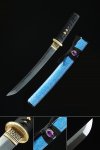 |
Damascus Steel Tanto with Blue Saya - Gold Alloy Tsuba, Black Cord Handle, Purple Gem Accent |
its my first one, not the only one. i love good for decoration
|
Shirasaya Tanto T10 Folded Clay Tempered Steel with Real Hamon in Natural Rosewood Saya |
Fantastic design and blade! Beautiful color as well! Love the feel of it! Definitely will be getting more!
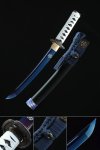 |
Ghost of Tsushima Tanto - Jin Sakai Short Sword Replica, 1065 Carbon Steel, Blue Blade |
I love it, the knot on the handle came off but is was no big deal easy fix, haven't used it a lot but is still sharp!!
|
1045 Carbon Steel Tanto Sword with Black Matte Hardwood Saya and Gold Alloy Tsuba - Full Tang Japanese Short Sword |