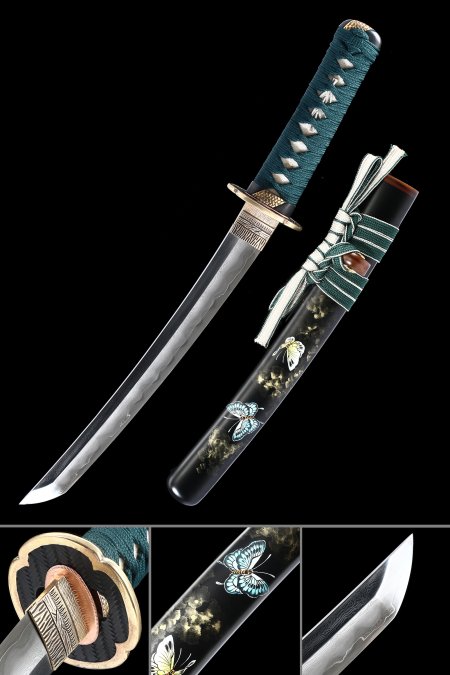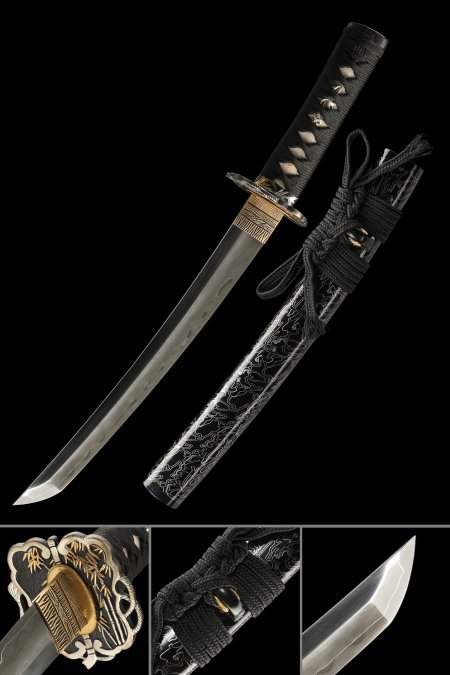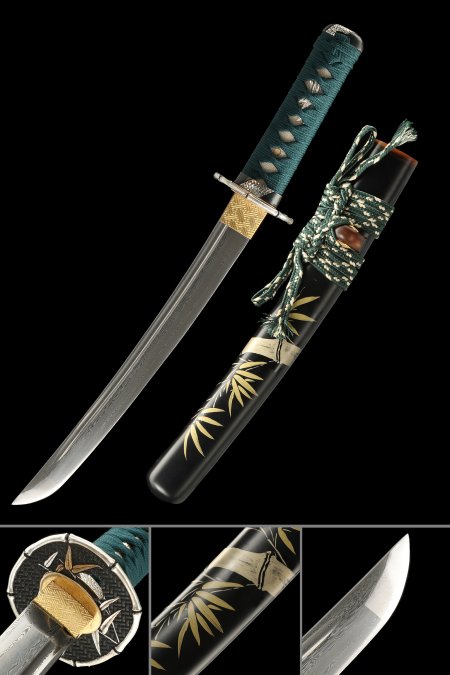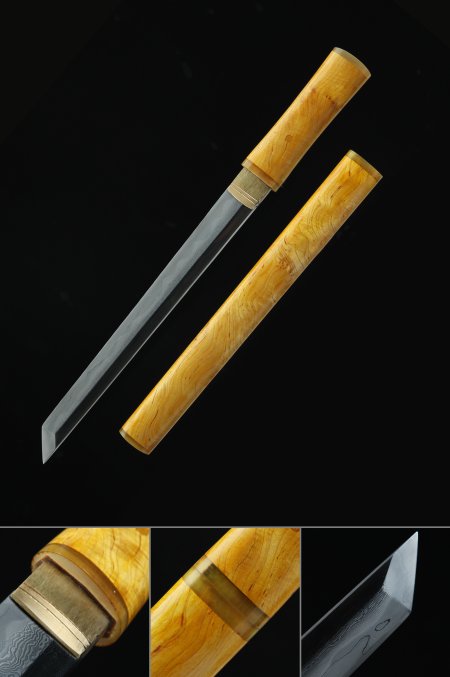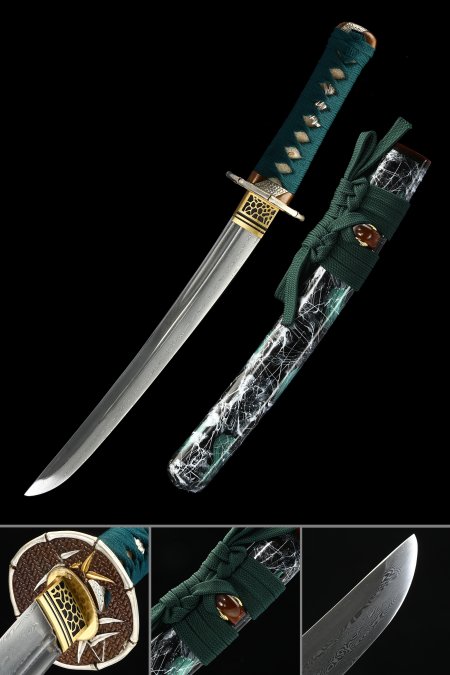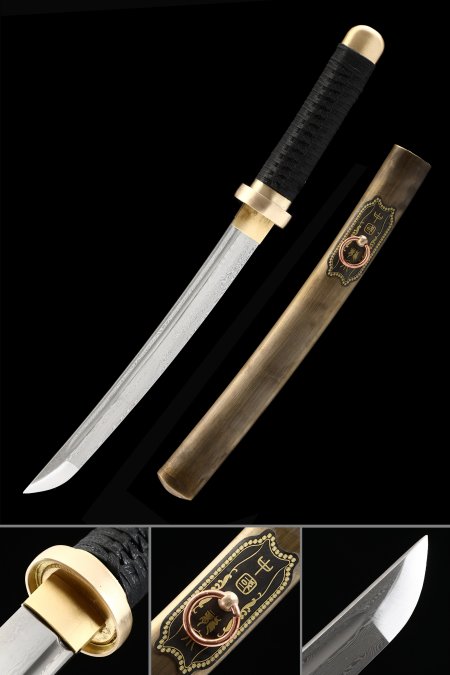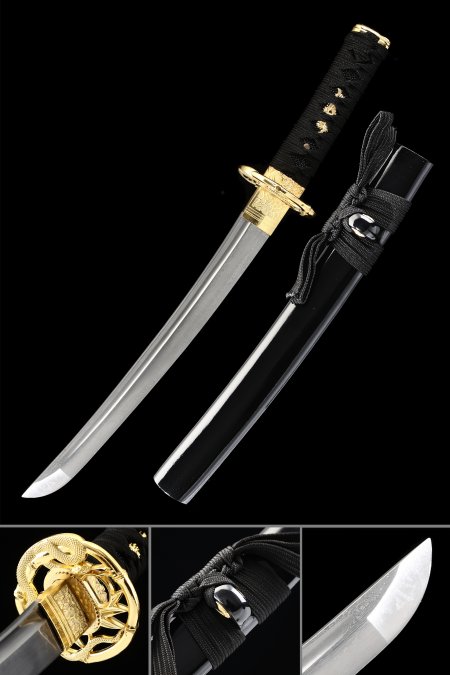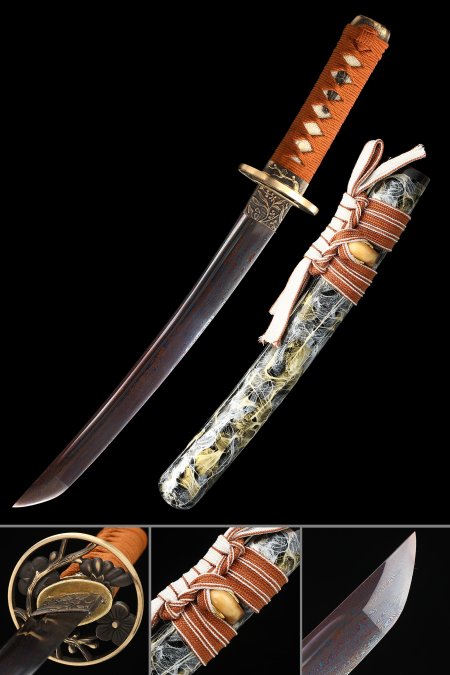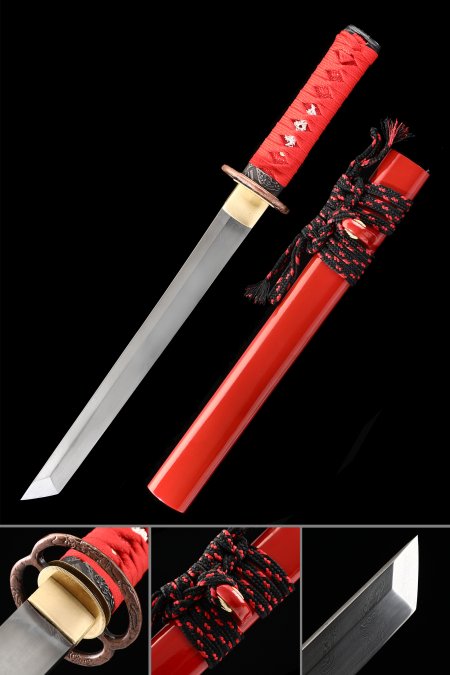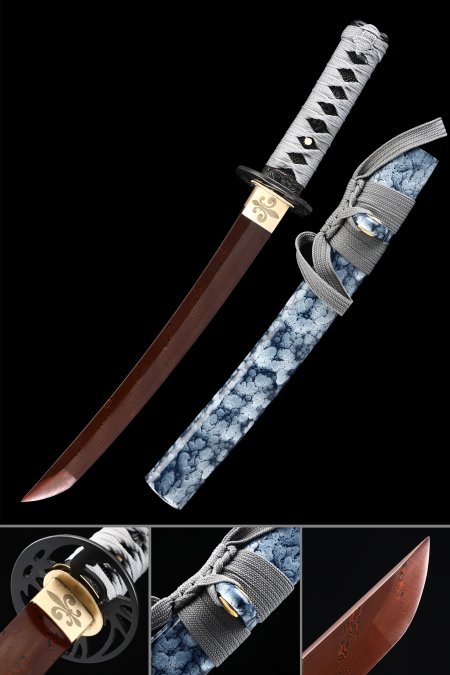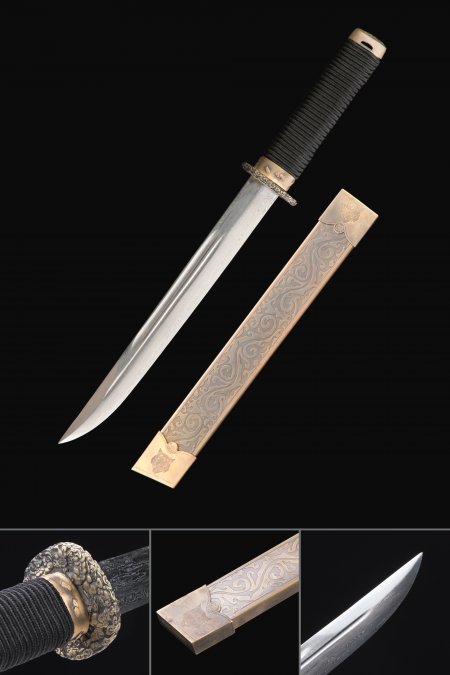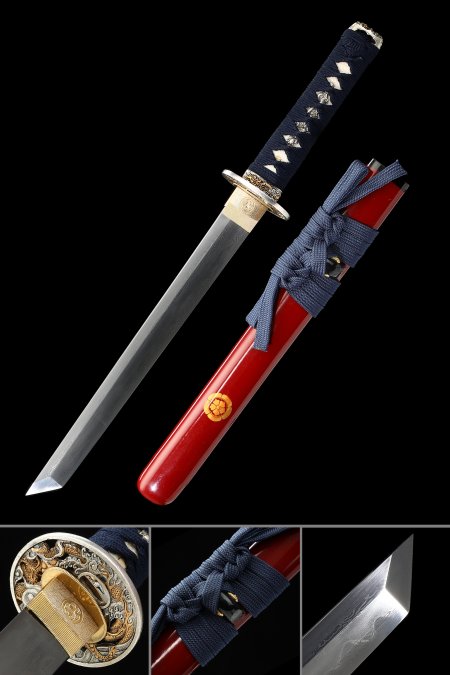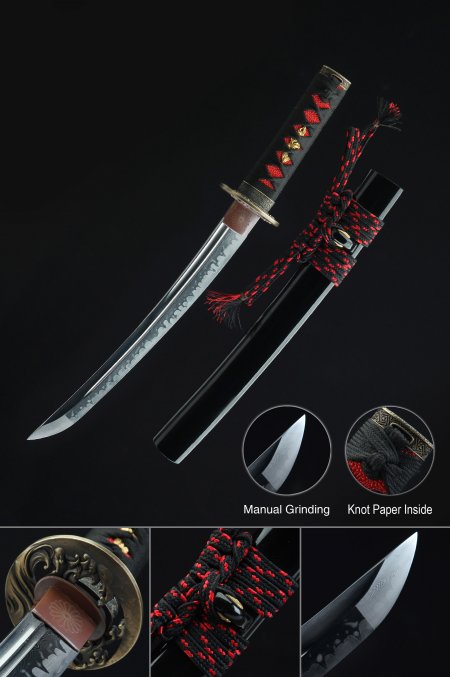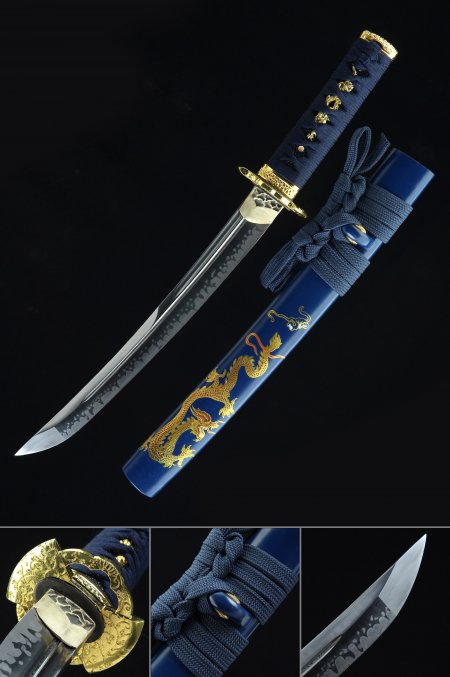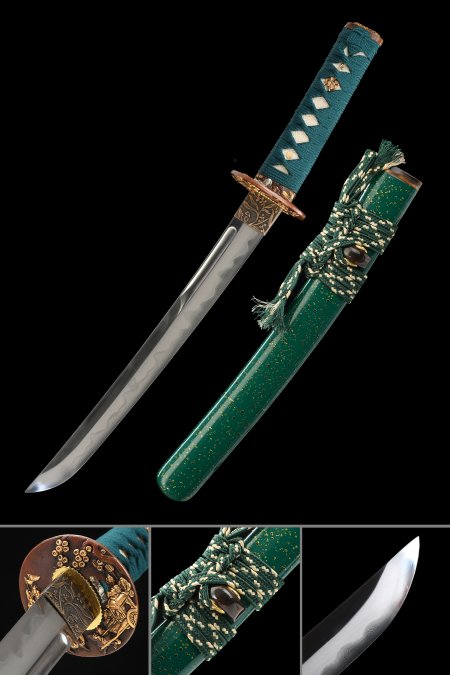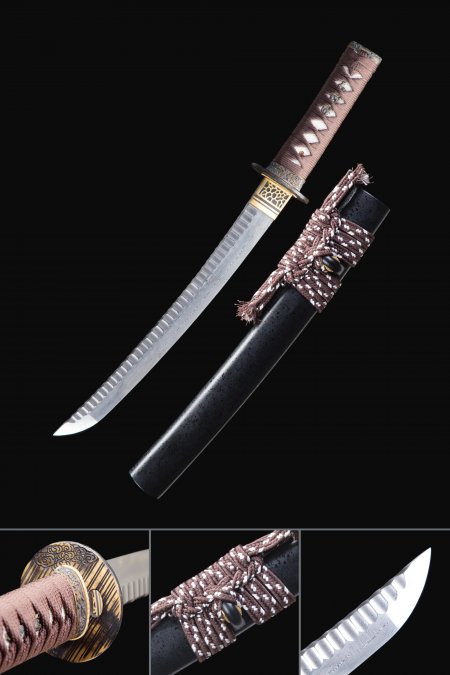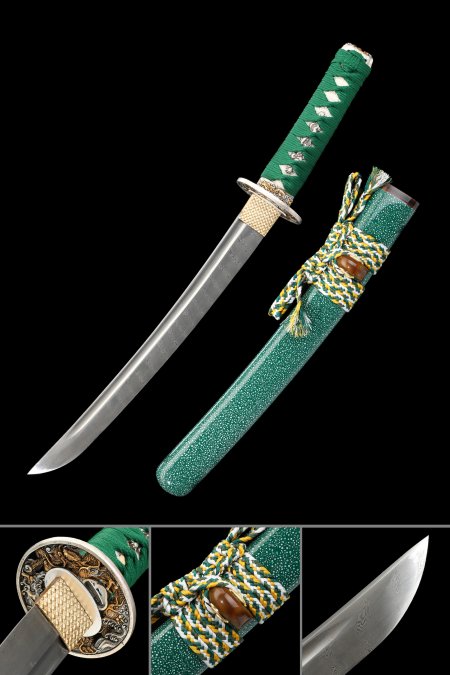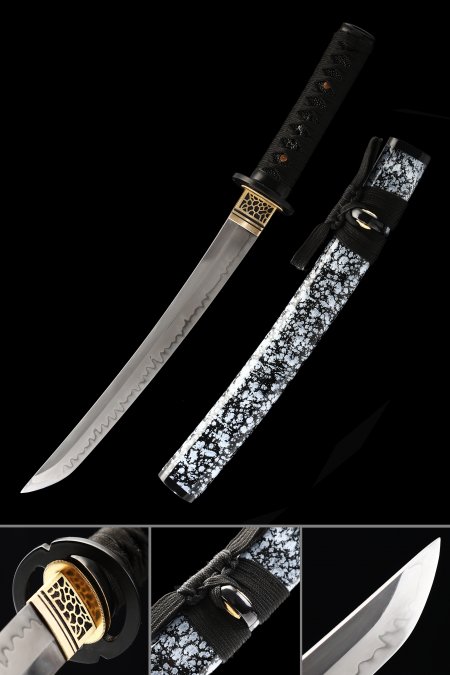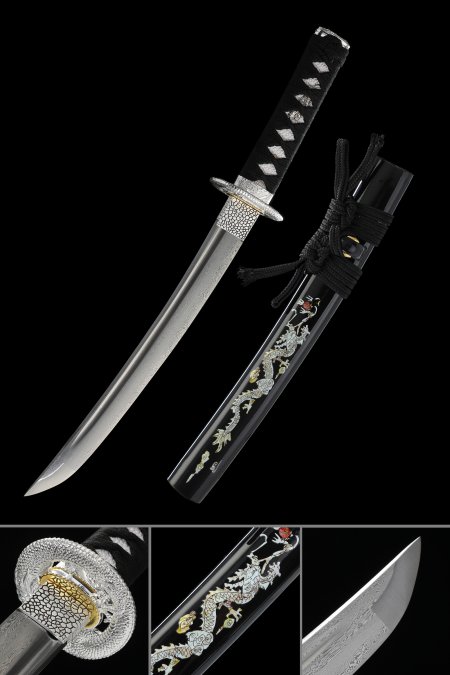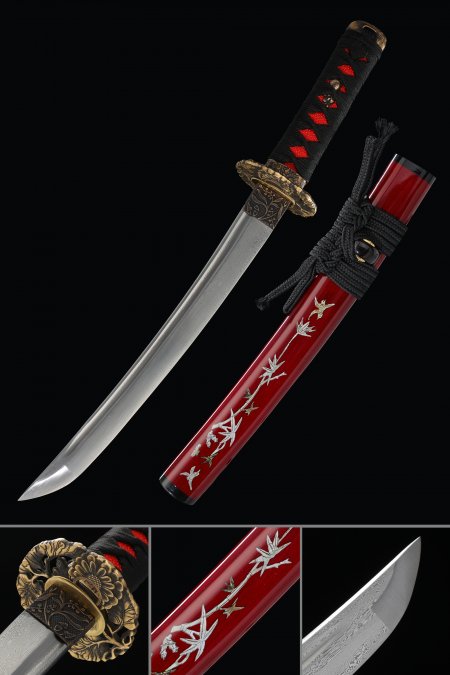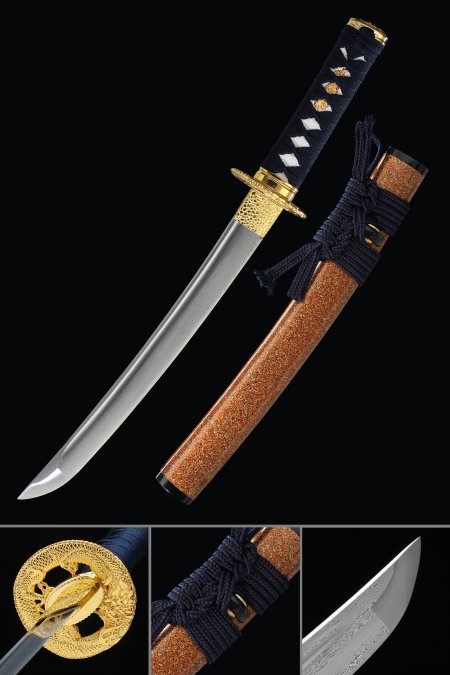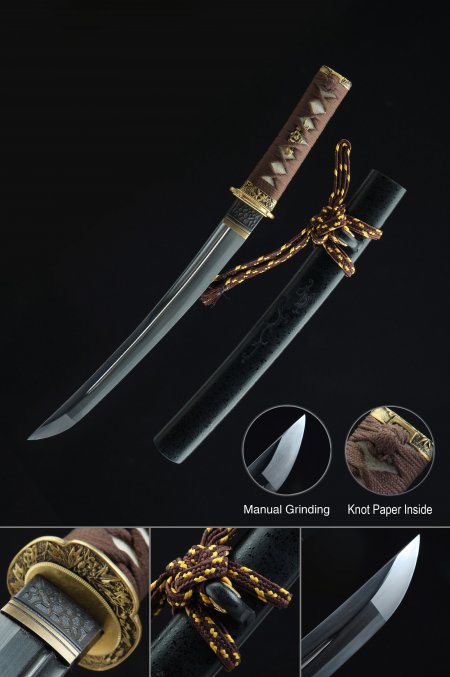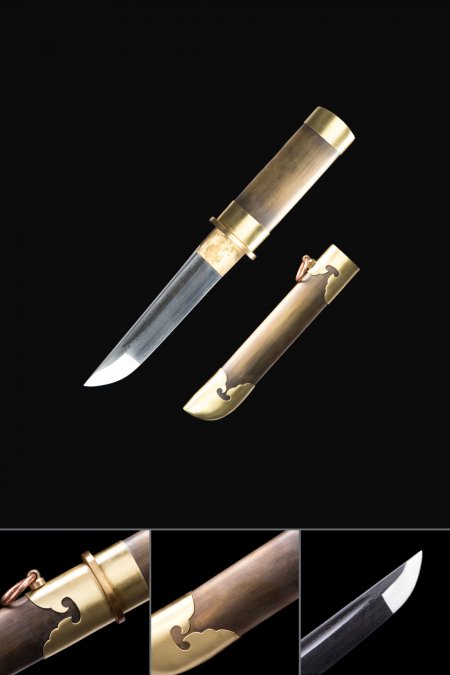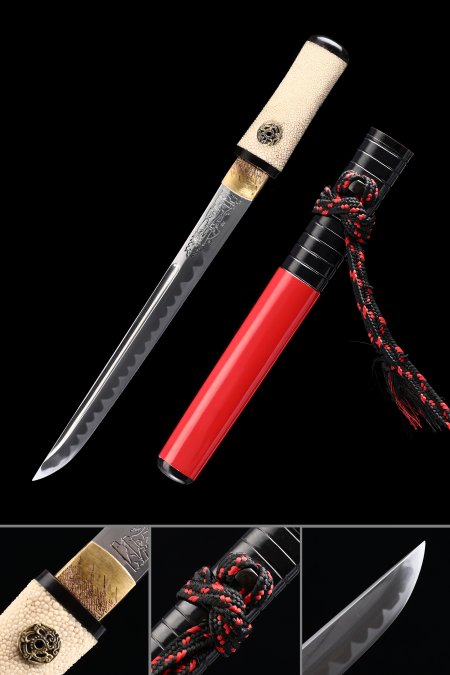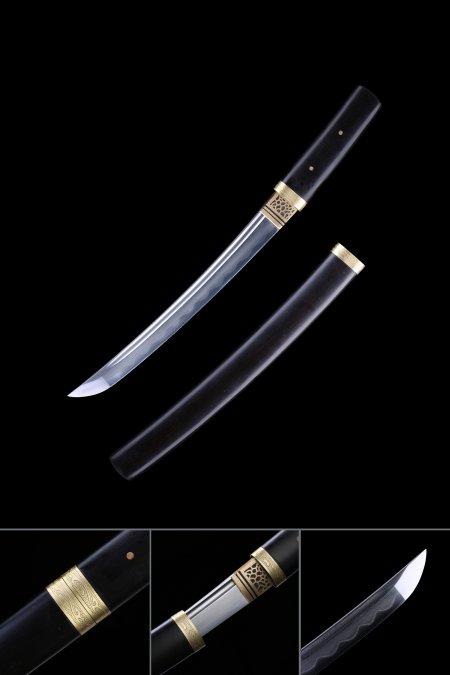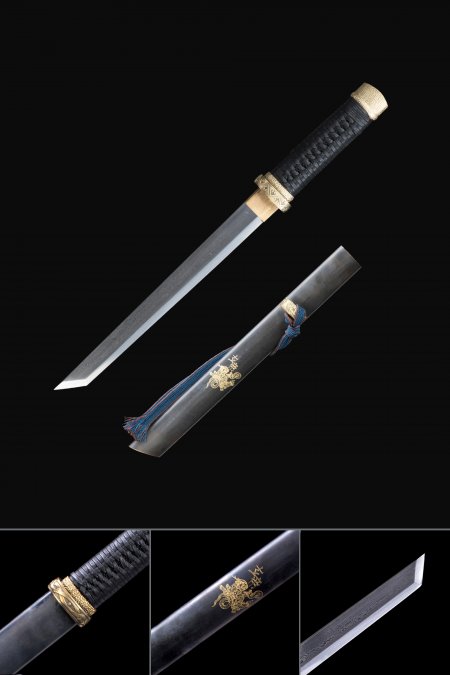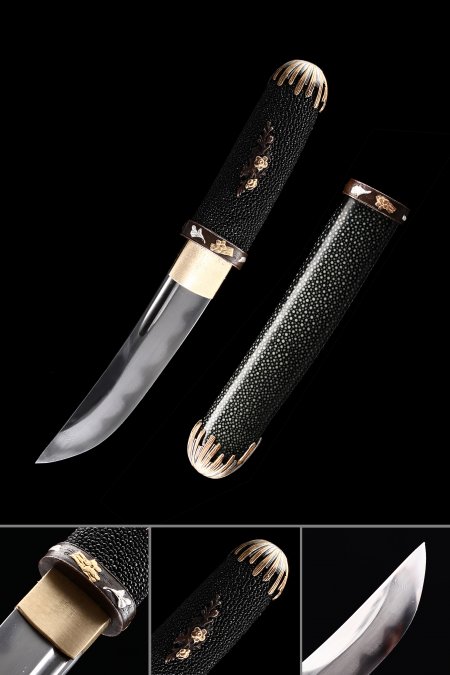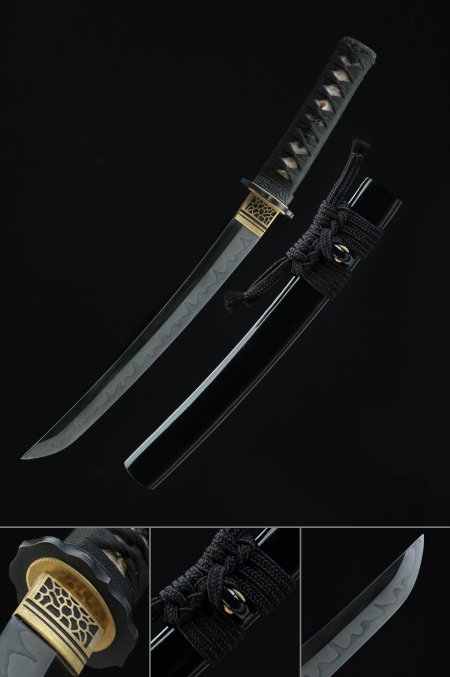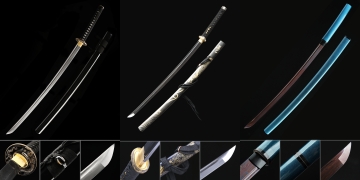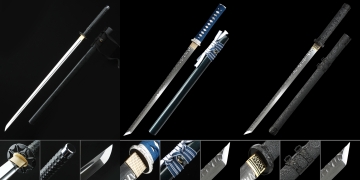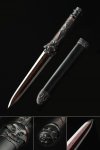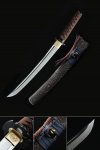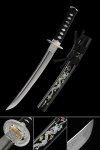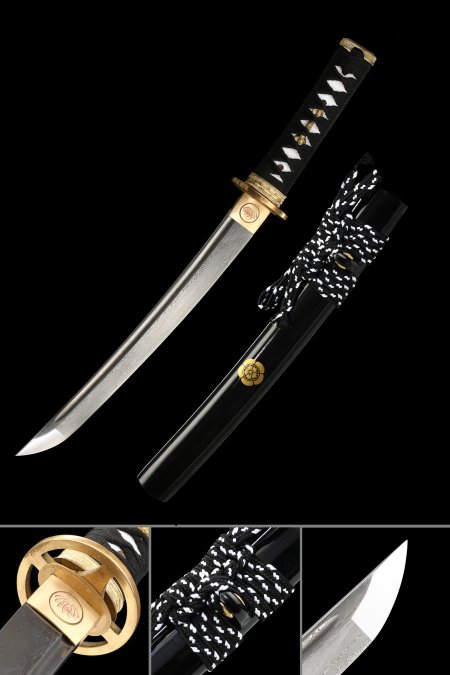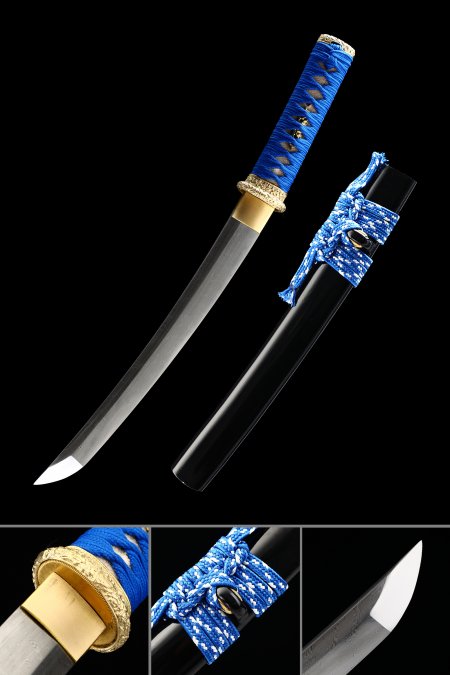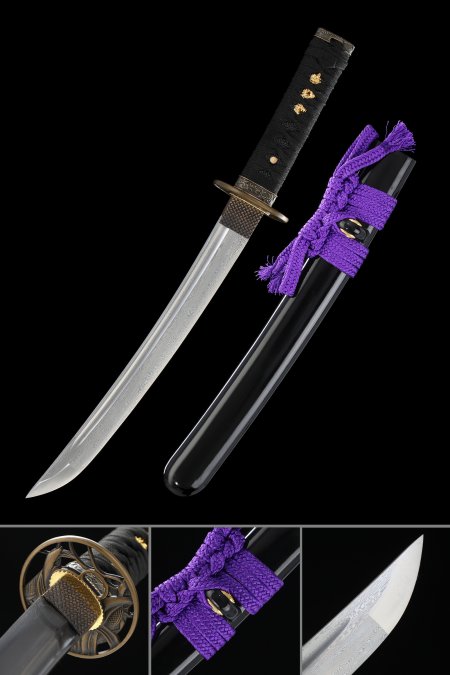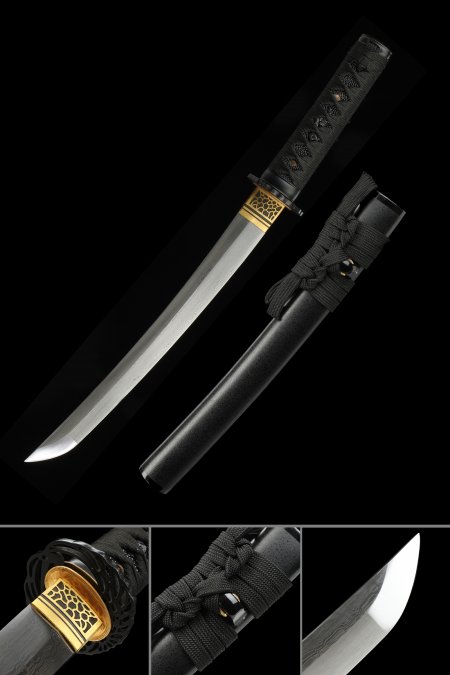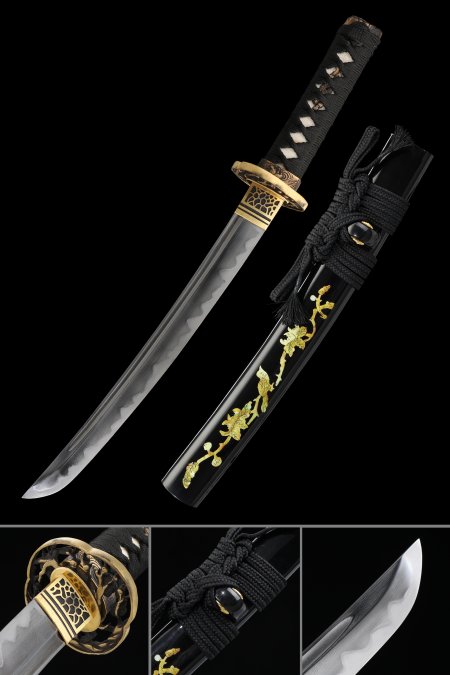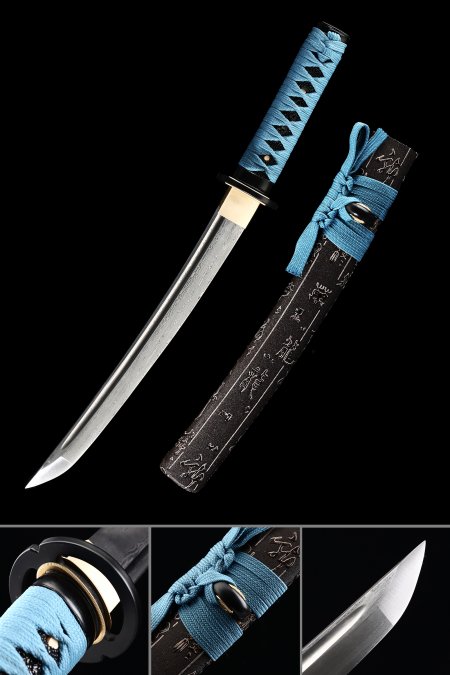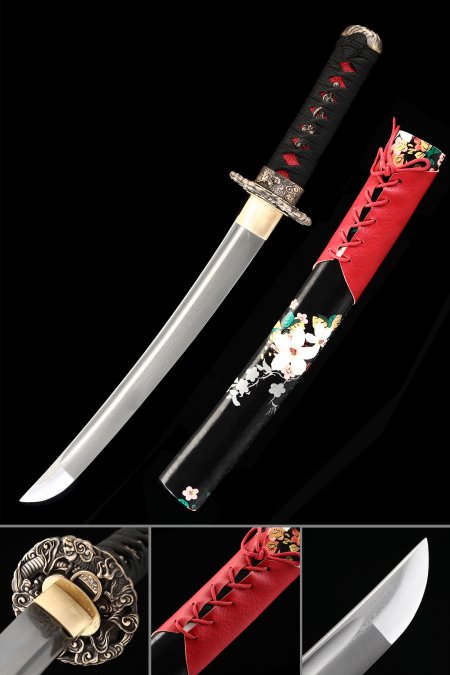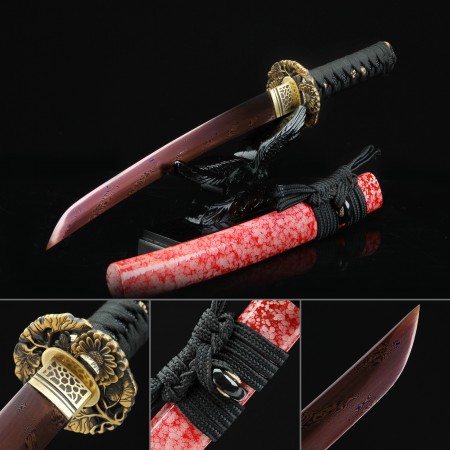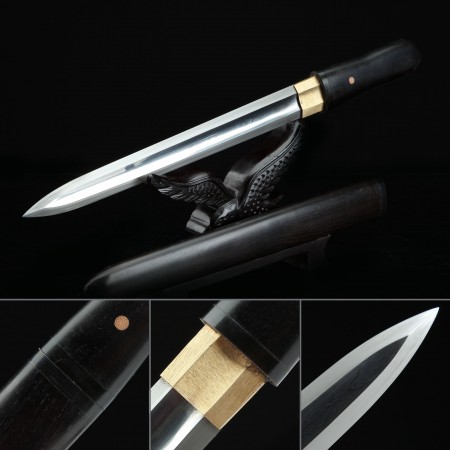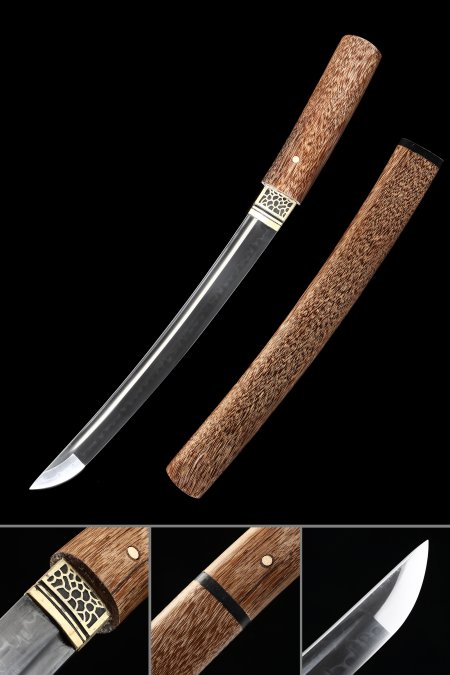
Folded Steel Tanto

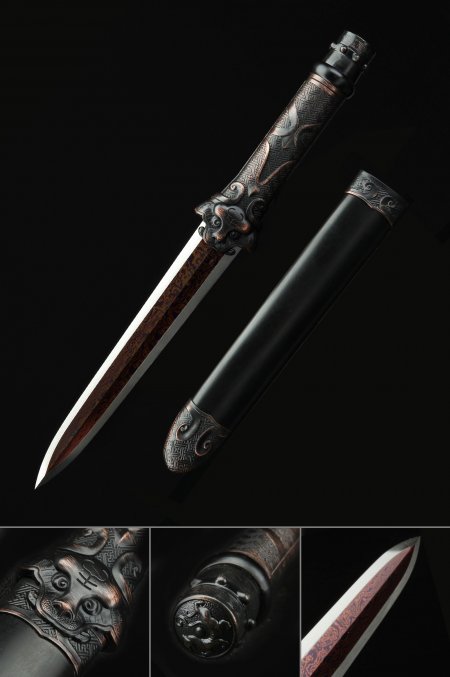
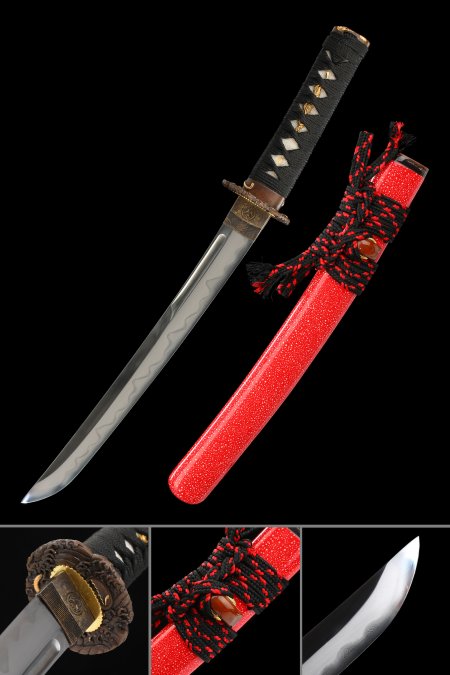
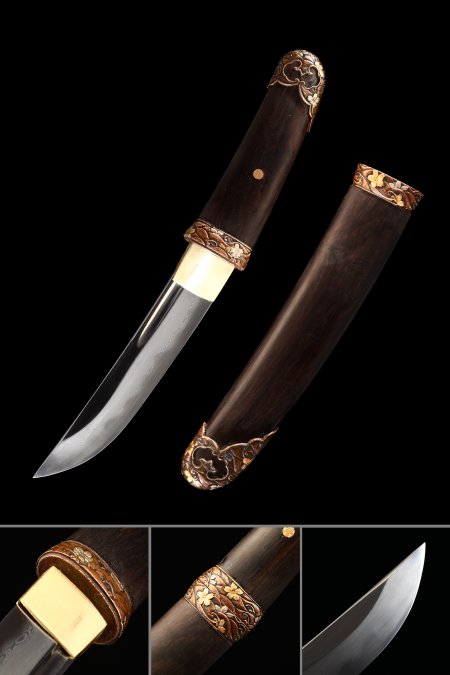
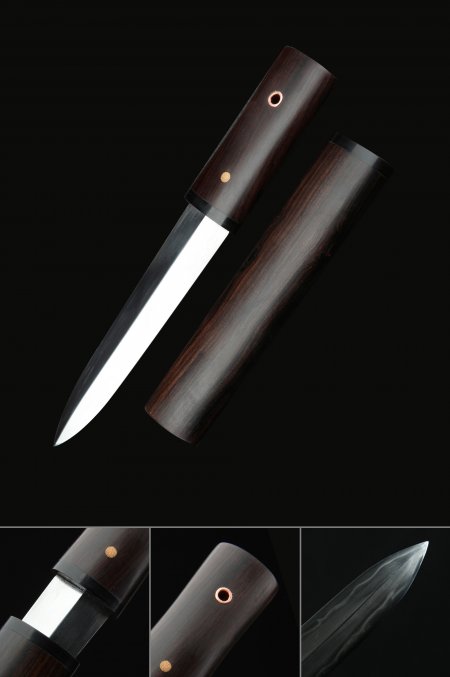
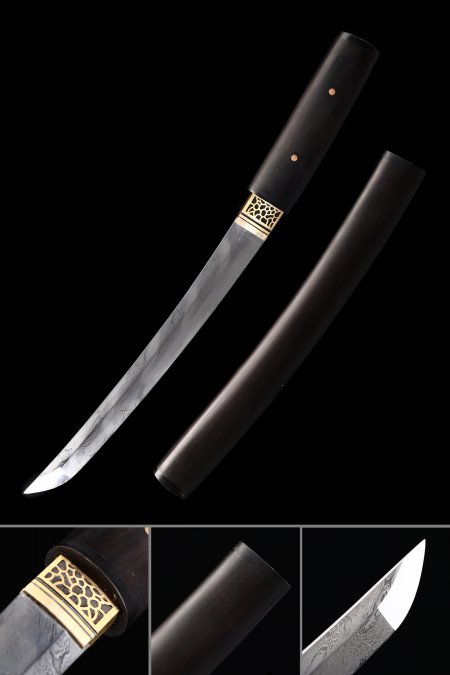
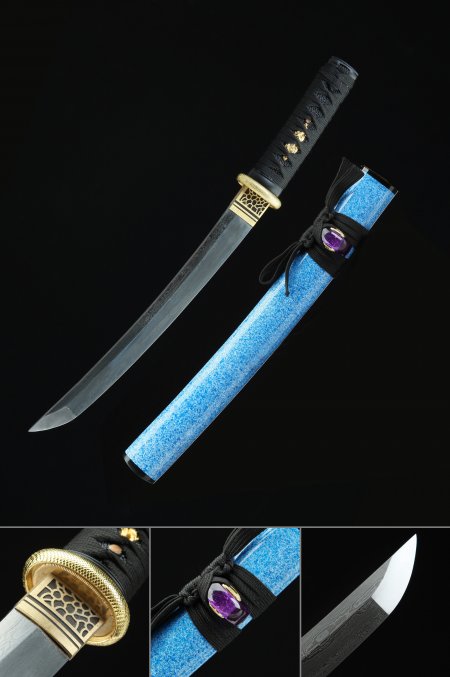
Explore our Folded Steel Tanto collection — hand-forged short swords featuring layered Damascus and T10 steel with authentic hamon lines and distinctive grain patterns. Each piece showcases traditional Japanese forging methods refined over centuries, from clay-tempered blades to intricate tsuba designs and premium saya finishes. Every order ships free with hassle-free returns.
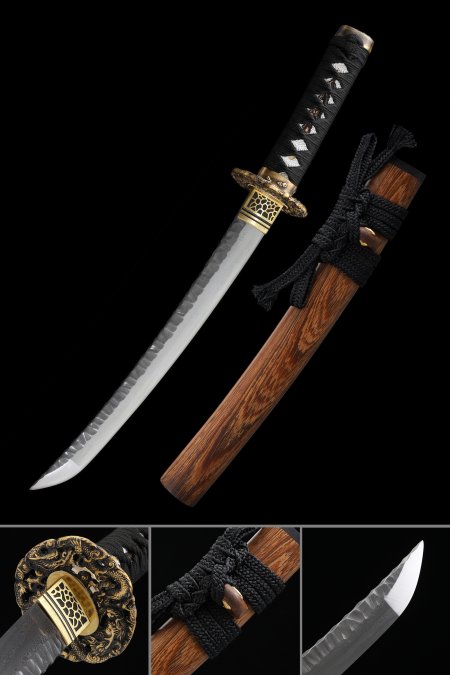
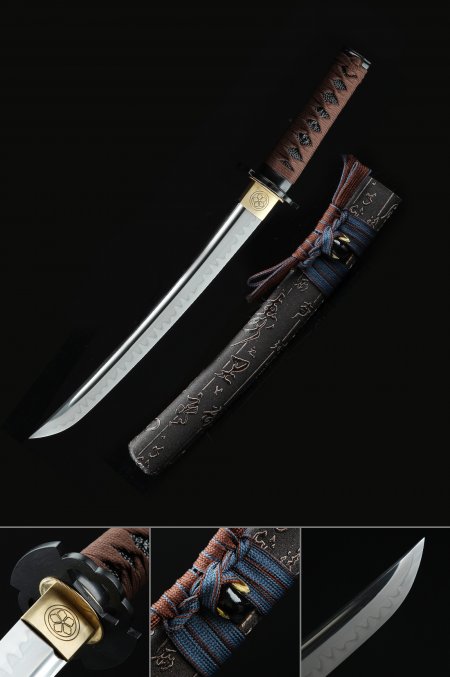
Showing 53 Products

Related Collections

1060 Katana77 items


643 Reviews

Folded Steel Katana104 items


541 Reviews

Folded Damascus Katana109 items


468 Reviews

Folded Steel Ninja Sword22 items


41 Reviews

Frequently Asked Questions

What makes folded steel different from regular steel in a tanto?
Folded steel is produced by repeatedly heating a billet, hammering it flat, and folding it back onto itself. Each cycle doubles the number of internal layers, so a blade folded ten times contains over one thousand distinct layers. This process accomplishes two things that a single-forge approach cannot. First, it homogenizes carbon distribution throughout the steel, reducing the weak spots and inclusions that can occur in a raw billet. Second, it creates the visible layered grain pattern — called jihada in Japanese terminology — that appears as flowing, wavy, or wood-like lines on the polished surface. The pattern is not etched or printed; it is the physical structure of the steel itself, revealed through acid etching or traditional polishing. Because every fold is done by hand, no two folded steel tantos share an identical pattern, which is a significant part of their appeal as collectibles.
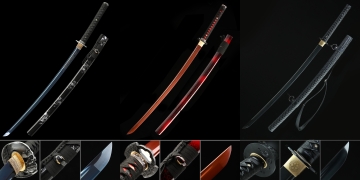
How is a real hamon produced on these folded steel tantos?
A genuine hamon is created through differential hardening, commonly called clay tempering. The smith applies a mixture of clay, charite powder, and ash along the spine and sides of the blade in a carefully controlled pattern, leaving the edge area thinly coated or exposed. When the blade is heated to critical temperature and quenched in water, the exposed edge cools rapidly and transforms into hard martensite, while the insulated spine cools slowly and retains a softer, more flexible pearlite structure. The boundary between these two crystalline zones is the hamon. On a folded steel blade the hamon interacts visually with the layered jihada beneath it, producing an especially complex surface. This is distinct from a wire-brushed or acid-etched decorative line, which is cosmetic only and does not reflect an actual change in the steel's internal structure.
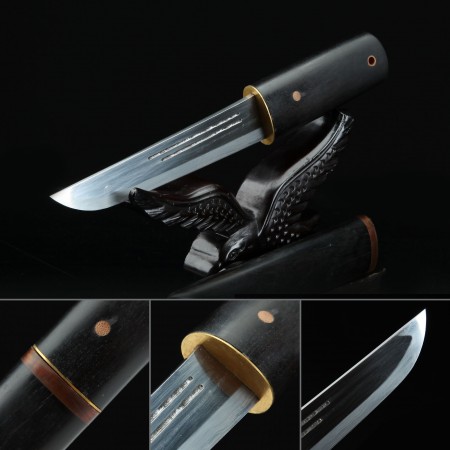
What is an aikuchi mounting and why is it popular for tanto?
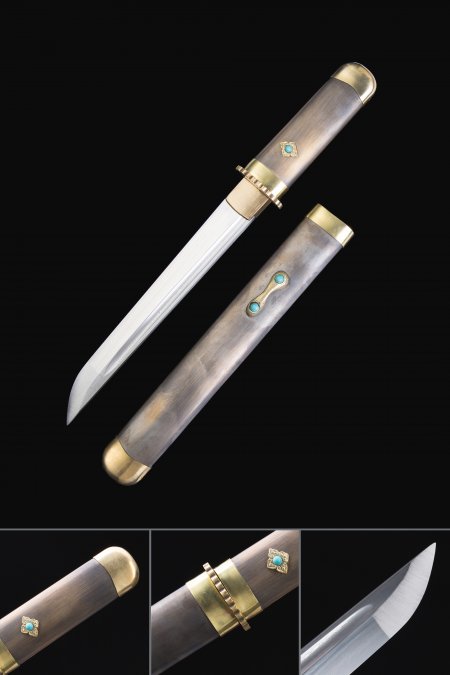
Aikuchi is a traditional Japanese mounting style that eliminates the tsuba (hand guard) entirely. The handle and scabbard meet flush, creating a clean, uninterrupted silhouette. Historically this style was associated with tanto carried by nobility and worn with formal dress, where a protruding guard would have been impractical or aesthetically undesirable. In a collectible context aikuchi mountings draw attention to the quality of the fittings themselves — the precision of the habaki collar, the fit between koiguchi (scabbard mouth) and blade, and the materials chosen for the saya. Several tantos in this collection use the aikuchi format paired with rayskin-wrapped or sandalwood scabbards, which gives the piece a streamlined, almost sculptural appearance ideal for display.
How should I care for a folded steel tanto on display?
Folded steel, like any high-carbon blade steel, is susceptible to oxidation if left unprotected. Apply a thin coat of choji oil (clove oil) or a quality camellia oil across the blade surface every four to six weeks, or more frequently in humid climates. Use a soft, lint-free cloth or traditional nuguigami paper to spread the oil evenly without leaving fingerprints. Store or display the tanto in a climate-controlled space and avoid direct sunlight, which can fade handle wraps and dry out wooden saya over time. If you notice minor surface spots, a gentle wipe with a lightly oiled cloth will usually remove them. For lacquered saya, occasional buffing with a microfiber cloth keeps the finish lustrous. Avoid silicone-based products, as they can build up and dull the blade's polished surface.
Are these tantos full-tang construction?
Many of the folded steel tantos in this collection feature full-tang construction, meaning the steel extends the entire length of the handle and is secured at the pommel end. This design provides superior structural integrity compared to a partial or rat-tail tang, because the handle material is essentially mounted around a continuous piece of steel. You can usually identify full-tang pieces by the presence of a mekugi pin (or pins) that pass through both the handle wrap and the tang itself. Some aikuchi and shirasaya models use a hidden tang that seats deeply into the handle with a tight friction fit, which is historically authentic for those mounting styles. Product titles and descriptions note the tang type for each piece, so you can choose the construction style that best fits your collection preferences.

Customer Reviews

Cart 0 Items

Your cart is empty