Free U.S. Shipping

Katana

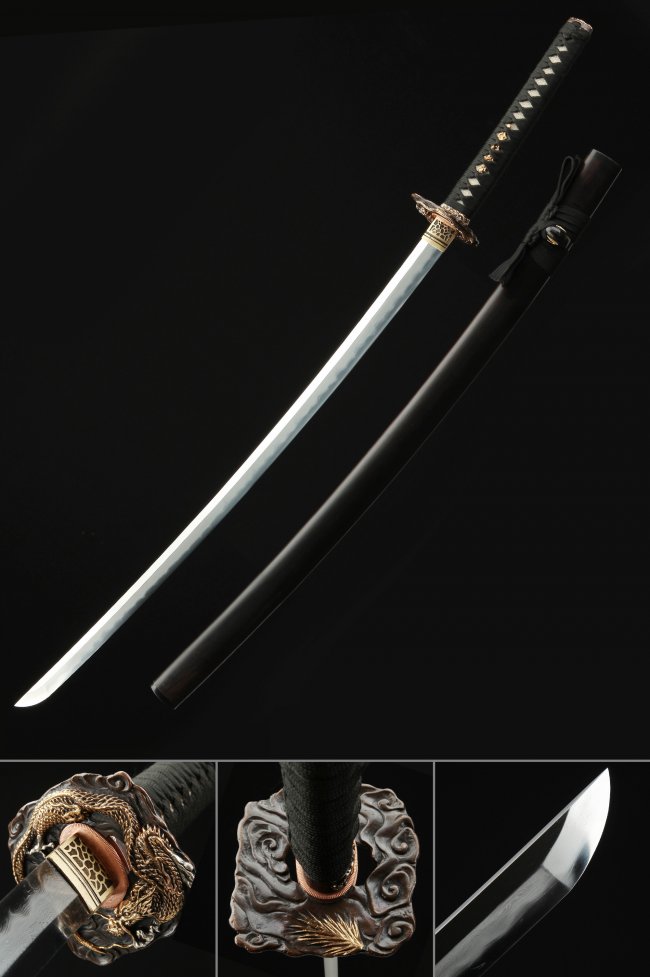
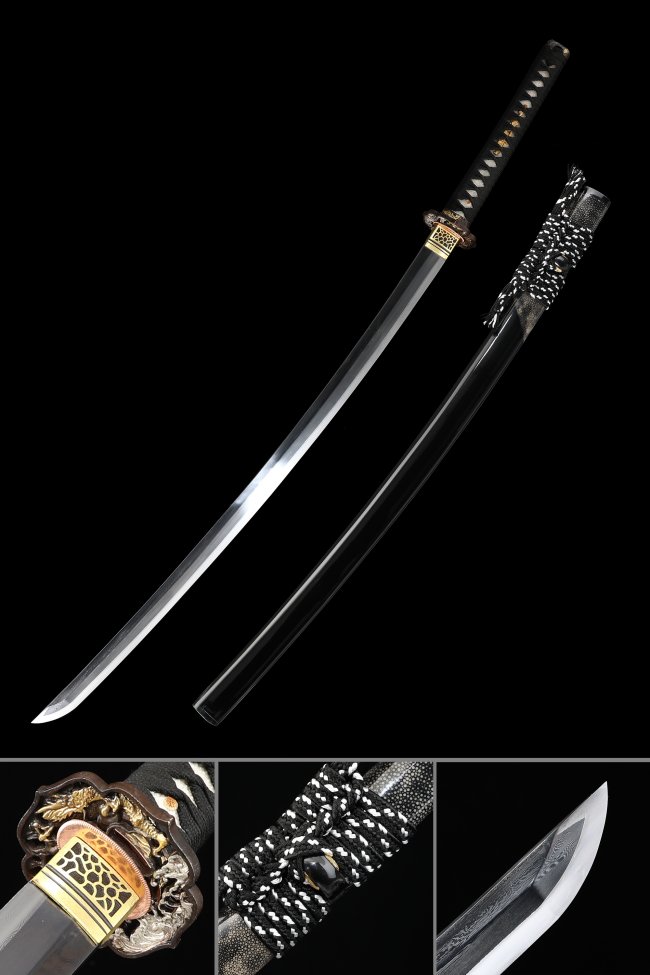
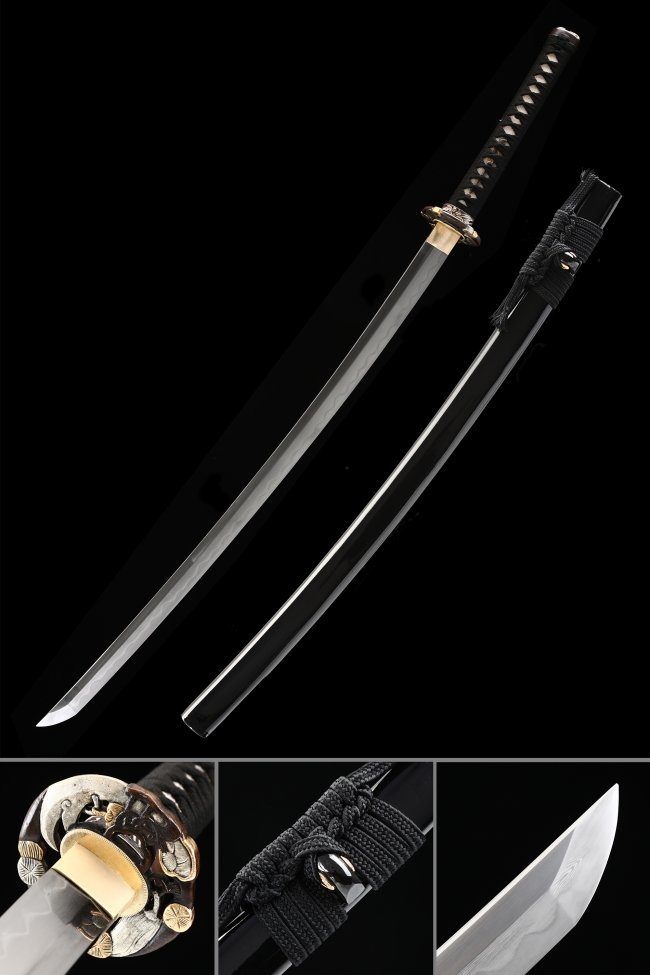
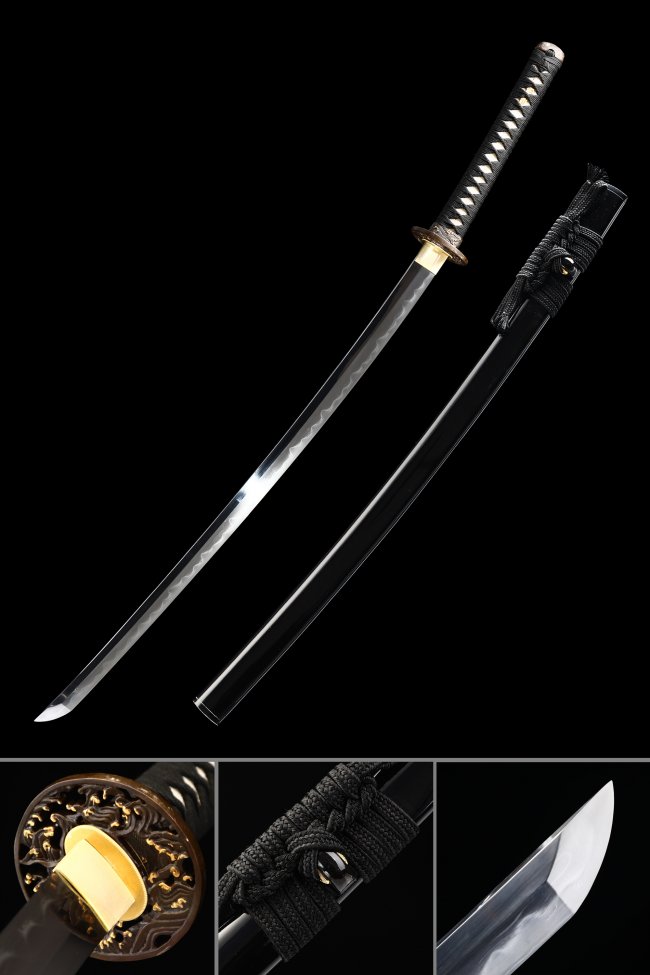
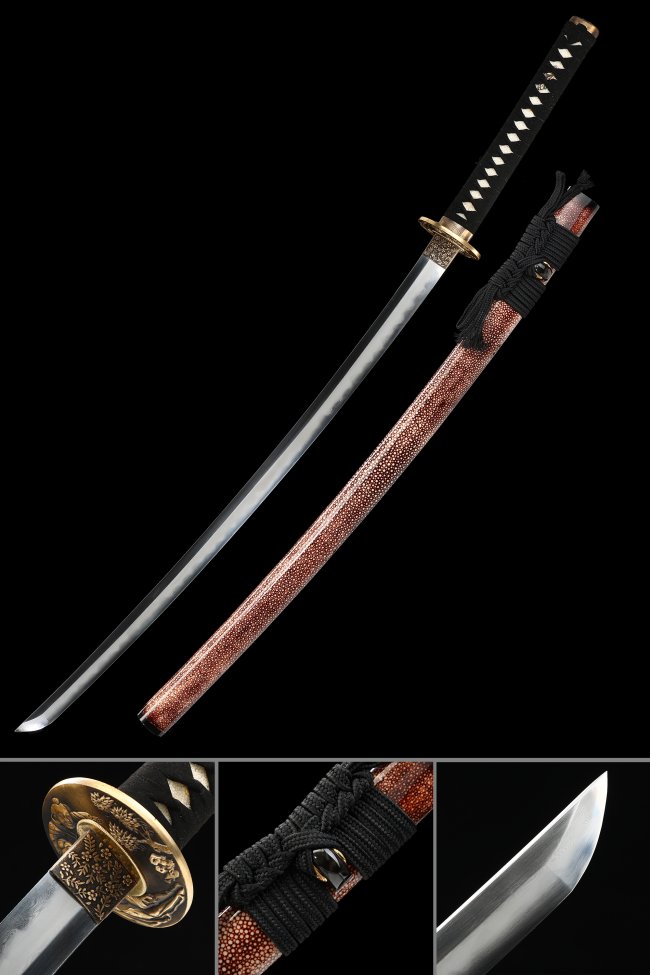
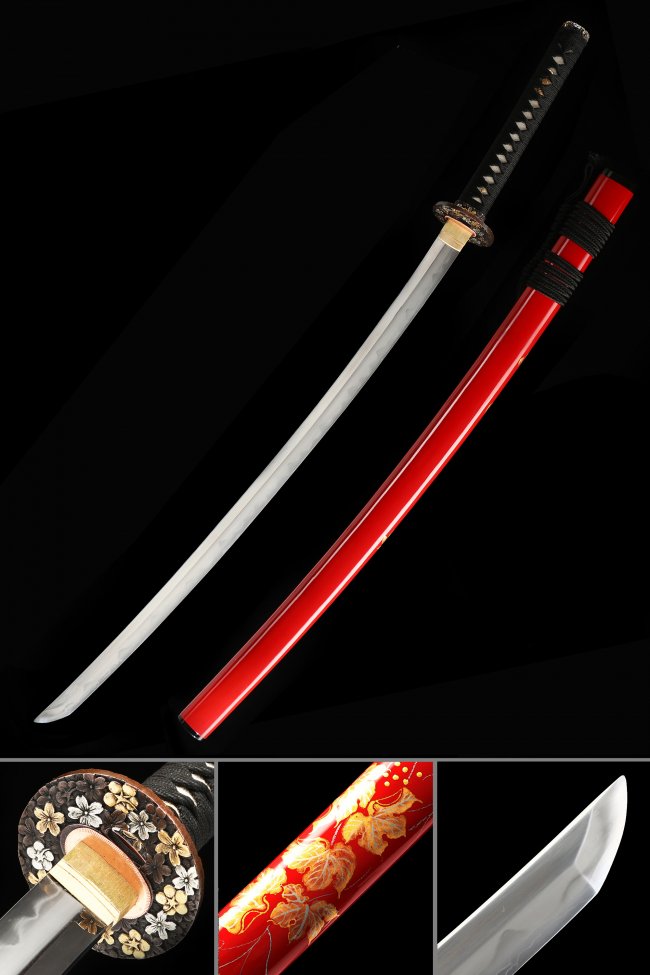
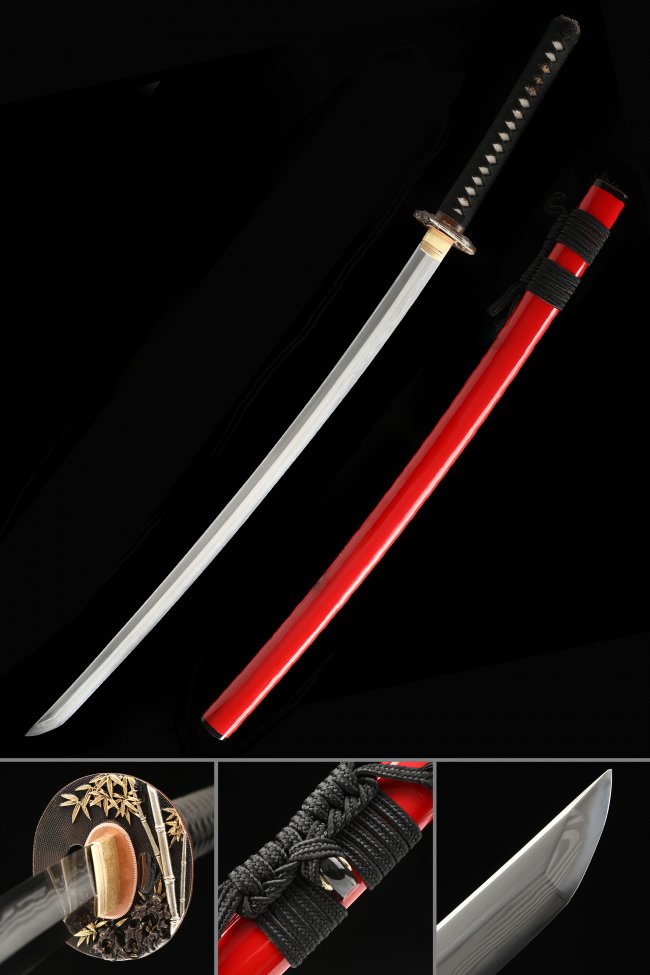
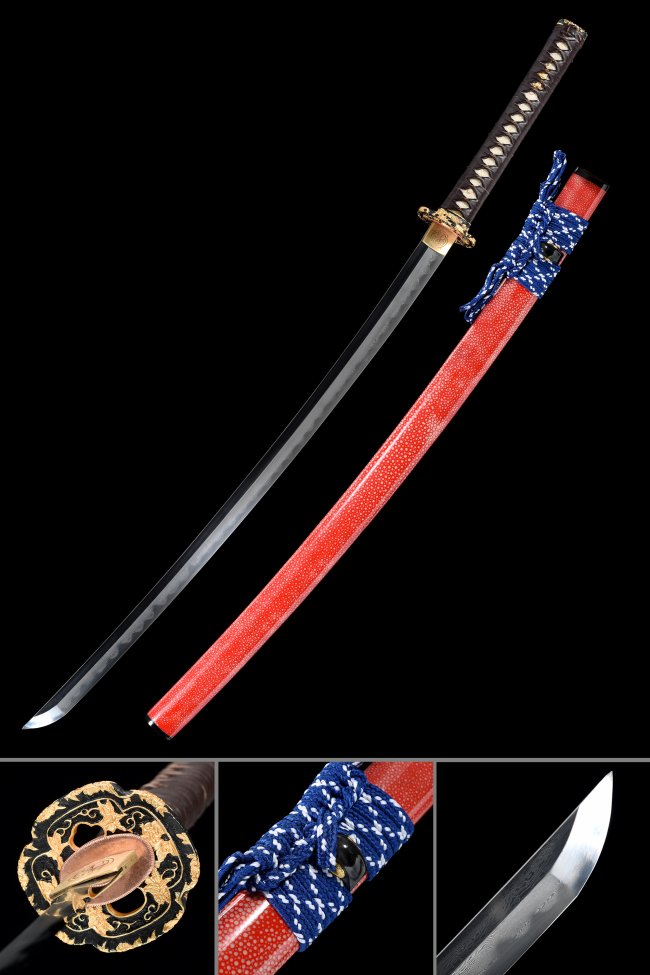
Browse over 1,430 handmade katana swords, each hand-forged by experienced swordsmiths. Our collection spans 12 steel types — from entry-level 1045 carbon steel to premium tamahagane — across traditional, anime replica, and custom designs. Every katana ships free to the US with a 30-day return guarantee.
high-performance
Stainless Steel
Damascus Steel
1045 Carbon Steel
Showing 62 Products
Loading more products...

Frequently Asked Questions

What is a full tang katana?

A full tang katana means the blade steel continues through the handle instead of stopping near the guard. This matters because the handle and blade are part of one continuous structure, which gives the sword better stability and durability than a partial tang or decorative-only construction. For collectors, full tang construction is also a useful sign that the sword was made with more serious build quality in mind. All TrueKatana swords are full tang, but buyers should still read each product page for steel type, blade length, sharpness, fittings, and intended use.
Are katanas legal in the US?

In general, owning a katana at home is legal in many parts of the United States, but laws can vary by state, city, age, transportation method, and public carry rules. Ownership is not the same as carrying a sword in public. California, New York, Texas, Florida, and other states may treat possession, open carry, concealed carry, and restricted locations differently. Before buying or transporting a katana, check your local laws and avoid carrying a metal sword in public unless you clearly understand the rules. TrueKatana products are best treated as collectibles or display items unless a product page says otherwise.

How should I care for my katana?

A katana should be kept clean, dry, and lightly oiled if it has a carbon steel blade. After handling the blade, wipe away fingerprints with a soft cloth because skin oils and moisture can lead to rust over time. Apply a thin layer of sword oil or mineral oil according to the product’s care instructions. Store the sword in a dry room and avoid long-term exposure to humidity or direct sunlight. If your katana has a lacquered saya or colored blade finish, handle it gently to avoid scratches and unnecessary wear.

Where can I buy a real katana?

You can buy a real katana from a dedicated sword retailer, a Japanese sword dealer, or a marketplace, but the meaning of “real katana” matters. If you mean an authentic Japanese-made nihonto, prices usually start much higher and may involve paperwork, provenance, and specialist sellers. If you mean a real metal katana-style sword for collecting, display, cosplay photos, or light practice, a trusted online sword store is usually easier for most buyers. Look for clear steel information, full tang construction, real product photos, blade length, shipping policy, and return terms. TrueKatana is a good option for U.S. buyers because it focuses on handmade katana swords and clearly lists product details for each model.

What is the difference between katana and samurai sword?

A katana is one specific type of Japanese sword. It usually has a curved, single-edged blade, a long grip for two-handed use, and a guard called a tsuba. “Samurai sword” is a broader phrase people use for swords associated with samurai culture. That can include katana, wakizashi, tanto, tachi, and other Japanese blade styles. In online shopping, many people use “katana” and “samurai sword” almost the same way, but they are not exactly identical. If you are buying one, focus less on the label and more on the details: blade type, steel, length, tang construction, edge condition, and intended use.

How long is a katana?

A full-size katana is usually around 40 inches overall, with a blade commonly around 27 to 29 inches. The handle is often around 10 to 12 inches, but this varies by design. Some anime replica swords, custom katana, or decorative versions may be longer, shorter, heavier, or shaped differently from a traditional-style katana. Before buying, do not rely only on the category name. Check the product page for overall length, blade length, handle length, weight, and whether the sword includes a saya or stand. These details matter if you plan to display it, carry it for photos, or give it as a gift.

How to sharpen a katana?

Sharpening a katana is not the same as sharpening a kitchen knife. A katana has blade geometry and polish that can be damaged if you use the wrong stone, angle, or tool. For most collectors, it is better not to sharpen the sword yourself unless you have proper training. If the blade is decorative, painted, etched, or not designed for cutting, sharpening may reduce its value or make it unsafe. A traditionally polished Japanese sword should only be handled by a qualified professional.

How much does a katana cost?

Katana prices vary widely. Entry-level modern katana-style swords can start around the low hundreds, while better carbon steel, folded steel, clay-tempered, or custom pieces cost more. Authentic Japanese-made nihonto can cost thousands of dollars or far more, especially if they have historical value or come from a recognized smith. For most online buyers, the practical range depends on materials, craftsmanship, fittings, polish, and whether the sword is made for display, collection, or controlled cutting practice. A low price is not always bad, but vague product details are a warning sign. Always compare steel type, full tang construction, finish, reviews, and return policy.

How to craft katana the forge?

This question appears to refer to The Forge, a Roblox RPG/mining and crafting game, rather than a real katana product. For the TrueKatana katana category page, it is probably not a useful FAQ because the search intent is game-related, not shopping-related. If you still want to capture that traffic in a blog or glossary page, the answer should clearly separate game crafting from real sword buying. In a game, “crafting a katana” usually means gathering ores, using a forge system, upgrading stats, and choosing better recipes. In real life, a katana is forged, heat-treated, polished, mounted, and assembled by trained craftspeople, not “crafted” through a simple recipe.

How heavy is a katana?

A typical katana often weighs around 2.2 to 2.6 pounds, or about 1.0 to 1.2 kilograms, but the exact weight depends on blade length, thickness, steel, fittings, and handle design. Some display swords feel lighter, while larger custom or anime-inspired swords may feel heavier. Weight is not just about comfort. It also affects balance, handling, and how natural the sword feels in the hand. If you are buying a katana mainly for display, weight may not matter much. If you plan to handle it for photos or practice movements, check the product details before ordering.

How to clean a katana?

Keep the blade dry, clean, and lightly protected. After handling a katana, wipe the blade with a soft, lint-free cloth to remove fingerprints and moisture. If the blade is carbon steel, apply a thin layer of sword oil or mineral oil to help prevent rust. Avoid paper towels, rough cloth, household cleaners, water, and abrasive pads because they can scratch or damage the finish. Do not touch the edge with bare hands. Store the sword in a dry place and check it regularly, especially if you live in a humid area. If the blade has unusual residue or rust, contact support before trying to fix it aggressively.

How to display a katana?

The safest and cleanest way to display a katana is with a proper sword stand, wall rack, or display case. Keep it away from moisture, direct sunlight, children, pets, and high-traffic areas where it could be knocked down. Many collectors display the katana in its saya, especially if the blade is sharp or carbon steel. If you display the blade unsheathed, make sure the room is dry and the blade is lightly oiled. For a traditional look, place the sword horizontally on a stand with the handle to the left or right depending on your display preference. The most important thing is stability and safe handling.

What are katanas made of?

Modern katana swords can be made from several types of steel. Common options include 1045 carbon steel, 1060 carbon steel, 1095 carbon steel, T10 tool steel, folded steel, Damascus-style steel, and sometimes tamahagane for higher-end traditional-style pieces. The fittings may include iron, brass, copper, alloy, wood, rayskin, cotton wrap, leather wrap, and a lacquered wooden saya. The best material depends on what you want from the sword. A display buyer may care more about polish and design, while a collector may look more closely at steel, heat treatment, hamon, and full tang construction. All TrueKatana swords are full tang, which is an important construction detail for buyers to know.
How to use a katana?

A katana should be handled with care and respect, even if it is mainly for display. Do not swing it indoors, use it for self-defense, or cut random objects. If you want to learn proper use, study under a qualified instructor in a discipline such as iaido, kenjutsu, or another traditional sword art. Many schools start beginners with a wooden bokken or an unsharpened iaito instead of a sharp katana. For most TrueKatana buyers, the sword is best treated as a collectible, display piece, anime replica, or gift unless the product page clearly states otherwise. Safe storage and responsible handling are more important than trying to “test” the blade.

How to hold a katana?

A katana is usually held with two hands. The dominant hand sits near the guard, while the other hand holds the lower part of the handle. The grip should be firm but not stiff. Many beginners squeeze too hard, which makes the sword feel awkward and heavy. The blade should stay controlled at all times, and the edge direction should be understood before any movement. If you are practicing formal technique, do not rely only on online advice. Ask an instructor, because grip, stance, draw, and cutting motion all depend on the school or style being taught. For display owners, avoid unnecessary handling, especially with a sharp blade.

How to wear a katana?

Traditionally, a katana is worn through an obi, or belt, with the edge facing upward. That position is connected to how the sword is drawn in Japanese sword arts. For modern buyers, wearing a katana is usually only relevant for photos, costume styling, or martial arts practice. Do not wear a real metal katana in public unless you have checked local laws and event rules. Many conventions, schools, public buildings, and private venues do not allow metal swords, even if they are dull or tied shut. For cosplay events, a foam, plastic, or wooden prop is usually the safer choice. A metal katana is better kept for home display or private photography.

Explore More Categories

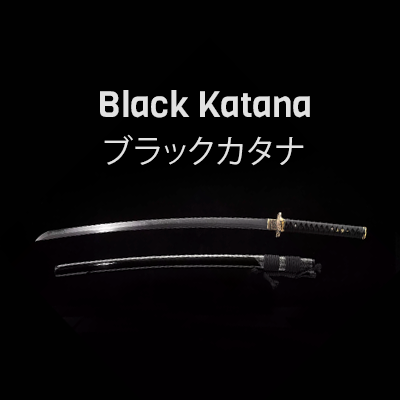
Black Katana
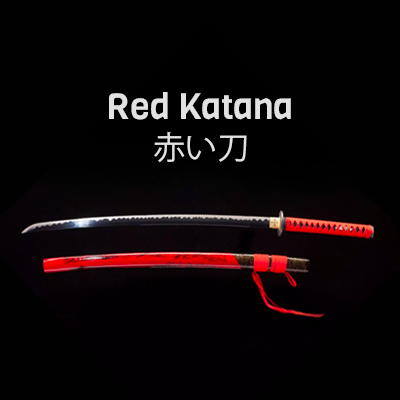
Red Katana
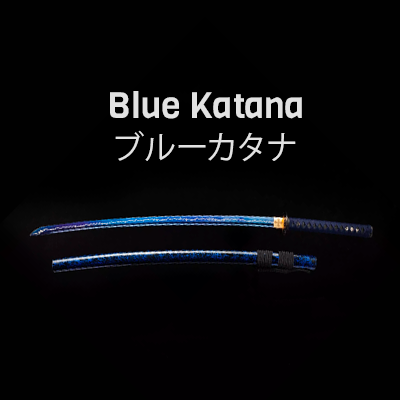
Blue Katana
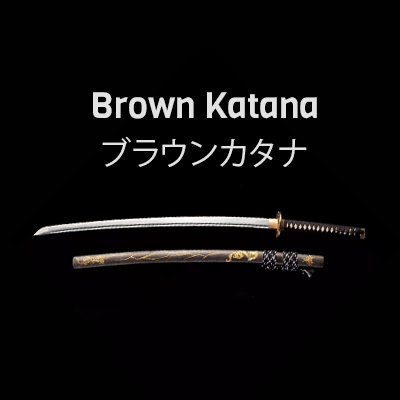
Brown Katana
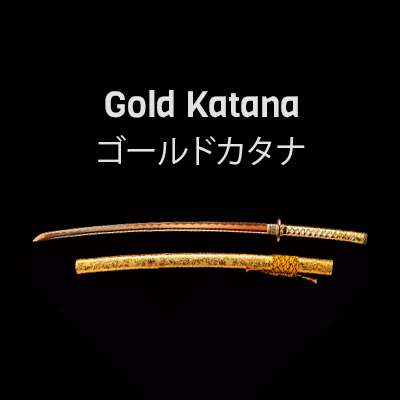
Gold Katana
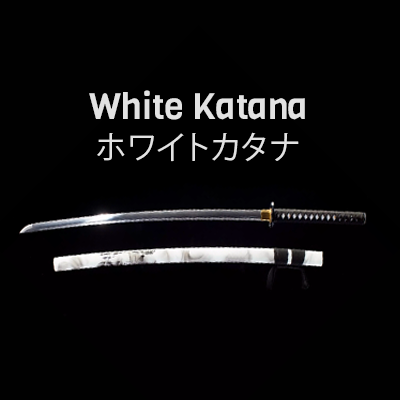
White Katana
T10 Steel Katana
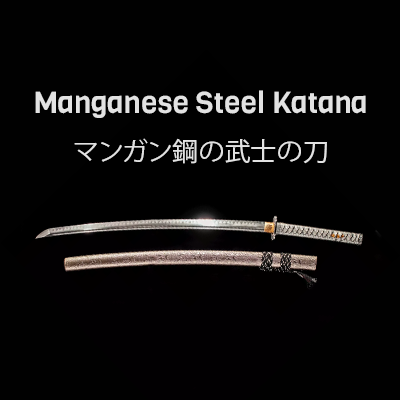
Manganese Steel Katana
Shirasaya Katana
Clay Tempered Katana
Katana Set
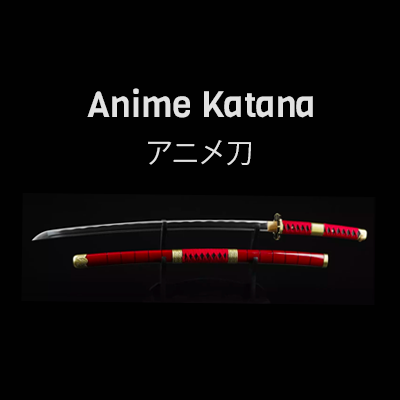
Anime Katana

Customer Reviews

The two katana true replicas are of very high quality. The blades' color is showing the knowledge of forging. The Tamahagane steel piece is of higher quality than the other one, a fact reflected also in its higher price point (beyond $1000 or colloquially a grand). The handcrafting of the tsuba (guard) for the one that I've chosen with the erotic samurai-geishas' motif is a very impressive work of art (see photos) and I would recommend it for both historians like me and passionate collectors of the medieval Japanese civilization. Very good work on the two scabbards and the other guard also. My only concern in regards to fabrication and construction is the fact that I would have liked to see brass or steel pegs where the hilt is mated to the tang area and not the traditional wooden pegs. It's ok for display purposes but it would be a problem when one starts to apply pressure and force through the blade when cutting or striking. Other than that I would recommend the purchase of models higher than $1k for true aficionados and for people who really want to test the blades' cutting ability. I will also return soon with another order for some Shirasaya katanas (sleek katana models without a guard) that were featured so artistically magnificent in the two Kill Bill masterpieces by mr. Tarantino !
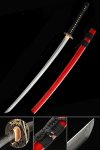
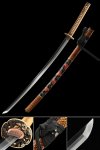
Folded Damascus Steel Katana with Red Rayskin Saya, Gold Flower Tsuba & Black Ito Folded Damascus Steel Katana with Red Rayskin Saya, Gold Flower Tsuba & Black Ito Verified Purchase

I purchased 5 katana from 5 separate stores. This one had higher quality and tracking than all the others. The balance was good. The sword stays appropriately in the saya/sheath when turned upside down, and there is no rattle in the saya when you gently shake it.

The sword was able to handle tameshigiri on tatami goza without incident for a 1/4 sized, 1/2 sized, and full-sized roll. Other katana started to chip at the blade, had pulls in the tatami on their cuts, or simply couldn't properly slice.

The only downside is all others came with a bag, and this one did not, but as it is the one that will continue to be used, it is not much of a downside.

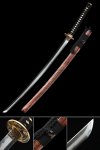
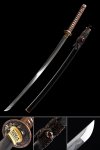
Damascus Steel Katana with Real Hamon in Black Lacquer Saya - Brown Ito, Chrysanthemum Tsuba Damascus Steel Katana with Real Hamon in Black Lacquer Saya - Brown Ito, Chrysanthemum Tsuba Verified Purchase

Impressive quality!

I realize this is not a $10,000–$20,000 sword from from the exclusive Japanese masters with long wait lists, but I have to say this is quite well crafted. I talked to a buddy about it who knows a bit about blacksmithing, and he says this is legit.

It also has a beautiful aesthetic pleasing to the eye.

Im very happy with my purchase.

(4 stars for not being a Masamune haha)

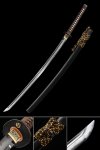
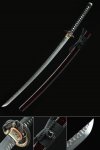
Sanmai Steel Katana with Red Lacquer Saya - Cherry Blossom Tsuba, Black Cord Handle Sanmai Steel Katana with Red Lacquer Saya - Cherry Blossom Tsuba, Black Cord Handle Verified Purchase

It is an amazing sword! The balance seems perfect to me. The saya is one of the nicest sayas I’ve ever seen, and I happy to have it, I’m still trying to decide what to do with the Sageo, the black that comes with it is a good look definitely but I’ll change the sageo on several of my swords from from time to time. The blade is just gotgeous and its sharpeness is very impressive, as it cut right through a piece of paper when I took it out. If you want a sword for cutting then this is definitely a worthwhile purchase. It’s a beautiful piece as well so you can’t really go wrong with this sword. I couldn’t be happier with my purchase. Do I even need to say the last part? I will anyway. Highly recommended!

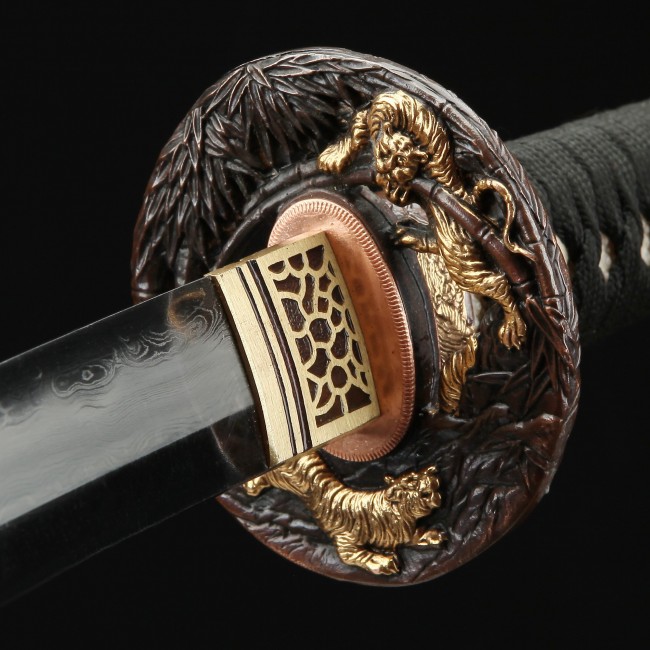
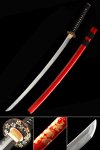
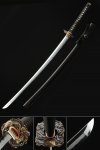
Bamboo Tsuba Damascus Steel Katana, Full Tang, Handcrafted & Black Red Flower Saya Bamboo Tsuba Damascus Steel Katana, Full Tang, Handcrafted & Black Red Flower Saya Verified Purchase

Subscribe to our emails

GET 20% OFF TODAY

Subscribe to our emails to receive the latest special offers and private events. We'll send a coupon code to your email shortly.

Get Coupon Code