Japanese Sword

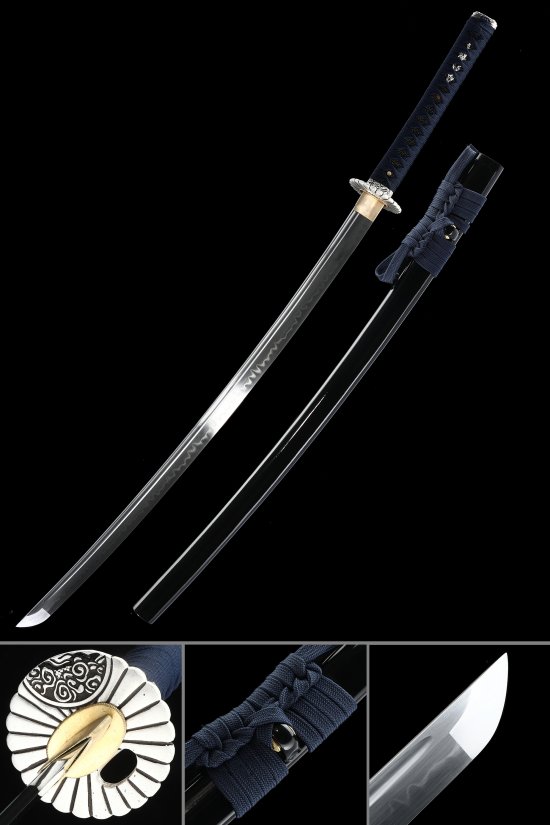
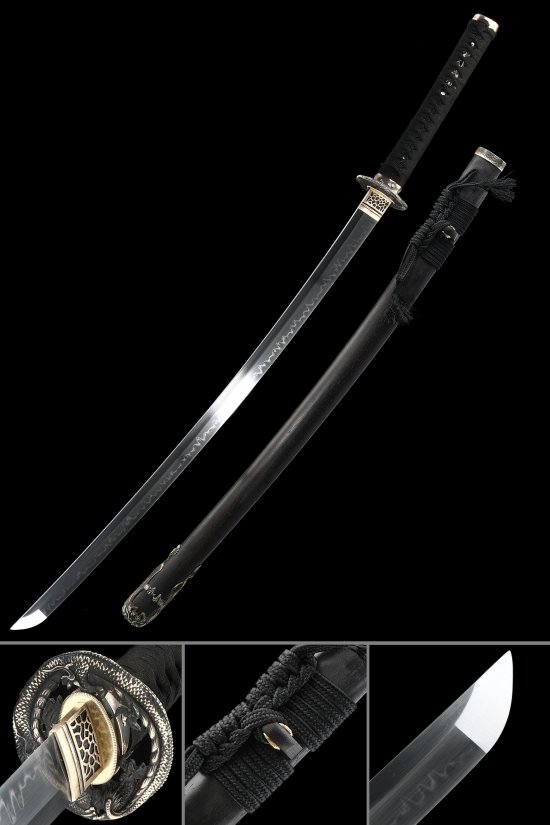
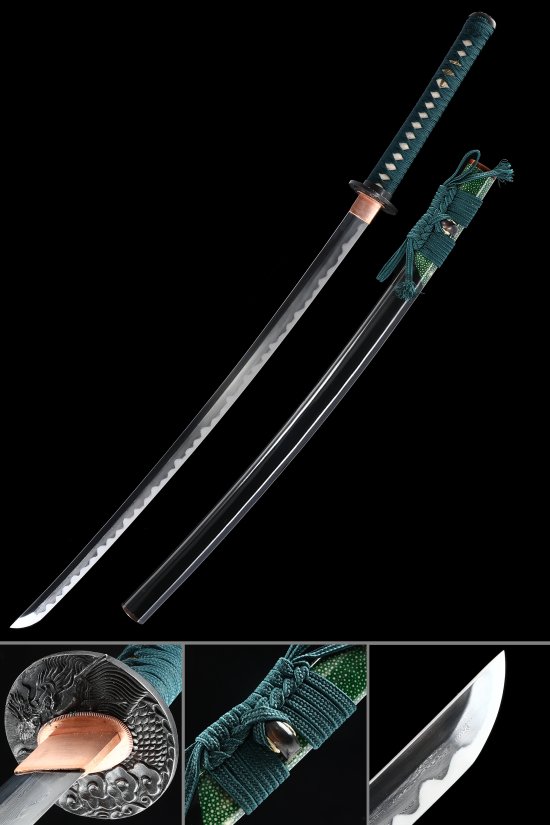
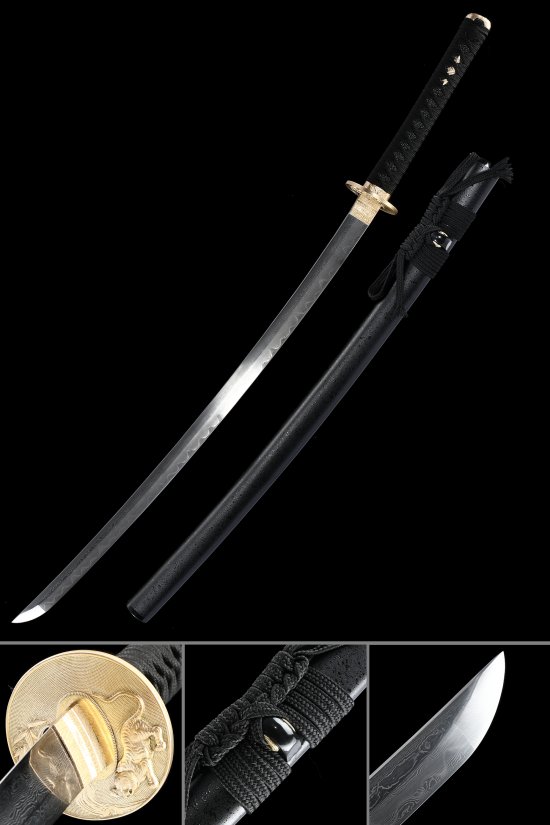
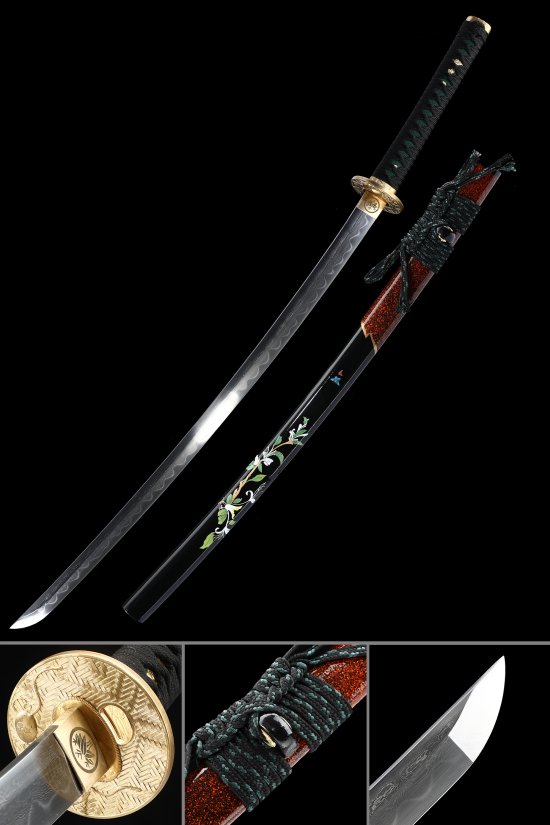
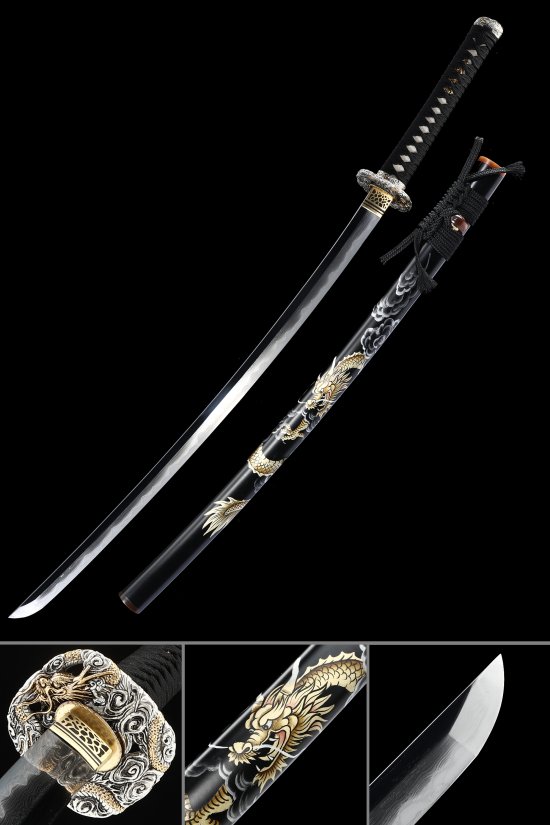
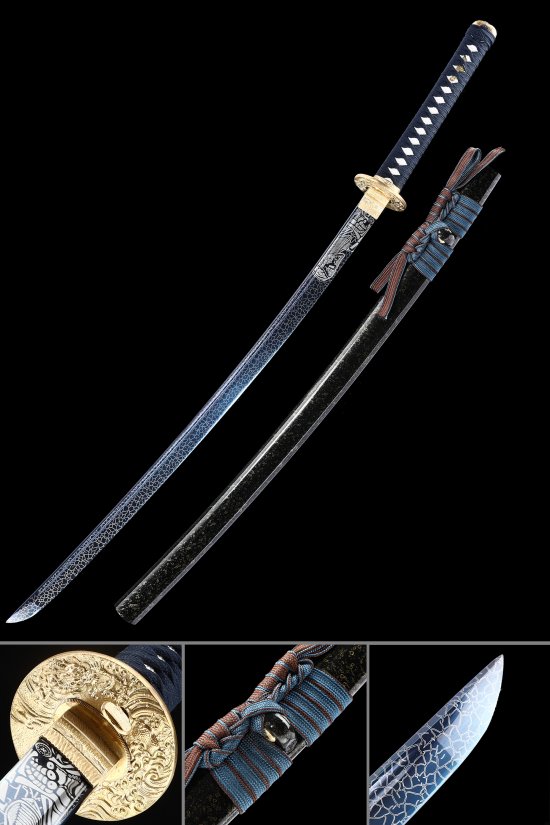
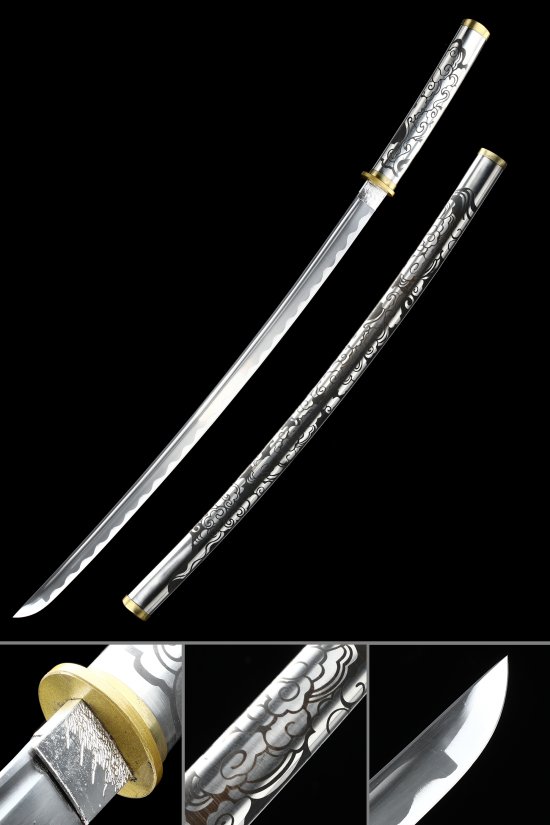
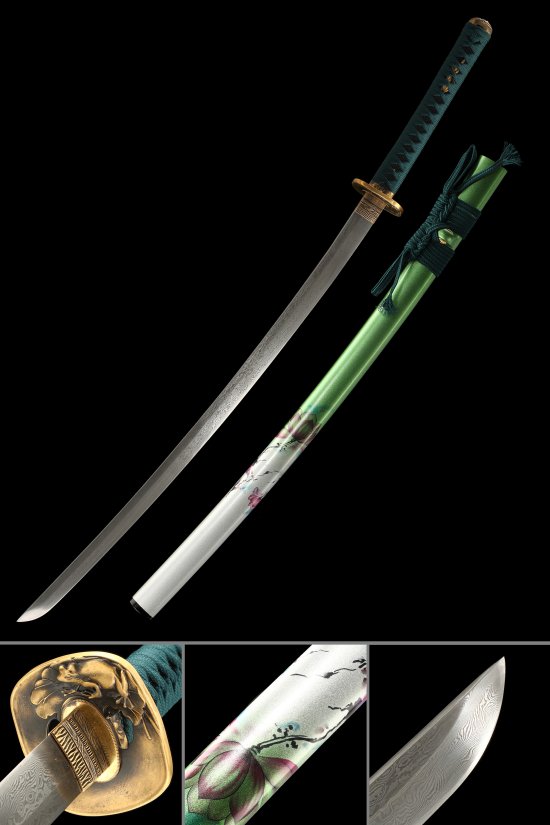
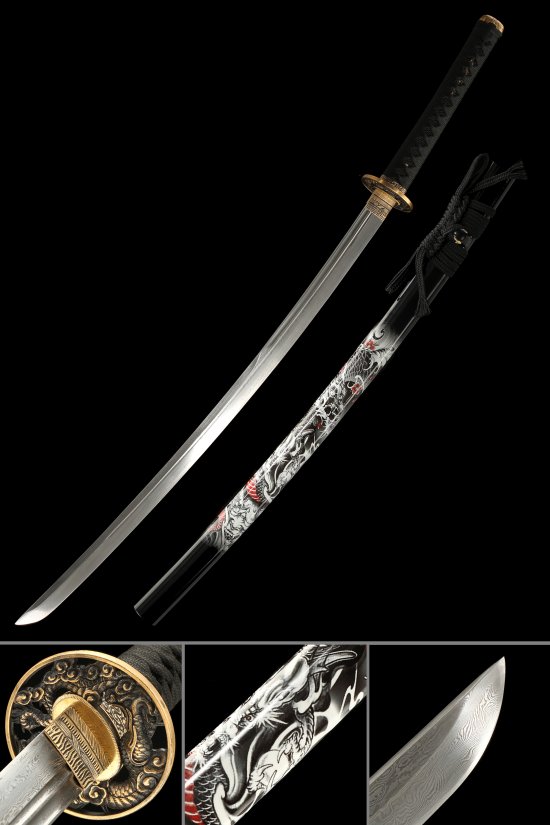
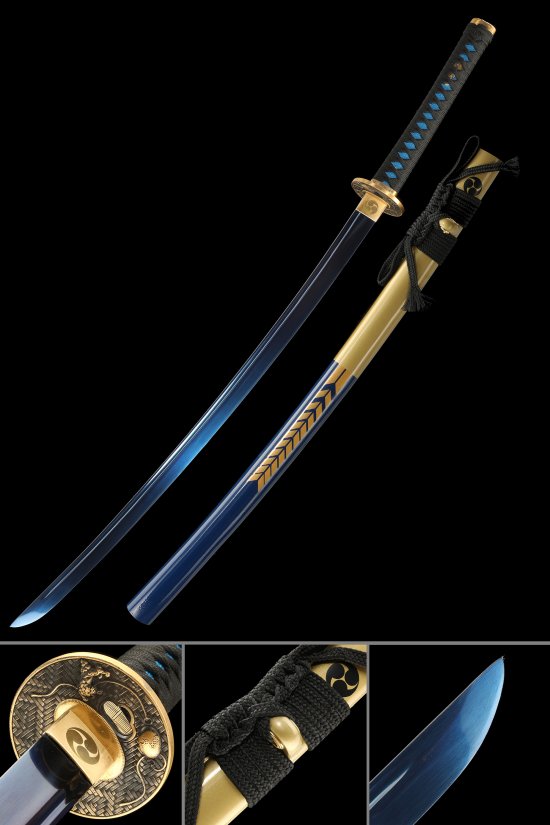
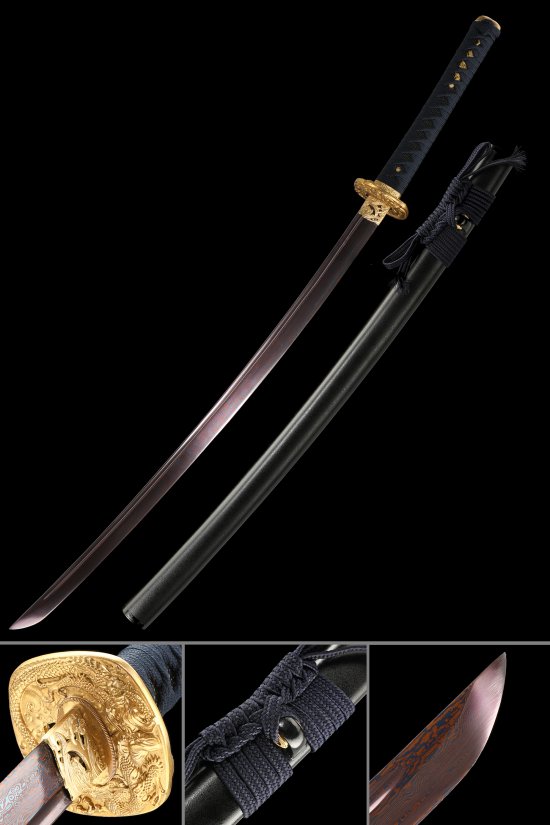
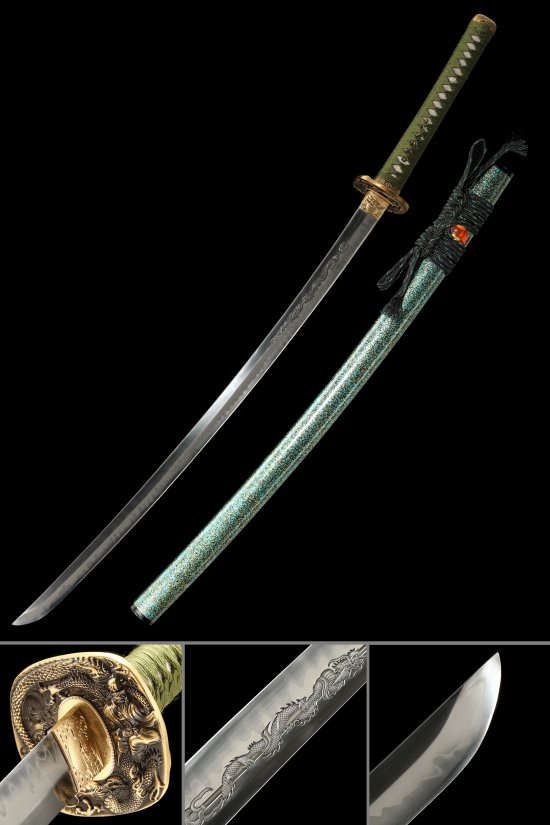
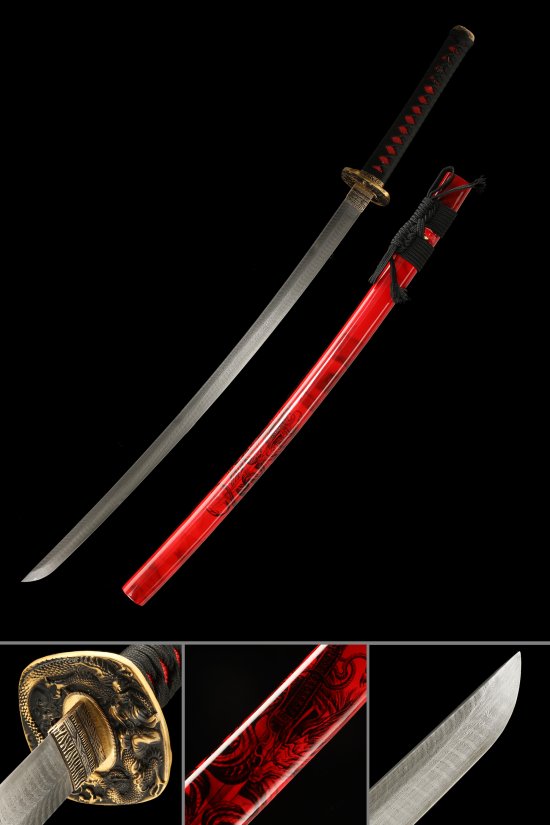
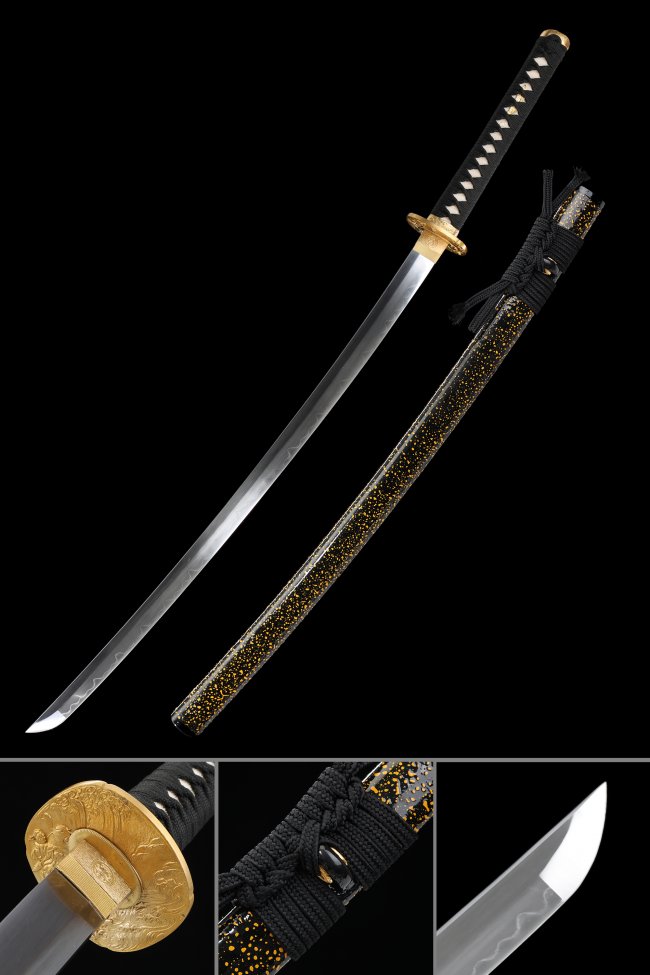
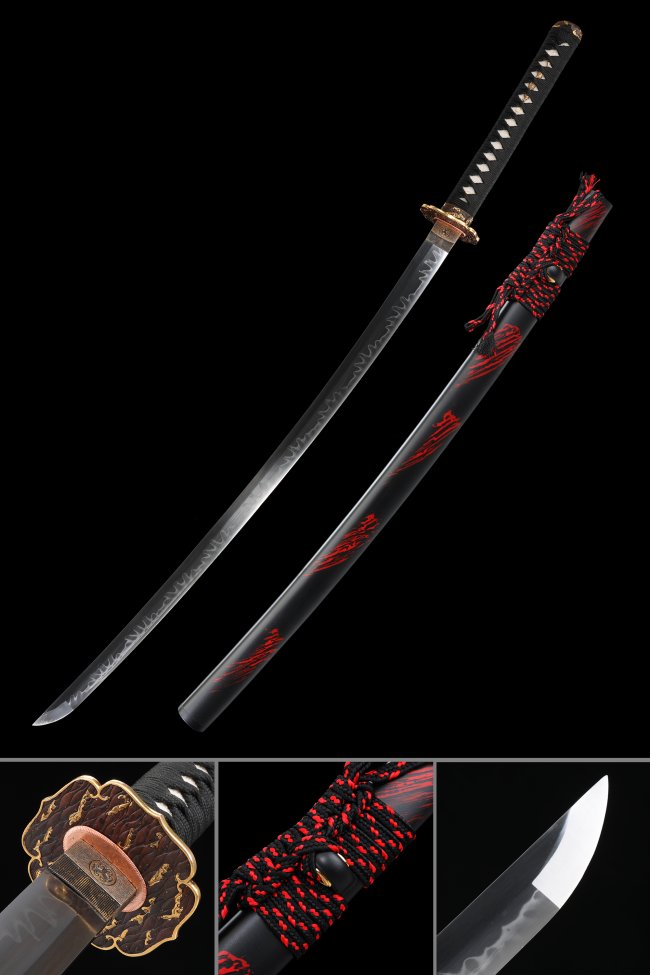
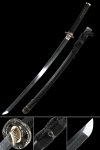
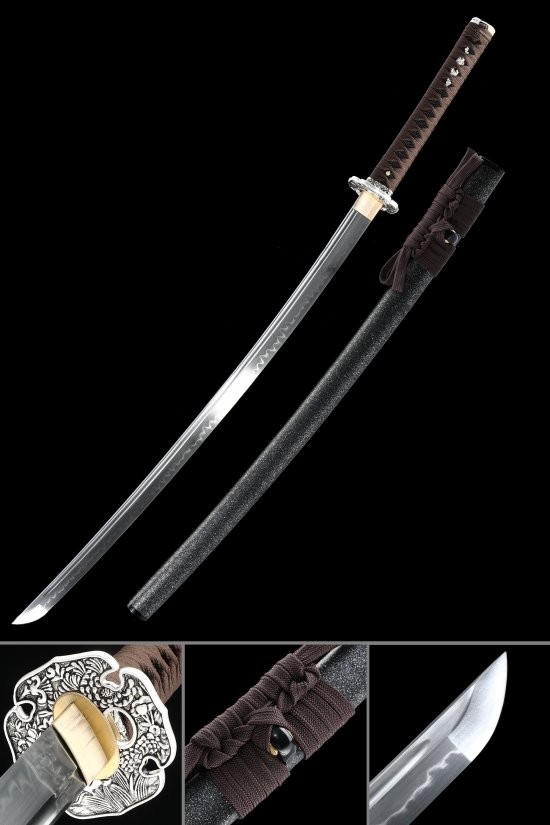
Over 2,500 hand-forged Japanese swords covering every blade type carried by samurai across six centuries of feudal warfare. Katana, wakizashi, tanto, tachi, nodachi, naginata, and matched daisho sets — each forged from high-carbon steel with full-tang construction, clay-tempered hamon lines, and traditional fittings hand-assembled by skilled craftsmen. Whether you're building a functional cutting collection, starting martial arts training, or displaying your first serious sword, this collection covers every type, every steel grade, and every price point.

Showing 30 Products

Related Collections
Authentic Japanese Katana121 items


106 Reviews

Traditional Japanese Tanto79 items


404 Reviews

Japanese Yari4 items


Reviews

Japanese Spear4 items


Reviews

Frequently Asked Questions

What is the difference between a katana and a Tachi?

The katana and tachi are both curved, single-edged Japanese swords, but they differ in length, curvature profile, wearing method, and historical period of dominance — and these differences reflect the fundamental shift in Japanese warfare from mounted cavalry combat to dismounted infantry fighting. The tachi came first historically, emerging during the Koto period (roughly the 10th through 15th centuries) when samurai fought primarily from horseback. The tachi's blade is generally longer than a katana — typically exceeding 70 centimeters — with a deeper, more pronounced curvature that begins closer to the tang (koshizori). This deeper curve made the tachi more effective for downward slashing strikes from horseback, where the rider used gravity and the horse's momentum to amplify the cutting force. The tachi was worn suspended from the belt with the cutting edge facing down (ha-omote), hung from two mounting points on the scabbard — a carrying method that allowed the sword to swing naturally with the rider's movement. The katana emerged as the dominant sword type during the late Muromachi period (15th century onward) when infantry warfare became the standard mode of combat. The katana is slightly shorter, with a gentler curvature centered higher on the blade (torii-zori), and is worn thrust through the obi sash with the cutting edge facing up. This edge-up wearing method — the key practical difference — allowed the katana to be drawn and cut in a single motion (the foundation of iaijutsu), something impossible with the tachi's edge-down suspension. When displayed, the two swords are mounted differently: a tachi is placed with the cutting edge down and the signature on the tang facing outward, while a katana is placed with the cutting edge up. Collecting both types lets you display the evolution of Japanese sword design from cavalry weapon to infantry sidearm. The samurai sword collection includes both katana and tachi-style blades, representing both major eras of Japanese sword development.

What is a daisho sword set?
Daisho refers to the traditional paired set of a long katana and a shorter wakizashi worn together by samurai. The term translates roughly to ‘big-little’ and the matched pair signified samurai rank and identity. Our collection includes katana and wakizashi pieces that can be paired for an authentic daisho display.
How much does a real katana cost?

Real hand-forged katana range from $89 to over $2,000 depending on the blade steel, craftsmanship, and fittings. Entry-level 1045 carbon steel katana start at $89–$149 and are ideal for display and light use. Mid-range T10 and 1095 steel katana ($149–$399) offer excellent sharpness and durability for cutting practice. Premium clay tempered and Damascus steel katana ($399–$2,000+) feature authentic hamon lines, hand-polished blades, and museum-grade finishing. At TrueKatana, every price point delivers a hand-forged, full-tang sword — not a factory-stamped replica.

What are the different types of Japanese swords?

Japanese sword-making produced a family of distinct blade types, each designed for a specific combat role, social context, or tactical situation. The katana is the most widely recognized — a curved, single-edged blade between 60 and 75 centimeters long, worn edge-up through the obi sash, optimized for fast drawing and cutting in a single fluid motion. The wakizashi is the katana's shorter companion — 30 to 60 centimeters of blade — carried as a backup weapon and indoor sidearm. The tanto, under 30 centimeters, is a short blade used for close-quarters personal defense and as a utility knife. The tachi is the katana's predecessor — a longer, more dramatically curved sword that was suspended edge-down from the belt, designed for mounted cavalry combat in the Kamakura and Muromachi periods before the katana replaced it for infantry use. The nodachi (also called odachi) is an oversized battlefield sword with a blade exceeding 90 centimeters, wielded by foot soldiers for open-field engagements against mounted warriors where reach was the decisive advantage. The naginata is a curved blade mounted on a long pole — technically a polearm rather than a sword — used by warrior monks and women defenders of the samurai household. The ninjato is a straight-bladed short sword associated with ninja, featuring a simpler, more utilitarian design than the refined katana. And the nagamaki falls between the katana and naginata — a blade with an unusually long handle, blurring the line between sword and polearm. Understanding these types helps you navigate the sword market intelligently, because each type has different size, weight, display requirements, and price ranges. The samurai sword collection covers all major Japanese blade types, from compact tanto through full-length nodachi.

What is the difference between a katana and a samurai sword?

In common modern usage, "samurai sword" and "katana" are often used interchangeably, but technically a katana is one specific type of samurai sword — and samurai carried several different types depending on the period, the occasion, and the tactical situation. The term "samurai sword" correctly encompasses all swords worn by the samurai class: katana, wakizashi, tanto, tachi, nodachi, and others. The katana specifically refers to the curved, single-edged blade of 60 to 75 centimeters worn edge-up through the obi sash — a style that became standard after the Muromachi period (roughly the 15th century onward) when infantry combat replaced mounted warfare as the dominant mode of battle. Before the katana became standard, the tachi was the samurai's primary sword — longer, more curved, and worn suspended edge-down from the belt in a style suited to fighting from horseback. The reason "samurai sword" and "katana" became synonymous in popular culture is largely a product of film and media — the katana is the version that appears in most samurai movies, anime, and martial arts demonstrations, so it became the default image that Western audiences associate with all Japanese swords. When shopping for Japanese swords, the distinction matters because searching for "samurai sword" returns results across all blade types, while searching for "katana" narrows specifically to the 60-to-75-centimeter curved blade. If you know you want a katana, search for that term. If you're open to exploring the full range of blade types that samurai actually carried, the broader "samurai sword" category gives you more options including wakizashi, tanto, and matched sets. The katana set collection includes matched daisho pairings that show how the katana fit within the broader family of samurai swords — not as the only blade, but as the centerpiece of a multi-sword system.

What steel is best for a Japanese sword?

The best steel for a Japanese sword depends entirely on what you plan to do with it — and the honest answer is that no single steel is universally "best" because each grade offers a different balance of hardness, toughness, edge retention, and maintenance requirements that suit different use cases. For display and general collection, 1045 carbon steel provides excellent value — it forges well, takes attractive polish, resists accidental damage through its higher toughness, and costs less than premium grades. A 1045 sword looks great on a wall and feels substantial in the hand without requiring the careful maintenance regime of higher-carbon steels. For functional cutting and tameshigiri, the conversation narrows to three primary options. 1095 carbon steel produces the hardest, sharpest edge — it reaches 60 to 62 HRC after clay tempering, takes an extremely refined cutting edge, and holds that edge through multiple cutting sessions. The tradeoff is reduced toughness (micro-chipping can occur on hard targets or with poor technique) and higher maintenance requirements (more reactive to moisture). T10 tool steel is widely considered the best all-around functional sword steel — it nearly matches 1095's edge performance while adding significantly better toughness and chip resistance through tungsten alloying, and it produces the most dramatic hamon lines through clay tempering. Damascus (pattern-welded) steel combines visual beauty with functional performance through its layered construction, though the functional characteristics depend on the specific steels used in the folding process. For martial arts training (iaido, kendo kata), many practitioners prefer 1060 steel for its balance of durability and edge-holding — tough enough for rigorous training use, hard enough to maintain proper edge geometry through thousands of draws and cuts. Remember that heat treatment matters as much as steel selection — a properly clay-tempered 1060 blade will outperform a poorly treated 1095 in every metric that matters for actual use. The battle ready katana collection features all major functional steel grades with verified heat treatment, letting you choose based on your specific use case.

How long is a Japanese katana?

A standard Japanese katana has a blade length (nagasa) between 60 and 75 centimeters (roughly 23.5 to 29.5 inches), with a total length including the handle of approximately 95 to 115 centimeters (37 to 45 inches). The blade length measurement — the critical specification — is traditionally taken along the back edge (mune) from the munemachi (the notch where the blade meets the tang) to the kissaki (point). This measurement determines the sword's classification under Japanese law and tradition: anything under 60 centimeters falls into wakizashi territory, while the katana range spans 60 to 75 centimeters, and anything longer enters the realm of tachi or nodachi. Weight varies with blade length, width, and steel type, but a typical katana weighs between 900 grams and 1,300 grams (roughly 2 to 2.8 pounds) for the blade alone, with the complete sword in its koshirae reaching 1,000 to 1,500 grams (2.2 to 3.3 pounds). The handle (tsuka) typically adds 25 to 30 centimeters to the overall length, designed to accommodate a firm two-handed grip — though some katana are fitted with shorter handles for one-handed techniques. For choosing the right length, your height and arm reach matter: taller practitioners generally prefer longer blades for better reach, while shorter practitioners benefit from blades in the 65-to-68-centimeter range that allow faster handling without sacrificing effective cutting distance. Display considerations also factor in — a 75-centimeter blade needs more wall space than a 60-centimeter blade, so measure your intended display location before ordering at the upper end of the size range. The katana set collection includes multiple length options across individual katana and paired sets, letting you match blade length to your body proportions and display space.

What is the sharpest type of Japanese sword?

Among Japanese sword types, the katana has historically been considered the sharpest and most refined cutting weapon due to its blade geometry, heat treatment, and the centuries of optimization that swordsmiths invested in perfecting its edge. But sharpness in Japanese swords isn't simply about the blade type — it's about the combination of steel grade, heat treatment, edge geometry, and polishing that together determine how keen an edge the blade can achieve and maintain. A clay-tempered 1095 carbon steel katana represents the sharpest standard configuration available in the modern market: the high carbon content allows the edge to be hardened to 60-plus HRC through differential tempering, which takes an extremely refined edge that cuts with minimal resistance. T10 tool steel achieves comparable edge performance while adding better toughness, making it the preferred choice for practitioners who want maximum sharpness without the micro-chipping risk that comes with 1095's extreme hardness on harder targets. Edge geometry also plays a critical role — the niku (the convexity of the blade faces near the edge) determines how the blade enters and passes through a target. A blade ground with less niku (a thinner, more acute edge) cuts more effortlessly but is less durable, while more niku provides a sturdier edge at the cost of cutting efficiency. The best swordsmiths balance these factors based on the sword's intended use. Historically, the tanto — the shortest Japanese blade — was sometimes ground with the most acute edge because its compact size and close-quarters role prioritized maximum penetration over edge durability. For practical cutting ability among modern replicas, a well-made katana in 1095 or T10 steel with proper clay tempering and hand-sharpening represents the peak of achievable sharpness in a functional sword. The real sharp katana collection features hand-sharpened blades in premium steel grades, finished to cutting-ready standards that put the edge to work.

Customer Reviews

Randy Joe Duke Indiana, United States

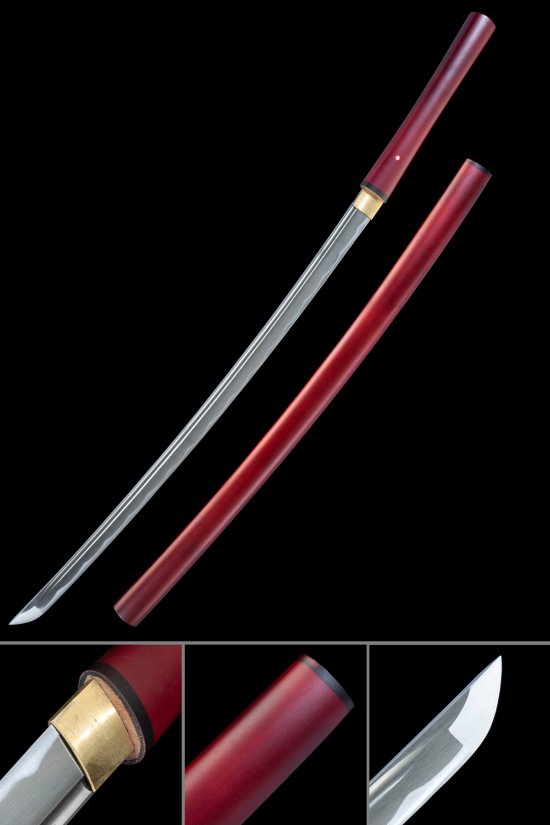
I recently received my second purchase from TrueKatana, and it is just as wonderful as my first one. This time, I bought the Hand-forged 1045 carbon steel shirasaya katana with dark red saya, and it is a beauty! The quality is superb! Everything is perfect! The balance, the aesthetics, the attention to detail.Thank you, TrueKatana!
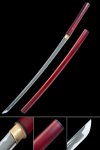
1045 Carbon Steel Shirasaya Katana with Dark Red Matte Hardwood Saya - No Tsuba Design 1045 Carbon Steel Shirasaya Katana with Dark Red Matte Hardwood Saya - No Tsuba Design
Cart 0 Items

Your cart is empty