Free U.S. Shipping

Japanese Nihonto Sword

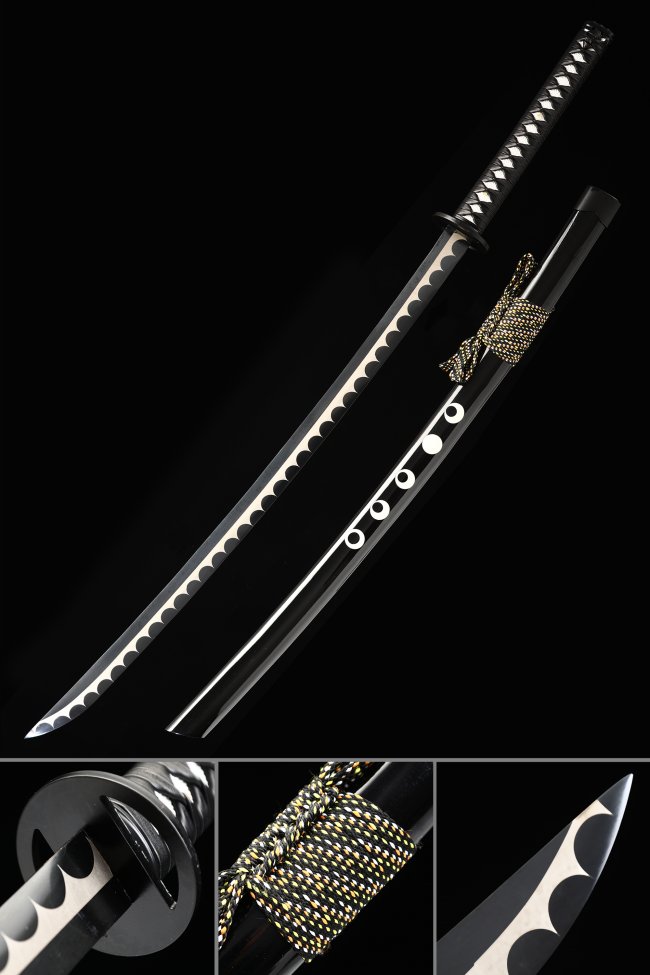
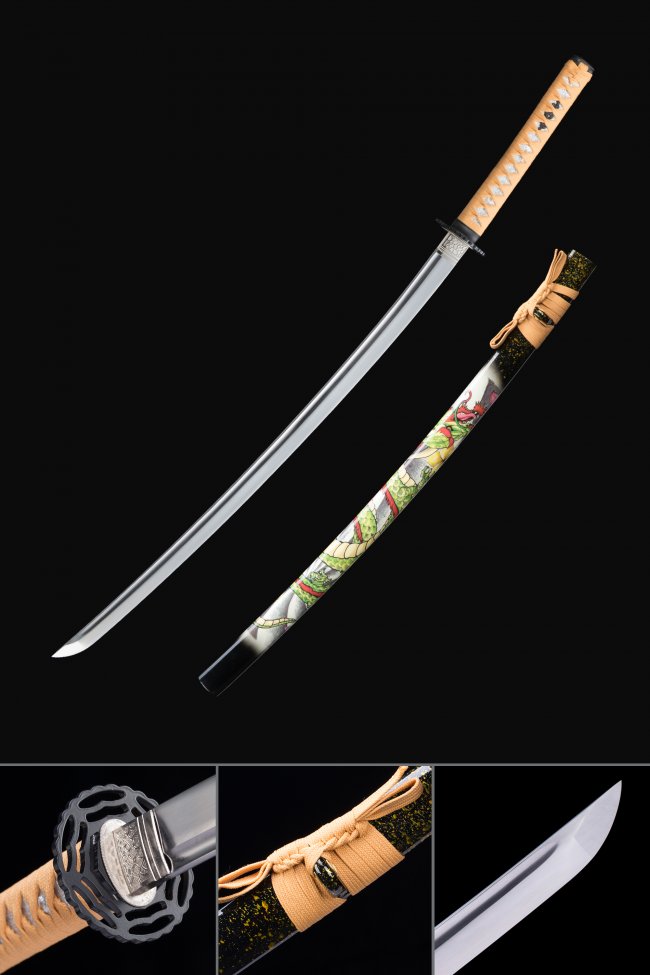
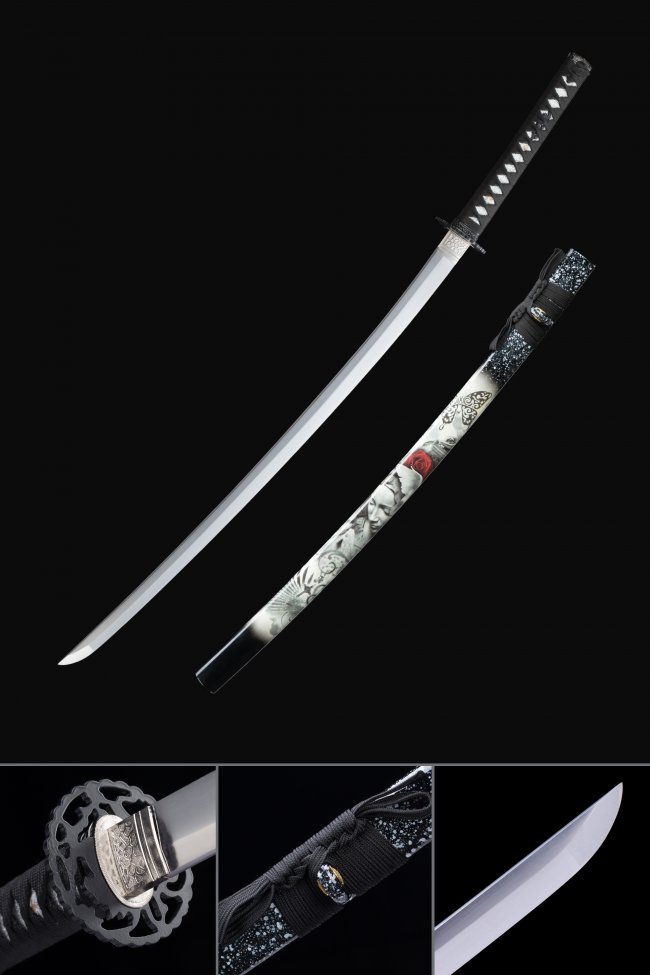
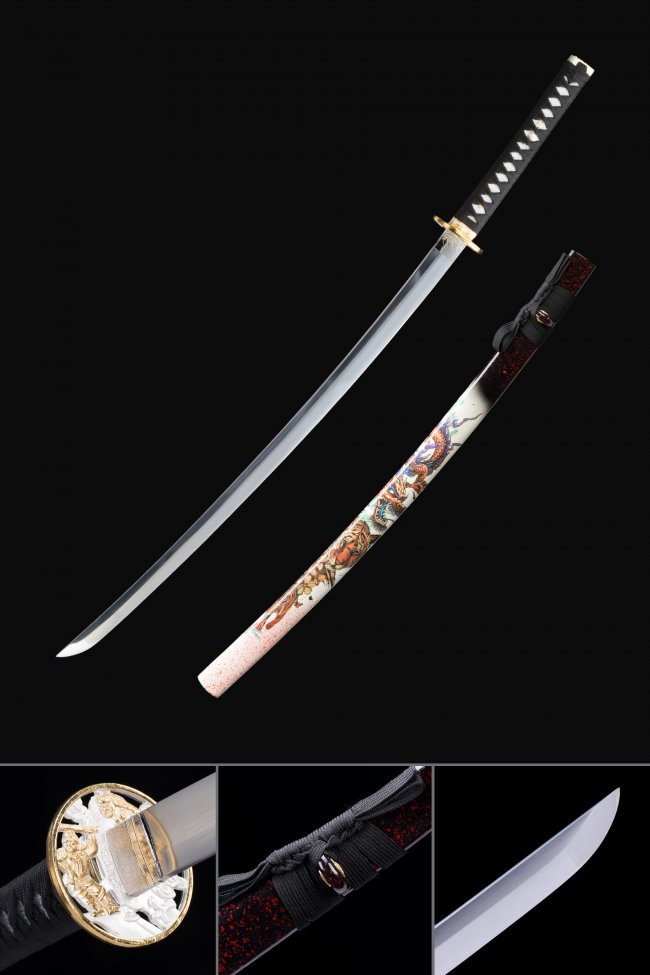
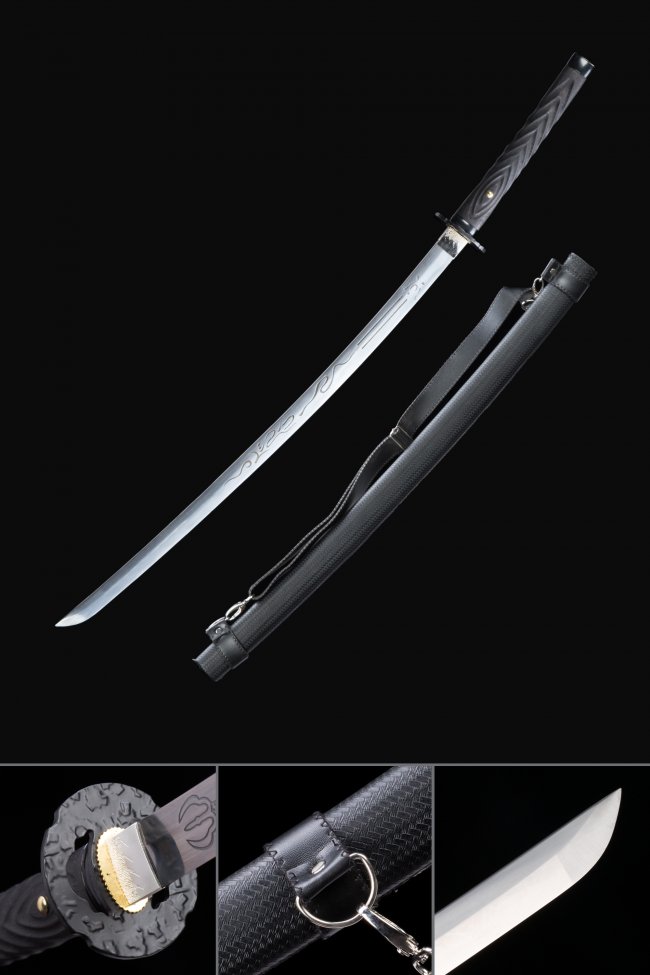
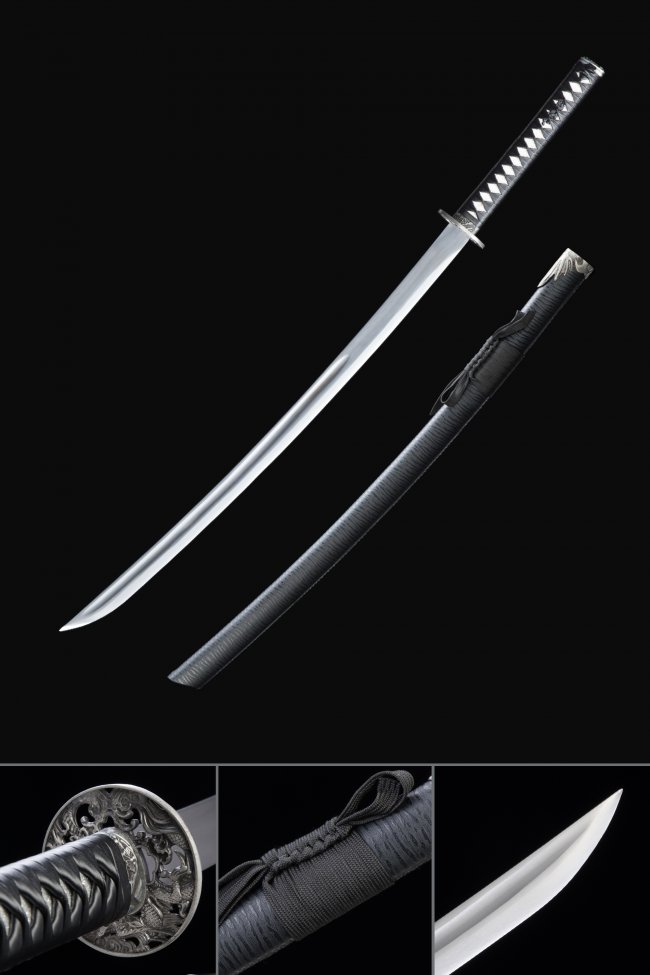
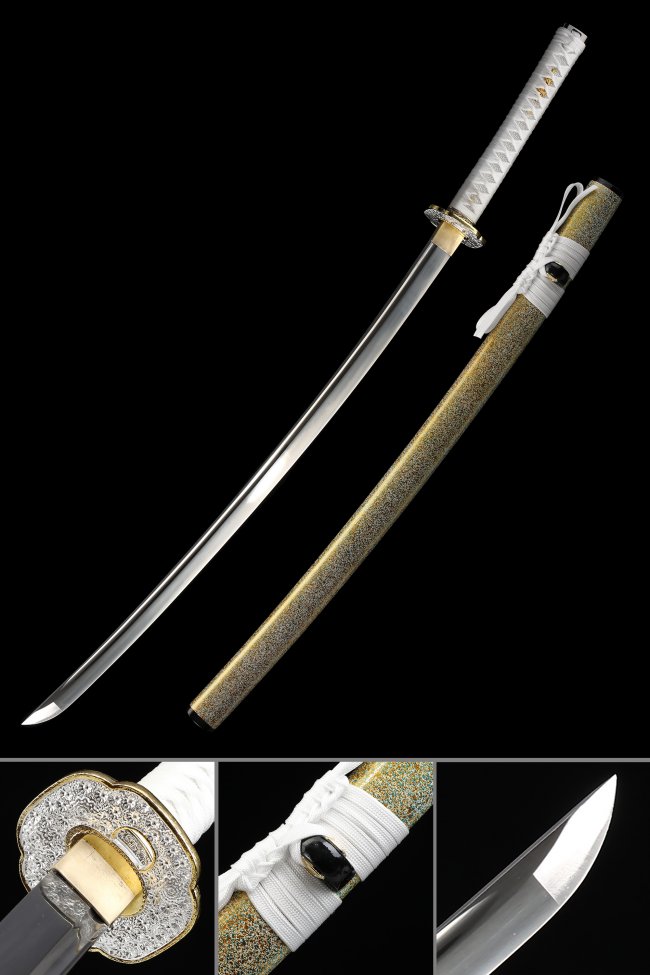
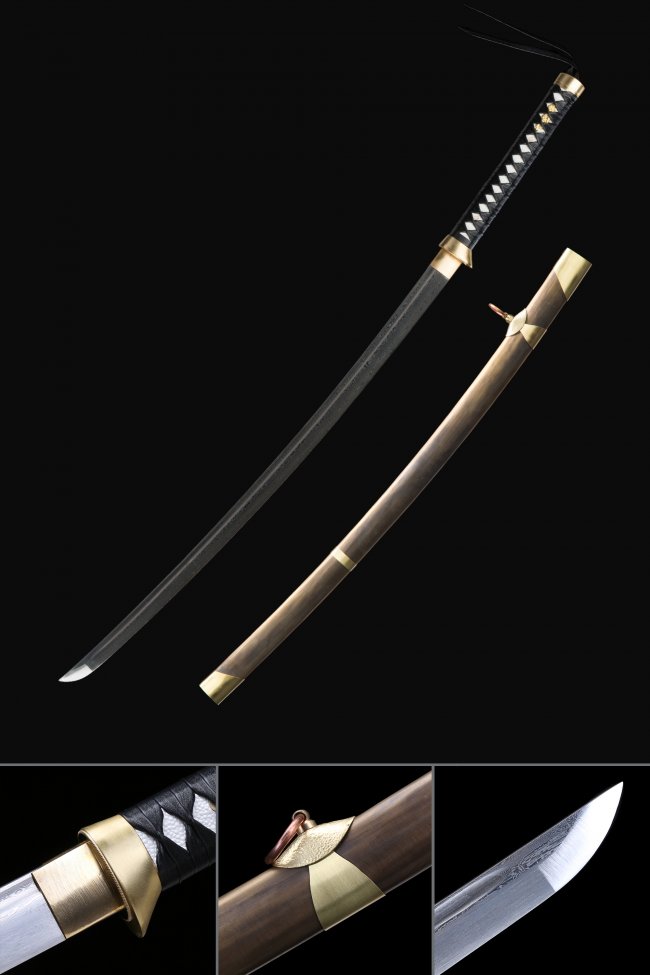
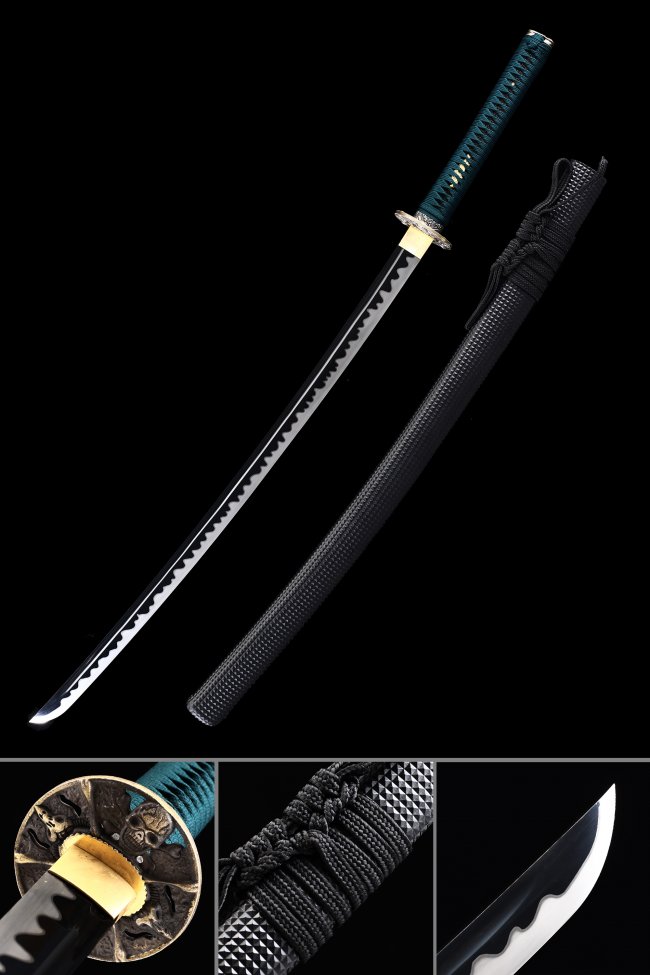
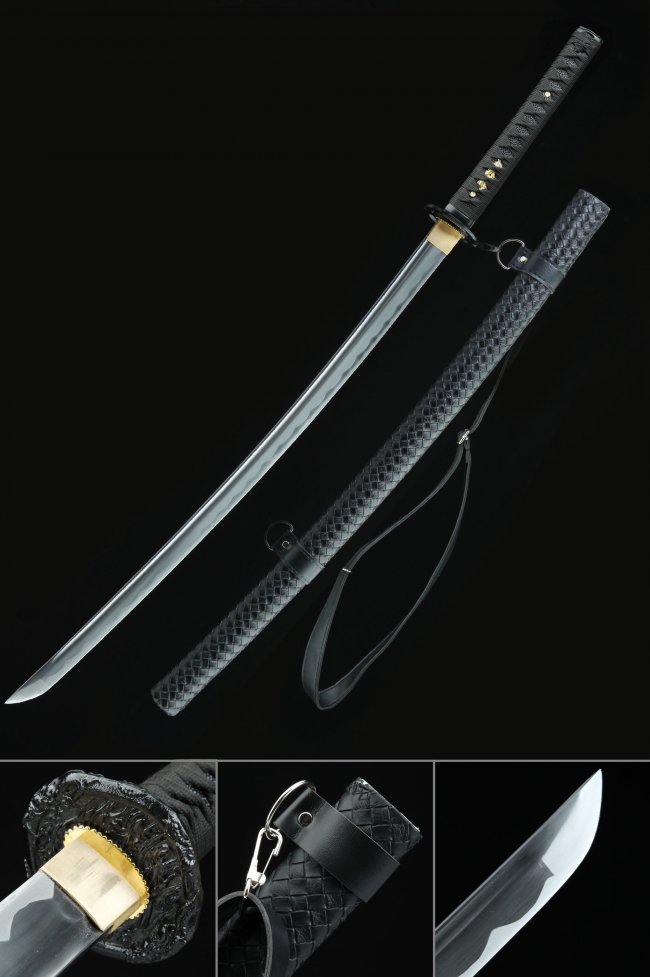
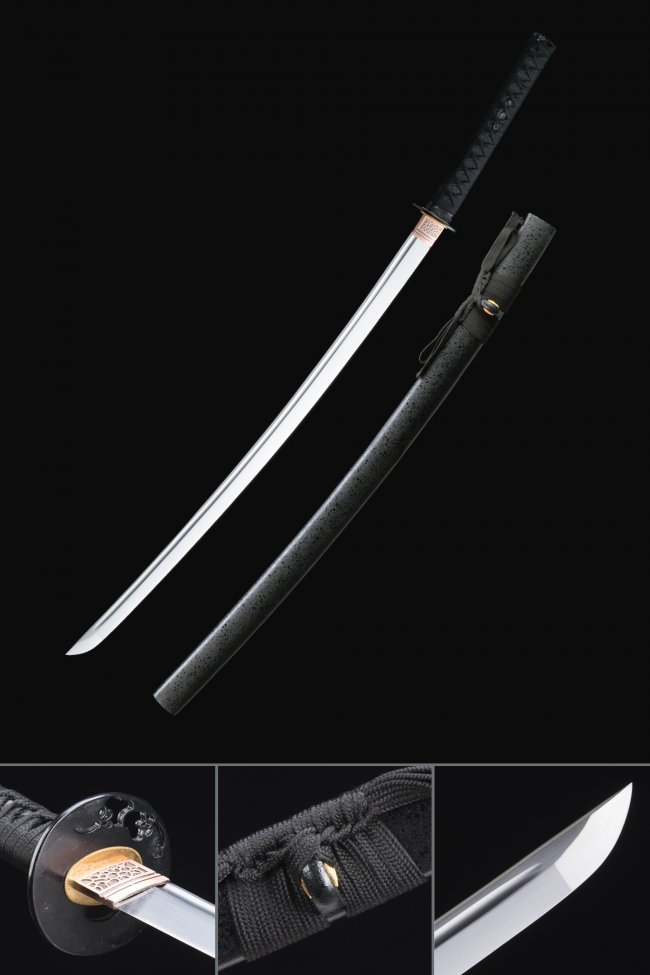
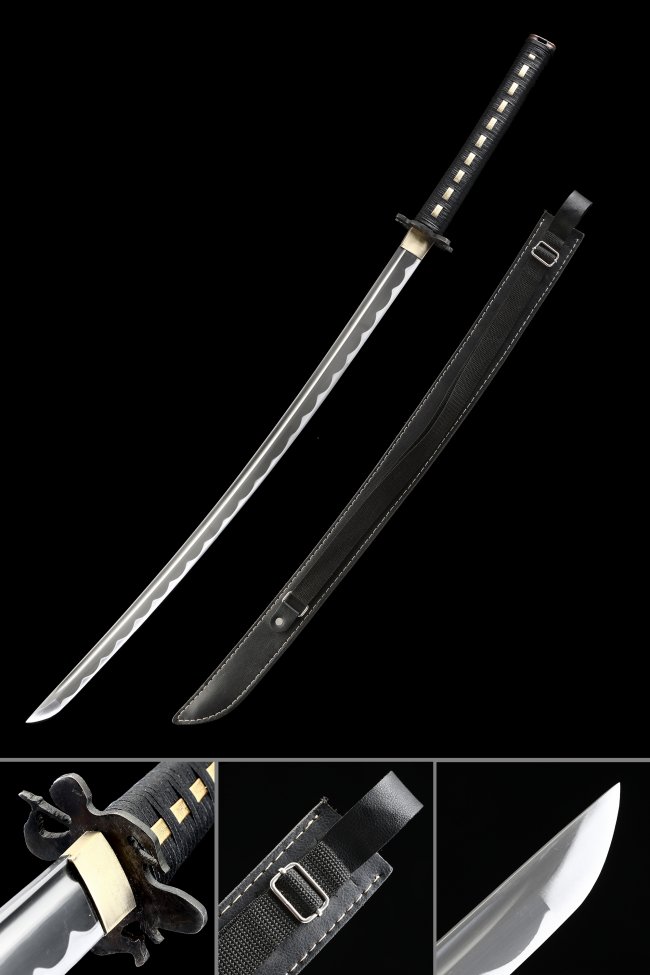
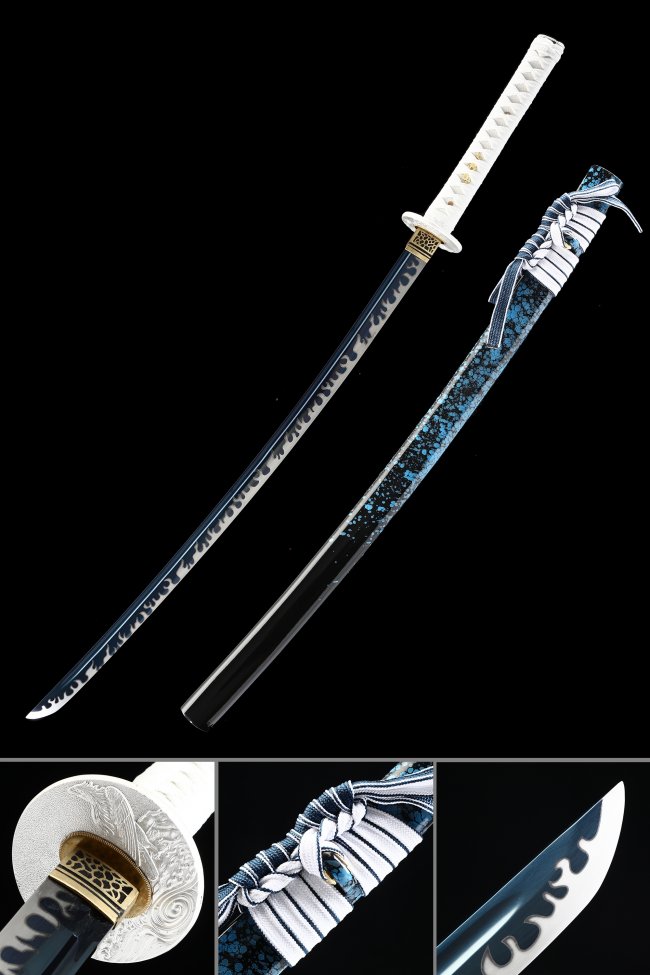
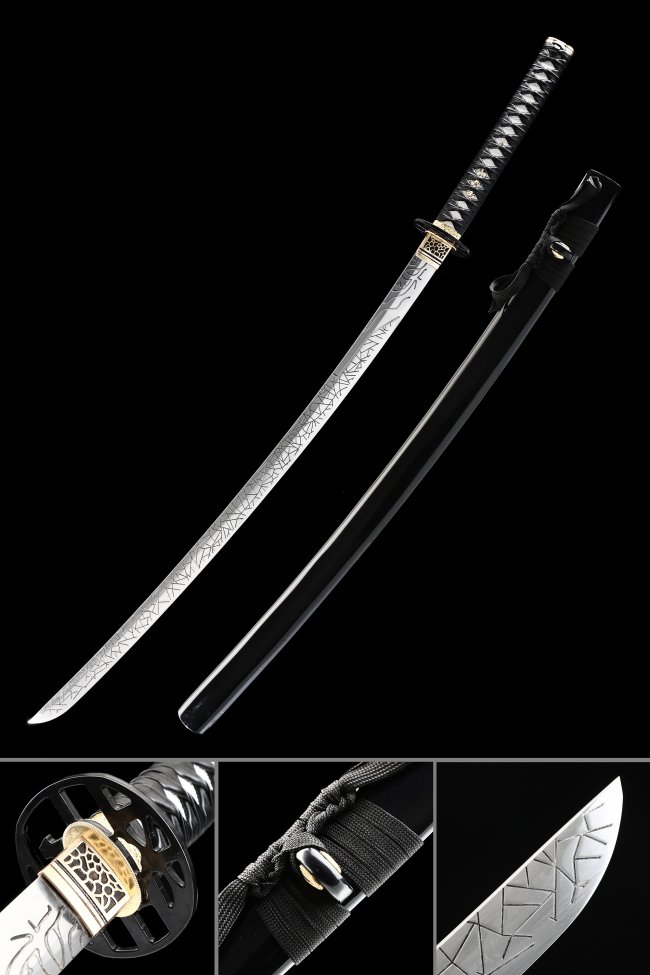
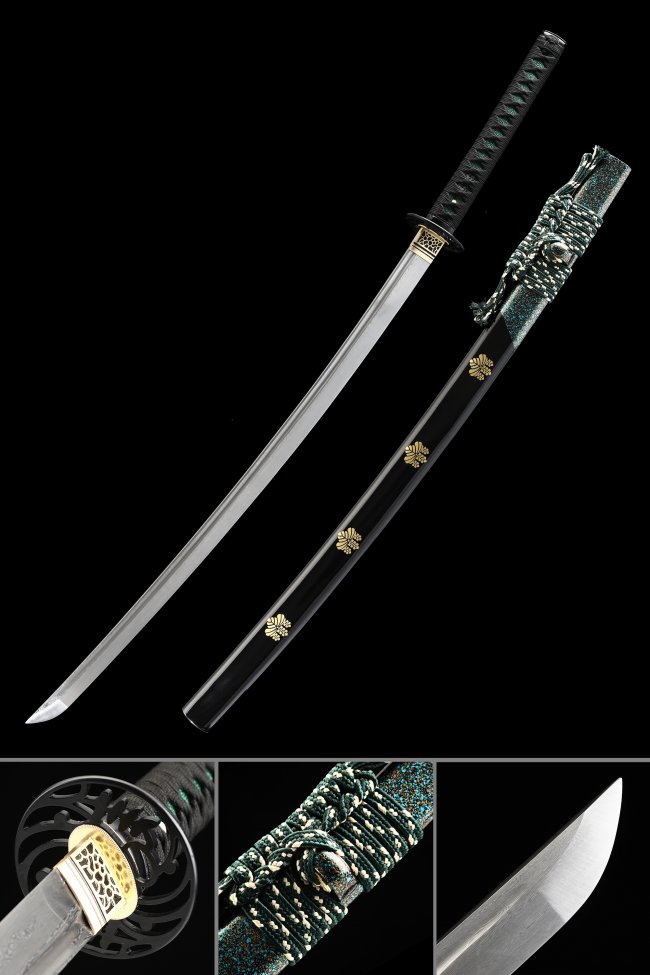
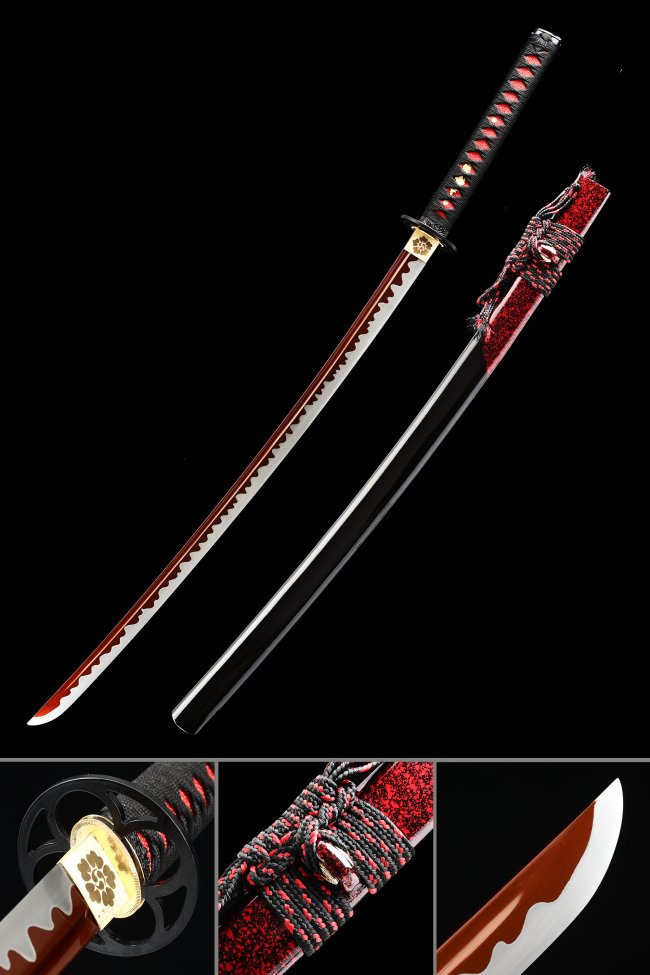
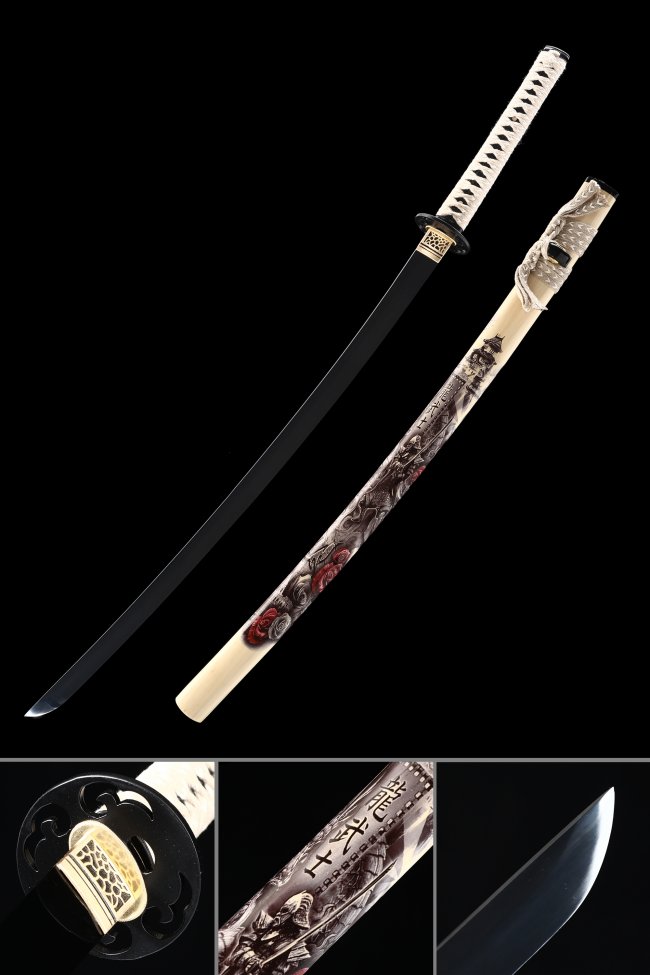
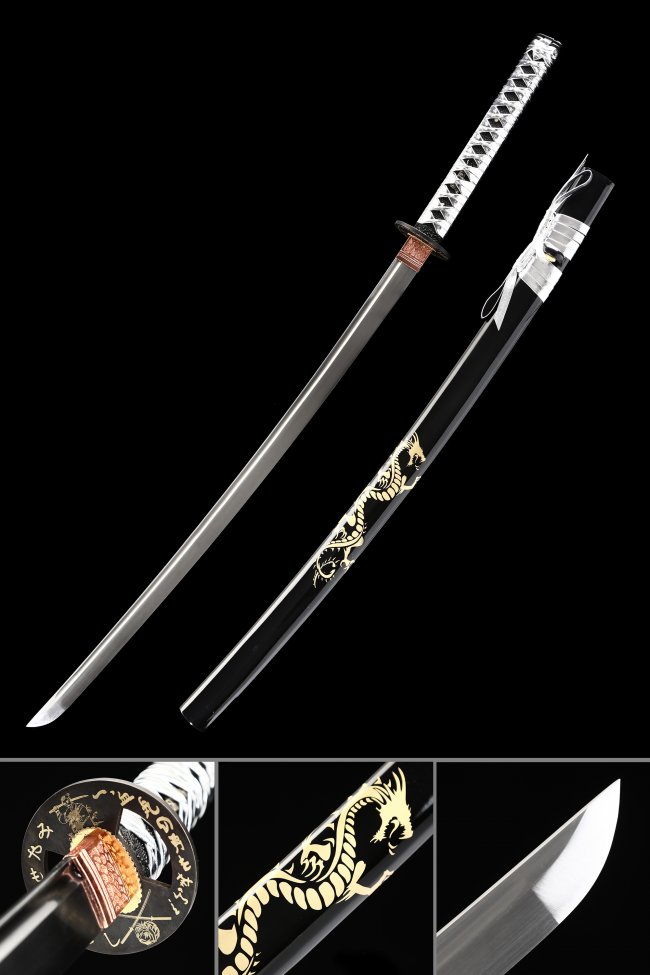
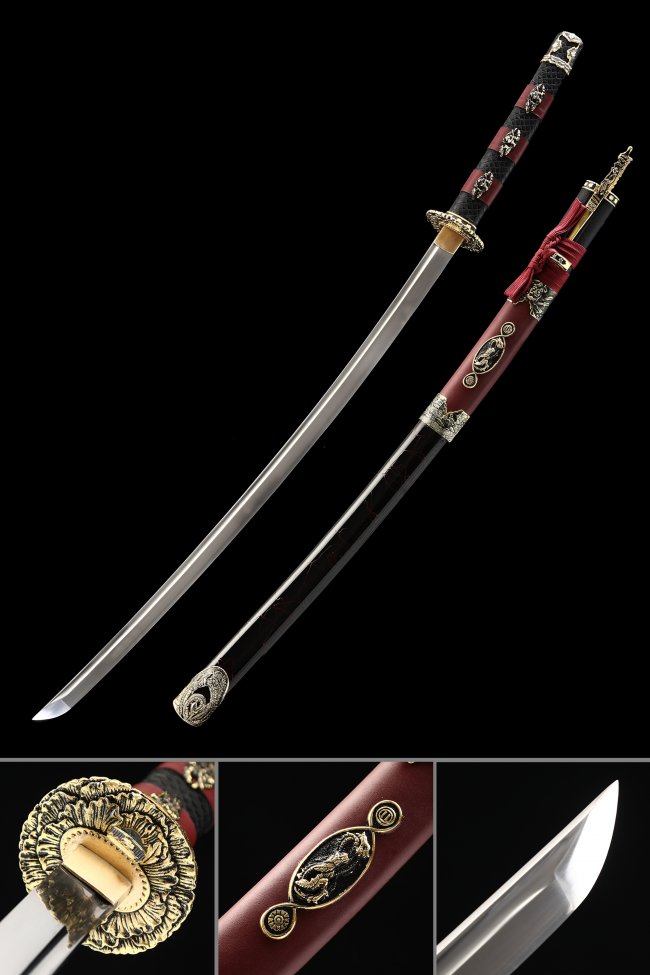
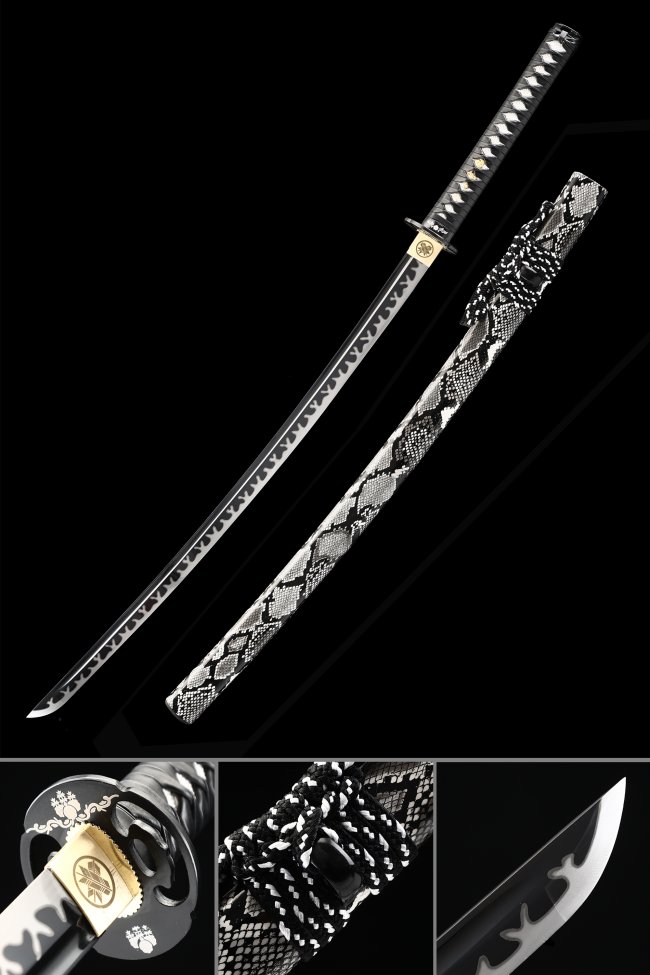
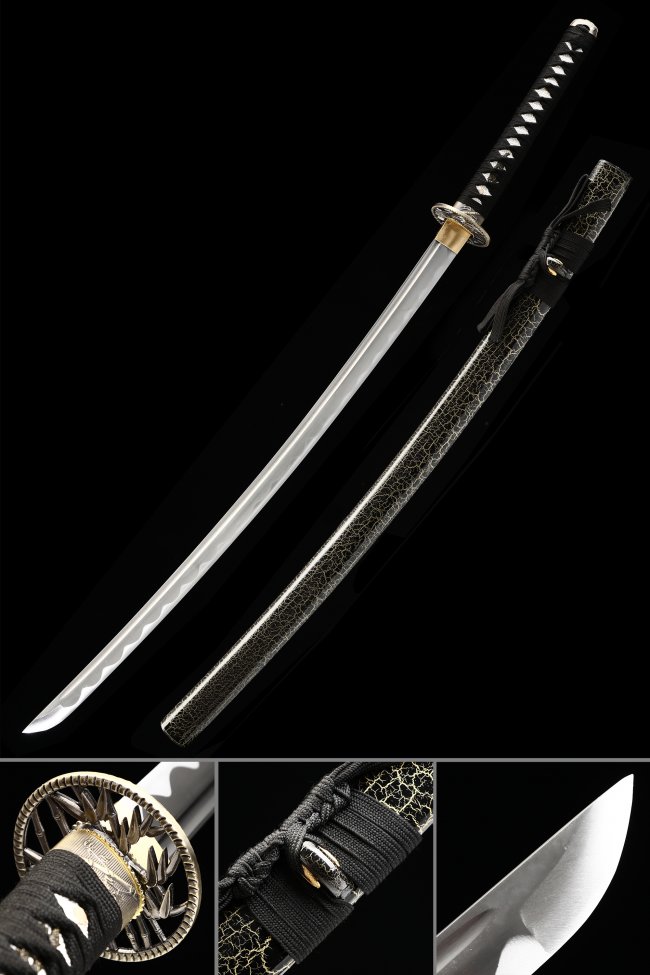
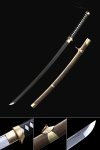
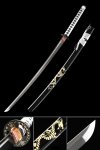
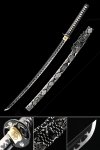
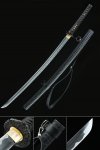
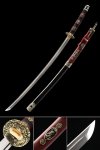
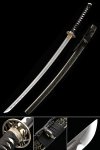
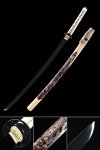
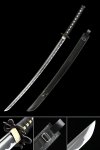
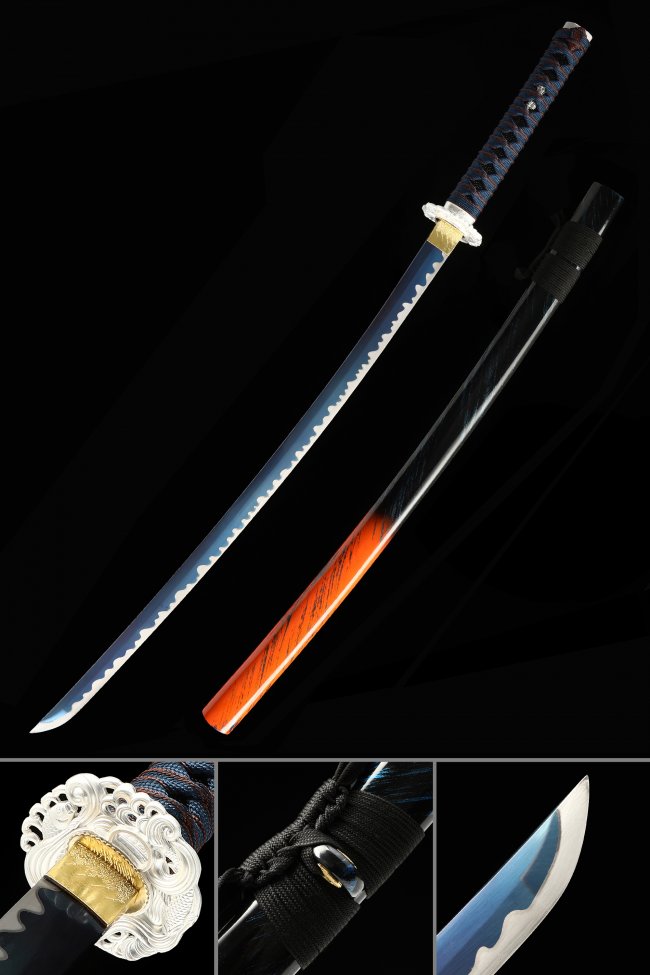
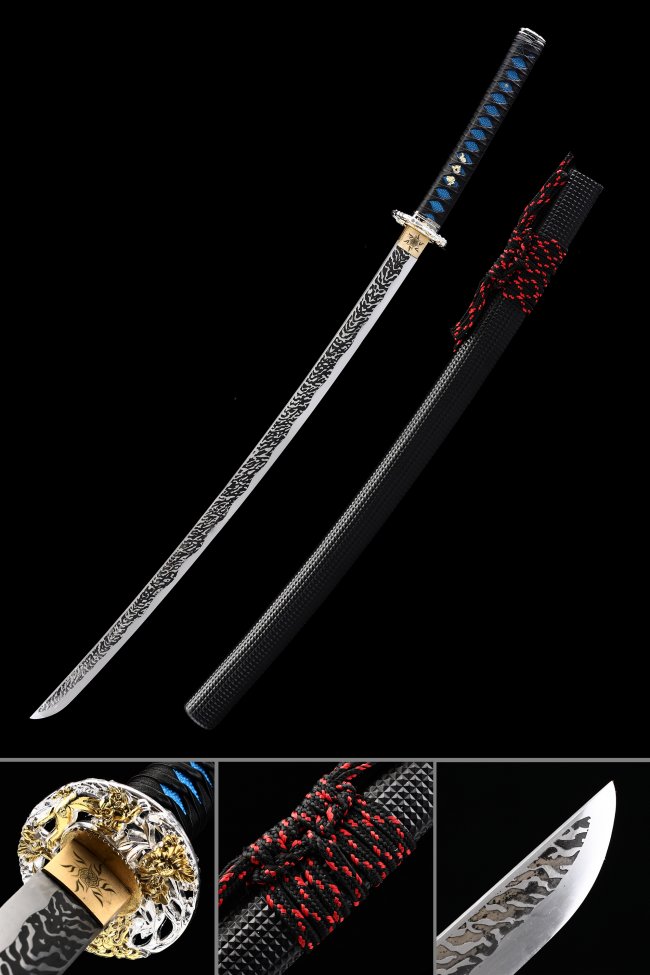
A Japanese nihonto sword carries a different kind of weight for collectors. More than just a blade, the nihonto represents centuries of swordsmithing tradition, where balance, steel treatment, and subtle craftsmanship mattered as much as appearance. Our nihonto sword collection draws inspiration from that legacy with real steel blades, traditional-style fittings, and hand-finished details that give each sword a more authentic character in hand. Some pieces reflect classic samurai aesthetics with visible hamon and refined lines, while others take a slightly modern approach without losing their connection to traditional Japanese sword culture. Whether you're a longtime collector, a student of samurai history, or simply drawn to the artistry behind Japanese blades, these swords offer something worth slowing down to appreciate.
Showing 23 Products

Related Collections

Frequently Asked Questions

What Does Daisho Mean?

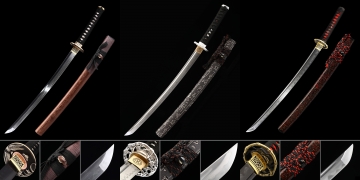
A daisho is a traditional Japanese sword pairing, usually made up of one long sword and one shorter companion sword. In most modern collections, that means a katana and a wakizashi. The word “daisho” comes from the idea of “big and small,” which fits the visual and practical relationship between the two blades. For collectors, a Japanese Daisho Set is not just two random swords placed together. The appeal is in the matching style, balanced proportions, coordinated fittings, and the feeling of owning a complete samurai-inspired pair.

What is a Daisho?

A daisho is a set of two Japanese swords traditionally associated with the samurai class. The most recognized version is a katana paired with a wakizashi, though historical combinations could vary depending on period and context. For modern buyers, a daisho set is usually purchased for display, collection, photography, martial arts-inspired decor, or as a meaningful gift. When choosing one, look at whether the two swords visually belong together, whether the blade materials fit your expectations, and whether the product page clearly states details such as steel type, tang construction, sharpness, and included accessories.

What swords are included in a Daisho set?

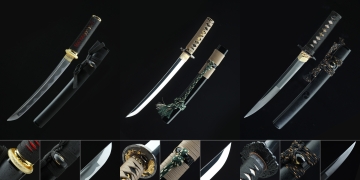
Most daisho sets include a katana and a wakizashi. The katana is the longer sword, while the wakizashi is the shorter companion blade. Some sword sets may also include a tanto, creating a three-piece display set, but a classic daisho usually refers to the long-and-short pairing. On TrueKatana, you should always check the individual product title and details, because some listings may be katana + wakizashi, while others may include katana + tanto or a larger multi-sword set. The best choice depends on whether you want historical style, display harmony, or a more complete collection.

Is a Japanese Daisho Set full tang?

Yes. TrueKatana swords are made with full tang construction, including the swords in its Japanese Daisho Set collection. Full tang means the blade steel extends through the handle, which gives the sword a more solid structure than a decorative rat-tail tang. That said, each daisho set may use different blade steel, fittings, colors, and finishing details, so it is still worth checking the product page before ordering. If you are buying for display, full tang adds confidence and weight. If you are buying for practice or cutting, confirm sharpness, blade steel, and intended use first.

Are Daisho sets sharp?

Some daisho sets may be sharp, while others may be better treated mainly as display pieces. Do not assume every sword set has the same edge. On TrueKatana, check the product details for blade sharpness, steel type, and recommended use before purchasing. Even if a sword is bought mainly for decoration, a metal blade can still be dangerous if handled carelessly. Keep it away from children, store it securely, and avoid swinging it indoors. If you want a safer option for cosplay or convention use, a metal daisho set is usually not the right choice.

Are Daisho swords legal in the US?

In many parts of the United States, owning a sword at home as a collectible is generally treated differently from carrying one in public. However, laws vary by state, city, and specific location. Some states may allow ownership but restrict carrying long blades in schools, government buildings, bars, events, or other restricted places. Before buying or transporting a daisho set, check your local laws and any venue rules that apply. TrueKatana can provide product information, but legal compliance is the buyer’s responsibility, especially when traveling, moving, or attending public events.

Where can I buy a Japanese Daisho Set?

You can buy a Japanese Daisho Set online from specialty sword retailers, including TrueKatana. When comparing options, look beyond the product photo. Check what swords are included, the blade steel, whether the swords are full tang, the sharpness level, the fittings, saya design, shipping details, and return policy. On TrueKatana, the Japanese Daisho Set collection includes multiple styles at different price points, from more affordable display-focused sets to higher-end options with upgraded steel and finishing. If you are buying as a gift, also check stock status and expected delivery time before placing the order.

How do I clean and care for a Daisho set?

A daisho set should be kept clean, dry, and lightly oiled if the blades are carbon steel. Avoid touching the blade directly with bare hands, because fingerprints can leave moisture and oils that may lead to rust. After handling, wipe the blade carefully with a soft cloth and apply a thin layer of sword maintenance oil if recommended for that steel type. Store the swords in a dry place away from humidity. Do not leave them in direct sunlight or damp rooms. For colored blades or decorative finishes, be gentle and avoid abrasive cleaners.

Why did samurai carry a Daisho?

Samurai carried a daisho because it represented both their practical needs and their social status. A daisho usually included a katana and a wakizashi—the longer sword was used as the main weapon, while the shorter sword was easier to carry indoors or in close spaces. Over time, the paired swords became more than just tools. They were a visible sign of the samurai class and a symbol of discipline, rank, and personal honor.

For modern collectors, a Japanese Daisho Set carries that same visual meaning. It feels more complete than buying a single katana because the two swords are designed to sit together, with matching fittings, balanced proportions, and a stronger traditional look. Today, most buyers choose a daisho set for display, collection, photography, or as a meaningful gift rather than for practical use. At TrueKatana, daisho sets are full tang, so they have a solid construction while still being best treated with care and respect.

What is a Japanese Nihonto Sword?

A Japanese Nihonto sword literally means a “Japanese sword.” In a strict collecting sense, nihonto often refers to swords traditionally made in Japan by licensed swordsmiths, usually valued for their steel, hamon, polish, shape, age, and provenance. In modern online shopping, however, the term is sometimes used more broadly for Japanese-style swords inspired by traditional nihonto design. When shopping on TrueKatana, read the product details carefully. Many pieces are nihonto-style or nihonto-inspired swords made for collectors, display, gifts, or handling practice, rather than certified antique Japanese blades.

Is a Nihonto sword full tang?

TrueKatana swords are made with full tang construction, including the Japanese Nihonto Sword collection. Full tang means the blade steel extends through the handle, giving the sword a stronger and more solid structure than a lightweight decorative tang. This matters most if you care about handling feel, balance, and long-term durability. Still, full tang alone does not tell the whole story. You should also check the blade steel, heat treatment, sharpness, fittings, saya material, and product photos before choosing a sword. A full tang sword can be collectible, display-ready, and more satisfying in hand.

How do I care for a Nihonto sword?

A nihonto or nihonto-style sword should be kept clean, dry, and lightly protected from moisture. Avoid touching the blade directly with bare hands, because fingerprints can leave oils and moisture on the steel. After handling, wipe the blade with a soft cloth and apply a thin layer of suitable sword oil if the blade material requires it. Store the sword in a dry place away from humidity, direct sunlight, and sudden temperature changes. If the sword has a colored blade, etched design, or special finish, avoid abrasive cleaners and treat the surface gently.

How much does a Nihonto sword cost?

A Nihonto sword can vary a lot in price, mainly because people use the word “Nihonto” in different ways. A certified Japanese-made Nihonto or antique sword can cost thousands of dollars, and higher-end pieces can go far beyond that depending on the maker, age, condition, polish, fittings, and documentation. One Nihonto pricing guide notes that real Japanese katana prices can range from about $3,000 to $200,000+ for serious collectible examples.

A modern Nihonto-style sword is usually much more affordable. These swords are inspired by traditional Japanese sword design but are not the same thing as a certified antique Japanese blade. For most buyers, especially those looking for display, collecting, gifts, or home decor, a modern full tang Japanese-style sword is often the more practical choice. At TrueKatana, always check the product page for the exact steel, construction, sharpness, fittings, and price before ordering.

How to care for a Nihonto sword?

A Nihonto or Nihonto-style sword should be kept clean, dry, and protected from moisture. Try not to touch the blade directly with bare hands, because fingerprints can leave oil and moisture on the steel. After handling, wipe the blade gently with a soft cloth. If the blade is carbon steel or another rust-prone steel, apply a very thin layer of suitable sword oil.Do not over-oil the blade. Too much oil can attract dust and moisture, especially in humid areas, so a light, even layer is better than a heavy coating. Collectors in humid climates often clean and re-oil swords more frequently, but the key is still moderation. Store the sword in a dry place, away from bathrooms, basements, direct sunlight, and sudden temperature changes. For colored blades, etched details, or special finishes, avoid abrasive cleaners and harsh wiping.

Can I bring a Nihonto sword to a convention?

In most cases, no. A metal Nihonto sword, katana, or Nihonto-style sword should not be treated as a convention prop. Major conventions usually have strict rules against metal weapons or realistic blades. Anime NYC’s 2026 policy says prop weapons are allowed only if they are made from cardboard, foam, or similar light material, while plastic and wooden props must be reviewed by security. Anime Expo also has a dedicated prop / replica weapons policy and lists weapons as restricted items.

So if you are going to a convention for cosplay, choose a foam, cardboard, or event-approved prop instead. A TrueKatana Nihonto-style sword is better suited for home display, collecting, photography in a controlled private setting, or gifting. Always check the specific event’s latest rules before bringing any sword-like item.

Customer Reviews

Bought this for my boyfriend as a Christmas gift and he totally freaked out! I don’t know a thing about Samurai swords, but this felt and looked very well made and legit. It even shipped faster from Japan than things I was waiting for one state away. He’s sending videos of it to his friends and family and making everyone jealous as we speak! I will definitely return here for more cool swords to add to his new collection. Thank you!
Skull Tsuba Manganese Steel Katana, Full Tang, Handmade & Black Saya Skull Tsuba Manganese Steel Katana, Full Tang, Handmade & Black Saya Verified Purchase

Subscribe to our emails

GET 20% OFF TODAY

Subscribe to our emails to receive the latest special offers and private events. We'll send a coupon code to your email shortly.

Get Coupon Code