FAST SHIP
67 Reviews
ON SALE 15% OFF
$179.00$209.00

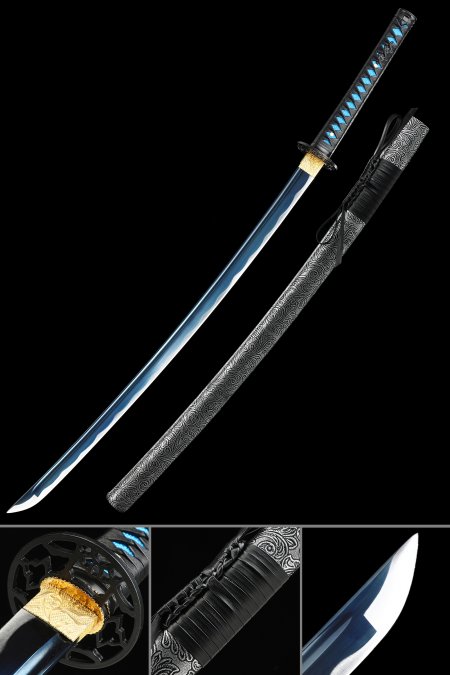
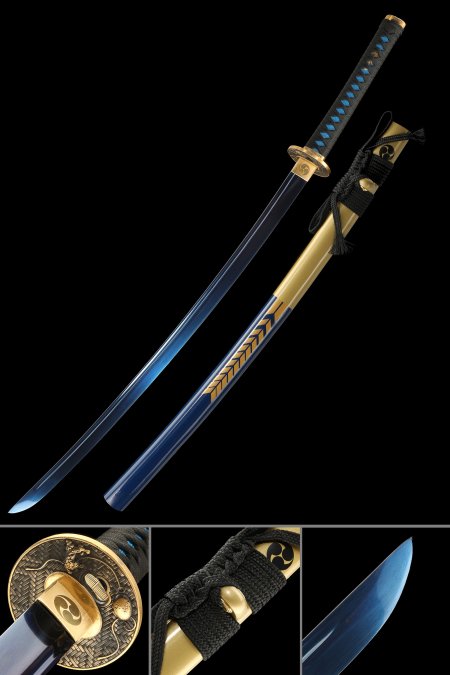
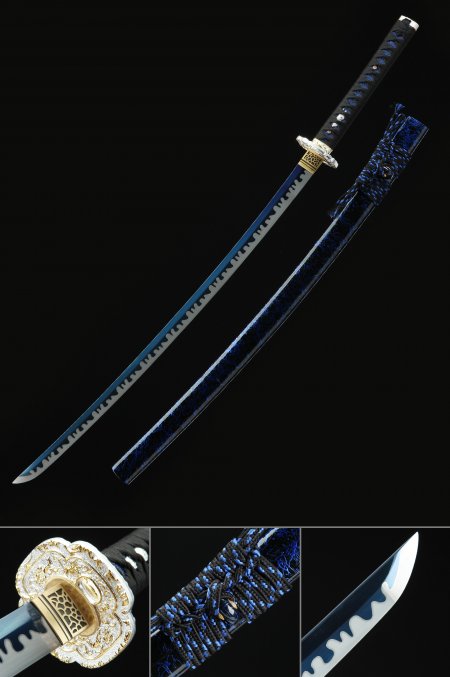
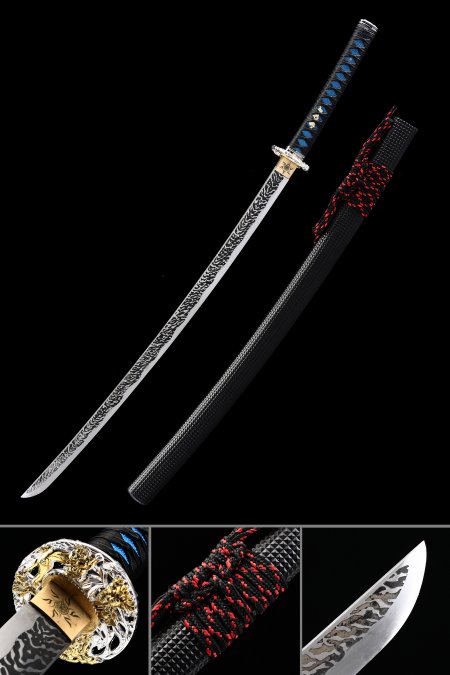
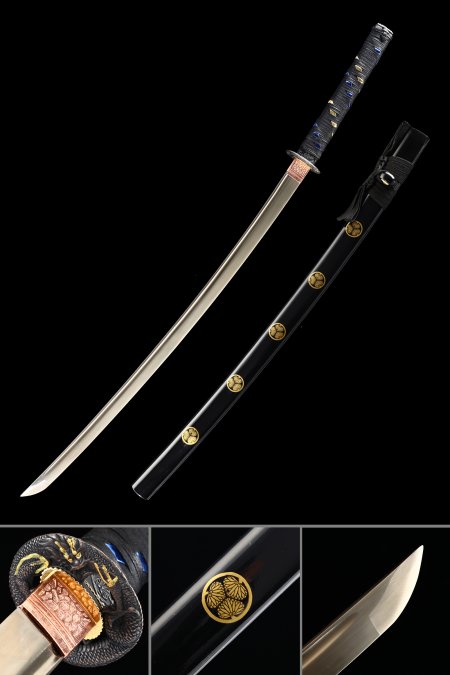
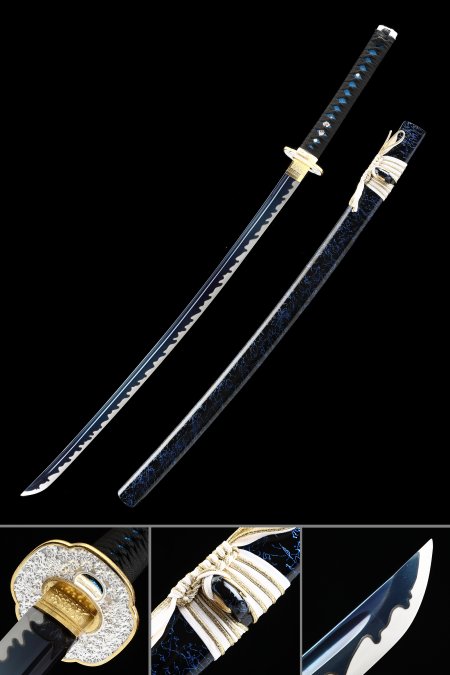
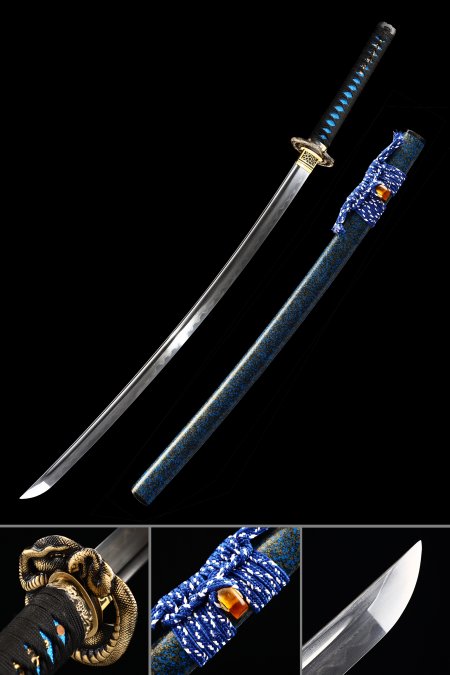
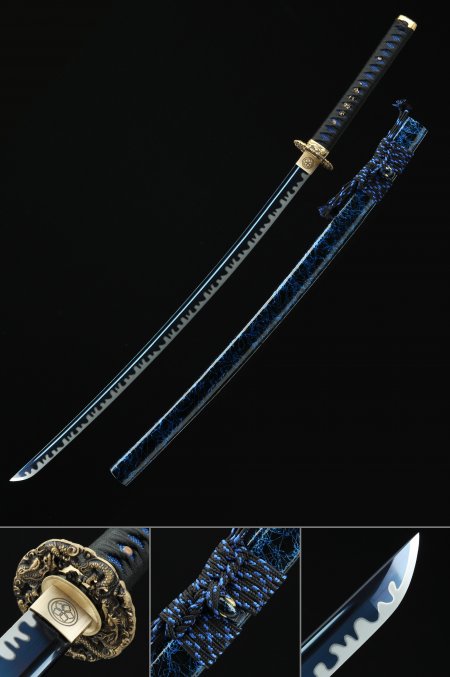
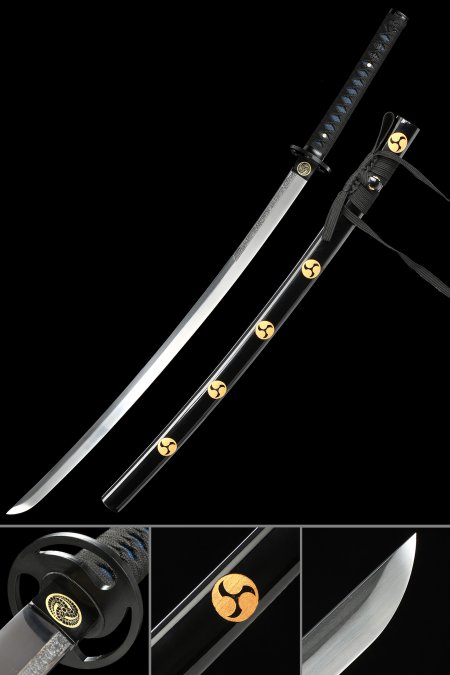
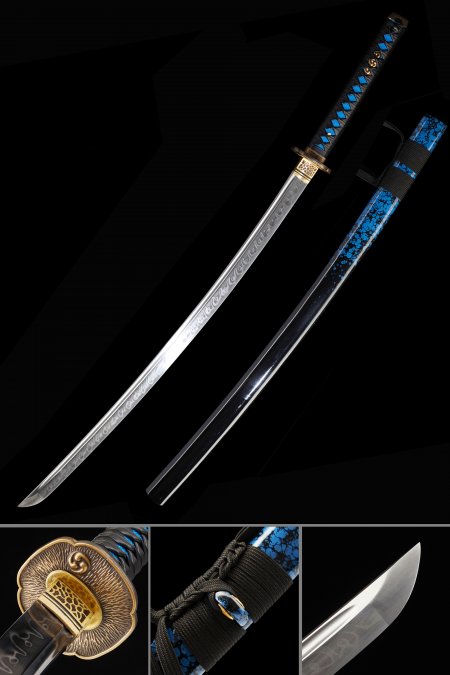
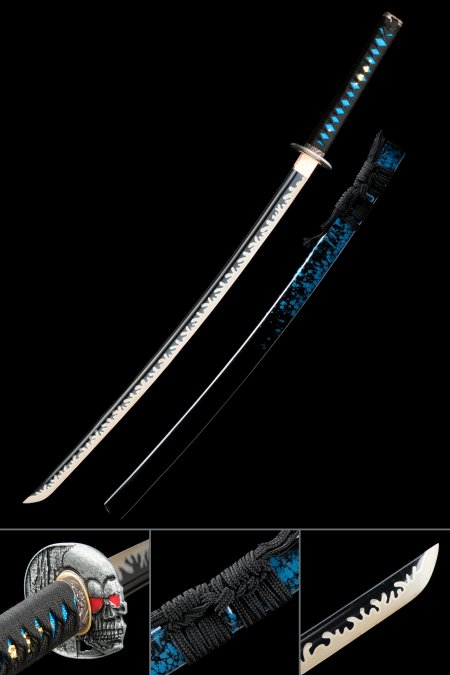
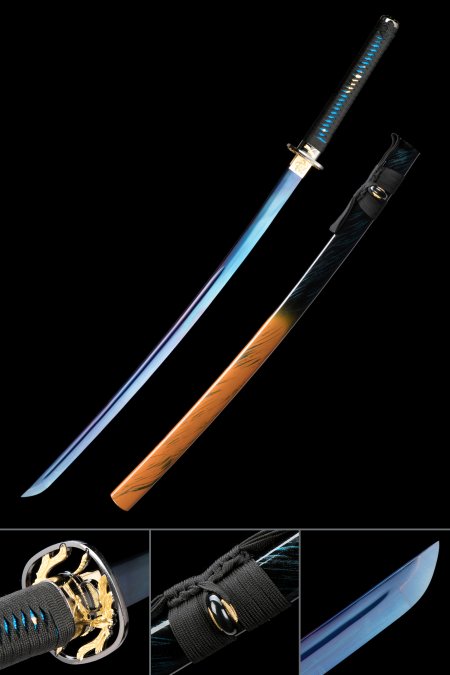
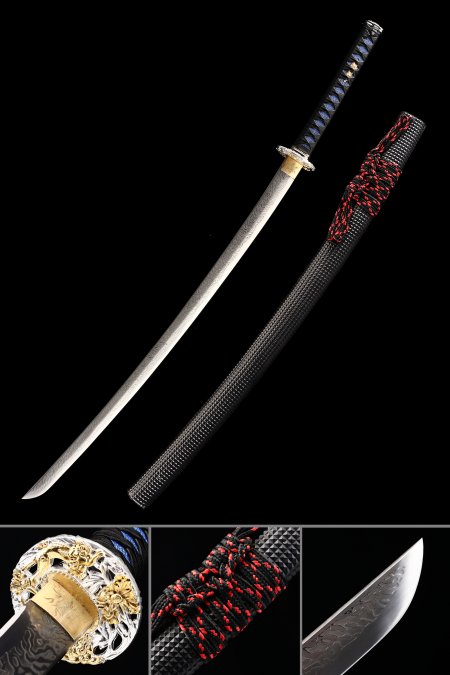
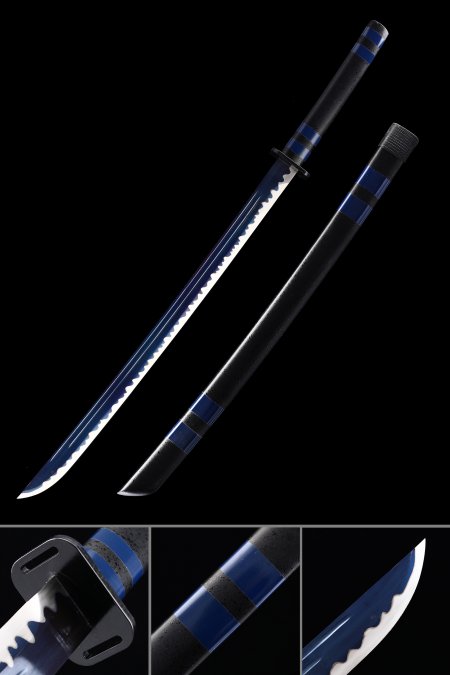
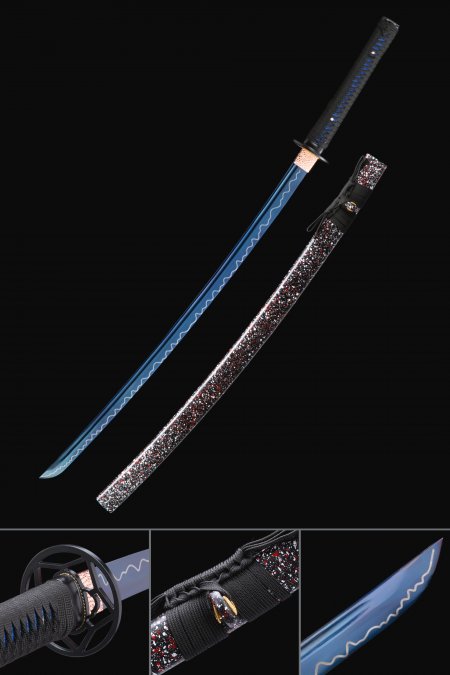
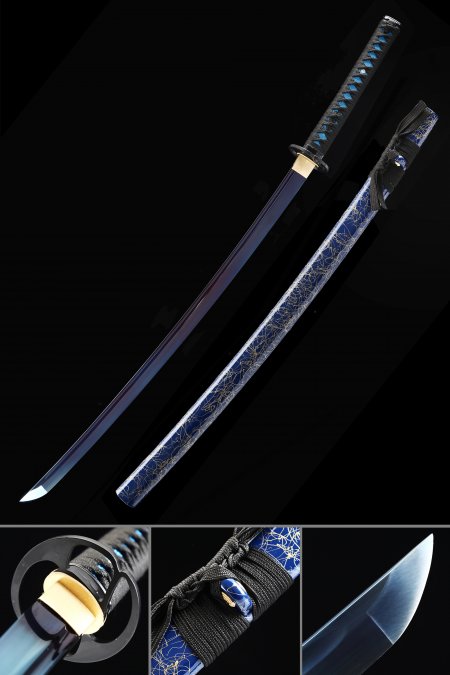
Black and blue handle katana pieces bring together deep indigo ito wrapping, boldly finished blades, and hand-fitted fittings that command attention on any display stand or collector's wall. Each sword in this collection is selected for its visual cohesion — from the tsuka to the saya — ensuring the aesthetic carries through every detail. Enjoy free standard shipping on all orders, backed by our hassle-free return policy.
This is my 3rd time ordering from TrueKatana. Cannot recommend them more. Delivery was great, came in 7 days. Sword was in great condition, and excellent quality. This place has earned my business going forward. Great buy, definitely recommend for any Demon Slayer fan!
 |
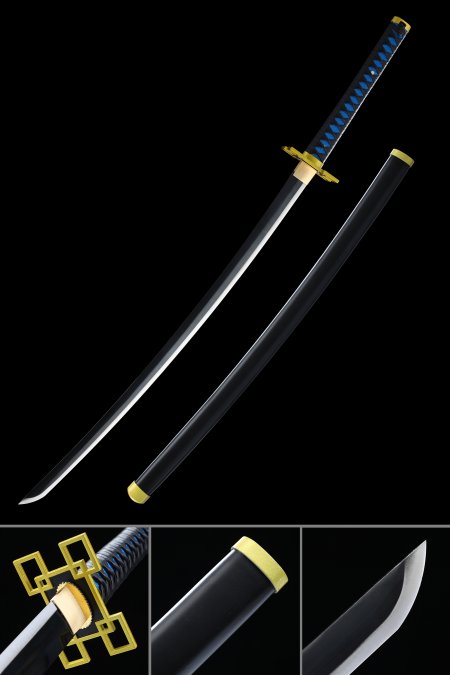
Muichiro Sword - Kimetsu No Yaiba Mist Hashira Nichirin Replica, 1045 Carbon Steel, Rectangular Tsuba |
Great sword, beautiful blade and high quality wrap on the handle. Very lightweight and well made saya as well.
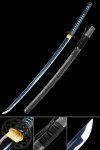 |
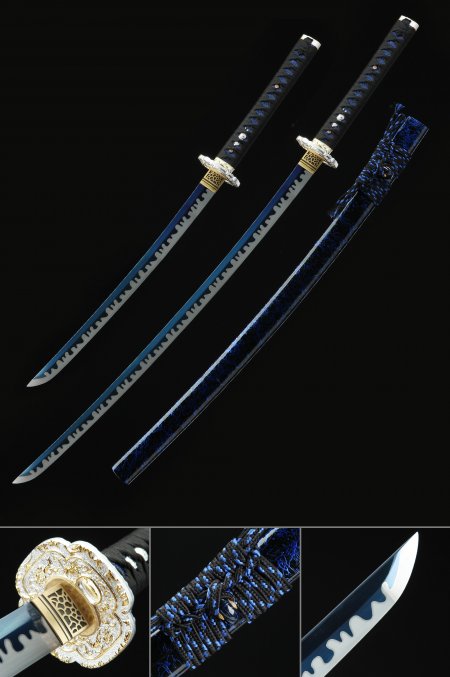
Blue Blade Katana in 1060 Carbon Steel with Silver Vine-Engraved Saya - Full Tang Replica |
Ok first things first with the visuals of the katana it’s stunning the blue blade, the design of the tsuba and saya immaculate but one thing that is slightly bothersome is the habaki which is slightly loose I don’t know if that’s supposed to be like that but other than that it’s good for 144 dollars will be getting a stand and a few more katanas to collect soon
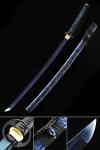 |
1060 Carbon Steel Katana Sword with Blue Blade and Gold-Thread Lacquered Saya in Black Ito Wrap |
The Katana is absolutely stunning! While I will only be using it as a display, it is nonethess something special to hold. The balance and feel of the Katana are exceptional. I am glad I found True Katana for this purchase. And the stand, which I also purchased from True Katana, is perfect for displaying my Katana sword.
|
1060 Carbon Steel Katana Sword with Blue Blade and Gold-Thread Lacquered Saya in Black Ito Wrap |
Nice design and accurate description. The quality is good with heavyweight steel. Beautiful decorative piece. Shipping was fast and safely packaged. I might buy another one.
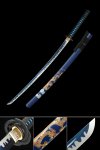 |
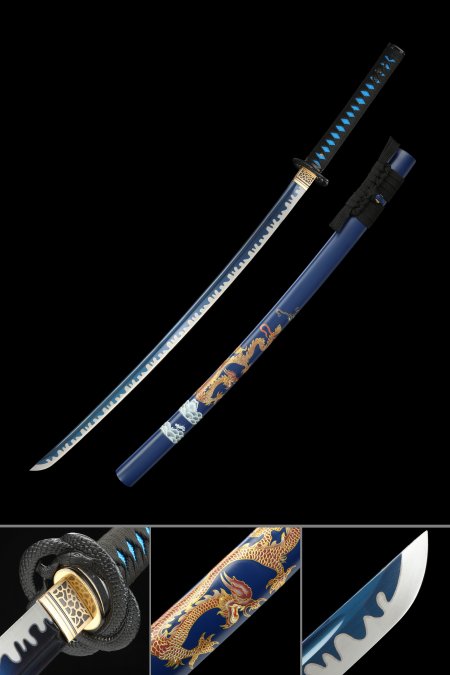
1060 Carbon Steel Full Tang Japanese Sword with Blue Dragon Saya in Piano Lacquer Finish |
I bought this sword for my husband because he loves the show Demon Slayer and has been asking me to gift him a sword for over a year now.
I found this website and order him one and he had no clue! I gifted him it for his birthday and he is in love with it! It’s beautiful and well made!
|
Muichiro Sword - Kimetsu No Yaiba Mist Hashira Nichirin Replica, 1045 Carbon Steel, Rectangular Tsuba |
Great quality and fast shipping. Got exactly what I wanted and it was exactly as I expected it to be!
|
Muichiro Sword - Kimetsu No Yaiba Mist Hashira Nichirin Replica, 1045 Carbon Steel, Rectangular Tsuba |
A fantastic experience overall! The sword came much sooner than expected (especially since it came from China). The sword and scabbard are just as advertised. Great craftsmanship, good weight. Can't wait to try it out!
|
Muichiro Sword - Kimetsu No Yaiba Mist Hashira Nichirin Replica, 1045 Carbon Steel, Rectangular Tsuba |