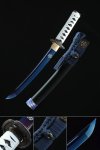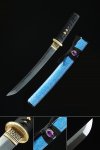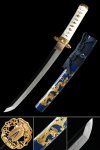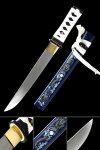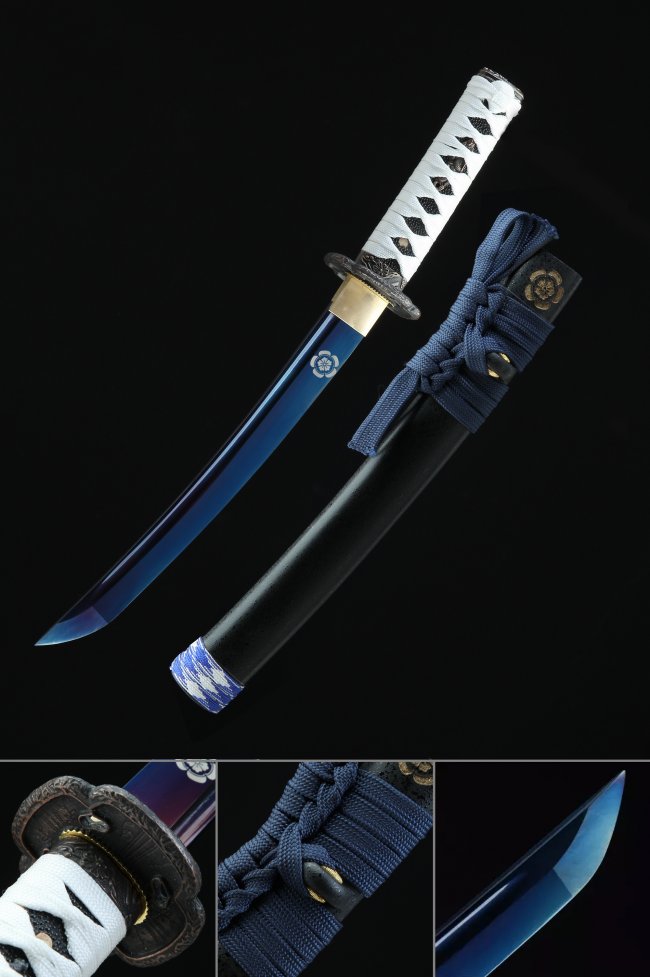
Blue Tanto

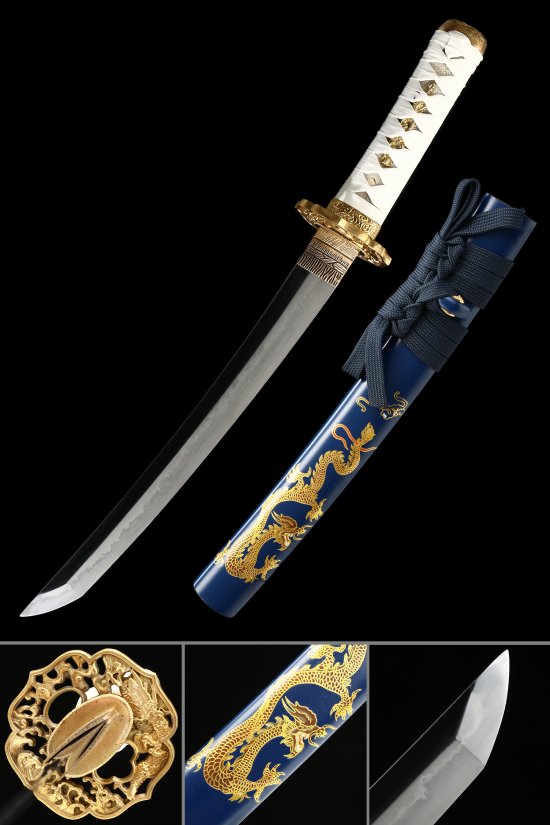
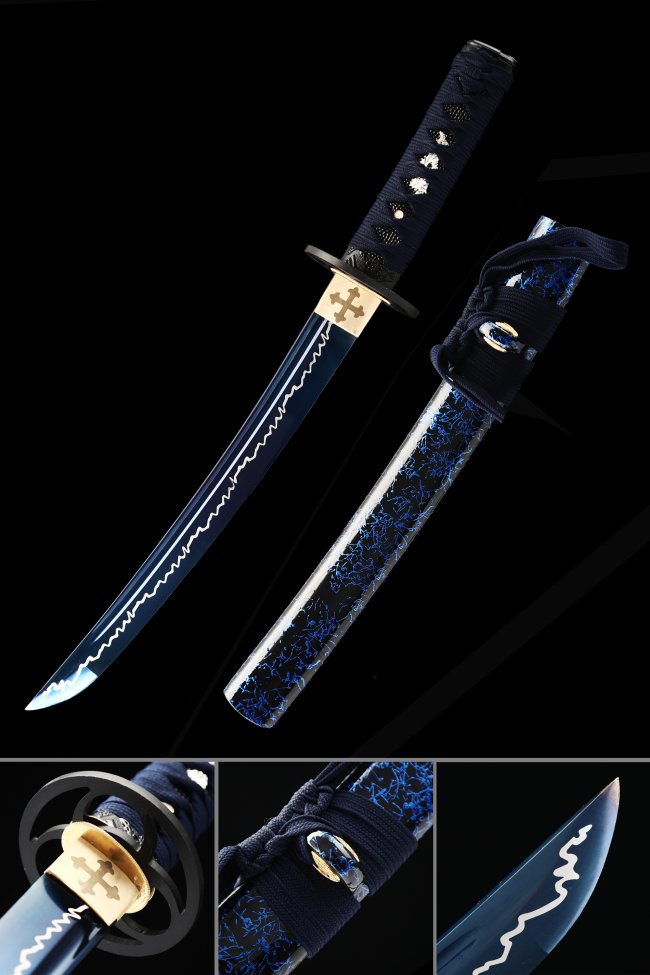
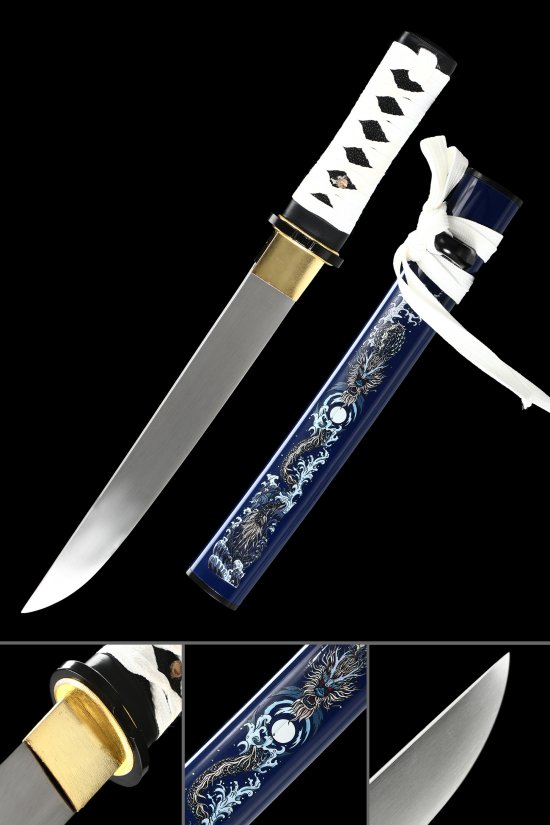
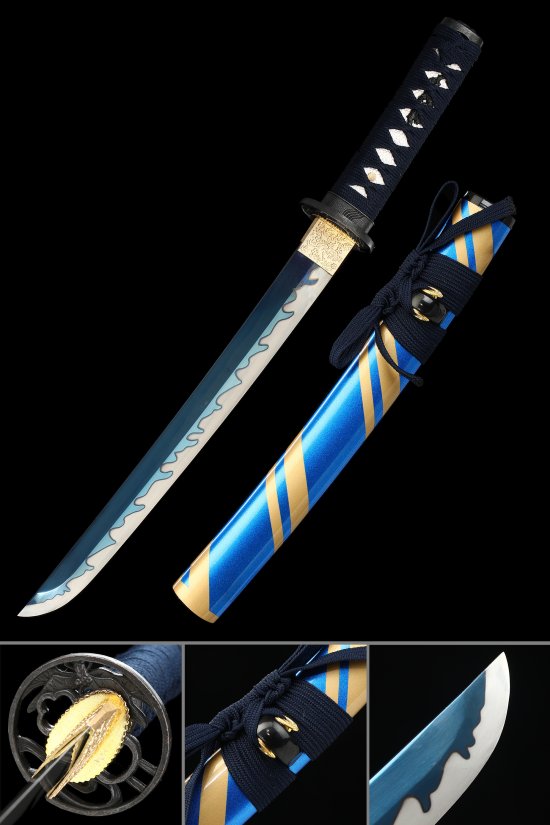
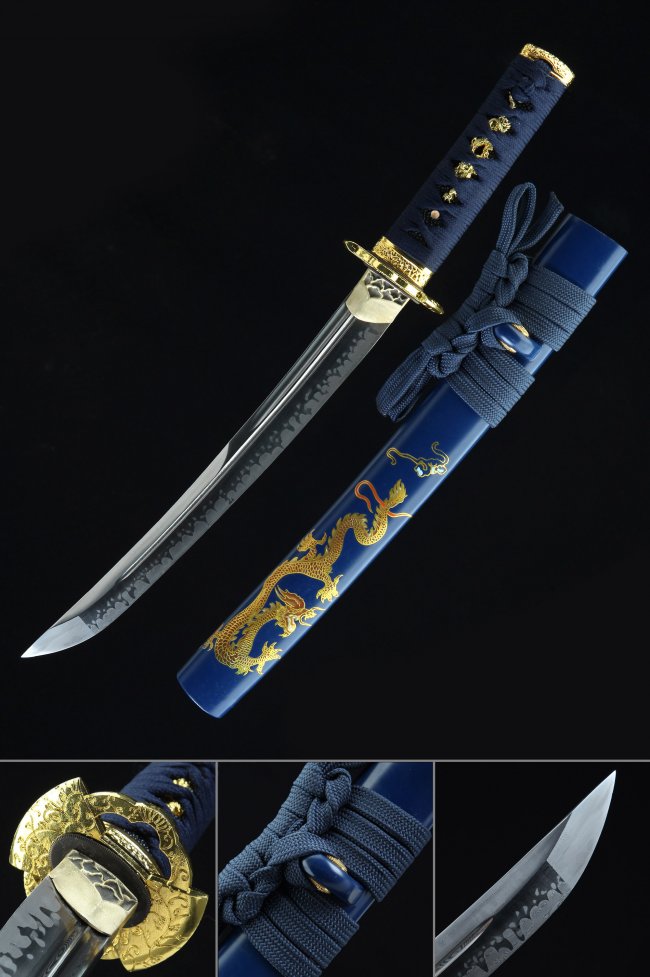
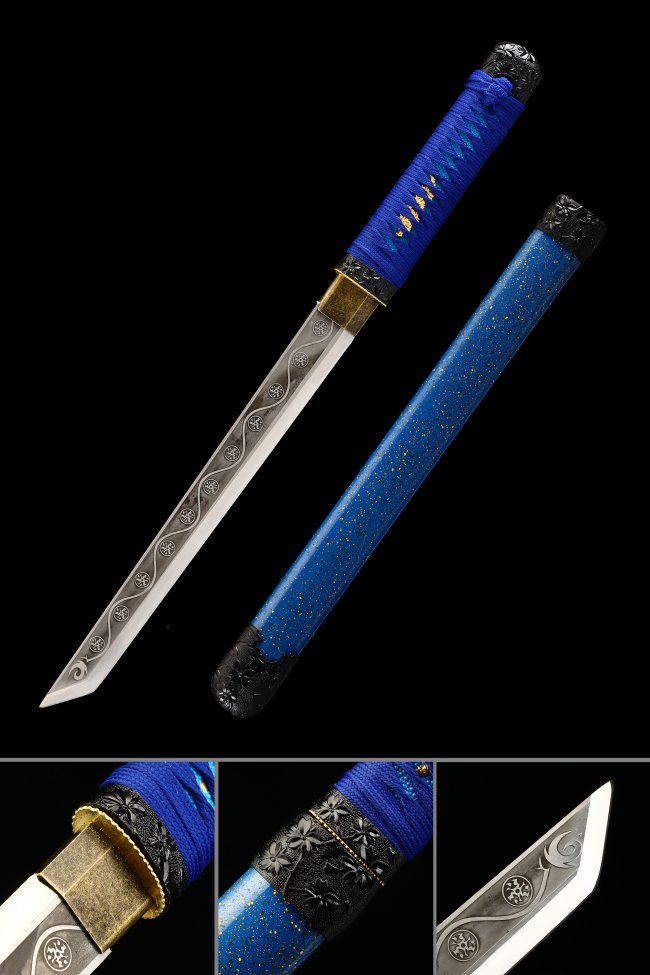
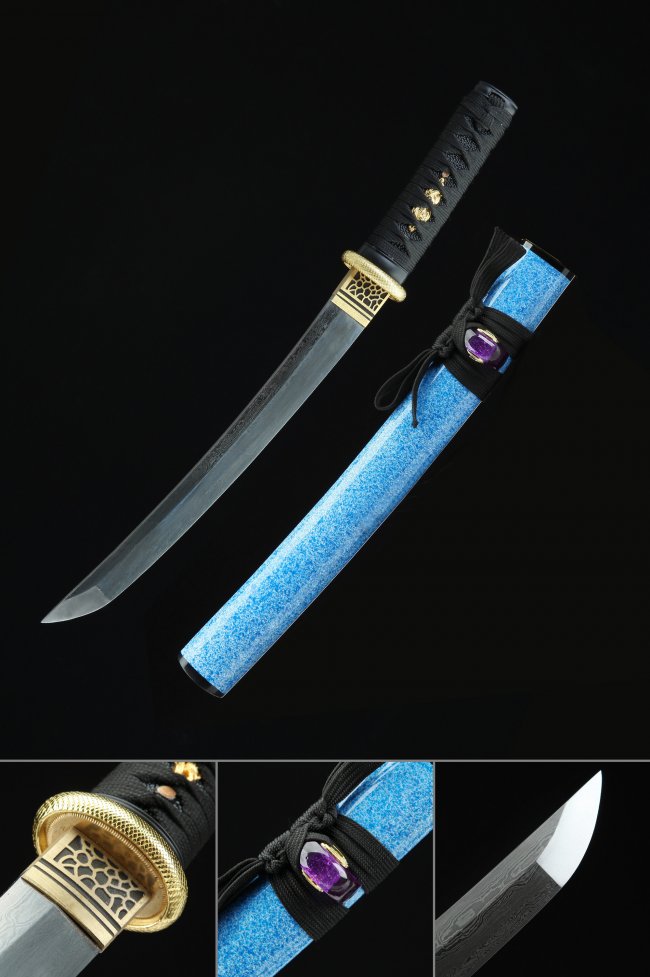
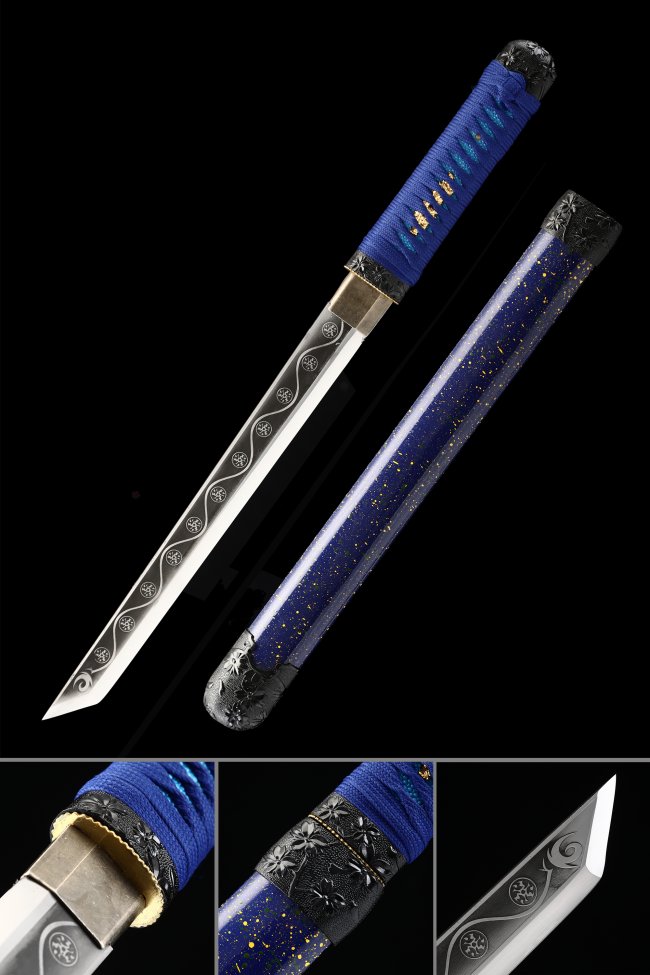
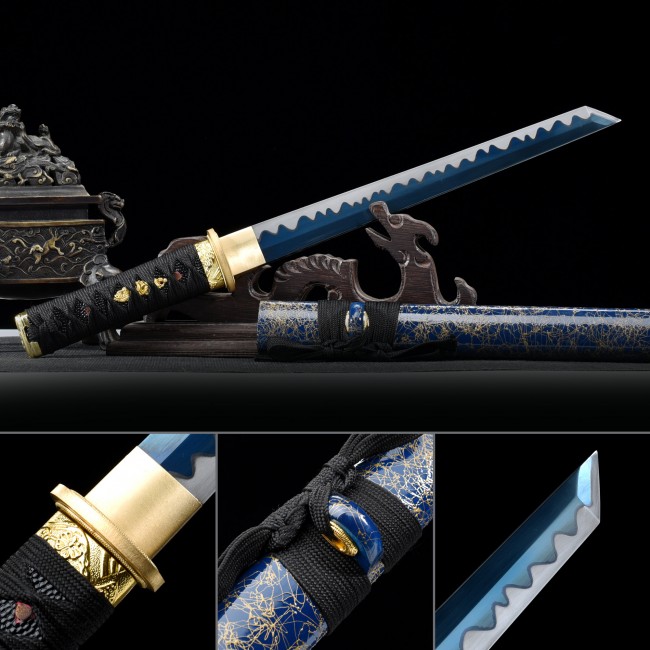
Blue Tanto blades bring together striking cobalt aesthetics and meticulous hand-forging traditions into a single, compact collectible. From Damascus and folded steel to high manganese and T10 carbon, each piece features distinctive blue lacquer saya, ornate tsuba, and carefully wrapped ito that make it a genuine display centerpiece. Every order ships free with hassle-free returns, so adding a Blue Tanto to your collection carries no risk.

Showing 10 Products

Related Collections

Blue Katana84 items


638 Reviews

Blue Steel Sword7 items


2 Reviews

Blue Pattern Steel Tanto4 items


8 Reviews

Frequently Asked Questions

What steel types are used in Blue Tanto collectibles?
Blue Tanto pieces in this collection span several steel categories, each with distinct characteristics. T10 high-carbon steel is known for its tight grain structure and the crisp hamon it produces after differential hardening — ideal for collectors who appreciate visible heat-treatment activity along the blade. Manganese steel offers exceptional toughness and a smooth polish that holds the blue blade finish well. Damascus and pattern-welded construction creates layered grain lines that make each blade visually unique, while folded steel adds a traditional texture that reflects light across its surface. Choosing a steel type comes down to what you value most: hamon clarity, visual uniqueness, or surface finish quality.
How is a Blue Tanto different from a standard tanto?
The distinction is almost entirely aesthetic and curatorial. A standard tanto typically features a natural wood saya, black or brown ito wrap, and iron or brass fittings in traditional finishes. A Blue Tanto is defined by a coordinated blue palette — lacquered saya in navy or cobalt, blue or blue-black cord wrapping, and in several pieces, a blade surface treated or polished to carry a blue tint. Some models also incorporate gold alloy tsuba or decorative engravings that lean into the ornamental character of the piece. The underlying construction — full-tang geometry, hand-forged blade, and fitted habaki — remains consistent. The blue colorway makes these pieces particularly suited to themed display arrangements or collections organized around a consistent visual identity.
Are Blue Tanto blades sharpened or unsharpened?
Individual sharpening status varies by model and is noted in each product listing. Many pieces in this collection are finished with a functional edge as part of the hand-forging process, while certain display-oriented replicas are produced with an unsharpened edge to comply with platform and shipping guidelines. For display and collection purposes, edge sharpness has no bearing on the visual or material quality of the piece. If sharpening status matters for your intended display setup or regional import requirements, review the specific product details before purchasing. All pieces are intended and sold as collectibles and display items.
How should I maintain a Blue Tanto's lacquered saya?
Blue lacquer finishes are durable but sensitive to a few specific conditions. UV exposure is the primary risk — prolonged direct sunlight will cause the blue pigment to shift toward a faded, uneven tone over months. Display cases with UV-filtering acrylic panels are the best solution for wall-mounted or shelf-displayed pieces. Humidity is the second concern: lacquer applied over wood can crack or lift if the saya cycles repeatedly through high and low humidity. Aim for a stable indoor environment between 40–60% relative humidity. For cleaning, a dry or very lightly dampened soft cloth is sufficient — avoid any solvent-based cleaners that can strip the lacquer surface. Never store the blade inside the saya for extended periods without periodically checking for trapped moisture near the habaki.
Is a Blue Tanto a good gift for a Japanese culture enthusiast?
It is one of the more considered gifts in this category because the tanto form carries specific cultural weight. In historical Japan, the tanto was associated with honor, personal resolve, and refined taste — quite distinct from the battlefield associations of longer blades. A Blue Tanto adds a contemporary aesthetic layer to that history, making it legible both as a cultural artifact and as a design object. For someone who appreciates Japanese craftsmanship, blade culture, or interior aesthetics, a hand-forged Blue Tanto with a lacquered saya and ornate tsuba reads as a thoughtful, specific gift rather than a generic novelty. Pieces with engraved blades, kanji-inscribed saya, or game-inspired designs like the Ghost of Tsushima replica also appeal to enthusiasts whose entry point is Japanese media or history.

Customer Reviews

David Boles Georgia, United States

The Sword I ordered was a gift for my son that he picked out. I was skeptical since I was unfamiliar with the company. I even tried to get him to wait and do some research before making a purchase, but he said this sword was the one he wanted. The shipping time was reasonable and the quality of the sword was honestly a lot more than I was expecting The blade is solid and the handle is also well made. It is a beautiful sword, my son loves it, and I would definitely order from this company again in the future.

Ghost of Tsushima Tanto - Jin Sakai Short Sword Replica, 1065 Carbon Steel, Blue Blade Ghost of Tsushima Tanto - Jin Sakai Short Sword Replica, 1065 Carbon Steel, Blue Blade