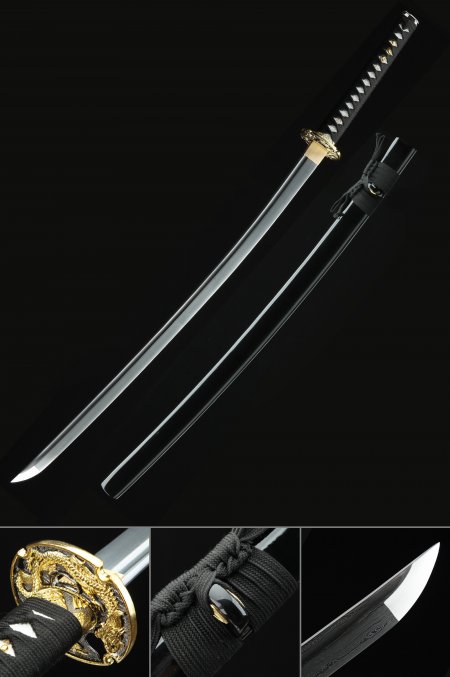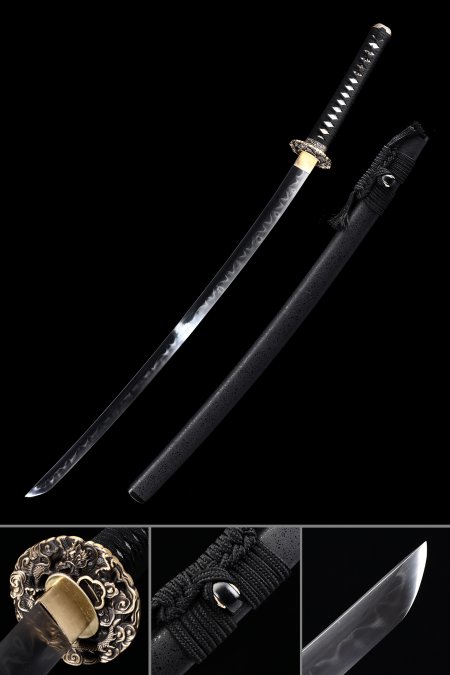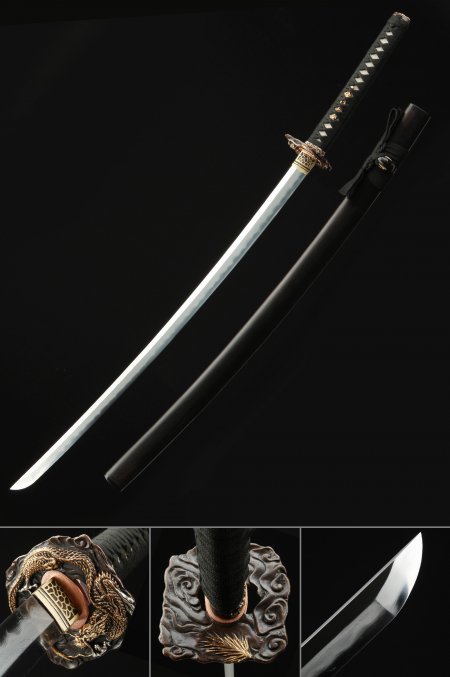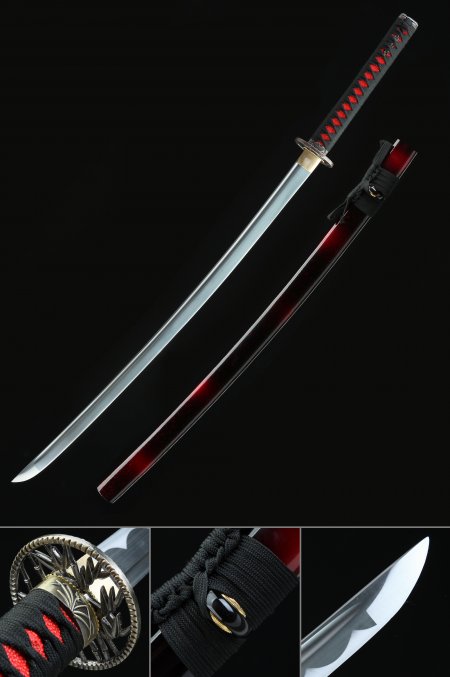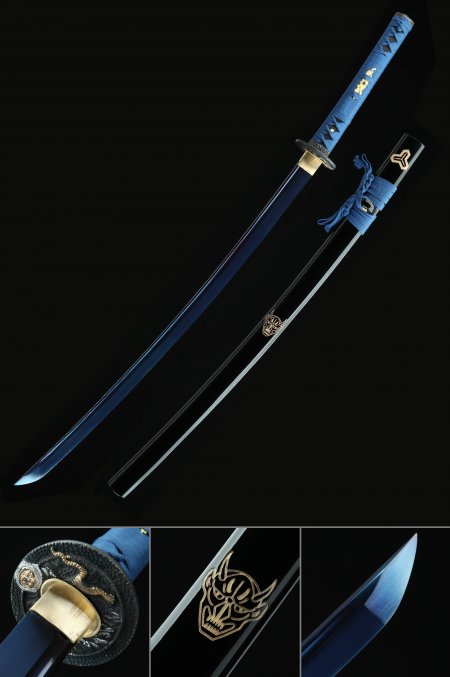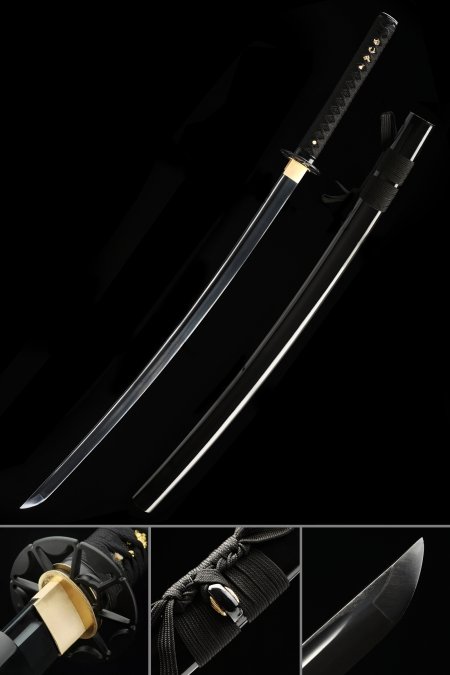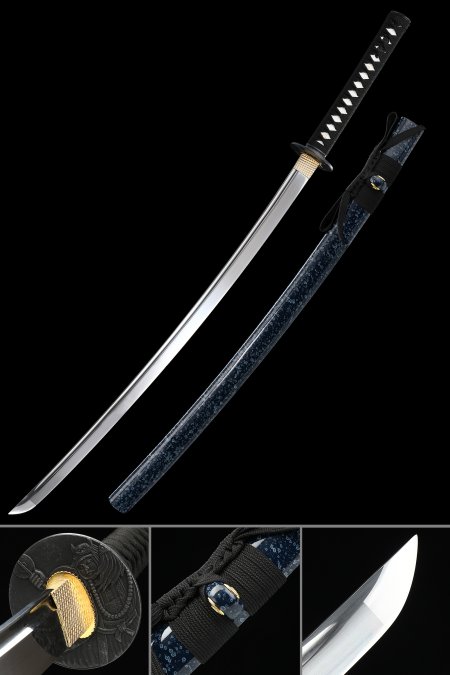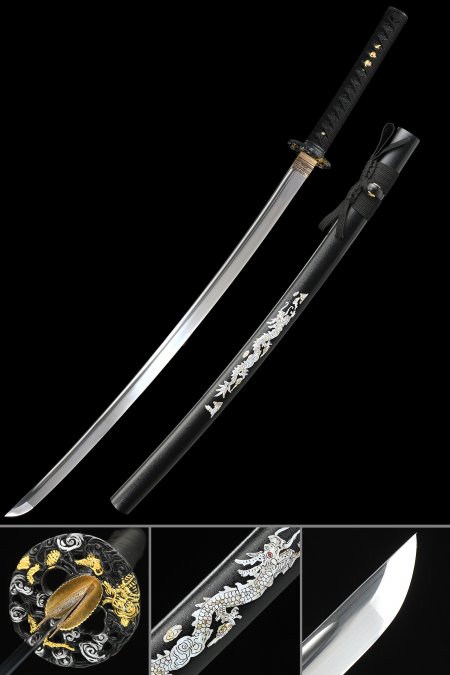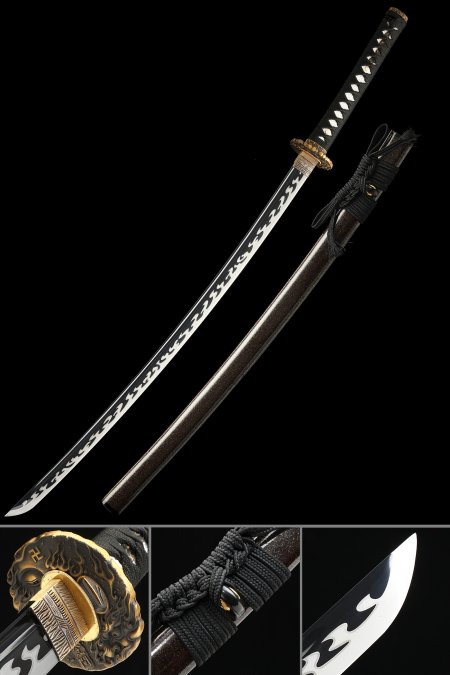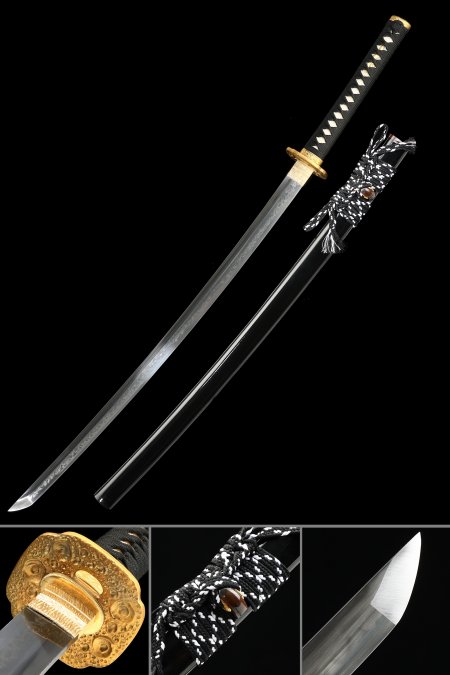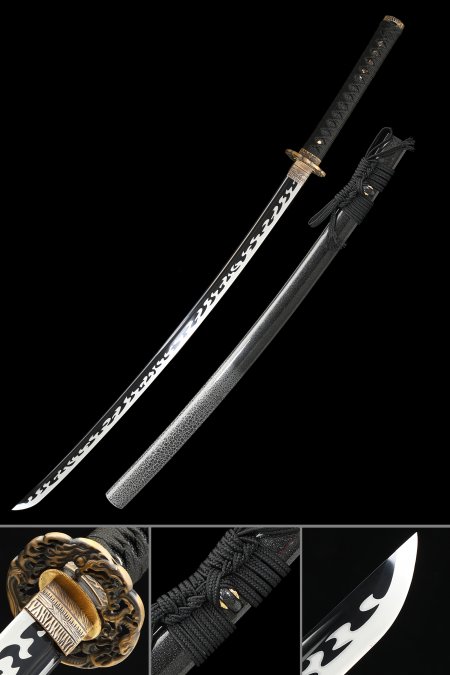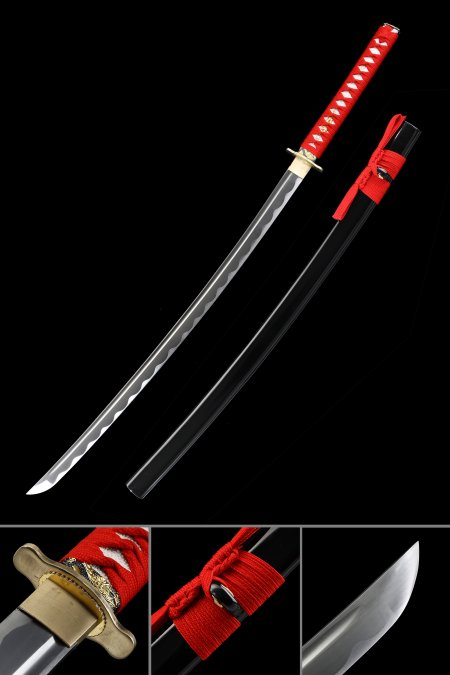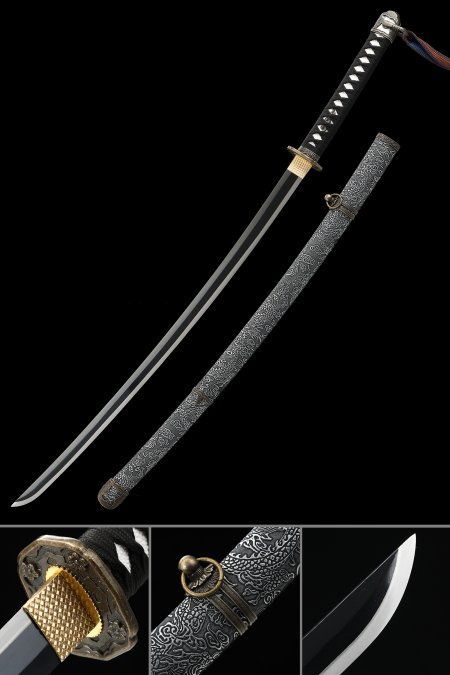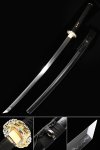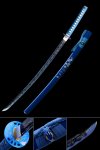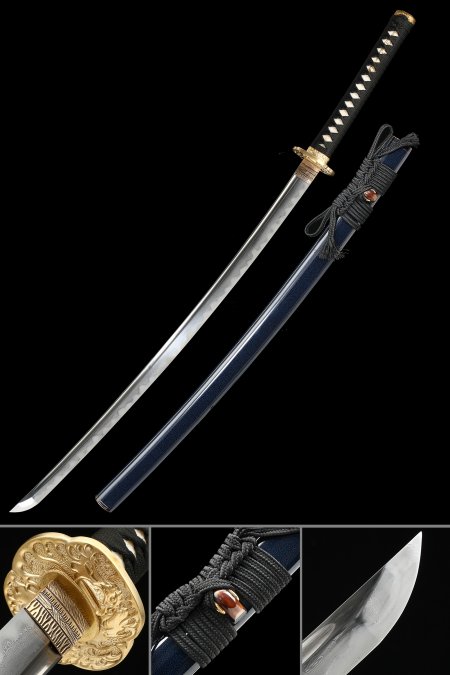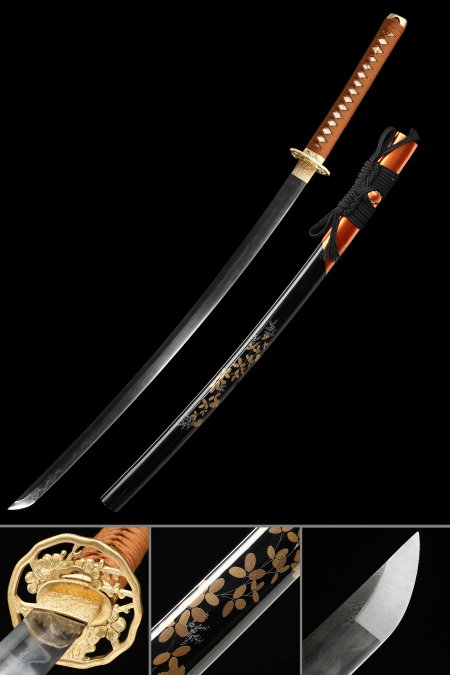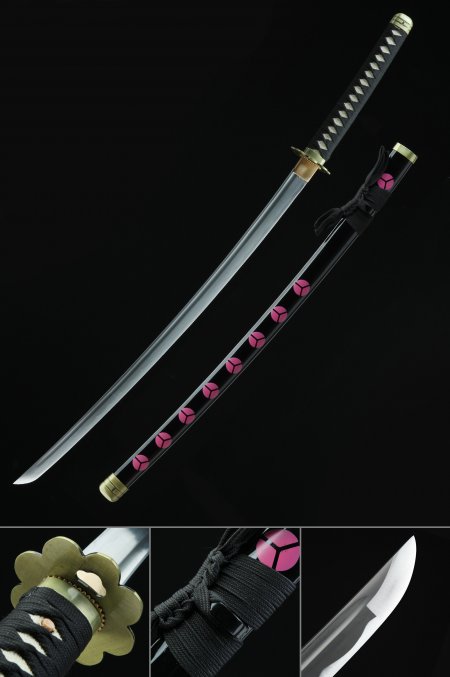
Black And Blue Katana

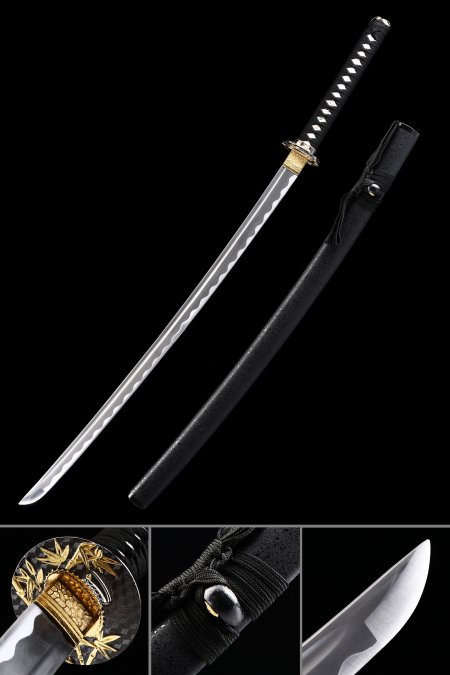
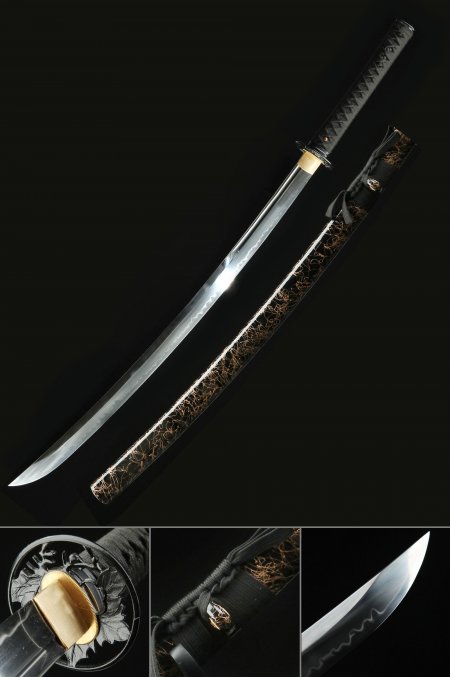
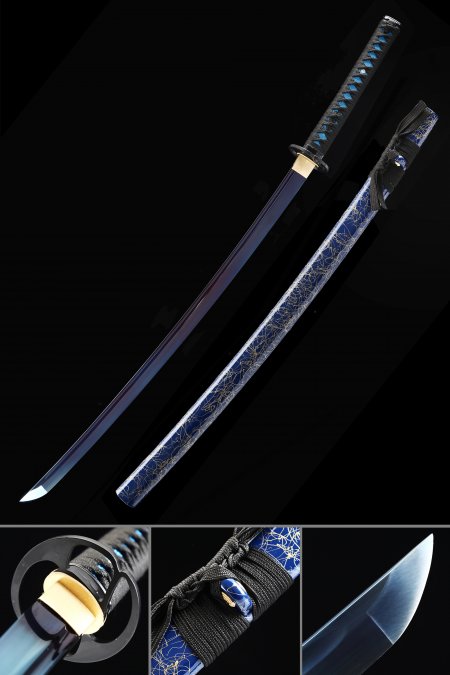
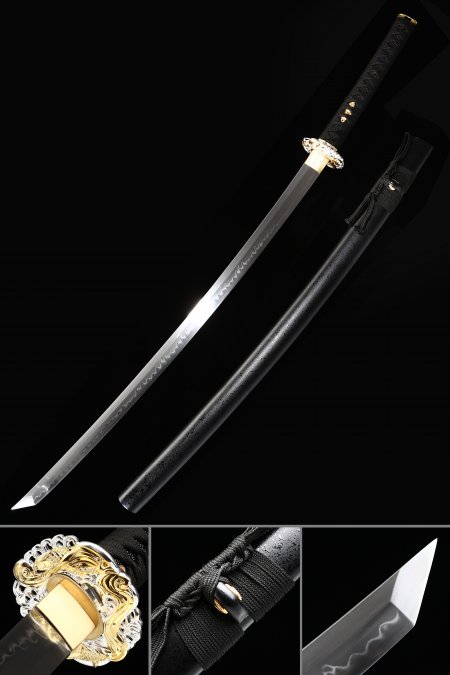
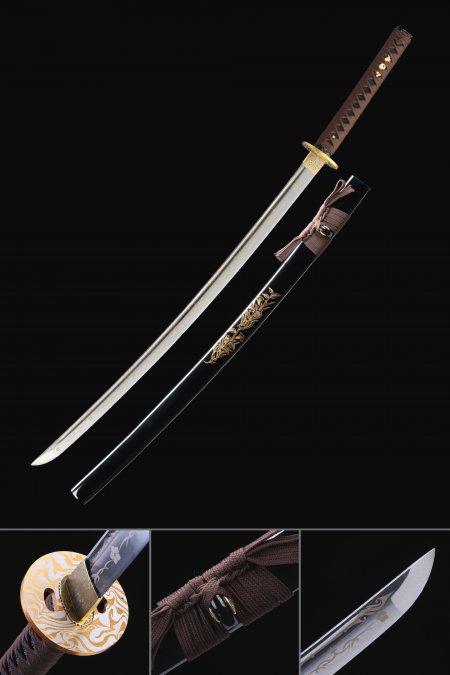
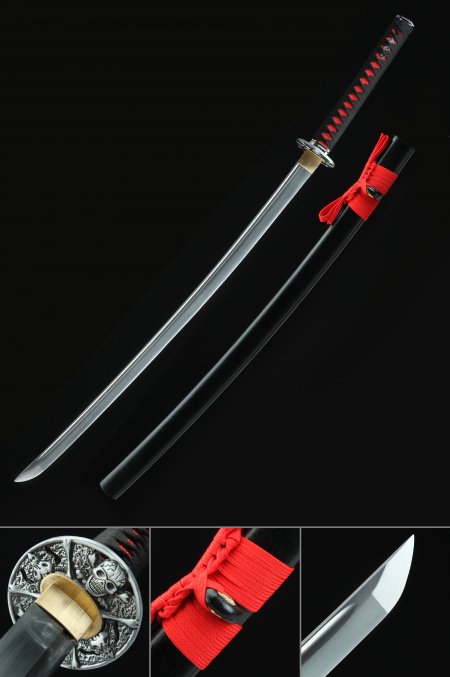
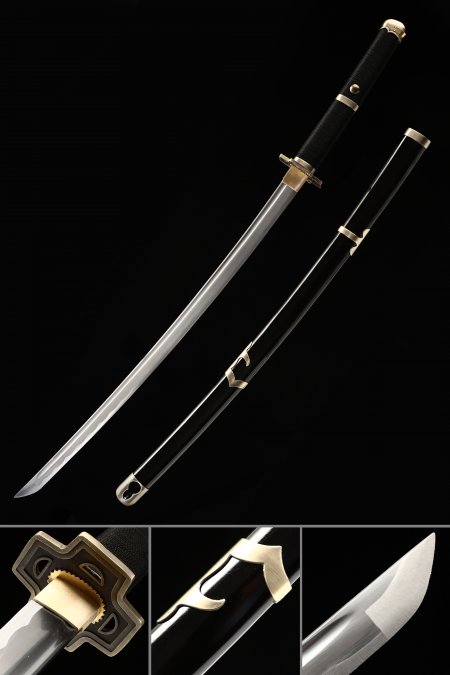
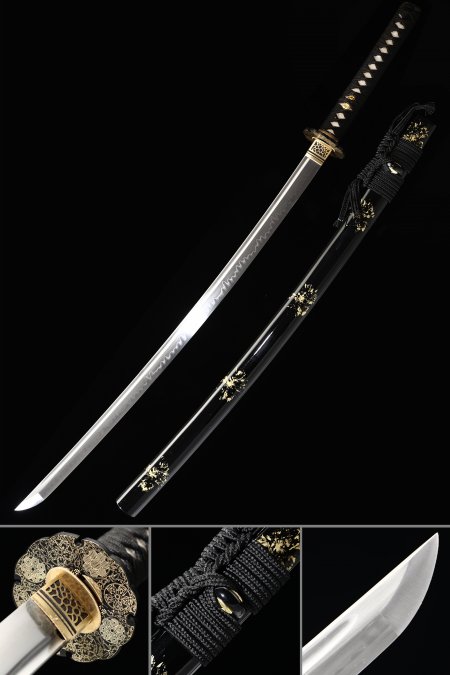
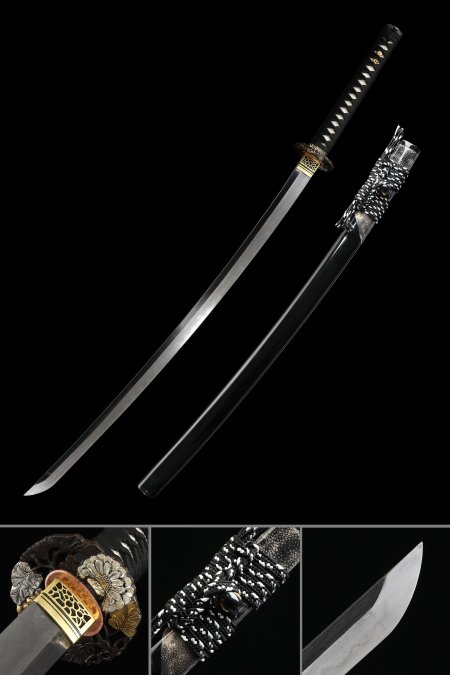
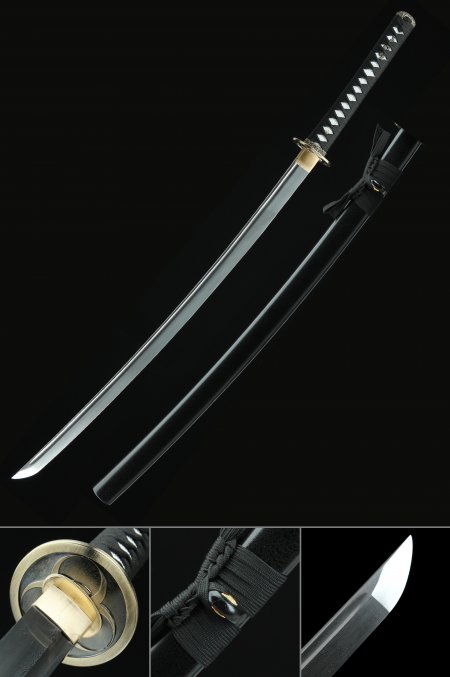
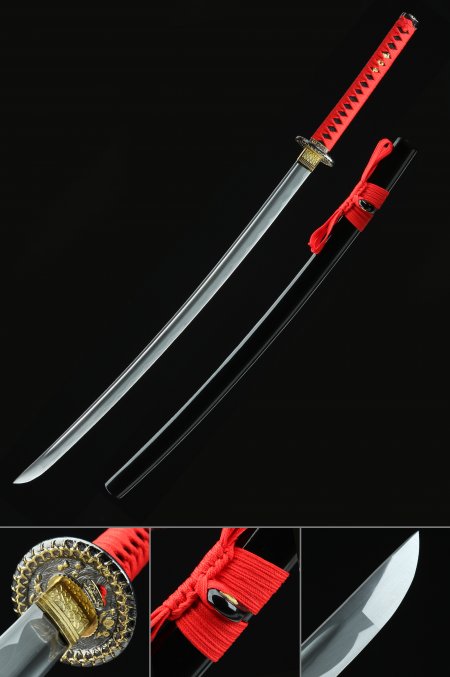
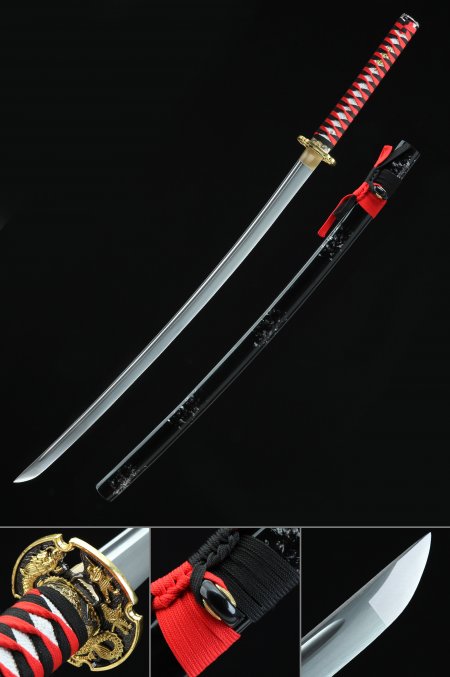
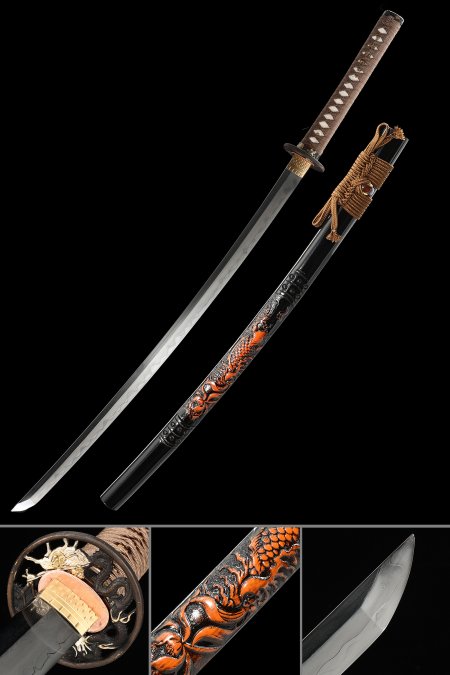
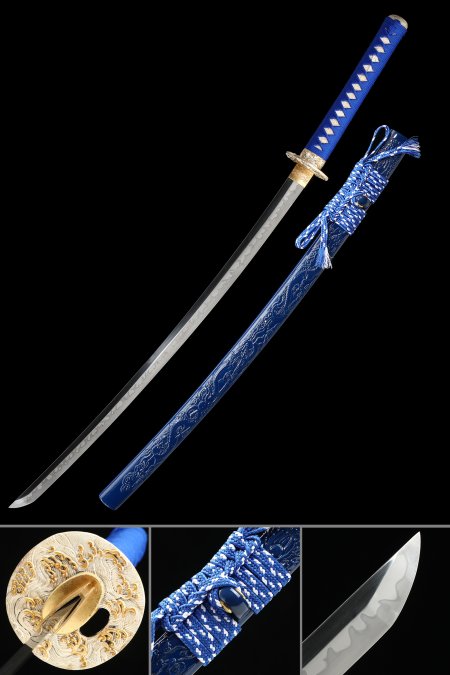
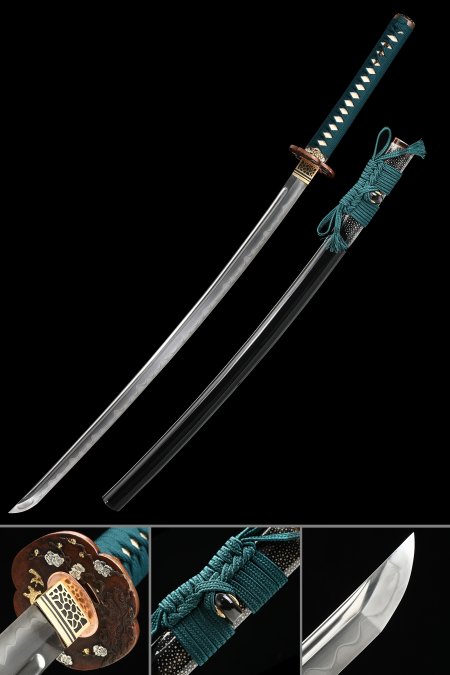
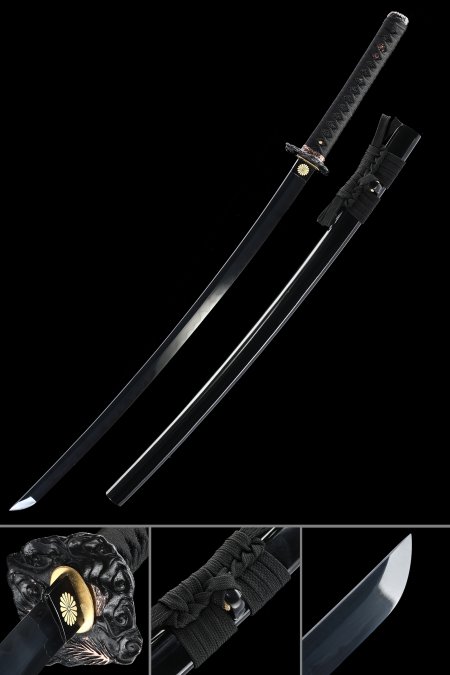
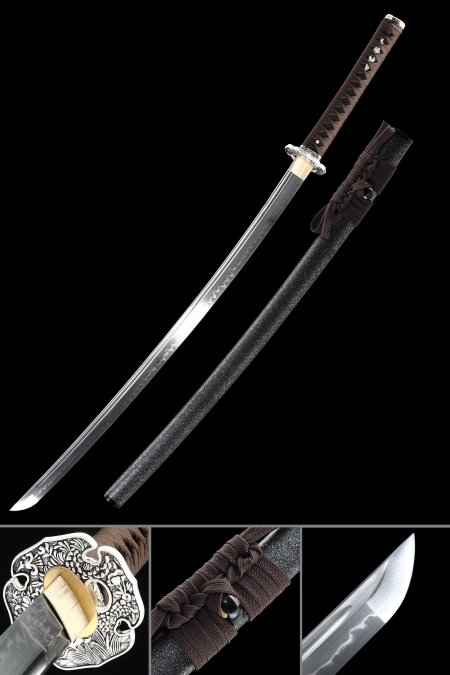
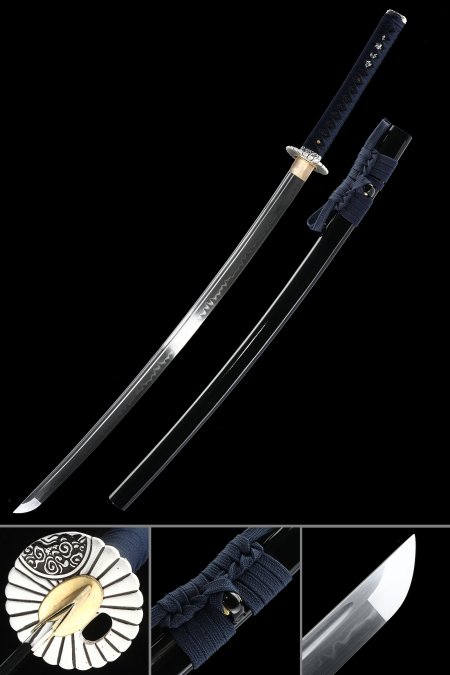
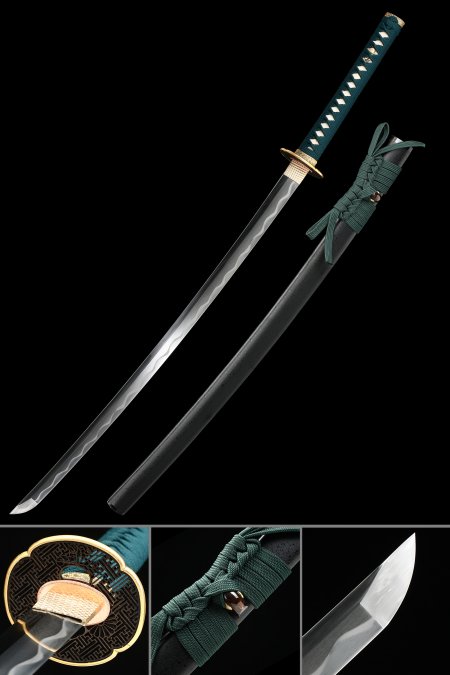
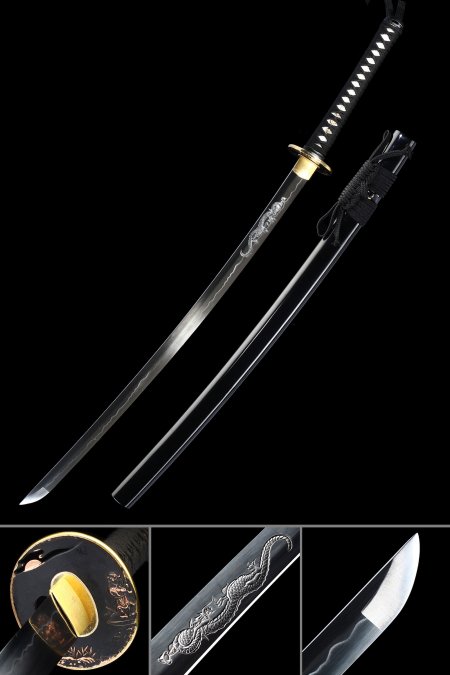
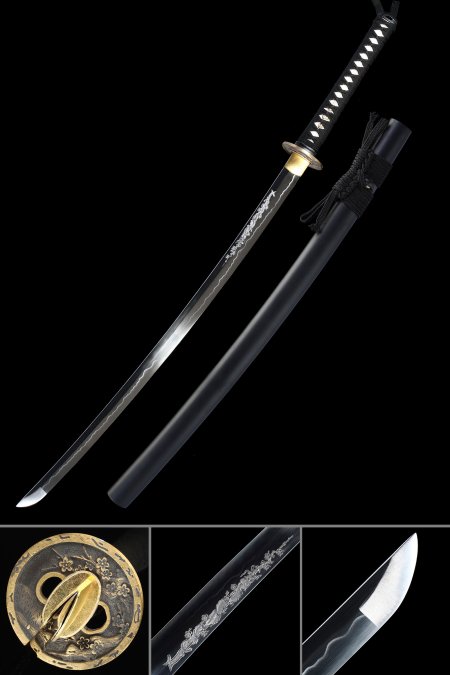
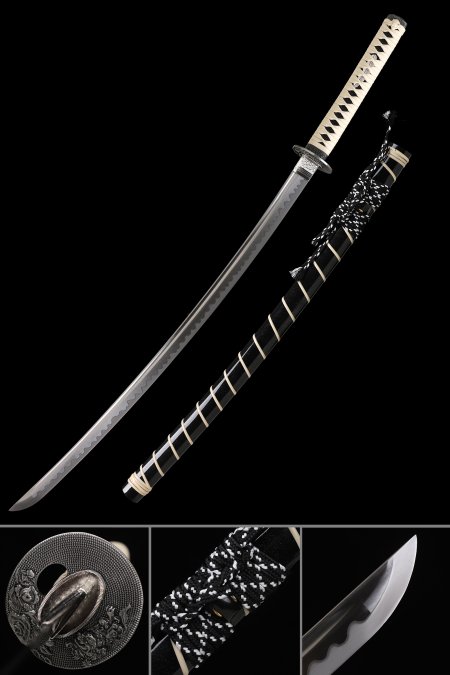
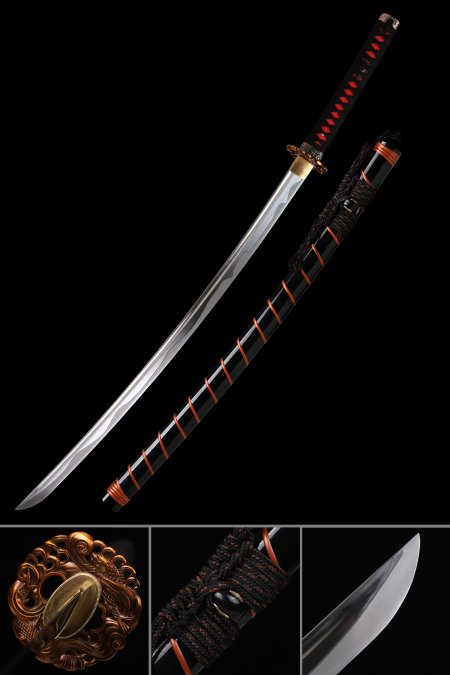
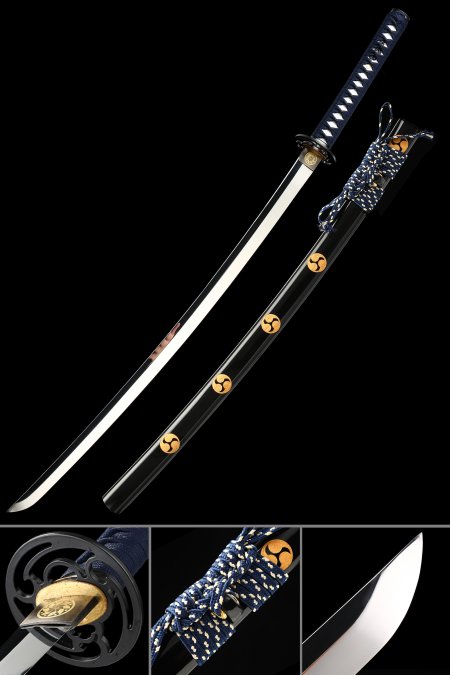
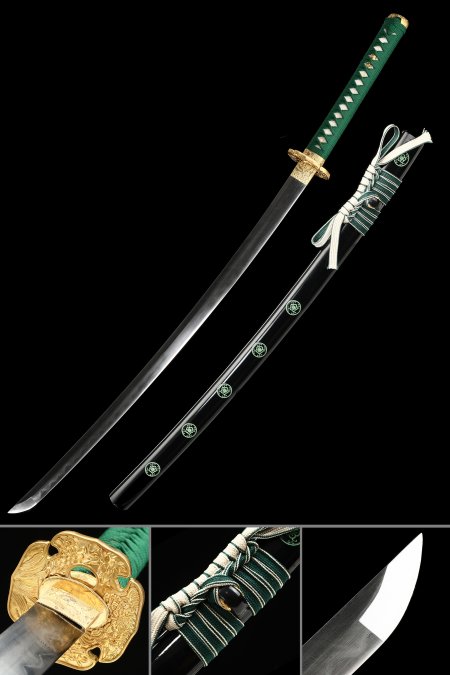
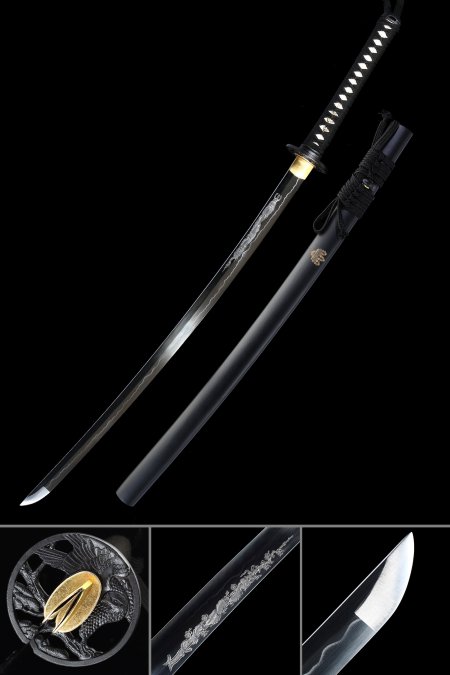
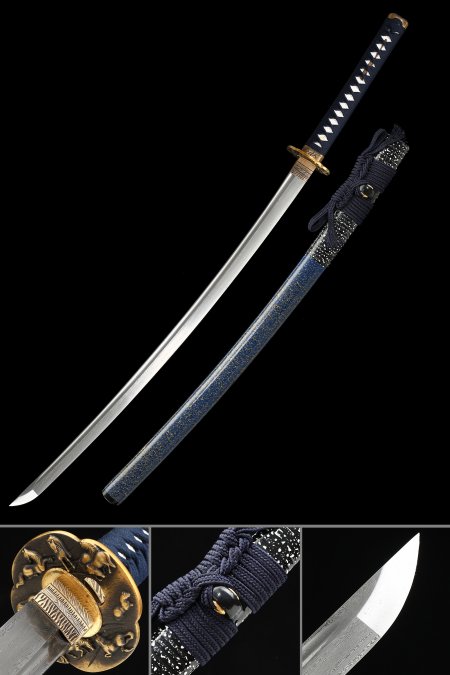
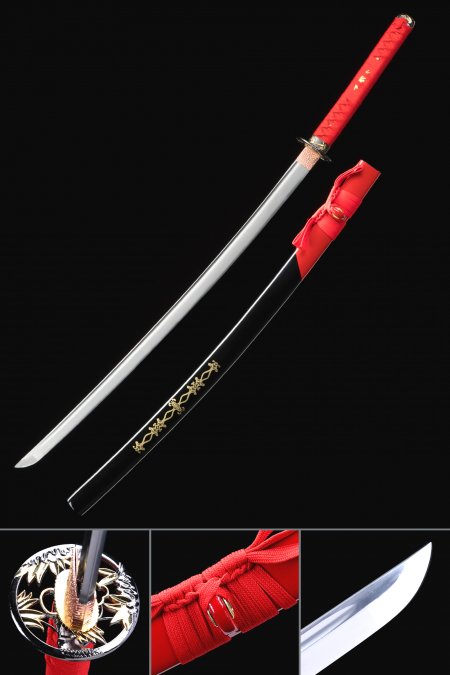
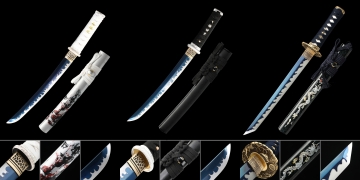
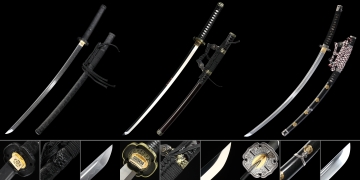
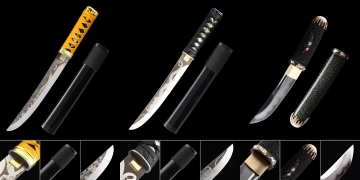
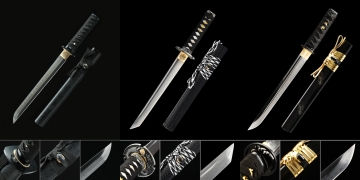
The Black and Blue Katana collection brings together some of the most visually distinctive Japanese-style swords available to today's discerning collector. Each piece pairs deep obsidian finishes with striking cobalt accents — from midnight-blue ito wrapping to darkened steel fittings — creating a cohesive aesthetic that commands attention on any display stand or shadow box. Blades range from hand-forged 1045 and 1060 carbon steel to premium T10 clay-tempered and Damascus construction, offering genuine metallurgical variety at every tier. Enjoy free standard shipping on all orders, plus hassle-free returns for complete peace of mind.
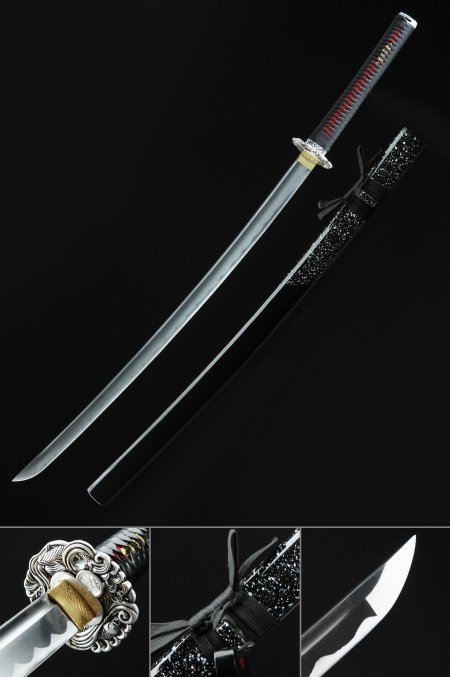
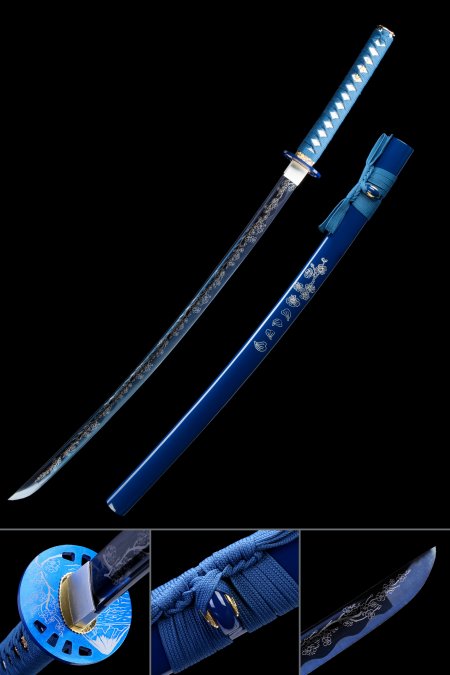
Showing 74 Products

Related Collections

Blue Tanto10 items


68 Reviews

Black Odachi11 items


14 Reviews

Black Aikuchi6 items


5 Reviews

Black Hamidashi7 items


31 Reviews

Frequently Asked Questions

What steel types are used in black and blue katana pieces?
This collection spans several steel grades, each with distinct properties worth understanding before you buy. 1045 carbon steel is a medium-carbon alloy — affordable, moderately hard, and easy to maintain, making it a common choice for display-oriented pieces. 1060 carbon steel adds more carbon for increased edge retention and a slightly more refined grain structure. T10 tool steel is a high-carbon, silicon-low alloy prized for its fine grain and superior hardness; when clay-tempered and folded, it develops a genuine hamon (temper line) visible along the edge. Damascus steel is created by forge-welding multiple steel types together, then drawing out flowing banded patterns through repeated folding — every piece is visually unique. For pure display and collection purposes, all four steel types provide excellent long-term stability when properly maintained.
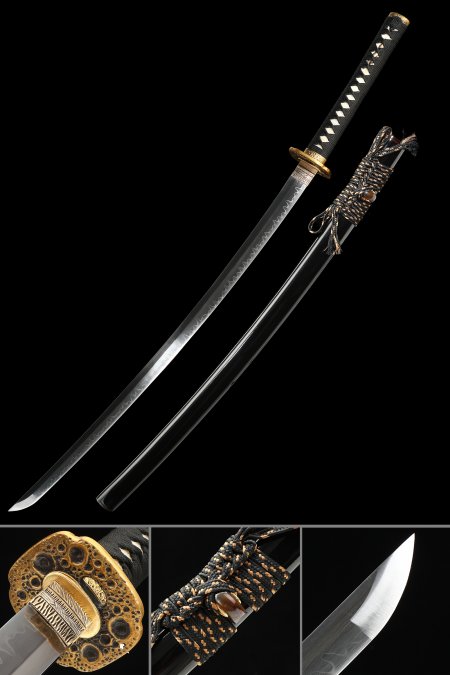
How is a real hamon different from a painted or etched one?
A real hamon is the direct result of differential heat treatment, specifically clay tempering. Before quenching, a swordsmith applies a layer of refractory clay along the spine of the blade, leaving the edge area exposed. During the quench, the unprotected edge cools rapidly and converts to martensite — a harder crystalline structure — while the clay-insulated spine cools slowly and remains softer. The visible boundary between these two zones is the hamon. Its shape (straight, wavy, cloudy) depends on how the clay was applied and the quenching medium used. A painted or acid-etched hamon, by contrast, is purely cosmetic — applied after the blade is already finished with no underlying metallurgical difference. On T10 clay-tempered pieces in this collection, the hamon is genuine and will appear slightly different under different lighting angles, which is a key authentication signal for knowledgeable collectors.
How should I store a black-lacquer saya to prevent surface damage?
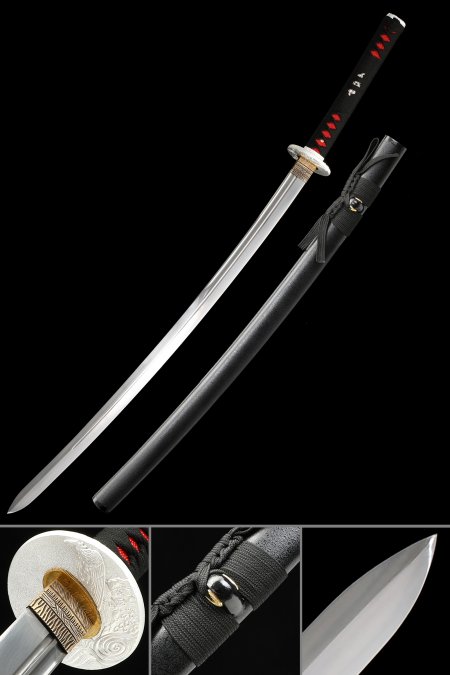
Piano-lacquer black hardwood saya are beautiful but require thoughtful storage. Avoid direct sunlight, which can cause micro-cracking in the lacquer over time, and keep the piece away from heating vents or air conditioning drafts that create humidity fluctuations. Store the katana horizontally on a properly padded sword stand rather than standing vertically in a corner — this prevents the blade from pressing unevenly against the interior of the saya. Before long-term storage, lightly coat the blade with a neutral camellia oil or choji oil using a soft cloth; this protects the steel from oxidation without leaving residue that could transfer onto the saya interior. Wipe the exterior lacquer surface with a dry microfiber cloth — never abrasive materials — to preserve the high-gloss finish.
Are these katana suitable as display gifts for non-collectors?
Absolutely — the black and blue colorway is one of the most visually accessible combinations in Japanese-style collectible swords, appealing to recipients who may not have a deep knowledge of blade craft but respond strongly to design and aesthetics. The high-contrast palette reads well in virtually any interior setting, from a modern apartment to a more traditional study. For gifting purposes, pieces with a piano-lacquer black saya and a gold dragon tsuba tend to photograph beautifully and have broad visual appeal. If the recipient is interested in Japanese culture, history, or martial arts as a hobby, a T10 clay-tempered piece with a genuine hamon makes a particularly meaningful gift because it carries real metallurgical authenticity — a conversation starter in itself. All pieces in this collection are positioned as decorative collectibles.
What makes the ito wrapping on a tsuka a quality indicator?
Ito is the cord wrapped over the tsuka (handle) of a katana, typically in a diamond or hineri-maki pattern that creates a secure, aesthetically refined surface. Quality ito wrapping is a meaningful differentiator between collectible-grade and lower-tier pieces. On better pieces, the ito is wrapped over authentic or synthetic samegawa — a textured ray skin underlayer that prevents slipping and adds structural rigidity. The spacing between diamonds should be consistent, the knot placement clean, and the tension even throughout. Cotton ito holds color more faithfully over time than synthetic alternatives and tends to develop a natural patina. In the black and blue collection specifically, deep cobalt ito against a dark samegawa or black lacquered tsuka core creates the layered dual-tone depth that defines the aesthetic. When evaluating a piece, check whether the ito is glued flat or truly wrapped under tension — the latter is the mark of proper, lasting construction.

Customer Reviews

Cart 0 Items

Your cart is empty