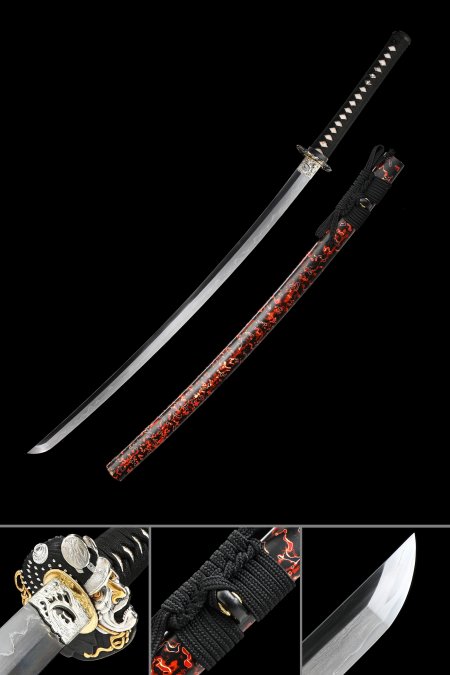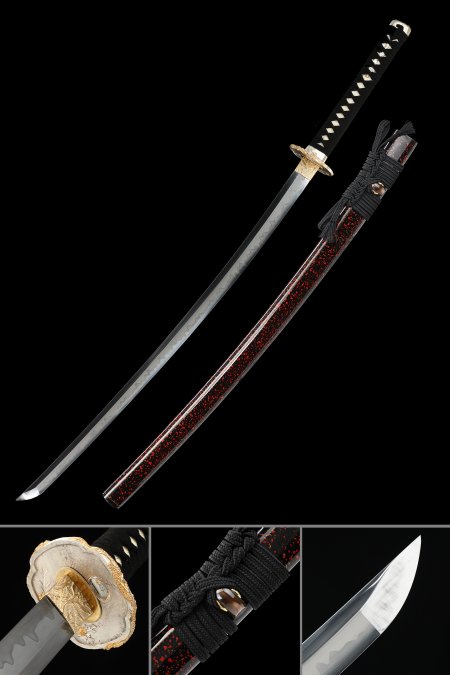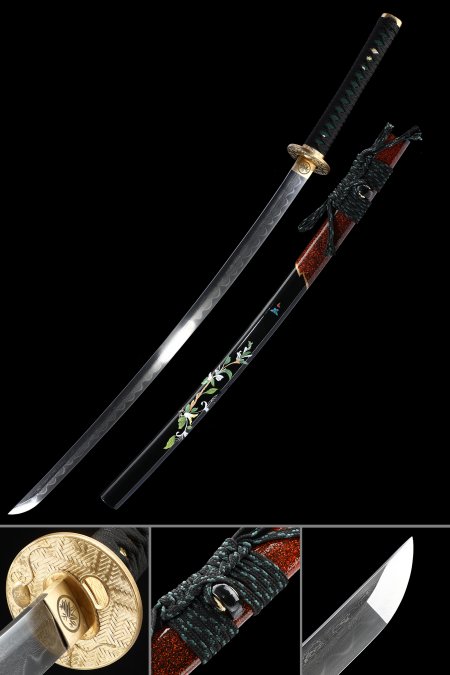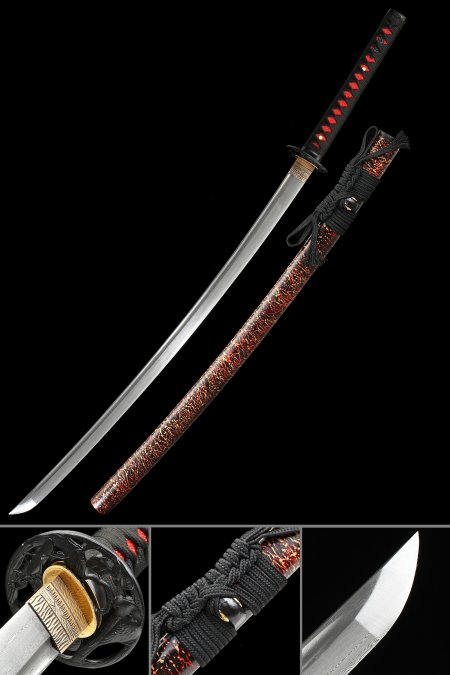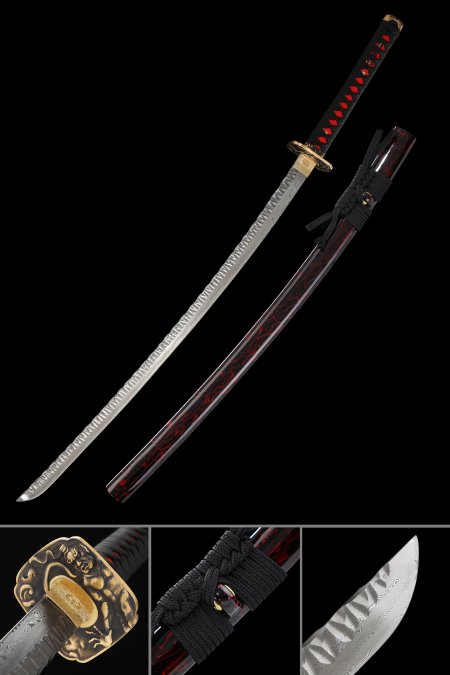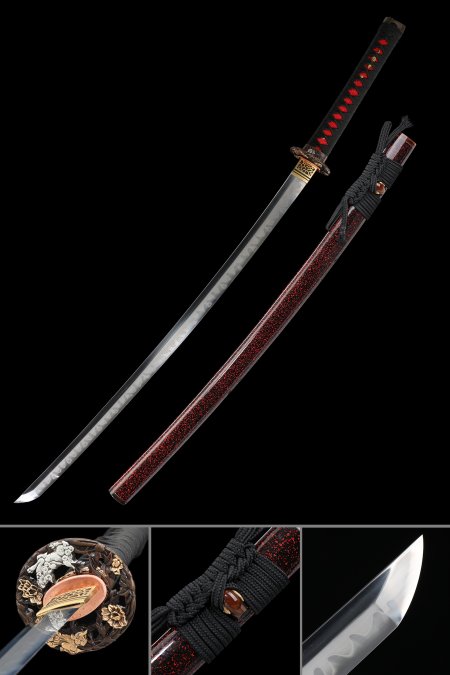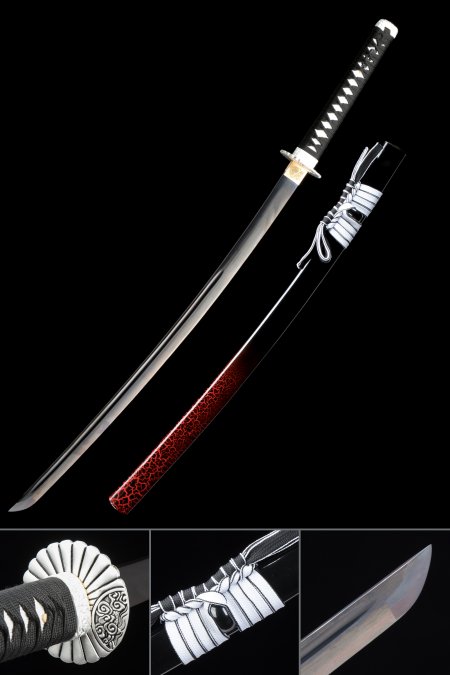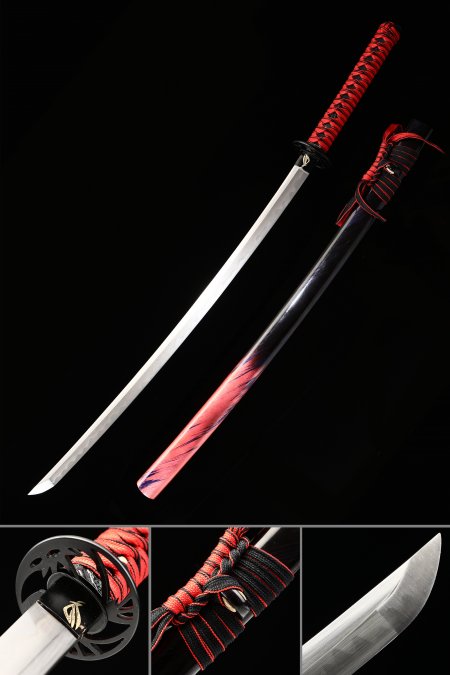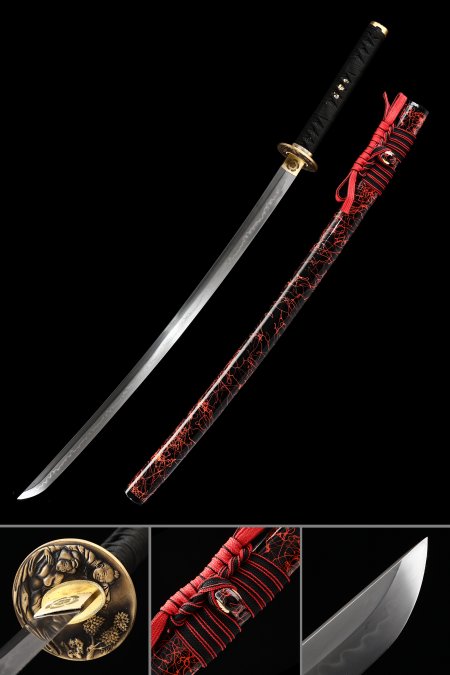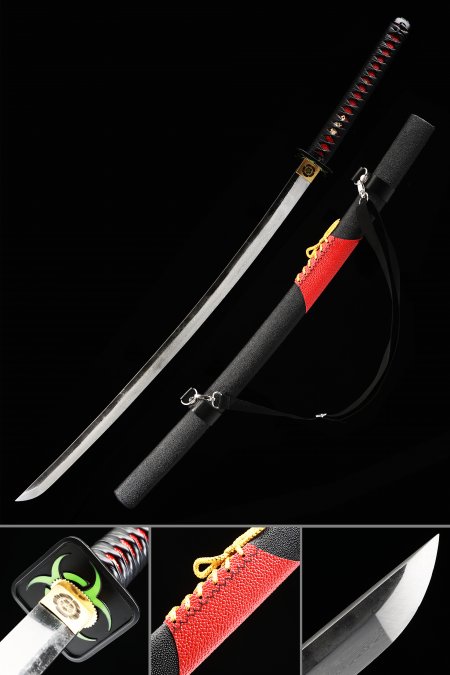
Black Red Saya Katana

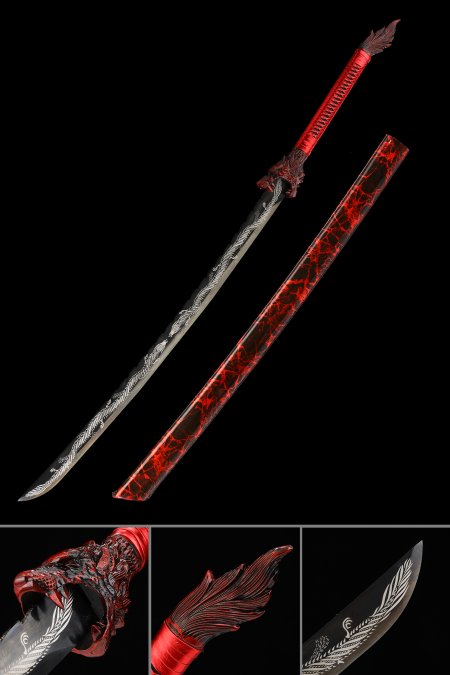
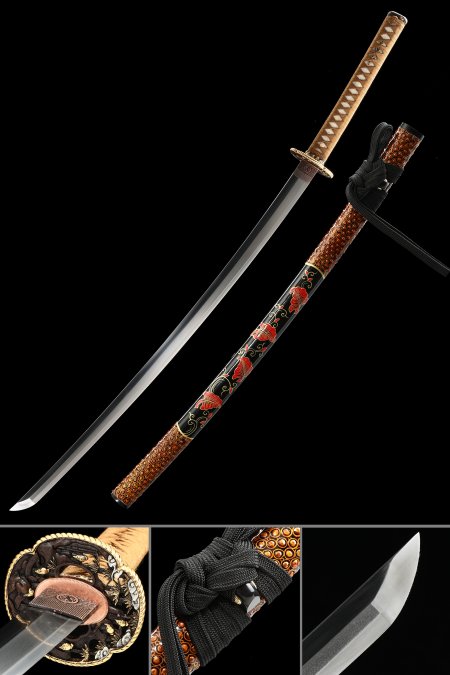
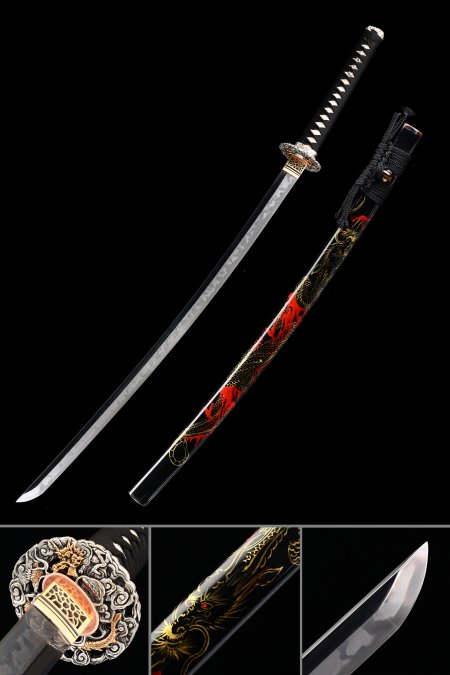
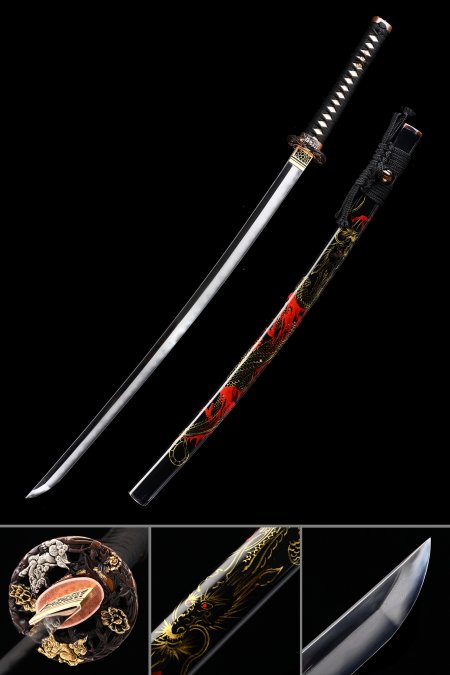
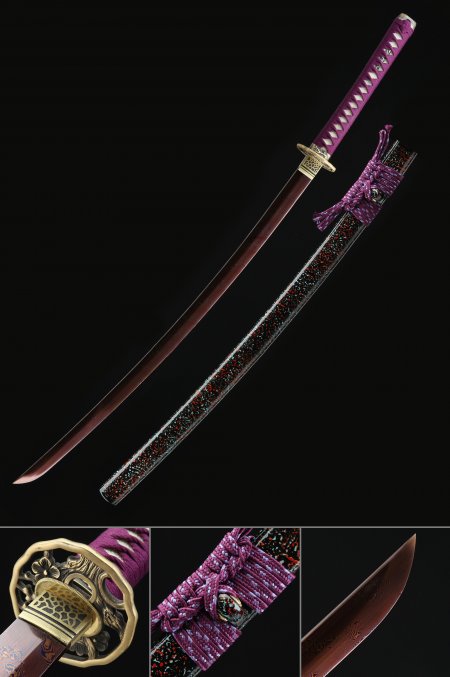
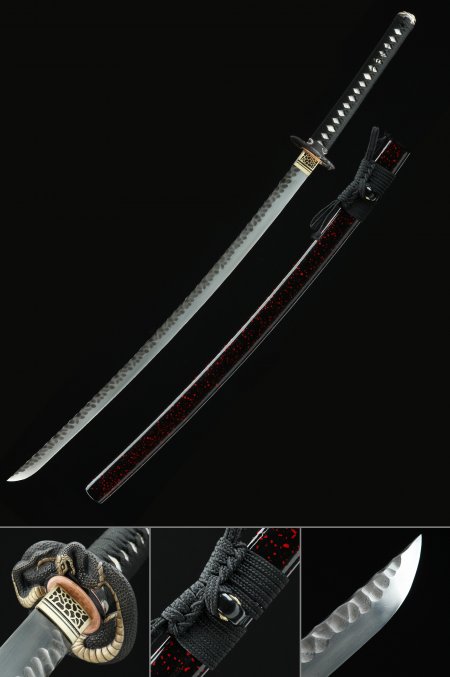
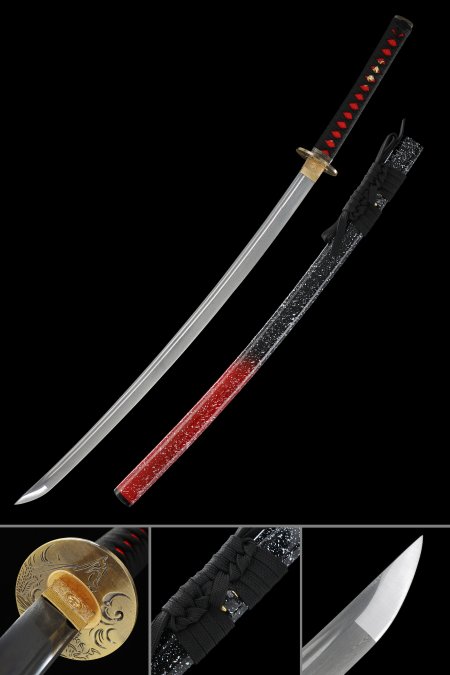
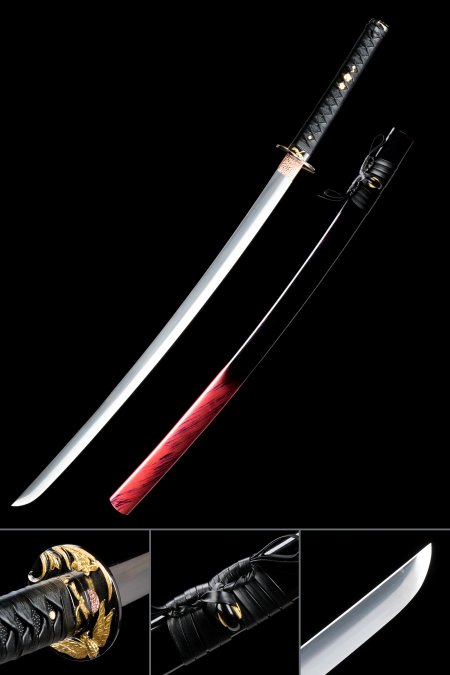
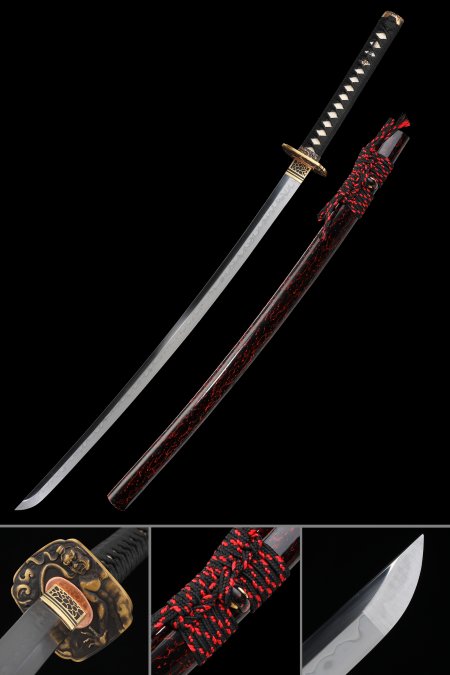
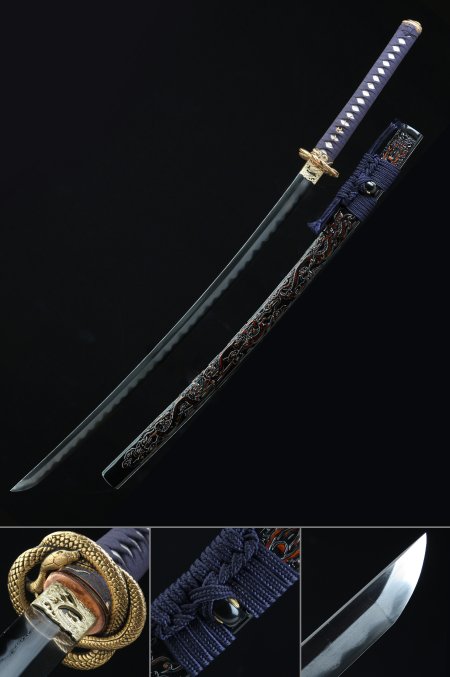
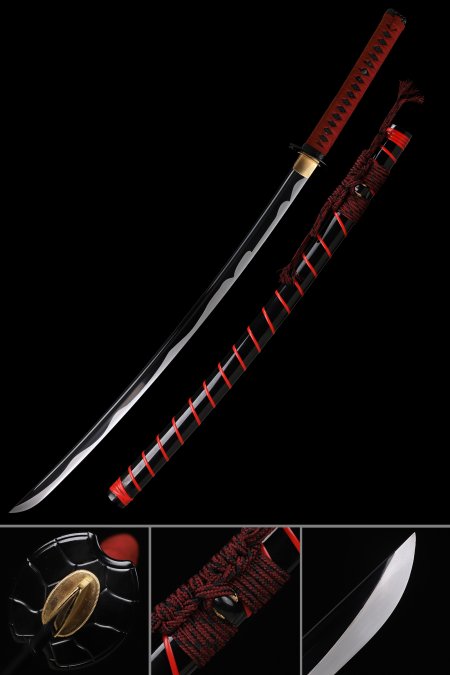
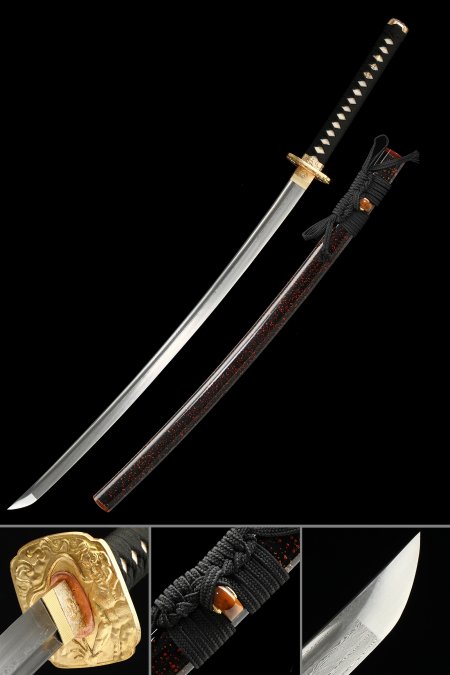
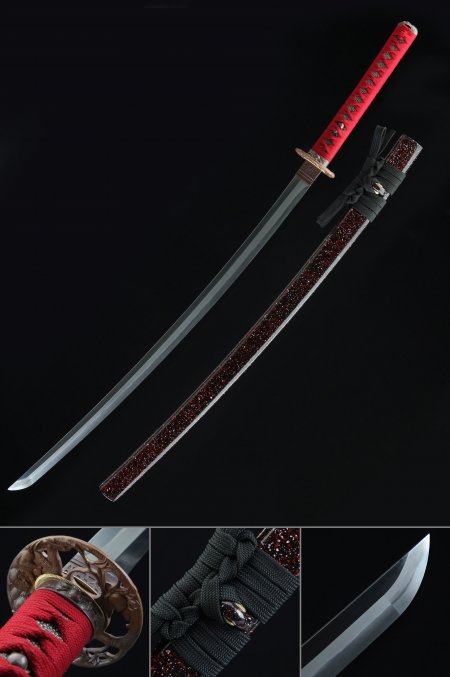
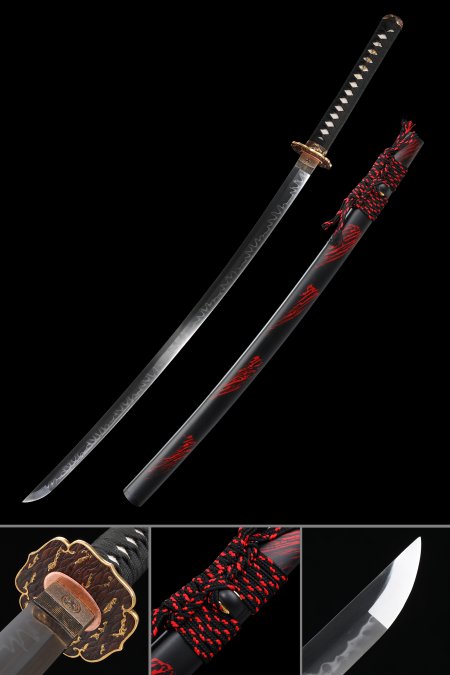
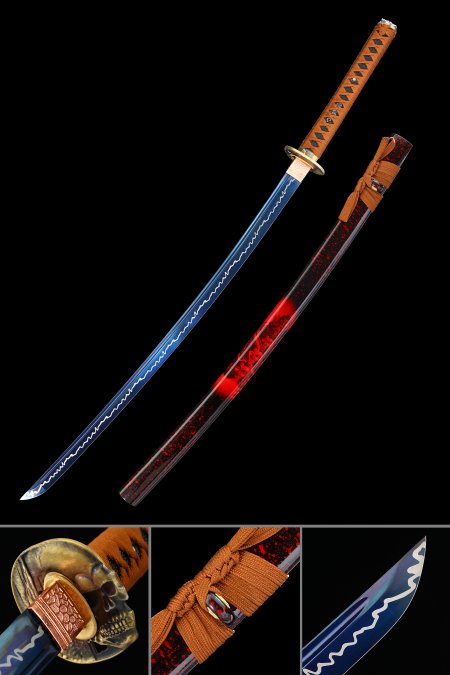
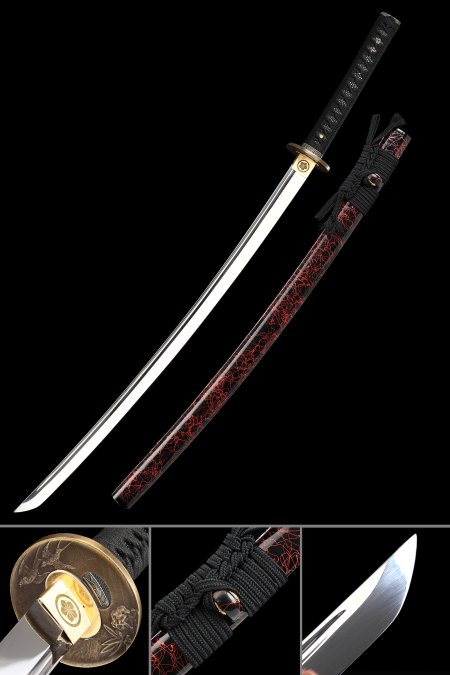
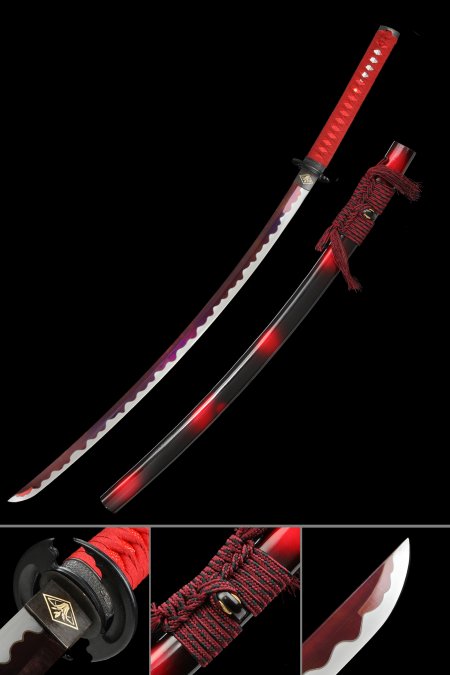
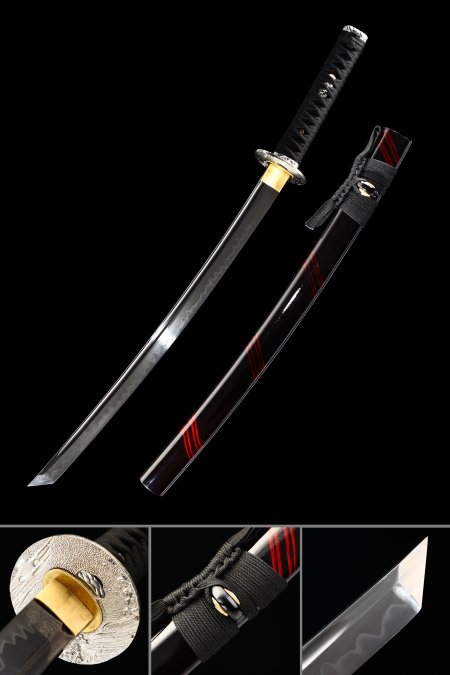
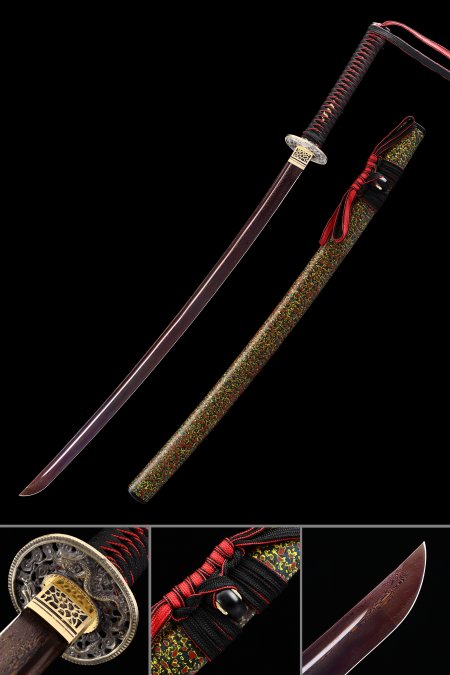
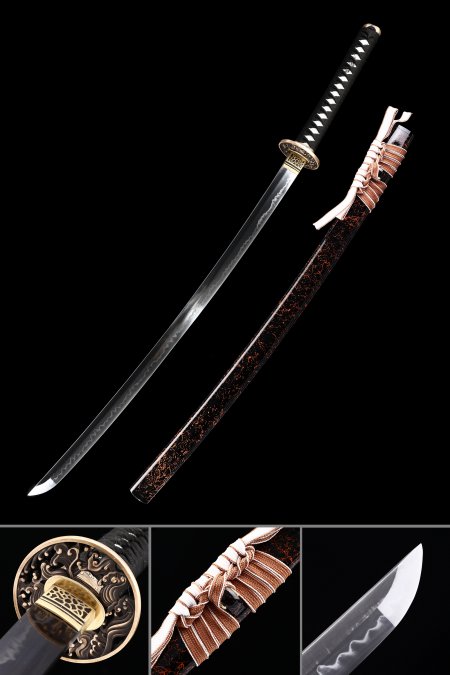
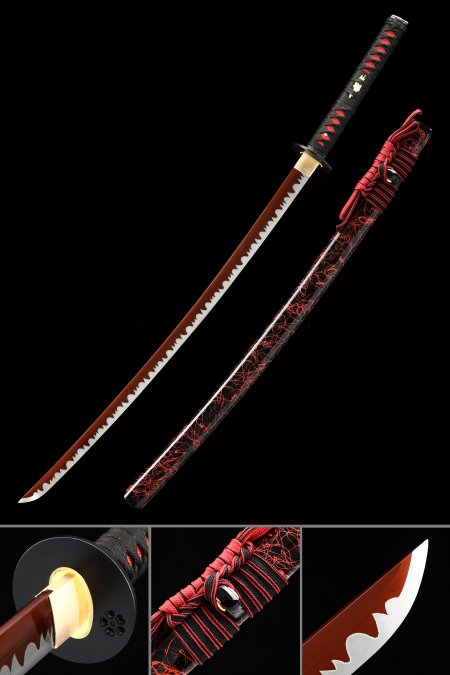
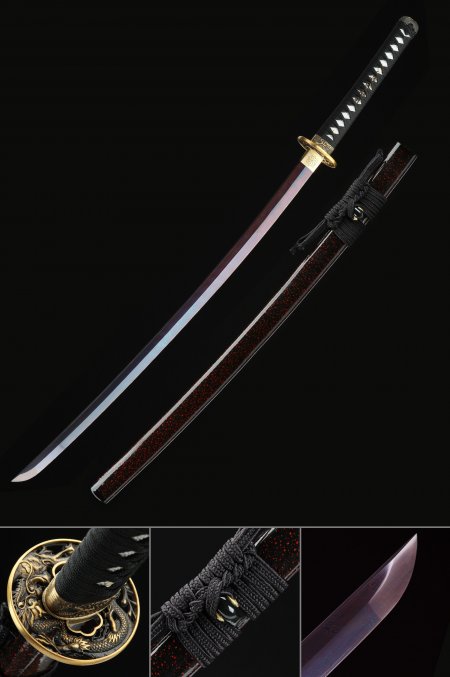
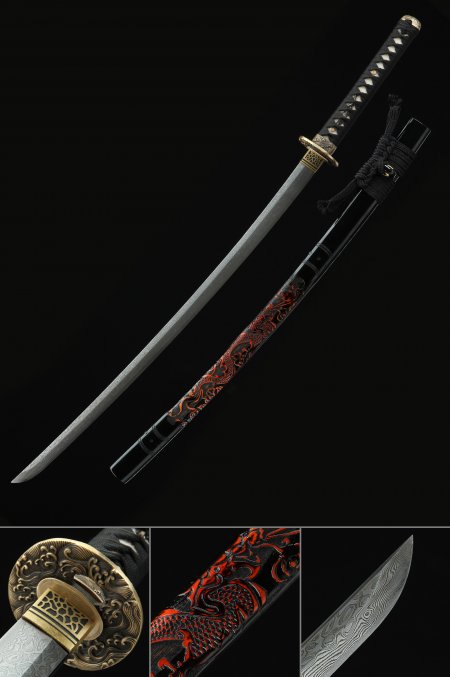
Black and red saya katana combine the timeless craft of Japanese sword-making with a bold, dramatic aesthetic that stands apart in any collection. Each piece features hand-lacquered scabbards in striking black-and-red finishes, paired with meticulously forged blades in T10 carbon steel, Damascus, or manganese steel. Free standard shipping is included on every order, and we back each purchase with a hassle-free return policy.
Showing 34 Products

Frequently Asked Questions

What makes a black red saya katana a display collectible?
A black red saya katana earns its place as a display collectible through the convergence of hand-lacquered craftsmanship and forged blade construction. The saya itself is individually lacquered—often through multiple coats—to achieve the high-contrast black and red finish, while details like dragon embossing, lightning stripe inlay, or speckled patternwork are applied by hand. Paired with a blade carrying a genuine hamon or Damascus folding pattern, these pieces represent the intersection of metallurgical craft and decorative art. Full-tang construction and authentic ito-wrapped handles further distinguish them from ornamental reproductions, making them credible additions to a serious Japanese sword collection.
How does T10 carbon steel differ from Damascus in these katana?
T10 carbon steel and Damascus steel represent two distinct approaches to blade craft, and both appear prominently in this collection. T10 is a high-carbon tool steel prized for its ability to form a well-defined, natural hamon—the temper line that emerges from clay-differential hardening. Each T10 blade's hamon is unique, making it a one-of-a-kind collectible feature. Damascus steel, by contrast, is produced by forge-welding multiple steel layers and manipulating them into patterns: the resulting surface grain—visible as flowing lines or wave forms—is the defining visual characteristic. T10 showcases the hardening process; Damascus showcases the folding process. Neither is inherently superior for display purposes—the choice is a matter of which visual tradition resonates with the collector.
Are these katana full-tang, and why does that matter to collectors?
Yes, the katana in this collection are built on full-tang construction, meaning the blade steel runs continuously from tip through the entire length of the handle (tsuka), rather than stopping at the guard. For collectors, this matters for two reasons. First, it reflects authentic manufacturing practice—traditional Japanese swords were always full-tang, and collector-grade replicas adhere to this standard to maintain structural and aesthetic integrity. Second, full-tang construction ensures that the handle wrap (ito), ray skin (same), and pommel (kashira) are applied over a solid steel foundation, which enhances the overall quality and longevity of the piece on display. It is a meaningful differentiator from decorative wall-hangers that use partial or rat-tail tangs.
How should I store and maintain a lacquered saya katana?
Lacquered sayas require some specific care to preserve their finish over time. Store the katana horizontally on a dedicated display stand or sword rack—avoid leaning it against surfaces where the lacquer edge could chip. Keep the piece in a low-humidity environment, as sustained moisture can cause lacquer to cloud or peel at the seams. When handling, hold the saya by its body rather than gripping the lacquered surface with bare hands repeatedly, as skin oils can dull the finish. The blade itself should be lightly coated with a neutral sword oil (choji oil or mineral oil) every few months to prevent oxidation, particularly for carbon steel and Damascus pieces, which are more reactive than stainless. A soft cloth application is all that is needed—avoid abrasive materials near the saya.
What tsuba styles are featured in this collection and do they affect value?
The tsuba designs in this collection span several distinct styles: dragon motifs in gold or bronze alloy, wave-form guards, snake-form tsuba, and skull-themed fittings. Each is cast or forged to complement the black-and-red saya color scheme, creating a cohesive aesthetic from scabbard to guard. For collectors, the tsuba is often the most scrutinized fitting on a katana—historically, Japanese sword guards were standalone art objects collected independently of blades. While these are contemporary collector pieces rather than antiques, the detail quality of the tsuba—sharpness of casting, alloy finish, fit against the blade collar—is a reliable indicator of overall production quality. A well-fitted, intricately designed tsuba elevates the presentation value of the complete katana considerably.

Customer Reviews

Alexuță Bogdan Brasov, Romania

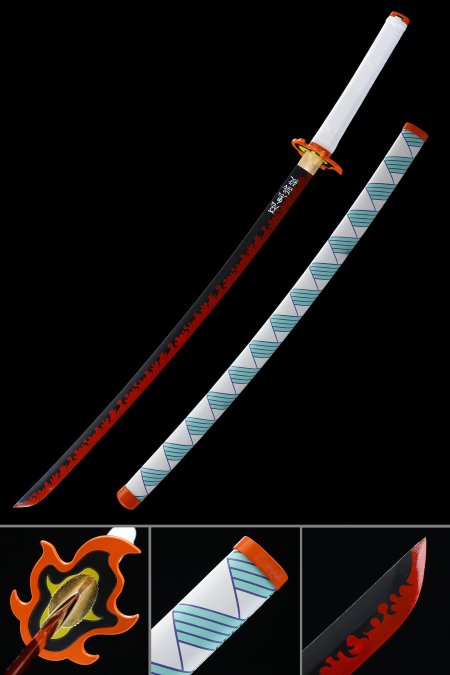
I just got my Rengoku katana and honestly, I love it! It looks amazing — the colors and design are spot-on, and it feels awesome in my hands. I saw some people say their saya (scabbard) was a bit loose, but mine fits perfectly and holds the blade nice and snug.r
It took 27 days to arrive, but I didn’t mind the wait at all. The customer support was amazing ❤️ — super kind and really fast to reply. Every time I messaged them, they answered within just a few hours and kept me updated about my order.r
The paint is a little delicate, so just handle it with care, and there are a few tiny paint imperfections if you look really closely, but nothing major at all. Overall, it’s almost perfect — it looks spectacular, feels great, and I seriously can’t wait to hang it on my wall. It really makes you feel like the flame hashira himself🔥🔥🔥🔥🔥r
I recommend it with my whole heart — it truly makes me want to set my heart ablaze 🔥

Rengoku Sword - Kimetsu No Yaiba Flame Hashira Nichirin Replica, 1045 Carbon Steel Rengoku Sword - Kimetsu No Yaiba Flame Hashira Nichirin Replica, 1045 Carbon Steel