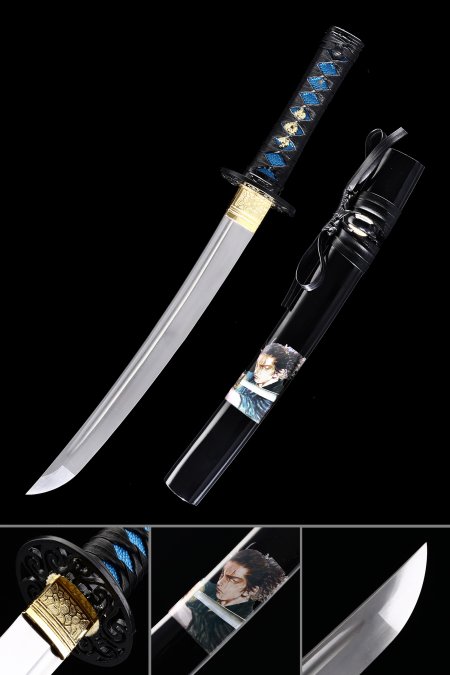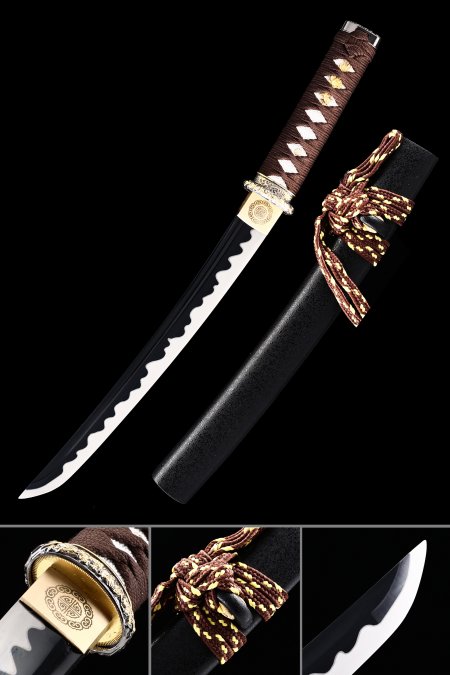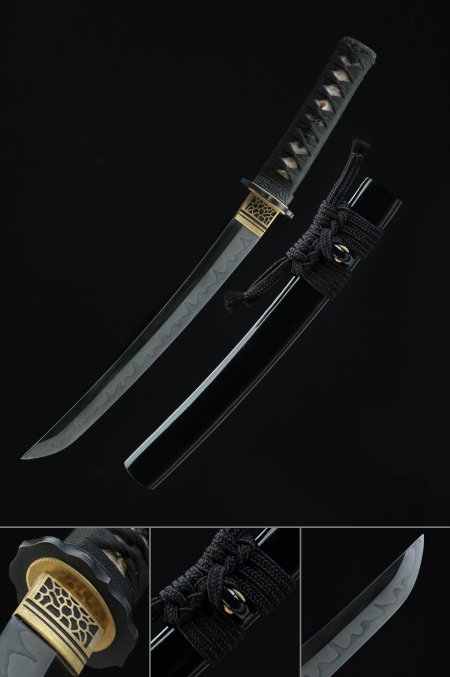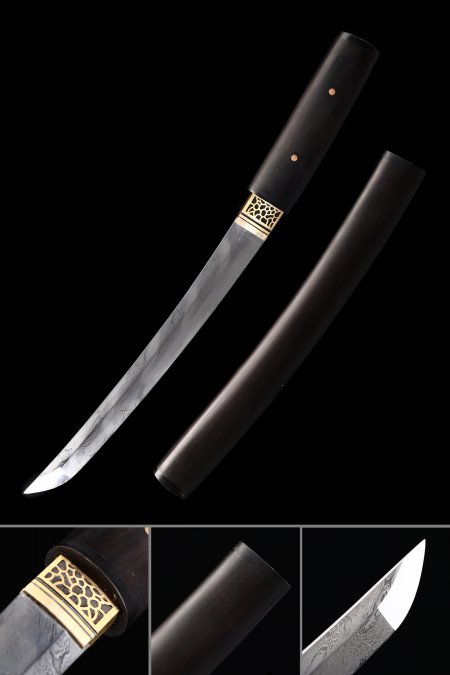
Black Saya Tanto

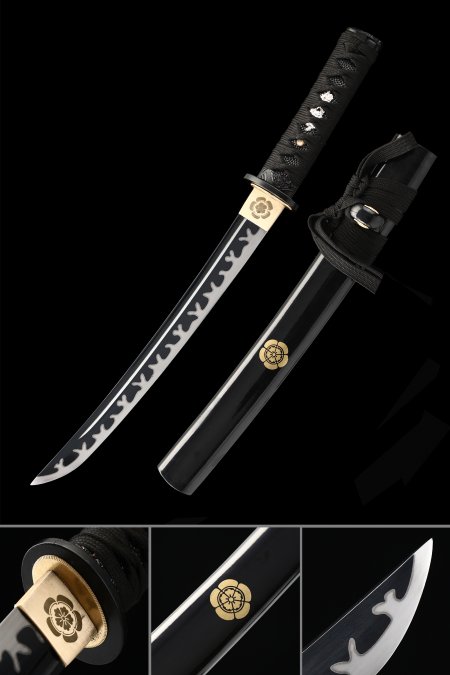
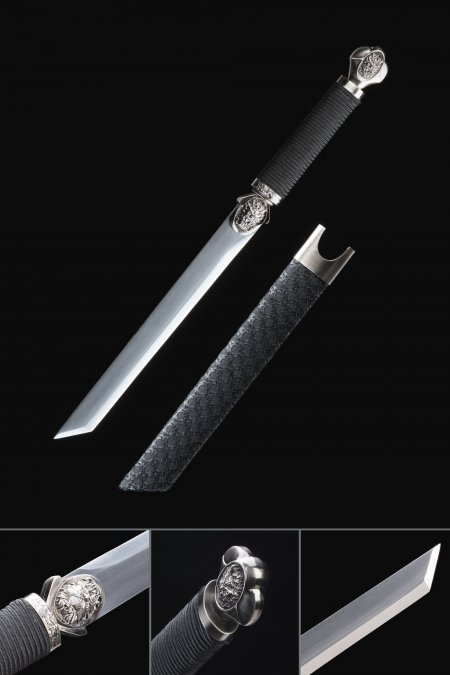
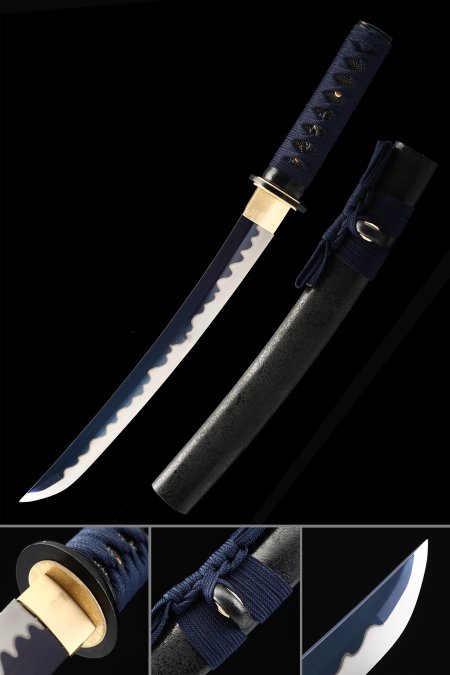
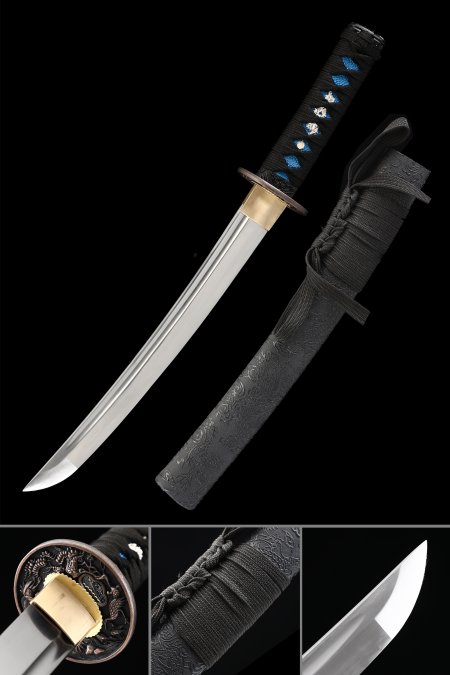
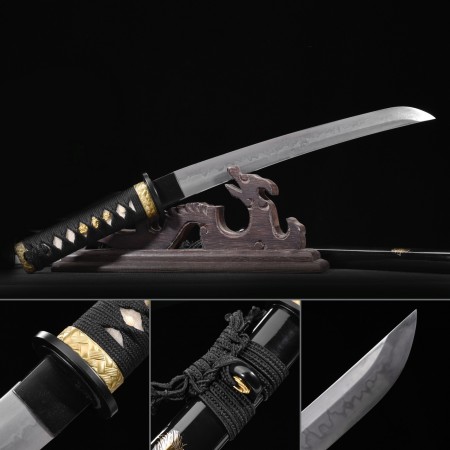
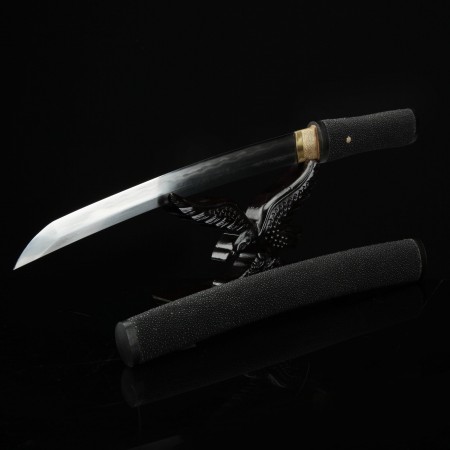
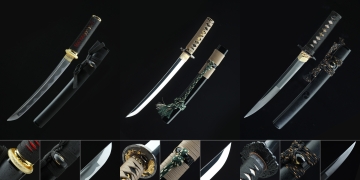
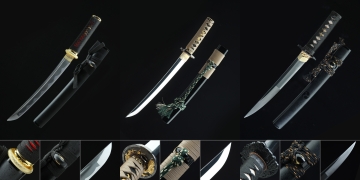
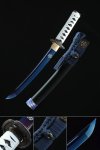
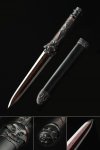
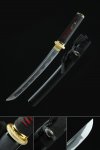
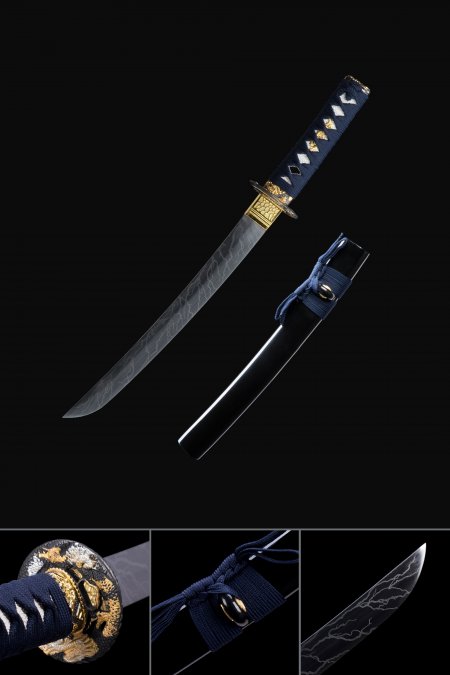
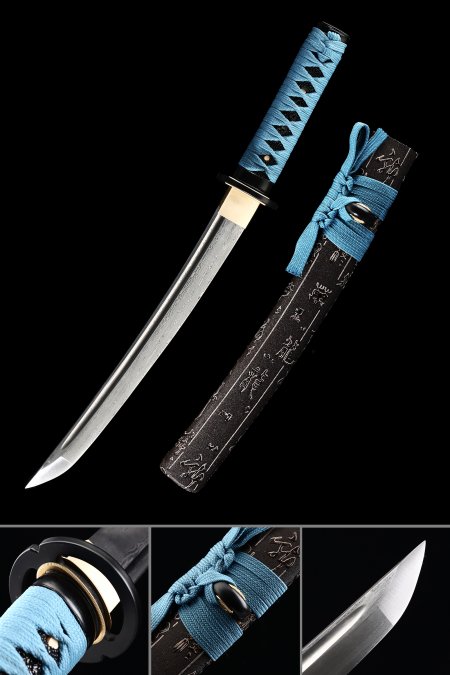
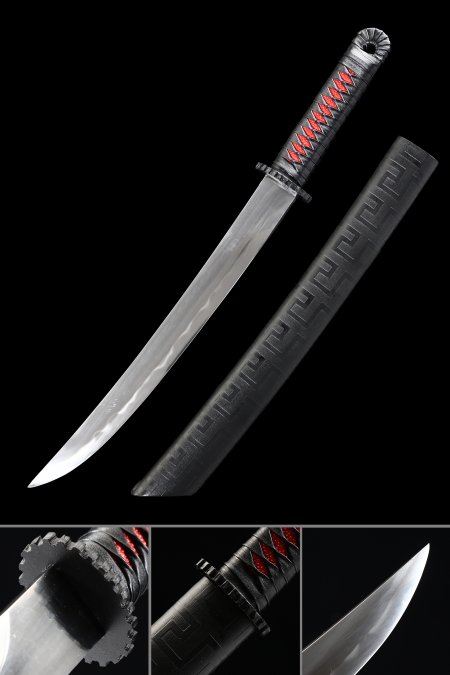
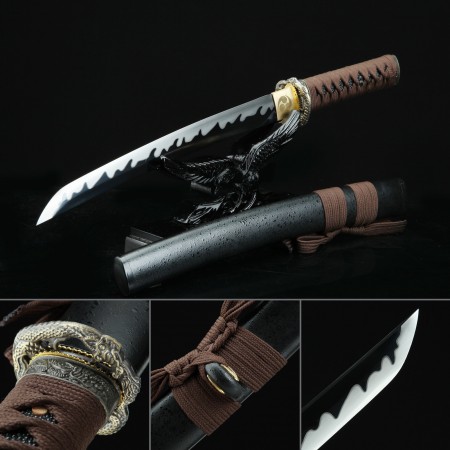
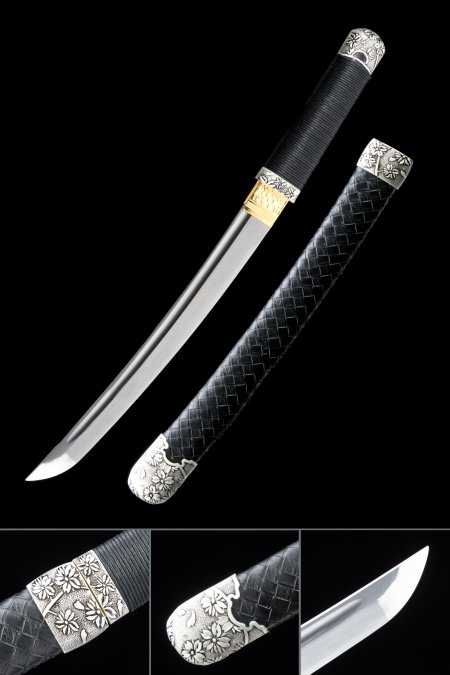
A black saya tanto is where understated elegance meets exacting Japanese craftsmanship. Each piece in this collection features a hand-forged blade — sourced from Damascus, T10, or high-carbon steel — paired with a lacquered or hardwood saya finished in deep, polished black. Whether you're displaying it on a stand, adding to a curated collection, or searching for a refined gift, these tantō offer a level of material detail rarely found at this price point. Enjoy free shipping on your order, backed by our hassle-free return policy.
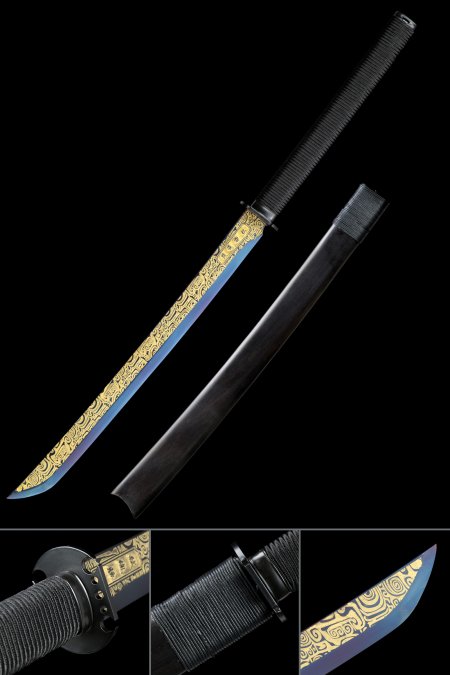
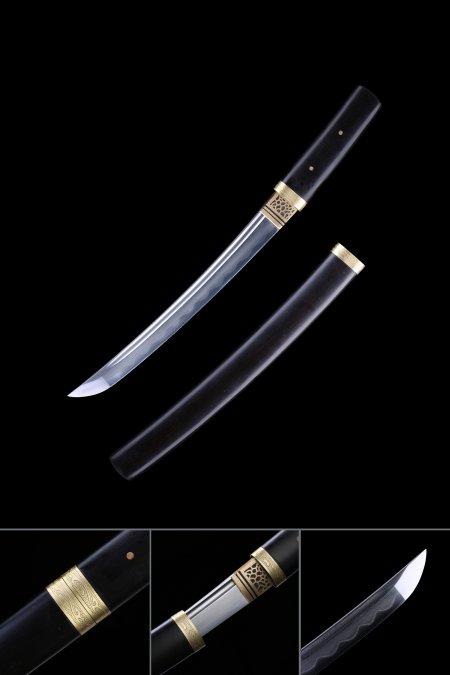
Showing 65 Products

Related Collections

All Black Katana122 items


1138 Reviews

Black Japanese Tanto59 items


363 Reviews

Black Tanto Swords33 items


274 Reviews

Frequently Asked Questions

What makes a tanto different from other Japanese sword forms?
A tanto is a Japanese short sword typically measuring under 12 inches in blade length, distinguished by its thick spine, flat or slightly curved geometry, and rigid cross-section. Unlike a katana or wakizashi, the tanto blade has very little or no curvature (sori), which demands exceptional forging control — a slight temperature miscalculation during heat treatment can warp or crack the blade. This unforgiving geometry is precisely why well-made tantō are respected by collectors. The form also supports a wider variety of point styles, including the classic triangular kissaki and the double-edged hira-zukuri, making it one of the most geometrically diverse blade types in the Japanese tradition.
What is the difference between a piano lacquer saya and a hardwood saya?
Piano lacquer saya are finished with multiple coats of high-gloss lacquer, often built up and polished between layers to achieve a mirror-like, jet-black surface. This finish is visually striking in display cases and under lighting, but requires more careful handling since the lacquer can chip if knocked against hard surfaces. Hardwood or matte black saya, by contrast, have a more tactile, natural grain quality — materials like ebony or stained hardwood give a warmer, more organic look that complements tanto with earth-toned ito wraps or copper fittings. For shelf or wall display where pieces won't be frequently handled, piano lacquer maximizes visual impact. For pieces you plan to hold and appreciate regularly, matte hardwood offers more forgiving durability.
How do I spot a genuine clay-tempered hamon on a tanto?
A real hamon — the temper line visible along the blade — is the result of applying a clay slurry to the blade before quenching, insulating the spine and allowing the edge to cool rapidly into hard martensite. On a genuine clay-tempered tanto, the hamon appears as a misty, organic transition line with subtle activity: small crystalline formations called nie (visible as tiny bright points) or a cloudy band called nioi. It will not look perfectly uniform or machine-stamped. Fake or acid-etched hamons common on lower-grade blades appear as flat, etched lines without depth or variation. On T10 and Damascus steel tantō in this collection, the hamon results from actual differential heat treatment, not surface etching — making it a verifiable mark of authentic smithing process.
How should I store a black saya tanto to preserve the finish?
Store your tanto horizontally on a dedicated sword stand, saya on, with the edge facing upward — this is the traditional Japanese orientation and prevents stress on the saya mouth over time. Avoid storing in areas with fluctuating humidity, which can cause lacquer to crack or wood to warp. Apply a light coat of choji oil (clove-scented mineral oil) to the blade every few months, using a soft cloth or the traditional nugui paper method. Never leave fingerprints on the blade — skin oils are mildly acidic and will begin surface oxidation within days. For piano lacquer saya specifically, a microfiber cloth wipe-down after handling keeps the finish clear. Avoid silicone-based polishes on the saya, as they can degrade lacquer over extended use.
Is a black saya tanto a good gift for a Japanese culture enthusiast?
A black saya tanto is one of the more thoughtful collectible gifts for someone with genuine interest in Japanese history or blade craft. Its compact size makes it easier to display than a full katana, and the visual impact of a lacquered black scabbard against steel makes for an immediately impressive presentation. When selecting one as a gift, pay attention to the fittings — a recipient who appreciates fine detail will notice the difference between a bronze beast-motif tsuba and a plain oval guard. Pairing the tanto with a basic maintenance kit (choji oil, soft cloth, blade powder) elevates the gift considerably, signaling that you understand the piece as a craft object requiring proper care rather than simply a decorative item.

Customer Reviews