What does the brown and blue color combination mean on a katana?
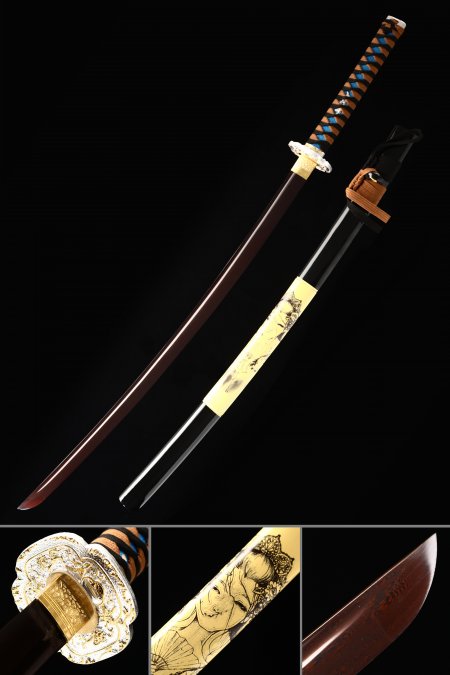
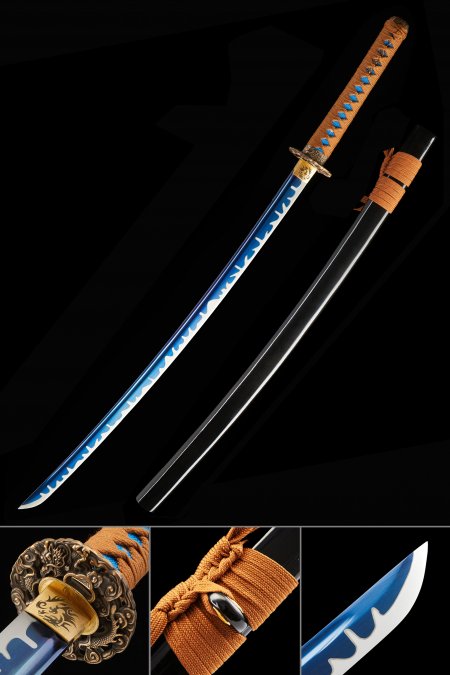
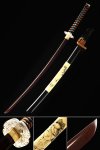
In traditional Japanese sword presentation, handle colors were rarely arbitrary. Brown tones on a tsuka typically derive from natural materials - ray skin (same), leather, or earth-toned silk ito - evoking groundedness and organic craftsmanship. Blue introduces contrast and a sense of composed authority, a color historically associated with indigo-dyed textiles in Japanese craft traditions. When paired together, brown and blue create visual balance: warmth anchored by coolness. On a display collectible, this pairing reads as intentional and sophisticated rather than decorative for decoration's sake, making it a popular choice among collectors who study both the blade and its furniture as a unified composition.
How is the tsuka wrap on these katanas constructed?
The tsuka of each katana in this collection is built on a wooden core (tsuka-gi) wrapped first in ray skin (same), which provides a textured, slightly raised foundation. Over this, silk or synthetic silk ito is wrapped in the traditional diagonal pattern, creating the characteristic diamond-shaped windows that expose the same beneath. The tension and evenness of the wrap directly affect both the visual quality and the long-term stability of the handle. Brown and blue ito are typically dyed before wrapping, so the color is saturated through the material rather than surface-coated, which means it holds its tone well under ambient display lighting. The completed wrap is then secured at the pommel end with the kashira fitting.
What is the difference between Damascus and T10 steel in these blades?
Damascus steel is produced by forge-welding multiple layers of high and low carbon steel together, then folding and drawing them out repeatedly. The result is a blade with visible wavy or flowing surface patterns - each one unique - and a composition that balances hardness with flexibility. T10 tool steel, by contrast, is a single high-carbon steel with added tungsten, which improves wear resistance and allows the blade to hold a refined edge geometry. T10 blades are often clay-tempered to produce a visible hamon (temper line). For display collectors, Damascus offers dramatic visual texture across the entire blade surface, while T10 offers classic Japanese blade aesthetics with a pronounced hamon and a cleaner, more traditional profile.
How should I store a brown-blue handle katana to preserve it?
For long-term display preservation, keep the katana horizontally on a dedicated stand, blade edge facing upward in the traditional orientation. Avoid environments with high humidity, which can cause the wooden tsuka core and saya to swell or warp, and may encourage surface oxidation on fittings. Lightly coat the blade with a thin layer of choji oil (clove oil) or a dedicated blade oil every few months to prevent rust, applying it with a soft cloth or uchiko ball. The ito wrap should not be cleaned with liquid - dry dusting with a soft brush is sufficient. Keep the katana away from prolonged direct sunlight, which can fade the ito color over time, particularly blue tones that are more susceptible to UV bleaching.
Is a brown-blue handle katana a good display gift for a collector?
A brown-blue handle katana makes a thoughtful gift for collectors who appreciate both visual craft and the history of Japanese sword culture. The two-tone tsuka gives it immediate display presence - it reads as considered and specific rather than generic. For gift-giving, look for pieces where the handle colors coordinate with other fittings: a silver-gold tsuba pairs elegantly with the warmth of brown ito, while a dragon motif tsuba in gold can anchor the cooler blue tones. Matching the saya finish to the handle tones - lacquered black or deep burgundy work well - completes the presentation. These collectibles are suitable for display in a home study, dedicated sword room, or alongside other Japanese decorative arts.