FAST SHIP
31 Reviews
ON SALE 20% OFF
$179.00$219.00

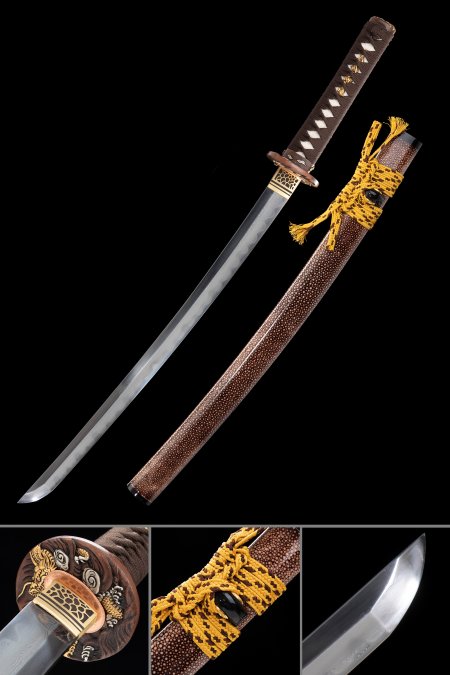
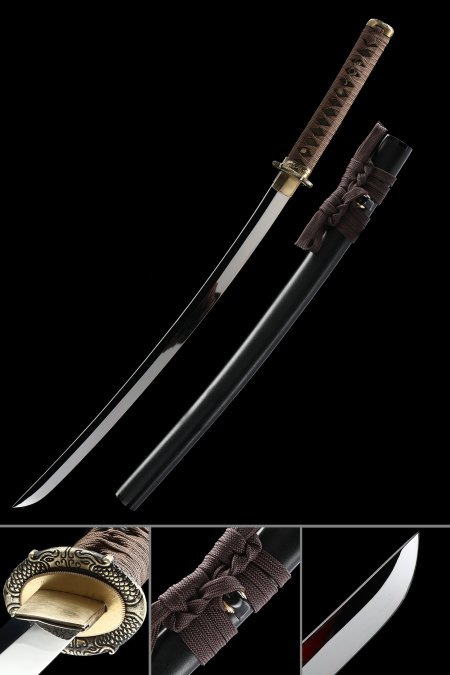
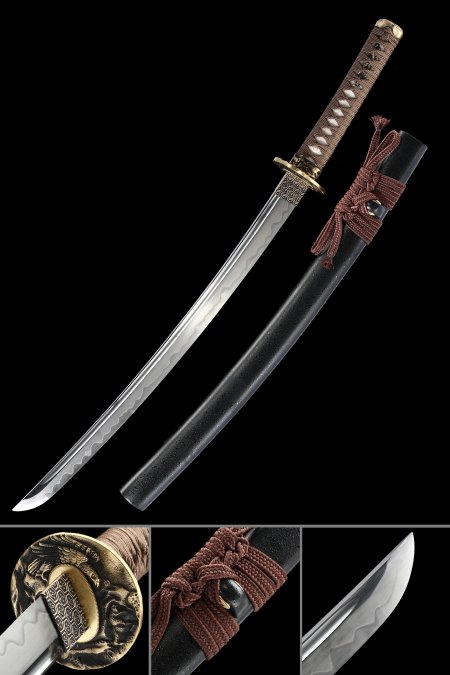
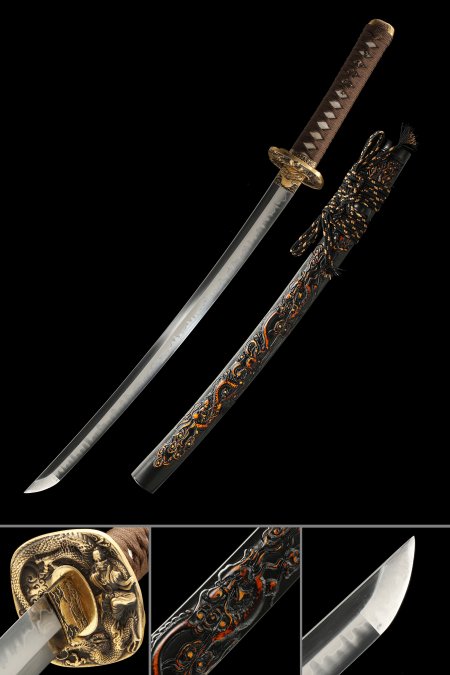
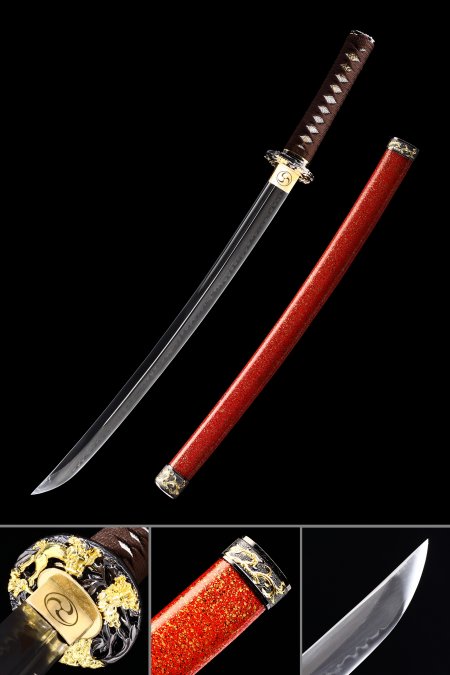
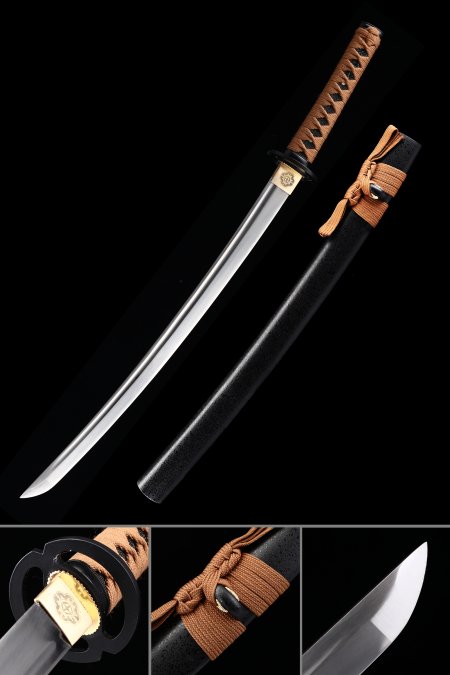
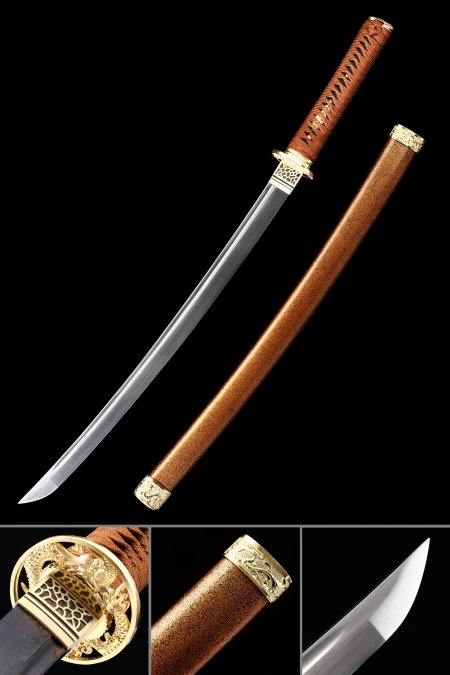
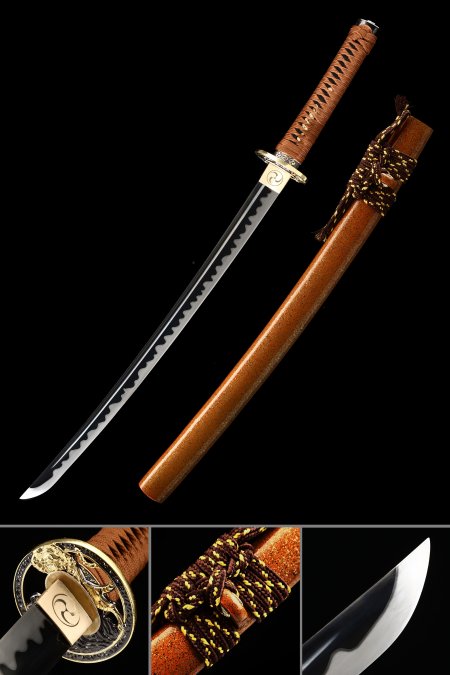
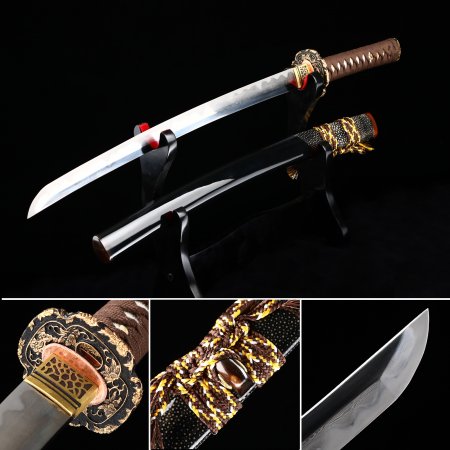
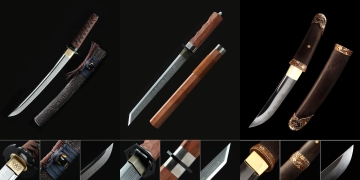
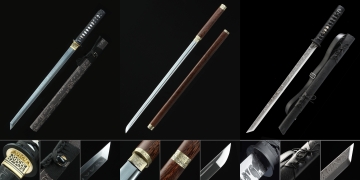
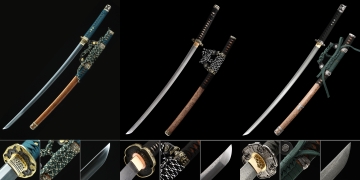
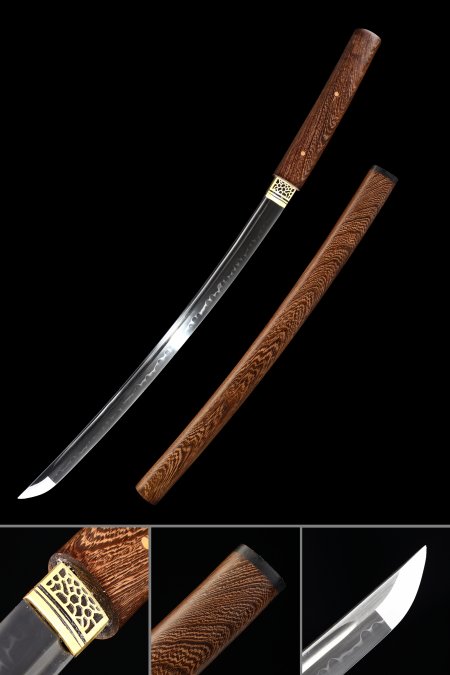
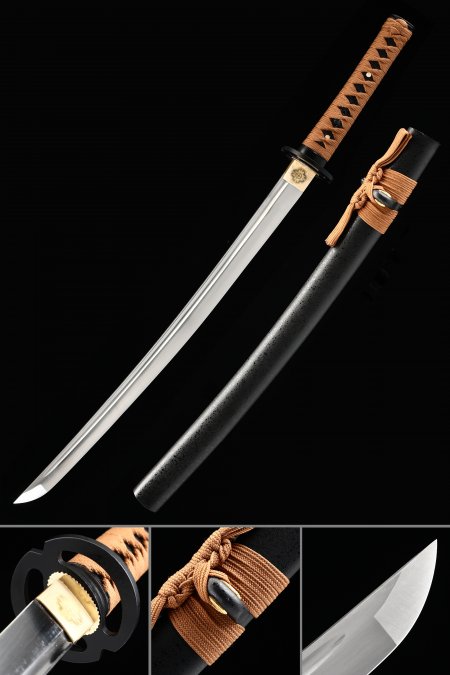
Brown handle wakizashi bring together the warm, organic character of traditionally wrapped tsuka and the refined artistry of Japanese short-blade craftsmanship. Each piece in this collection features hand-wrapped brown ito or cord handle, paired with premium steels - including T10 carbon, Damascus, and high manganese - finished with carefully matched koshirae for a cohesive, display-worthy aesthetic. Enjoy free shipping on your order and peace of mind with our hassle-free return policy.
Super cool sword. Feels relatively sturdy. The fittings were a little messy, I had to file off some excess material but the blade is beautiful. I would say it's a pretty sword with good display value and it makes for some fun if you did want to cut softer objects with it. Although they have a long list of don't do's that's come with the blade. All in all I think the sword is well worth the price. The team is friendly and responds quickly. The shipping was quick as well.
 |
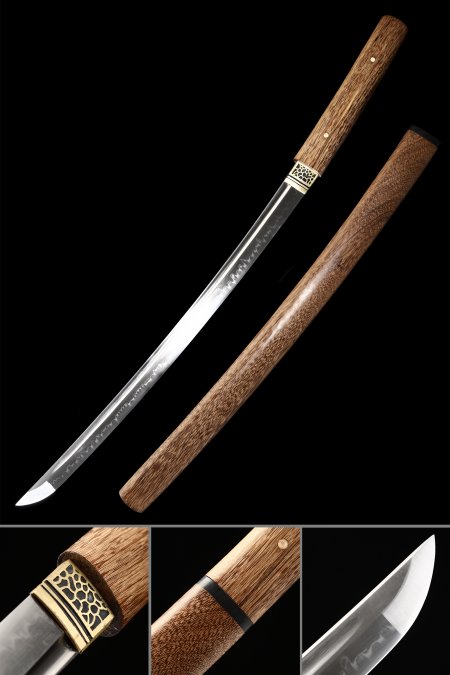
Damascus Steel Wakizashi with Natural Rosewood Saya and Gold Alloy Fittings - Folded Steel Collectible Sword |
All three blades were made beautifully. My now ex fiancé loved them
 |
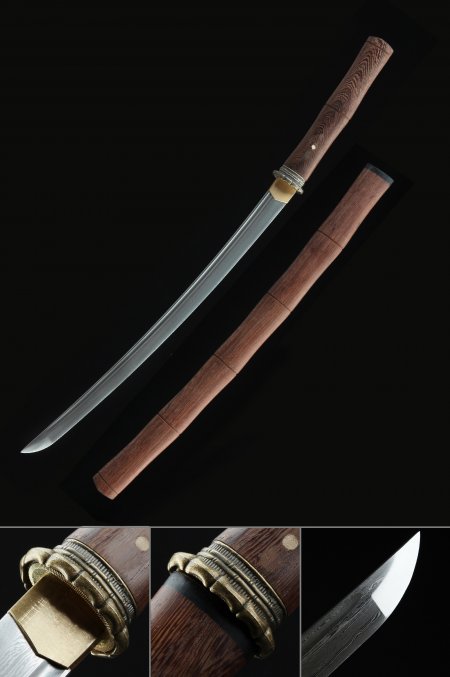
Shirasaya Wakizashi Sword in T10 Carbon Steel with Natural Wenge Wood Saya and Bronze Habaki |
It's a beautiful piece, finely crafted and perfect to hang up
|
Damascus Steel Wakizashi with Natural Rosewood Saya and Gold Alloy Fittings - Folded Steel Collectible Sword |
It is a wonderful object…r
Though I made a mistske; I wanted the one blonde one that is 1.5 pounds!r
Any chance to exchange, or have a good deal on that lighter one?
|
Shirasaya Wakizashi Sword in T10 Carbon Steel with Natural Wenge Wood Saya and Bronze Habaki |
Très réactifs, envoi sécurisé, item en parfait état, très bonne qualité. True katana is the best! Merci beaucoup.
|
Shirasaya Wakizashi Sword in T10 Carbon Steel with Natural Wenge Wood Saya and Bronze Habaki |
Beautiful and well made Shirasaya Wakizashi. Fast delivery to Lithuania
|
Shirasaya Wakizashi Sword in T10 Carbon Steel with Natural Wenge Wood Saya and Bronze Habaki |
Excellent Japanese swords. Only one issue & that is the swords fit too tightly in their scabbards. A little hand finishing with a hobby knife at the mouth of the scabbards did the trick. The same was true for the Tanto’s scabbard I purchased earlier. Overall a fine set of swords.
|
Shirasaya Wakizashi Sword in T10 Carbon Steel with Natural Wenge Wood Saya and Bronze Habaki |
Sword arrived faster than expected. Great delivery time, great blade.
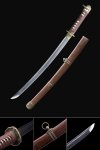 |
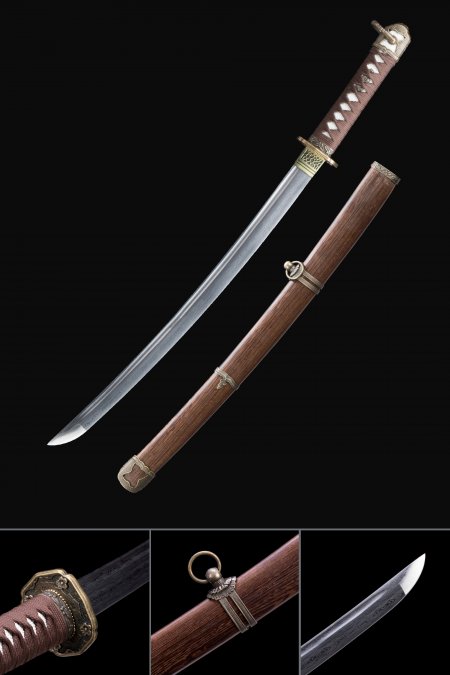
Shin Gunto Type 98 Officer Saber in Damascus Steel with Brown Hardwood Saya and Gold Alloy Fittings |