What makes a camo wakizashi different from a standard wakizashi?
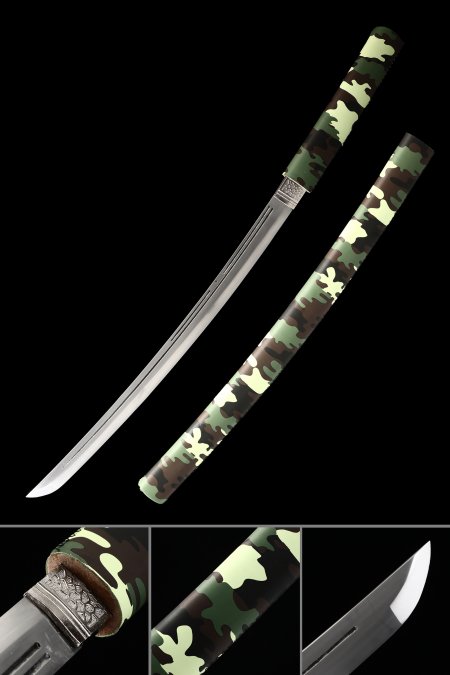
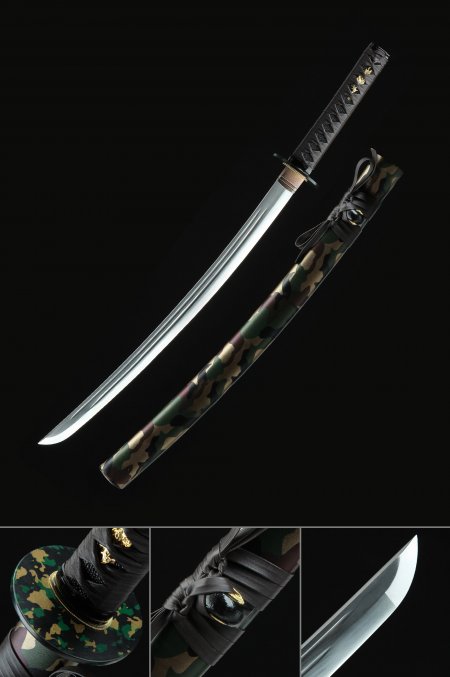
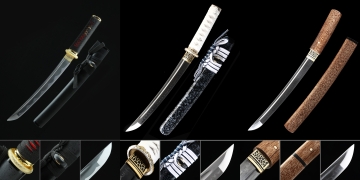
The core difference is entirely in the saya. A standard wakizashi typically comes with a plain lacquered wood or synthetic scabbard in black or dark brown. A camo wakizashi uses a hardwood saya that has been shaped and finished with a camouflage wood-grain pattern - real wood, not a printed overlay. The blade construction, tsuka wrap, and steel composition remain consistent with traditional wakizashi standards: full-tang steel, wrapped ray skin handle, and a properly fitted habaki collar. The camo finish appeals to collectors who want a display piece that reads as both historically grounded and visually distinctive.
What is the difference between manganese steel and 1095 carbon steel?
Manganese steel contains a higher manganese content than standard carbon steel, which increases toughness and resistance to surface wear while maintaining good machinability. It tends to have a fine, even grain structure that polishes to a clean, consistent finish - qualities that suit display-oriented collectibles well. 1095 carbon steel is a simpler, high-carbon alloy (approximately 0.95% carbon) with a long history in traditional blade-making. It responds exceptionally well to differential hardening, can develop a natural patina over time, and is favored by collectors who appreciate metallurgical authenticity. Neither alloy is superior in all respects; the choice comes down to whether you prefer toughness and visual uniformity (manganese) or historical character and patina development (1095).
Does the shirasaya wakizashi have a tsuba, and why not?
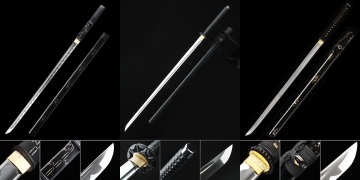
No - the shirasaya configuration intentionally omits a tsuba (hand guard). Shirasaya translates roughly as 'white scabbard' and refers to a minimalist storage and display mounting style used historically to protect a blade during long-term keeping. The handle and scabbard fit together seamlessly with no guard, giving the piece a clean, uninterrupted silhouette. For collectors, this style highlights the blade's geometry and the quality of the wood grain rather than the metalwork of fittings. It is a popular choice for display-focused collectors who want the blade itself to remain the visual focal point.
How should I care for the camo hardwood saya long-term?
Keep the saya away from prolonged direct sunlight, which gradually fades the camo finish and can dry out the wood itself. Wipe it down occasionally with a lightly dampened cloth - never soak or submerge - and apply a very thin coat of furniture paste wax or wood conditioner once or twice a year to maintain the finish and prevent surface checking. Avoid storing the blade inside the saya for months at a time; even sealed hardwood releases trace humidity that can promote micro-oxidation on the steel. A horizontal sword stand in a climate-controlled room (45-55% relative humidity is ideal) keeps both the saya and blade in stable condition.
Is a camo wakizashi a good gift for a Japanese sword collector?
It depends on the collector's existing focus. For someone who already owns katana and appreciates matching aesthetics, a camo wakizashi pairs naturally as a display companion - the saya style aligns visually without requiring an exact daisho set. For a collector new to Japanese swords, the wakizashi is an approachable entry point: shorter, easier to display in limited space, and typically more affordable than a full-length katana. The camo hardwood saya adds a layer of visual interest that distinguishes it from generic black-finish pieces, making it feel considered rather than generic as a gift. Full-tang construction also signals collectible-grade quality to someone who knows what to look for.