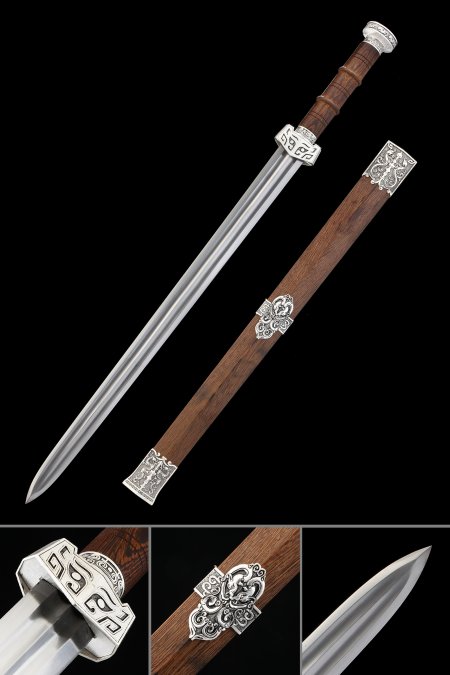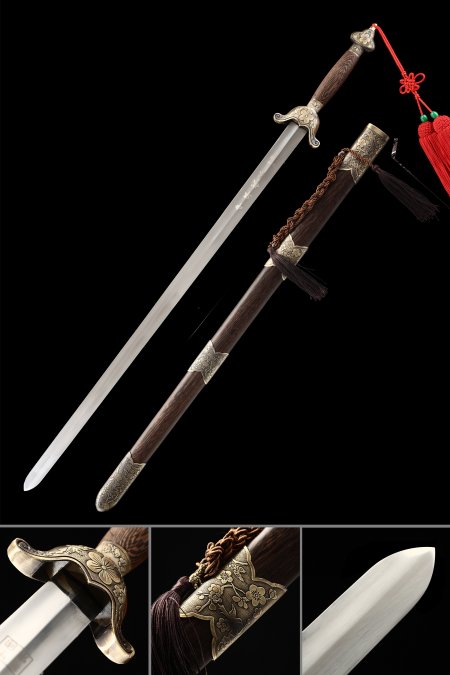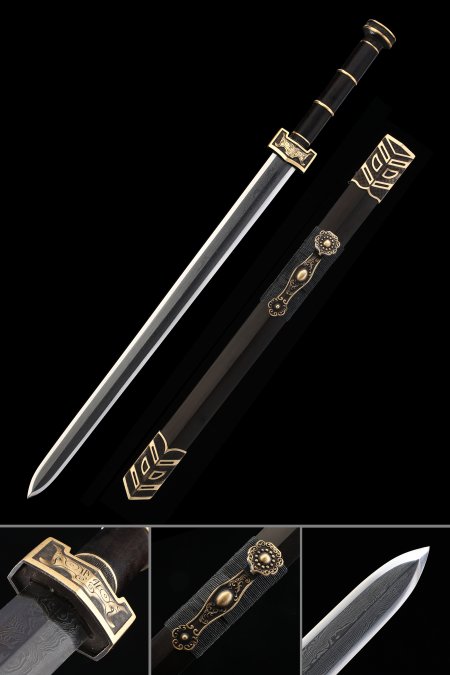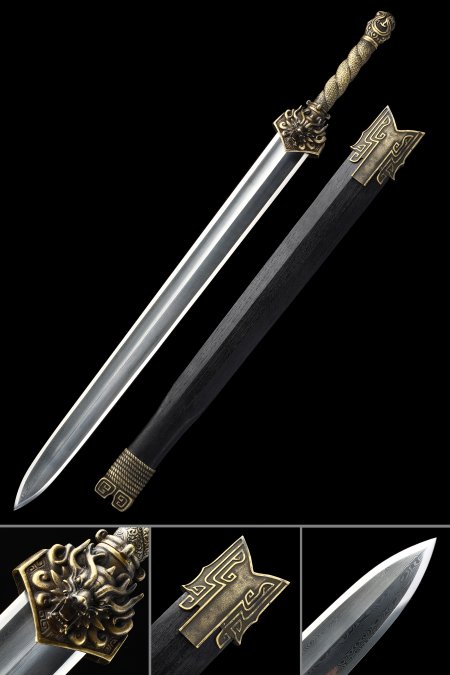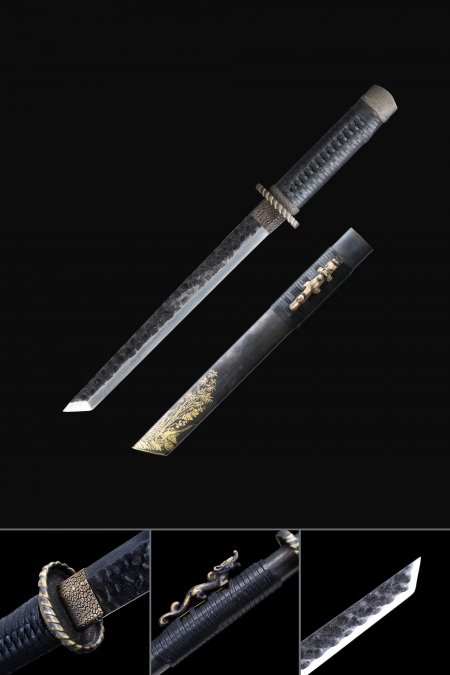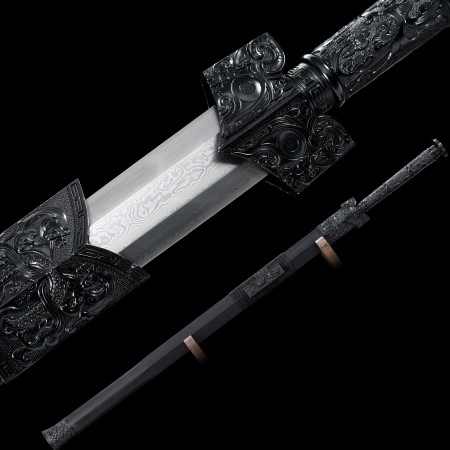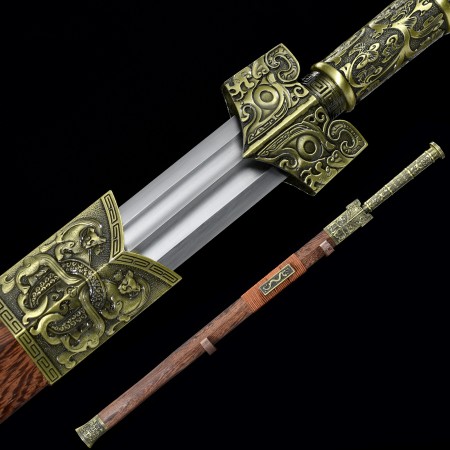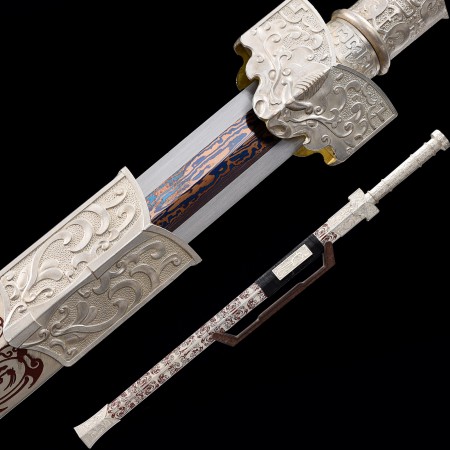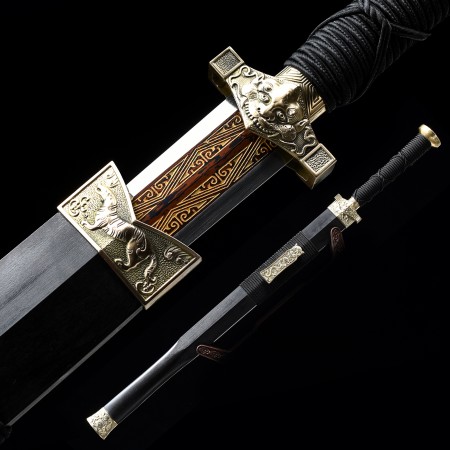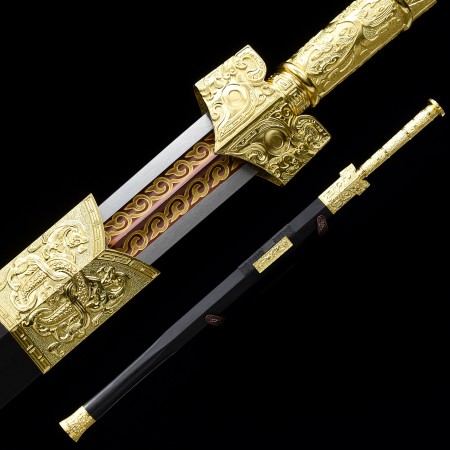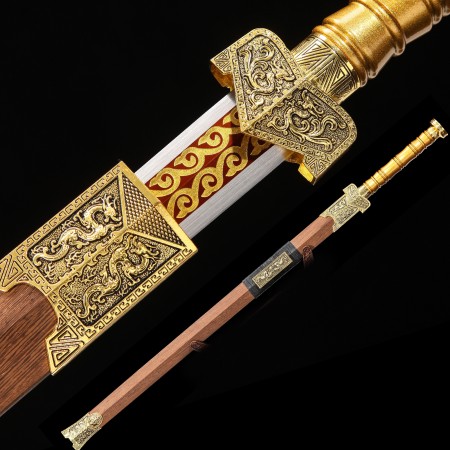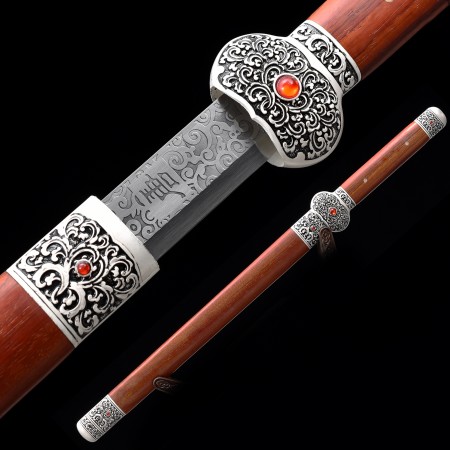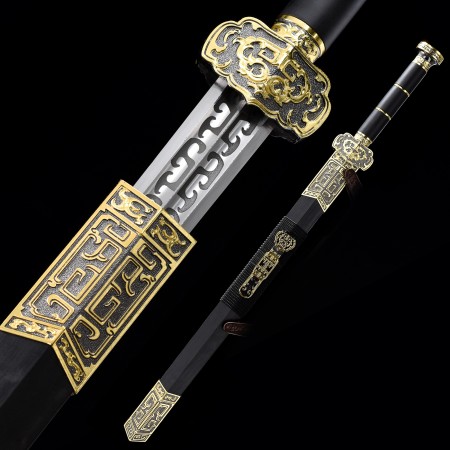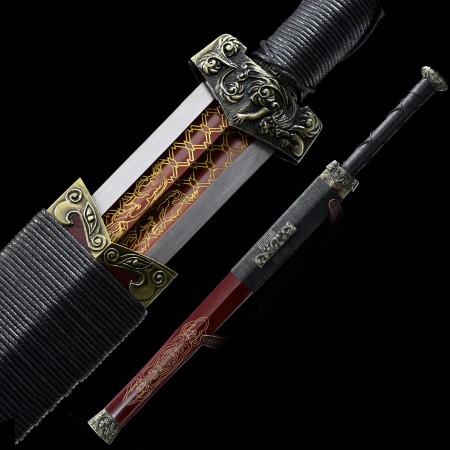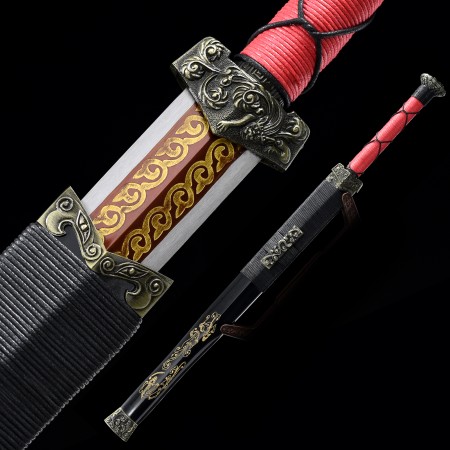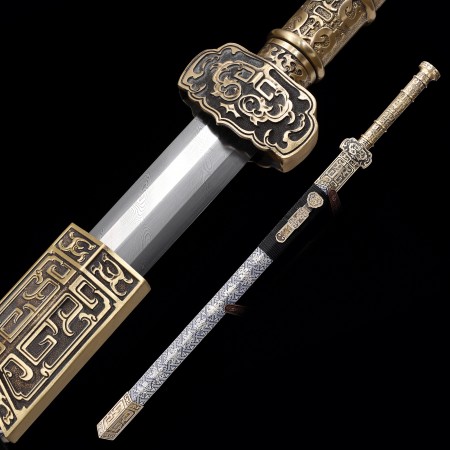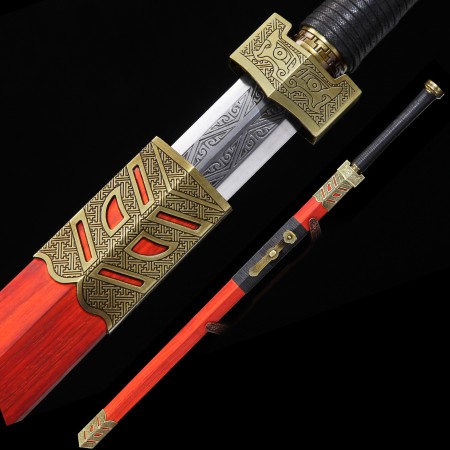
Chinese Taiji Sword

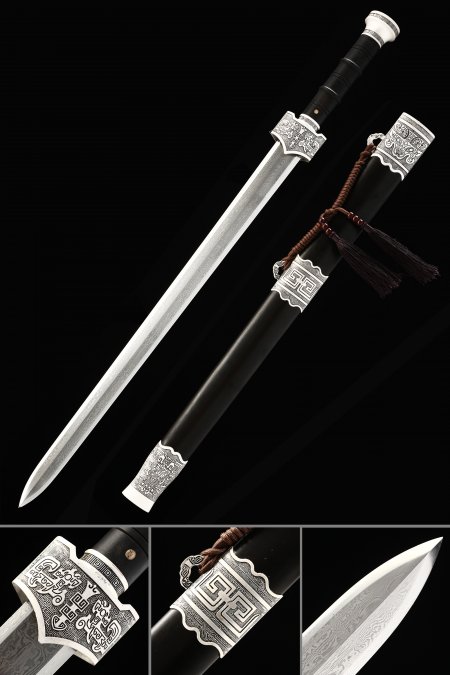
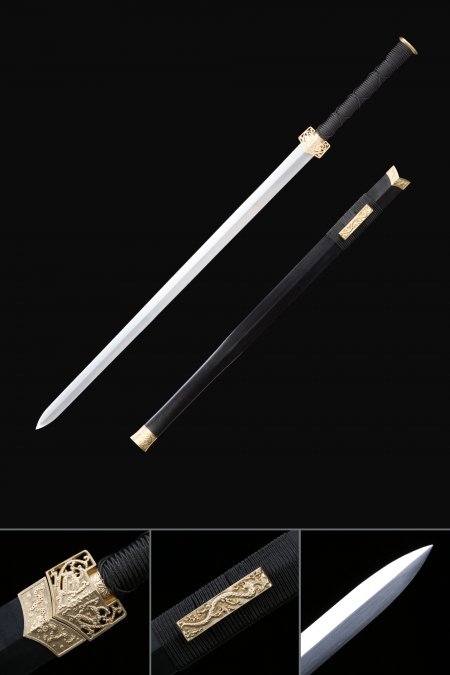
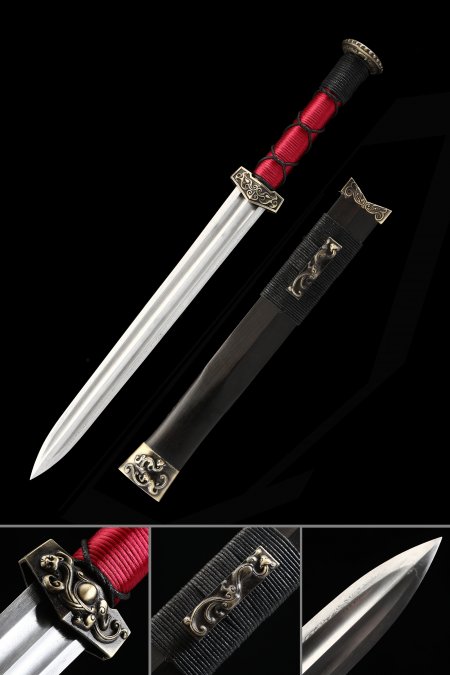
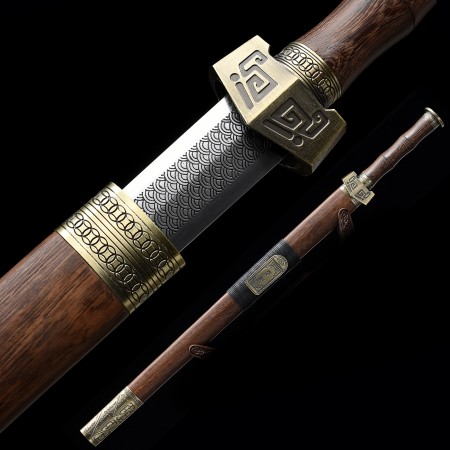
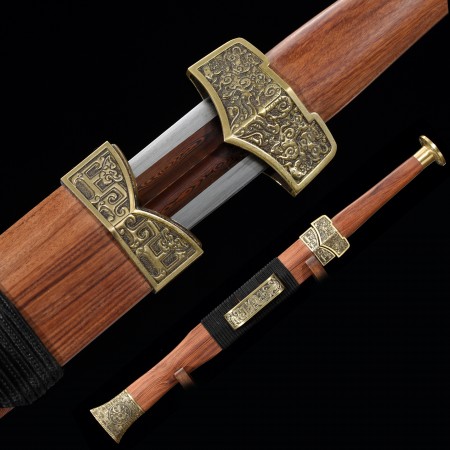
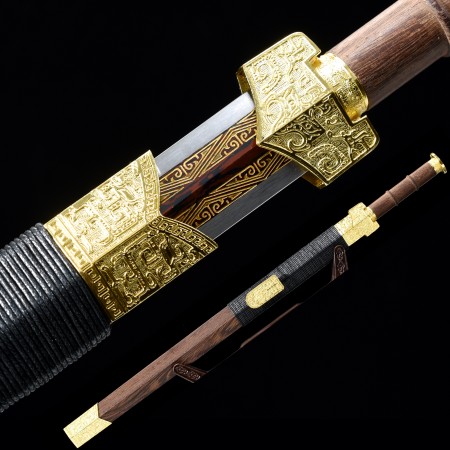
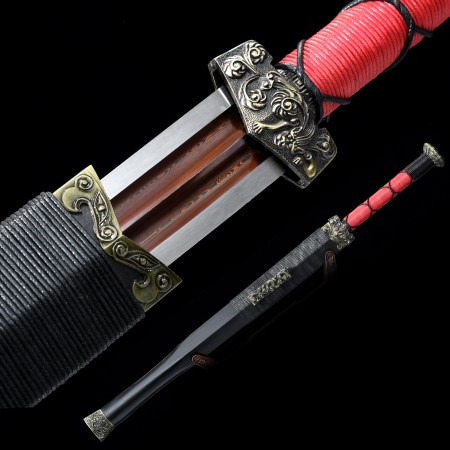
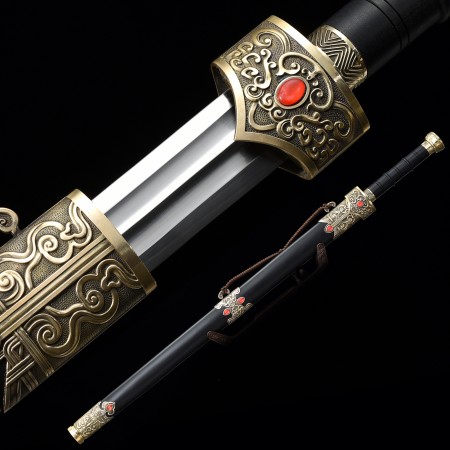
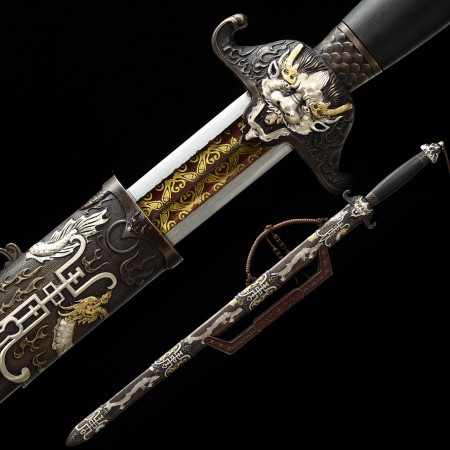
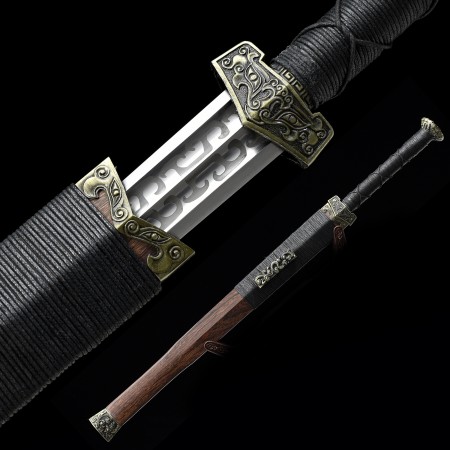
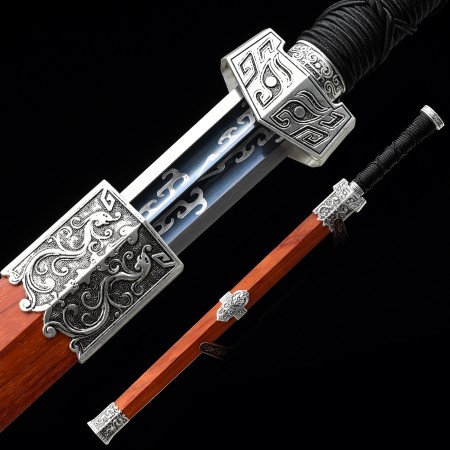
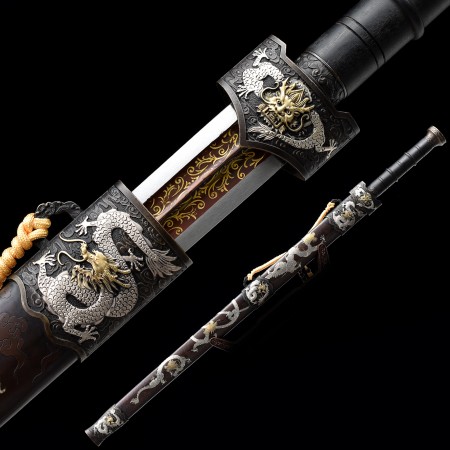
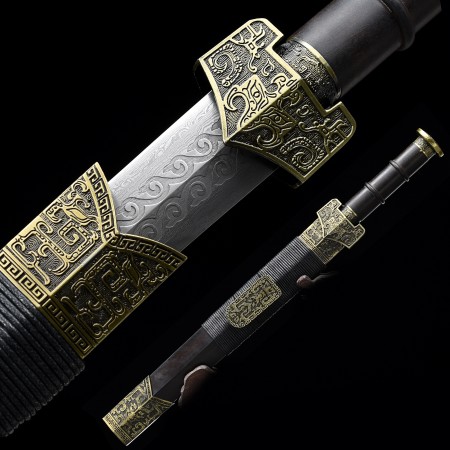
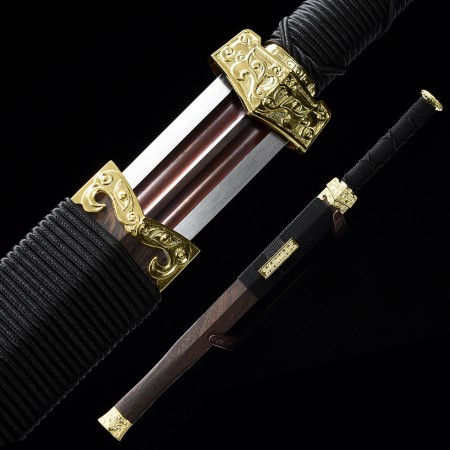
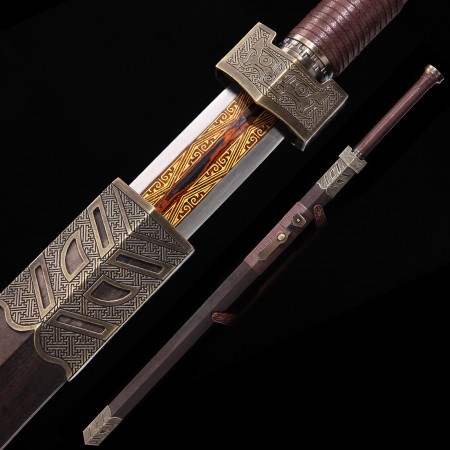
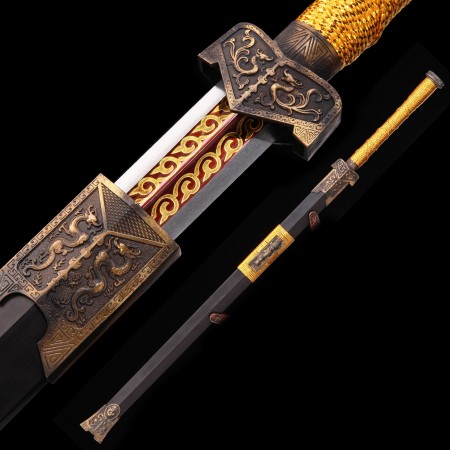
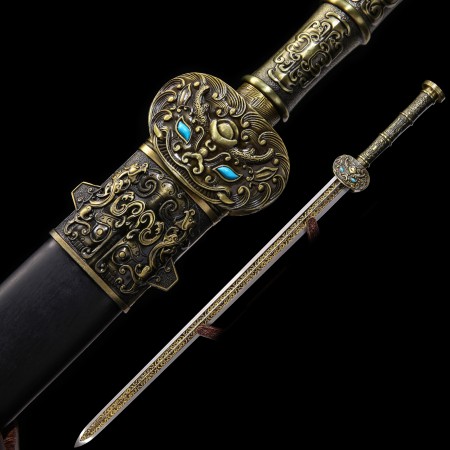
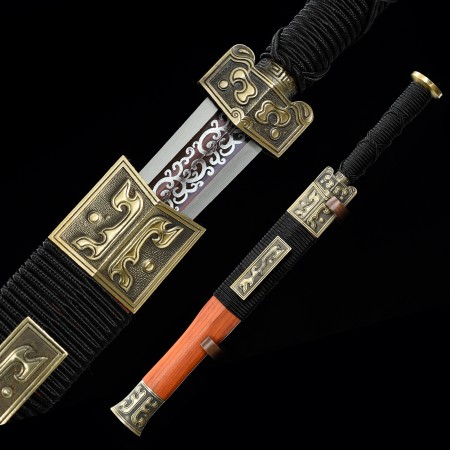
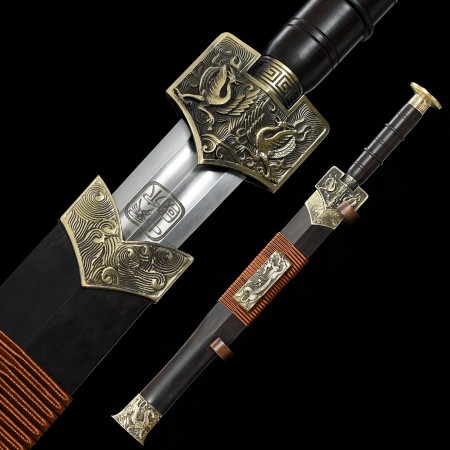
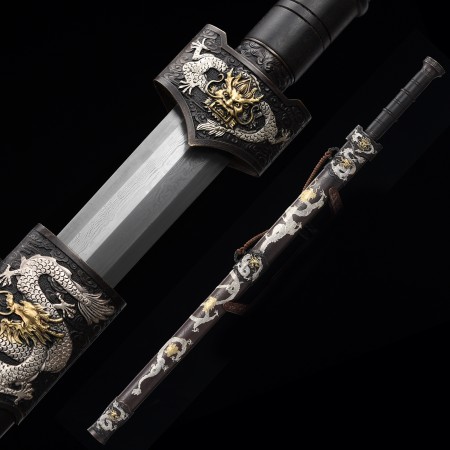
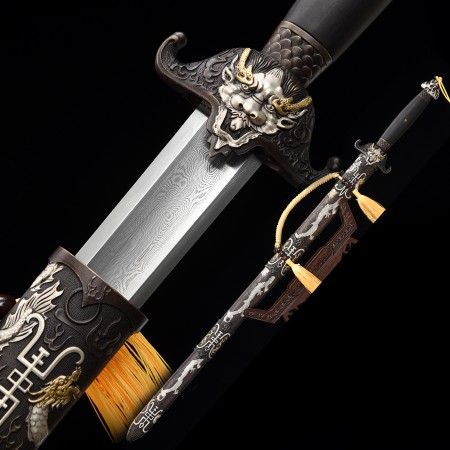
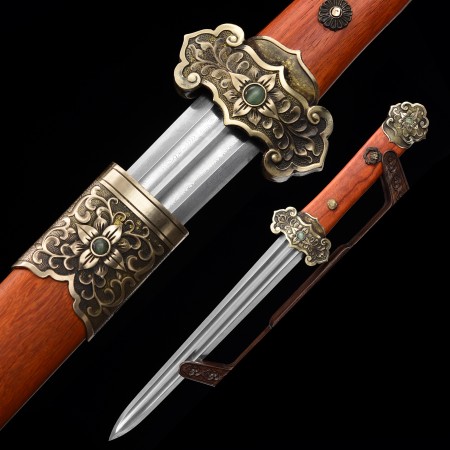
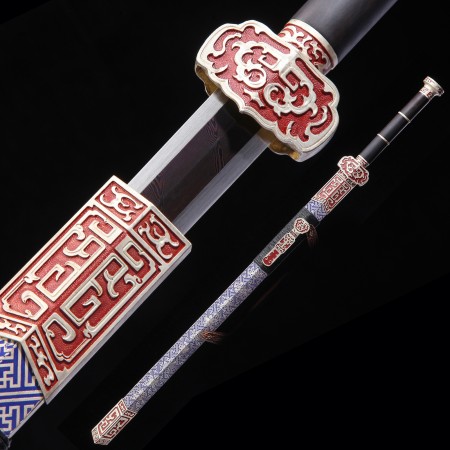
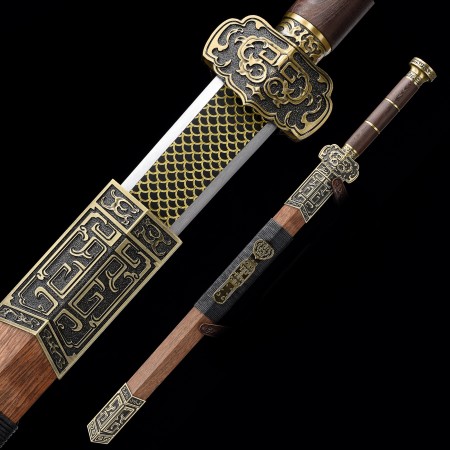
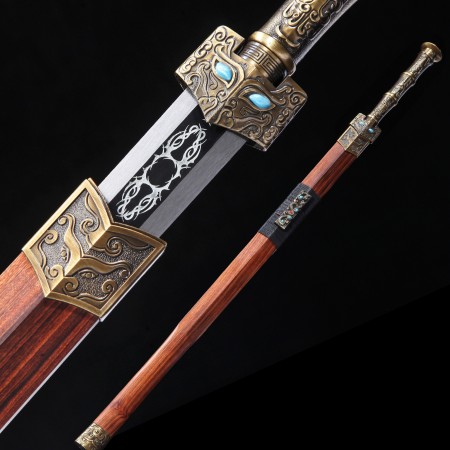
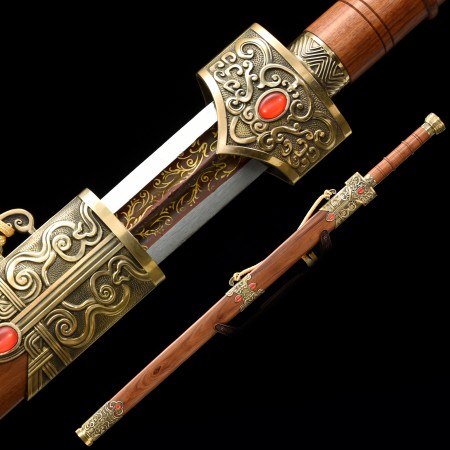
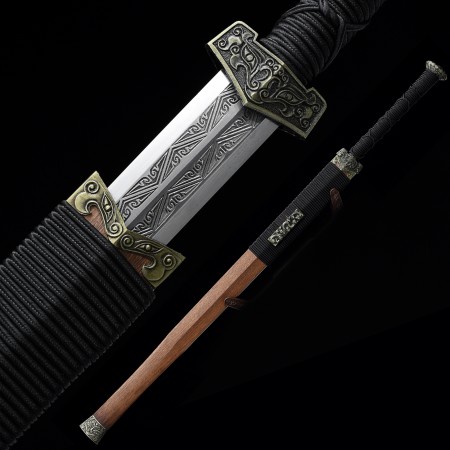
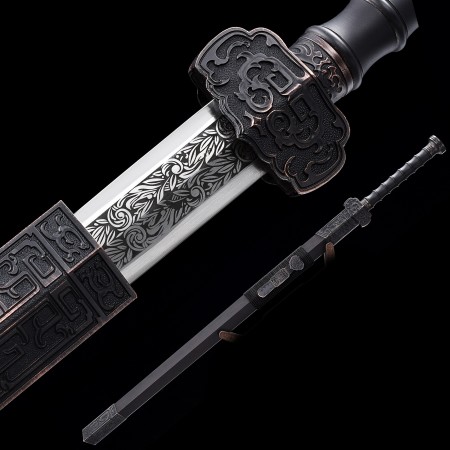
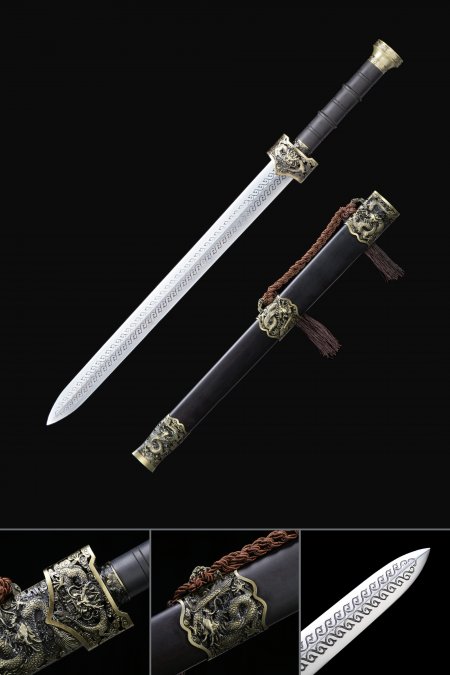
Shop our collection of Chinese taiji swords - elegant double-edged jian and Wushu dao swords designed for tai chi practitioners and collectors who appreciate the refined aesthetics of the Chinese straight-sword tradition. Each piece is built for balanced, flowing practice performance with stainless steel construction suited to regular tai chi sword forms, and doubles as a striking display piece that brings Chinese sword tradition into any collection. Free US shipping and hassle-free returns are included.
Showing 74 Products

Frequently Asked Questions

What makes a Chinese taiji sword different from a Japanese katana collectible?
The Chinese taiji sword and the Japanese katana represent two of the most globally recognized sword traditions, but their design philosophy and handling characteristics are fundamentally different. The katana is a curved, single-edged blade optimized for the drawing cut and the powerful downward stroke, with a construction history emphasizing hardness, edge retention, and the visual drama of a visible hamon temper line. The Chinese taiji jian is a straight, double-edged blade designed for the flowing, circular techniques of tai chi sword practice - techniques that emphasize redirection, circular energy, and the precise use of the blade's tip, edges, and body in complex two-dimensional patterns. The jian is symmetrical where the katana is asymmetrical, lighter where the katana emphasizes substantial cutting geometry, and associated with an internal martial arts tradition that values sensitivity and circular motion rather than the direct linear power of Japanese sword techniques. For a display collection, the two types complement each other well - the visual contrast between the Japanese curve and the Chinese straight-edged geometry creates an interesting juxtaposition that highlights the distinct design principles of each tradition.
Who should consider adding a Chinese taiji sword to their collection?
A Chinese taiji sword is an excellent addition for several distinct types of collectors and enthusiasts. Tai chi practitioners and martial arts students are the most obvious audience - a taiji sword from a quality source provides a practice tool that is also a meaningful display piece for a home practice space. Collectors building a cross-cultural Asian sword collection will find the Chinese jian offers visual and cultural variety that Japanese-only collections cannot provide - the straight double-edged profile, the Chinese guard design, and the cultural associations with tai chi tradition bring a genuinely different aesthetic dimension to the display. Collectors interested in Chinese history and culture more broadly may appreciate the jian's long history as a symbol of Chinese scholarly and martial refinement - unlike the dao, which was associated with military service, the jian was associated in Chinese culture with scholars, poets, and the educated class, giving it cultural associations that differ significantly from most sword types in the collectible market.
What are the key features of stainless steel construction in a taiji sword?
Stainless steel construction in a taiji sword provides a specific set of properties that suit the demands of a sword used in regular tai chi practice. The most important practical characteristic is corrosion resistance: stainless steel is substantially more resistant to surface oxidation than carbon steel, which means the regular oiling required to protect a carbon steel blade is unnecessary for a stainless sword. For a tai chi practitioner who handles their sword frequently and may practice outdoors or in humid environments, this significantly reduces the maintenance burden. The second important characteristic for taiji practice is appropriate flex: a properly made stainless steel taiji jian has blade geometry designed to provide the degree of flexibility at the tip that tai chi sword forms require for the whipping and redirecting movements associated with jian technique. Stainless steel in the specific thickness and profile used for taiji blades achieves this without being so flexible as to feel uncontrolled. The trade-off compared to carbon steel is that stainless cannot be heat-treated to the same hardness levels, which is acceptable for a practice and display sword but means stainless is not appropriate for collectors seeking the edge-holding characteristics associated with traditional Japanese or Chinese sword construction.
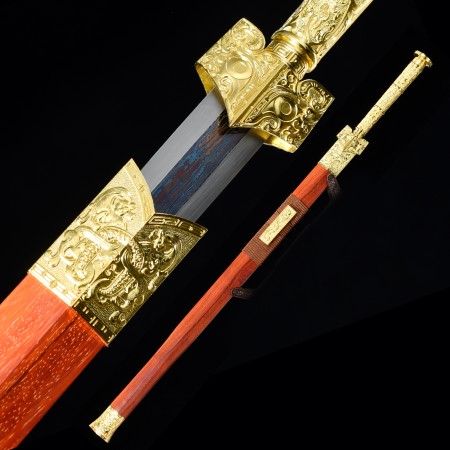
How does a Chinese taiji sword compare to other Chinese sword styles?
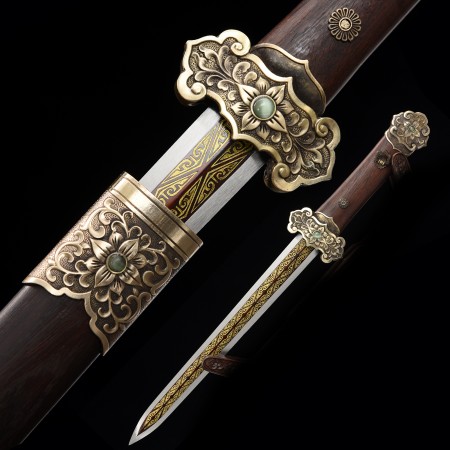
The Chinese taiji jian is one of several distinct sword traditions within Chinese blade history, each with its own design logic and cultural associations. The jian is the straight double-edged sword associated with scholars, refined martial practitioners, and the tai chi tradition - it is the most nuanced and technically demanding of Chinese sword types for practice, requiring precise wrist articulation and circular technique. The dao, or broadsword, is the single-edged curved blade associated with military use, Wushu performance, and more powerful sweeping techniques - tai chi dao practice exists as well, but the dao's design emphasizes different physical qualities than the jian. The dadao is a two-handed great sword or halberd form, larger and more powerful than standard dao or jian designs. The guan dao is a pole weapon with a heavy blade, associated with the legendary general Guan Yu and with certain Wushu traditions. Within the jian category specifically, the taiji jian is distinguished from shorter or heavier jian designs by its balance and flexibility characteristics. For collectors interested in multiple Chinese sword styles, our broader Chinese sword collection covers options across these various traditions.

Customer Reviews