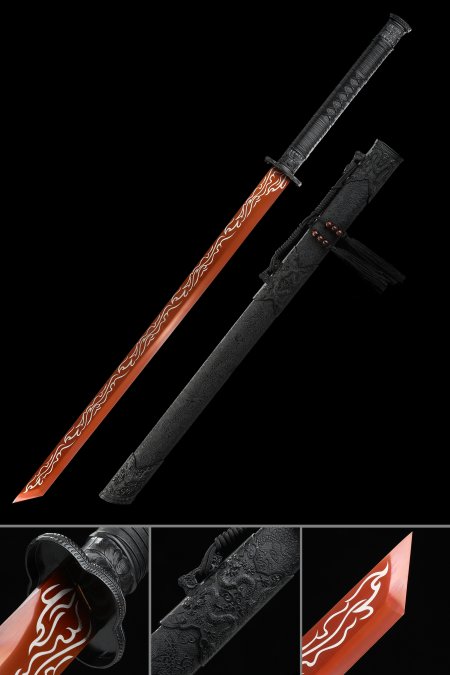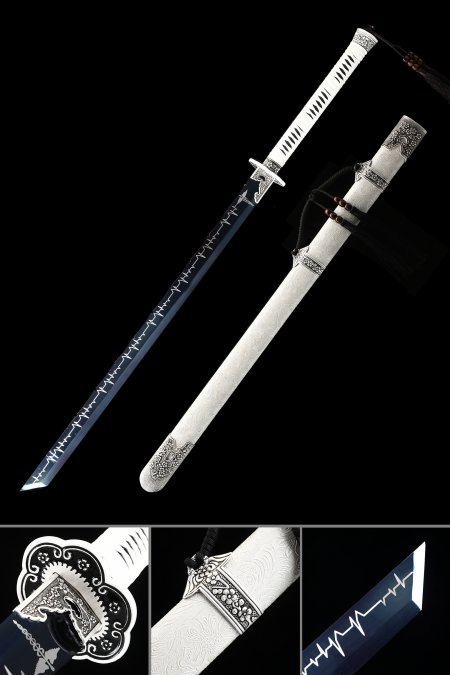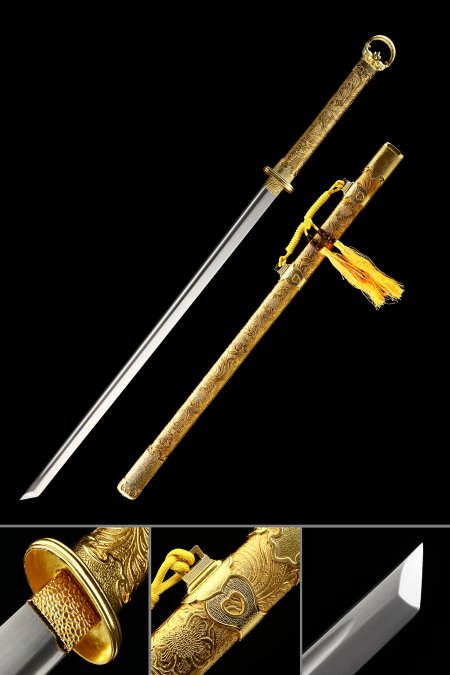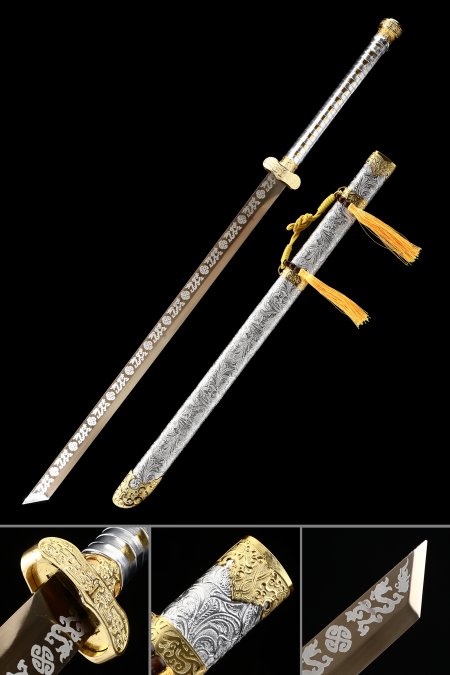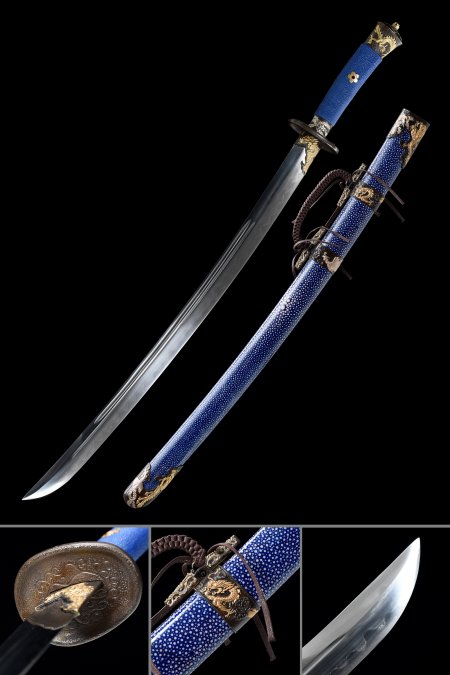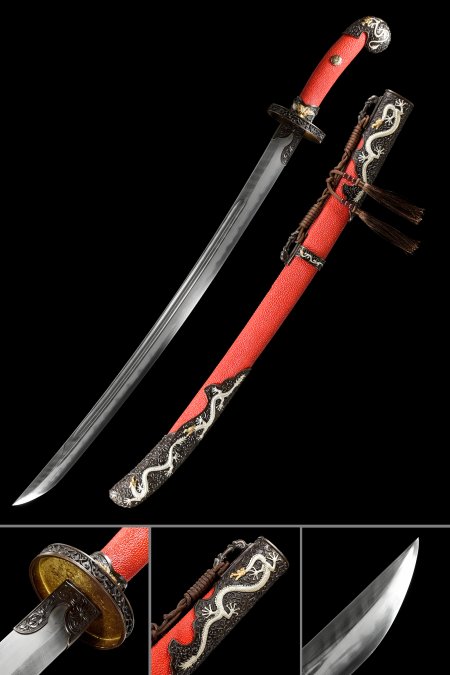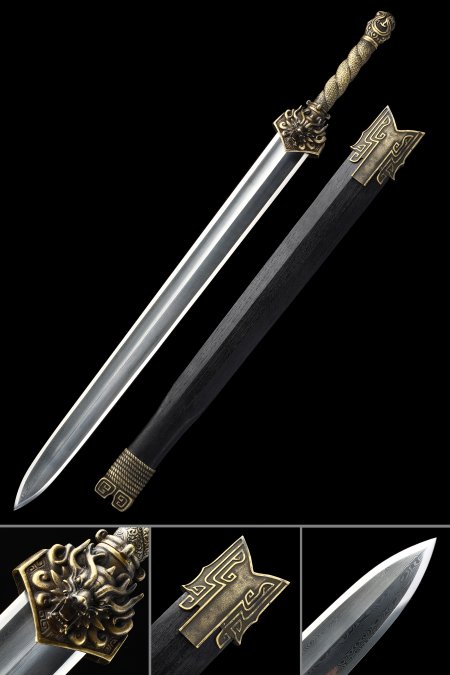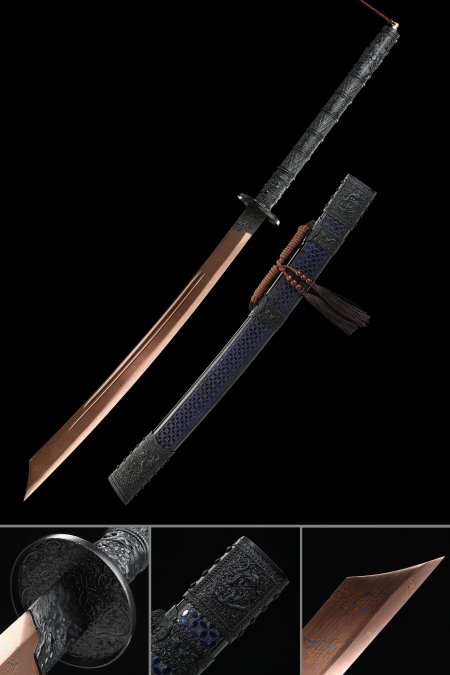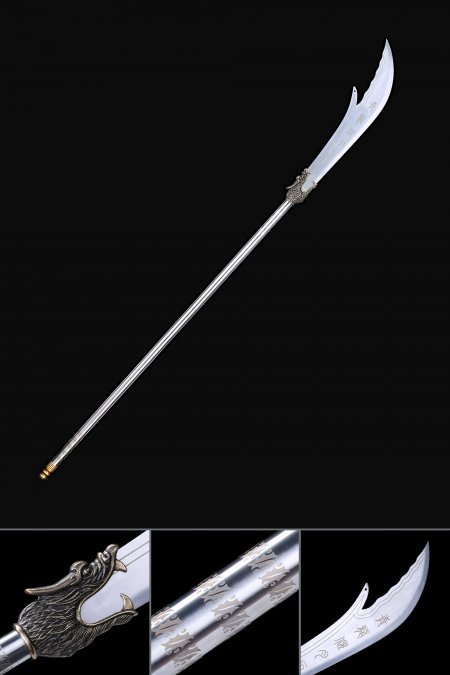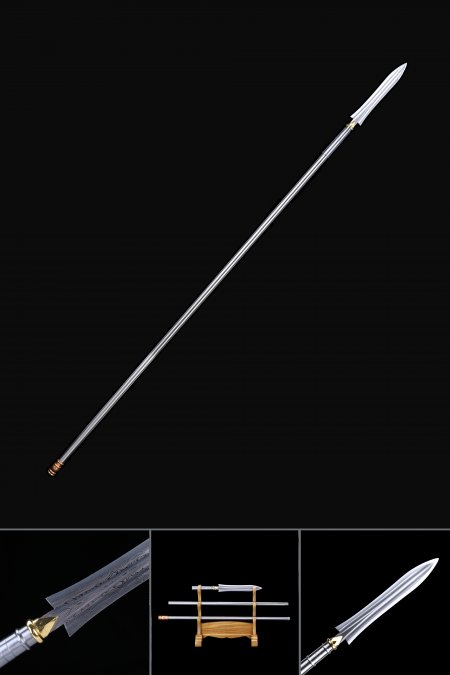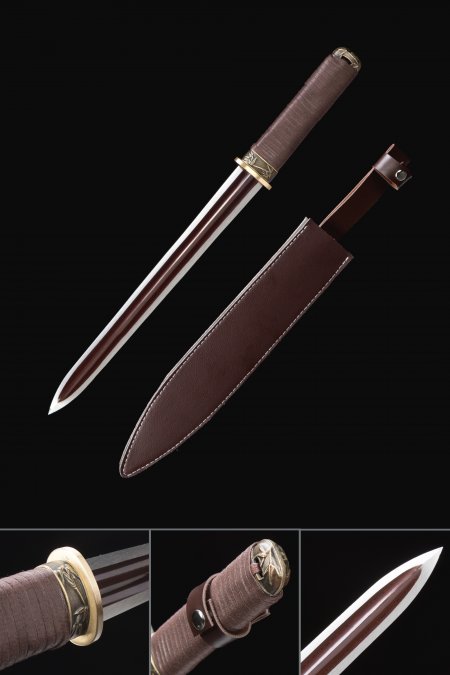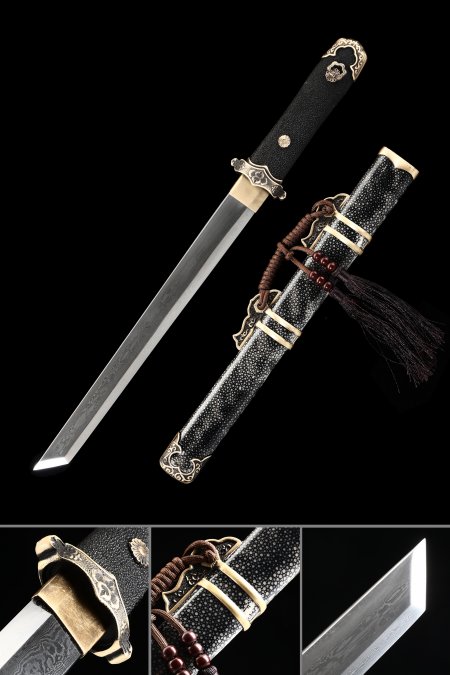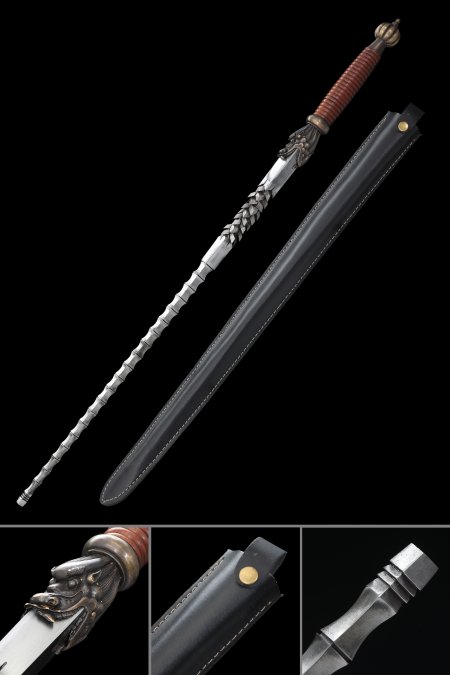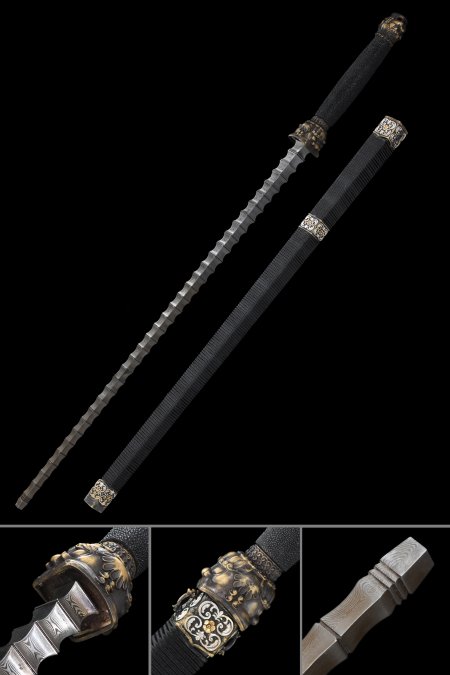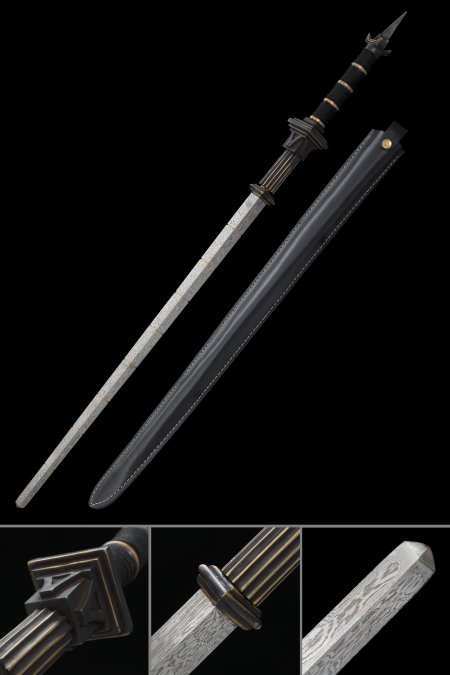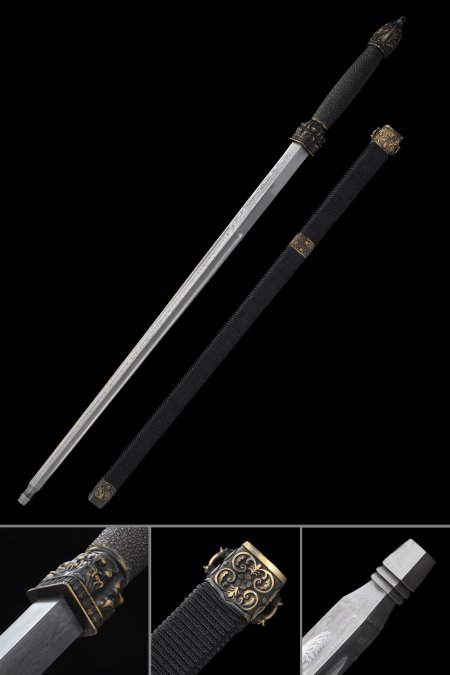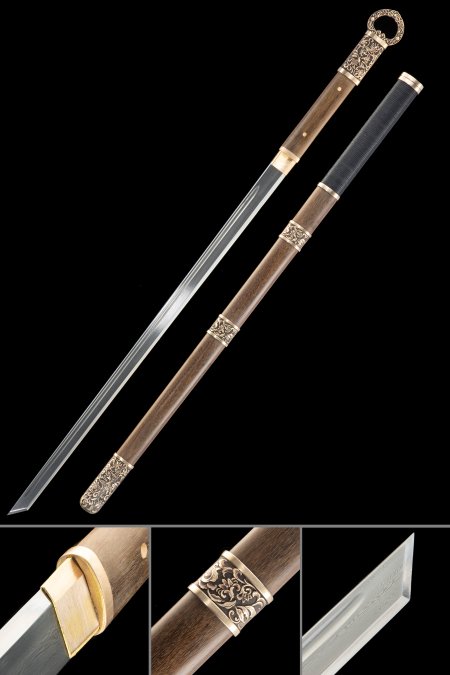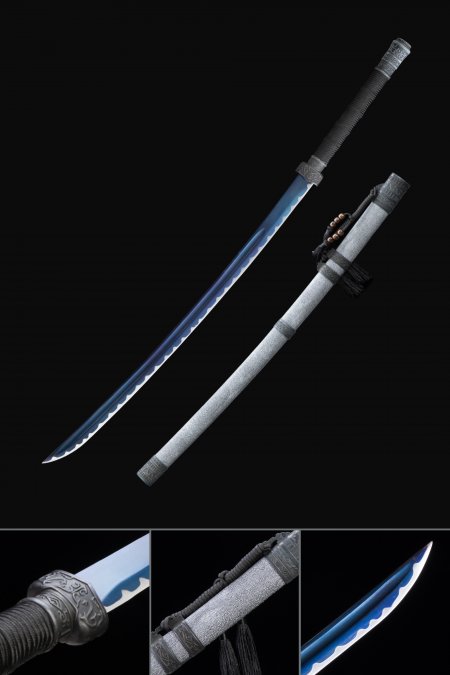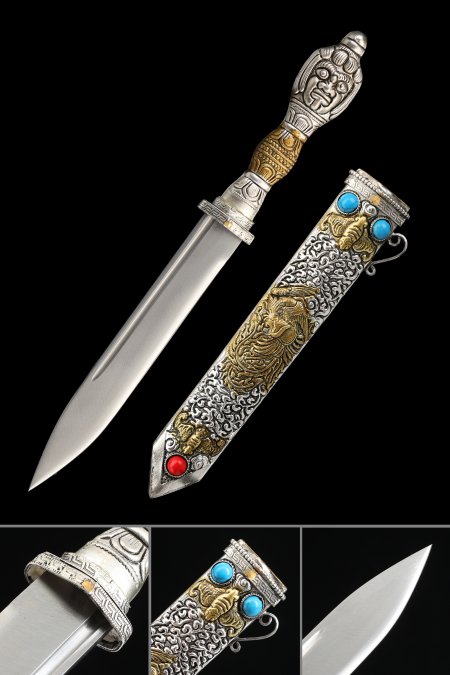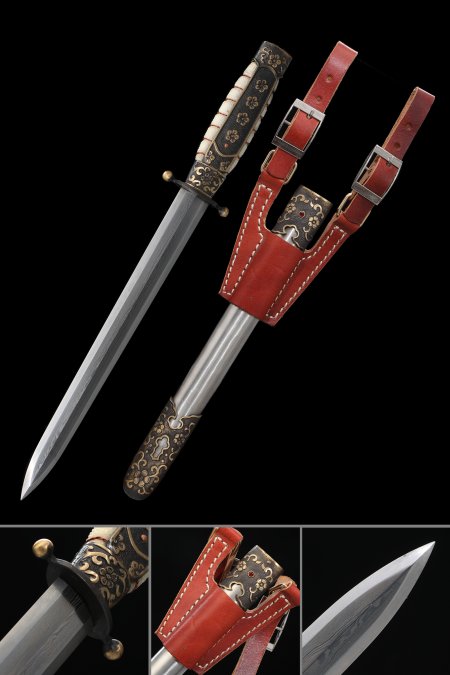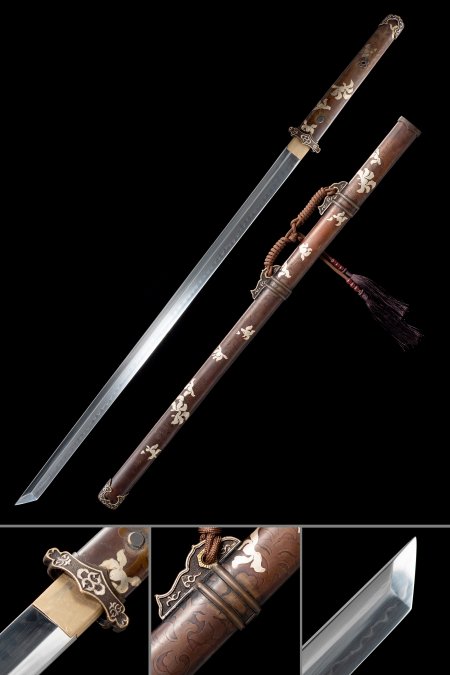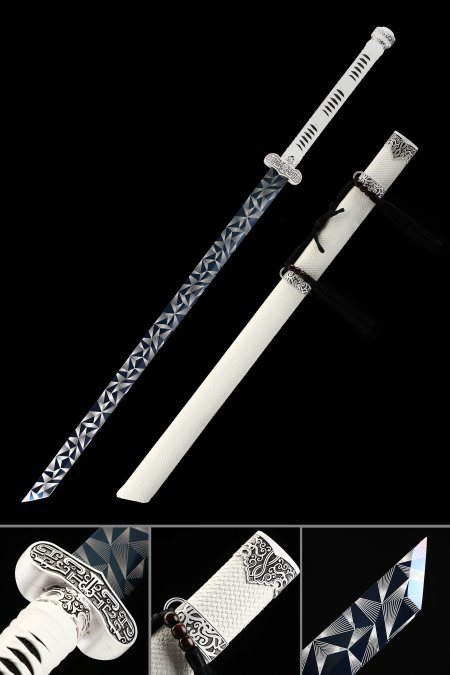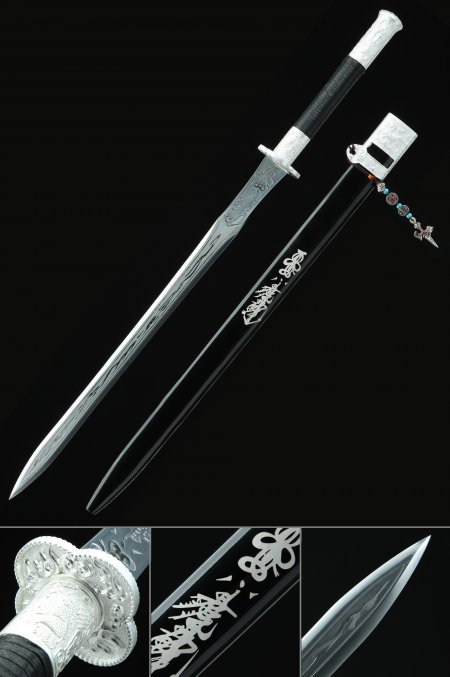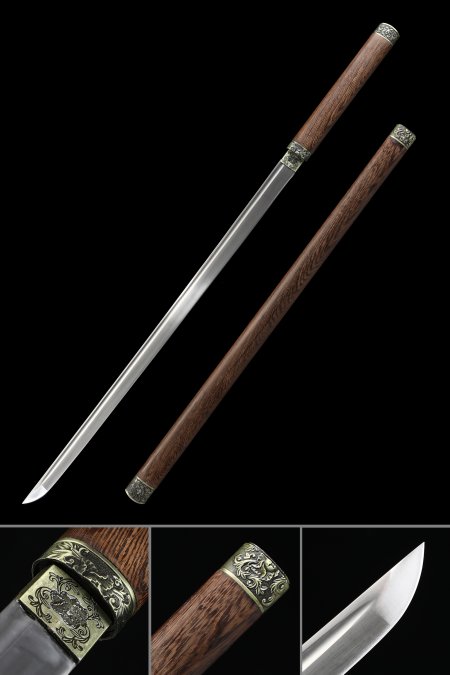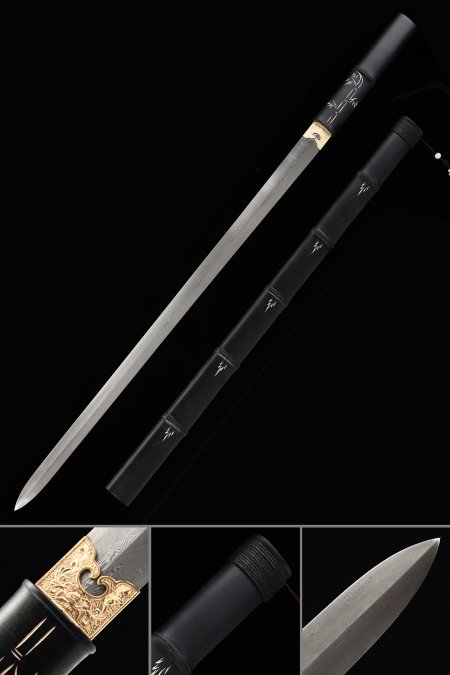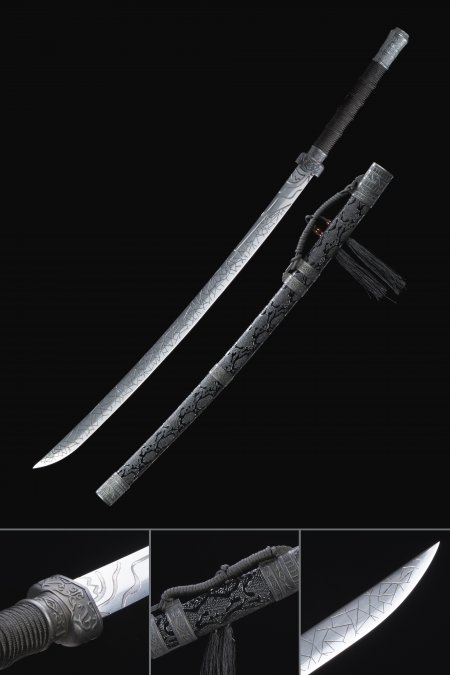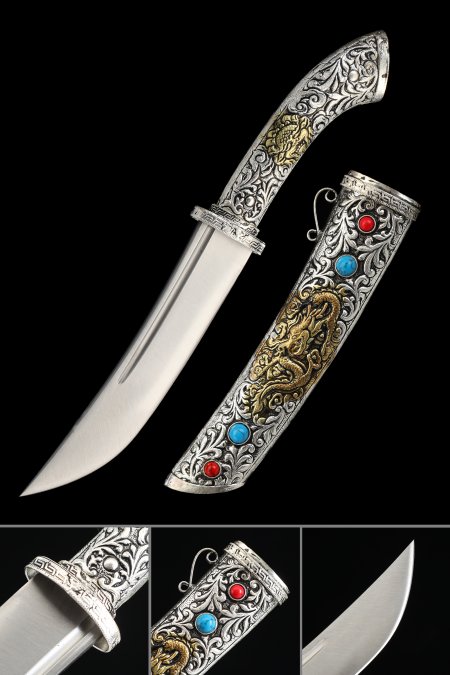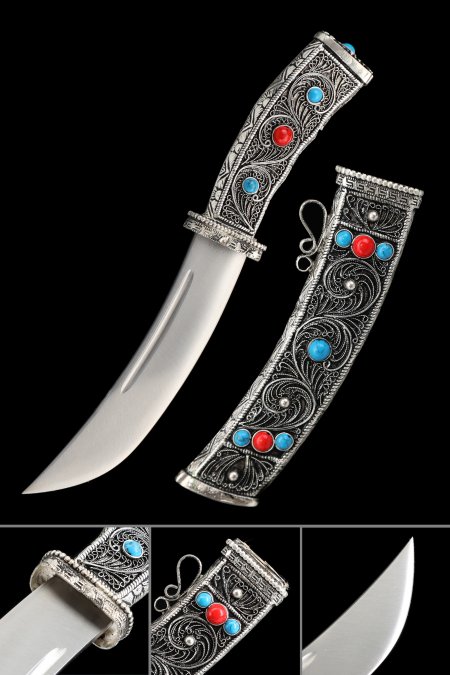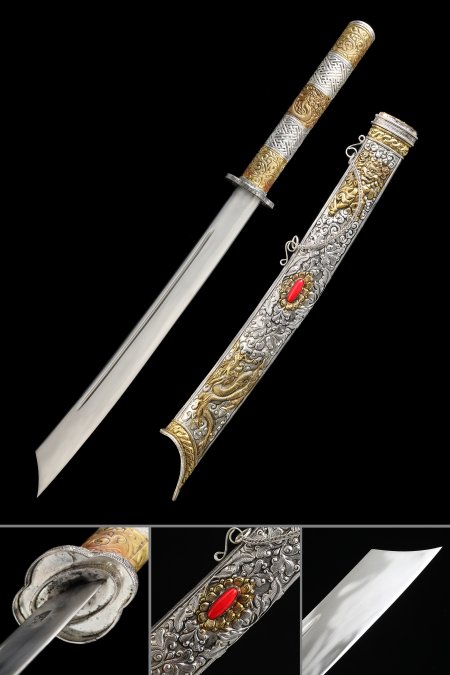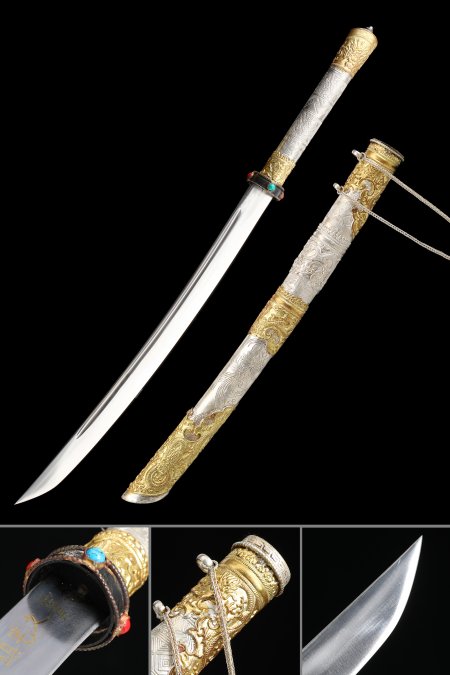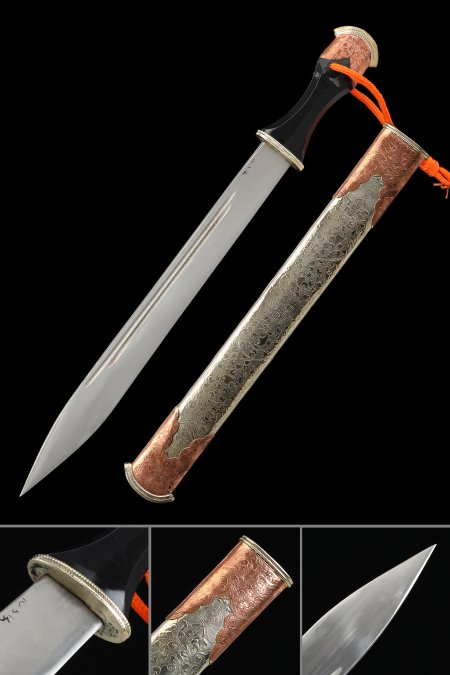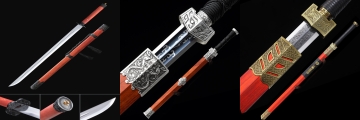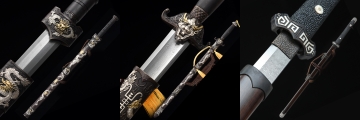
Chinese War Sword

Explore our collection of Chinese war swords - hand-forged Chinese blade collectibles built in the tradition of historical Chinese military sword forms, spanning Han Dynasty jian straight swords, dao broadswords, and Chinese saber configurations in Manganese Steel, 1095 carbon steel, and Damascus steel. Each piece features full-tang construction and fittings drawn from the Chinese military sword heritage. Free US shipping and hassle-free returns included.
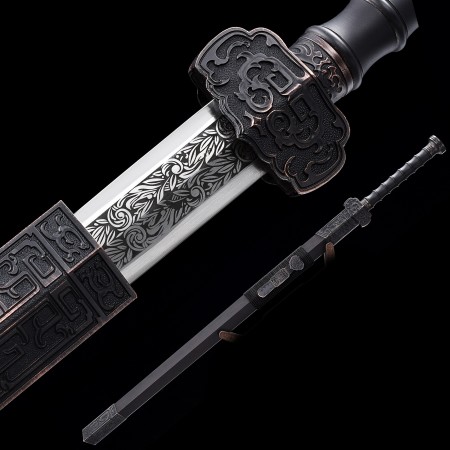
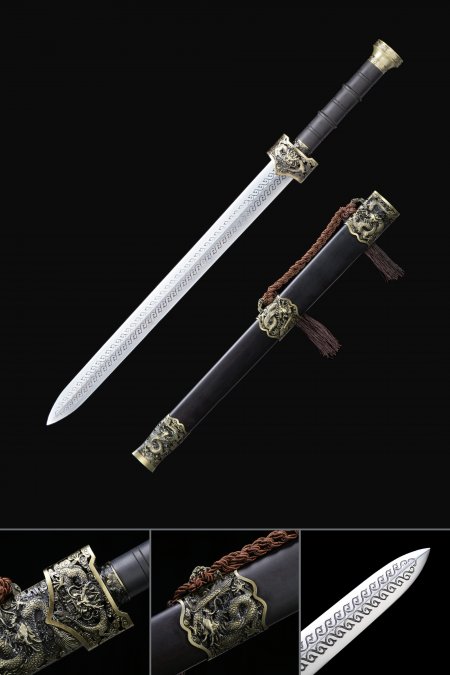
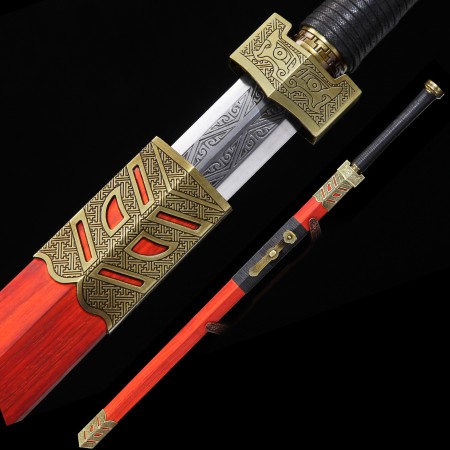
Showing 127 Products

Related Collections

Frequently Asked Questions

What historical Chinese military sword forms are represented in this collection?
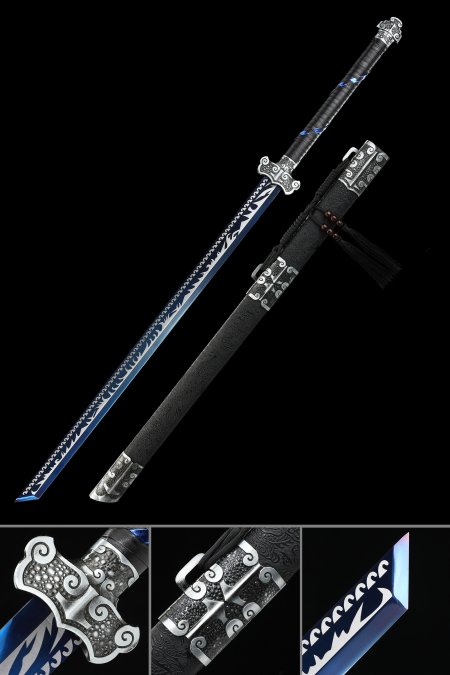
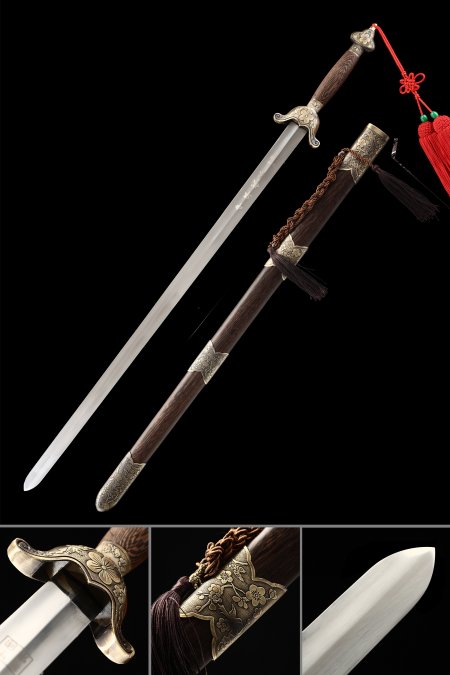
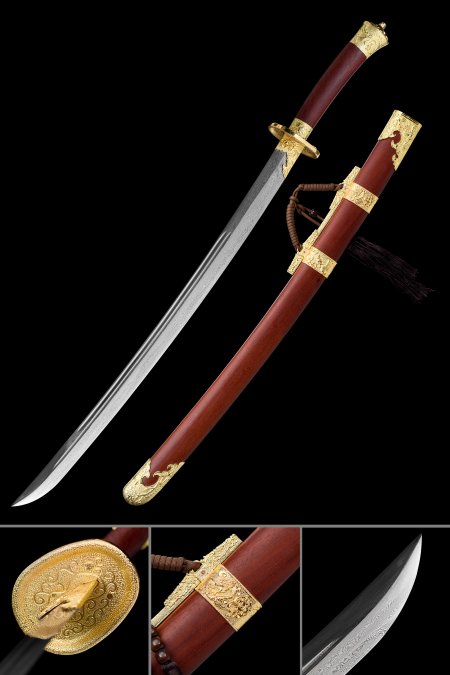
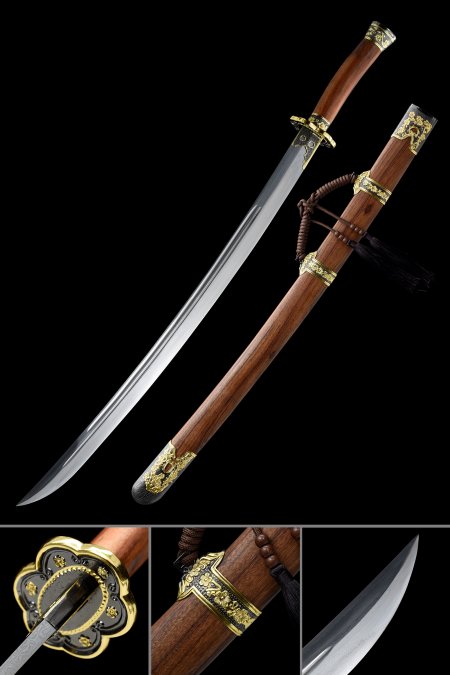
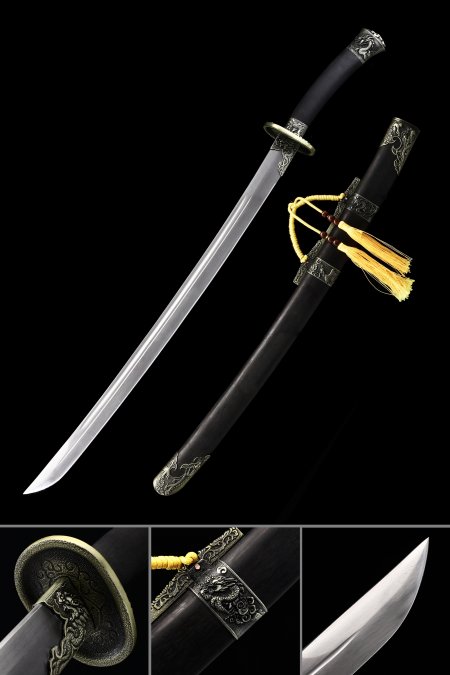
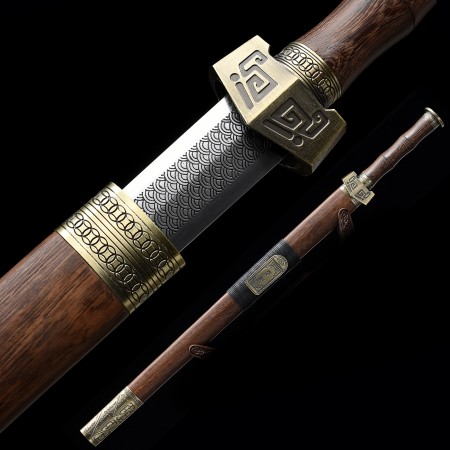
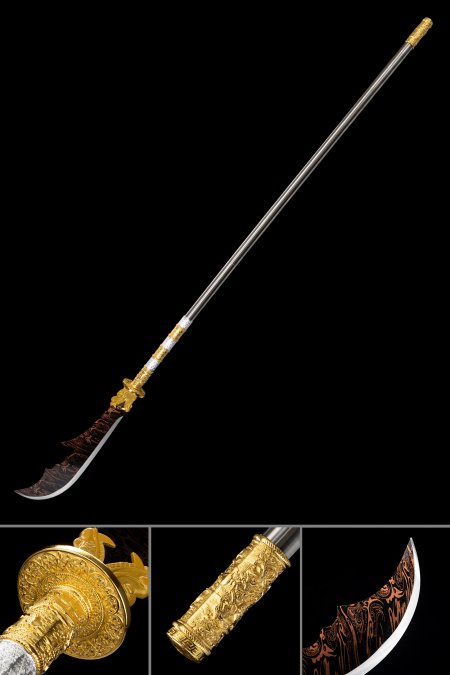
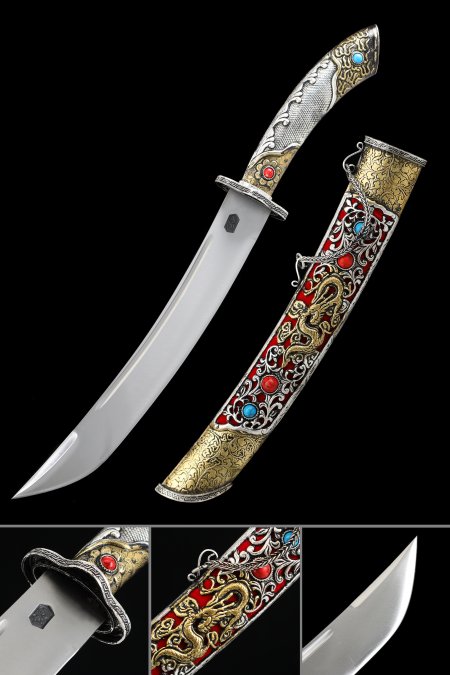
The Chinese war sword collection draws on several of the most historically significant blade forms from the Chinese military tradition. The Han Dynasty jian is the most classically important: a double-edged straight sword whose basic form was established during the Han Dynasty period and has remained the canonical Chinese straight sword form ever since. The jian was associated with officers, scholars, and the highest tiers of Chinese military culture, and its elegant straight profile made it the most refined of the Chinese sword forms. The dao is the curved single-edged alternative - a broader, heavier blade that was the primary weapon of Chinese infantry across many historical periods. The dao's curved silhouette and the weight of its wider blade give it a very different visual and handling character from the jian. The Chinese saber form, which relates to the dao tradition but with more slender proportions, is also represented. These three main forms - jian, dao, and saber - cover the essential categories of historical Chinese military blade design.
What steel grades are used in Chinese war sword collectibles?
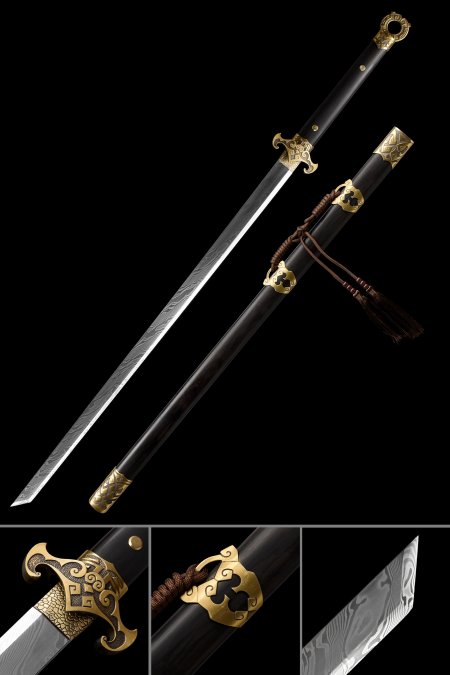
Chinese war sword collectibles in this collection use high-carbon steel grades appropriate to the construction standards of historical Chinese military blades. Manganese Steel is the most widely used grade for its exceptional surface hardness and consistent finish quality - a combination well suited to the dao's broad blade profile and the jian's clean straight geometry. The exceptional hardness of Manganese Steel also gives Chinese war sword pieces a blade character that complements their historical associations with military use. 1095 carbon steel is used in premium jian pieces, with its high carbon content of approximately 0.95% producing significant blade hardness and refined surface quality. Damascus steel Chinese war swords combine fold-forged layered blade patterning with the Chinese sword forms, creating collectibles where the layered Damascus structure is visible across the double-edged jian profile or the single-edged dao blade. All grades feature full-tang construction with proper handle assembly and scabbard housing appropriate to a serious Chinese sword collectible.
How does a Chinese dao broadsword differ from a Japanese katana?
A Chinese dao broadsword and a Japanese katana share the single-edged curved blade format but differ significantly in their specific geometry, cultural origin, and visual character. The dao's blade is typically broader and heavier than the katana's, with a more pronounced width at the mid-section that narrows toward the tip - this gives the dao a different visual weight distribution from the katana's more tapered profile. The dao's curve tends to be concentrated toward the blade tip rather than distributed along the full blade length as in the katana, creating a different cutting geometry. The dao handle and fitting system is distinctly Chinese rather than Japanese: Chinese sword handles often feature disc or oval guards, single-piece or wrapped handles without the katana's ito wrapping system, and scabbard construction that reflects Chinese rather than Japanese fitting traditions. The dao's scabbard hanging and carrying orientation also differs from the katana's. Both are outstanding examples of their respective sword-making traditions, and collecting both gives a display that represents the range of Asia's great blade-making cultures.
What makes a Han Dynasty jian a significant collectible?
A Han Dynasty jian is significant as a collectible for both historical and aesthetic reasons. The Han Dynasty period roughly 206 BCE to 220 CE was the era during which the jian reached its classical form - the blade length, cross-section geometry, and proportion that defines the Han jian became the standard against which later Chinese straight swords were measured, making the Han Dynasty jian the reference form of the entire Chinese jian tradition. The jian's visual elegance is also historically significant: it was the sword associated with Chinese scholars, officials, and martial arts practitioners of the highest cultural level, which gave the jian a prestige status in Chinese culture analogous to the katana's status in Japanese culture. A Han Dynasty jian replica built from Manganese Steel or 1095 carbon steel with full-tang construction is a physical engagement with this history - a form whose proportions and visual character were established over two thousand years ago and have remained visually compelling ever since. For collectors with interest in the breadth of world sword history, the Han Dynasty jian is one of the essential collectibles.

Customer Reviews

Eugene Berry Pennsylvania, United States

The sword is of excellent quality and has an exquisite beauty. Been practicing Tai Chi for decades and wanted to incorporate swordsmanship. This is an ideal sword to practice this martial art. It is all that I imagined. Would highly recommend this sword. Everyone who has seen it remarked at its beauty and quality.

Handmade Tai Chi Jian - Stainless Steel Chinese Tai Chi Sword With Rosewood Scabbard Handmade Tai Chi Jian - Stainless Steel Chinese Tai Chi Sword With Rosewood Scabbard