Dragon Blade Hamidashi
The Dragon Blade Hamidashi collection brings together hand-forged tanto and hamidashi tanto pieces defined by dragon-motif fittings, patterned blades, and refined lacquered saya. Each piece is crafted from quality steel — including T10 and Damascus — and fitted with ornate tsuba, brass or copper accents, and cord-wrapped handles that reflect classical Japanese aesthetic traditions. These are collectible display pieces built for the discerning enthusiast who values both visual artistry and authentic construction. Every order ships free with hassle-free returns, so you can collect with complete confidence.
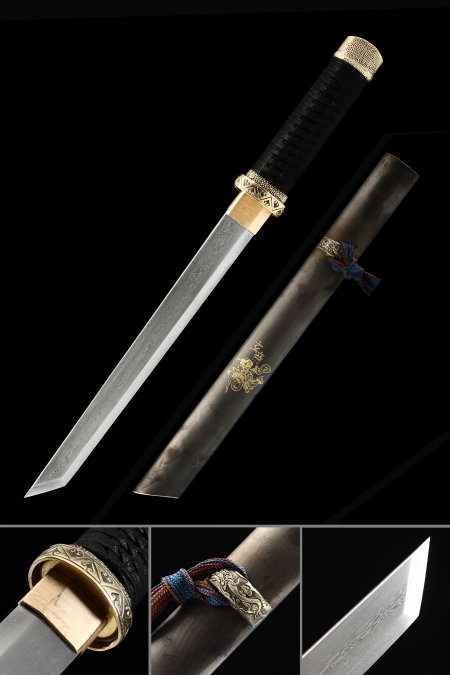
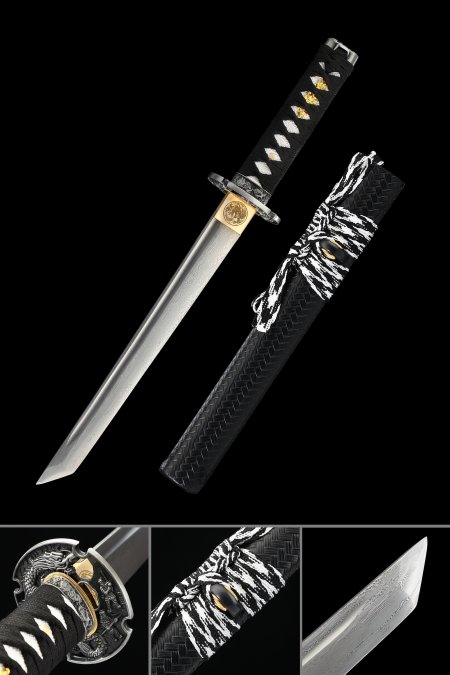
ON SALE 30% OFF
$109.00$159.00
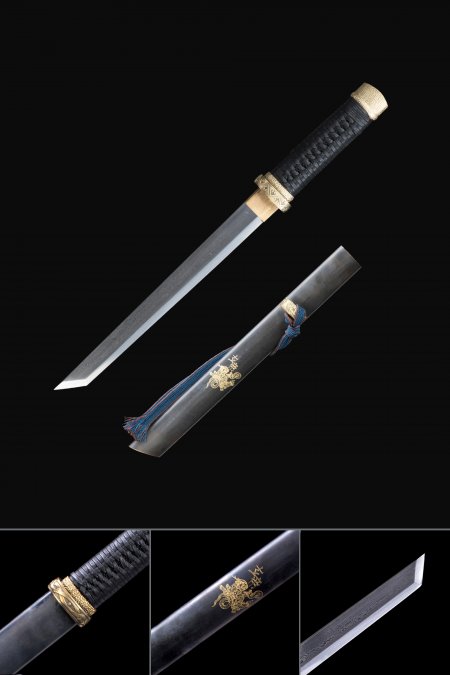
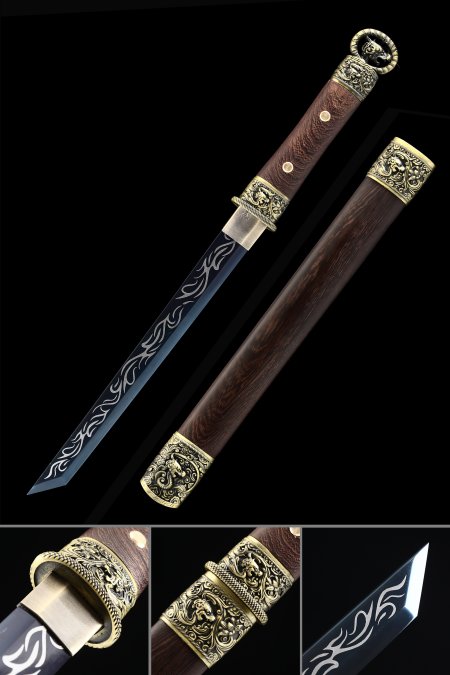
1 Reviews
ON SALE 30% OFF
$109.00$159.00
Related Collections
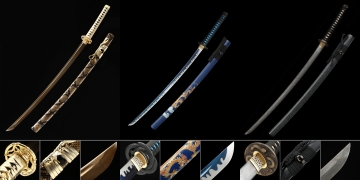
Snake Tsuba Katana41 items
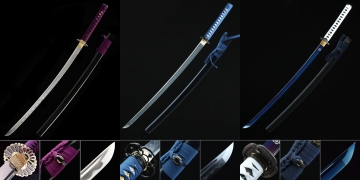
Flower Tsuba Katana61 items
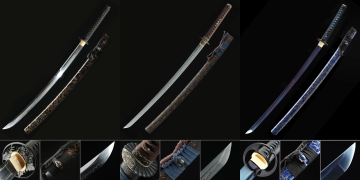
Vine Saya Katana47 items
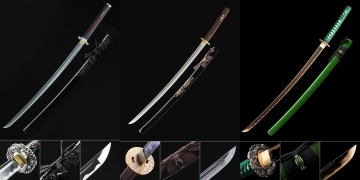
Wave Tsuba Katana40 items
Frequently Asked Questions
What makes a hamidashi tanto different from a standard tanto?
The core difference is the tsuba — the guard. A standard tanto typically uses a full, round or shaped tsuba with a pronounced profile, while the hamidashi tanto features a very shallow, coin-like guard that barely extends beyond the handle. This minimalist guard style gives the hamidashi a cleaner silhouette and was historically associated with formal dress wear rather than field use. For collectors, this distinction matters both aesthetically and historically: the hamidashi’s restrained guard design reflects the Edo-period emphasis on refined appearance, making it a particularly elegant format for display-oriented pieces.
What is the visual difference between T10 and Damascus blade patterns?
T10 steel blades are typically finished to show the hamon — a wavy or irregular temper line running along the length of the blade near the edge. This line forms naturally during the clay differential hardening process, where the spine cools slower than the edge. No two hamon are identical, which makes each T10 blade visually unique. Damascus-patterned blades, by contrast, display flowing layered patterns across the entire blade surface, produced by forge-welding multiple steel types together and manipulating them through repeated folding. The result is a woodgrain or water-ripple texture that’s immediately recognizable. Both are visually compelling for display — T10 rewards edge-on examination while Damascus is best appreciated from a flat view.
What does the dragon motif symbolize on Japanese sword fittings?
In Japanese tradition, the dragon — ryū — carries entirely different connotations than its Western counterpart. Rather than representing danger or destruction, the Japanese dragon symbolizes wisdom, protection, and mastery over the natural forces of water and sky. Its appearance on sword fittings, particularly tsuba and fuchi-kashira, was considered auspicious — a guardian symbol for the owner. Metalworkers of the Edo period developed highly refined techniques for rendering dragon imagery in copper, brass, and shakudō, often depicting the creature mid-coil or emerging from cloud forms. Collectors who choose dragon-motif pieces are connecting with that symbolic vocabulary, which remains one of the most historically grounded decorative traditions in Japanese blade craft.
How should I store and maintain a lacquered saya display piece?
Lacquered saya require a bit more attention than plain wood scabbards. Avoid prolonged exposure to direct sunlight, which can fade or crack the lacquer surface over time. Store the piece horizontally in a low-humidity environment — humidity fluctuations cause wood to expand and contract, which can stress the lacquer layer. For the blade itself, apply a light coat of choji oil or food-grade mineral oil every few months using a clean cloth to prevent surface oxidation. When wiping down the blade, always move the cloth from spine to edge direction rather than lengthwise to avoid scratching the polished surface. Do not store the blade in the saya for extended periods without occasional inspection, as trapped moisture accelerates corrosion even on high-carbon steel.
Is a hamidashi tanto a good starting piece for a Japanese blade collection?
For collectors new to Japanese blade forms, the hamidashi tanto is an excellent entry point for several reasons. Its compact size makes it easy to display — a tanto-length piece fits naturally in a tabletop stand or wall mount without requiring the dedicated wall space a katana demands. The hamidashi format also concentrates all the key elements of Japanese blade craft — steel construction, handle wrapping, tsuba design, saya finishing — in a single piece that can be studied closely. Dragon-themed fittings add an accessible layer of symbolic and decorative interest that many new collectors find immediately engaging. If you later expand into longer forms, the knowledge gained from examining a well-made tanto translates directly to appreciating katana and tachi construction.