Koi Tsuba Tanto
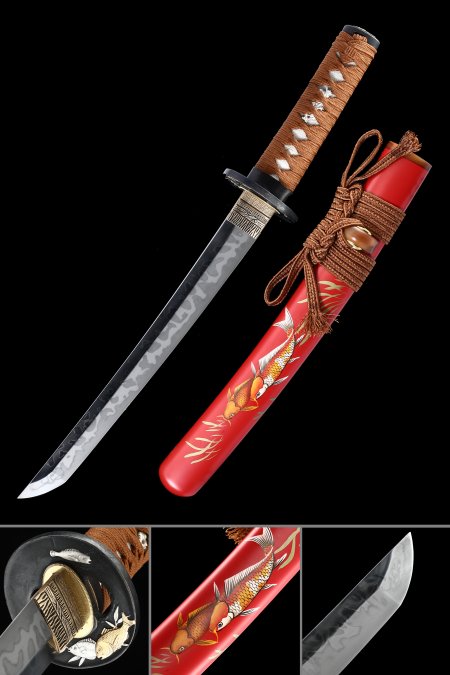
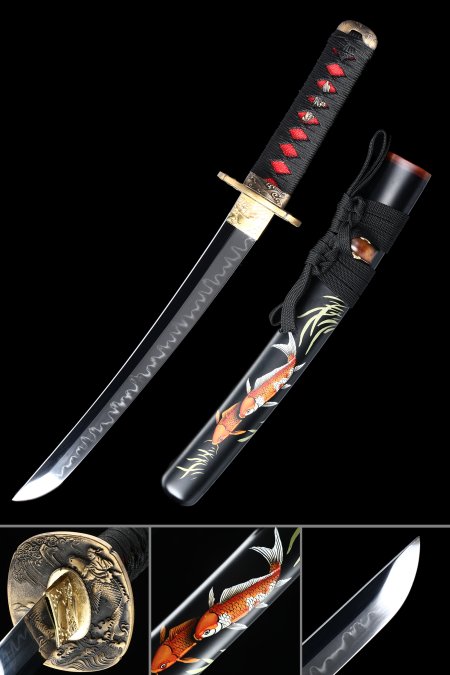
The Koi Tsuba Tanto collection brings together hand-forged T10 carbon steel blades paired with intricately crafted koi-themed fittings - a union of sharp artisanship and classical Japanese symbolism. Each piece features a full-tang construction, hand-lacquered saya with painted koi motifs, and a distinctive koi tsuba that transforms every tanto into a gallery-worthy display piece. Free standard shipping is included on all orders, along with a hassle-free return policy for your peace of mind.
Related Collections
Skull Tsuba Katana28 items
Flame Blade Katana29 items
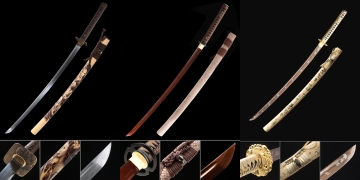
Beige Saya Katana32 items
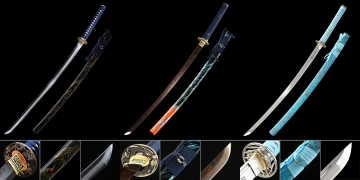
Crane Tsuba Katana29 items
Frequently Asked Questions
What makes T10 carbon steel a preferred choice for tanto collectibles?
T10 tool steel is prized among collectors for its capacity to produce a well-defined hamon - the wavy temper line along the blade that results from clay-differential hardening. With a carbon content near 1.0%, T10 is hard enough to hold a refined edge geometry while still being polishable to a mirror or satin finish that reveals the steel's internal grain structure. Unlike stainless alloys, T10 shows visible activity in the hamon when held under raking light, giving each blade a unique visual fingerprint. This material character is exactly why collectors favor T10 for display tantos: the steel itself becomes part of the aesthetic.
What does the koi tsuba symbolize, and why is it popular on tantos?
In Japanese iconography, the koi represents perseverance and auspicious transformation - qualities drawn from the legend of the koi ascending a waterfall to become a dragon. On a tanto, the tsuba (hand guard) is the most visually prominent fitting and the natural canvas for symbolic decoration. A koi-motif tsuba brings cultural depth to the piece, making it meaningful as both a display object and a gift. The flowing, dynamic form of koi in motion also translates well into metalwork: the curves of the fish complement the clean geometry of the tanto blade, creating a composition that feels intentional rather than decorative for its own sake.
How does a koi-painted saya differ from a standard lacquered saya?
A standard lacquered saya typically features a single-color finish - most commonly solid black - applied for durability and a clean presentation. A koi-painted saya adds a layer of hand-applied decorative work on top of that base finish, using pigmented lacquer or paint to render koi imagery in detail. The complexity of the finished piece increases significantly: the painter must work around the saya's curved surface, and the imagery must remain legible when the tanto is both sheathed and held for display. Gold koi detailing on a black saya, for example, requires careful layering to achieve depth and contrast. These saya are best appreciated when the tanto is displayed on a stand with the saya visible alongside the blade.
How should I store a T10 tanto to keep the blade in good condition long-term?
T10 carbon steel is more reactive to moisture than stainless alloys, so storage environment matters. Apply a thin coat of choji oil or food-grade mineral oil to the blade before long-term storage, wiping off any excess with a soft cloth. Display the tanto horizontally on a wooden or padded stand with the edge facing upward - this is the traditional orientation and reduces uneven pressure on the saya interior. Avoid placing the piece in areas with fluctuating humidity or near heating vents. If displaying inside a glass case, a small silica gel packet will help maintain stable humidity. Re-oil the blade every three to six months if the piece is displayed in an open environment.
Do koi tsuba tantos work well as gifts for Japanese art and history enthusiasts?
They are an excellent choice for collectors with an interest in Japanese craft traditions, as the koi motif carries genuine cultural weight rather than being purely decorative. The combination of a hand-forged T10 blade, hand-painted saya, and cast koi tsuba makes the piece feel considered and complete - qualities that distinguish a meaningful collectible from a generic ornamental item. For gifting purposes, the visual impact when unboxed is strong, and the symbolic associations of the koi make it appropriate for milestones such as career achievements or significant anniversaries. Pairing a koi tsuba tanto with a display stand creates a presentation-ready set that requires no additional preparation.