Bronze Tsuba Tanto

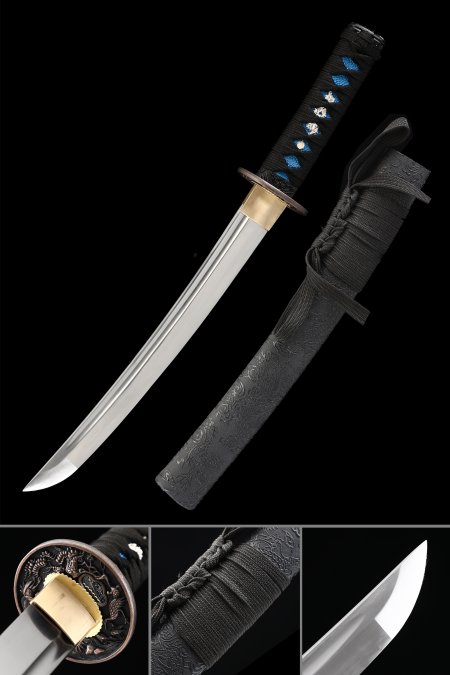
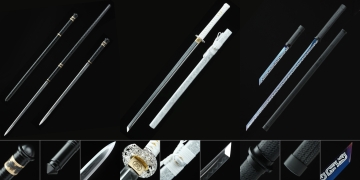
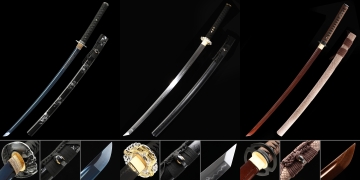
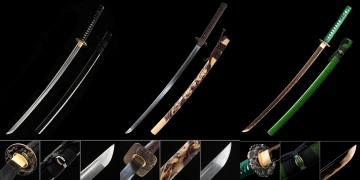
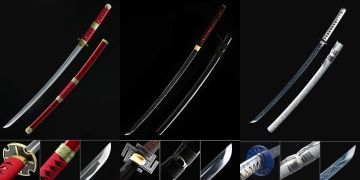
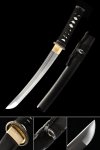
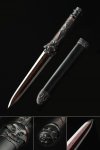
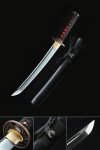
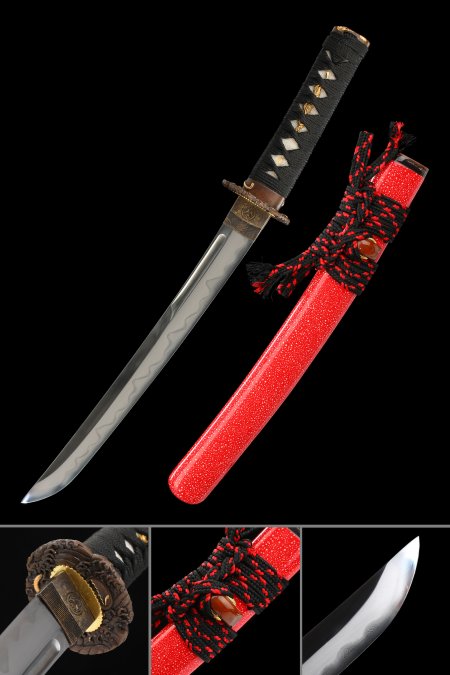
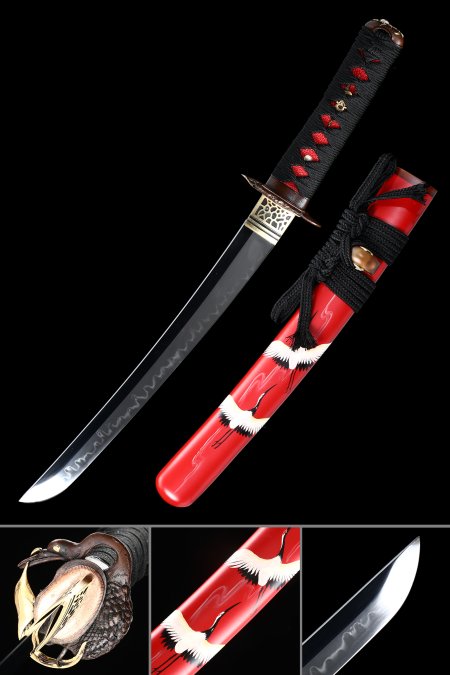
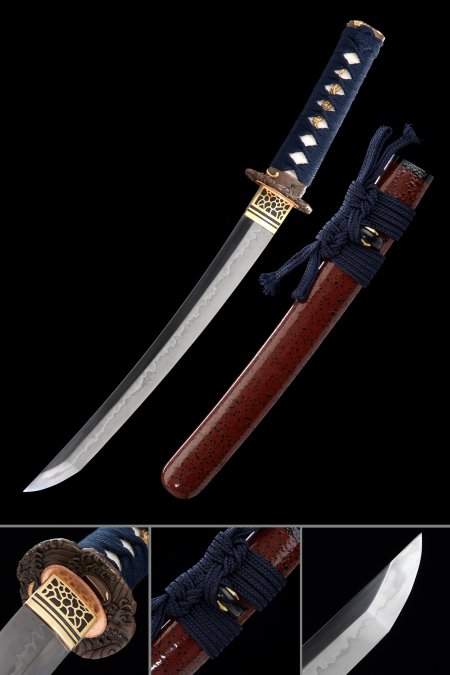
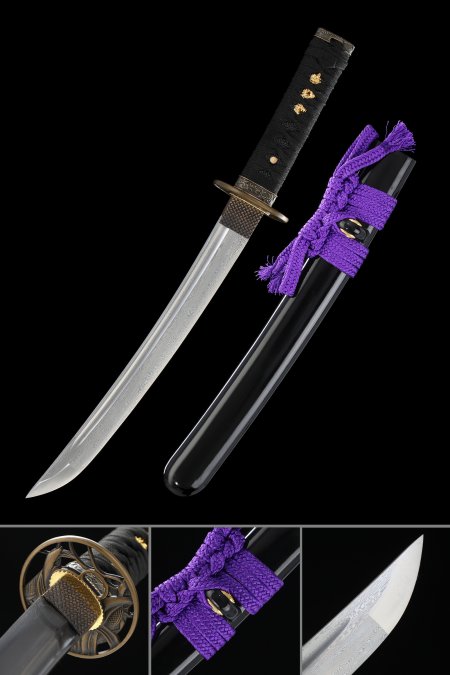
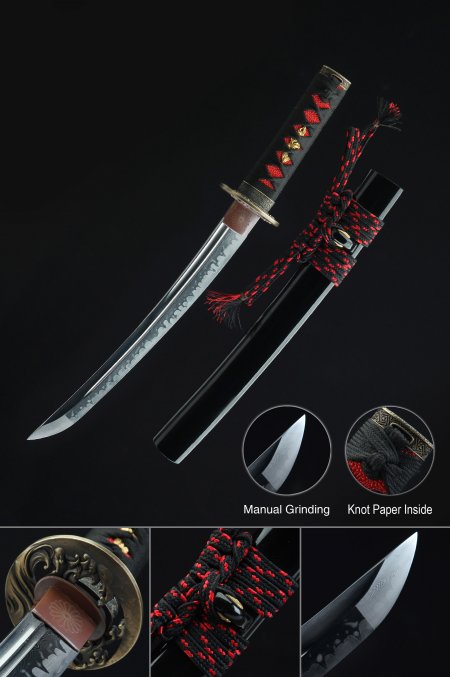
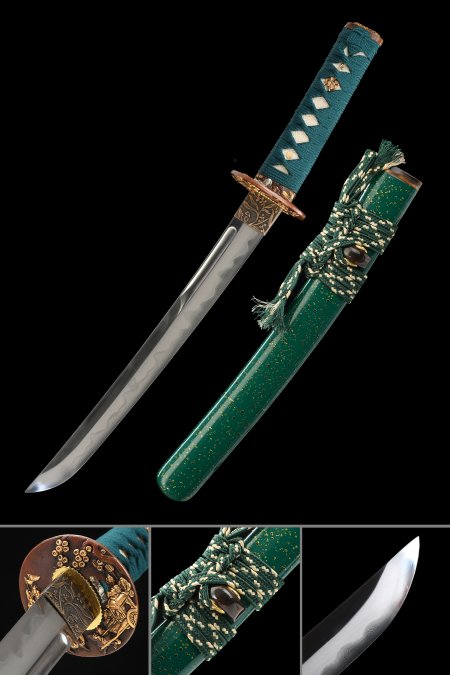
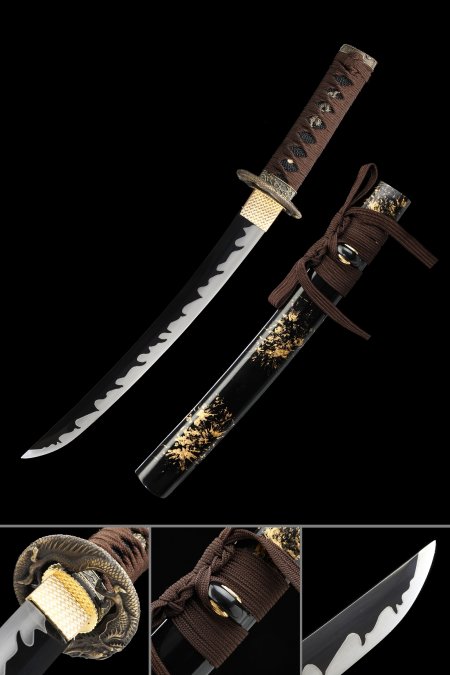
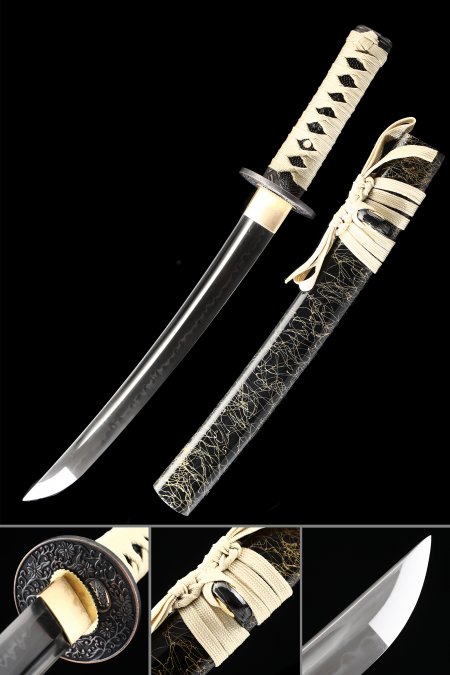
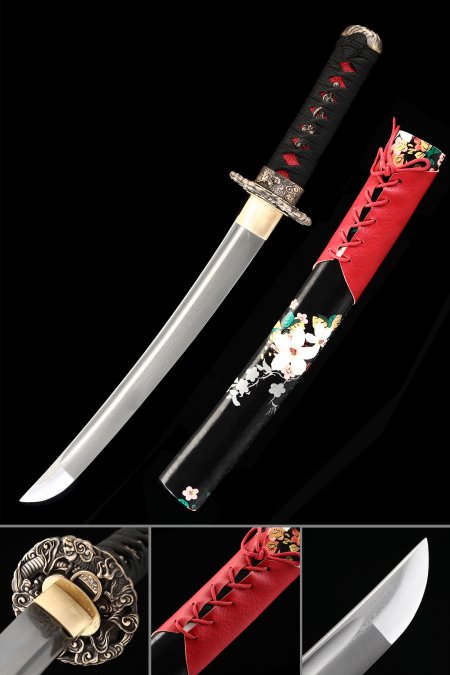
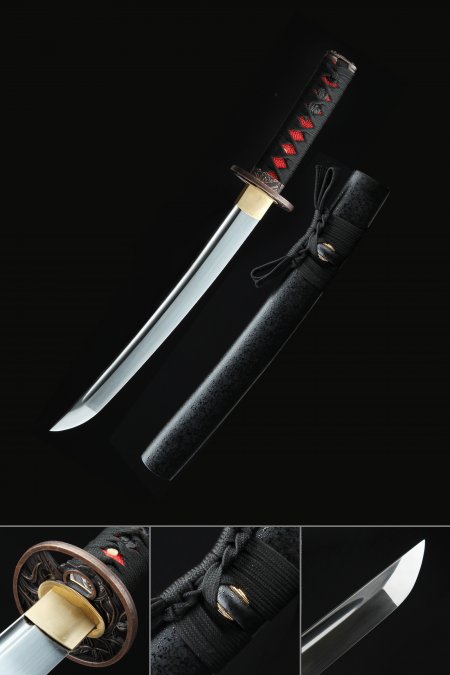
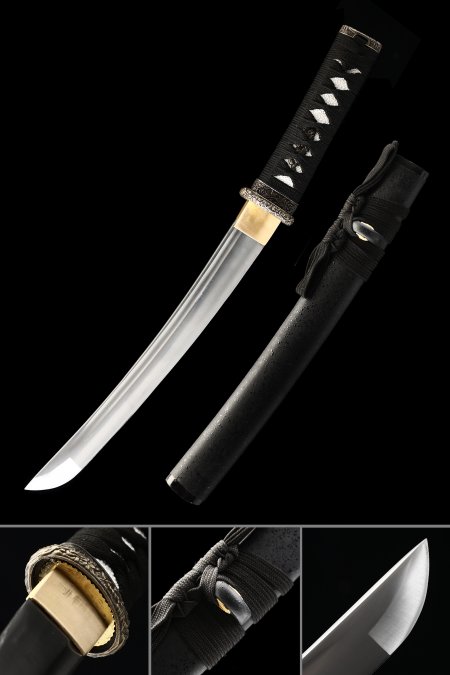
Bronze tsuba tanto bring together the quiet strength of hand-forged steel blades and the warm, aged character of cast bronze fittings - a pairing that has defined Japanese blade artistry for centuries. Each piece in this collection features a full-tang construction with carefully finished mounts, from silk-wrapped handles to lacquered saya, making them standout additions to any serious display. Free standard shipping is included on all orders, backed by our hassle-free return policy.
Showing 13 Products

Frequently Asked Questions

What makes bronze a preferred material for tanto tsuba?
Bronze has been used in Japanese sword fittings for centuries because it strikes an ideal balance between workability and durability. Unlike iron, which was common on utilitarian blades, bronze accepts fine engraving and relief casting with exceptional detail - allowing artisans to render motifs like beasts, flowers, and geometric patterns with clean edges. It also develops a natural patina over time, shifting from bright gold-amber toward deeper olive and brown tones that many collectors actively value as a sign of age and authenticity. On a display tanto, a bronze tsuba adds visual warmth that contrasts beautifully against dark lacquered saya and wrapped handles, creating the kind of tonal depth that photographs well and rewards close inspection.
How does 1045 carbon steel compare to T10 and Damascus on tanto blades?
These three steel types represent different points on the spectrum from accessible to refined. 1045 carbon steel is a dependable mid-carbon alloy that grinds and polishes cleanly, producing a bright, uniform surface. It is an excellent choice when the visual emphasis is on the fittings rather than the blade itself. T10 tool steel has a higher carbon content and, when clay tempered, produces a visible hamon - the wavy temper line along the edge - that gives the blade a strong traditional character. Damascus pattern steel, formed by folding and welding layers of contrasting alloys, shows a flowing surface pattern unique to each billet. All three are used in this collection, and the right choice depends on whether a collector is prioritizing simplicity, classical tradition, or layered visual complexity.
Is samegawa on the handle purely decorative?
Samegawa - the ray skin applied beneath the ito wrap on a tanto handle - is both structural and aesthetic. The raised pebbly texture of ray skin creates a surface that prevents the cord wrap from shifting over time, keeping the handle assembly tight and stable. On display pieces, it also adds an authentic layer of construction that mirrors the approach used on historically significant Japanese blades. The color of the samegawa - whether natural white, dyed black, or red - contributes to the overall color scheme of the handle and is visible in the open diamond spaces between the ito crossing points, making it an active part of the visual design rather than a hidden underlayer.
How should I store a bronze tsuba tanto for long-term display?
For long-term display, the three main concerns are moisture, light, and physical stress on the fittings. Store the tanto in its saya in a stable environment - ideally between 40-55% relative humidity - to prevent the lacquer from cracking and the cord wrap from loosening. Apply a thin coat of choji oil or food-grade mineral oil to the blade every few months to prevent surface oxidation; use a soft cloth and work from the spine toward the edge. Avoid direct sunlight, which can fade sageo cord and silk ito over time. The bronze tsuba requires no special treatment - its natural patina is part of its appeal and should be left to develop rather than polished away with abrasive compounds.
Are these tanto a good option as a curated display gift?
Bronze tsuba tanto make a strong choice for gift-giving precisely because they are legible as art objects without requiring any specialist knowledge from the recipient. The combination of a hand-forged blade, cast bronze guard, and lacquered saya reads as craftsmanship immediately, and the range of color combinations - from neutral black-and-gold to more expressive red, teal, or purple schemes - allows a thoughtful buyer to select something matched to the recipient's existing décor or aesthetic preferences. For collectors who already own Japanese-themed display pieces, a tanto with a distinctive bronze tsuba provides a smaller-format complement to a full-length katana display without duplicating what they already have.

Customer Reviews