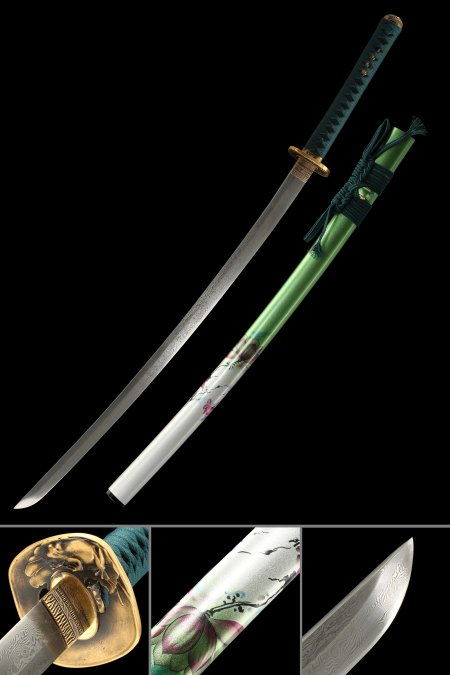
Light Green Saya Katana
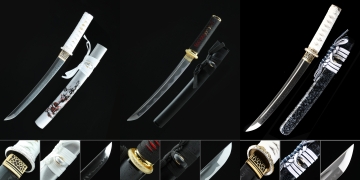
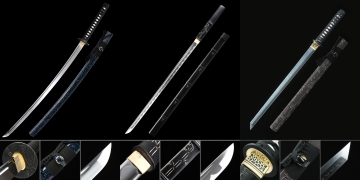
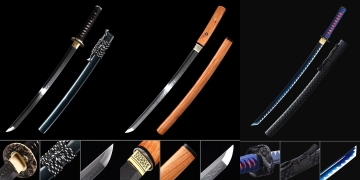
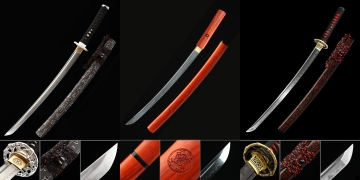
A light green saya brings a quiet elegance to the katana's silhouette — evoking fresh bamboo, celadon glaze, and the understated refinement that serious collectors prize. Each piece in this collection is hand-forged to exacting standards, featuring full-tang construction and meticulously fitted fittings that honor classical Japanese sword-making traditions. Free standard shipping is included on every order, and we stand behind every sword with a hassle-free return policy.

Free Shipping
249.00 USD

Related Collections
Frequently Asked Questions
What makes a light green saya different from standard lacquered scabbards?
Standard katana scabbards are most commonly finished in solid black or deep burgundy lacquer — colors historically associated with formal samurai presentation. A light green saya departs from that convention by drawing on a palette linked to nature imagery in Japanese aesthetics: celadon pottery, fresh bamboo shoots, and the pale green of early spring leaves. The finish is typically built up in multiple lacquer layers and hand-polished between coats, which gives the surface its characteristic depth and subtle luminosity. Some saya in this range also incorporate engraved or hand-painted decorative motifs — cherry blossoms, floral patterns — that interact with the green ground color in ways that a solid black scabbard would never allow. The result is a collectible display piece with a visual identity that stands apart on any sword rack or wall mount.
How does manganese steel compare to Damascus steel in these katanas?
Manganese steel and Damascus steel serve overlapping but distinct collector interests. Manganese steel is an alloy that prioritizes structural toughness and resistance to deformation — it holds its geometry reliably over years of display and is less susceptible to surface pitting than some high-carbon alternatives when properly maintained. Its surface finish tends to be clean and uniform, which complements the understated elegance of an olive or sage saya. Damascus steel, by contrast, is created through a labor-intensive folding process that layers two or more steel types, producing the flowing grain pattern visible on the polished surface. That surface pattern — unique to every blade — is the primary draw for collectors who value visual complexity and the visible evidence of hand craftsmanship. Both are full-tang constructions in this collection, meaning the steel runs the full length of the handle for structural integrity. The choice between them is largely aesthetic: uniform sophistication versus expressive surface artistry.
How should I store and maintain a lacquered saya katana for display?
Lacquered wood scabbards require a stable environment to remain pristine over time. Humidity fluctuations are the primary enemy — wood expands and contracts with moisture changes, which can cause lacquer to crack or the saya's fit to loosen around the blade. Aim to store or display your katana in an environment between 40–60% relative humidity, away from heating vents, air conditioning drafts, and exterior walls prone to temperature swings. Direct sunlight will gradually fade both the lacquer color and any painted or engraved decorative details, so position display mounts away from windows or use UV-filtering display cases. The blade itself should be lightly coated with a thin film of choji oil or a dedicated sword oil every few months to prevent surface oxidation — apply with a soft cloth and wipe away any excess before returning the blade to the saya. Never store the sword in its saya long-term without occasional air exposure, as trapped moisture can affect both the blade and the wood.
Is a light green saya katana a good gift for a Japanese culture enthusiast?
It's one of the more considered gift choices in the Japanese collectibles space, precisely because the color selection signals intentionality. A standard black-saya katana is the default; choosing a light green saya demonstrates awareness of the color's cultural associations — nature, renewal, and the kind of quiet elegance valued in Japanese decorative arts. For someone who collects Japanese aesthetics broadly (ceramics, woodblock prints, lacquerware), a light green saya katana bridges sword collecting with the wider visual culture they're already drawn to. Pieces featuring hand-painted floral saya or cherry blossom engravings add an additional narrative layer that resonates with collectors who appreciate symbolic detail. For gifting purposes, these katanas arrive in presentation-quality packaging, and the combination of a visually striking saya with premium steel construction means the piece works equally well as a display object for someone who doesn't actively collect swords but has a deep appreciation for Japanese craft.
Can a light green saya katana be displayed as part of a daisho set?
Yes, and a matched daisho display is one of the most visually compelling ways to present a katana of this type. Daisho — the paired katana and wakizashi carried by samurai of the Edo period — is traditionally displayed with both swords sharing coordinated fittings and saya finish. Pairing a light green saya katana with a complementary wakizashi in a matching or tonal green finish creates a unified display that references this historical tradition. Our Green Wakizashi Sword collection offers shorter blades specifically suited to this kind of pairing. When assembling a daisho display, look for consistency across tsuba style, tsuka cord color, and saya lacquer tone — even slight mismatches in hardware finish (gold versus silver, for example) will disrupt the visual cohesion that makes a paired display successful. A well-matched daisho on a two-tier horizontal stand is a display format with strong historical precedent and immediate visual authority.