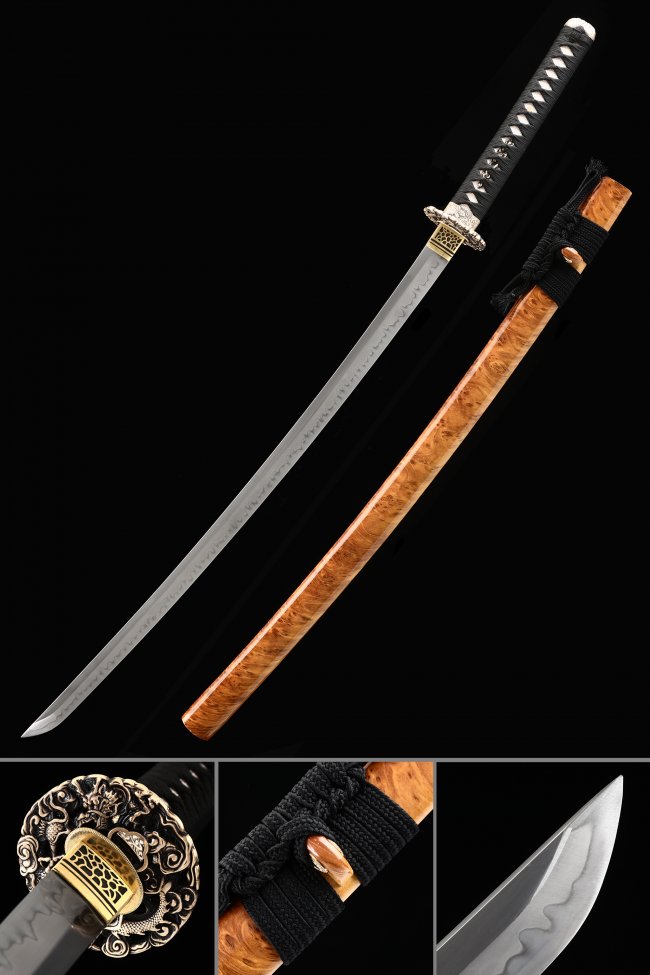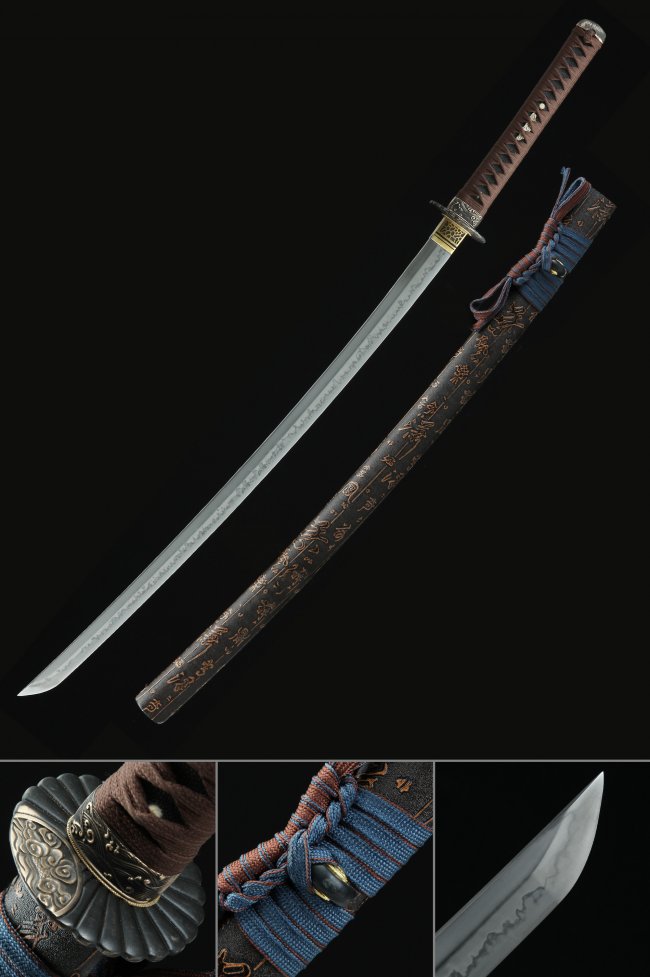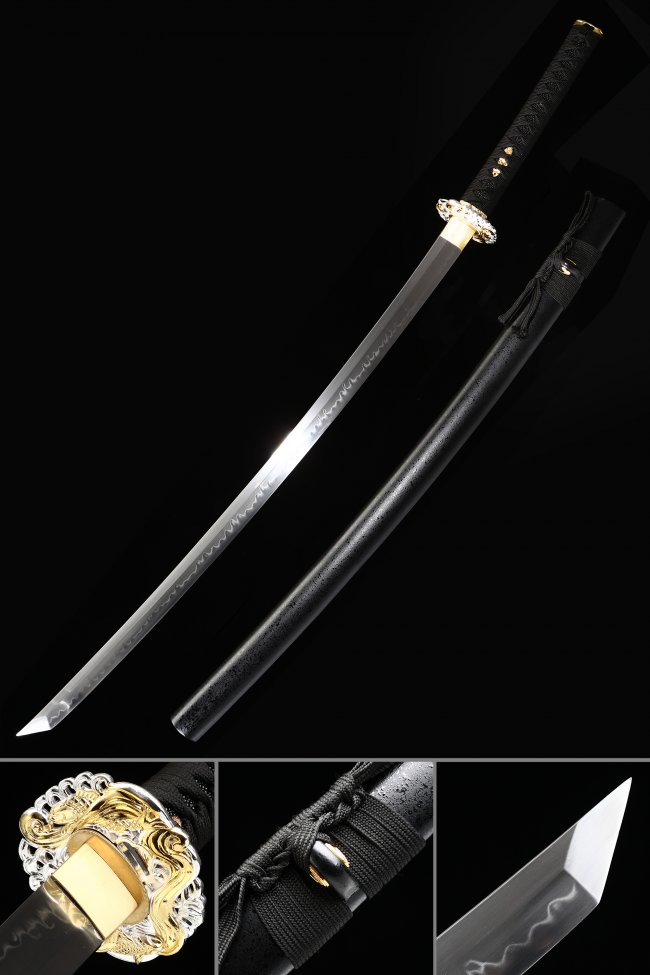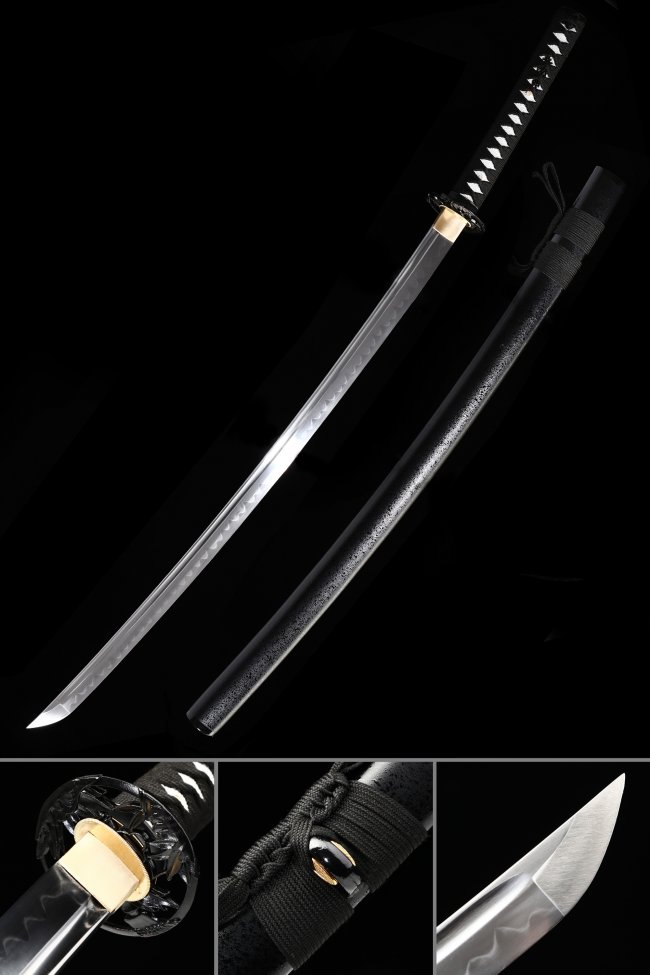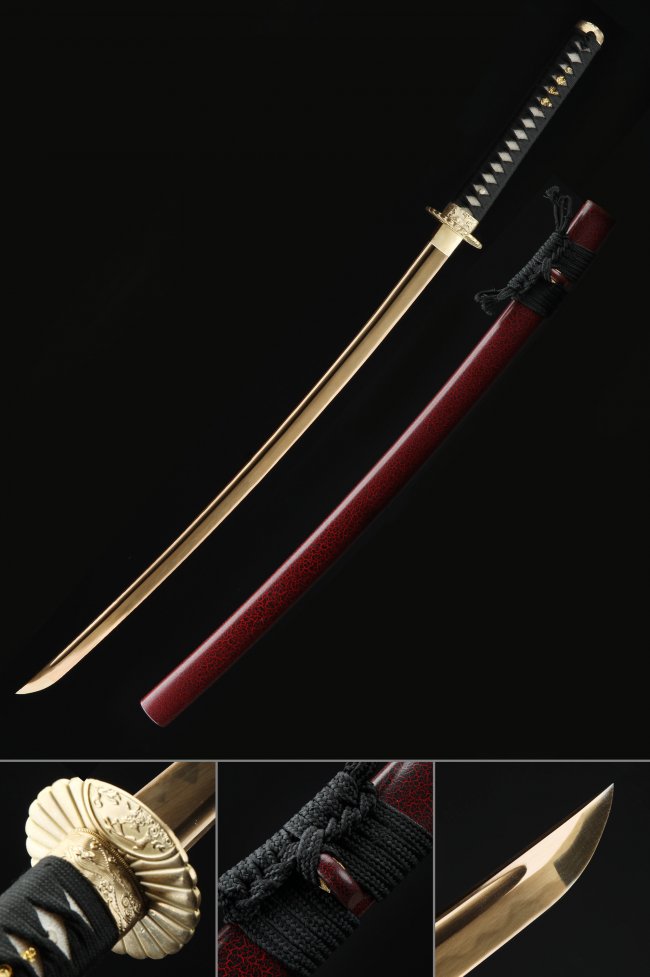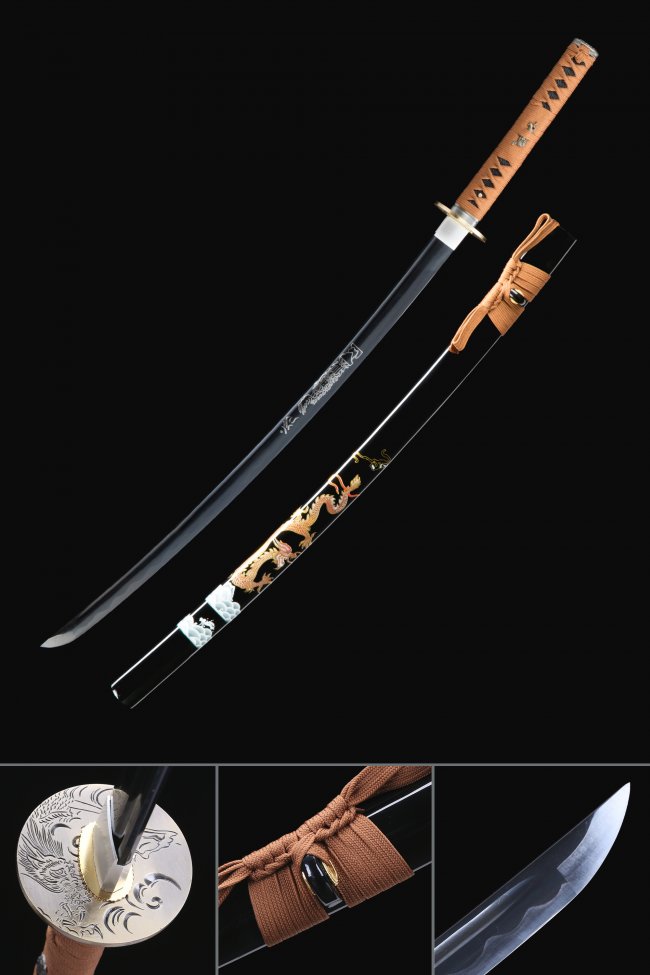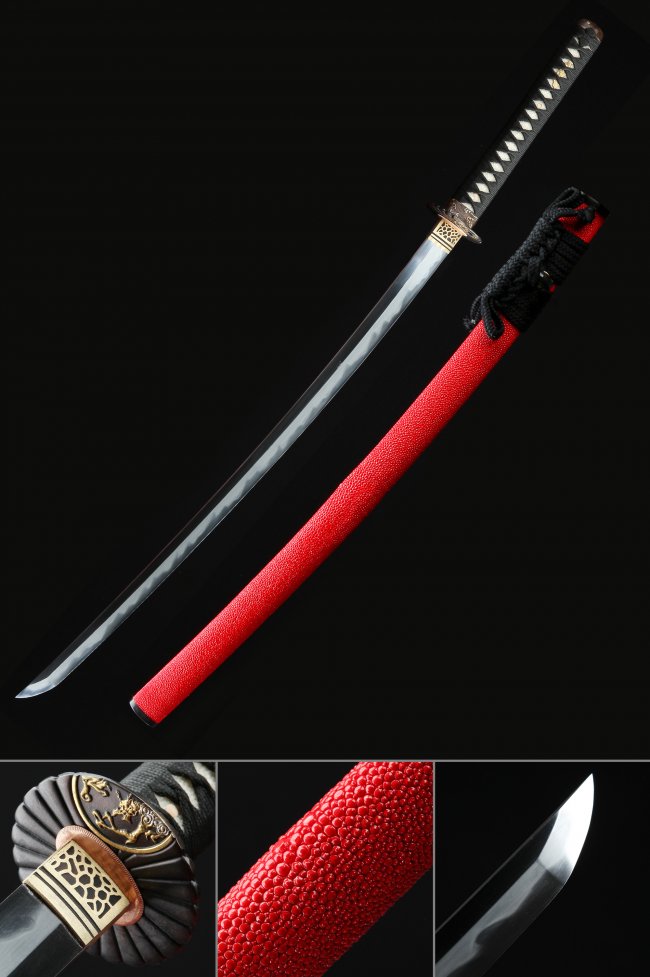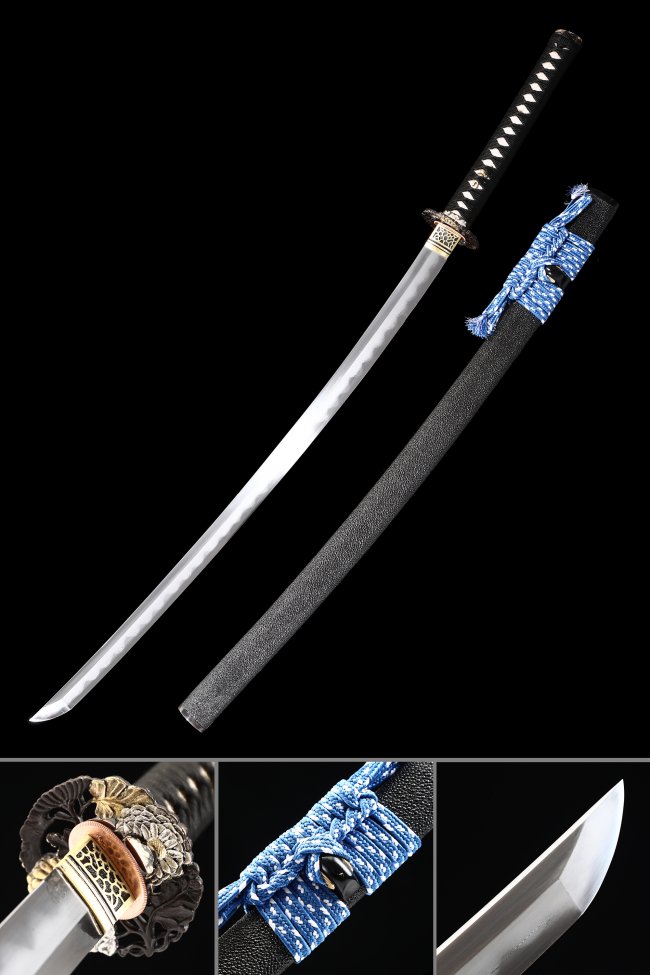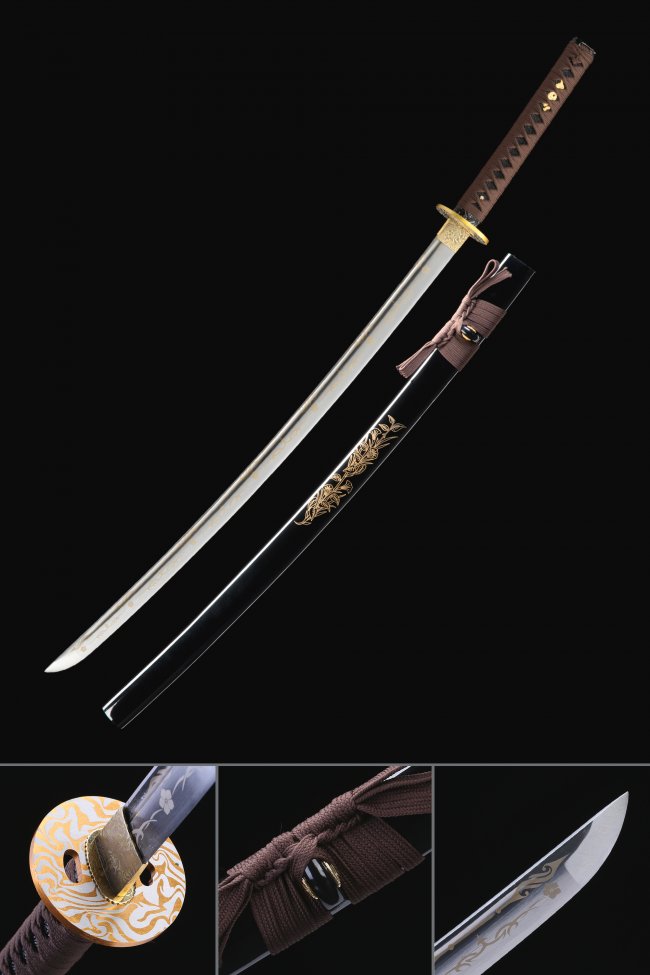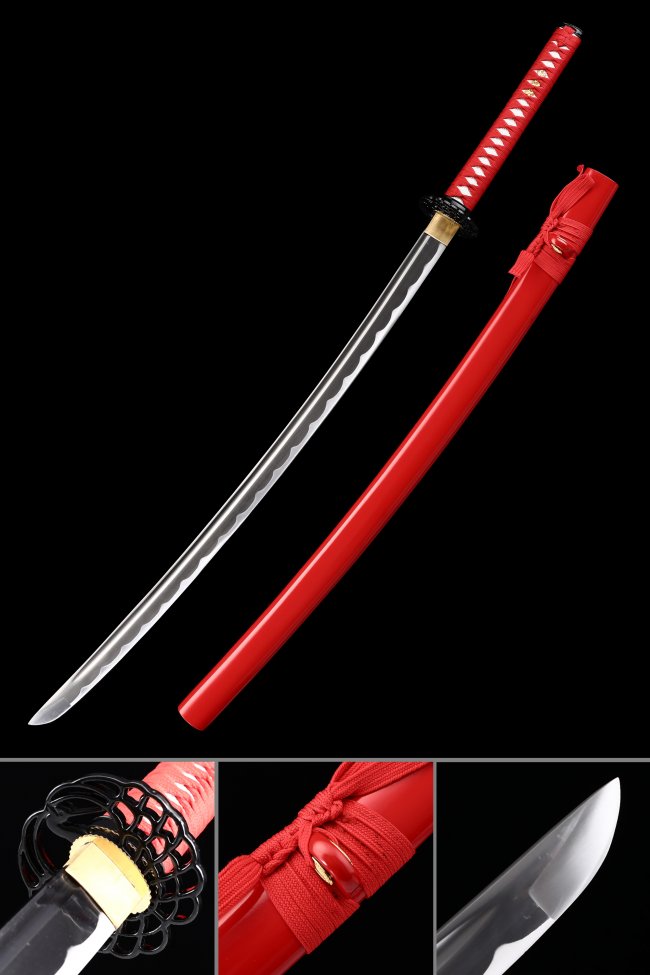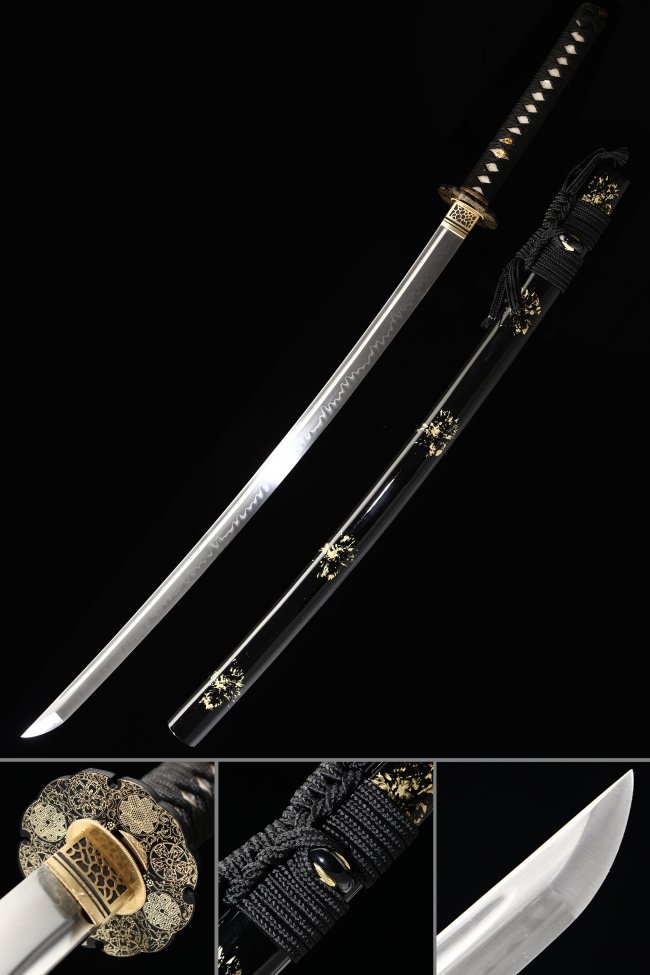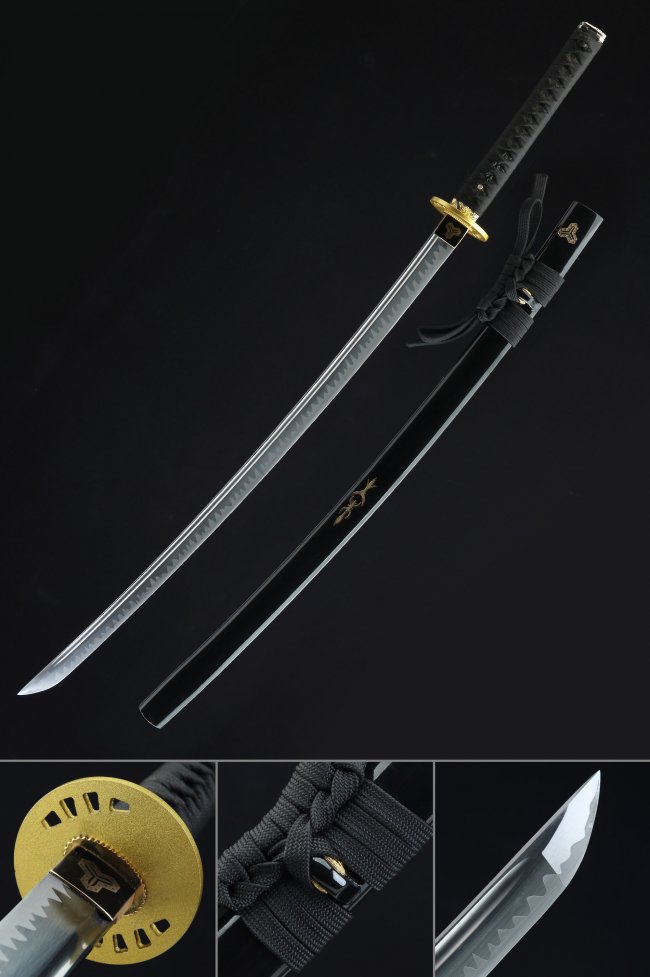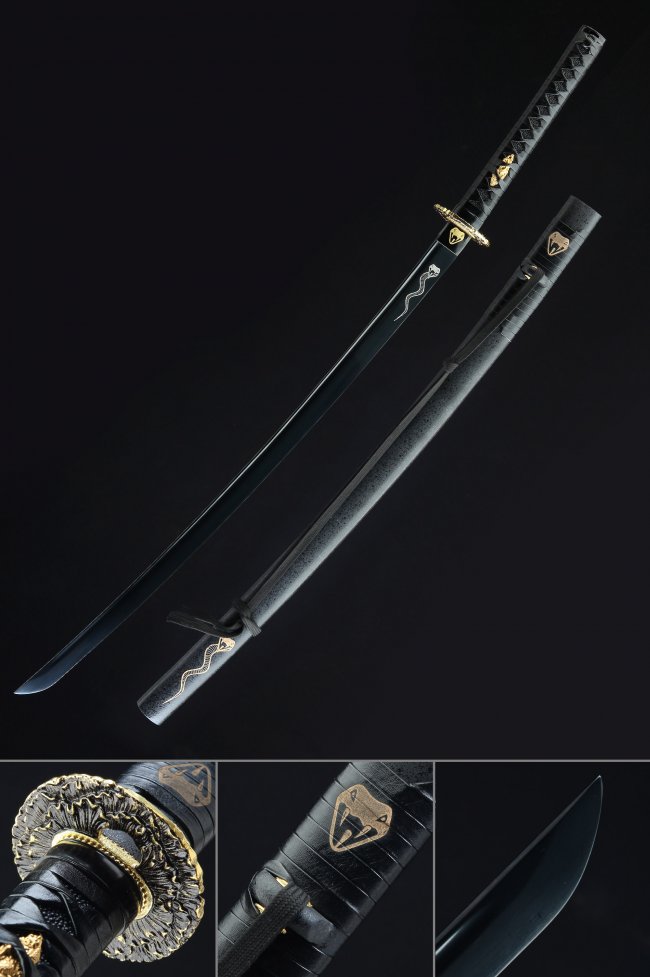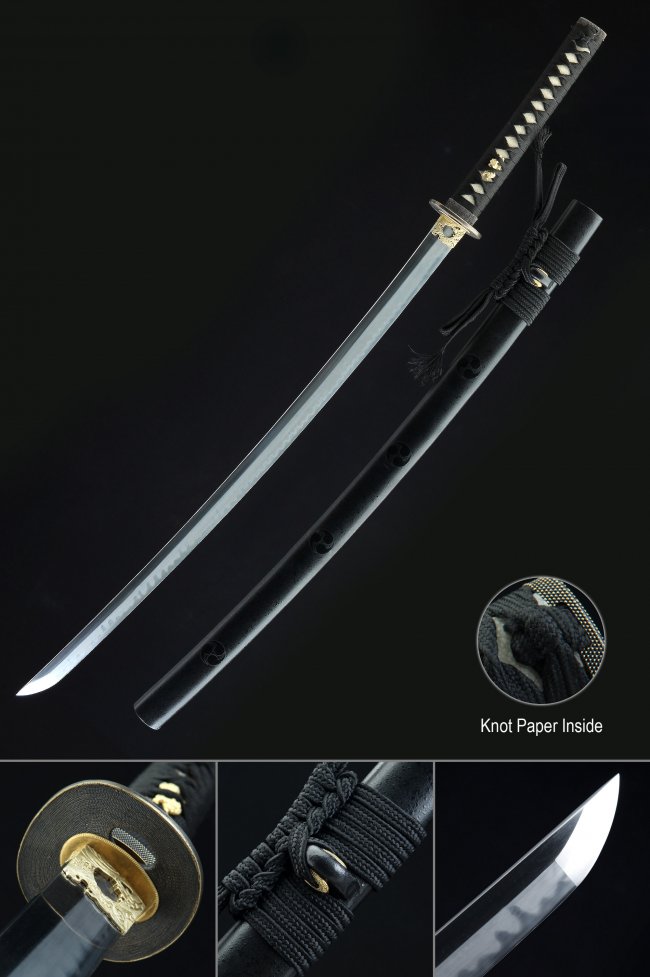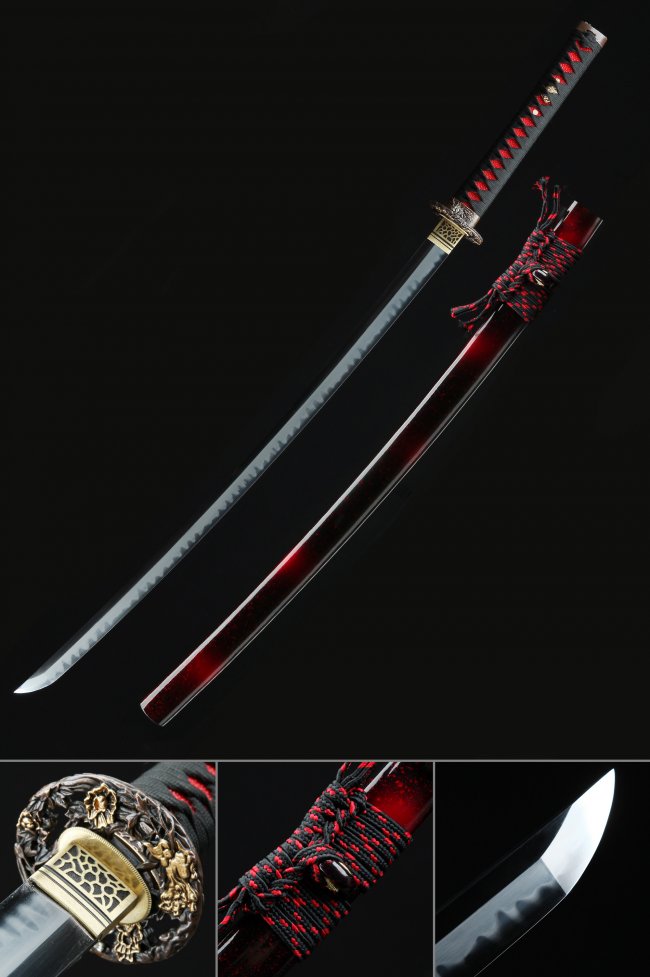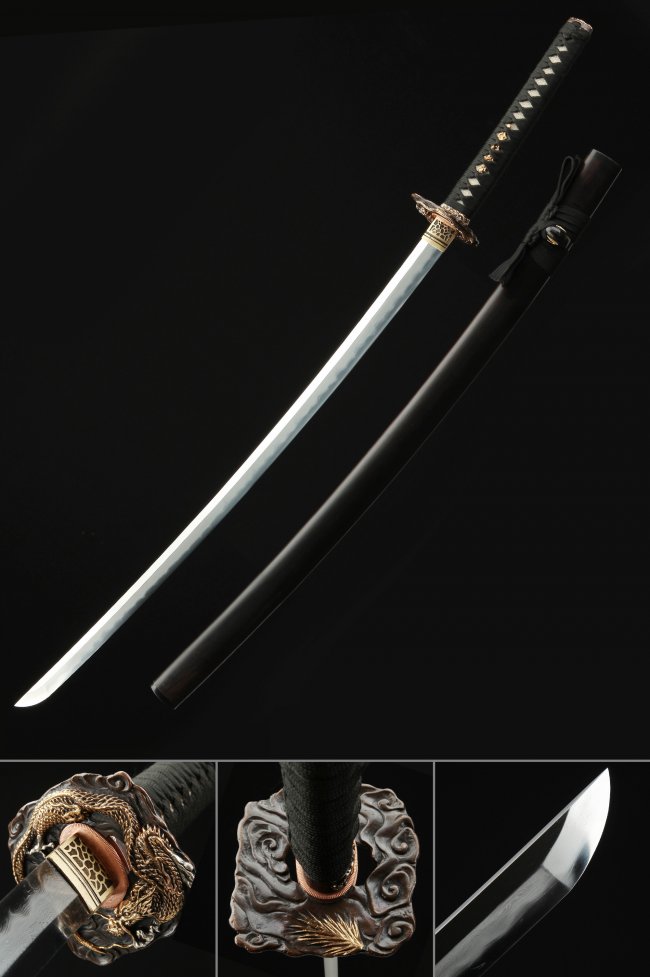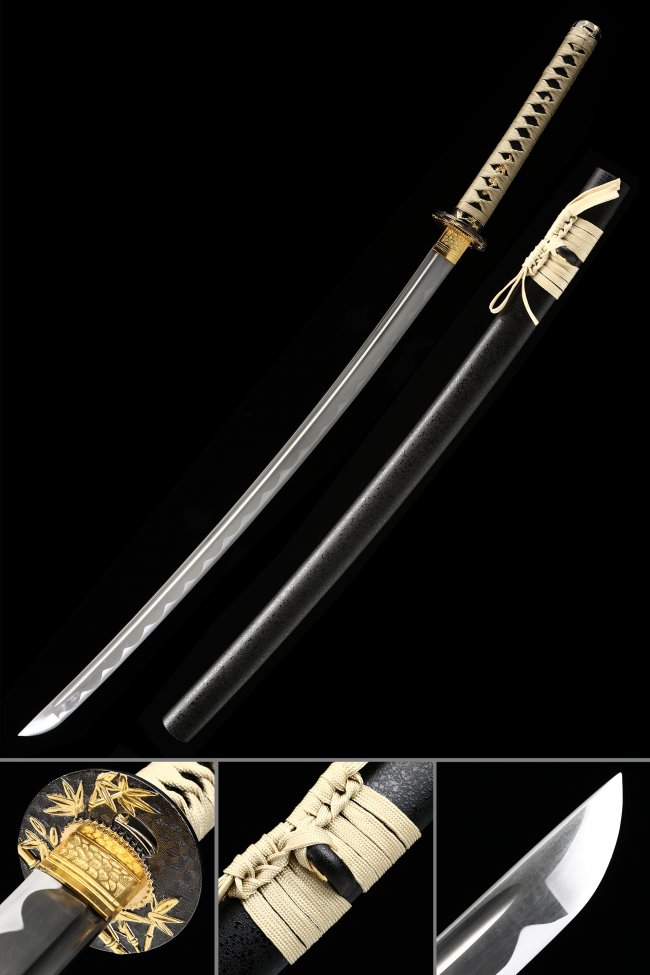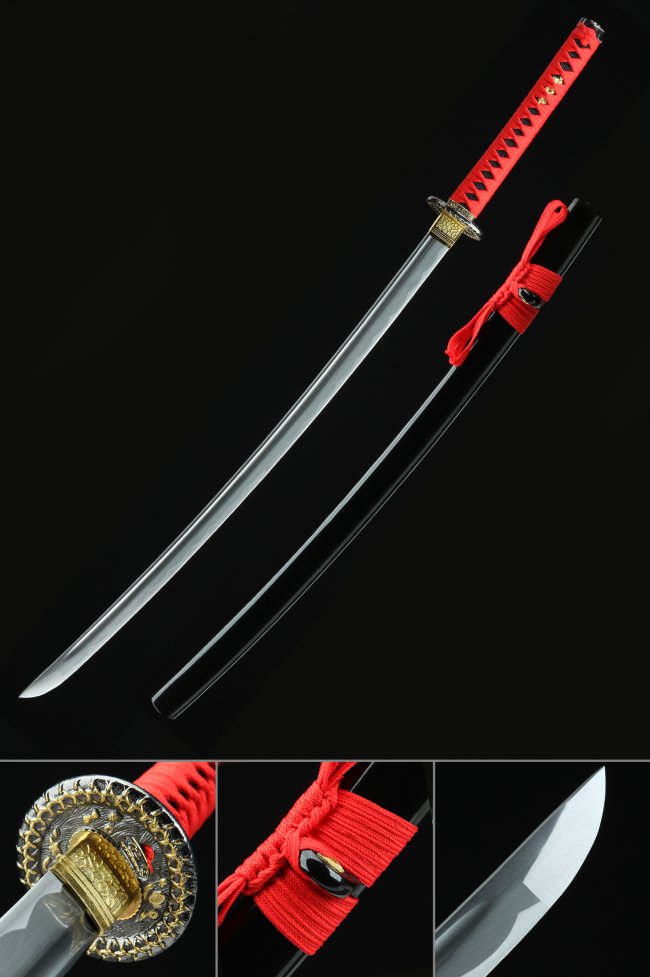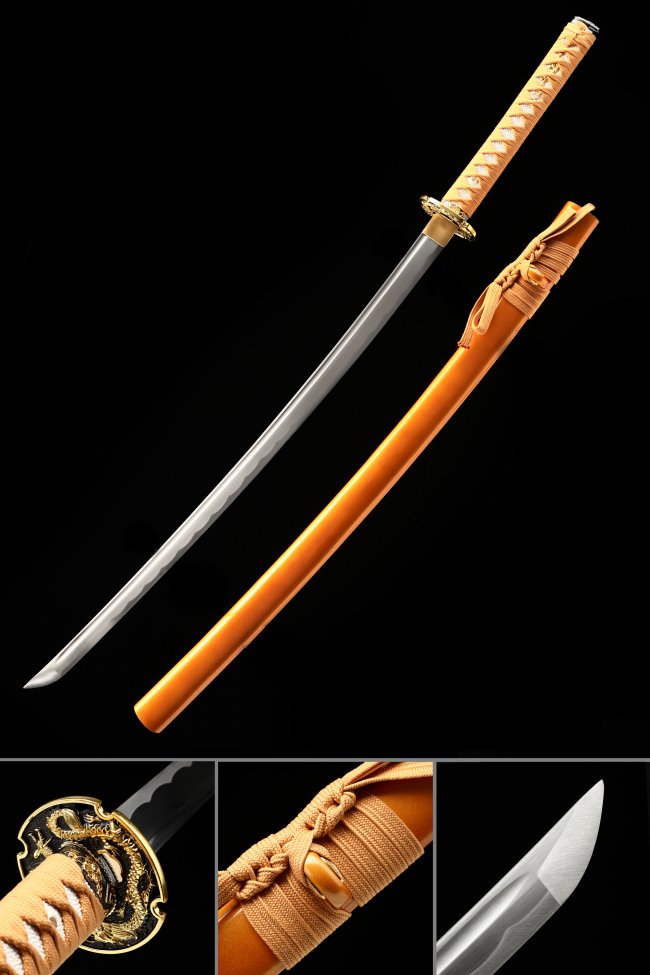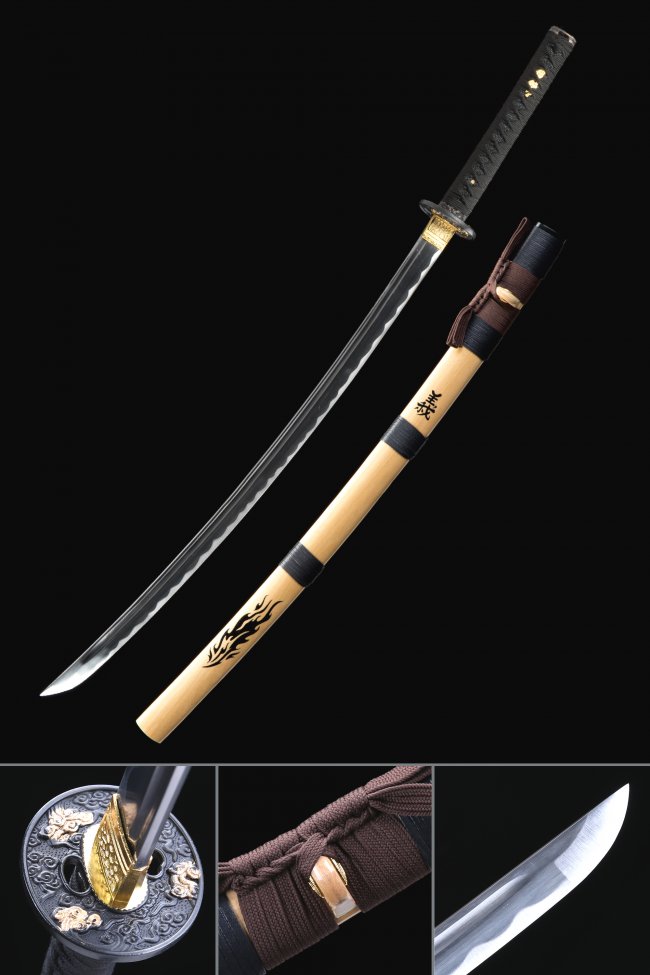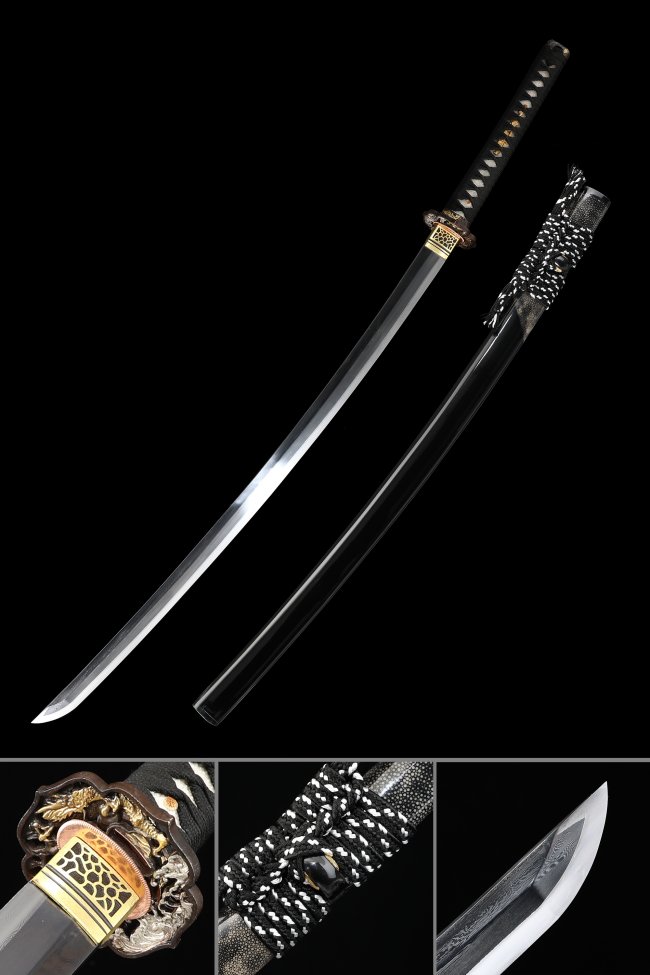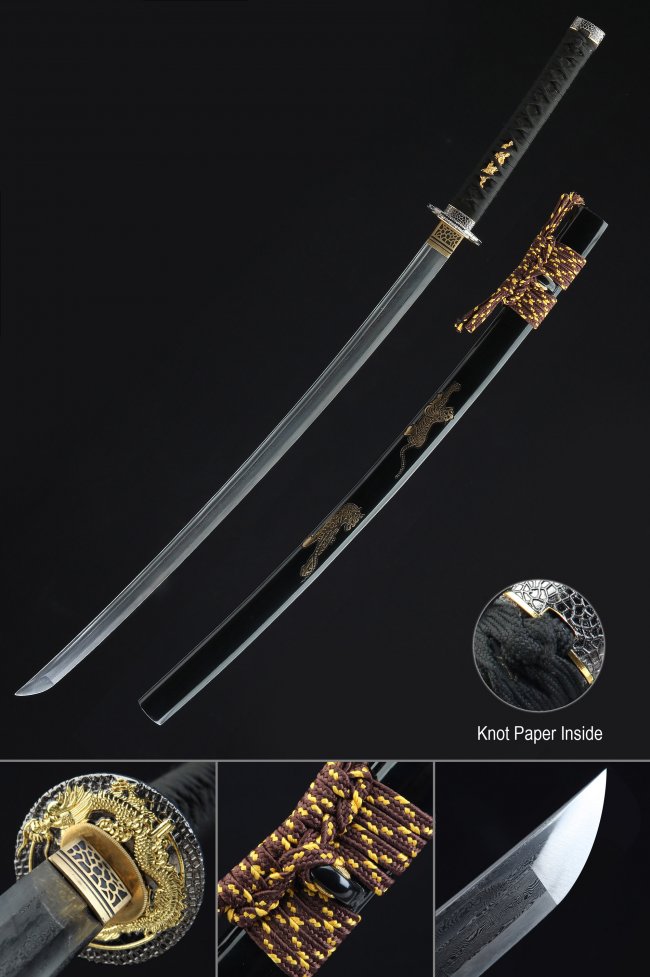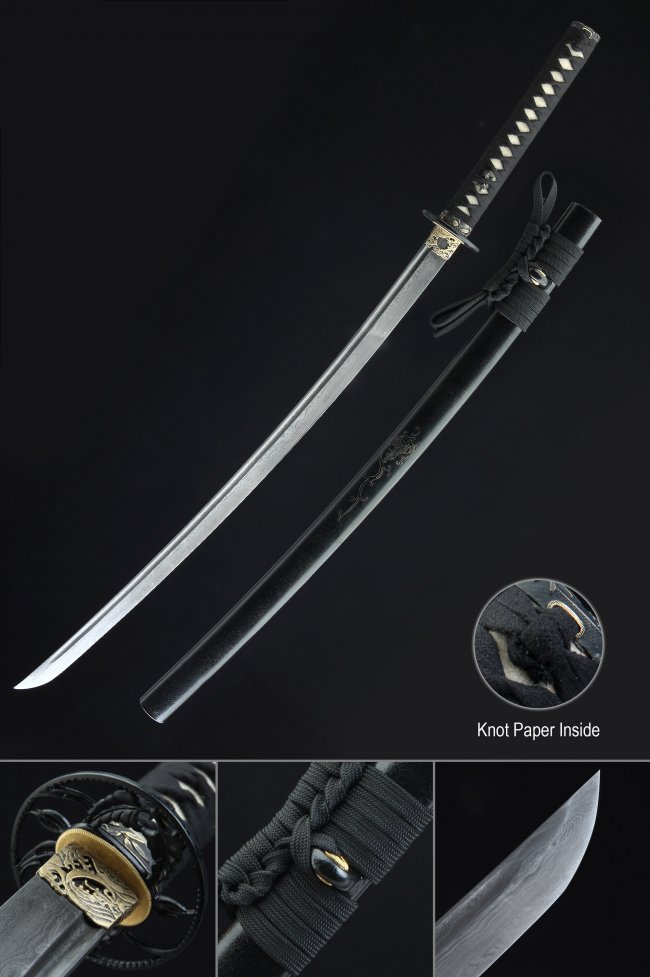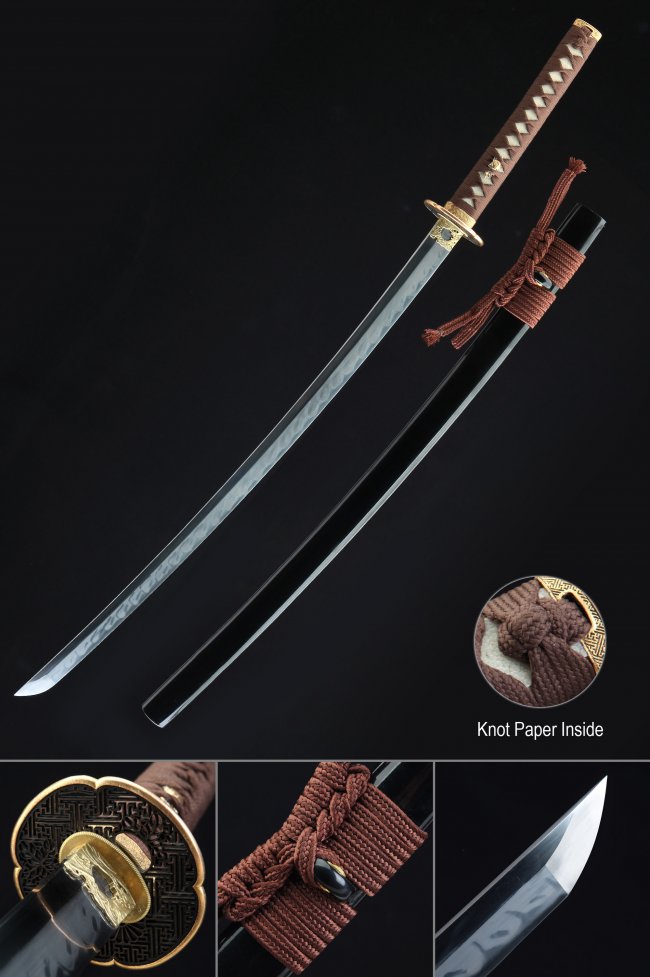
T10 Clay Tempered Katana
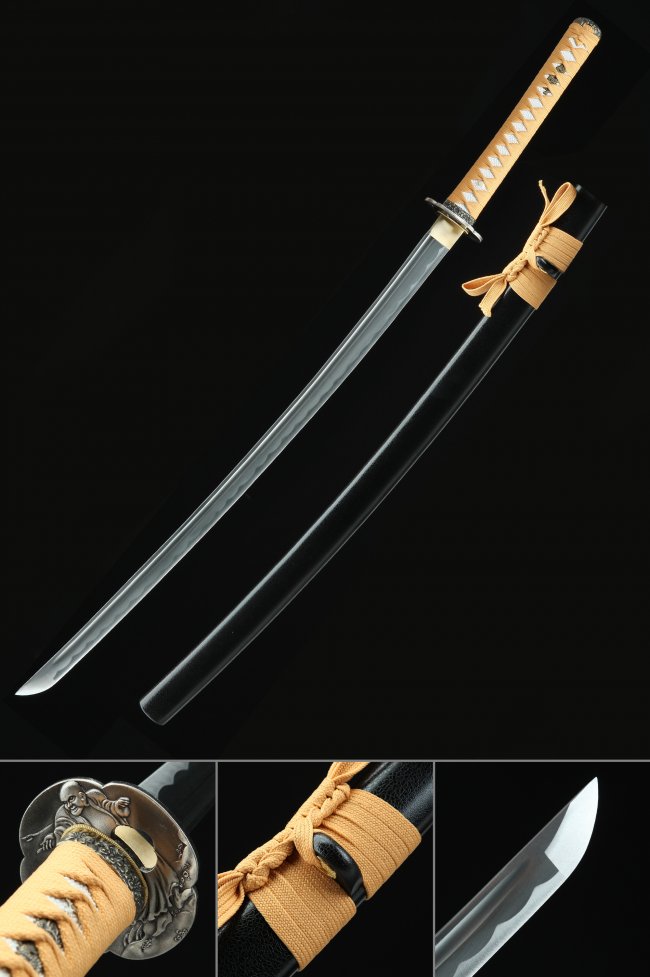
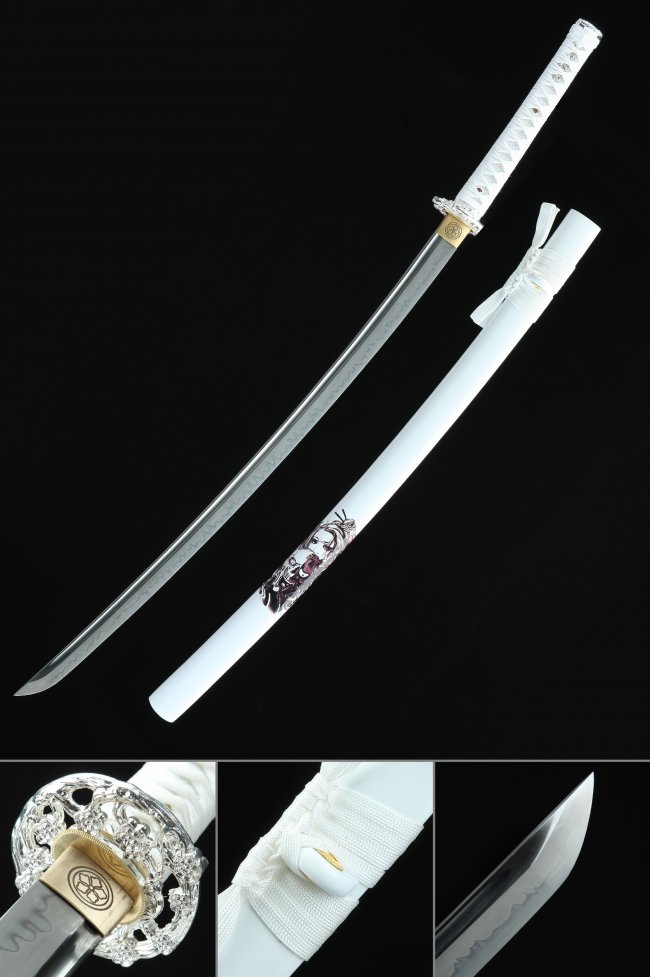
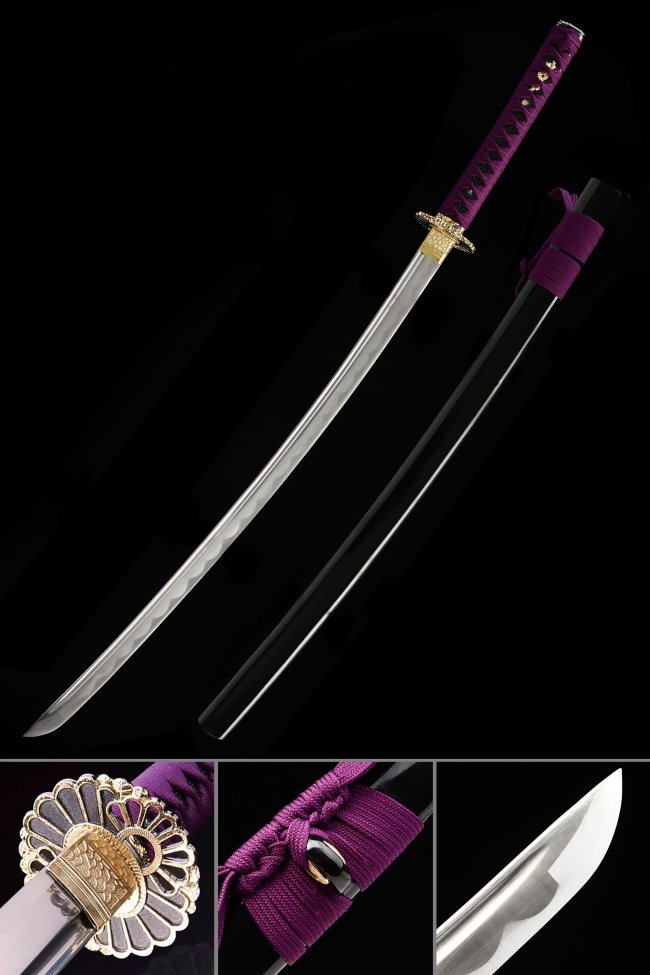
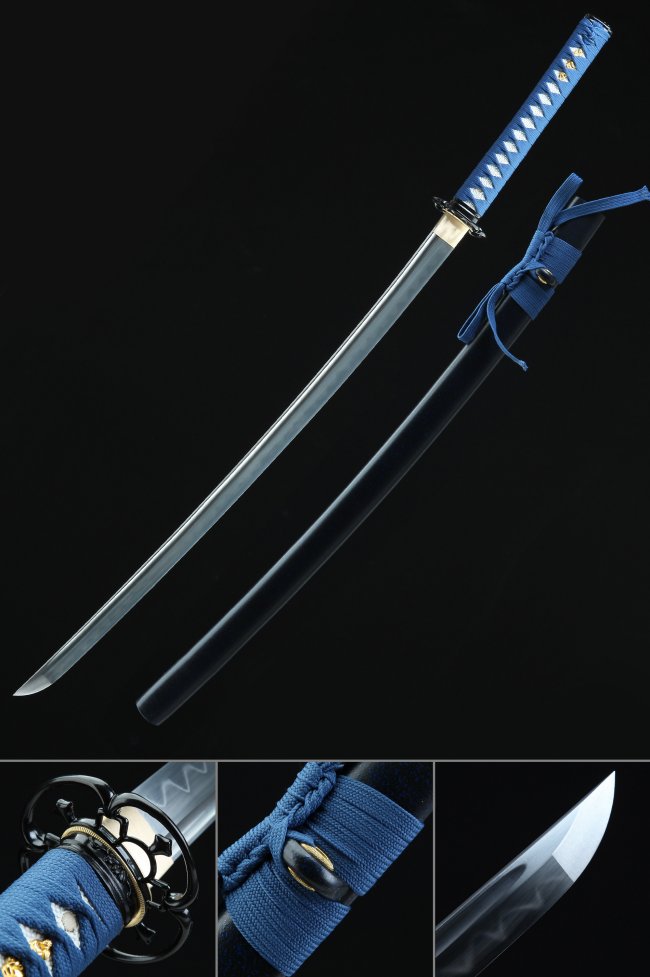
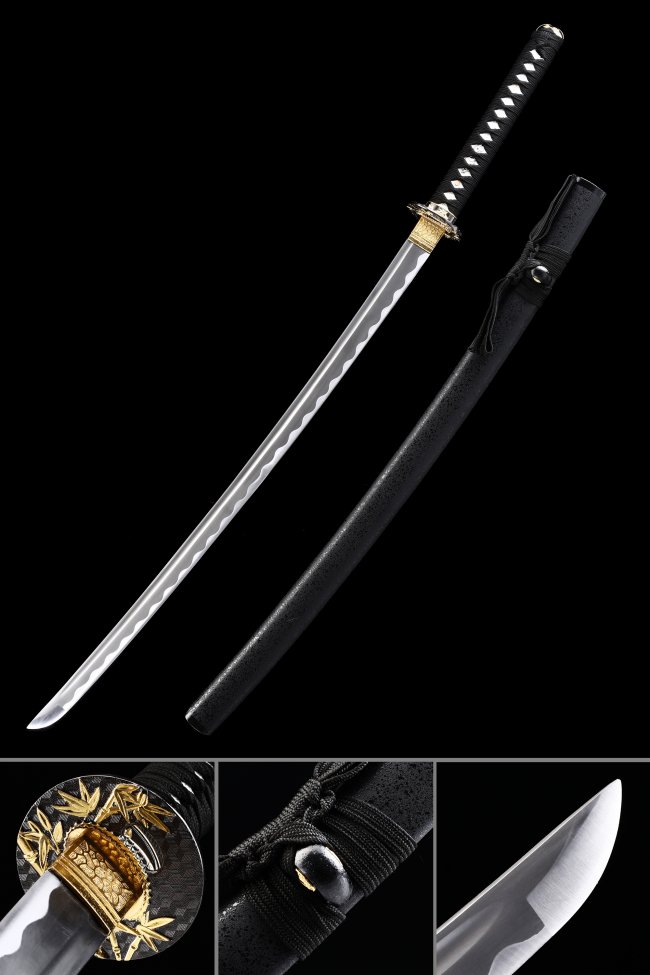
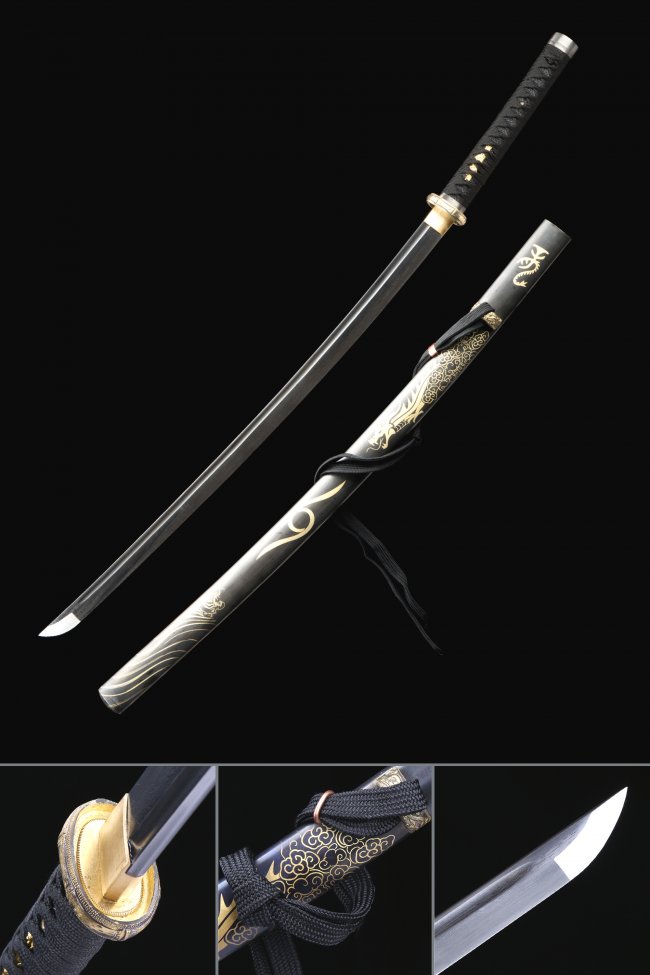
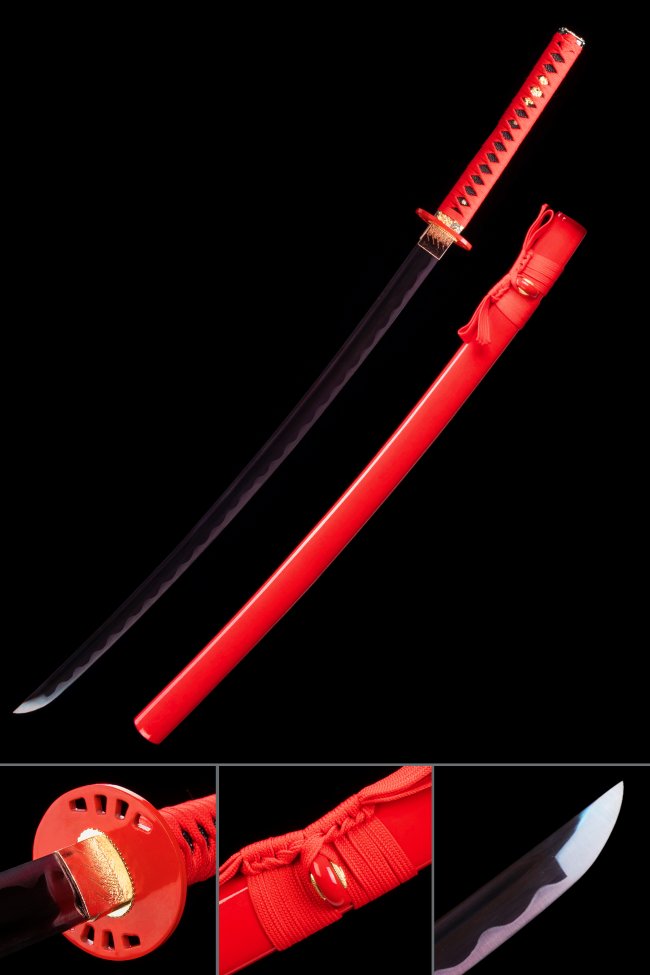
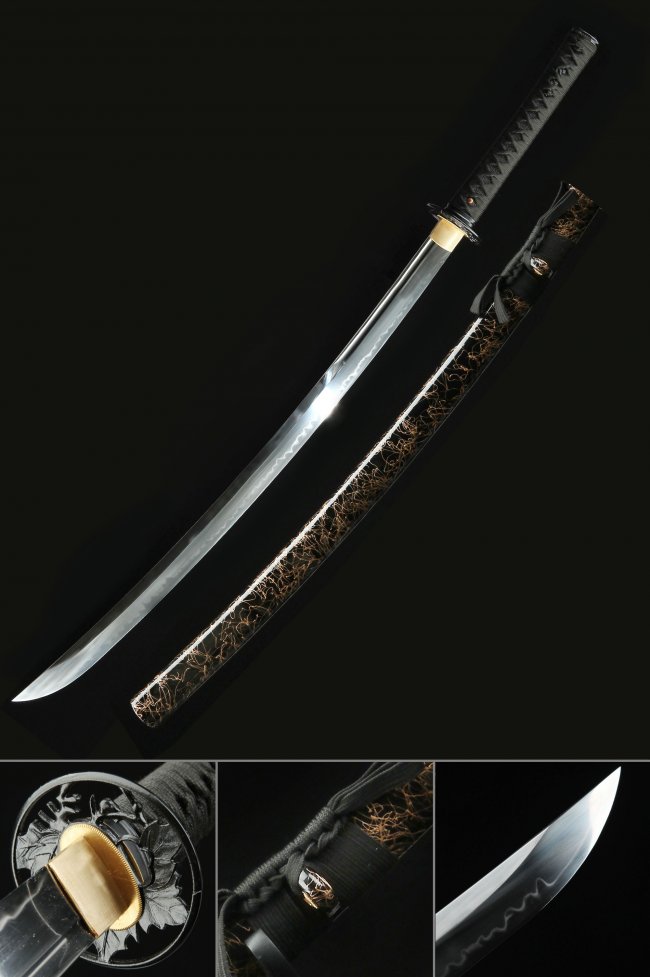
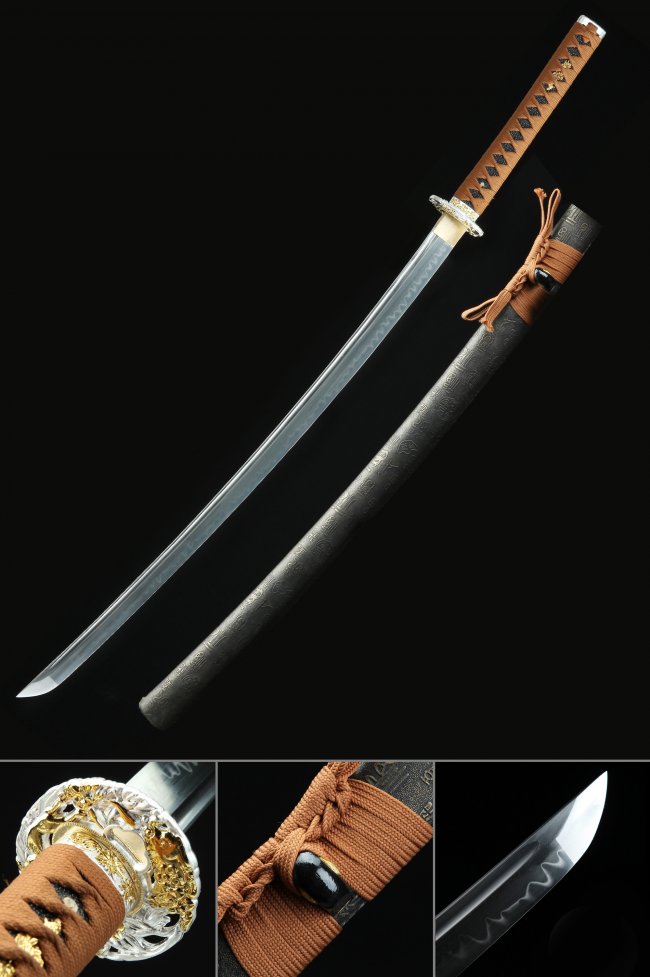
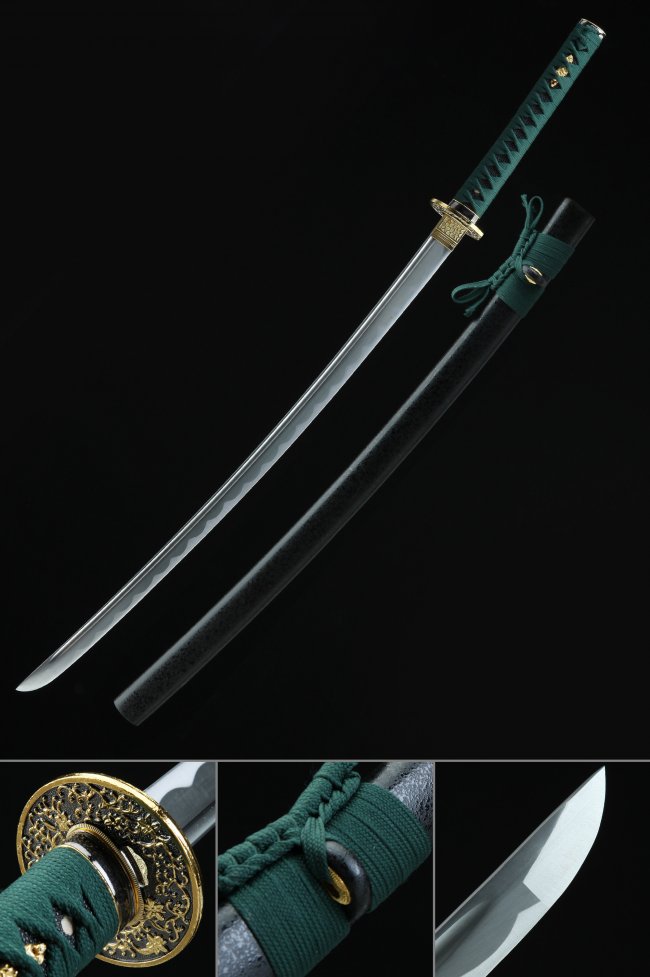
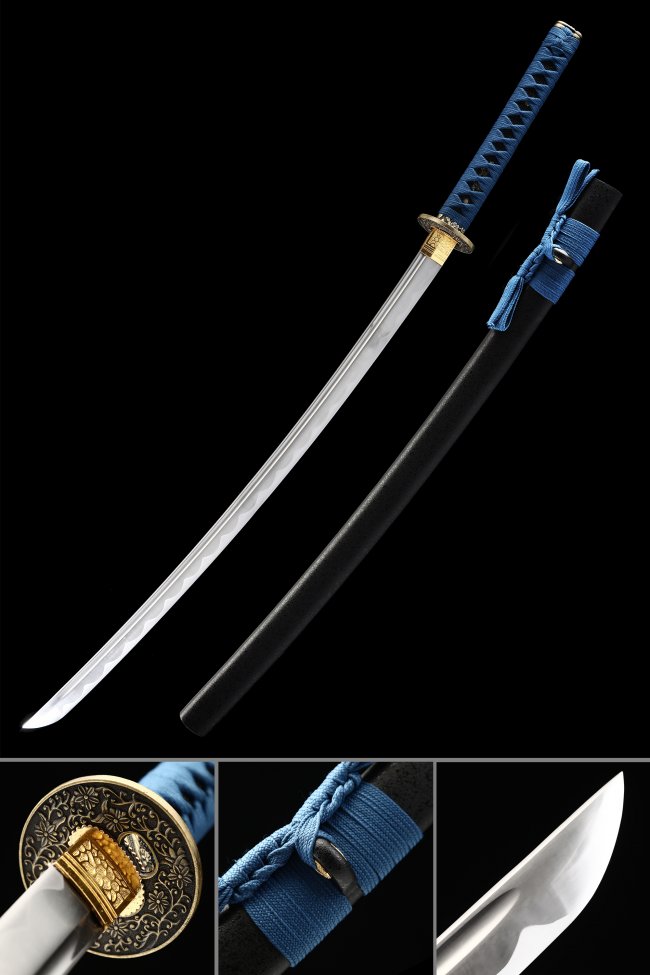
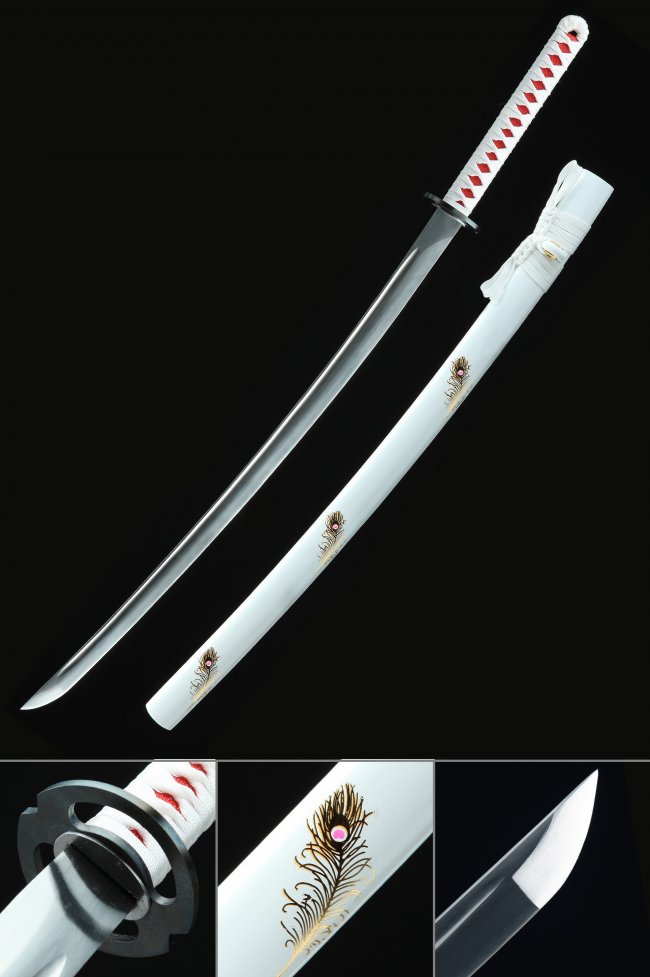
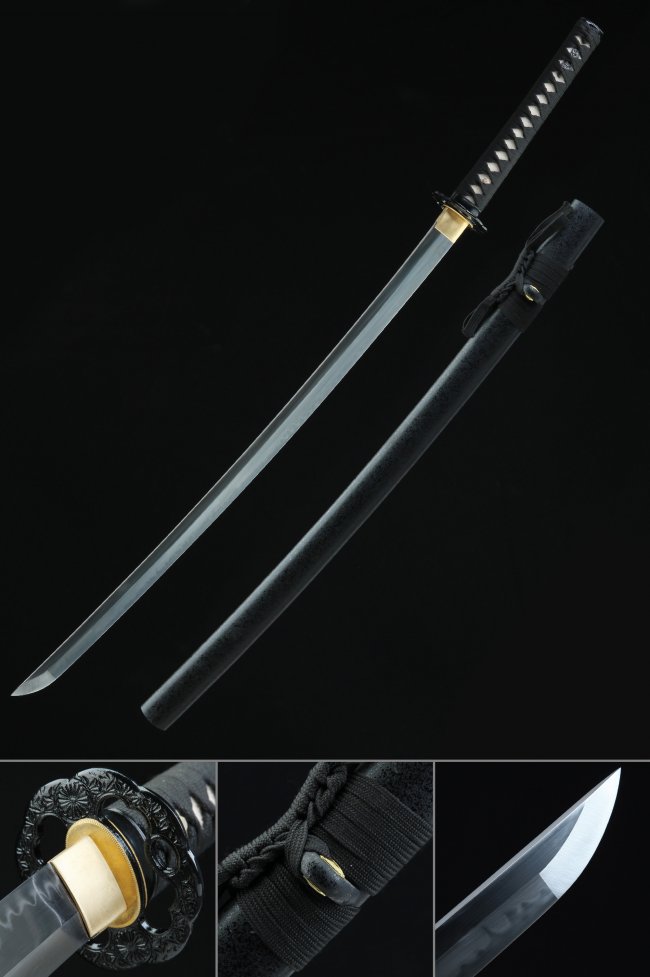
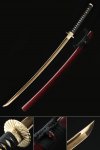
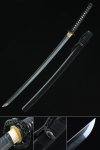
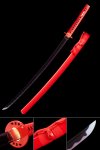
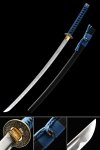
Browse our collection of hand-forged T10 clay tempered katana swords - Japanese katana collectibles featuring the traditional clay-coating heat treatment process that produces the hamon temper line prized by serious collectors worldwide. Each piece combines T10 or high-carbon steel blade construction with authentic Japanese fittings, offering exceptional visual character in a wide range of scabbard colors and styles. Free US shipping and hassle-free returns on every order.

Showing 21 Products

Related Collections

Tanto Blade79 items


378 Reviews

Japanese Tanto Sword80 items


236 Reviews

Clay Tempered Katana120 items


1038 Reviews

Clay Tempered Tanto117 items


380 Reviews

Frequently Asked Questions

What is clay tempering and why does it matter for a katana collectible?
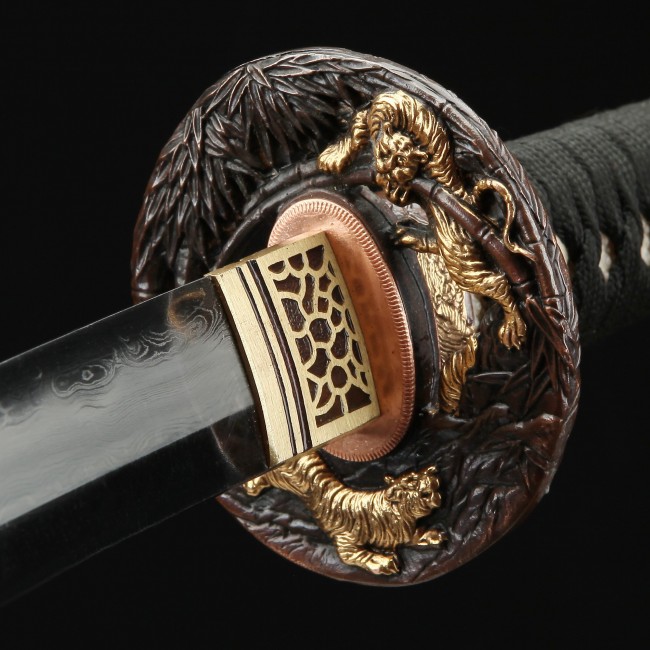
Clay tempering is a heat treatment method used in traditional Japanese sword making that produces the hamon temper line - the wave-patterned boundary along the blade edge that is one of the most distinctive visual features in Japanese sword collecting. The process works by applying a clay mixture to the blade in a specific pattern before the final quenching stage of heat treatment. The smith leaves the edge zone with minimal clay coverage while applying a thicker coat to the spine and body of the blade. When the coated blade is brought to hardening temperature and rapidly quenched, the different clay thicknesses create different cooling rates across the blade surface: the thinly coated or exposed edge cools rapidly and hardens to high hardness, while the more heavily coated spine cools more slowly and retains greater toughness. The boundary between these two zones - visible after polishing and etching as the hamon - records the pattern of clay application and quenching dynamics from the individual heat treatment of that specific blade. This makes the hamon not a decoration but a genuine artifact of the blade's production history.
What does a hamon look like on a clay tempered katana?
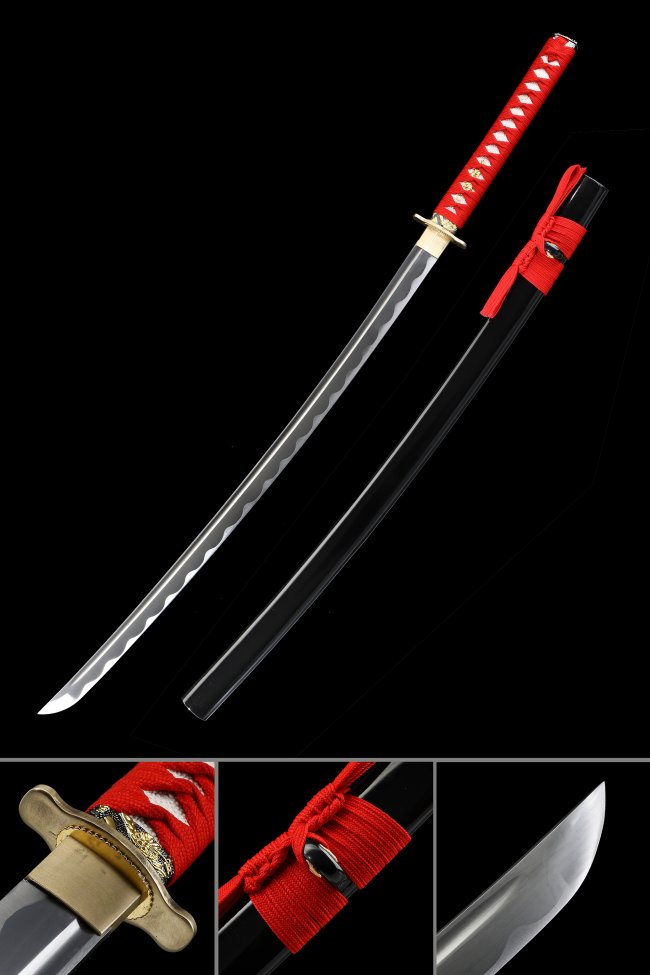
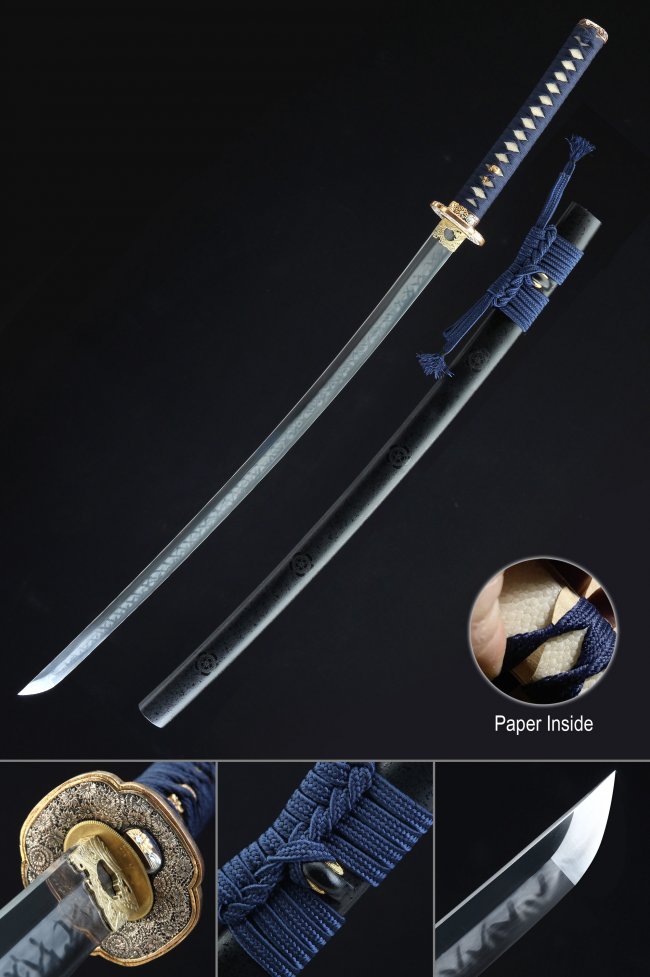
The hamon on a clay tempered katana appears as a wavy or irregular line running along the blade roughly parallel to the edge, typically visible as a lighter or more matte-textured zone against the more mirror-polished body of the blade. The specific character of the hamon varies depending on the steel used, the clay pattern applied, and the quenching method: common hamon forms include a gentle wave pattern called notare, a more sharply peaked wave called choji-based patterns, and variations that include activity in the transition zone between hardened and softer steel that creates visual texture and depth in the hamon area. On a well-polished T10 blade, the hamon tends to have particularly clear definition and visible activity in the transition zone. The hamon is typically best seen in reflected light - holding the blade at an angle to a light source, or viewing it under a directed lamp, brings out the contrast between the hardened edge zone and the blade body more clearly than overhead ambient lighting.
Does clay tempering affect the durability of a katana as a display collectible?
Clay tempering creates a differential hardness structure in the blade that is actually beneficial for display durability rather than detrimental to it. The hardened edge produced by the differential quench is resistant to surface wear and maintains its geometry well under display conditions, while the tougher spine retains the flexibility needed to prevent the blade from being brittle along its full length. For a display collectible, this means the clay tempered blade is well-suited to the conditions it will experience: stable temperature and humidity in a display environment, occasional handling during repositioning or inspection, and periodic oiling during maintenance. The hamon itself - the visual record of the clay tempering process - is a stable feature of the blade's surface that will remain visible as long as the blade is kept properly oiled and free from surface oxidation. A clay tempered katana that is properly cared for will maintain its hamon clarity and overall surface quality for many years as a display piece.
How do I identify a quality clay tempered katana from a lower-quality piece?
Several specific indicators help distinguish a genuinely clay tempered, quality katana from a lower-grade piece that merely claims the term. The most reliable indicator is the hamon itself: a genuine clay tempered hamon will show irregular, organic variation in its line - no two sections of the hamon will be perfectly identical, and close inspection will reveal visible activity in the transition zone between the hardened edge and the blade body. A fake or surface-treated hamon applied with acid alone rather than genuine clay tempering will tend to look more uniform and mechanical, with a cleaner and less visually active transition line. Steel grade matters as well: genuine clay tempering produces its best results on T10 carbon steel or other high-carbon grades, so a piece claiming clay tempering on stainless steel is not credible - stainless steel cannot be differentially heat-treated to produce a genuine hamon. Full-tang construction is a necessary baseline: a quality clay tempered katana will have the blade steel running through the complete handle, not a shortened or glued stub. Each piece in this collection meets these standards.

Customer Reviews