White Handle Ninjato

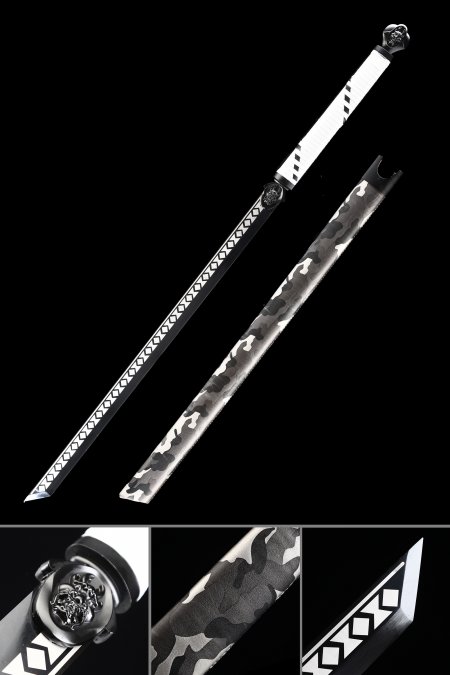
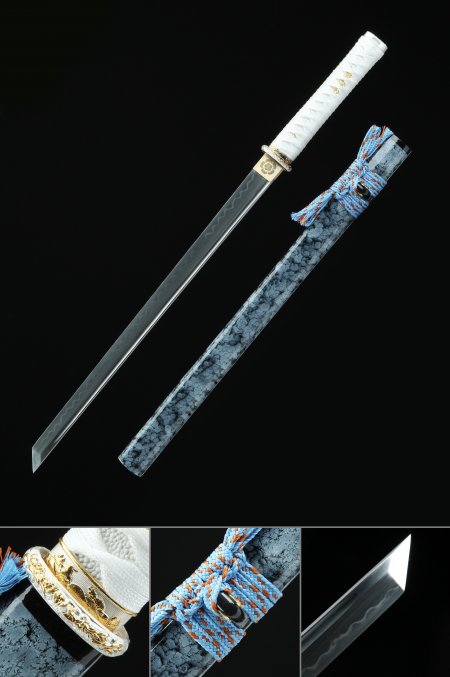
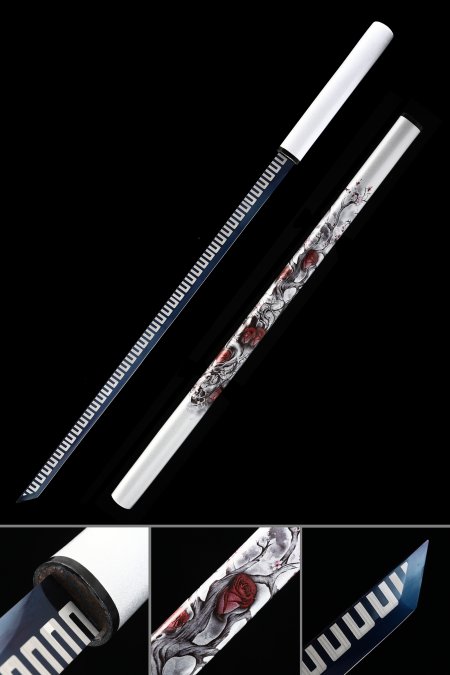
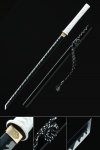
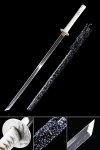
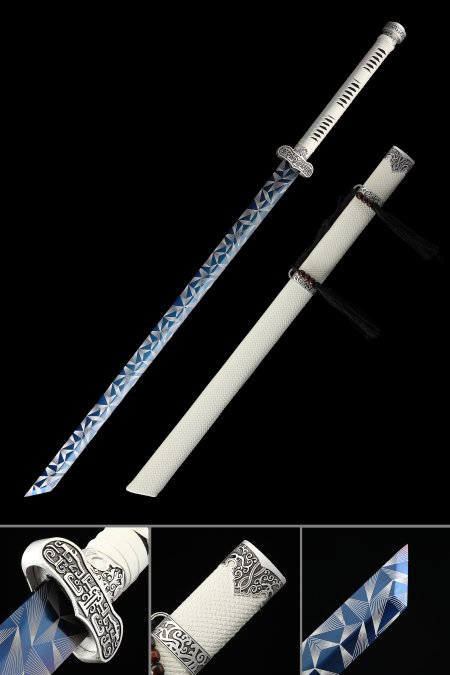
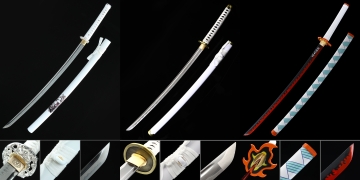
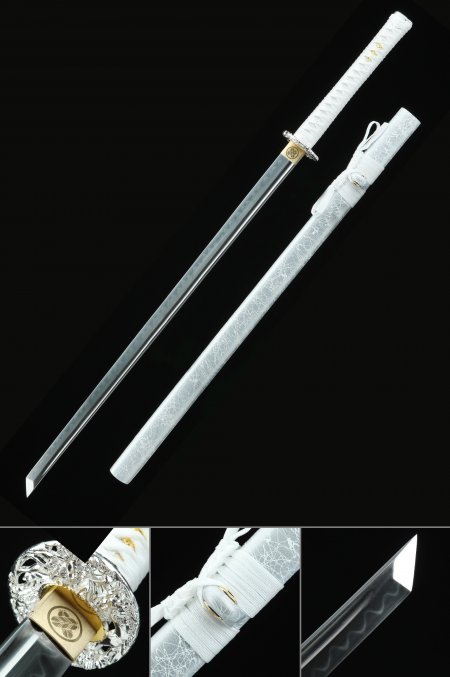
White handle ninjato swords bring a striking visual contrast to the straight-blade silhouette - pairing the clean elegance of white tsuka wrapping or ivory-toned koshirae with precision-forged carbon or manganese steel blades. Each piece in this collection is crafted for display and serious collectors who appreciate both the aesthetic drama and the traditional construction behind every detail. Enjoy free standard shipping on all orders, plus hassle-free returns for your peace of mind.
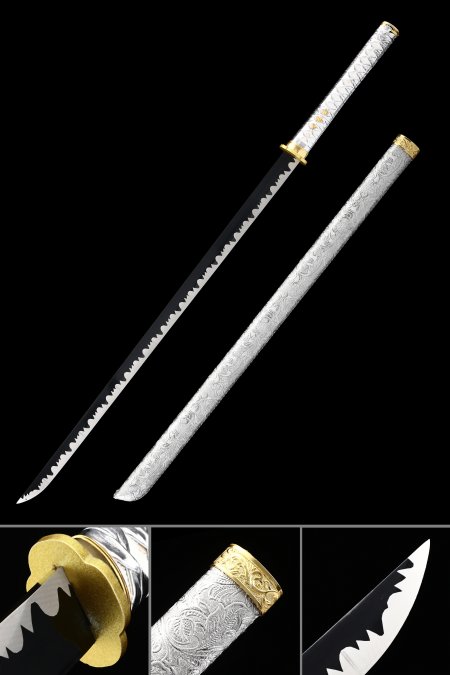
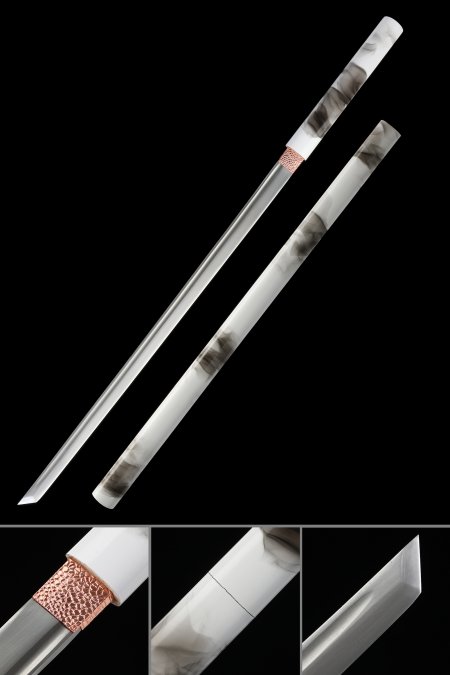
Showing 11 Products

Related Collections

White Katana56 items


787 Reviews

Red Wakizashi7 items


64 Reviews

White Tanto6 items


34 Reviews

White Hamidashi3 items


4 Reviews

Frequently Asked Questions

What makes white koshirae ninjato stand out among collectible swords?
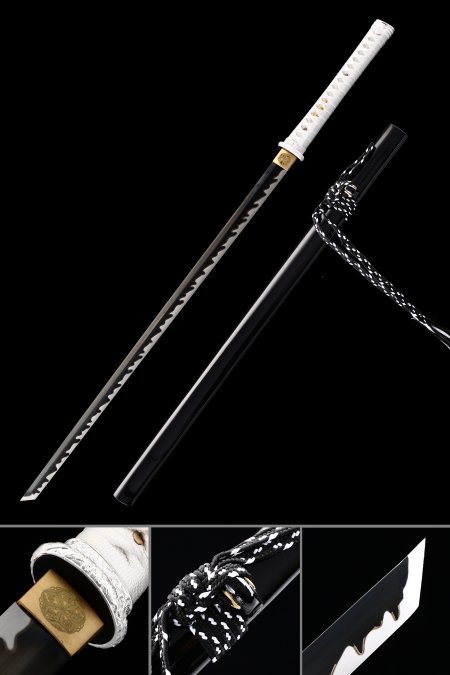
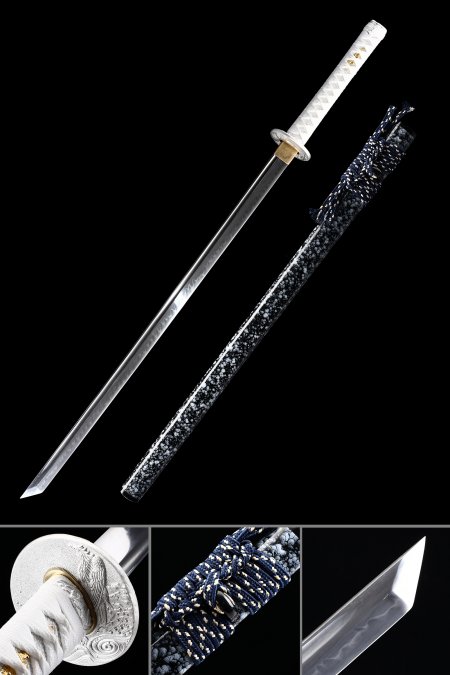
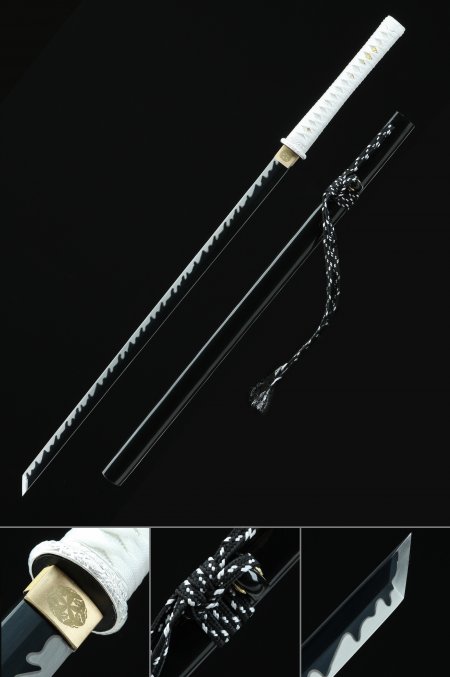
White koshirae - the collective term for a sword's handle wrap, scabbard, and fittings - is relatively uncommon in traditional Japanese sword design, where darker lacquers and earth tones historically dominated. On a straight-blade ninjato profile, white tsuka and pale saya create a high-contrast visual effect that draws the eye directly along the blade line, making these pieces particularly striking as display collectibles. The color choice also highlights the quality of materials used: tight ito wrapping in white or off-white tones shows craftsmanship imperfections more readily than darker colors, meaning well-executed pieces genuinely demonstrate the maker's attention to detail.
What is the difference between T10 and manganese steel in these ninjato?
T10 is a high-carbon tool steel containing roughly 1.0% carbon and a small amount of silicon, prized in collectible sword production for its ability to undergo differential clay tempering - producing a visible hamon (temper line) along the blade edge. This gives each T10 piece a unique, naturally formed aesthetic feature no two swords share exactly. Manganese steel, by contrast, is an alloy with added manganese content that increases toughness and impact resistance while lending itself to deep black oxidized finishes. Manganese steel ninjato in this collection tend toward a more dramatic, monochromatic visual style, while T10 pieces emphasize the traditional craftsmanship of the tempering process. Neither is strictly superior - the choice depends on whether you prioritize hamon aesthetics or black-blade visual impact.
How should I store a white handle ninjato to keep the tsuka clean?
White ito and pale tsuka materials are more susceptible to visible discoloration from skin oils, humidity, and dust than darker wraps. For long-term display, keep the sword horizontal on a proper katana stand in a low-humidity environment - ideally between 40-50% relative humidity. Avoid direct sunlight, which can yellow white ito over time. When handling, use clean cotton gloves to prevent skin oil transfer. The blade itself should be lightly coated with choji oil every few months to prevent oxidation, applied with a soft cloth and wiped to a thin, even layer. Keep the saya fitted when the piece is not being actively viewed to protect both the blade finish and the interior lacquer from dust accumulation.
Is a ninjato historically documented or is it primarily a modern collectible concept?
The straight-bladed ninjato as a distinct named sword type has limited documentation in historical Japanese sources - most serious sword historians note that its popularization owes more to 20th-century popular culture and martial arts media than to verified feudal-era use. What does exist historically are various short straight-bladed swords used across different periods in Japan, including the chokuto, which predates the curved katana form. For collectors, this context is actually part of the appeal: the ninjato occupies a fascinating space between historical reference and modern design interpretation, making each piece a collectible object that invites conversation about Japanese sword history, popular mythology, and contemporary craftsmanship rather than purely historical documentation.
Do white handle ninjato make good display gifts for Japanese sword enthusiasts?
White koshirae ninjato are among the more visually distinctive gift choices for collectors precisely because the colorway is uncommon - most sword enthusiasts already own pieces in black, brown, or dark lacquered finishes. The contrast of a white tsuka against a dark or black blade creates an immediately striking first impression, and the straight blade profile of the ninjato is immediately recognizable to anyone with an interest in Japanese sword history or pop culture. For gifting purposes, pieces with notable tsuba work - such as silver orchid engravings or gold chrysanthemum castings - add an additional layer of detail that enthusiasts appreciate. Pairing the sword with a quality display stand elevates the presentation and makes the gift immediately displayable upon arrival.

Customer Reviews

Ross Nichols Oregon, United States

Love these straight blade ninja swords, the hamon is awesome the blade is straight and beautiful . Black and gold look great and love the plastic on the handle and like the different habaki, the Saya was damaged during transport from overseas but very slight, this could be avoided by putting a box around the Styrofoam as they do for any (ready to ship)swords which I don't understand, and the suba moves slightly but don't care cause this thing is awesome and would like to chop stuff but don't want to mess it up so just going to show it off ,this site may be habit forming ...lol
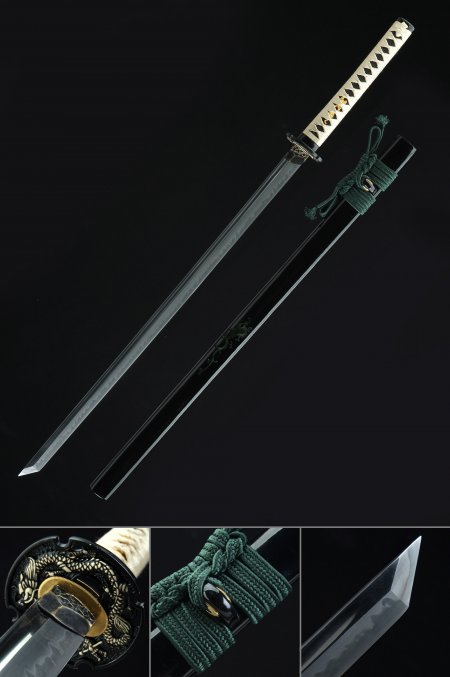
T10 Carbon Steel Chokuto Ninjato in Black Lacquer Saya with Dragon Tsuba & Green Sageo T10 Carbon Steel Chokuto Ninjato in Black Lacquer Saya with Dragon Tsuba & Green Sageo
Cart 0 Items

Your cart is empty