What makes a hamidashi different from a standard tanto?
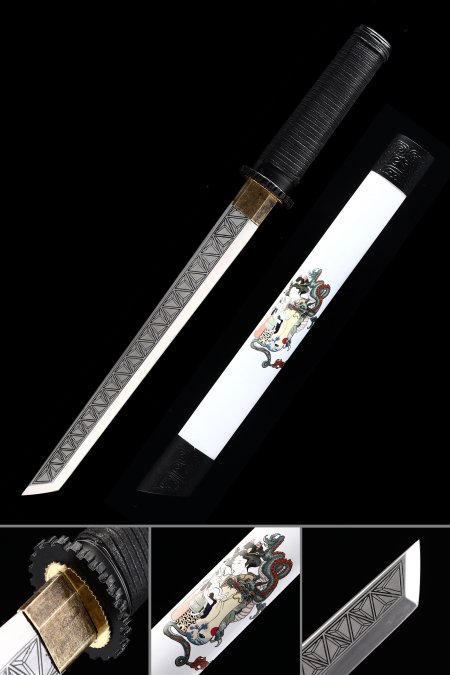
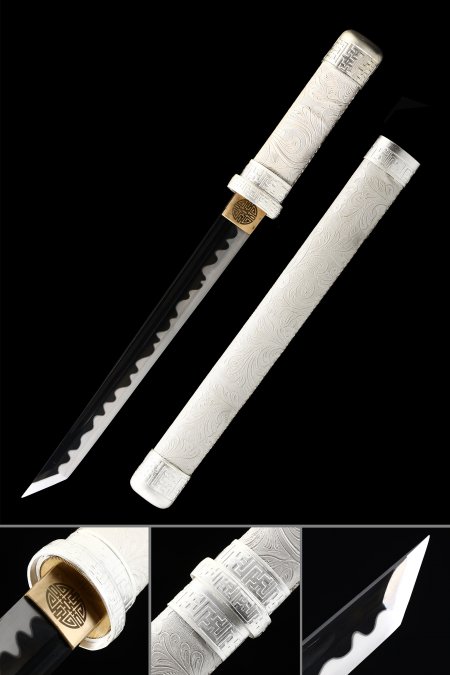
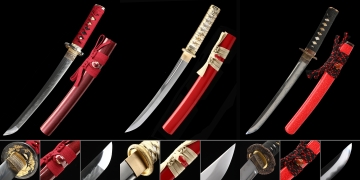
The defining difference is the tsuba - the hand guard. A standard tantō either omits the tsuba entirely or features a full-sized one, while the hamidashi uses a very small, barely-protruding tsuba that sits flush against the handle. This creates a nearly unbroken line from grip to blade, giving the hamidashi a streamlined silhouette that collectors find visually distinct. The form originated in feudal Japan as a practical variation of the tantō, but today it is prized primarily as a display collectible for that architectural subtlety. If you place a hamidashi next to a conventional tantō, the difference in profile is immediately apparent - and it is that restraint in design that draws serious collectors to the format.
Why is manganese steel used in these collectible tantō pieces?
Manganese steel is selected for display-grade tantō primarily because of how well it accepts surface engraving and finishing treatments. The alloy's composition - typically including around 12-14% manganese - produces a dense, hard surface that holds carved details, geometric patterns, and artistic motifs with excellent definition over time. For collectors, this means the dragon and skull engravings visible on these blades will not soften or blur with normal handling and display. Manganese steel also has good resistance to surface corrosion when properly maintained, making it practical for long-term display in a home or studio environment. It is not the same as traditional tamahagane or high-carbon steel used in functional blades, but for artistic, collectible-grade tanto, it is a well-suited and durable material choice.
How should I care for a white lacquered saya over time?
White lacquer is visually striking but requires more deliberate care than darker finishes because discoloration and scratches are immediately visible. Avoid placing the saya in direct sunlight for extended periods - UV exposure will yellow high-gloss lacquer finishes over months or years. When handling the saya, hold it with clean, dry hands or cotton gloves, as skin oils can leave faint marks on the gloss surface. For cleaning, use a soft, lint-free cloth and avoid any solvent-based cleaners, which can cloud the lacquer. Store the piece horizontally or on a purpose-built display stand that does not press against the lacquered surface. Humidity extremes can also cause the underlying hardwood to expand or contract, which stresses the lacquer layer, so a stable indoor environment between 40-60% relative humidity is ideal for long-term preservation.
Are these hamidashi pieces appropriate as collector gifts?
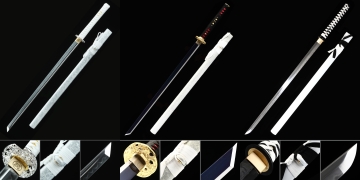
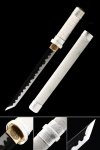
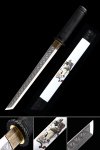
Yes - the White Hamidashi format is particularly well-suited for gifting because the white lacquer presentation reads as ceremonial and intentional rather than purely decorative. In Japanese cultural contexts, white is associated with formality and purity, which gives these pieces an inherent gravitas that darker or more utilitarian finishes do not carry. For a recipient who appreciates Japanese aesthetics, martial arts history, or blade craftsmanship as an art form, a white lacquer hamidashi communicates that the gift was chosen with knowledge and care. The engraved blade motifs - dragon art, geometric patterns, skull design - also give gift-givers the ability to match a piece to the recipient's specific tastes. Each collectible arrives ready for display, requiring no additional accessories to present properly.
How does blade engraving affect a tantō's collectible value?
Blade engraving - known as horimono in Japanese blade tradition - has historically served both artistic and symbolic functions. On modern collectible tanto like those in this collection, geometric patterns and figurative motifs such as dragons add a layer of visual narrative to the piece, transforming the blade surface into a canvas that rewards close examination. From a collector's standpoint, engraved blades are generally more visually interesting as display objects than plain blades, and the quality of the engraving is a direct indicator of craftsmanship attention. Crisp, deeply cut lines that maintain their definition over time - as manganese steel engraving tends to do - reflect care in production. When evaluating an engraved collectible, look at the consistency of line depth, the cleanness of curved transitions, and whether the motif is centered and proportional on the blade geometry.