Why specifically pair 1095 steel with traditional Japanese aesthetics rather than modern or other st
Updated Feb 2026
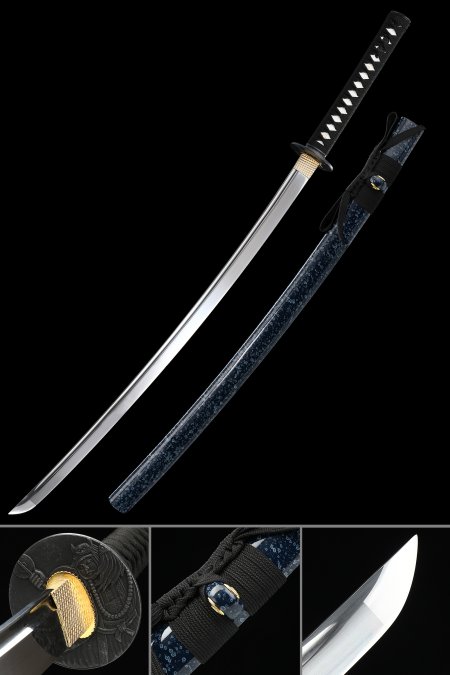
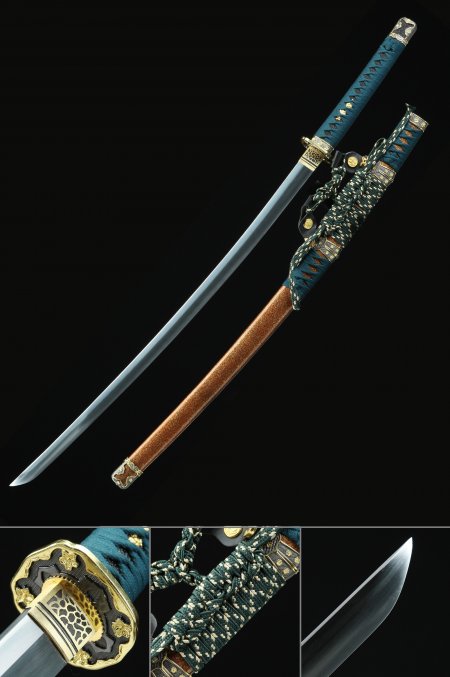
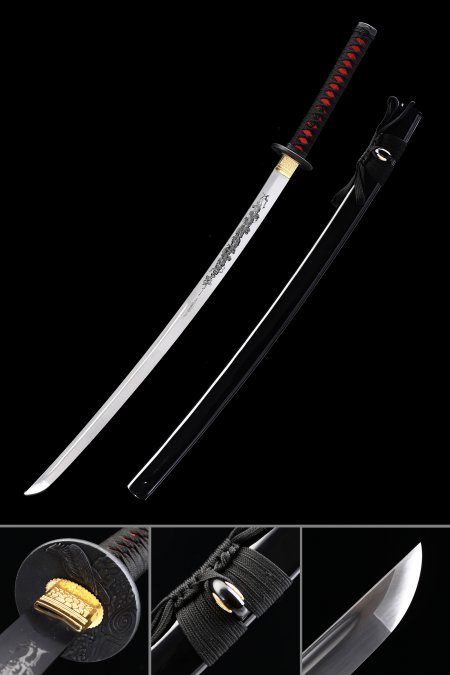
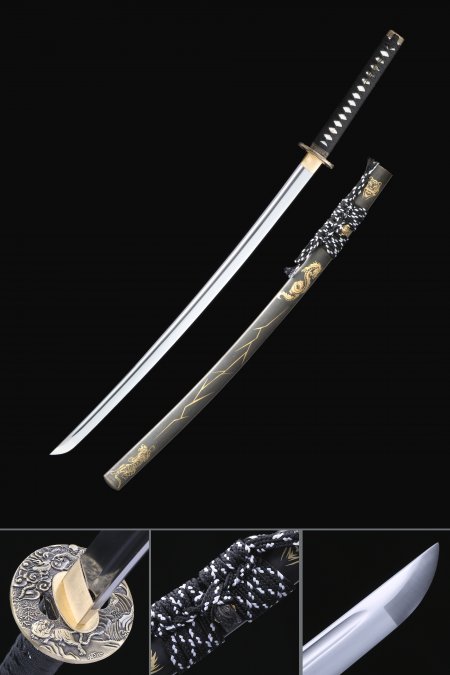
The pairing is philosophically intentional. Throughout Japanese sword-making history, the relationship between blade quality and mounting quality was considered inseparable — a masterwork blade deserved masterwork koshirae, and vice versa. Placing the highest-carbon, finest-edge steel available within traditional Japanese mounting continues that centuries-old principle of unified excellence. There is also a practical aesthetic reason: 1095 steel with clay tempering produces hamon patterns that are best appreciated within the visual context of traditional Japanese display conventions, where warm wood, natural materials, and subtle lighting create the optimal viewing environment for temper line appreciation. Modern styling tends to emphasize clean geometry and minimal surface interest, which can actually work against the visual complexity that makes 1095 hamon special. Traditional Japanese presentation provides the visual framework that allows the blade’s metallurgical achievements to be fully appreciated.