What makes clay tempering particularly effective on 1095 steel compared to lower-carbon alternatives
Updated Feb 2026
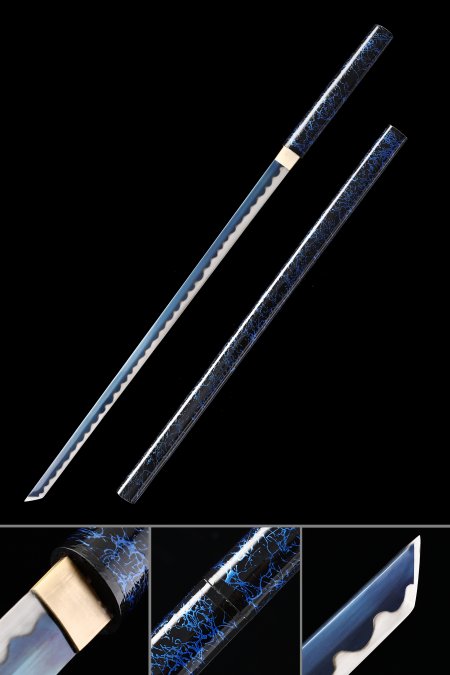
Clay tempering on 1095 produces the most dramatic results among standard carbon steels because of the pronounced difference between the hardened and unhardened zones at this carbon concentration. During clay tempering, the swordsmith applies clay in patterns along the blade — thinner on the edge, thicker on the spine. When quenched, the thinly-clayed edge cools rapidly and achieves full hardness, while the thickly-clayed spine cools slowly and remains softer and more flexible. At 0.95% carbon, the hardness difference between these two zones is greater than at lower carbon levels, creating a more visible contrast on the polished blade surface. This contrast is the hamon temper line — and on 1095, the hamon appears more active, with more dramatic transition patterns between hard and soft zones. Lower-carbon steels like 1060 still produce visible hamon, but the contrast is subtler because the hardness differential between zones is less pronounced. For collectors who value vivid, dramatic hamon as a key visual element, 1095 clay-tempered blades deliver the most rewarding results.