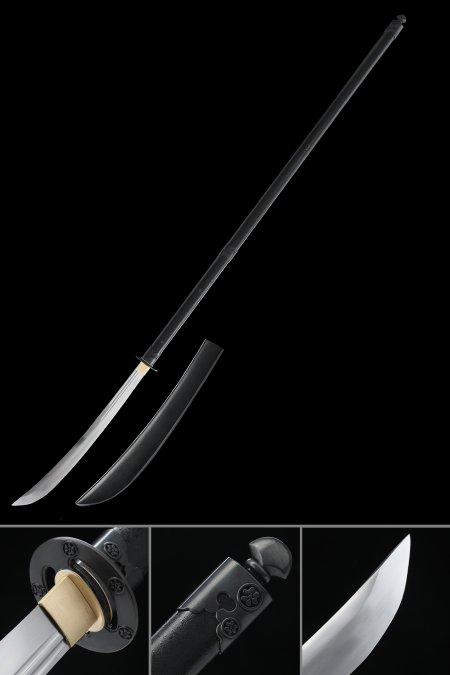
Black Saya Naginata

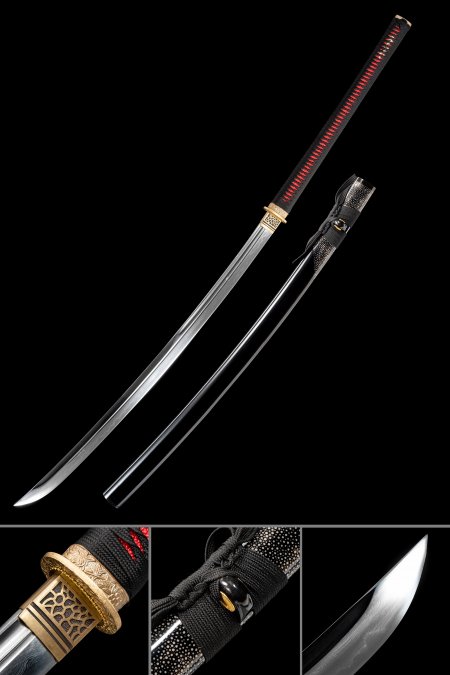
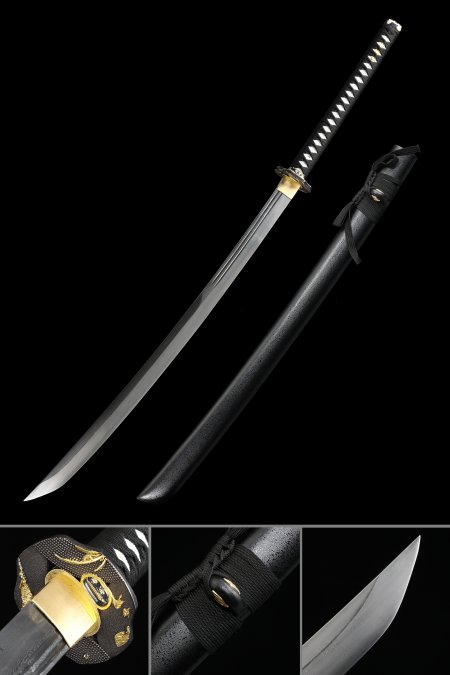
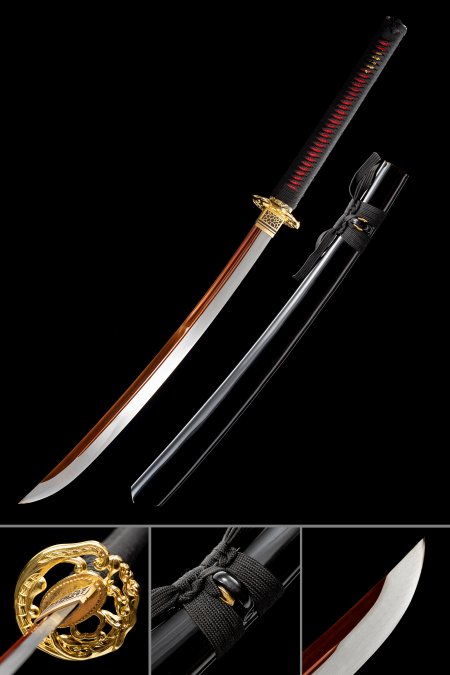
A black lacquer saya lends any naginata an air of austere elegance rooted in centuries of Japanese craftsmanship. Every piece in this collection is hand-forged from quality carbon or Damascus steel, fitted with a full-tang construction, and finished with a sleek black hardwood or lacquered saya built to showcase as beautifully as it preserves the blade. Whether you're expanding a dedicated collection or seeking a distinguished display centerpiece, these naginata are crafted to impress the most discerning eye. Enjoy free shipping on your order, backed by our hassle-free return policy.
Showing 4 Products

Related Collections

Black And Gold Katana14 items


11 Reviews

All Black Katana122 items


1138 Reviews

Frequently Asked Questions

What steel types are used in black saya naginata blades?
The blades in this collection are forged from either 1060 high-carbon steel or Damascus pattern steel. 1060 carbon steel is prized for its balance of hardness and toughness - it takes an edge well and responds predictably to heat treatment, making it a classic choice for hand-forged Japanese-style blades. Damascus pattern steel, created by layering and folding multiple steel types, produces a visually distinct grain pattern across the blade surface that reflects the individual forger's technique. Both materials develop real character through the forging process, which is why they're preferred over stainless steel for serious collectible pieces.
What does clay tempering mean, and why does it matter?
Clay tempering is a traditional Japanese heat treatment technique in which a clay mixture is applied unevenly along the blade before it is quenched in water or oil. The clay insulates the spine, causing it to cool slowly and remain relatively soft and flexible, while the uncoated edge cools rapidly, becoming harder and more capable of holding fine geometry. The boundary between these two zones produces the hamon - the visible temper line that runs along the side of the blade. A real hamon formed through this process is unique to each blade and cannot be replicated by acid etching or grinding. It serves as both an aesthetic feature and a direct record of the blade's thermal history, which is why clay-tempered pieces are consistently valued more highly among knowledgeable collectors.
How should I store a lacquered saya naginata for long-term display?
Black lacquer saya are durable but sensitive to extreme humidity changes. Store or display your naginata in an environment with stable humidity - ideally between 40% and 60% relative humidity - to prevent the lacquer from cracking or the wood from warping. Avoid placing the piece in direct sunlight, which fades lacquer over time. The blade itself should be lightly coated with a food-safe mineral oil or traditional choji oil every few months, especially if you live in a humid climate where surface oxidation can develop. When placing the blade into the saya for extended storage, ensure the blade is clean and lightly oiled before sheathing.
How does a naginata differ from a katana as a display piece?
The most immediate difference is scale. A naginata is a polearm typically exceeding 100cm in total length, with a long wooden haft and a curved single-edged blade mounted at one end - giving it a dramatically different silhouette compared to the compact, hand-held profile of a katana. As a display piece, a naginata commands significantly more visual space and works best on horizontal wall mounts or purpose-built floor stands that show off its full length. The blade geometry on a naginata also tends to differ - often broader at the base with a more pronounced curvature than a katana blade - making the transition between blade and haft a visually interesting design element in its own right.
Is a black saya naginata a suitable gift for a Japanese history enthusiast?
It's one of the more thoughtful options available for someone who collects Japanese historical objects or has a deep interest in the period. The naginata carries specific historical associations - it was closely linked with certain traditions of Japanese martial culture and appears frequently in historical and artistic contexts - which gives it narrative depth beyond purely aesthetic appeal. A hand-forged piece with a lacquered black saya reads as a considered, high-quality gift rather than a generic decorative item. Pairing it with a display stand or a brief note on the blade's steel and construction can elevate the presentation further for a recipient who will appreciate those details.

Customer Reviews

Eli Mohr New York, United States

Overall good weapon nice cutting and feel but something wrong with the glue job inside the saya as it would keep getting on the blade no matter how many times said saya cleaned it and washed it out with soap and water until I cut it in half and removed it and did my own glue job which seemed to fix that but yea cause of that I can’t give it a 5 star I’m sure you’d understand
1060 Carbon Steel Japanese Naginata - Black Hardwood Saya, Full Tang, Hand Forged Polearm 1060 Carbon Steel Japanese Naginata - Black Hardwood Saya, Full Tang, Hand Forged Polearm