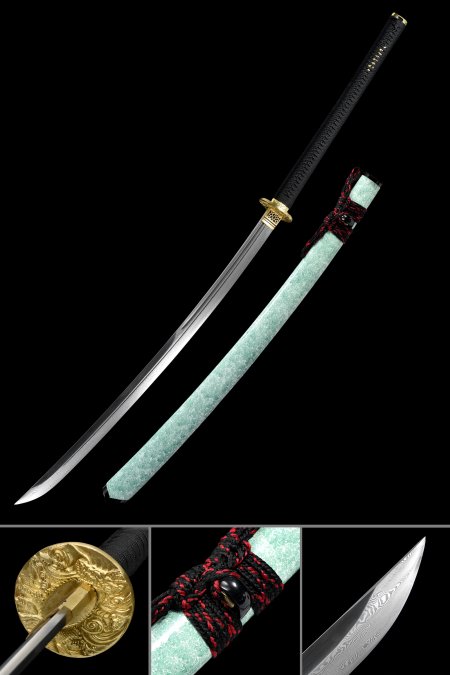
Marble Damascus Steel Naginata

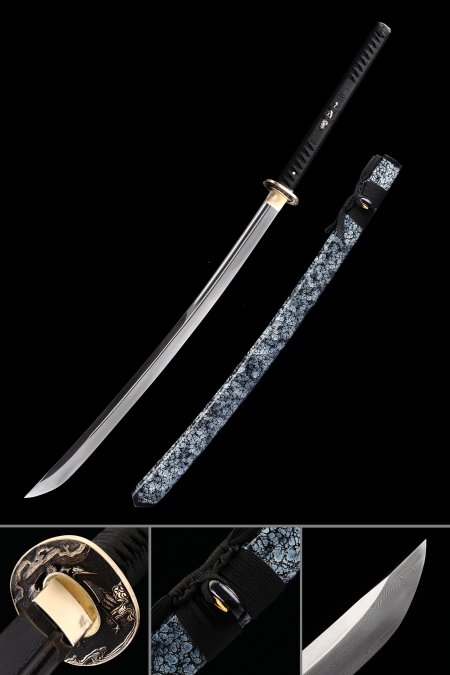
Marble Damascus steel naginata bring together one of Japan's most iconic polearm forms and the mesmerizing swirling grain of pattern-welded steel. Each piece in this collection is hand-forged by skilled artisans, delivering a full-tang construction and a visually striking blade that stands apart in any serious display. Whether you are adding to a curated collection or presenting a memorable gift to a fellow enthusiast, these naginata represent craftsmanship worth owning. Every order ships free, and we back each purchase with a hassle-free return policy.
Showing 2 Products

Related Collections

Damascus Steel Sword78 items


337 Reviews

Damascus Ninjato19 items


19 Reviews

Damascus Chokuto19 items


19 Reviews

Damascus Broadsword7 items


1 Reviews

Frequently Asked Questions

What makes marble Damascus steel visually unique?
Marble Damascus steel is created through a pattern-welding process where multiple layers of high-carbon and low-carbon steel are forge-welded together, then manipulated — twisted, folded, or ground — to produce flowing, organic surface patterns. After forging, the blade is etched in acid, which reacts differently to each steel type and reveals the layered grain in high contrast. The "marble" designation refers specifically to patterns that swirl and billow rather than follow straight or ladder-like lines. Because the manipulation of layers is entirely done by hand, no two blades will ever produce the same pattern, making each naginata in this collection a genuinely unrepeatable piece of forged art.
How does a naginata differ from a katana as a collectible?
While the katana is a single-handed or two-handed sword worn at the hip, the naginata is a polearm — a curved blade mounted on a long wooden or composite shaft, typically ranging from 150 to 210 cm in overall length. As a collectible, the naginata commands more display space and creates a very different visual presence, often displayed horizontally on tiered stands or mounted on a wall. The blade geometry also differs: naginata blades tend to have a more pronounced curvature and a longer kissaki (tip section) compared to standard katana. For collectors interested in representing the full breadth of Japanese edged-piece traditions, a naginata offers a form that is historically significant yet far less commonly collected than the katana, giving any display an element of distinction.
Is full-tang construction important for a display naginata?
Full-tang construction means the steel of the blade extends continuously through the entire length of the handle core, rather than terminating partway inside the grip. For display collectibles, full-tang build quality signals a higher standard of manufacture — the same engineering standard applied to functional pieces — and it significantly increases the structural longevity of the assembled piece. Rat-tail or partial-tang construction, common in lower-grade display items, can loosen over time as handle materials expand and contract with humidity changes. A full-tang naginata holds its fittings more securely, ages more gracefully on display, and retains higher collector value over time.
How should I maintain a Damascus naginata on long-term display?
The layered steel in a Damascus blade is high in carbon content, which makes it responsive to humidity and handling. For long-term display, apply a thin, even coat of camellia oil or choji oil to the blade surface every two to three months using a soft cotton cloth. Avoid touching the blade with bare hands, as skin oils create localized oxidation spots that are difficult to remove cleanly from a patterned surface. Store or display the piece away from coastal air, heating vents, or damp basements. If the naginata is kept in its saya for extended periods, remove it periodically to ensure no moisture is trapped against the steel. A light pass with uchiko powder before resheathing helps absorb residual oils without scratching the etched surface.
Does the saya material affect collectible value or display appeal?
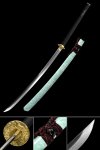
Yes, the saya finish plays a meaningful role in both the aesthetic composition and perceived quality of a naginata as a display piece. Granite-finish saya feature a textured, stone-like lacquer that visually echoes the natural, mineral quality of the marble Damascus grain — creating a cohesive design language across blade and scabbard. Lacquered green saya, by contrast, introduce color contrast that makes the steel's warm tones stand out more prominently. From a craft standpoint, high-quality lacquer application over a solid wood core indicates attention to the finishing stages of production. When evaluating a naginata for display, examining how well the saya mouth (koiguchi) fits and how evenly the lacquer is applied gives a reliable indication of the overall build quality.

Customer Reviews

Michael E Glass Indiana, United States

The swords arrived 7-8 days after they were shipped. I had received an email confirming the order when I placed it, however I did not receive an email when it shipped, so I didn't know to look for them. They may have been outside a day before I noticed the boxes. With that said the boxes arrived in good shape with no obvious shipping damage. I'm not the biggest fan of the all styrofoam containers, due to it being a little messy when opening the packaging, but I can't deny it did an excellent job in protecting the swords as they arrived in perfect condition. I haven't had a chance to cut any water bottles yet, but all of the swords seem reasonably sharp. Everything seems well built with no obvious defects that I can tell at this time.

Fuuun Kairyuu Damascus Naginata - Pattern Steel, Green Saya, Copper Tsuba, Full Tang Fuuun Kairyuu Damascus Naginata - Pattern Steel, Green Saya, Copper Tsuba, Full Tang
Cart 0 Items

Your cart is empty