
Black Teal Handle Katana
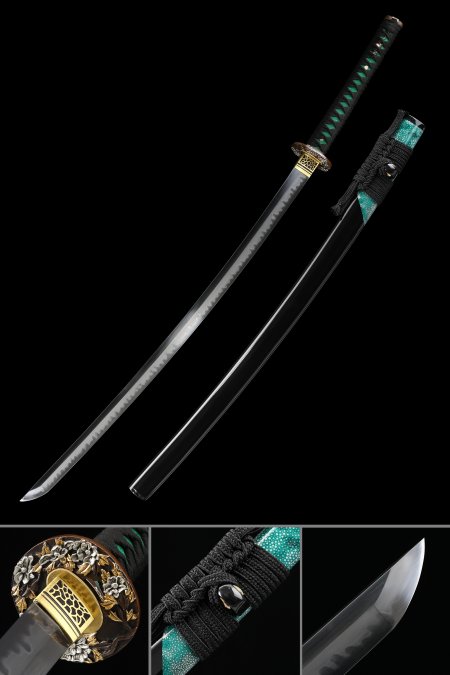
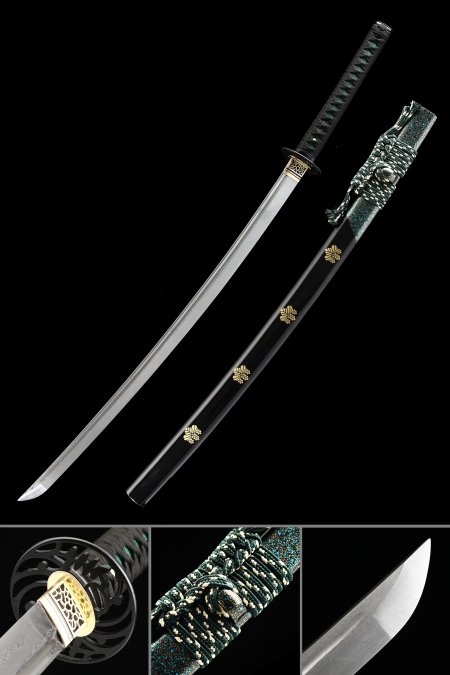
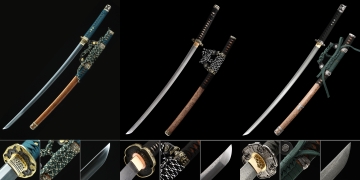
Black teal handle katana blends the timeless elegance of traditional Japanese sword craftsmanship with a bold, distinctive color aesthetic. Each piece in this collection features hand-wrapped teal and black ito over genuine same (ray skin), complemented by premium fittings and carefully selected steel for a display piece worthy of any serious collector. Enjoy free shipping on your order and hassle-free returns - because acquiring the right collectible should be effortless.
Free Shipping
259.00 USD
Related Collections
Frequently Asked Questions
What makes teal and black ito wrapping distinctive?
Teal and black ito wrapping is notable because the two-tone pattern creates what collectors call a diamond-exposure effect - the gaps between ito passes reveal the textured ray skin (same) beneath in a contrasting tone. Most production katana use a single ito color, which produces a uniform look but hides much of the same's texture. The dual-color approach draws the eye along the length of the tsuka (handle), making the underlying material an active part of the visual design rather than a hidden structural element. For display purposes, this detail catches both natural and artificial light differently at varying angles, giving the handle a dynamic quality that single-tone wrappings lack.
How does T10 steel differ from Damascus in this collection?
T10 tool steel is a mono-steel - a single high-carbon alloy with approximately 1.0% carbon content and trace amounts of silicon and tungsten, which contribute to wear resistance and a refined grain structure. When clay-tempered, T10 produces a distinct hamon (temper line) that is considered a mark of authentic differential hardening. Damascus steel, by contrast, is pattern-welded from multiple steel layers folded and forge-welded together, resulting in a surface grain pattern that is entirely unique to each blade. T10 rewards collectors interested in heat-treatment authenticity and visible hamon activity; Damascus appeals to those drawn to surface aesthetics and the visual complexity of layered steel. Neither is superior - they represent different collecting priorities.
What does clay tempering actually do to a katana blade?
Clay tempering, known as tsuchioki in Japanese sword tradition, involves applying a clay mixture to the blade before the final quench. Thicker clay is applied along the spine (mune) and thinner or no clay along the cutting edge. During quenching, the edge cools faster and hardens into a crystalline structure called martensite, while the clay-insulated spine cools slowly and remains tougher and more flexible. The boundary between these two zones is the hamon - a wavy or irregular temper line visible on a polished blade. On T10 steel, the hamon is particularly crisp and active, making it one of the most sought-after visual and technical features for collectors who value process authenticity over purely cosmetic details.
How should I store and maintain a display katana at home?
For long-term display and preservation, the most important factors are humidity control, light exposure, and periodic oil application. Store the katana horizontally on a dedicated sword stand, or mount it on a wall away from direct sunlight, which can fade ito wrapping and dry out the wood beneath the lacquer saya over time. The blade should be lightly coated with a thin layer of choji oil (or a modern equivalent mineral oil) every few months to prevent oxidation - apply with a soft cloth and wipe off excess to avoid pooling near the habaki (blade collar). Avoid environments with humidity above 60%, which can encourage rust on the blade and loosen the ray skin on the handle. When handling, wear cotton gloves or hold by the tsuka to prevent skin oils from contacting the blade.
Is a black teal handle katana a good gift for a collector?
A black teal handle katana makes a strong gift choice precisely because its color aesthetic is specific enough to feel personal without being so niche that it loses broad collector appeal. The teal-black combination is visually striking yet rooted in traditional ito-wrap construction, meaning it resonates with collectors who appreciate authentic assembly methods as much as visual presentation. For a first-time recipient, a piece featuring a dragon or floral tsuba adds an additional layer of symbolic meaning that many collectors enjoy researching. If you are selecting a gift without knowing the recipient's steel preference, Damascus variants tend to be immediately impressive on visual inspection, while T10 clay-tempered pieces reward more knowledgeable recipients who will examine the hamon closely.



