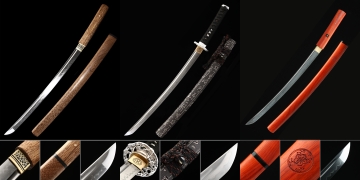
Brown Tamahagane Steel Katana

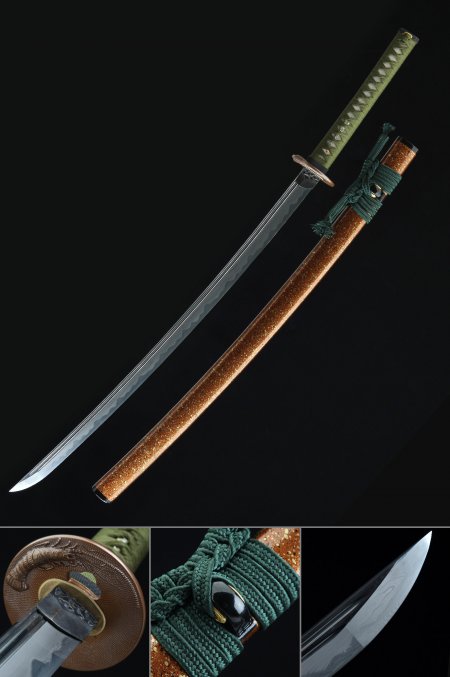
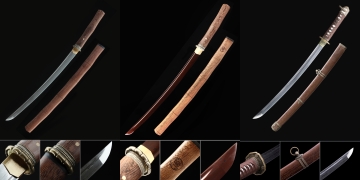
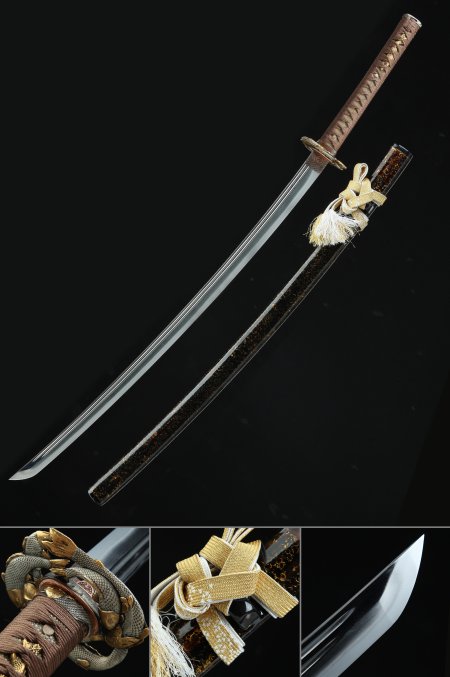
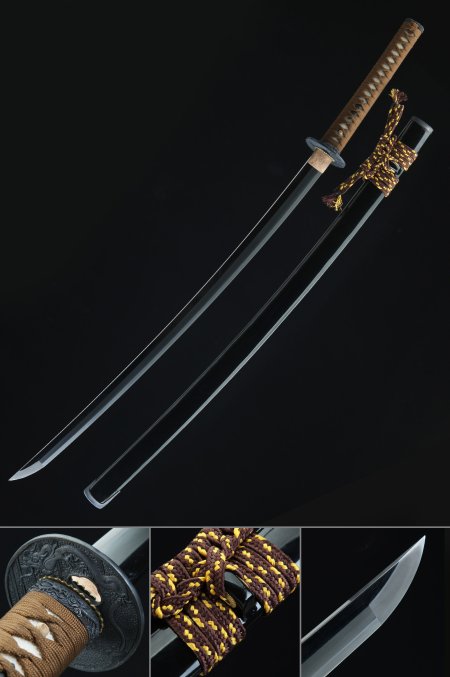
Brown Tamahagane Steel Katanas in this collection are individually hand-forged from traditionally smelted tamahagane - the same iron-sand steel used by Japanese smiths for centuries. Each blade is paired with earth-toned brown fittings, from genuine samegawa wrap to lacquered saya, creating a cohesive aesthetic rooted in classical Japanese sword-making tradition. Every piece ships free and is backed by our hassle-free return policy.
Showing 3 Products

Frequently Asked Questions

What makes tamahagane steel different from modern high-carbon steel?
Tamahagane is smelted from iron sand and charcoal in a traditional tatara furnace, producing a steel bloom with naturally uneven carbon distribution - ranging from low-carbon iron to high-carbon steel within the same piece. Smiths exploit this variation by selectively forging and folding specific zones, placing hard steel at the cutting edge and softer steel at the spine. Modern high-carbon steels like 1095 or T10 are industrially homogenized to precise carbon percentages, offering consistency but lacking the layered grain structure visible in a polished tamahagane blade. The itame or mokume grain pattern that emerges on the surface of a finished tamahagane katana is a direct visual record of that labor-intensive forging process - something no industrially produced steel can replicate.
Why do brown koshirae katanas appeal to serious collectors?
In the classical Japanese aesthetic tradition, earth-toned fittings - brown ito wrap, natural samegawa, copper tsuba - were associated with understated refinement rather than decorative excess. Samurai of certain periods favored subdued koshirae to signal martial seriousness and personal discipline. For modern collectors, brown koshirae offers a visually cohesive presentation that photographs beautifully and displays well without competing with the blade itself. The warm tones also age gracefully: brown silk or cotton ito develops a subtle patina over time, and copper tsuba gradually acquire a natural oxidation that adds depth rather than diminishing appearance. This makes brown koshirae katanas particularly well-suited for long-term display collections.
How should I maintain the lacquer saya on a tamahagane katana?
Lacquer saya are durable but sensitive to environmental extremes. Store the katana in a stable environment with relative humidity between 45-60% - too dry and the lacquer may develop fine surface cracks; too humid and the wooden core can swell, making the blade difficult to draw cleanly. Avoid placing the saya in direct sunlight for extended periods, as UV exposure causes lacquer pigments to fade and the surface to become brittle over time. For cleaning, a soft, lint-free cloth is sufficient; never use solvents or abrasive materials on lacquer. If the saya is stored in a silk bag, check periodically that the fabric is not retaining moisture against the lacquer surface.
What do the different tsuba motifs in this collection symbolize?
Tsuba iconography in Japanese sword culture carries specific symbolic layering. The shrimp motif, common in Edo-period metalwork, was associated with longevity - the bent posture of the shrimp was read as the silhouette of an elder, making it a gift-appropriate symbol. Dragon imagery spans multiple Japanese artistic traditions and generally represents strength, transformation, and guardianship; dragon tsuba appear across sword furniture from the Muromachi period onward. Koi, frequently depicted swimming upstream, carry associations of perseverance and achievement - a meaning derived from the Chinese legend of the carp that becomes a dragon after climbing a waterfall. Choosing a tsuba motif is therefore as much a statement of personal symbolism as it is an aesthetic decision, which is why collectors often select pieces whose iconography holds personal resonance.
Is a tamahagane katana a good first serious collectible purchase?
Tamahagane katanas occupy a meaningful tier in sword collecting - above mass-produced stainless replicas, and representing an authentic connection to traditional Japanese smelting and forging methods. For a collector ready to move beyond decorative display pieces into historically grounded acquisitions, tamahagane is an excellent entry point. The visible grain structure, active hamon, and hand-fitted koshirae all provide ongoing points of study and appreciation that deepen with familiarity. From a display perspective, a tamahagane katana with brown koshirae is versatile - it suits both minimalist and traditional Japanese interior settings. Proper care is straightforward: periodic oiling with choji oil and stable storage conditions are the primary requirements for long-term preservation.

Customer Reviews