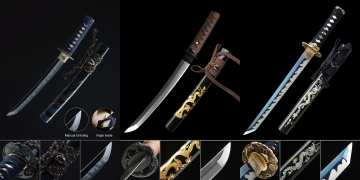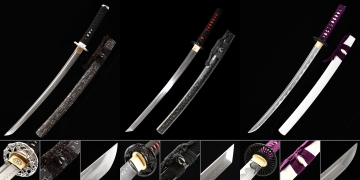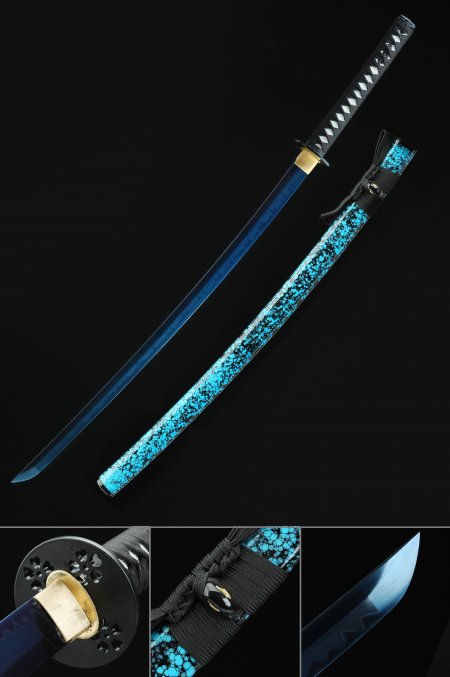
Cherry Blossom Tsuba Katana

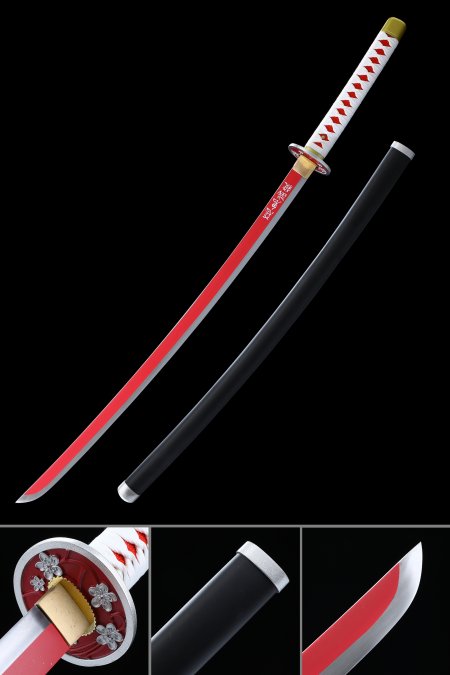
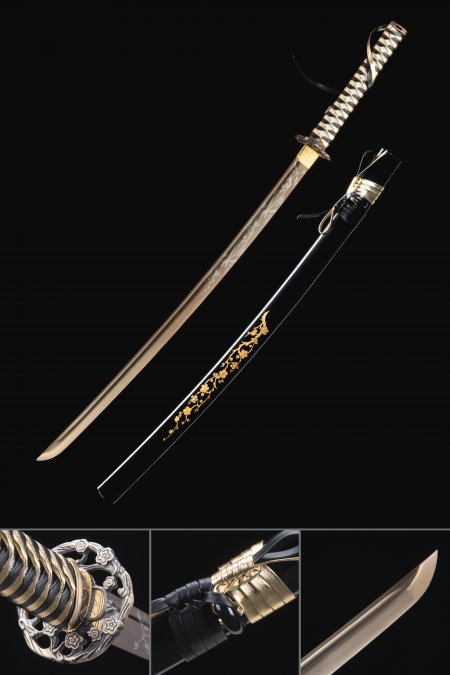
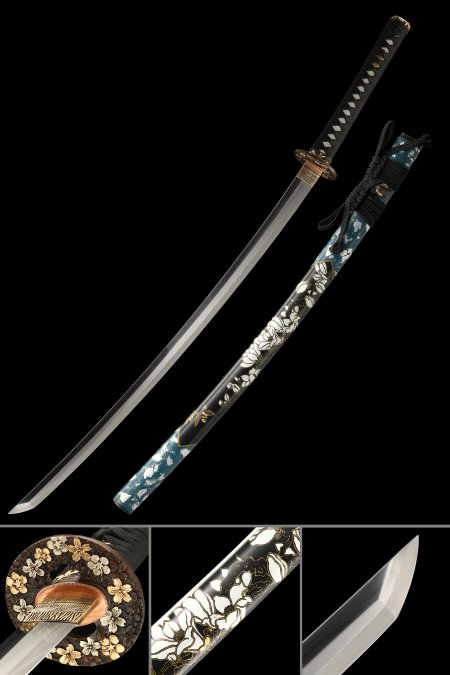
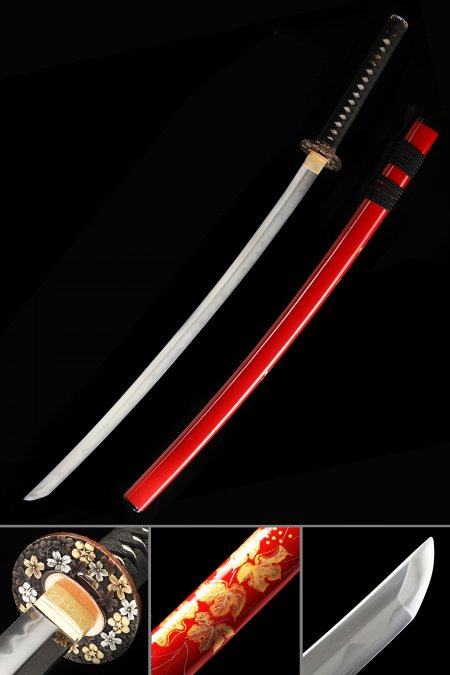
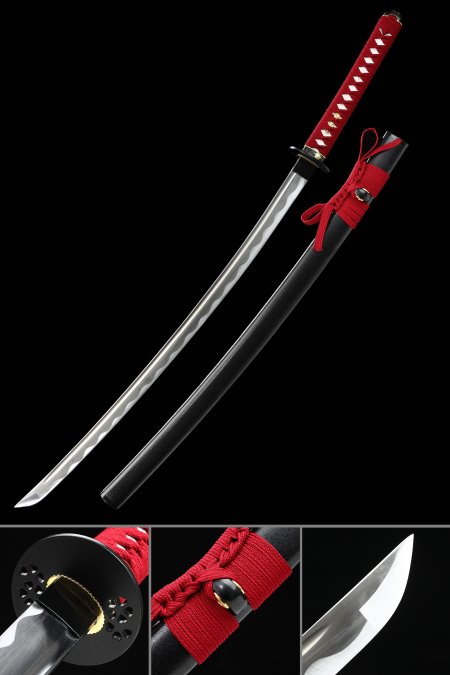
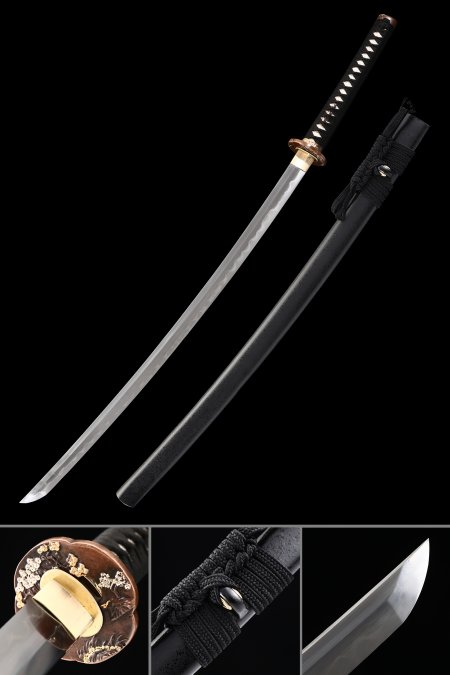
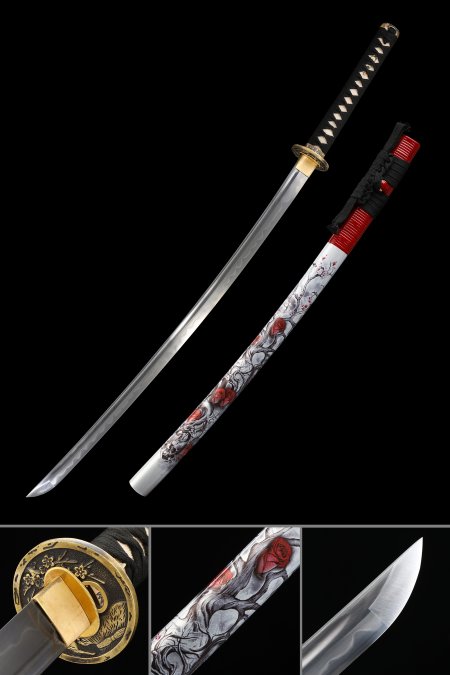
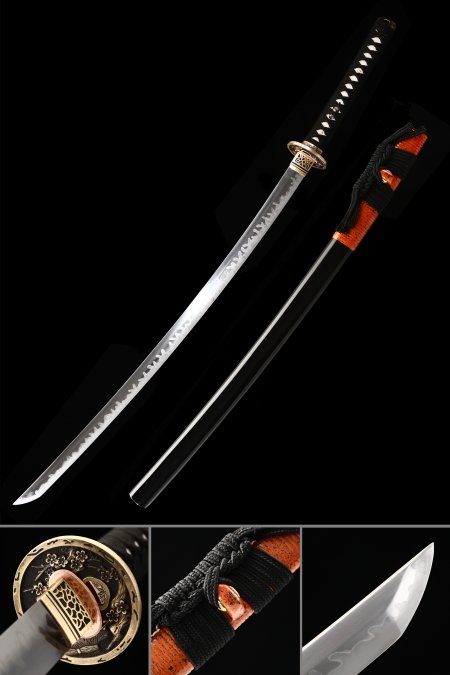
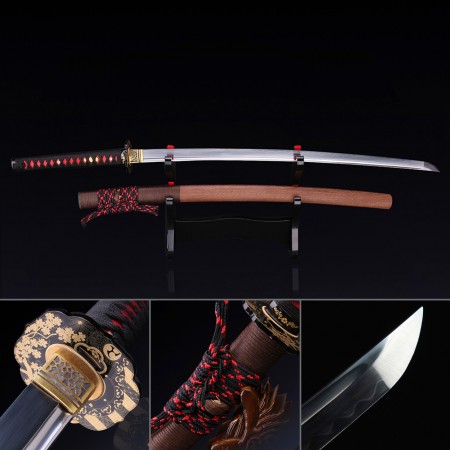
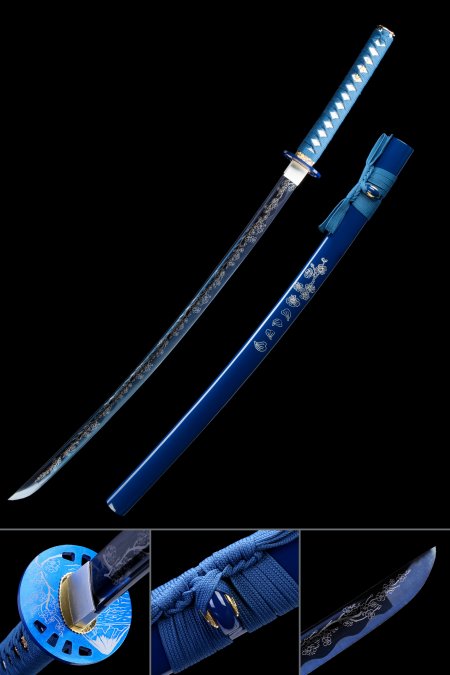
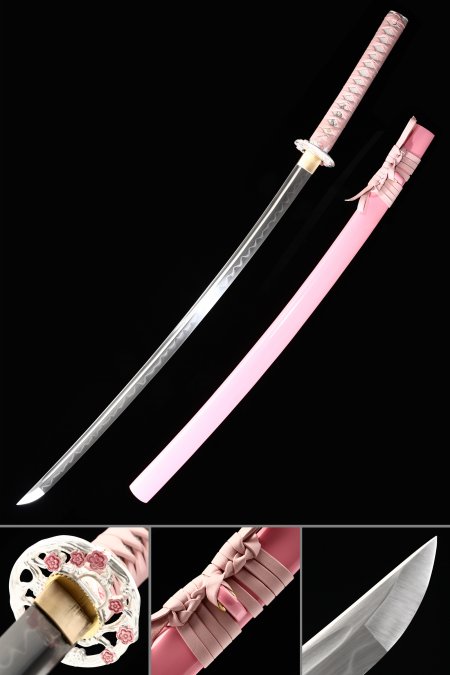
Cherry blossom tsuba katana pieces bring together the delicate artistry of sakura motifs and the exacting craft of traditional Japanese swordsmithing. Each guard in this collection is shaped or engraved with the iconic five-petal bloom, rendered in bronze, copper, gold, or silver to complement lacquered sayas and hand-wrapped tsuka. Whether you're drawn to clay-tempered T10 steel with a natural hamon, Damascus layered construction, or the bold tones of manganese steel blades, every piece here is built full-tang and finished to display-grade standards. Enjoy free shipping on your order, backed by our hassle-free return policy.
Showing 12 Products

Related Collections

Dragon Blade Ninjato15 items


25 Reviews

Chrysanthemum Tsuba Tachi15 items


30 Reviews

Dragon Saya Tanto15 items


18 Reviews

Frequently Asked Questions

What materials are cherry blossom tsuba typically made from?
In this collection, cherry blossom tsuba are produced in bronze, copper, gold-finished iron alloy, and silver-toned metal. Each material creates a distinct visual relationship with the rest of the sword's fittings. Bronze develops a warm, slightly antiqued character that pairs naturally with Damascus steel blades and dark hardwood sayas. Copper carries a deeper, oxidized reddish tone that contrasts sharply against black lacquer. Gold-finished guards draw attention to the blade's hamon when paired with clay-tempered T10 steel, while silver-toned tsuba complement colorized manganese steel blades — blue, red, or gold — without competing with the blade's surface finish. The choice of tsuba metal is one of the most impactful decisions in a katana's aesthetic assembly.
How does T10 clay-tempered steel differ from Damascus in these katana?
T10 high-carbon steel is a refined, single-composition steel known for its edge stability and its response to clay tempering. When clay is applied to the spine before quenching, the edge cools faster and hardens more than the spine, creating a visible hamon — a misty, undulating transition line along the blade. This hamon is a direct record of the heat-treatment process and is highly valued by collectors as proof of authentic craft. Damascus steel, by contrast, is formed by folding and forge-welding two or more steel types together repeatedly, producing a flowing surface grain unique to each individual blade. Damascus pieces in this collection do not emphasize hamon; instead, their appeal lies in the organic, unrepeatable visual texture of the layered steel itself. Both are legitimate and distinct approaches to blade artistry.
Are these katana suitable as display pieces or just decorative items?
Every katana in this cherry blossom tsuba collection is built to display-grade standards with genuine structural integrity. Full-tang construction — meaning the steel core runs the full length from blade tip through the handle — is standard across the range, distinguishing these pieces from decorative wall-hangers that use pinned or partial-tang assemblies. The fittings, including the tsuba, habaki, and menuki, are properly seated and assembled as they would be on a traditionally constructed katana. These pieces are catalogued and sold as collectibles and display items, and they reward close inspection: the hamon on clay-tempered blades, the grain of Damascus layers, and the detail of the sakura engravings on each guard all become more interesting the longer you study them.
How should I care for a katana with a lacquered saya?
Lacquered sayas — whether piano black, colored, or natural wood finish — require slightly different handling than plain wood sheaths. Avoid exposing them to extreme humidity swings, which can cause the lacquer to crack or the wood beneath to warp. Do not store a blade inside a lacquered saya for extended periods without periodic removal, as moisture can become trapped and affect both the lacquer interior and the blade surface. For the blade itself, apply a thin, even coat of camellia oil every two to three months using a soft cotton cloth, wiping from the spine toward the edge in controlled strokes. Keep the display area away from direct sunlight, which fades lacquer over time. A dedicated katana stand in a stable indoor environment is the ideal long-term storage solution for these pieces.
Do cherry blossom tsuba katana make good gifts for collectors?
They are consistently among the most well-received gifts for collectors and enthusiasts familiar with Japanese sword culture, precisely because the sakura motif carries genuine cultural meaning rather than being purely ornamental. The cherry blossom's association with impermanence and beauty is woven into centuries of Japanese poetry, painting, and martial philosophy, so recipients who understand that context appreciate the symbolism built into the piece. For gifting purposes, pieces featuring T10 clay-tempered steel with a visible hamon tend to have the strongest impression on collectors who value traditional craft, while Damascus or manganese steel variants with bold blade colorations work well for recipients drawn to distinctive visual aesthetics. Pairing a cherry blossom tsuba katana with a matching display stand creates a complete, gallery-worthy presentation.

Customer Reviews

Cart 0 Items

Your cart is empty