About Our Samurai Armor Collection
Japanese samurai armor — known as yoroi — is among the most visually striking and technically sophisticated protective gear ever developed. Its history spans over a thousand years, from the early lamellar designs of the Heian period (794–1185) through the refined tosei-gusoku of the Sengoku and Edo eras. At TrueKatana, our collection features 53 handmade, life-size samurai armor suits, each fully wearable and constructed using traditional techniques. These are not miniature display models — every suit is built to full human scale with functional lacing, fitted plates, and complete component sets.
A Thousand Years of Japanese Armor
The Heian and Kamakura Periods — The Birth of the O-Yoroi
The earliest recognizable samurai armor emerged during the Heian period as the o-yoroi, or "great armor." Designed for mounted archers, the o-yoroi was a large, box-shaped suit built from hundreds of small iron and leather scales (kozane) laced together with silk cord (odoshi) and coated in urushi lacquer for weather resistance. The distinctive boxy silhouette, oversized shoulder guards (sode), and four-paneled skirt (kusazuri) were all engineered to allow free movement of the arms while riding and drawing a bow. A single o-yoroi could take over 265 days to construct and require more than 2,000 individual kozane plates. The color, pattern, and style of the silk lacing served as a visual identification system — each clan could be recognized at a distance by the odoshi color scheme of their armor. This lacing tradition is one of the most distinctive aspects of Japanese armor, and it continues to define the aesthetic of samurai yoroi today.
The Sengoku Period — Tosei-Gusoku and the Age of the Warlords
By the Sengoku period (1467–1615), warfare in Japan had shifted dramatically from mounted archery to large-scale infantry engagements involving ashigaru foot soldiers and, eventually, firearms. This transformation demanded a new generation of armor. The tosei-gusoku ("modern equipment") replaced the older o-yoroi and do-maru styles with a more streamlined, full-body suit featuring solid plate construction, integrated limb protection, and elaborate helmets (kawari-kabuto) designed as much for identification and prestige as for protection. This is the era of Japan's most famous warlords — Oda Nobunaga, Tokugawa Ieyasu, and Date Masamune — whose armor designs have become icons of Japanese visual culture. Our collection draws directly from these Sengoku-era designs, reproducing the clan crests, helmet forms, and lacing patterns associated with specific historical figures and families.
The Edo Period — From the Battlefield to the Display Stand
When the Tokugawa shogunate unified Japan and ushered in the Edo period (1603–1868), large-scale conflict largely ceased. Samurai armor evolved from functional field equipment into ceremonial regalia and a symbol of social rank. Armorers of the Edo era produced elaborate revival-style suits that combined earlier o-yoroi aesthetics with tosei-gusoku construction methods, resulting in some of the most visually refined armor ever made. Many of the most prized antique suits in museum collections worldwide date from this period. The tradition of armor as display art — rather than field equipment — is the direct ancestor of the collectible samurai armor market today.
The Six Components of Samurai Armor — Rokugu
Every complete samurai armor suit consists of six core components, collectively known as the rokugu. Each piece in our collection includes all six:
The kabuto (helmet) is the most visually distinctive element. It consists of a multi-plate iron bowl (hachi) fitted with a neck guard (shikoro), often topped with a crest (maedate) — such as Date Masamune's famous crescent moon or the dramatic antlers found on many Sengoku-era helmets.
The menpo (face mask) is an iron or lacquered facial guard, often sculpted with fierce expressions, mustaches, or demonic features. Beyond its protective role, the menpo served a psychological purpose — presenting an intimidating face to the opponent.
The do (cuirass) is the torso armor, constructed from laced plates or solid iron panels. The do is the structural core of the suit and defines its overall silhouette.
The kote (armored sleeves) protect the arms and hands with a combination of iron plates, chain links, and padded fabric.
The haidate (thigh guards) are apron-like panels of laced plates or chain that hang from the waist to cover the upper legs.
The suneate (shin guards) are fitted iron splints that protect the lower legs from knee to ankle.
Clan Armor in Our Collection
Oda Clan Armor
Our Oda Clan kachi designs are based on the armor style associated with Oda Nobunaga (1534–1582), the first of Japan's three great unifiers. Nobunaga's forces were known for disciplined formations and aggressive tactics that transformed Japanese politics. Our Oda Clan sets feature the clean, imposing silhouette associated with his kachi footsoldier armor, available in multiple color combinations including black, red, green, and blue.
Date Masamune Armor
Date Masamune (1567–1636) — the "One-Eyed Dragon" — was one of the most celebrated daimyo of the late Sengoku period. He is instantly recognizable by his distinctive helmet featuring an oversized silver crescent moon crest. Our Date Masamune armor reproduces this iconic suji-bachi kabuto along with the full yoroi set in his characteristic dark color scheme.
Tokugawa Clan Armor
The Tokugawa clan founded the shogunate that ruled Japan for over 250 years. Tokugawa Ieyasu (1543–1616) was the last of the three great unifiers and the architect of the Edo period's lasting peace. Our Tokugawa Clan sets reflect the authority and restraint of this dynasty, with refined lacing patterns and understated color palettes.
Sanada Clan Armor
The Sanada are remembered as one of the most tenacious clans of the Sengoku era. Sanada Nobuyuki's armor, featuring dramatic bull antler crests on the kabuto, is among the most visually striking designs in Japanese armor history. Our Sanada sets reproduce these imposing antlered helmets along with full yoroi fittings.
Who Collects Samurai Armor
Our samurai armor suits are purchased by a wide range of collectors and enthusiasts. Private collectors display them as centerpieces in home collections or dedicated Japanese art rooms. Museums, cultural centers, and educational institutions acquire them for exhibitions on Japanese history and material culture. Film and television productions use them as screen-accurate props. Martial arts dojos and Japanese cultural organizations display them as symbols of the traditions they study. Restaurants, hotels, and commercial spaces use them as dramatic interior design elements that create an immediate sense of place and history. Each suit is fully wearable and can also serve as a fitting element for historical reenactment, cosplay, or photography.
How Our Samurai Armor Is Made
Each yoroi begins with the construction of the do (cuirass) from iron plates, which are shaped, lacquered, and laced together with silk or cotton cord. The lacing pattern and color are selected to match the historical clan design. The kabuto is assembled from multiple iron plates riveted together, fitted with a shikoro neck guard and the appropriate maedate crest. The menpo is sculpted and lacquered by hand. Kote, haidate, and suneate are constructed from a combination of iron plates and chain segments, then fitted to fabric or leather backing. The complete suit is assembled, adjusted for fit, and mounted on a display stand for shipping. Total construction time for a single suit ranges from several weeks to over a month depending on the complexity of the design.

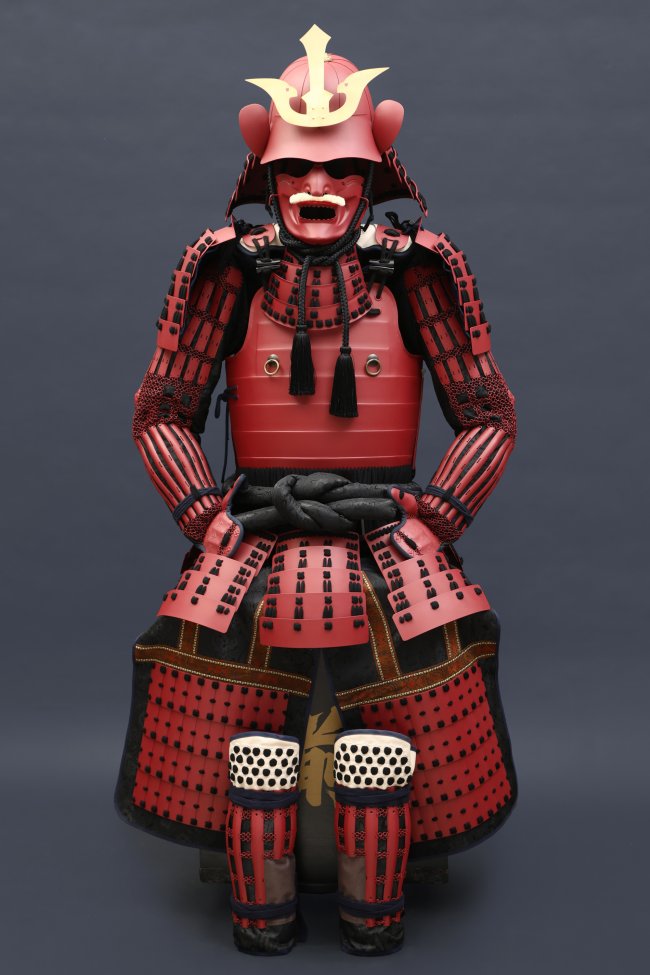
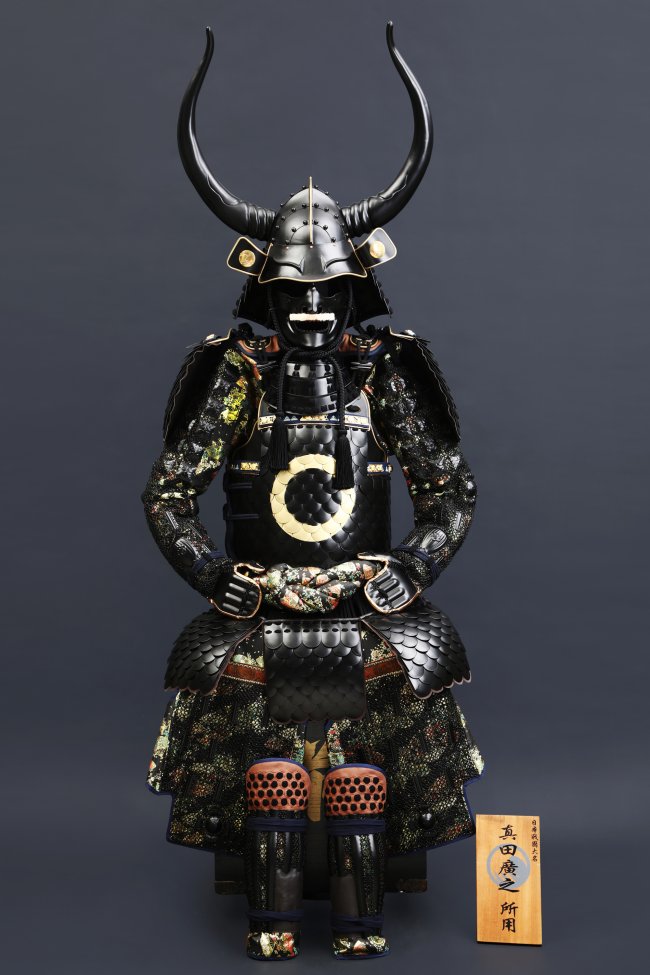
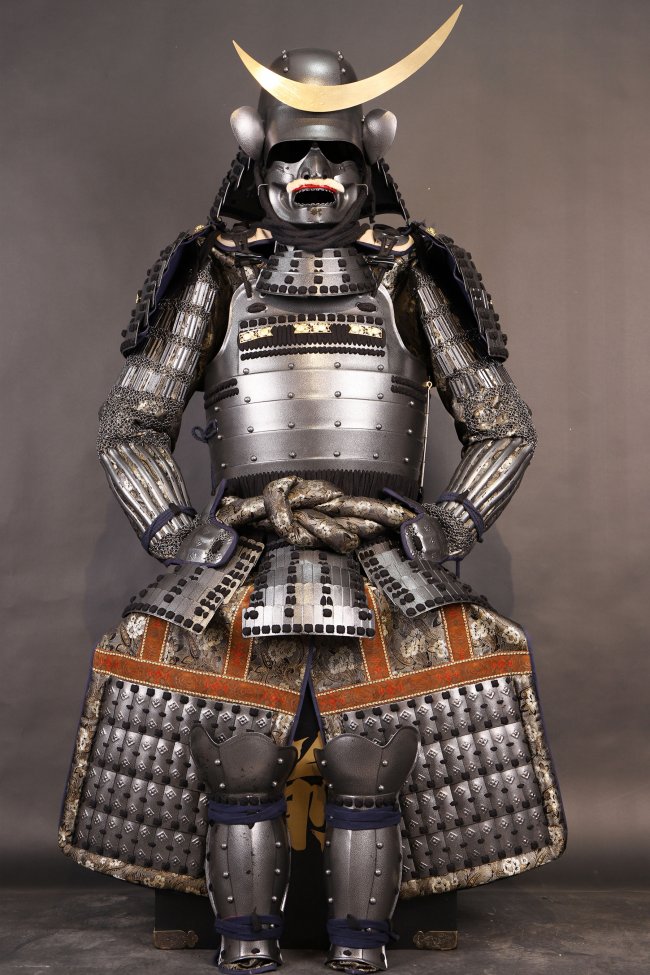
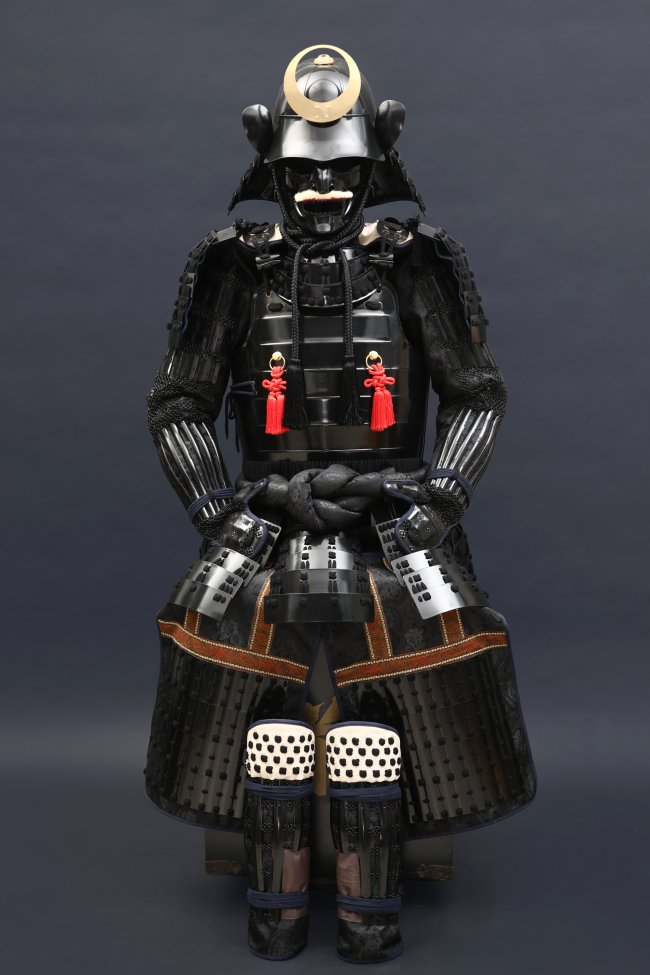
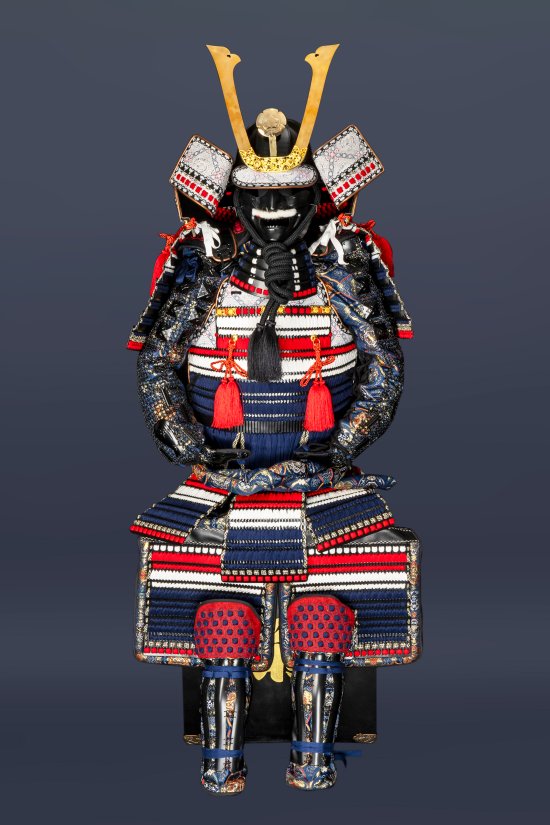
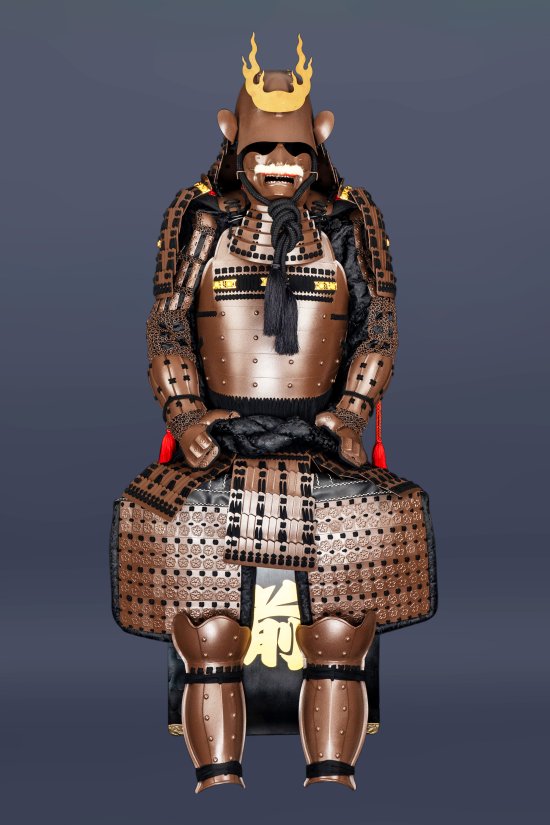
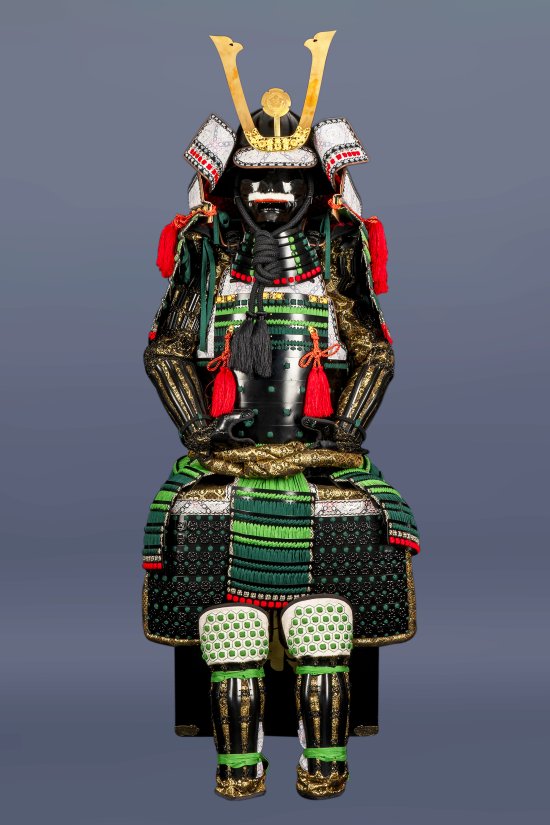
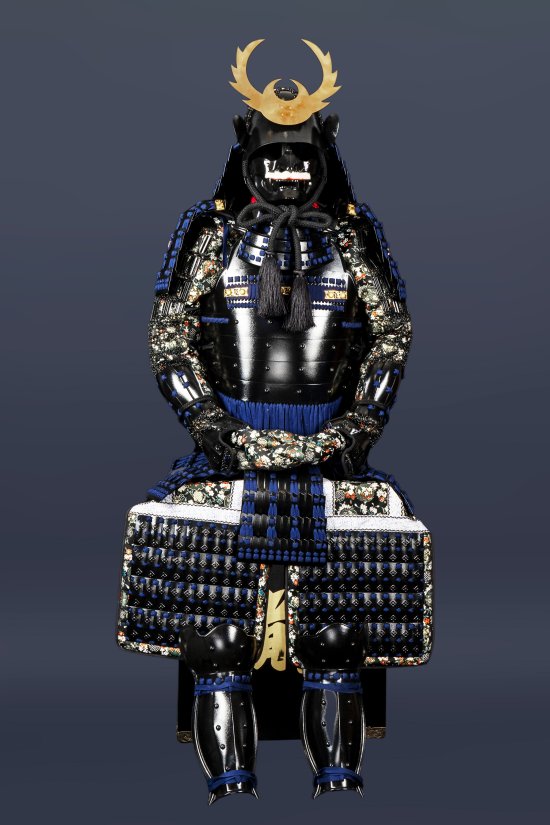
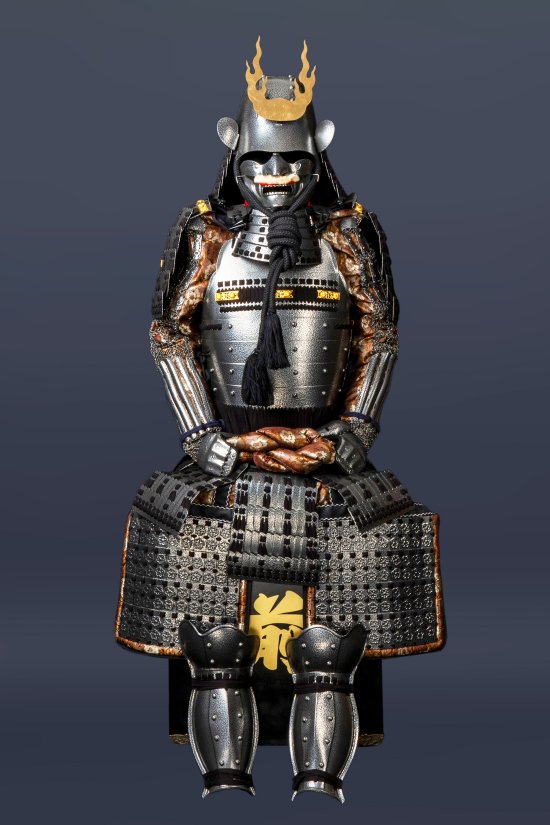
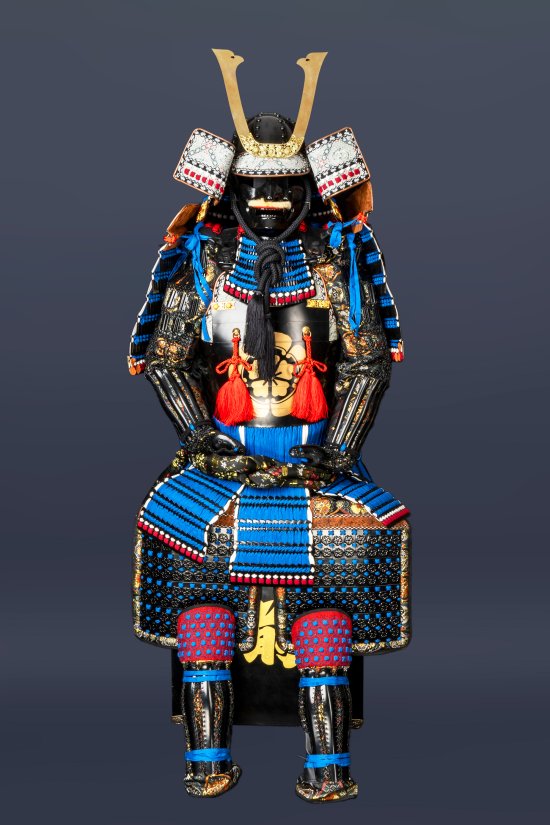
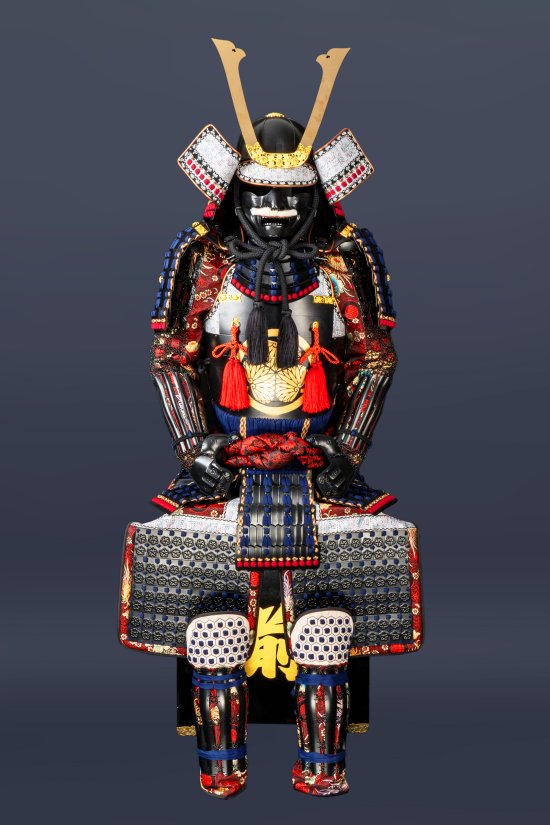
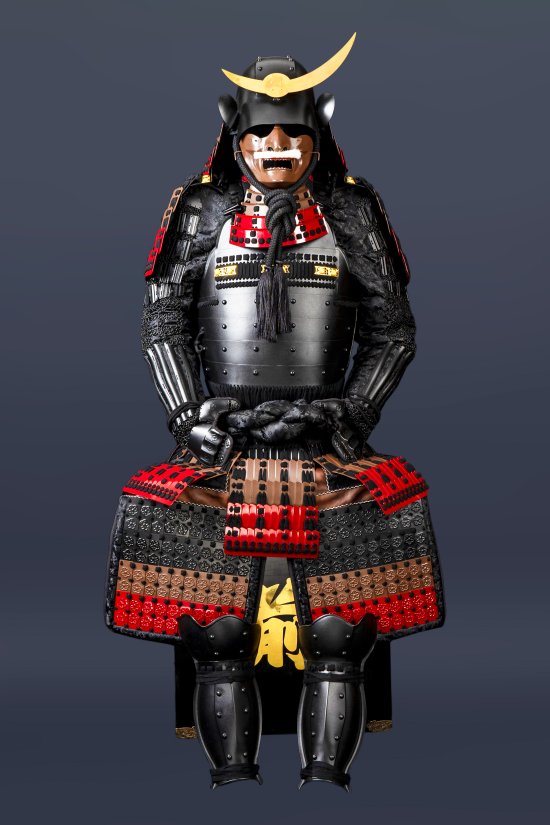
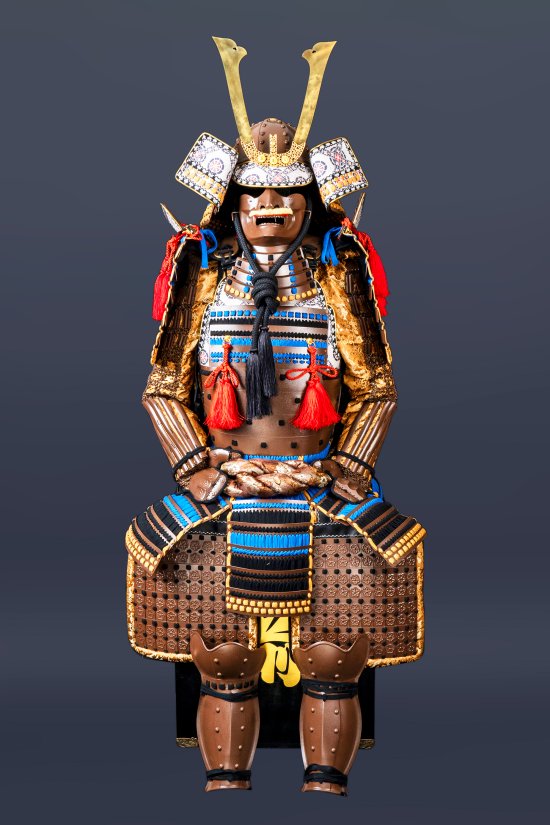
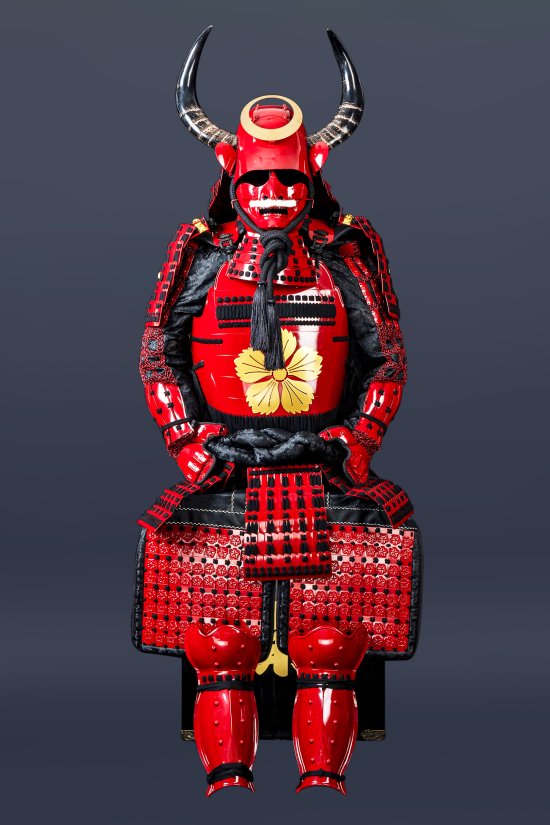
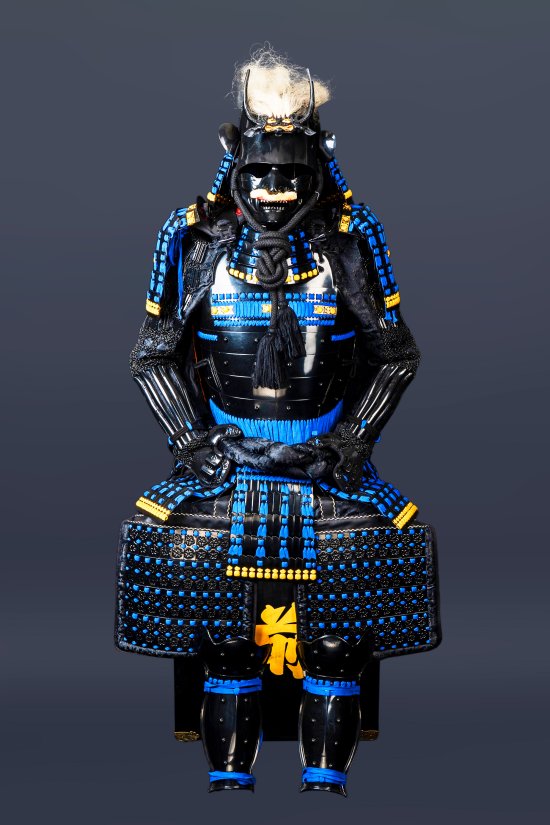
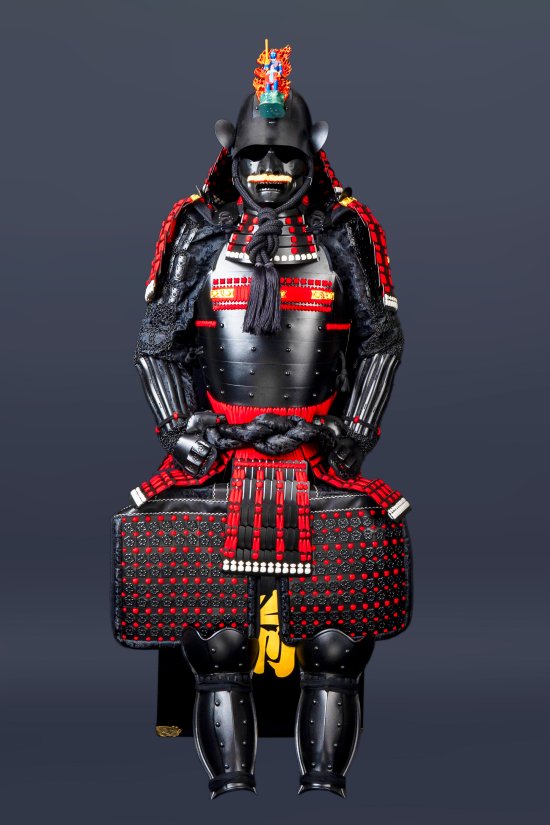
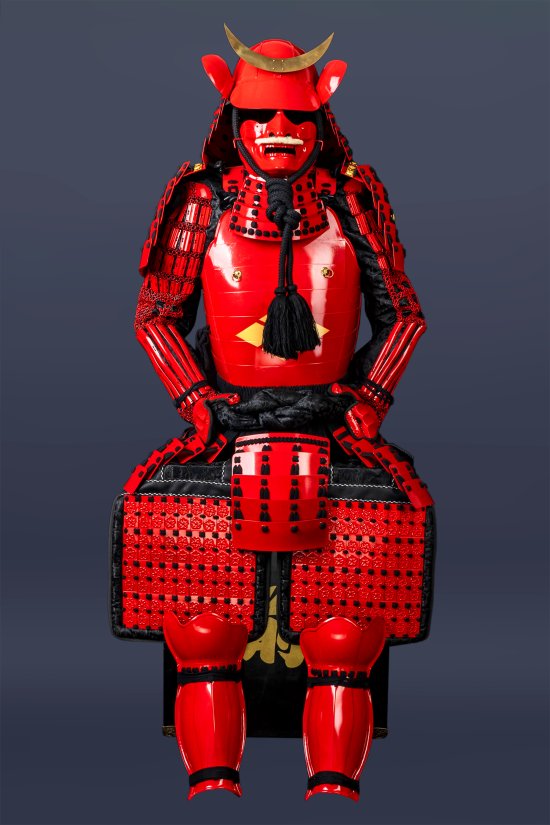
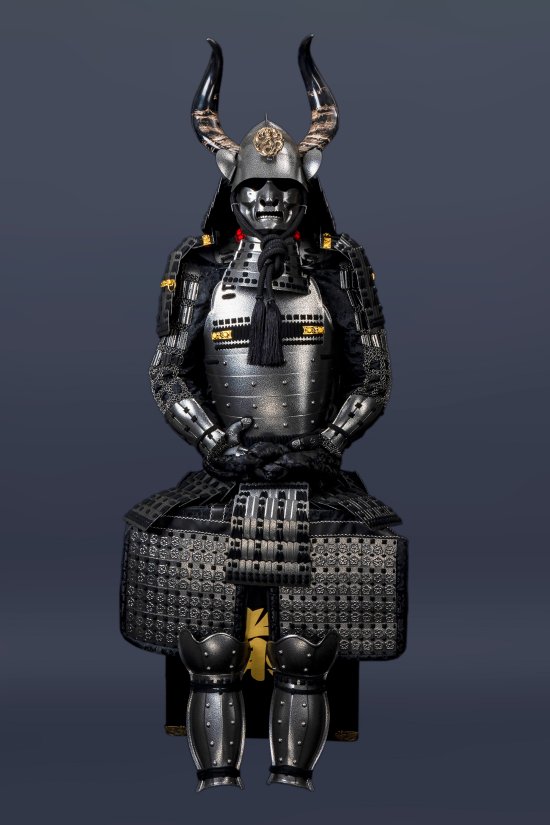
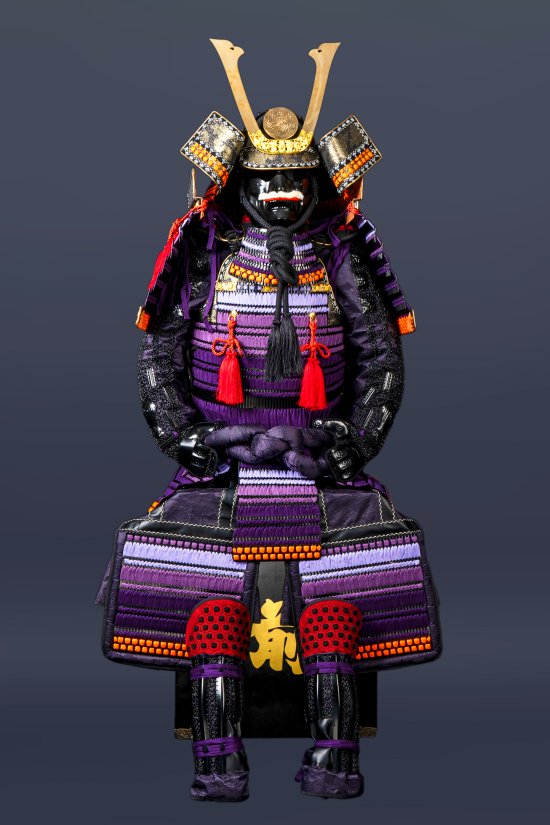
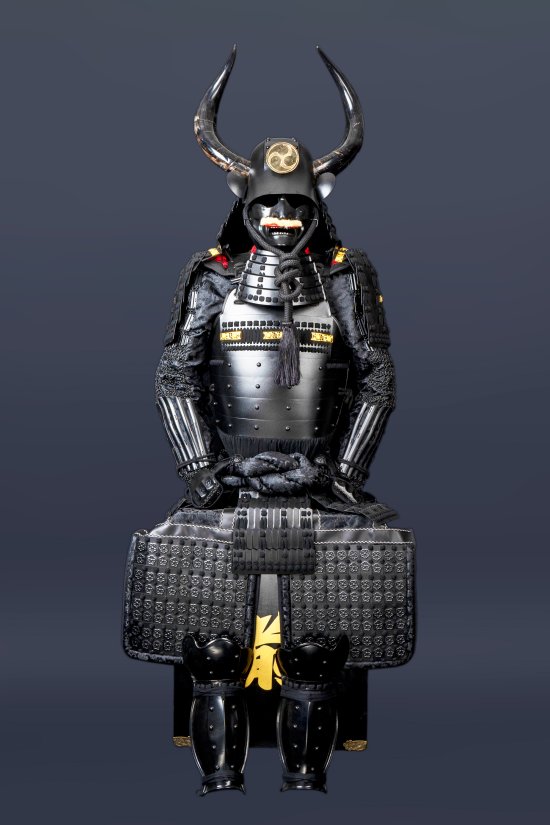
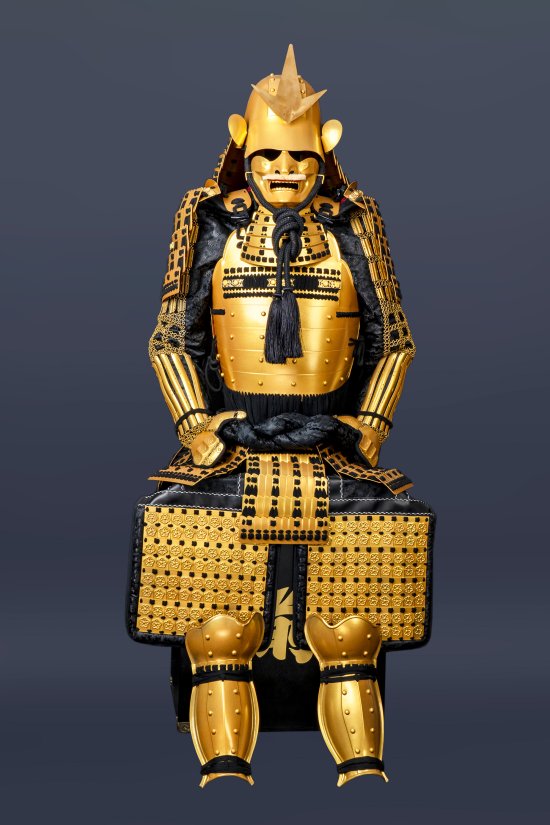
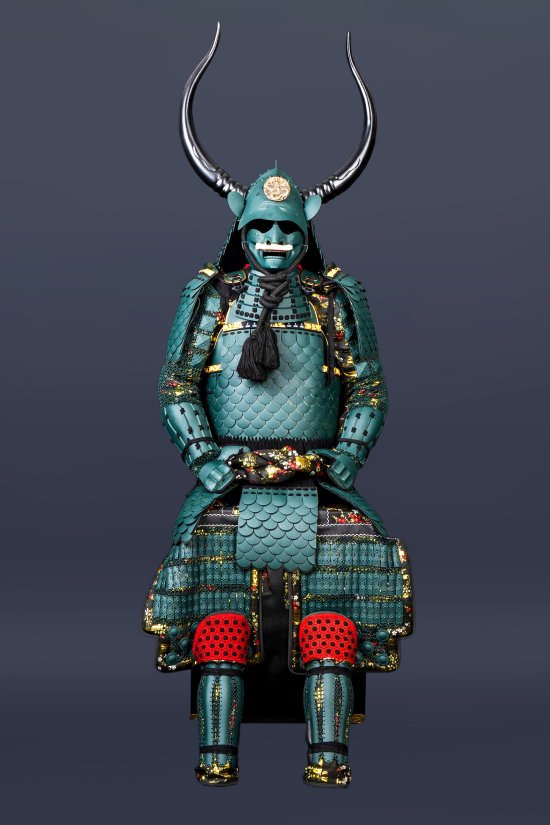
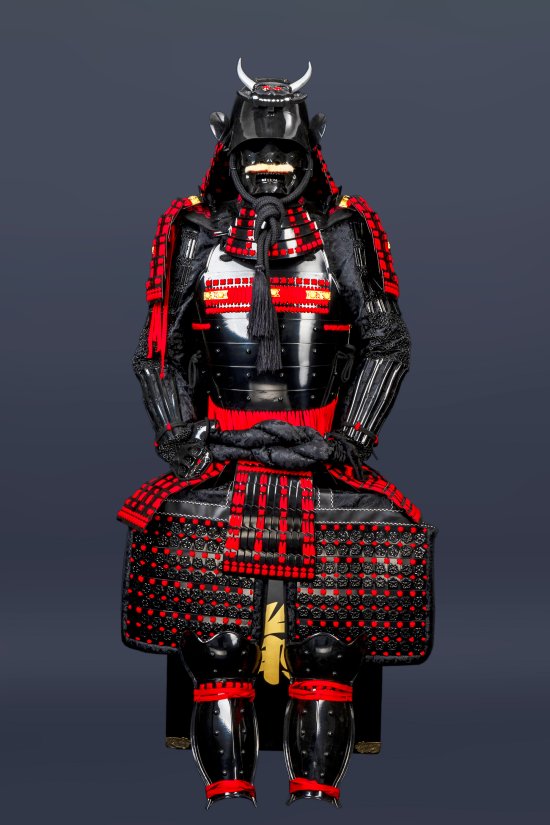
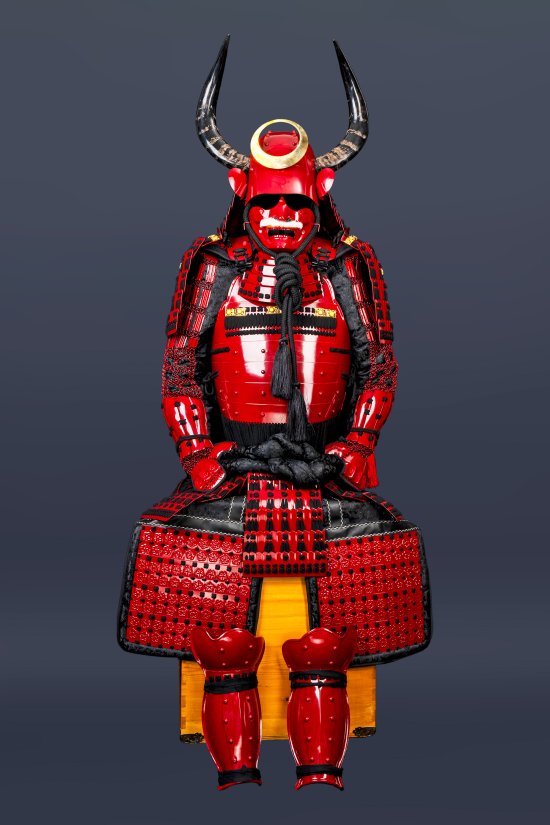
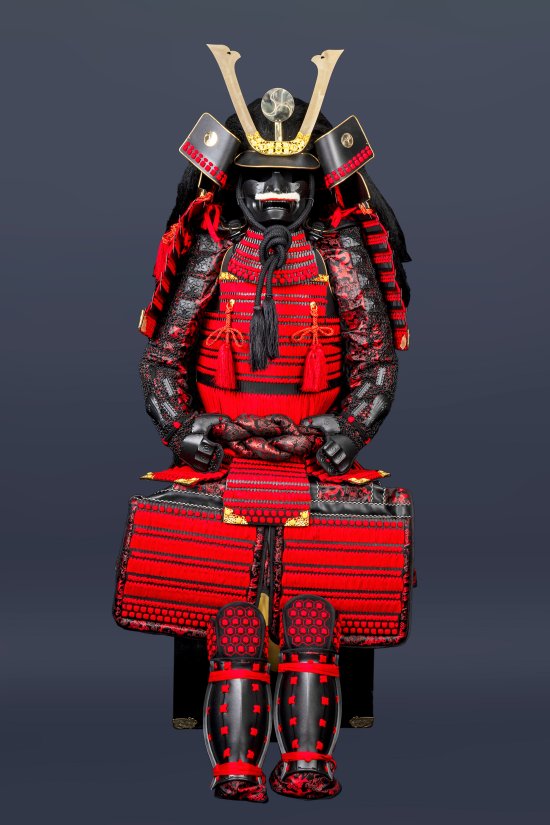
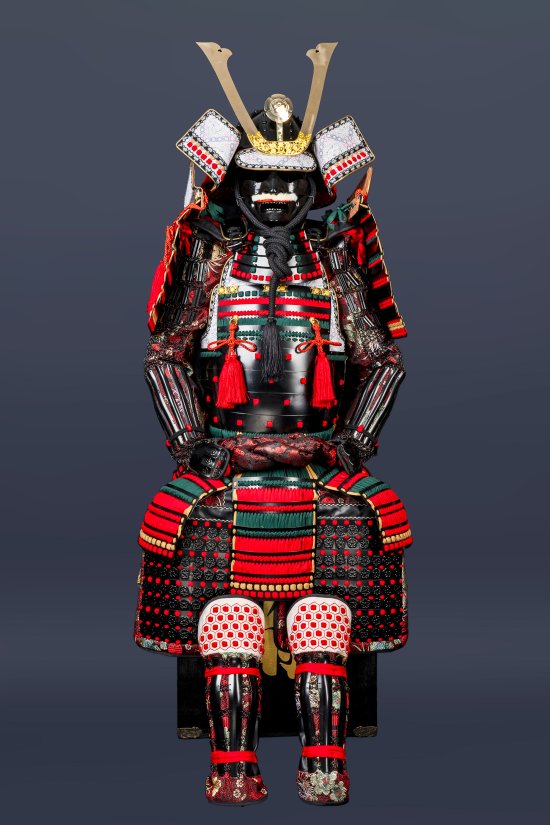
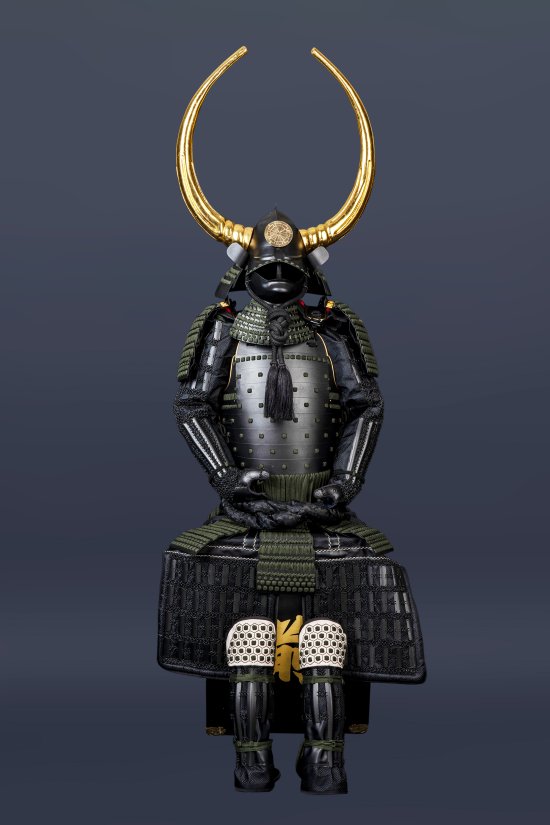
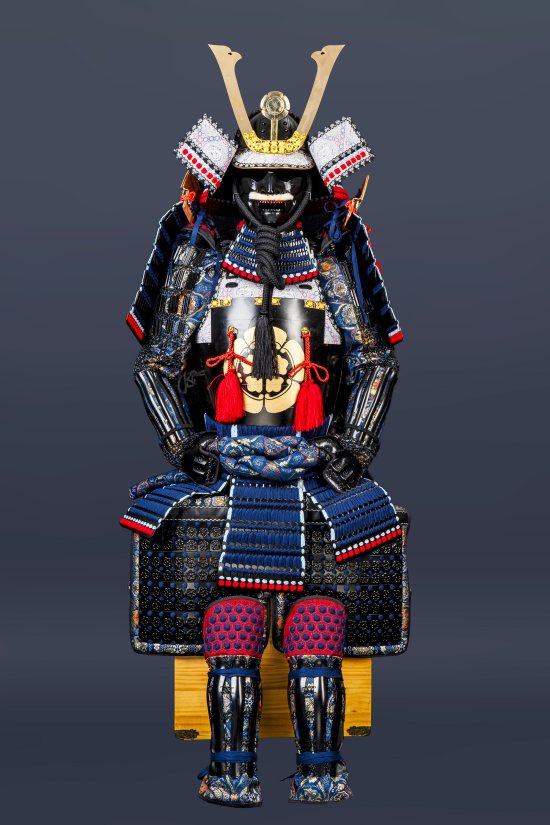
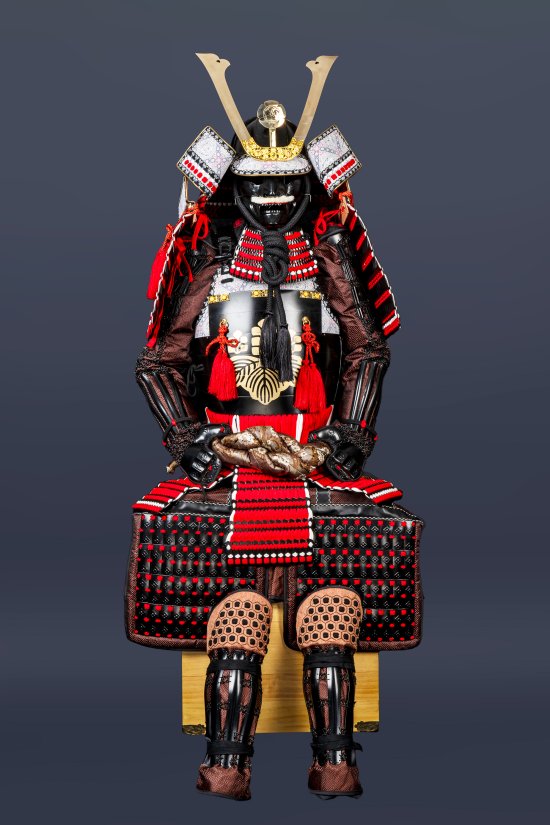
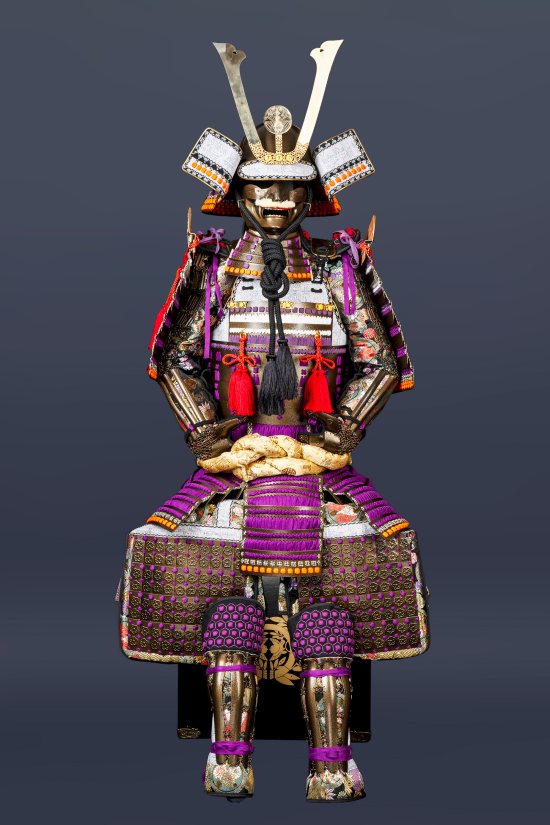
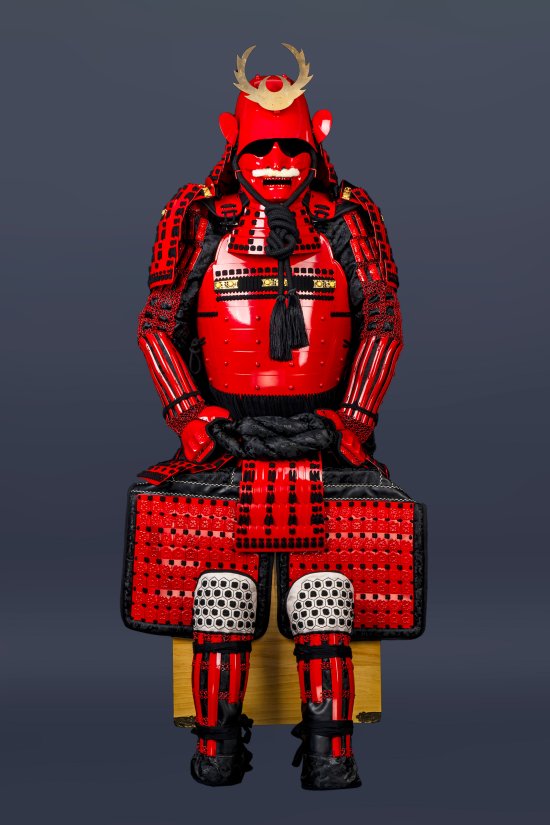
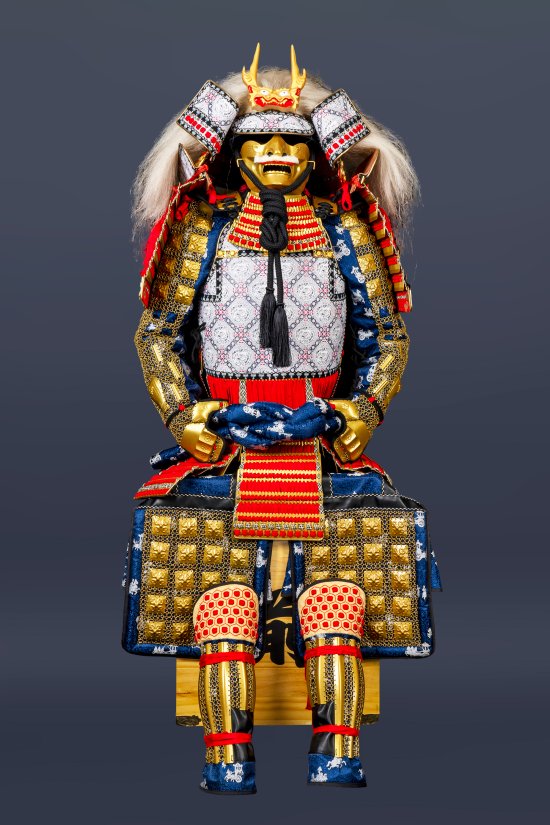
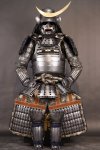 Handmade Masamune Date Japanese Samurai Armor With Silver Crescent Suji Helmet, Life Size Yoroi
Verified Purchase
Handmade Masamune Date Japanese Samurai Armor With Silver Crescent Suji Helmet, Life Size Yoroi
Verified Purchase