Best Samurai Armor
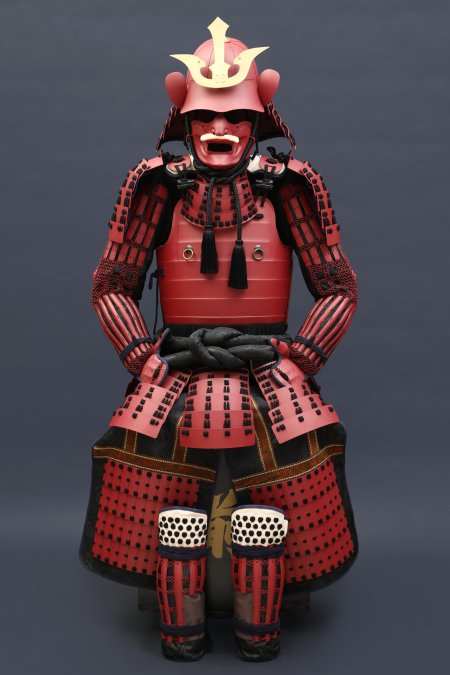
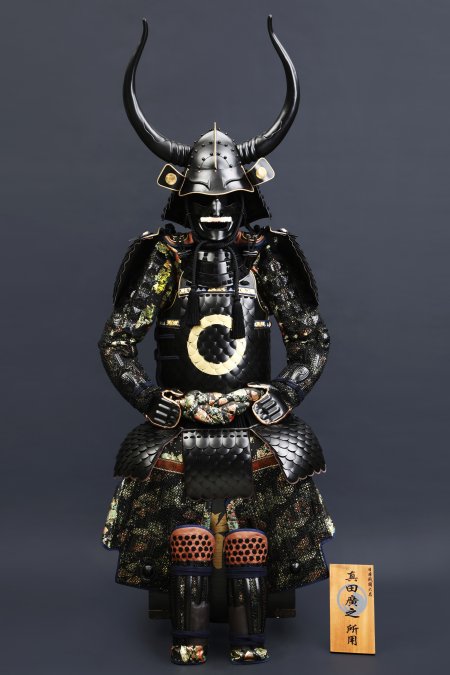
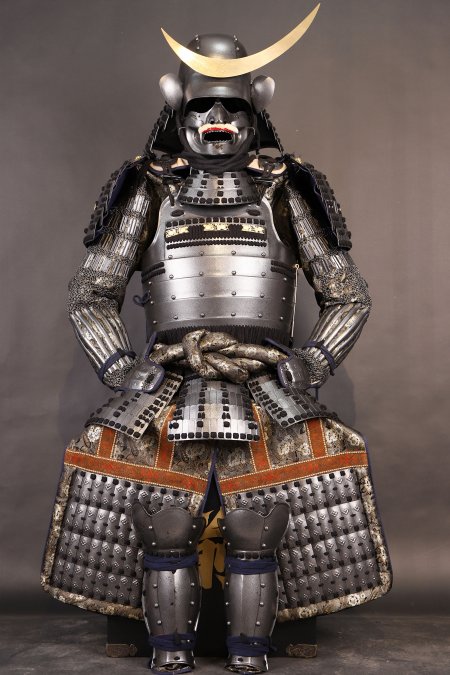
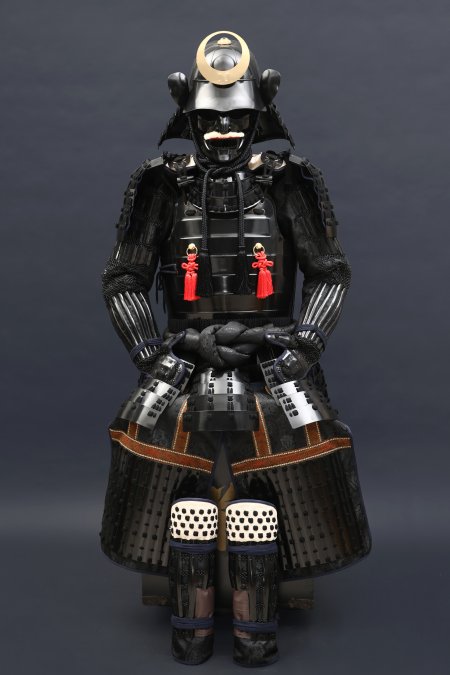
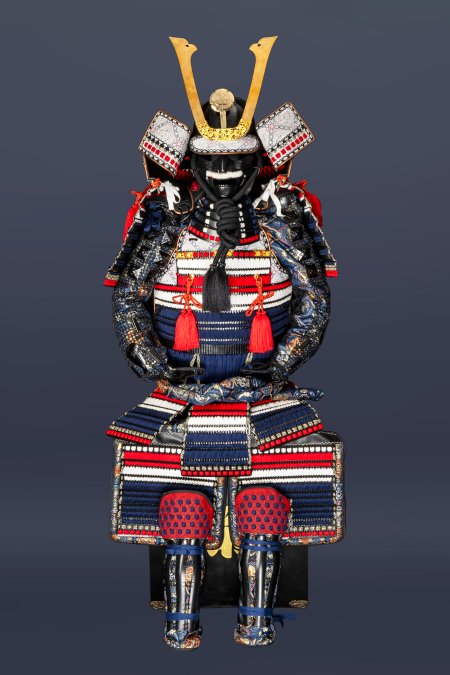
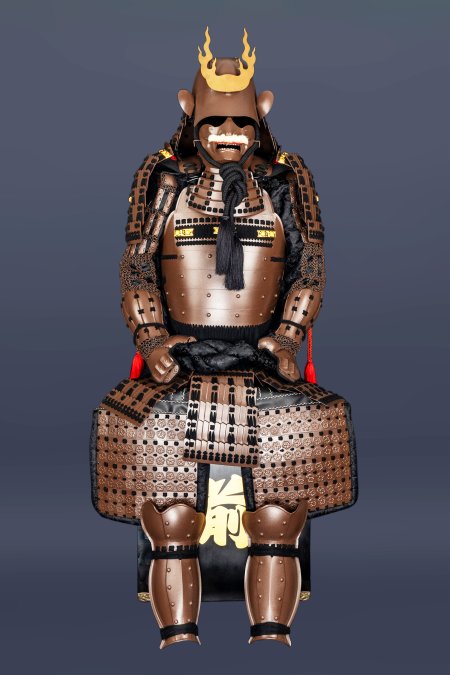
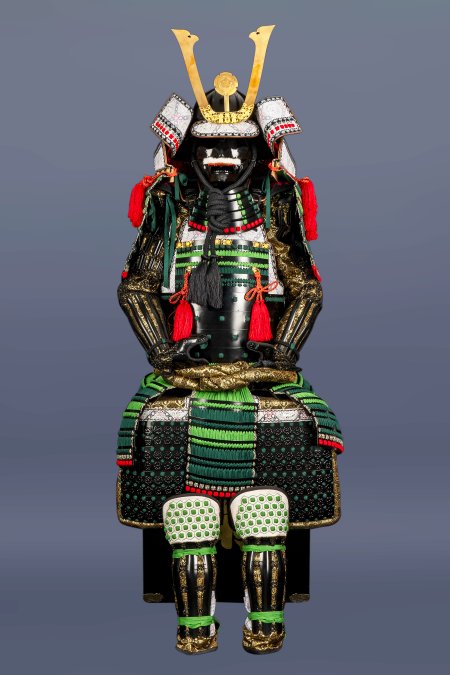
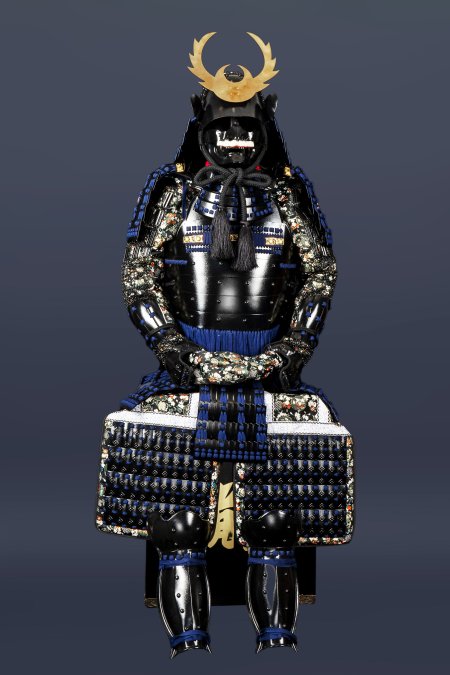
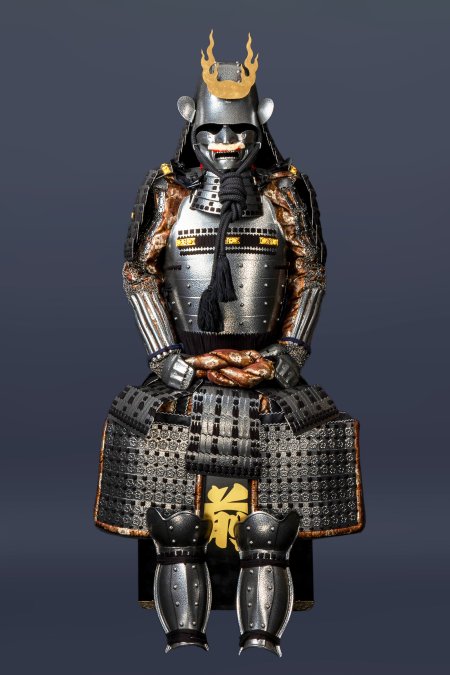
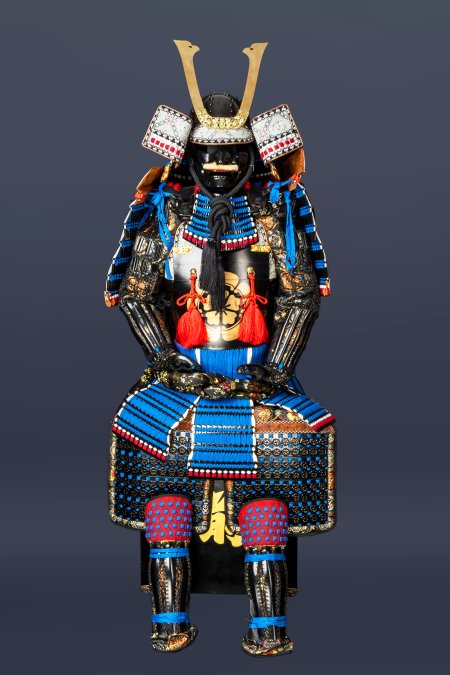
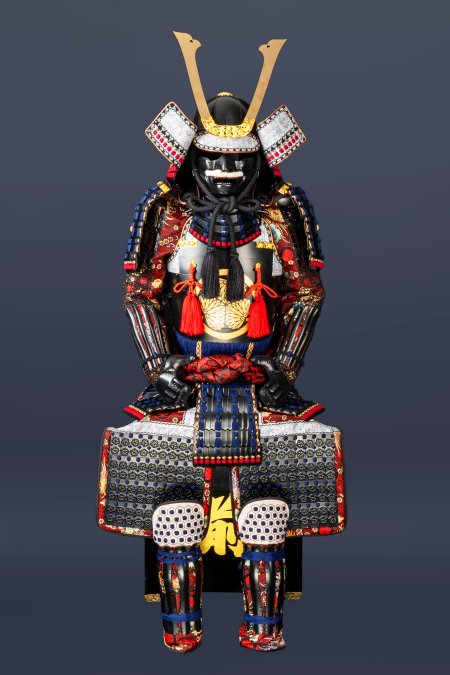
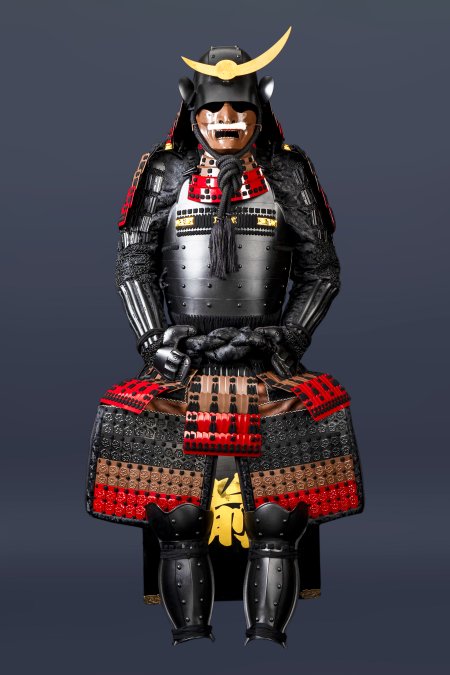
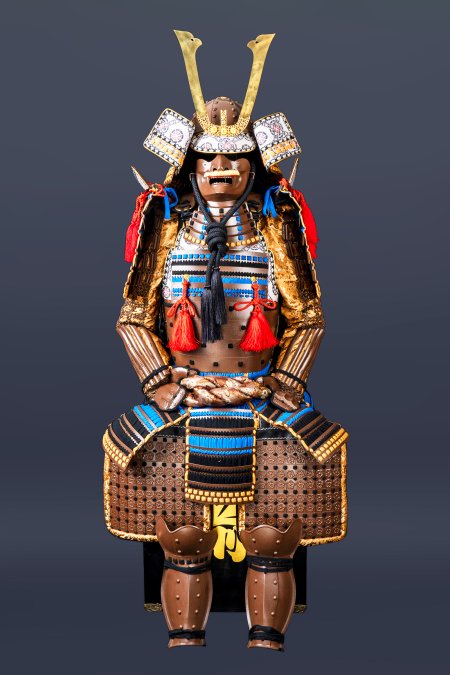
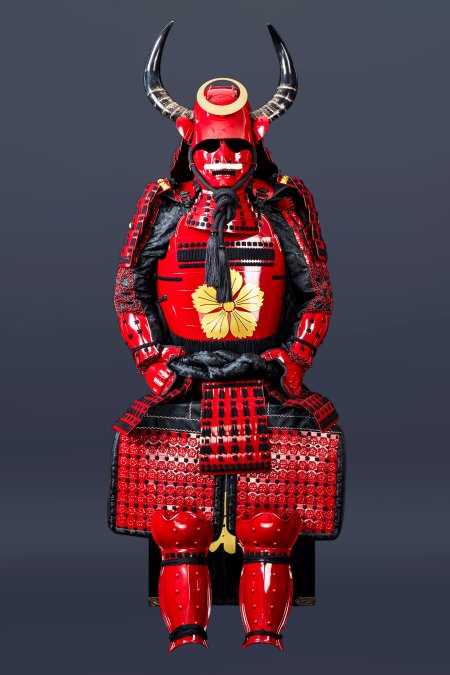
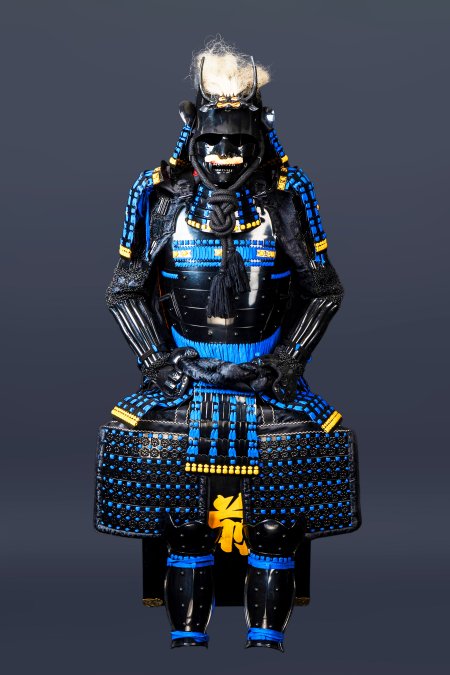
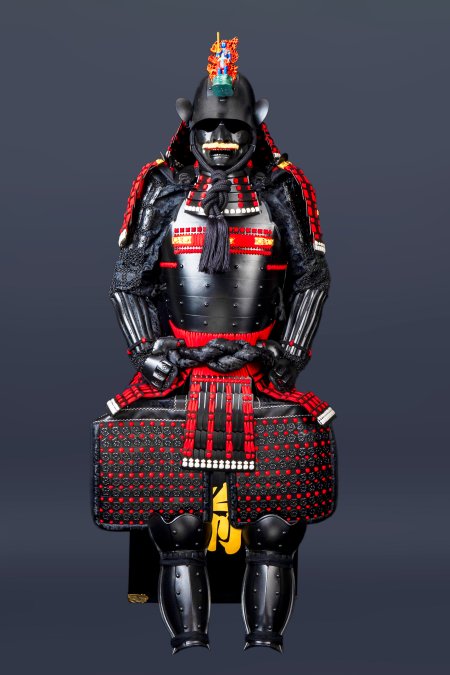
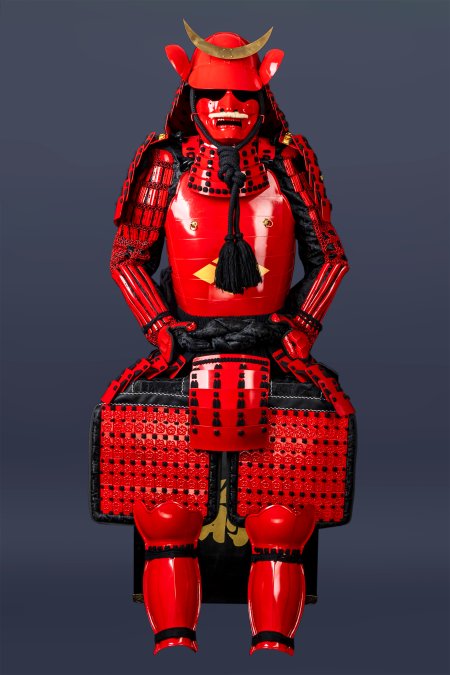
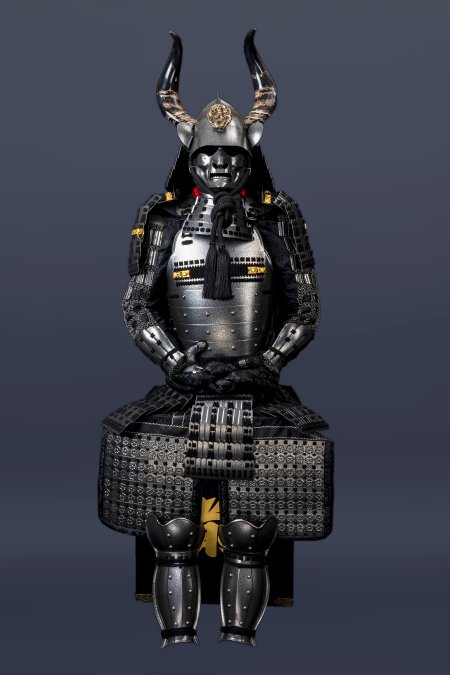
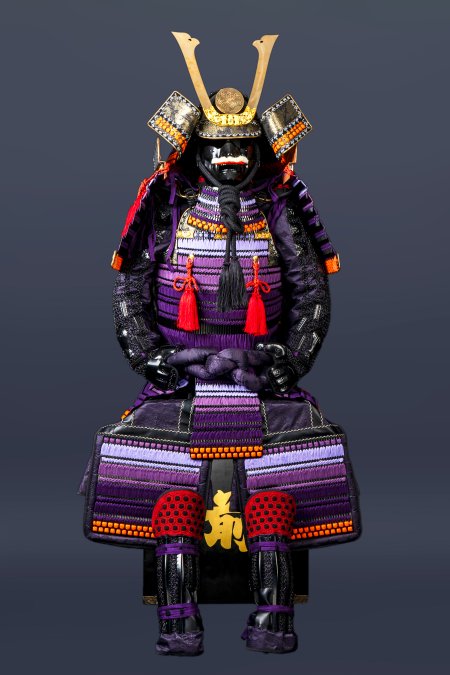
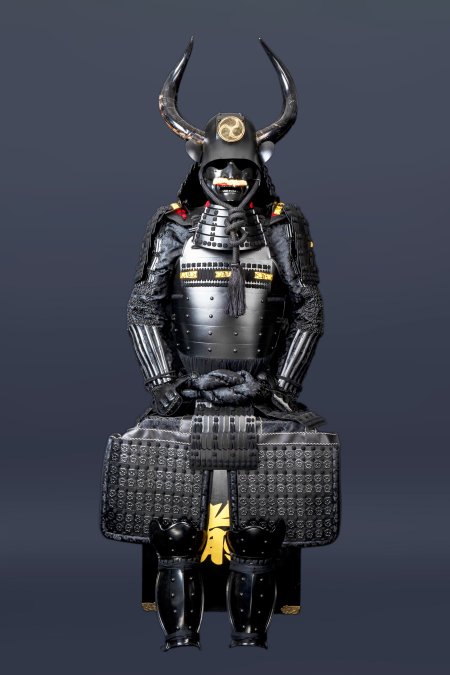
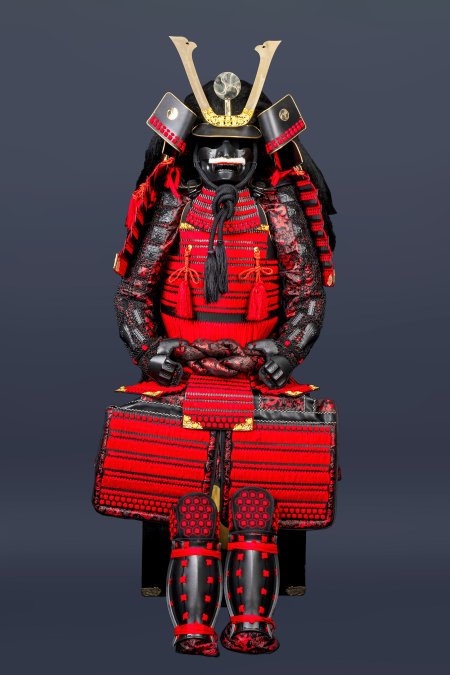
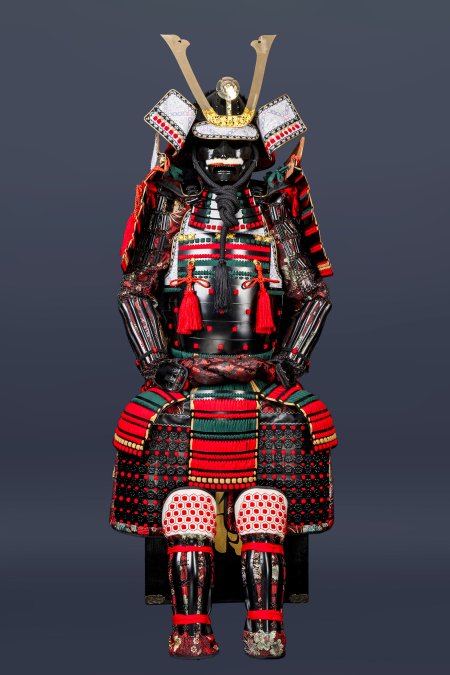
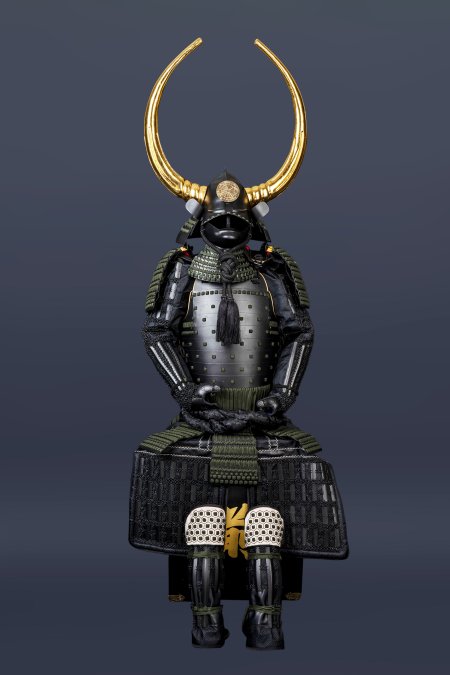
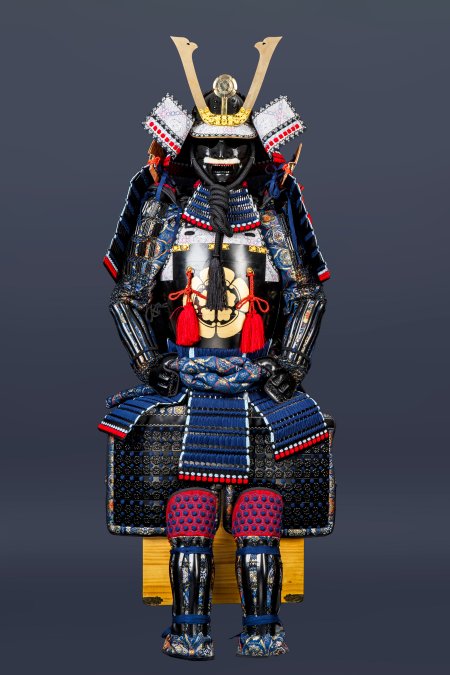
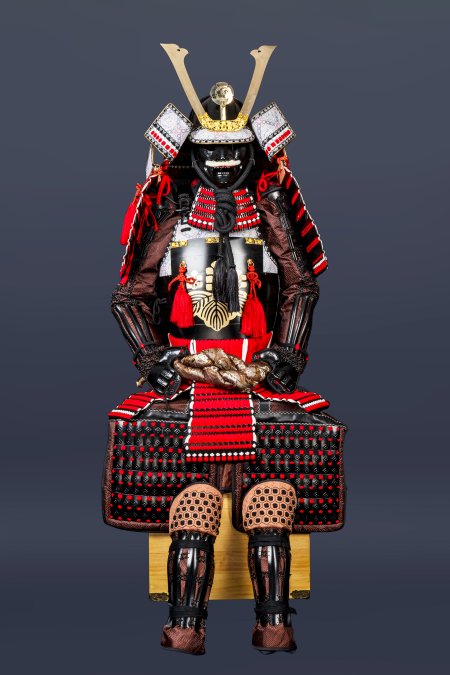
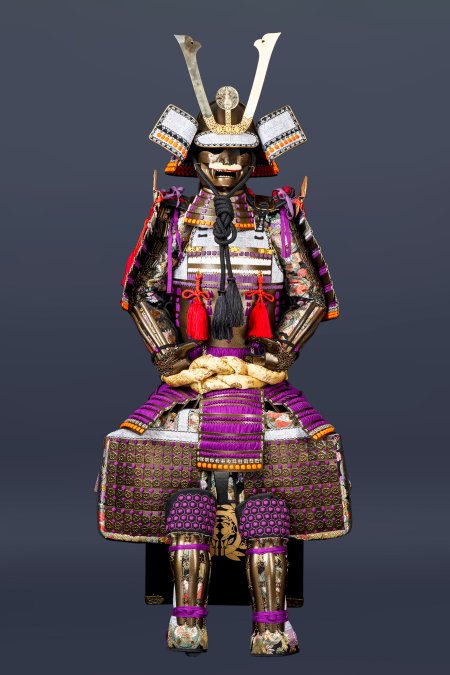
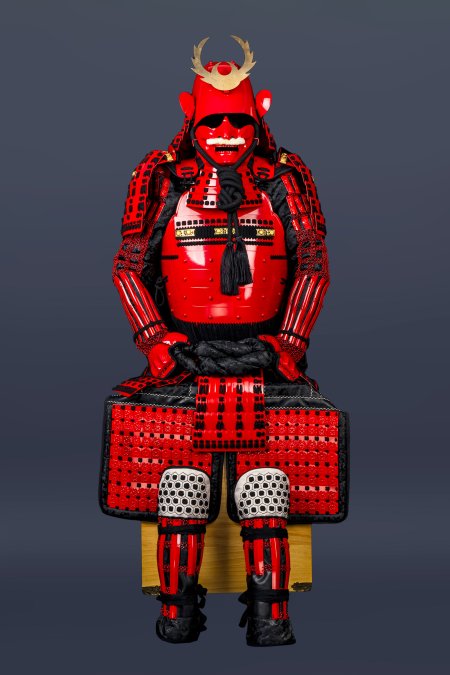
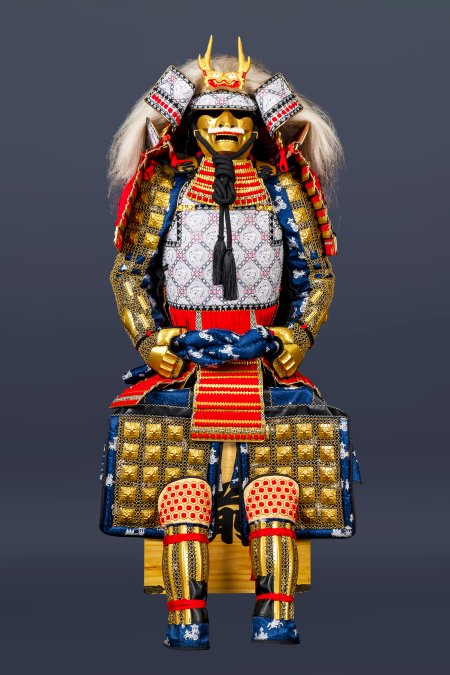
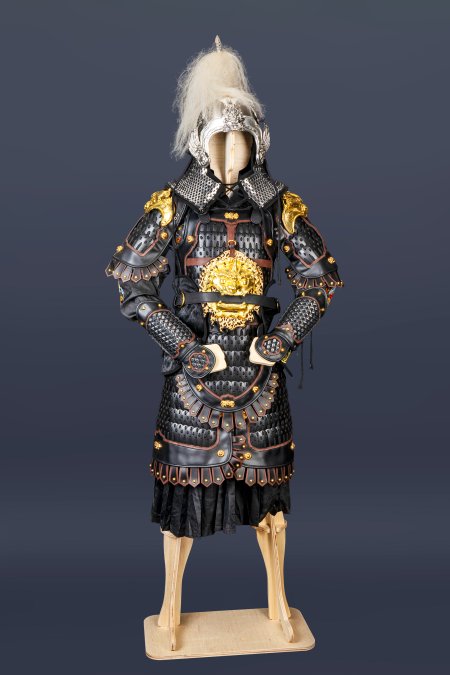
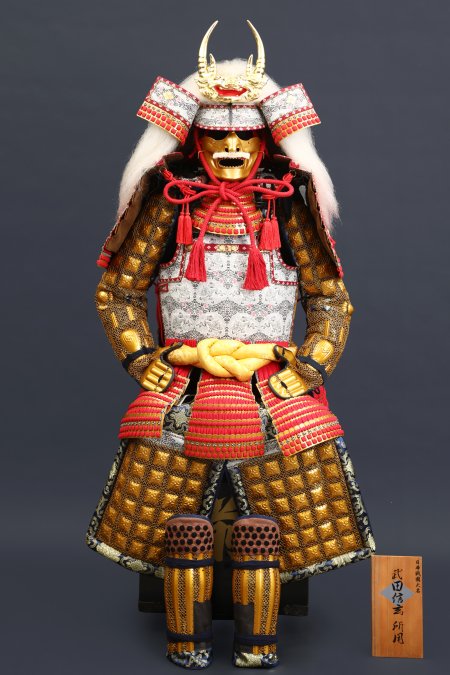
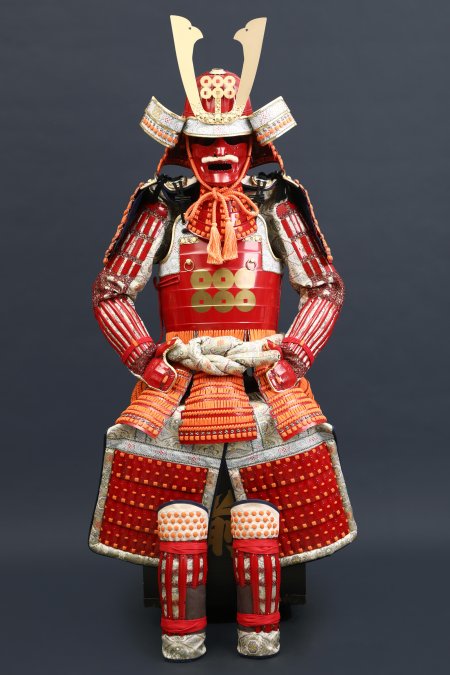
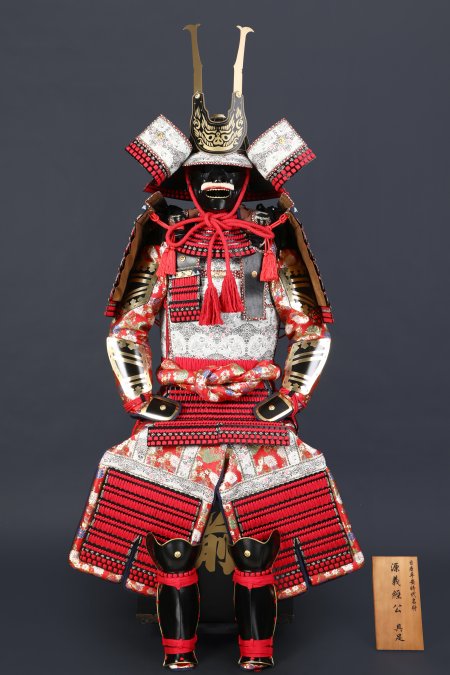
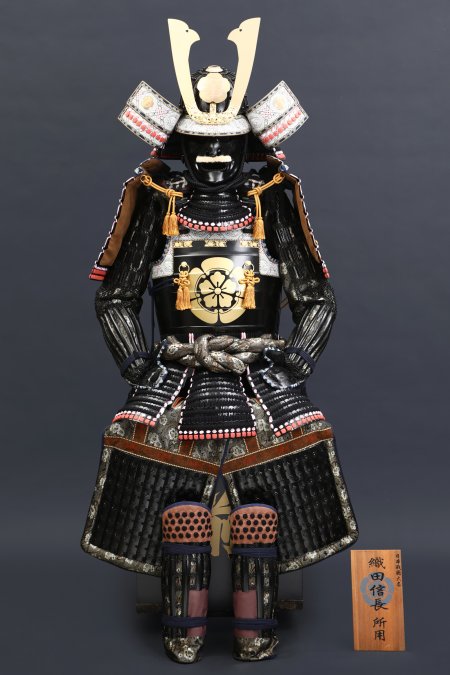
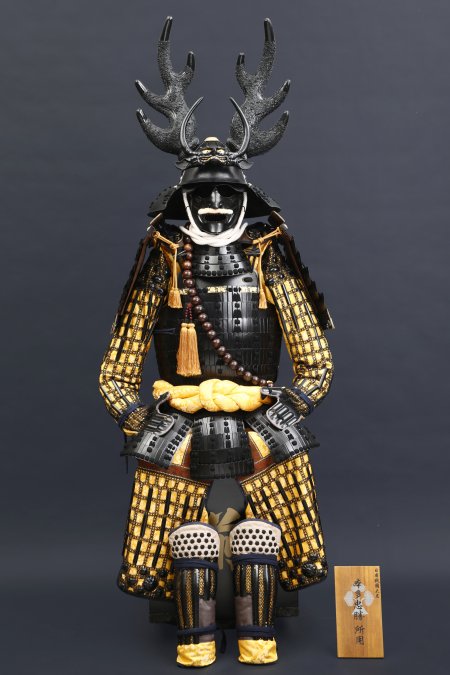
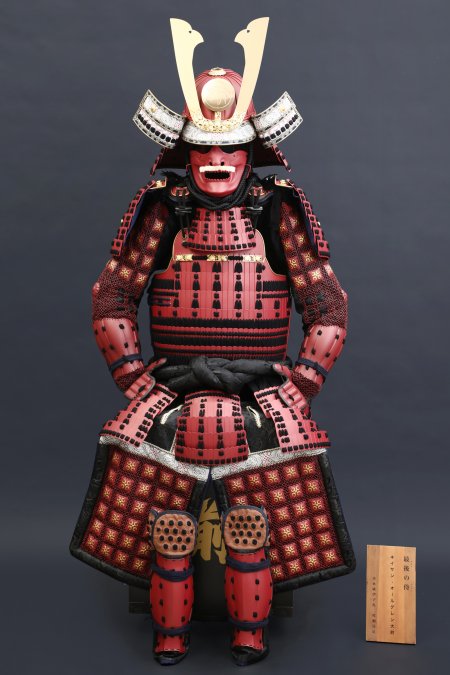
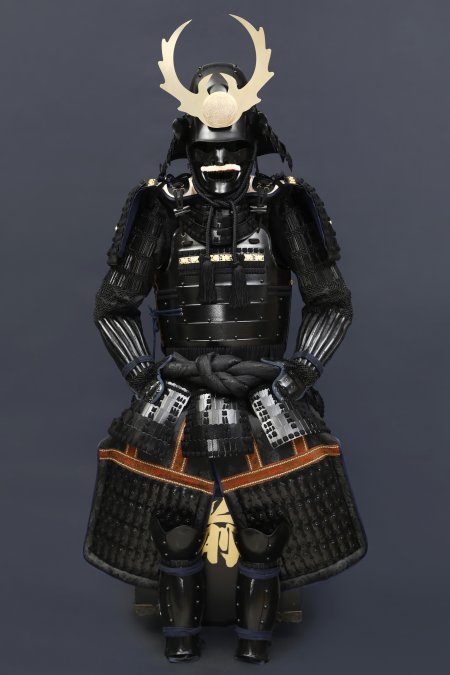
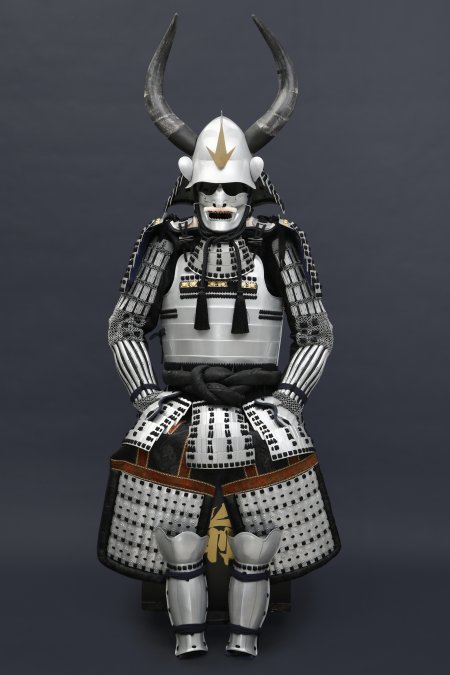
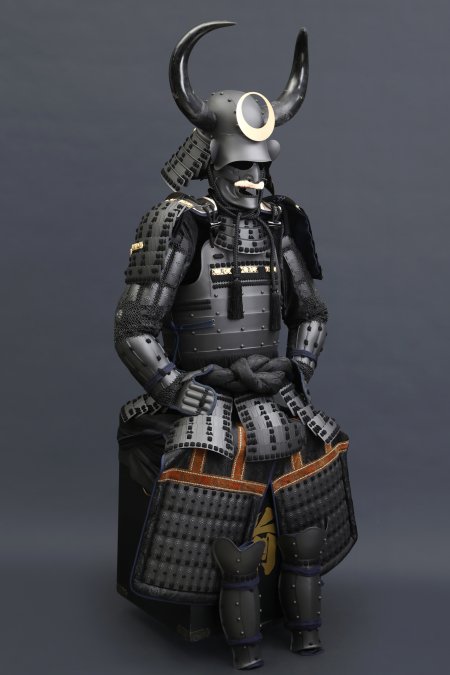
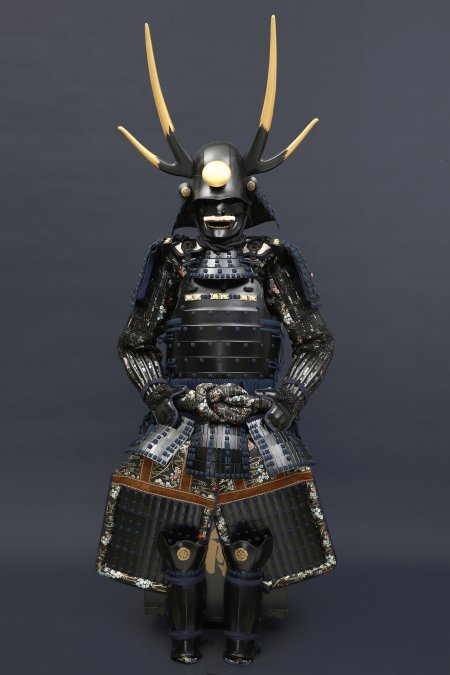
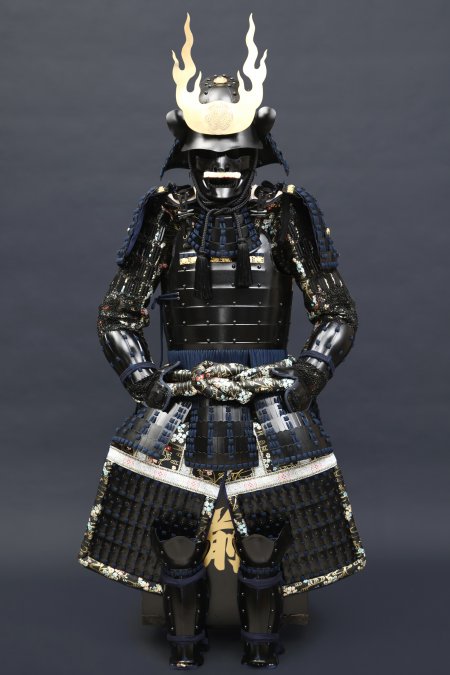
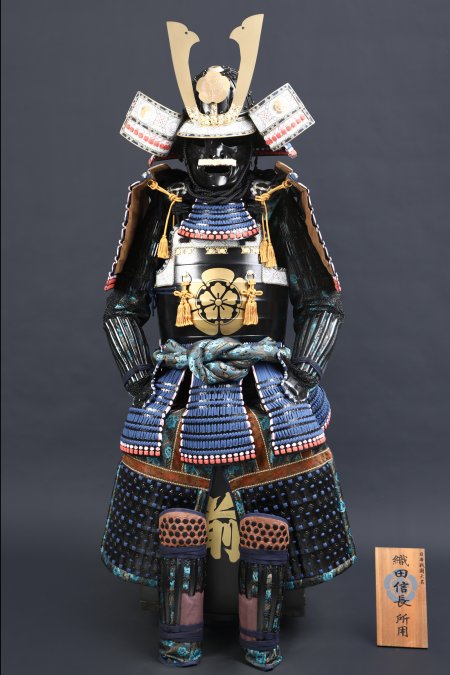
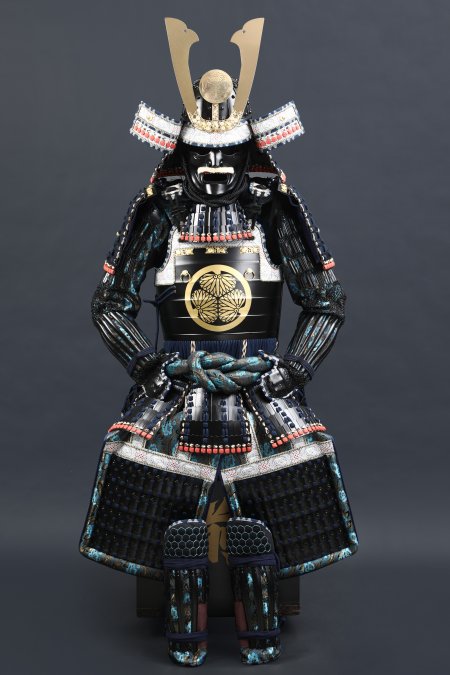
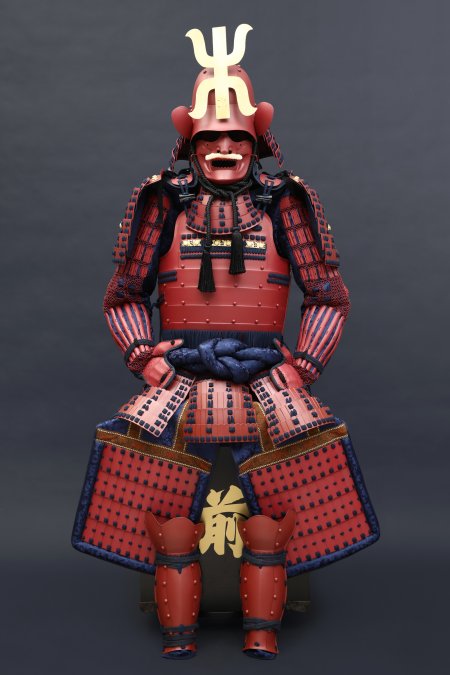
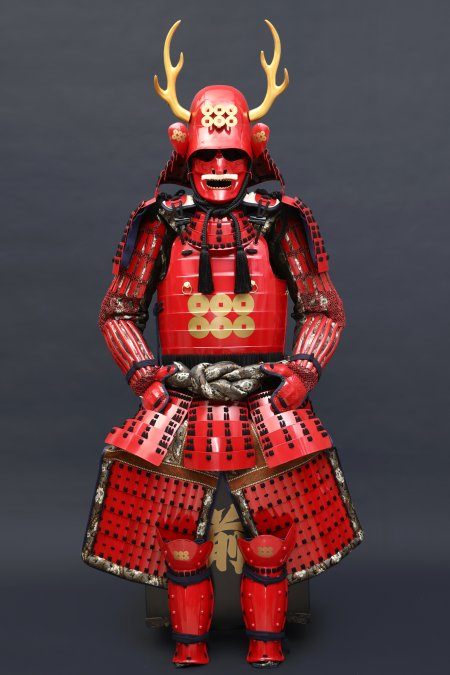
This is where we keep the armor that earns the label. Every suit in this collection is life-size, fully wearable, and built from lacquered iron plates laced with traditional cord in the method Japanese armorers have used for centuries. You're looking at complete yoroi sets — kabuto, menpo, do, kote, haidate, suneate — assembled as matched units with clan-accurate designs drawn from the biggest names in samurai history. These aren't miniatures or costume pieces. They stand on their own as room-defining displays and hold up to being worn for events, demonstrations, and photography.
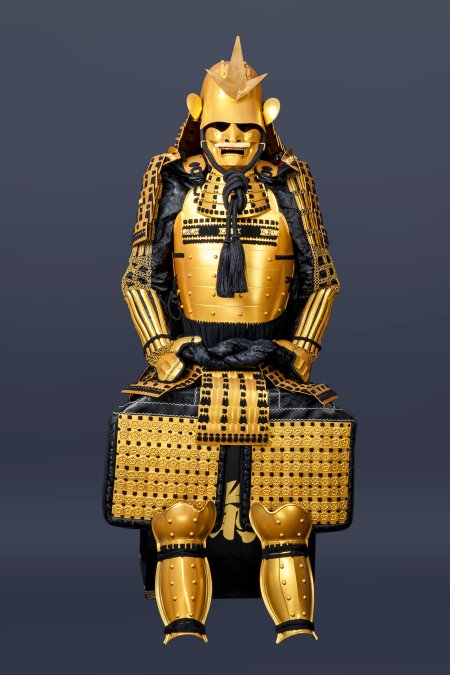
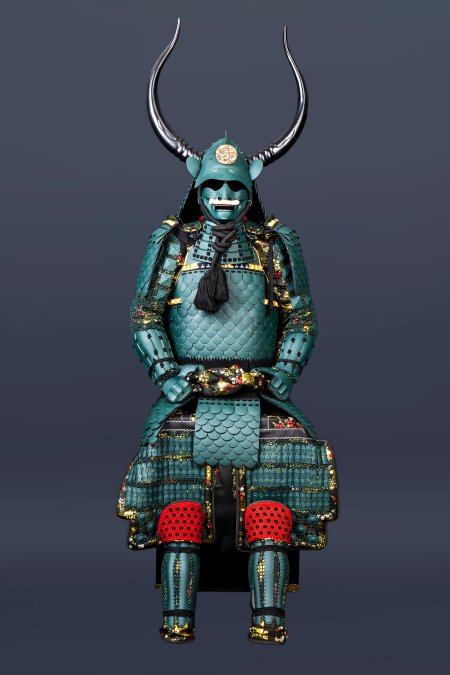
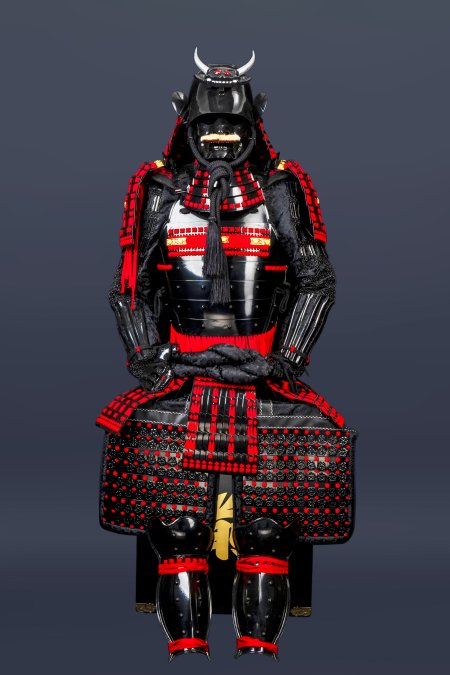
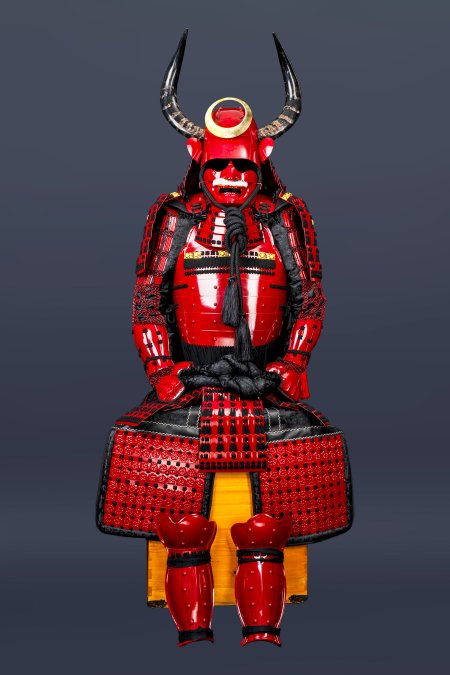
Related Collections
Frequently Asked Questions
What is samurai armor called in Japanese?
Samurai armor carries several Japanese names depending on the era, style, and context. The most common general term is yoroi, which simply means armor and is used broadly to refer to any full suit of Japanese armor. More specifically, the full armor suit worn by samurai from the Sengoku period onward is called tosei-gusoku, meaning "modern equipment," which refers to the plate-based construction that replaced earlier lamellar designs. Earlier armor types have their own names — o-yoroi means "great armor" and refers to the heavy, boxy suits designed for mounted archers during the Heian and Kamakura periods, while do-maru describes a lighter infantry armor that wraps around the torso. Individual components each carry specific terminology that collectors and historians use regularly: kabuto for the helmet, do for the chest cuirass, menpo for the face mask, kote for the armored sleeves, haidate for the thigh guards, suneate for the shin guards, sode for the shoulder guards, and kusazuri for the hip plates hanging from the cuirass. The lacing that holds plates together is called odoshi, and its color and pattern were historically significant — specific colors identified clan allegiance, and the quality of the lacing reflected the owner's status. When shopping for samurai armor, you'll also encounter the term katchū, which is another general term meaning armor and helmet. Understanding this vocabulary helps you evaluate product descriptions and communicate specifically about the components you care most about. A historical samurai armor reproduction that uses proper Japanese terminology in its description typically reflects a seller's attention to authenticity and detail, while vague or incorrect terminology can signal less careful manufacturing.
How much does a real samurai armor suit weigh?
The weight of samurai armor varies significantly depending on the historical type, construction materials, and whether you're talking about antique originals or modern reproductions. Historical o-yoroi from the Heian and Kamakura periods weighed approximately 30 kilograms — about 65 pounds — due to their extensive use of lacquered iron and leather kozane scales laced together in dense lamellar construction. That weight was manageable for mounted warriors because the horse bore most of the load, but it made extended ground combat exhausting. As armor evolved toward the lighter do-maru and eventually the tosei-gusoku styles, weight dropped significantly. A typical tosei-gusoku suit from the Sengoku period weighed between 15 and 25 kilograms, depending on the level of protection and the materials used. Modern reproduction samurai armor follows a similar range, with most full suits weighing between 15 and 30 kilograms depending on the gauge of steel used and how many components are included. The gauge of steel makes the biggest difference — 18-gauge steel creates a heavier, more substantial suit with better structural rigidity, while 20 or 21-gauge steel reduces weight for easier wearability at the cost of some authenticity in feel and sound. The weight is distributed across the entire body through the armor's design — the do hangs from the shoulders, the haidate are supported by the waist, and the suneate and kote strap independently to the limbs. When properly fitted, a 20-kilogram suit feels lighter than the number suggests because no single body part bears the full load. For display purposes, weight matters mainly in terms of the stand or mannequin's capacity. A heavy samurai armor suit needs a sturdy display platform that won't tip or sag under the concentrated weight of steel and lacing.
Can you actually wear samurai armor?
Yes — quality reproduction samurai armor is designed to be fully wearable by a real person, and this is one of the primary purposes modern suits are built for. The key distinction is between armor built with wearability in mind and armor built solely as a static display piece. Wearable suits feature adjustable lacing at critical connection points so the armor can accommodate different body sizes and shapes. The do cuirass typically opens at the side or back with ties that cinch to fit the wearer's torso. The kote sleeves have openings sized for actual arms with ties at the upper arm and wrist. The haidate thigh guards attach at the waist and hang naturally over the legs, and the suneate shin guards wrap around the calves with straps or ties. Putting on a full suit takes practice — historically, samurai had attendants to help them armor up, and the process followed a specific sequence starting from the feet and working upward. Even without a helper, most people can gear up in fifteen to twenty minutes once they've done it a few times. Comfort depends on the suit's construction and your activity level. Standing, walking, and posing for photographs in a quality suit feels manageable for most adults for several hours. Active movement like martial arts demonstrations or combat reenactment generates more heat and fatigue, and you'll want water breaks and rest periods. The internal padding — particularly under the do and inside the kabuto — makes a significant difference in comfort during extended wear. Modern suits often use foam or quilted fabric padding that historical armor achieved with layered cotton or silk. Wearable samurai armor from quality makers balances authentic appearance with practical wearability, using modern improvements where they reduce discomfort without compromising the visual authenticity of the finished suit.
What are the different types of samurai helmets?
Samurai helmets — kabuto — evolved through distinct styles across Japanese military history, and each type carries specific visual and structural characteristics that collectors recognize. The hoshi-bachi kabuto is one of the earliest types, identified by the protruding rivet heads — the "stars" — visible on the exterior of the helmet bowl. These rivets held the iron plates together, and their exposed heads became a decorative feature that signified early craftsmanship. The suji-bachi kabuto refined this approach by countersinking the rivets and raising ridges along the plate joints, creating a smoother, more sculpted appearance with pronounced vertical lines running from the brim to the crown. This style became dominant during the Sengoku period and is the most commonly reproduced type in modern collections. The zunari kabuto — literally "head-shaped helmet" — takes a simpler three-to-five plate construction that closely follows the shape of the skull, offering good protection with less weight and complexity. It was favored by lower-ranking samurai and foot soldiers who needed practical headgear without elaborate ornamentation. Perhaps the most visually dramatic category is the kawari-kabuto — "extraordinary helmets" — which feature wildly creative shapes designed to intimidate enemies and project the wearer's identity across a chaotic battlefield. These include helmets shaped like conch shells, rabbit ears, buffalo horns, court caps, and even mythological creatures. The maedate crest mounted on the front of any kabuto provides additional identification and visual impact, from Date Masamune's iconic silver crescent to Tokugawa's kuwagata horns. When selecting a suit from the best samurai armor collection, the kabuto style typically drives the overall aesthetic of the entire suit and is often the first component that draws a buyer's attention.
How much does a samurai armor reproduction cost?
Samurai armor pricing spans an enormous range, and the differences at each level are real and significant. At the low end, under three hundred dollars, you'll find costume-grade pieces made from thin sheet metal or plastic with printed or glued-on decoration. These serve a purpose for Halloween, casual cosplay, or children's dress-up, but they don't hold up to close inspection and aren't suitable for serious display or any form of wear beyond a few hours at a convention. Between three hundred and eight hundred dollars, you enter the territory of entry-level handmade armor. The steel is genuine but often thinner gauge, the lacing is synthetic but competently assembled, and the overall appearance is impressive at room-viewing distance. These suits represent good value for first-time buyers who want a real armor set for home display without a major financial commitment. The mid-range between eight hundred and two thousand dollars is where craftsmanship and materials take a significant jump. You get heavier gauge steel, more detailed sculptural work on the menpo and kabuto, better lacing materials and techniques, genuine leather components where appropriate, and clan-specific design accuracy that stands up to informed scrutiny. This is the sweet spot for collectors who want a centerpiece display that rewards close inspection. Above two thousand dollars, you're looking at premium reproductions with hand-hammered plates, authentic lacquerwork, silk odoshi lacing, and the kind of detail work that approaches museum-quality. Custom sizing, clan-specific historical accuracy, and artisan-level finishing justify the price for serious collectors and institutions. Antique original armor exists at an entirely different level — tens of thousands to hundreds of thousands of dollars for documented historical pieces. For most buyers, the ancient samurai armor reproductions in the eight hundred to two thousand dollar range deliver the strongest combination of authentic appearance and accessible investment.
What is the difference between o-yoroi and tosei-gusoku armor?
These two armor types represent the beginning and the maturity of Japanese armor design, separated by roughly five centuries of evolution driven by changing warfare tactics and available technology. The o-yoroi — "great armor" — appeared during the Heian period around the 10th century and was engineered specifically for mounted archery combat. Its construction uses thousands of small lacquered scales called kozane, each individually shaped and laced together with silk cord in horizontal rows. The resulting lamellar construction is flexible in certain directions but rigid in others, and the overall suit has a distinctively boxy silhouette with large sode shoulder guards that functioned as portable arrow shields. The o-yoroi was heavy — around 30 kilograms — expensive to produce, and time-consuming to maintain because the thousands of lacing connections could loosen or rot over time. It served its purpose brilliantly for an era when battles were fought between small groups of elite mounted warriors exchanging arrows, but it became impractical as Japanese warfare shifted toward larger infantry armies during the Sengoku period. Tosei-gusoku — "modern equipment" — emerged in the 16th century as the answer to these limitations. It replaced the thousands of tiny kozane scales with larger iron or steel plates, dramatically reducing construction complexity and maintenance requirements while improving protection against the firearms that Portuguese traders had introduced to Japan. The tosei-gusoku is sleeker, lighter, and more form-fitting than the o-yoroi, with a silhouette that follows the body's contours rather than creating a boxy shell around it. The battle ready samurai armor in modern reproduction collections almost exclusively follows the tosei-gusoku template because it offers the best combination of visual impact, wearability, and manufacturing feasibility, while the o-yoroi remains a specialized choice for collectors focused specifically on early medieval Japanese military history.
How do you display samurai armor at home?
Displaying samurai armor at home transforms a room when done right and looks awkward when done wrong, so the setup decisions matter. The foundation is a sturdy display platform that elevates the armor to proper viewing height. The traditional approach uses a yoroi bitsu — a wooden chest that doubles as a storage container and display base — but any stable platform works as long as it raises the helmet's crest to roughly eye level, around 60 to 70 inches from the floor. This height ensures visitors look the armor in the face, which is where the menpo's expression and the kabuto's crest create the strongest visual impression. The armor itself can be displayed on a purpose-built mannequin, a simple wooden frame, or a padded body form. A mannequin gives the most realistic presentation because it fills out the suit naturally, showing how the plates hang and the lacing drapes when worn. A frame is simpler and less expensive but can leave the suit looking flat or deflated if not carefully arranged. Location in the room matters. The armor needs its own space — a corner, an alcove, a position along a feature wall where it commands attention without competing with heavy furniture or busy wall decor. Give it at least three feet of clearance on each side so the sode shoulder guards and kabuto crest don't crowd against walls or shelving. Lighting is the single most impactful design decision after placement. A warm-toned spotlight positioned above and slightly in front of the armor creates shadows that emphasize the three-dimensional layering of plates, the texture of the lacing, and the sculptural depth of the menpo face mask. Side lighting reveals the lacquer sheen and the chain mail texture of the kote sleeves. Avoid fluorescent or cool white lighting, which flattens the colors and makes lacquered surfaces look plastic. A cool samurai armor display in the right spot with proper lighting becomes the conversation piece of any home, drawing attention from the moment someone enters the room.
Customer Reviews
Excellent craftsmanship and a joy to be able to wear it, not a doubt one of the best purchases i could’ve made
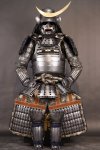 |
Handmade Masamune Date Japanese Samurai Armor With Silver Crescent Suji Helmet, Life Size Yoroi |