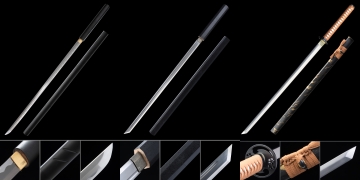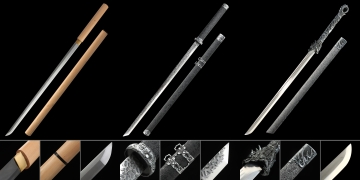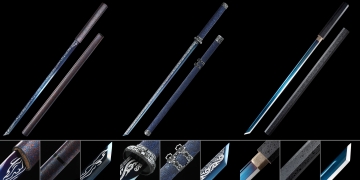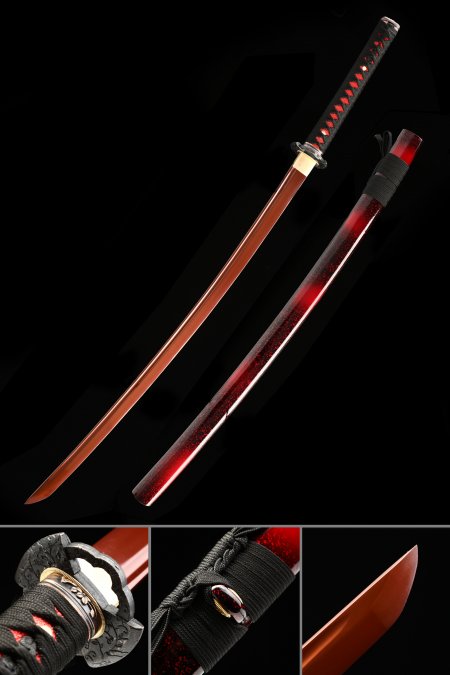
Darkred 1060 Carbon Steel Katana

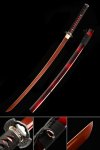
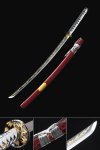
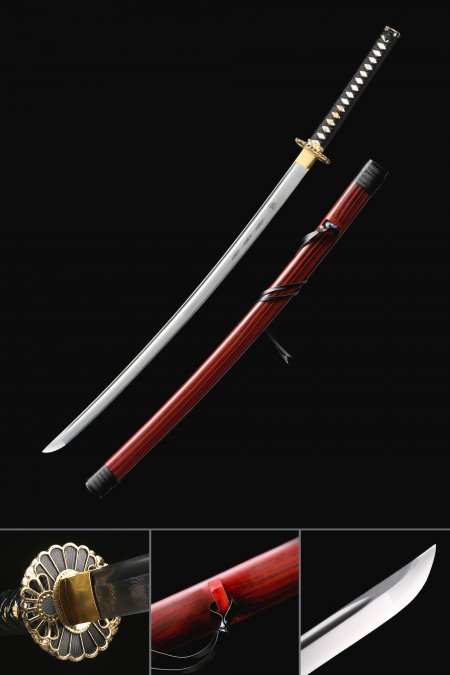
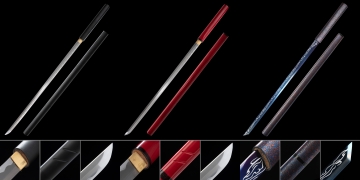
The Darkred 1060 Carbon Steel Katana collection brings together hand-forged blades dressed in rich crimson lacquer sayas, ornate tsuba, and meticulously wrapped ito - each piece a statement of both material integrity and aesthetic intention. 1060 medium-high carbon steel offers a balance of edge retention and resilient flex that collectors and display enthusiasts alike have long prized in a traditionally styled katana. Every sword in this collection is crafted with full-tang construction and close attention to period-accurate fittings, making each one a rewarding centerpiece for any serious collection. Enjoy free shipping and hassle-free returns on every order.
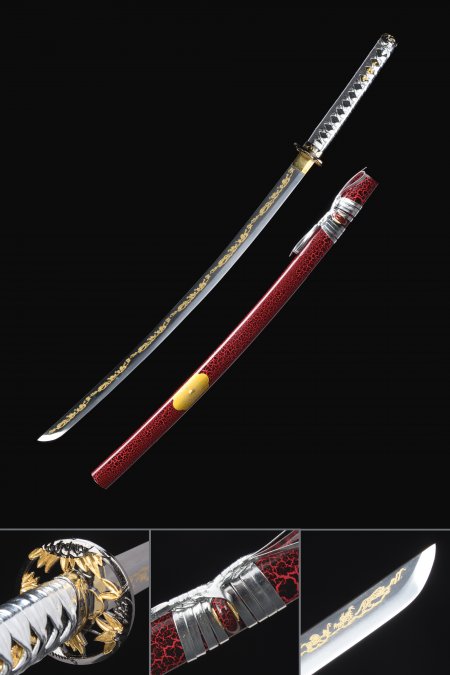
Showing 3 Products

Related Collections

Frequently Asked Questions

What makes 1060 carbon steel a good choice for a display katana?
1060 carbon steel sits at roughly 0.60% carbon content, placing it in the medium-high carbon range. For a collectible katana, this grade is well regarded because it achieves a meaningful edge and holds the geometry of a traditional Japanese blade without becoming overly brittle. Higher-carbon steels like T10 or 1095 offer greater hardness and more dramatic hamon activity, but they require more careful handling to avoid micro-fractures. 1060 strikes a practical balance: it polishes cleanly, responds well to the traditional clay-tempering process that produces a visible hamon line, and maintains structural integrity over years of display and periodic handling. Collectors who appreciate authenticity of form and want a blade that looks and feels substantive will find 1060 a reliable and honest material choice.
How does 1060 steel compare to 1095 in a katana collection?
The key difference is carbon content and what that means for hardness and visual character. 1095 carbon steel, at approximately 0.95% carbon, is harder and produces a more pronounced hamon when clay-tempered - the transition line between the hardened edge and softer spine becomes sharper and more dramatic. This makes 1095 blades visually striking under good lighting and popular among collectors who prioritize surface detail. 1060, sitting lower in carbon content, produces a softer yet more flexible blade profile with a subtler hamon. For long-term display, 1060 is somewhat more forgiving of environmental variation and requires slightly less vigilance against brittleness. Neither grade is inherently superior - the right choice depends on whether a collector prizes maximum visual activity in the hamon or prefers a blade with more balanced structural properties.
What does red lacquer saya construction typically involve?
A traditional saya starts as a fitted hardwood core - usually ho wood or a comparable lightweight timber - shaped precisely to cradle the blade without applying friction directly to the edge. The lacquer finish applied over this core involves multiple layers of urushi or a modern lacquer equivalent, with sanding and curing between coats to build depth and durability. A red crackle finish introduces a deliberate surface texture during the curing process, while a piano lacquer saya is polished to a gloss that reflects light cleanly. Dark red sparkle finishes incorporate fine metallic particles within the lacquer layers to produce a dimensional shimmer. Each finish affects not only appearance but also the tactile quality of the draw and the long-term durability of the saya surface under handling.
How should I store and maintain a lacquered saya katana?
Lacquered sayas are more sensitive to temperature swings and humidity than plain wood, so storage in a stable environment is important. Avoid placing the sword near heating vents, windows with direct sun exposure, or anywhere humidity fluctuates significantly - lacquer can develop hairline cracks when the underlying wood expands and contracts repeatedly. Store the sword horizontally on a proper katana stand with the edge facing upward, which is both traditional and helps prevent the blade from pressing against one side of the saya over time. For the blade itself, apply a light coat of choji oil (a traditional camellia oil blend) every few months using a soft cloth, removing any previous oil residue before reapplying. Avoid touching the blade surface with bare hands, as skin oils introduce moisture that accelerates oxidation on carbon steel.
Is a darkred katana a good gift for a serious collector?
A darkred katana makes a distinctive gift precisely because the color choice signals intentionality. Red lacquerwork has a long history in Japanese sword presentation - it appears in ceremonial tachi mounts and on swords associated with high-ranking figures - so a collector familiar with that context will recognize the aesthetic reference. For gifting purposes, look at the fittings combination: a gold chrysanthemum tsuba paired with black ito and a red lacquered saya reads as formal and considered, while a silver ito wrap against a red crackle saya has a more contemporary energy. Full-tang construction is an important detail to confirm when gifting to a knowledgeable collector, as it signals structural integrity across the entire assembly. A display stand included or paired as an accessory completes the presentation meaningfully.

Customer Reviews