FAST SHIP
Free Shipping
159.00 USD
ON SALE! 20% OFF
Was: 199.00 USD

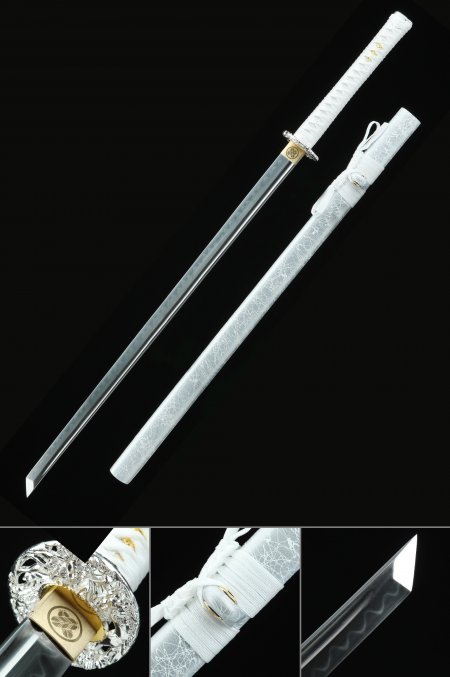
Flower Tsuba Ninjato swords combine the sleek, straight-bladed silhouette of the ninjato with ornate floral guard designs that elevate each piece into a display-worthy collectible. Crafted from high-carbon and manganese steels with hand-applied engravings, lacquered saya, and meticulously wrapped handles, every sword in this collection reflects genuine artisan attention to detail. All orders ship free with hassle-free returns, so you can collect with confidence.
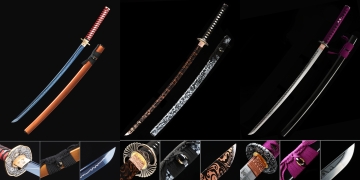
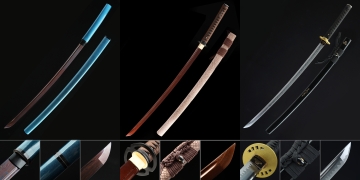
Very nice quality sword. Very well crafted, sharp, and looks great on display. Came packaged very well. Over, very nice product and will certainly purchase more in the future.
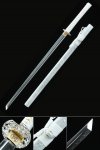 |
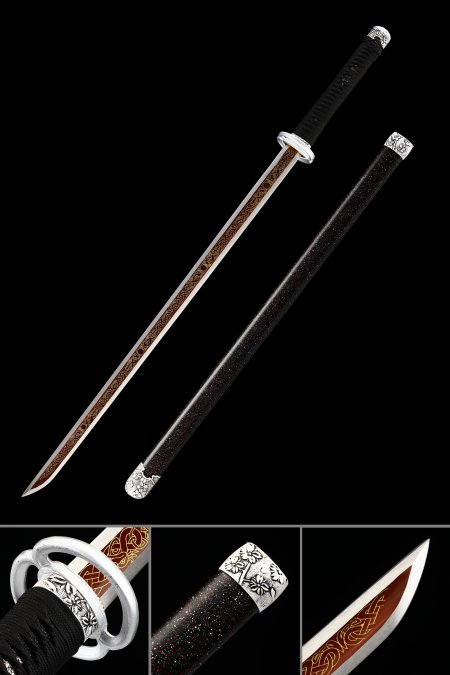
T10 Carbon Steel Chokuto Ninjato with Real Hamon in White Saya - Silver Orchid Tsuba Collectible Sword |
It’s very sharp, very lightweight and it came out great!!
|
T10 Carbon Steel Chokuto Ninjato with Real Hamon in White Saya - Silver Orchid Tsuba Collectible Sword |
Thank you for the amazing katanas and customer service!! Great company
|
T10 Carbon Steel Chokuto Ninjato with Real Hamon in White Saya - Silver Orchid Tsuba Collectible Sword |
It looks exactly how I wanted it but it came very dirty. It seems like the sleeve was a perfect size for the blade so I’m not sure how it got this dirty but I will give a update on how the sword is holding up after a few weeks/months.
|
T10 Carbon Steel Chokuto Ninjato with Real Hamon in White Saya - Silver Orchid Tsuba Collectible Sword |
Overall amazing sword. Only issue is it came slightly oily for some reason, and a couple tid bits fit loosely. No biggie tho, it's an amazing piece of work regardless.
|
T10 Carbon Steel Chokuto Ninjato with Real Hamon in White Saya - Silver Orchid Tsuba Collectible Sword |
Deuxième commande chez Truekatana.com :)
Magnifiques.
2 petits regrets cette fois, dommage :
- les deux sabres commandés étant "en stock", la commande passée et payée le 28/5/2023 n'a été expédiée que le 11/6/2023 après ouverture de litige Paypal, et reçue le 16/6/2023 (Rapide FEDEX, bravo! ).
- le "Ray-Skin" du sabre noir est rouge et pas noir, ce qui fait que la poignée est rouge/rouge (ça fait beaucoup de rouge alors que le contraste rouge/noir aurait été parfait) mais ce n'est pas pour autant que je le renvoie car les frais de renvoi sont chers, et qu'il est magnifique malgré tout.
Un troisième regret : il est difficile de s'arrêter quand on contemple la naissance d'une magnifique collection ... :-D
|
T10 Carbon Steel Chokuto Ninjato with Real Hamon in White Saya - Silver Orchid Tsuba Collectible Sword |
Good value for the price. I am impressed with the detail and quality of the sword.
Well done.
Thank you!
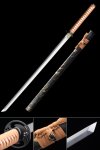 |
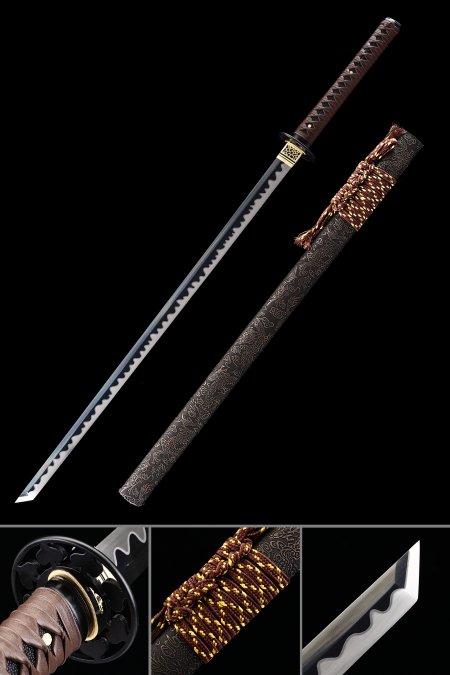
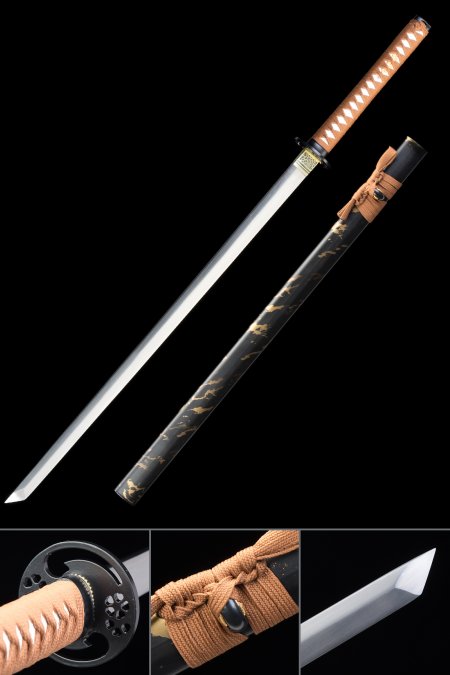
1060 Carbon Steel Chokuto Ninjato in Black-Gold Cloud Saya with Brown Cord Handle |
Nice sword its a little blingy, but the white is a nice addition to my collection.
|
T10 Carbon Steel Chokuto Ninjato with Real Hamon in White Saya - Silver Orchid Tsuba Collectible Sword |