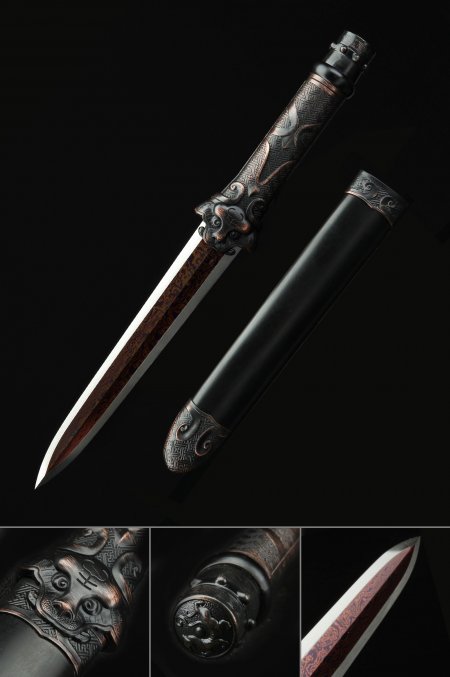
Lion Tsuba Tanto

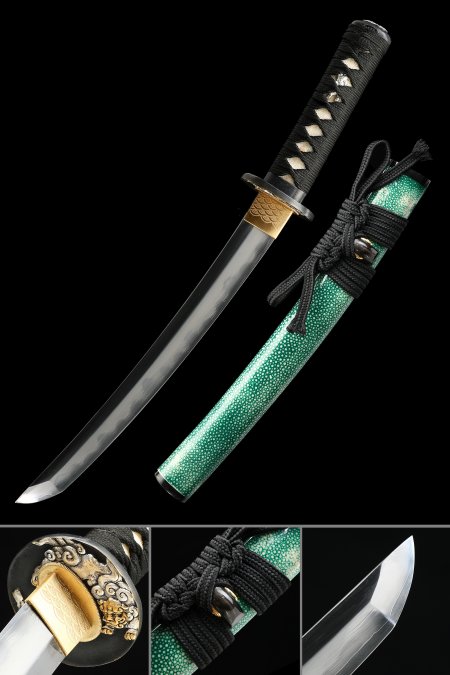
The Lion Tsuba Tanto collection unites traditional Japanese short-blade artistry with bold, sculptural guard work — each piece centered on a hand-cast lion motif tsuba that commands attention on any display stand or shadow box. Crafted from high-carbon and folded steel with premium fittings including rayskin-wrapped handles and hand-lacquered saya, these tanto are built for the discerning collector who values both visual drama and authentic construction. Every order ships free with hassle-free returns, so adding a statement piece to your collection carries zero risk.
Showing 2 Products

Frequently Asked Questions

What makes a lion tsuba different from standard tanto guards?
A standard tanto tsuba is typically a simple oval or round plate in iron or shakudo, serving as a clean visual divider between handle and blade. A lion tsuba replaces that neutral form with a sculpted guardian motif — the lion (shishi in Japanese tradition) rendered in cast bronze or forged metal with surface detail that includes mane texture, facial relief, and intentional weight shaping. The result is a guard that functions as a miniature sculpture. On display, it draws the eye immediately and carries iconographic meaning: the shishi is a symbol of protection and authority in East Asian decorative art, making it a historically grounded choice for a collector tanto rather than an arbitrary decorative add-on.
How does folded steel differ from T10 carbon steel in a tanto blade?
Folded steel tanto are built through a process of repeated heating, folding, and welding of the steel billet, which distributes carbon unevenly and creates visible surface patterning — the hada — that makes each blade visually unique. The result often shows a wood-grain or flowing pattern across the flat. T10 is a monosteel: a single high-carbon alloy (approximately 1.0% carbon with trace silicon and tungsten) that is valued for consistency and its capacity for a well-defined hamon through differential clay hardening. T10 blades tend to show a sharper, more defined temper line, while folded steel blades offer more visual complexity across the entire surface. Both are legitimate high-carbon options; the choice comes down to whether you prefer surface activity or hamon clarity as your primary display feature.
Is genuine rayskin (same) used on these tanto handles and saya?
Yes. The teal pearl rayskin saya on the T10 tanto uses genuine same — the ray skin traditionally used in Japanese sword fittings since the Heian period. Real same has a pebbly, calcified nodule surface that is structurally rigid and naturally resistant to moisture absorption. The teal pearl finish refers to a dyeing and lacquering process applied over the natural skin, which produces the iridescent blue-green color while preserving the tactile texture underneath. On display, genuine same saya will hold its finish longer than synthetic alternatives and develops a subtle patina over time that collectors find adds rather than detracts from the piece's character.
How should I store and maintain a tanto for long-term display?
For tanto displayed in a case or on a stand, the primary concern is moisture and oxidation. Apply a thin coat of choji oil (or a high-grade mineral oil) to the blade every three to six months — less frequently in dry climates, more often in coastal or humid environments. Use a soft, lint-free cloth or a traditional nuguigami paper to apply and remove excess oil. The tsuba and metal fittings can be lightly wiped with a dry cloth to remove fingerprint oils, which are mildly acidic and can accelerate surface tarnish on bronze guards over time. For ebony or lacquered saya, avoid prolonged direct sunlight, which can cause checking in wood and fading in lacquer finishes. Store the tanto horizontally or at a slight angle with the edge upward if using a traditional stand.
Are lion tsuba tanto a good choice as a display gift for collectors?
Lion tsuba tanto are particularly well-suited as collector gifts because they offer immediate visual impact alongside genuine craft detail — the recipient doesn't need deep technical knowledge to appreciate the guard work, but a more experienced collector will recognize the quality of the blade steel, saya material, and fittings coordination. The shishi lion motif also carries gift-appropriate symbolism: strength, guardianship, and good fortune in East Asian tradition. For presentation, these tanto are best displayed in a purpose-built tanto stand or shadow box with UV-filtering glass, which protects the finish while keeping the piece fully visible. A tanto display set makes a natural pairing gift for anyone receiving their first Japanese short-blade collectible.

Customer Reviews