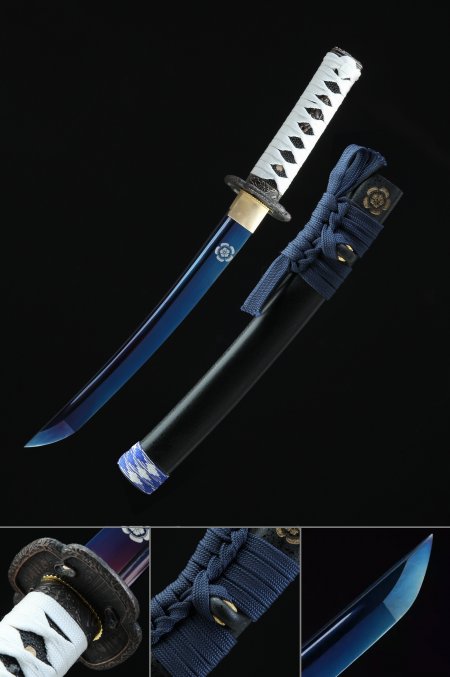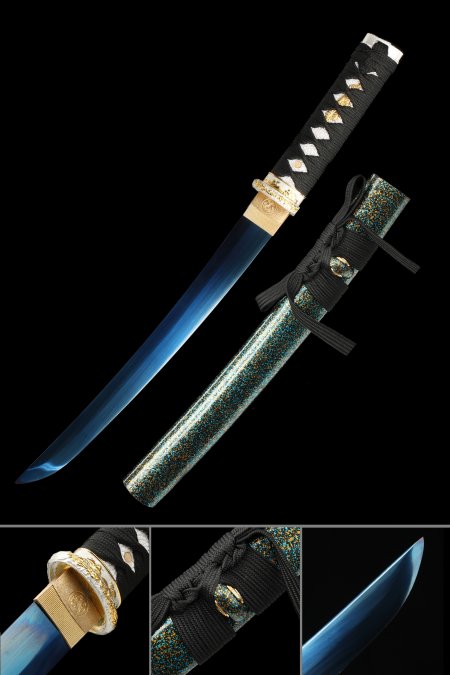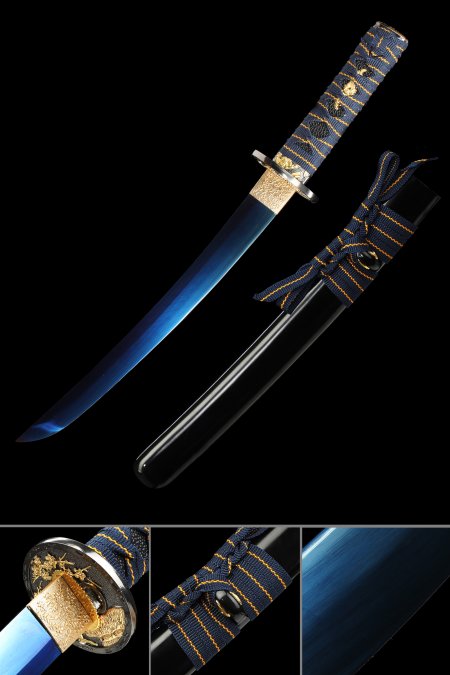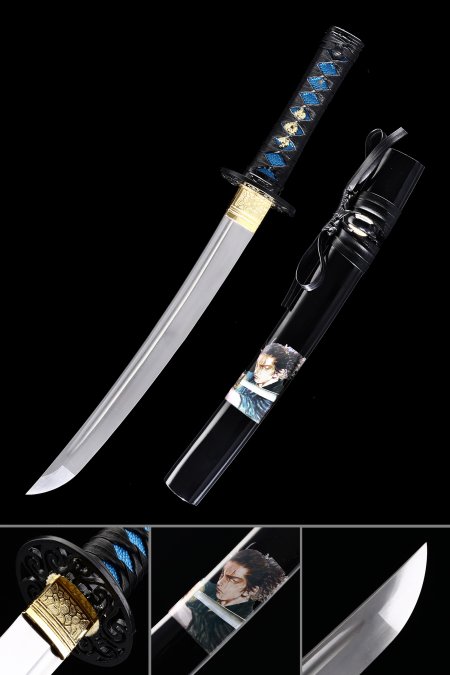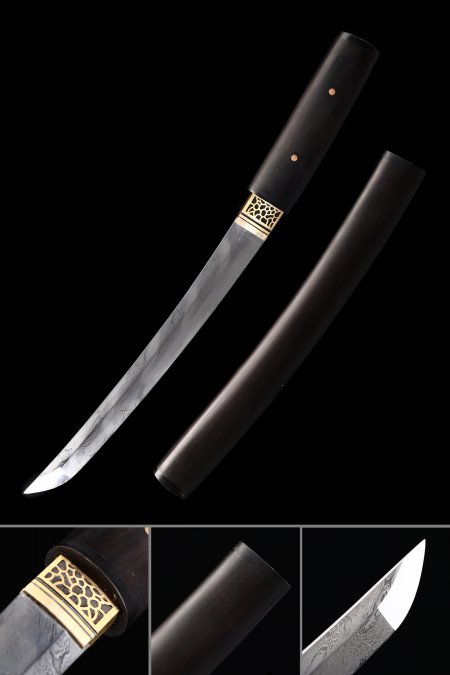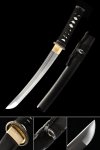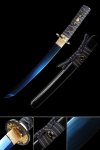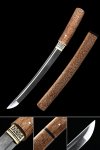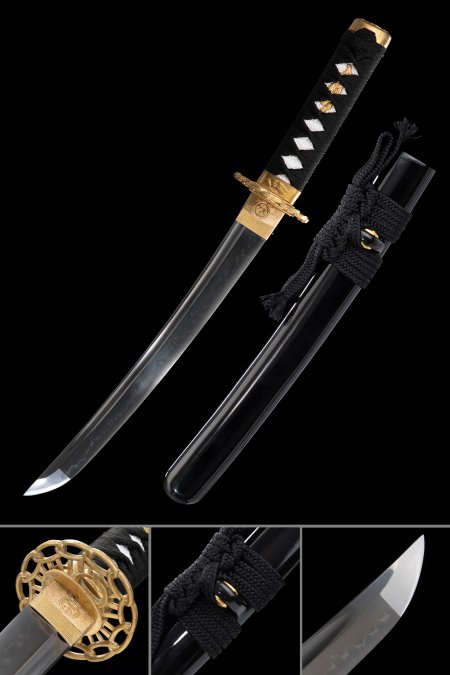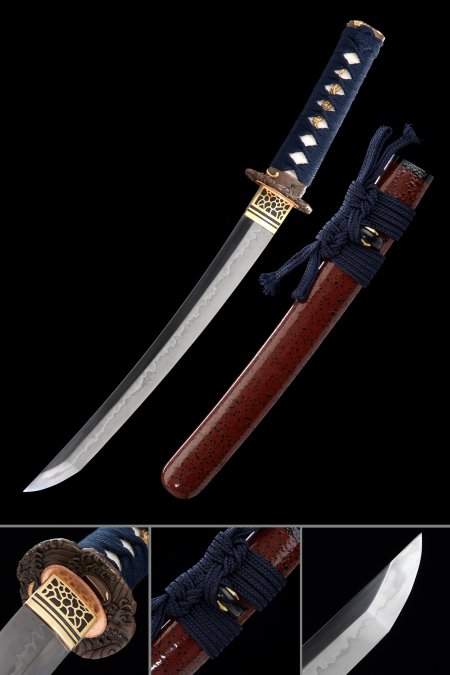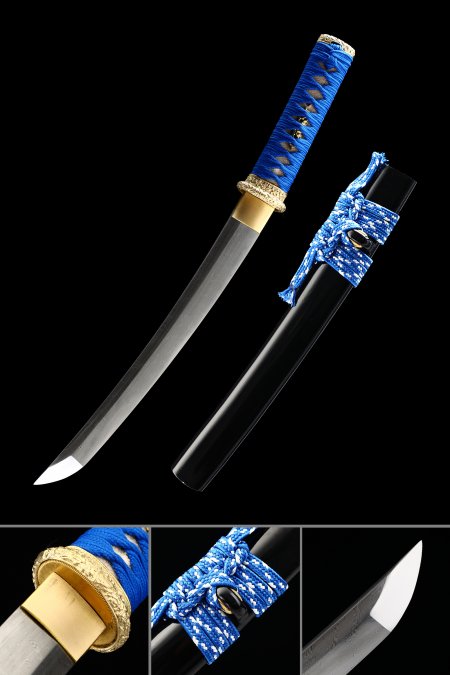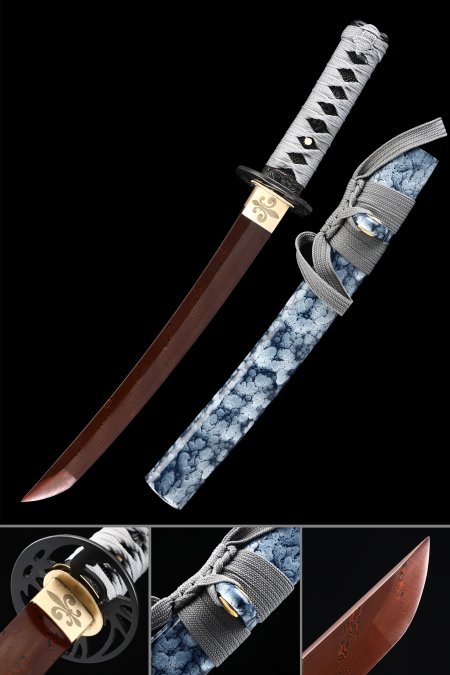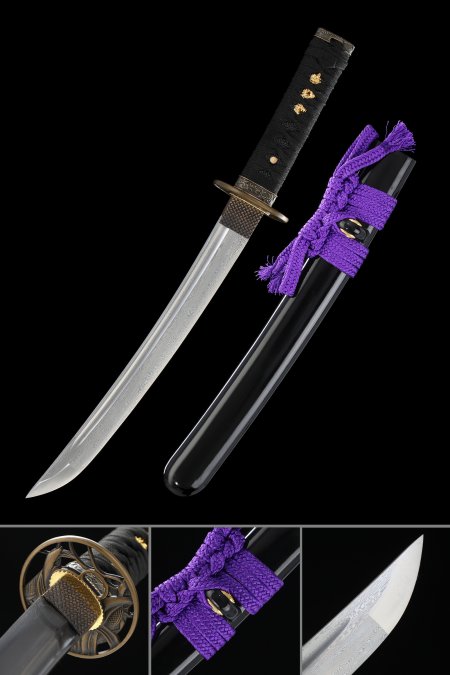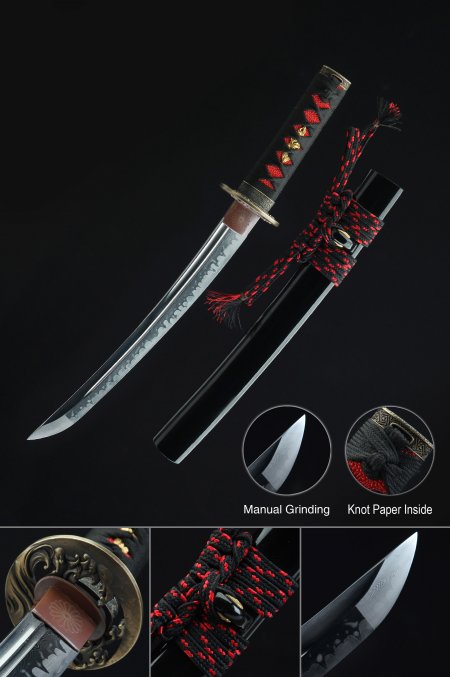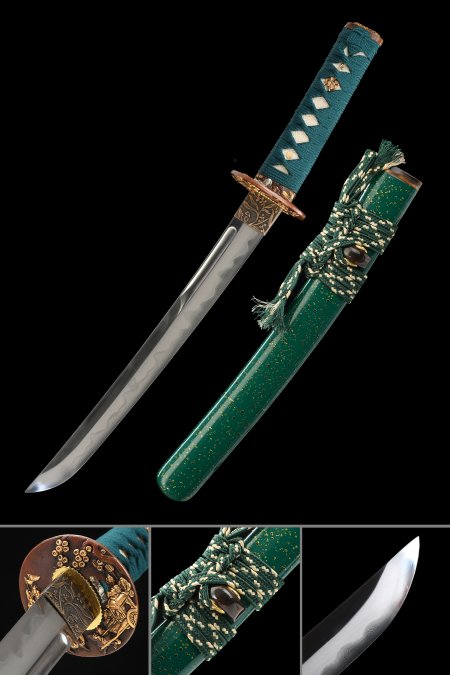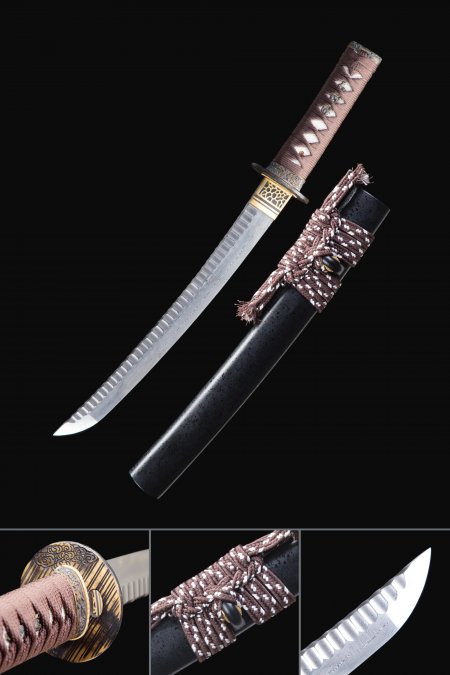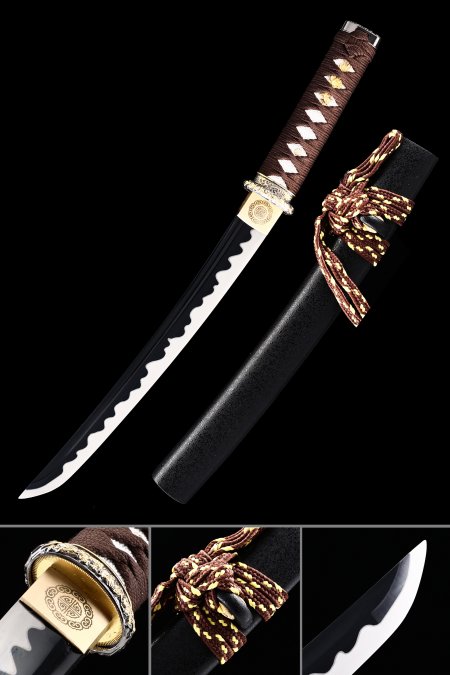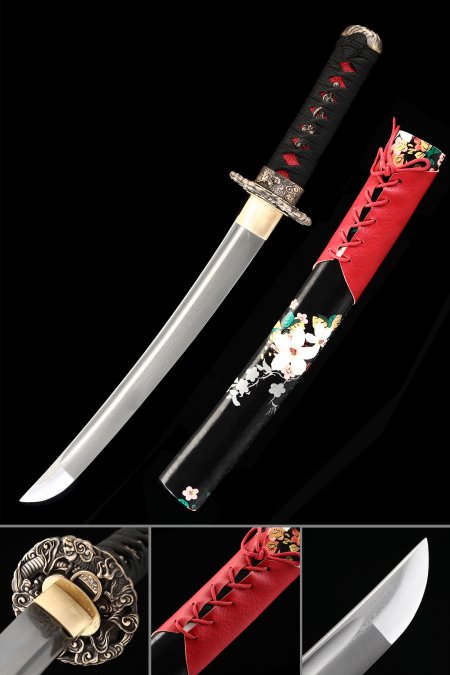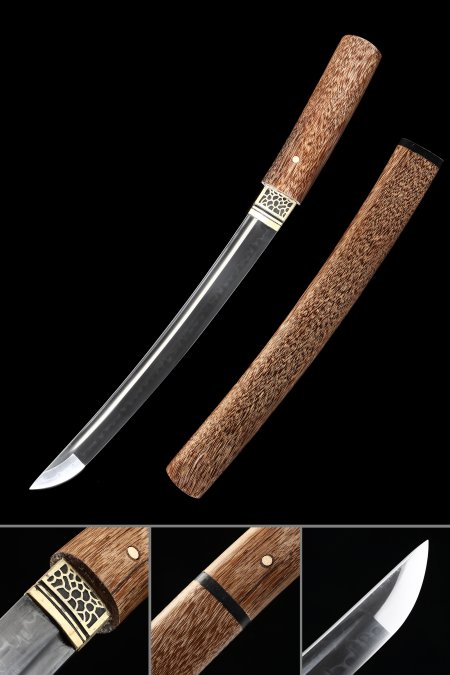
Ornate Scroll Tsuba Tanto

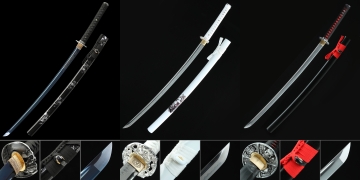
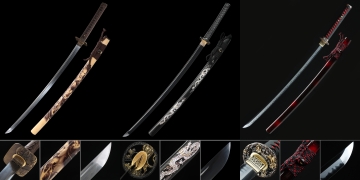
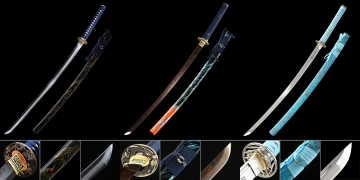
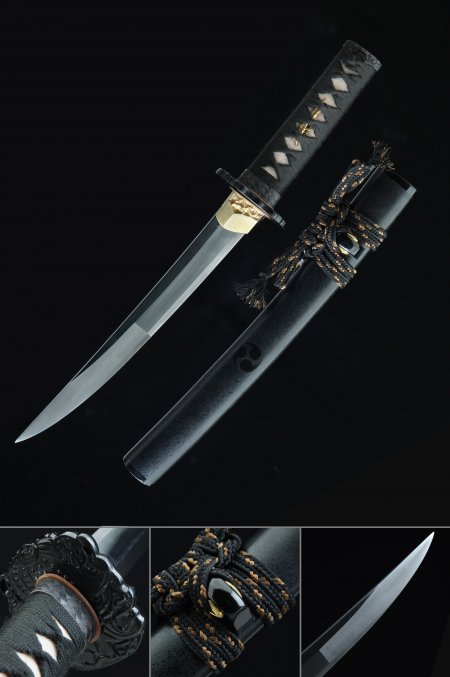
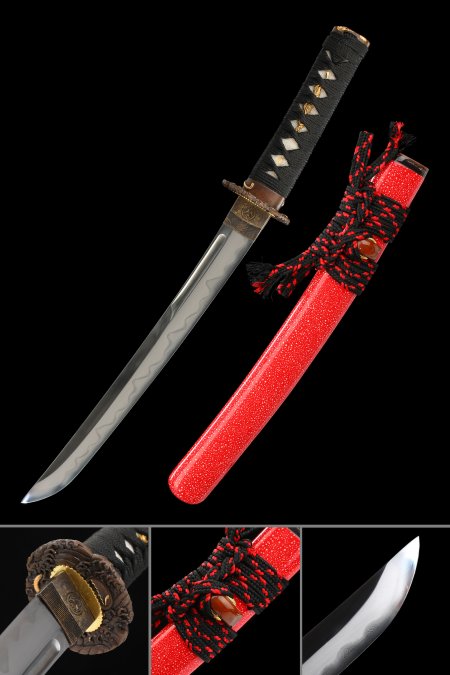
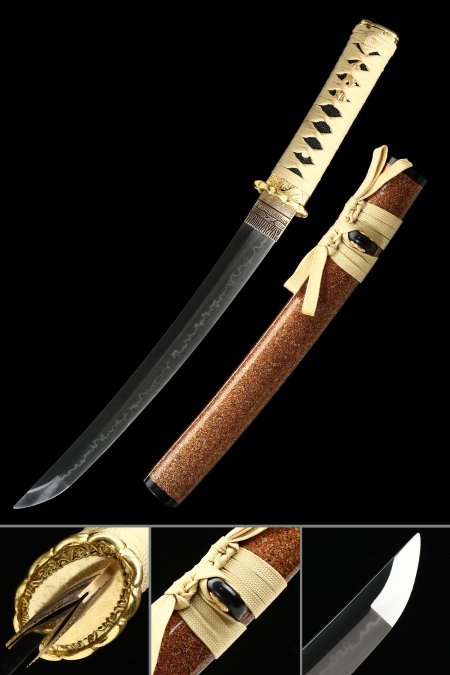
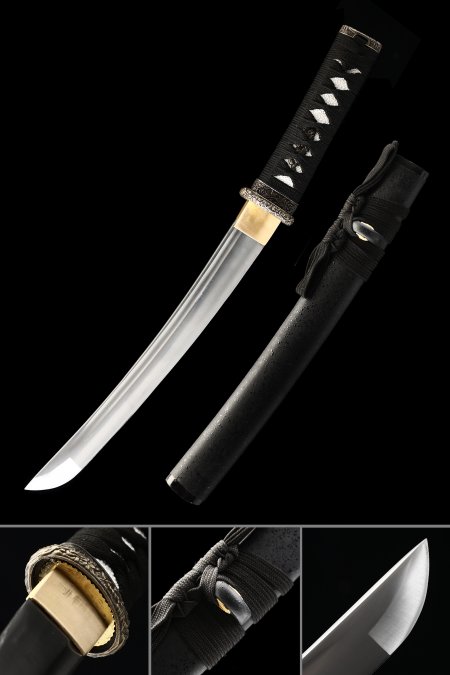
Ornate scroll tsuba tanto blades bring together meticulous hand-engraved guard artistry and premium steel construction - a pairing that serious collectors recognize at a glance. Each piece in this collection showcases distinctive tsuba scrollwork alongside carefully fitted saya and ito wrap details that elevate any display case. Enjoy free shipping on your order, and shop with confidence backed by our hassle-free return policy.
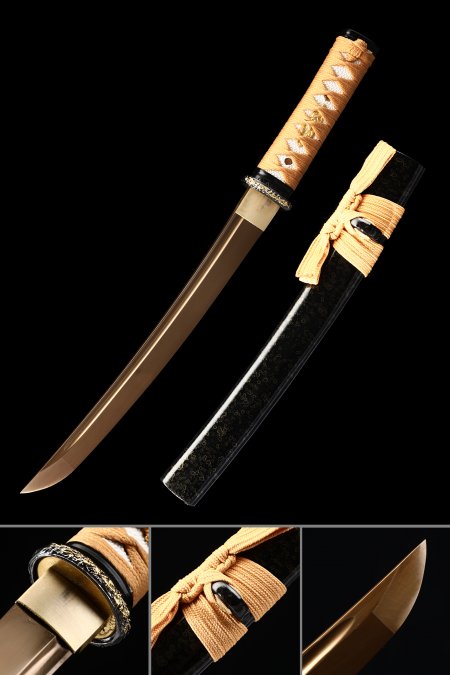
Showing 21 Products

Frequently Asked Questions

What makes scroll tsuba different from plain guard styles?
A scroll tsuba features hand-engraved or cast relief decoration - typically kara-kusa vine scrolls, cloud motifs, or geometric interlace - across its face, rim, or both. Plain guards rely entirely on shape and material for visual interest, while scroll tsuba add a narrative layer of craftsmanship that rewards close viewing. On collectible tanto, this engraving is executed in bronze alloy, iron, or brass, and the quality of line depth and pattern continuity is a direct indicator of how much attention went into the piece's overall construction. Collectors often treat the tsuba as the emotional center of a tanto display for exactly this reason.
How does Damascus steel differ from 1045 carbon steel in a tanto?
Damascus steel is produced by forge-welding multiple steel layers and manipulating them to create visible surface patterning - the flowing wavy lines that appear after acid etching. This makes each blade visually unique and is prized for its aesthetic complexity. 1045 carbon steel, by contrast, is a single-composition high-carbon steel valued for consistent grain structure and straightforward finishing characteristics. For display collectors, Damascus offers immediate visual drama that pairs naturally with ornate scroll tsuba, while 1045 provides a cleaner canvas that lets saya lacquer and tsuba engraving carry the decorative weight. Neither is superior in an absolute sense - the choice depends on the aesthetic story you want your display to tell.
What is clay tempering and why do collectors value a hamon?
Clay tempering is a traditional heat-treatment process in which a layer of clay is applied to the blade's spine before quenching, insulating that area and causing the edge to cool faster. This differential hardening creates a visible transition line along the blade called the hamon - a misty, undulating boundary between the harder edge steel and the softer spine. On T10 tool steel tanto, a real hamon is not painted or acid-faked; it emerges from the metallurgy itself, making each line genuinely unique. Serious collectors distinguish authentic hamon from cosmetic imitations because the former reflects actual craft process and contributes lasting display value that does not diminish over time.
How should I store a tanto with a lacquered saya long-term?
Store the tanto horizontally on a padded rack with the blade seated fully in the saya, edge facing upward to prevent prolonged contact pressure on one side of the lacquer interior. Maintain humidity between 40-60% - excessive dryness can cause lacquer to micro-crack, while high humidity encourages rust on the blade and swelling in wooden components. Apply a thin coat of choji oil or food-grade mineral oil to the blade every three to six months, wiping thoroughly before re-seating. Avoid storage in direct sunlight, which fades saya lacquer and bleaches ito wrap cord over time. A display case with UV-filtering glass resolves both the light exposure and humidity concerns simultaneously.
Are ornate tanto appropriate as gifts for collectors?
Ornate scroll tsuba tanto make excellent gifts for collectors who already appreciate Japanese edged art, enthusiasts of historical aesthetics, or anyone building a themed display. The key is matching the piece's visual language to the recipient's existing collection: a collector who favors dark, restrained palettes will respond better to a black lacquer saya with bronze scroll tsuba, while someone drawn to vivid presentation may prefer a Damascus tanto paired with a red-accented floral saya. For first-time recipients, a tanto is a more approachable entry point than a full katana - its compact proportions fit smaller display spaces while still delivering the full range of traditional furniture details that make Japanese edged collectibles compelling.

Customer Reviews