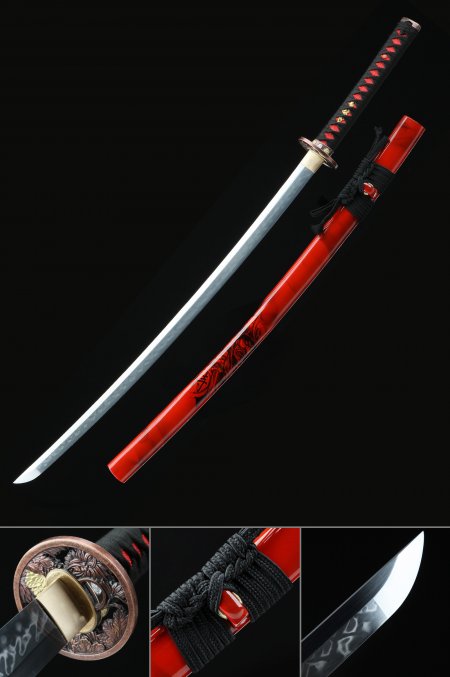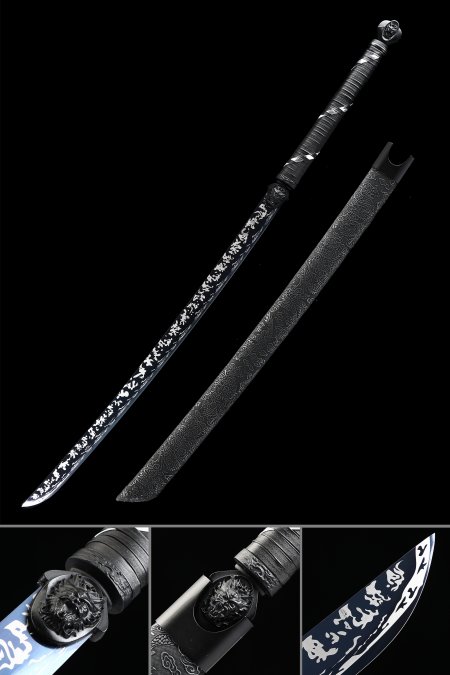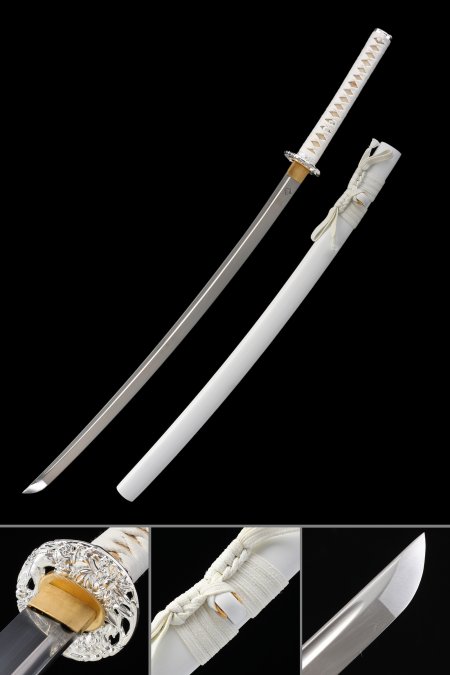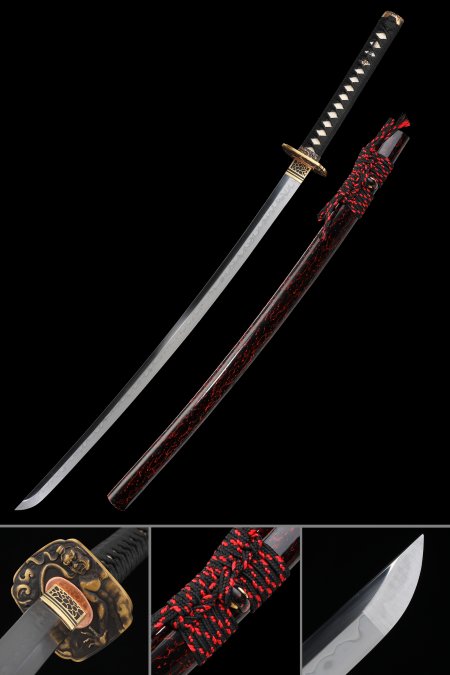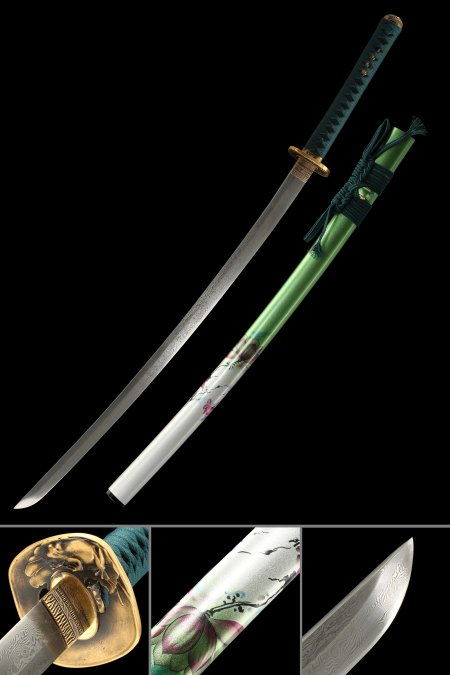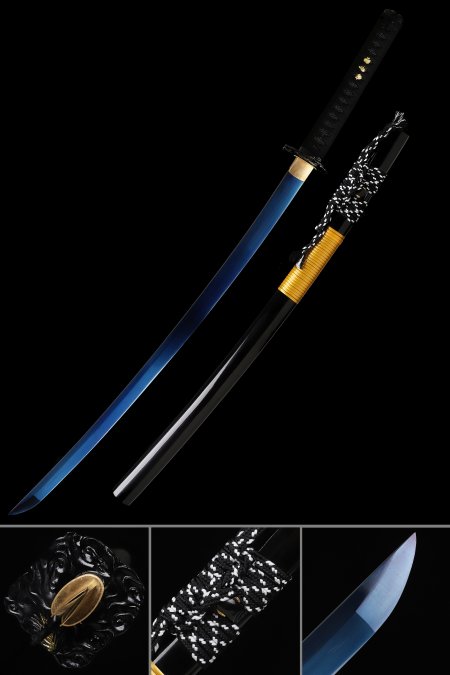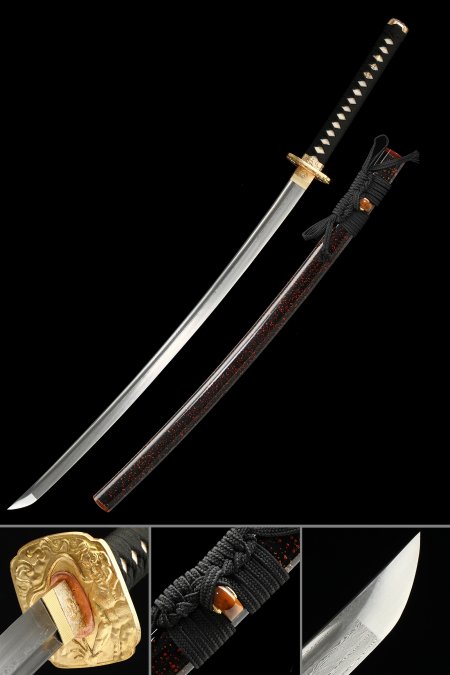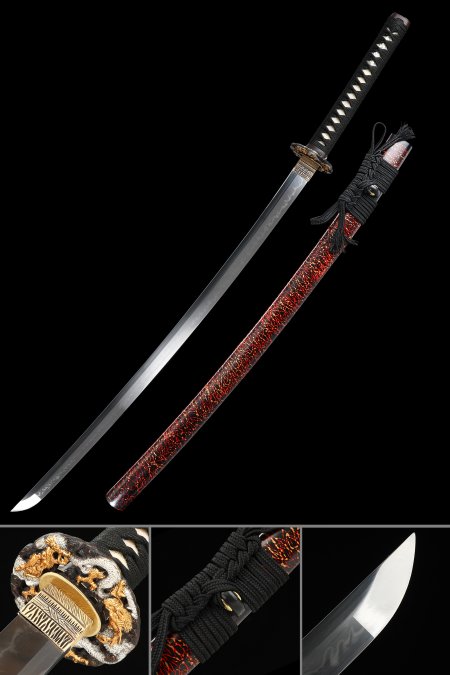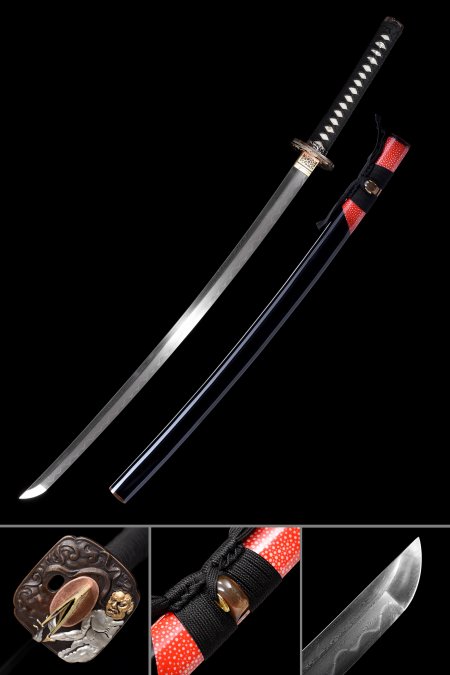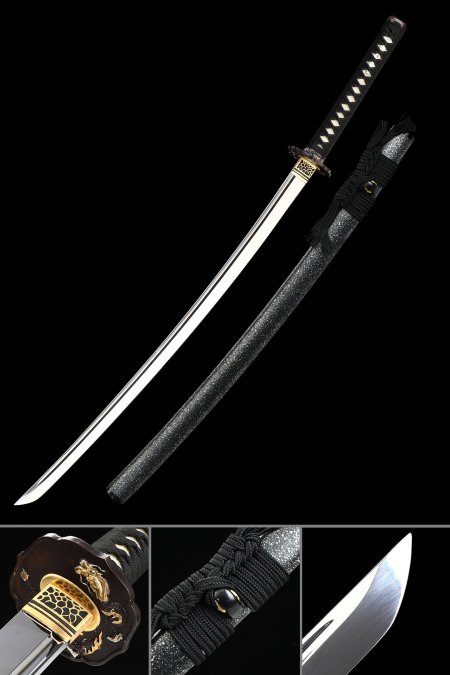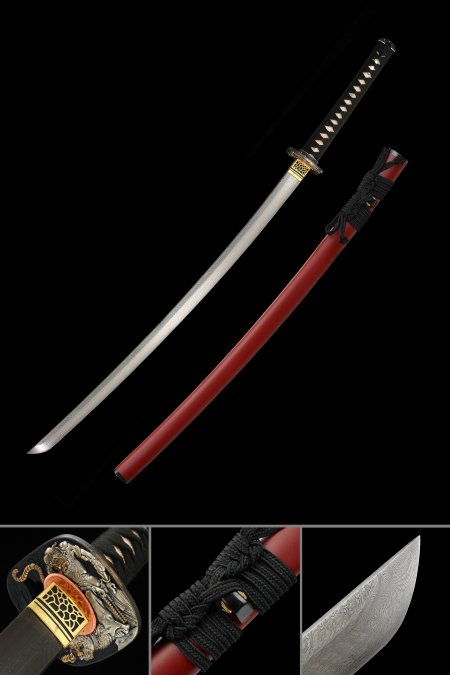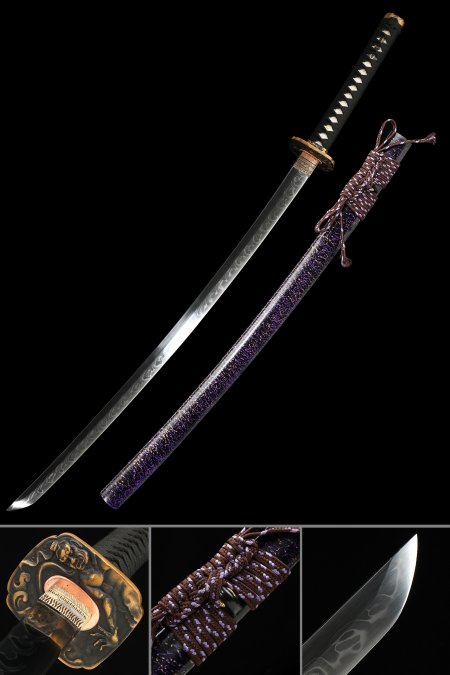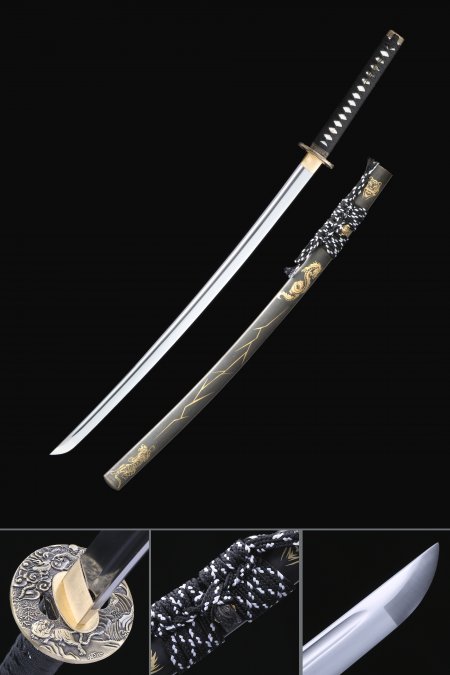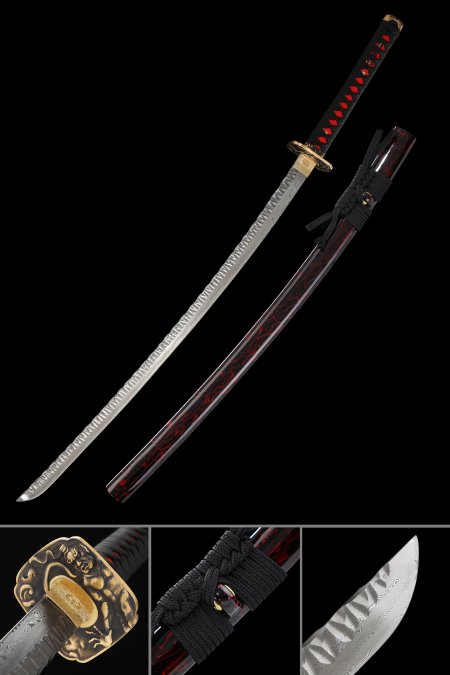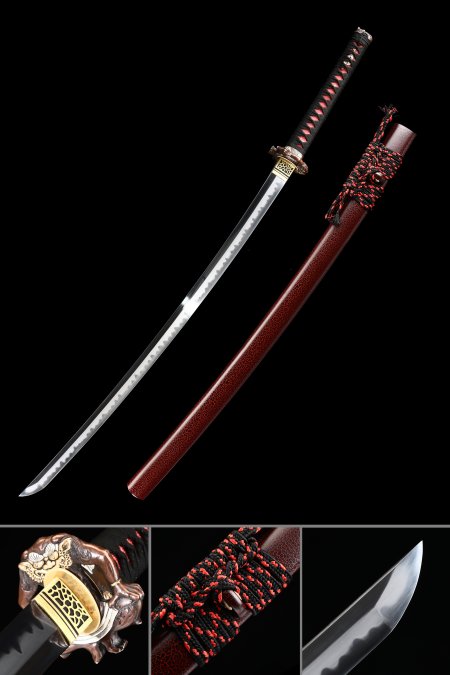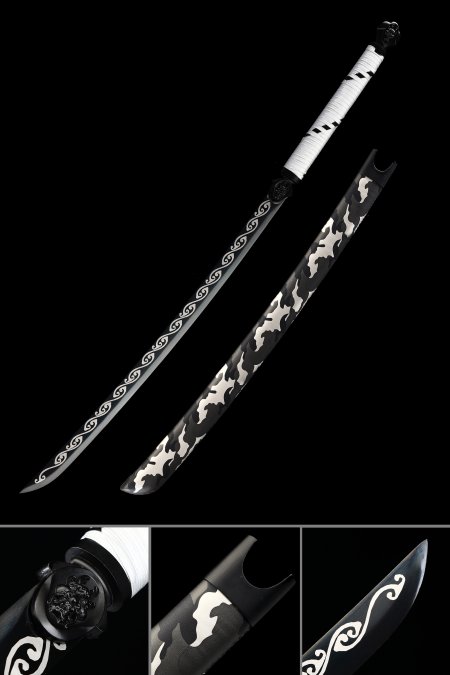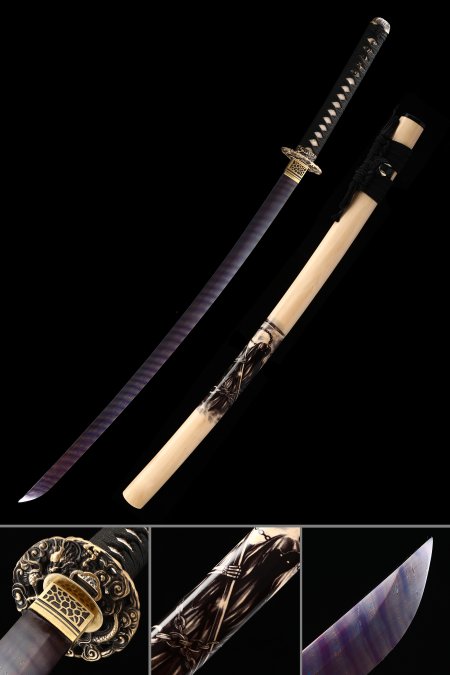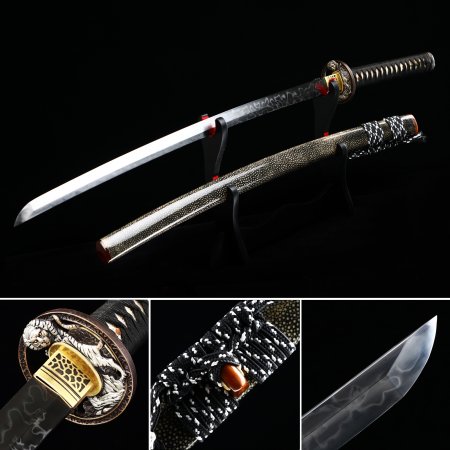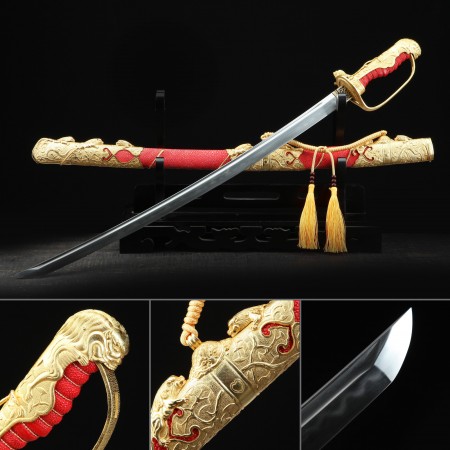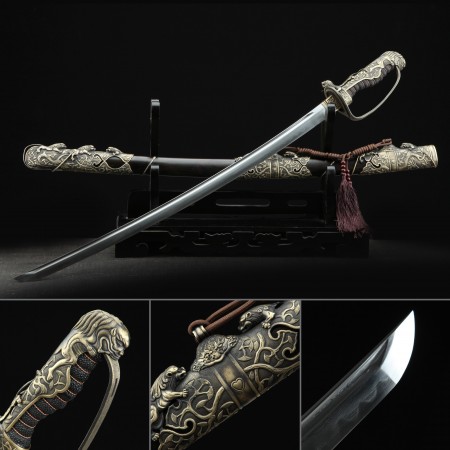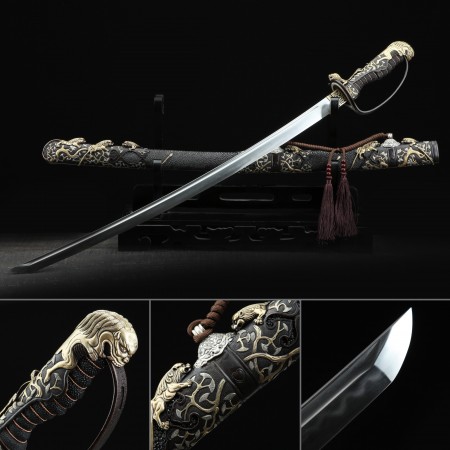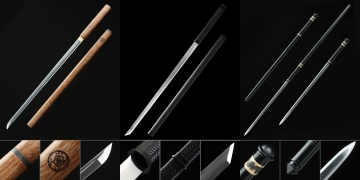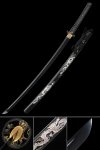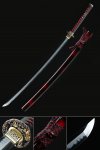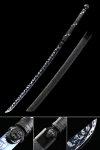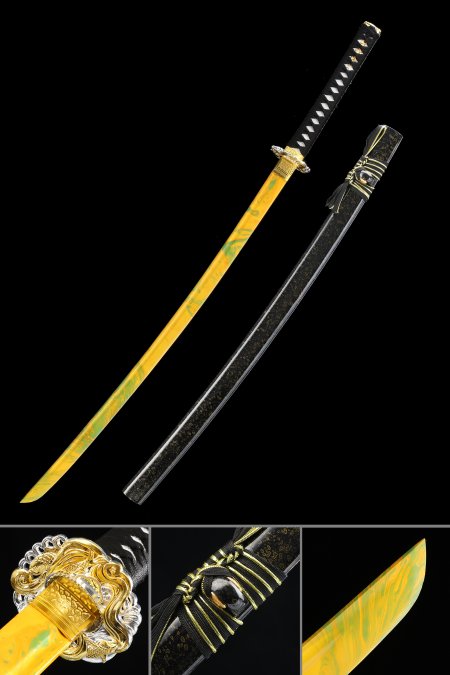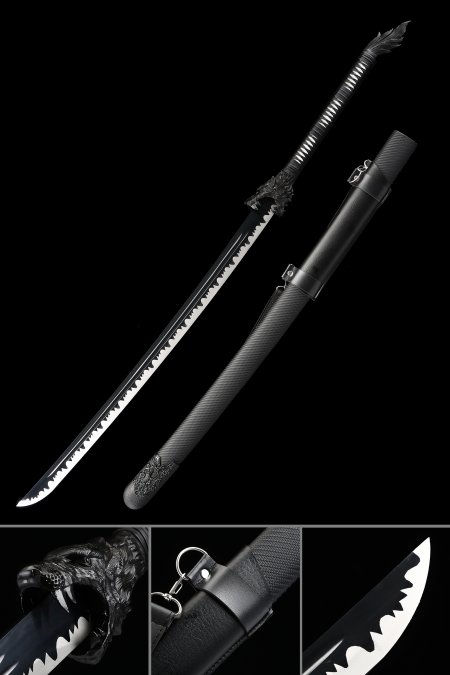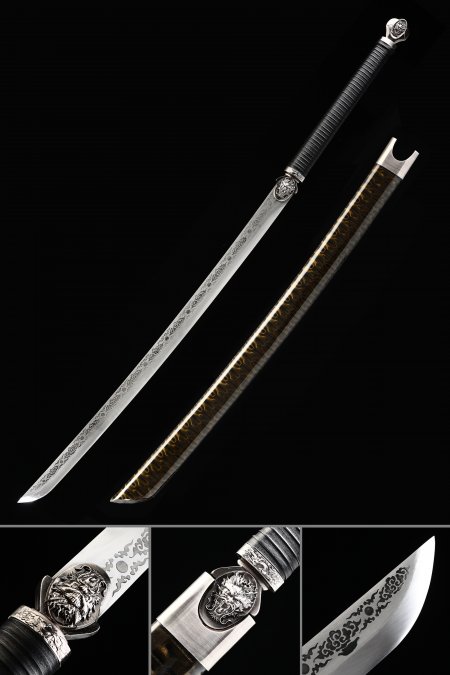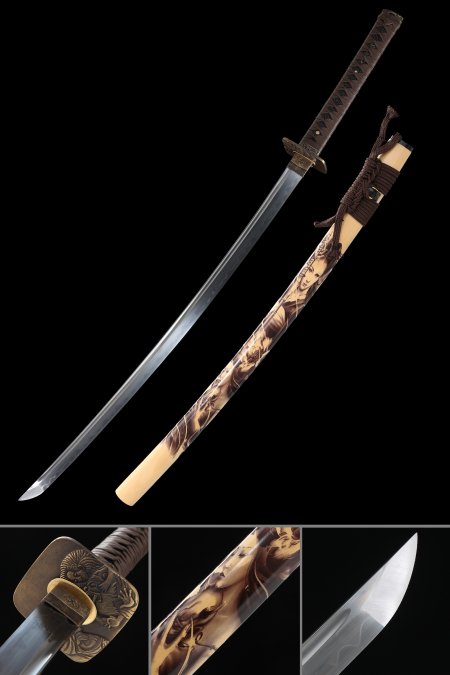
Lion Tsuba Katana

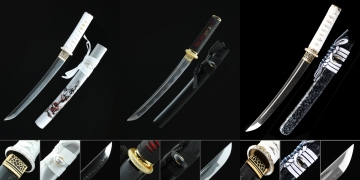
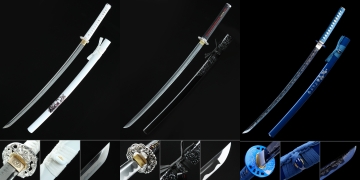
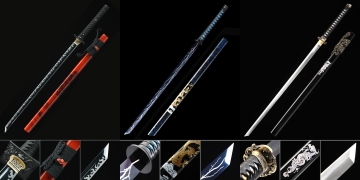
Lion Tsuba Katana collectors will find a carefully curated selection here, each piece distinguished by hand-forged blades, intricate lion-motif guard work, and premium fittings that reflect the depth of traditional Japanese sword craft. From clay-tempered T10 carbon steel with real hamon to layered Melaleuca steel, every katana in this collection is built with full-tang construction and attention to authentic koshirae detail - worthy of both serious display and discerning gifting. Enjoy free shipping on your order, backed by our hassle-free return policy.
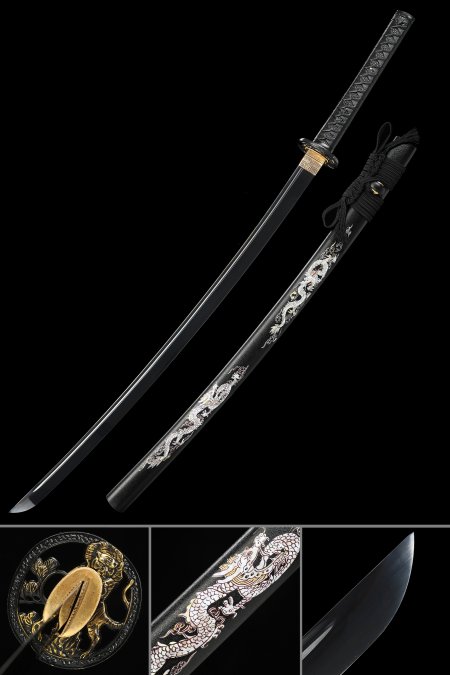
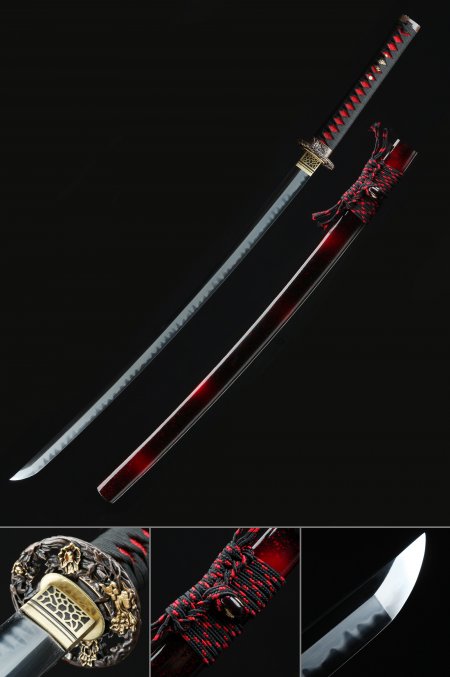
Showing 27 Products

Related Collections

Tanto Blade79 items


379 Reviews

Reverse Blade Sword128 items


1628 Reviews

Dragon Saya Ninjato32 items


83 Reviews

Plain Tsuba Ninjato47 items


500 Reviews

Frequently Asked Questions

What makes a lion tsuba significant on a collectible katana?
The tsuba is far more than a hand guard - it is the visual and symbolic centerpiece of a katana's koshirae, or full mounting assembly. The lion motif, rooted in the Japanese artistic tradition of the shishi (mythical lion-dog), carries associations with dignity and protective strength. On a collectible katana, a well-crafted lion tsuba cast in bronze or copper elevates the piece from a single-material display to a layered artistic object. Collectors who study Japanese sword fittings recognize the guard's iconography as a window into the aesthetic priorities of the smith or workshop. When the tsuba design harmonizes with the saya finish and handle wrap, the result is a katana that reads as intentional and complete - not assembled from mismatched parts.
What is the difference between T10 steel and Melaleuca steel katana?
T10 carbon steel is a high-carbon tool steel known for its ability to undergo clay tempering, a differential hardening process that creates a visible hamon along the blade. The hamon on a genuine clay-tempered T10 katana forms naturally during the quenching process and varies from piece to piece, making each blade unique. Melaleuca steel, by contrast, refers to a pattern-welded or layered construction where multiple steel billets are folded and forge-welded together. This process creates subtle surface grain - sometimes called the jigane - that becomes visible after polishing. Melaleuca steel pieces tend to emphasize visual texture across the entire blade, while T10 pieces direct the eye to the hamon line specifically. Both are compelling for different collecting reasons, and owning one of each offers a meaningful comparison within a display.
How should I maintain a carbon steel katana on long-term display?
Carbon steel blades - whether T10, 1045, or spring steel - require routine care to prevent surface oxidation, especially in humid climates. Every two to three months, apply a thin, even coat of choji oil (or a food-grade mineral oil substitute) using a soft cloth or dedicated uchiko ball. Before oiling, remove any existing residue to avoid buildup. Store the katana horizontally on a display stand rather than inside the saya for extended periods, as prolonged contact between blade and lacquered wood can trap moisture. Keep the display environment below 60% relative humidity, away from heating vents and direct sunlight, both of which can dry and crack the ito wrap and lacquer finish. With consistent care, a properly maintained carbon steel katana will retain its surface character for decades.
Is a lion tsuba katana a good gift for a sword collector?
Lion tsuba katana make a particularly thoughtful gift for collectors because the motif carries recognizable cultural meaning without being obscure. Unlike minimalist or plain-guard pieces, a lion tsuba gives the recipient an immediate focal point and conversation piece for their display. For collectors who already own single-blade or dragon-motif pieces, a lion guard katana introduces thematic variety. When selecting a gift piece, pay attention to the saya finish - dark red or black lacquer tends to suit formal display settings, while gold dragon saya designs work well in more expressive collections. Full-tang construction is an important quality marker that experienced collectors notice immediately, so confirming that detail before purchase signals you understand what distinguishes a serious collectible from a decorative replica.
Can lion tsuba katana be used for tameshigiri or test cutting?
Several pieces in this collection - particularly those built on T10 clay-tempered, Melaleuca, or spring steel blades - are constructed with full-tang assembly and sufficient blade geometry to support tameshigiri on appropriate cutting targets such as water-soaked tatami mats or bamboo. However, these katana are sold and positioned as collectibles and display pieces, and any cutting use should be approached with formal training and proper safety preparation. Softer steel options like 1045 carbon steel are better suited to light practice or display only. If tameshigiri compatibility is a priority, look specifically for full-tang construction paired with T10 or spring steel blades, and ensure the handle wrapping and fittings are tight before any use. Regardless of use intent, post-cutting cleaning and oiling are essential to preserve the blade.

Customer Reviews

Alvan Crittenden Georgia, United States

The two swords are fantastic, truly the best sword I've ever had in hand. They didn't take too long to arrive either, the only problem I have is that one sword is very different to unsheathe and ensheathe. It seems like the cut in the sheathe is off, but otherwise everything is great and would definitely order again.r
r
The first two are the ones I received from "TrueKatana". The topmost sword is the one with the sheathing problem.
T10 Carbon Steel Katana with Clay Tempered Real Hamon in Hand-Painted Beige Saya with Copper Fittings T10 Carbon Steel Katana with Clay Tempered Real Hamon in Hand-Painted Beige Saya with Copper Fittings