FAST SHIP
Free Shipping
149.00 USD
ON SALE! 15% OFF
Was: 179.00 USD

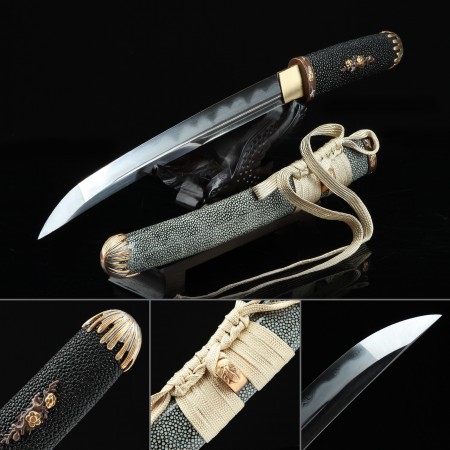
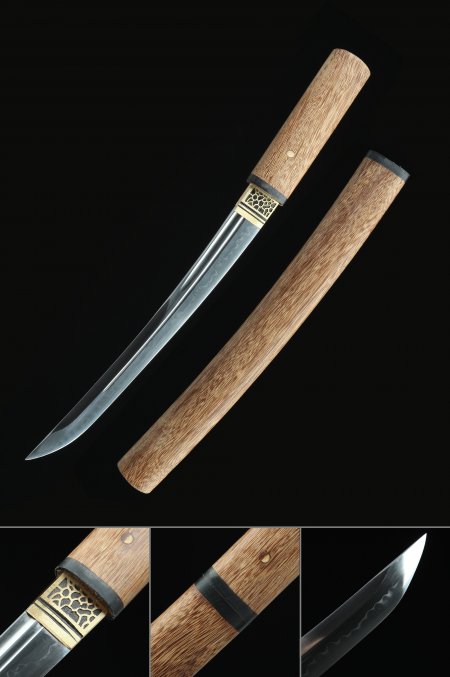
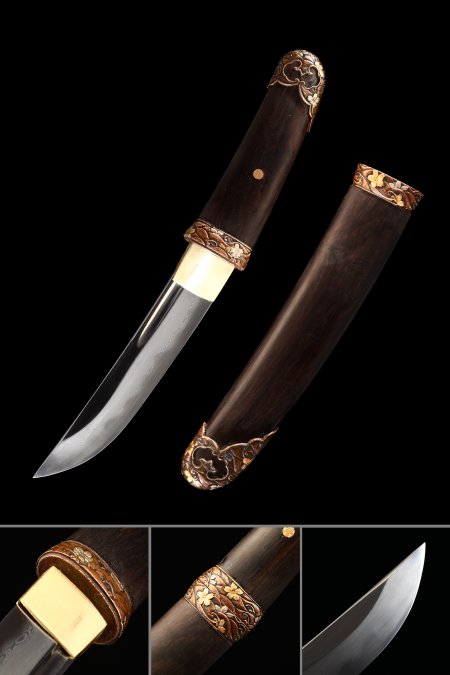
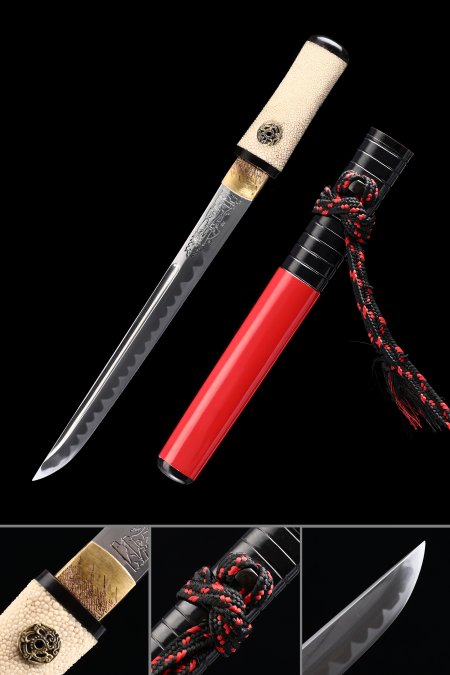
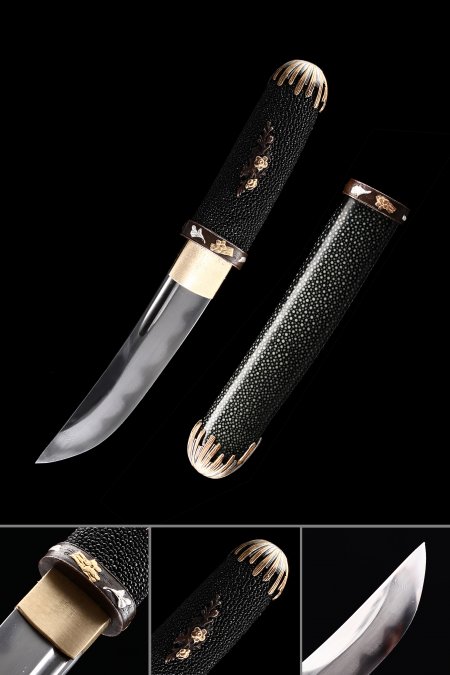
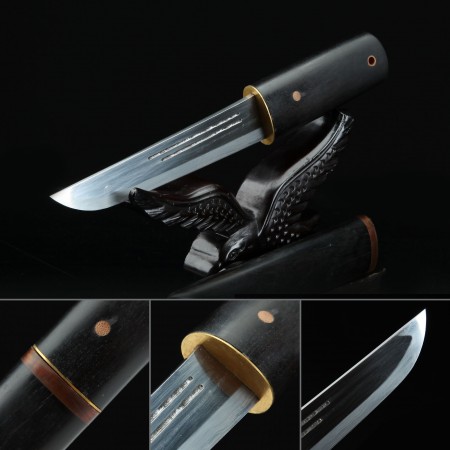
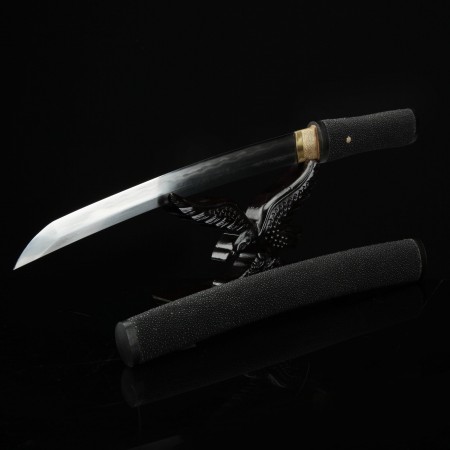
Discover our collection of real hamon aikuchi - short-bladed Japanese tanto crafted without a tsuba, embodying the restrained elegance of classical Japanese sword aesthetics. Each piece features hand-forged Damascus or clay-tempered high-carbon steel, genuine rayskin wrapping, and lacquered wood saya finished by skilled artisans. Whether you are adding to a serious collection or selecting a distinguished gift, these aikuchi are crafted to impress. Enjoy free shipping on every order, backed by our hassle-free return policy.
Heavy, balanced and display worthy. An awesome piece.
 |
T10 Clay Tempered Shirasaya Tanto with Real Hamon in Natural Rosewood Saya - Aikuchi Collectible |
Excellent service. Arrived in a nice packaging. First class product. r
I would definitely recommend this maker.
 |
Pattern Steel Tanto with Real Hamon, Black Rayskin Handle & Gray Rayskin Saya - Aikuchi Style |
The wooden sheath & handle of high quality. The blade is also of high quality. I love it.
|
T10 Clay Tempered Shirasaya Tanto with Real Hamon in Natural Rosewood Saya - Aikuchi Collectible |
I’m excited about my shirasaya tanto! It is small enough to go with me, discreet enough to go unnoticed, and sharp enough to matter. Well done! The safety warning card was good for a load of laughs.
|
T10 Clay Tempered Shirasaya Tanto with Real Hamon in Natural Rosewood Saya - Aikuchi Collectible |
I have several swords in my collection from your company, I am very impressed
|
T10 Clay Tempered Shirasaya Tanto with Real Hamon in Natural Rosewood Saya - Aikuchi Collectible |
They are Christmas gifts and are not open yet so I cannot rate the katana. I did enjoy the fast shipping.
|
T10 Clay Tempered Shirasaya Tanto with Real Hamon in Natural Rosewood Saya - Aikuchi Collectible |
Love the tanto, it is well made and looks great. It is not super razor sharp, but it definitely is sharp, which is great. Well packed and shipped and in good time, and with the discount was a good price. Thank you!
|
T10 Clay Tempered Shirasaya Tanto with Real Hamon in Natural Rosewood Saya - Aikuchi Collectible |
Phenomenal craftsmanship!! I’m extremely pleased with my purchase(s)!!! r
r
The customer service is also exceptional, I had a few questions and they were patient and helpful. I’m trying to make space for another item. 🫡
|
Pattern Steel Tanto with Real Hamon, Black Rayskin Handle & Gray Rayskin Saya - Aikuchi Style |