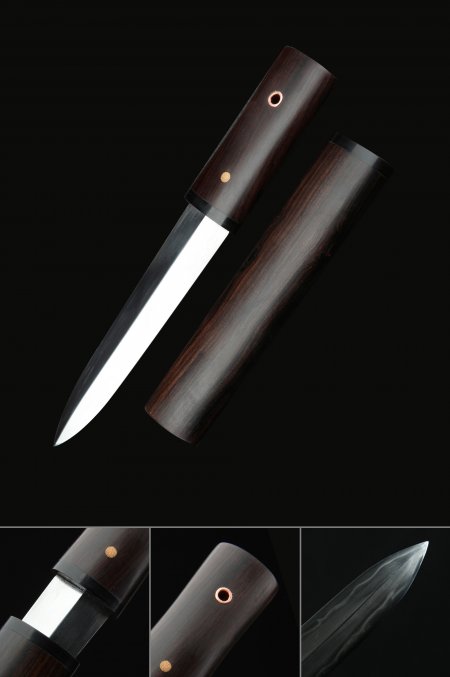
What defines a saber sword and why did so many cultures develop this blade form?
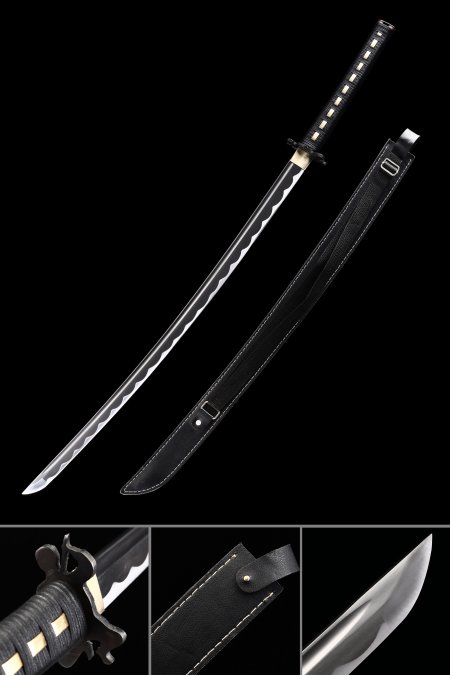
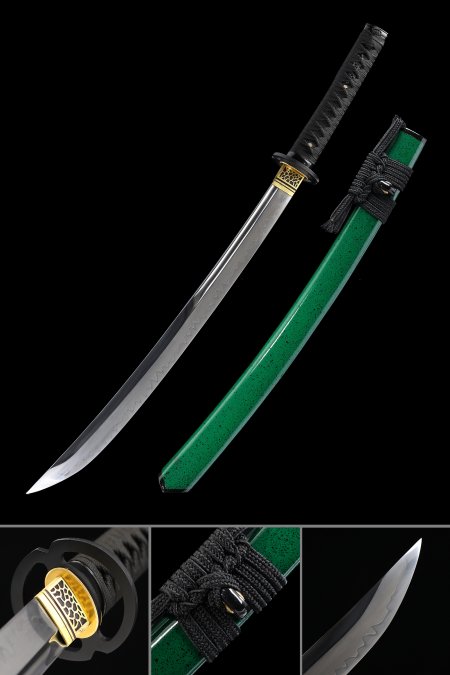
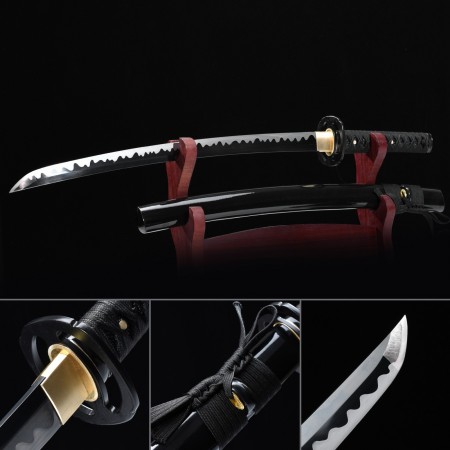
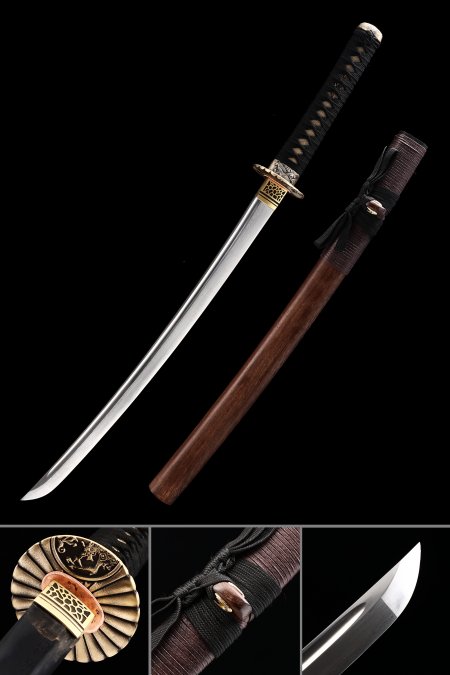
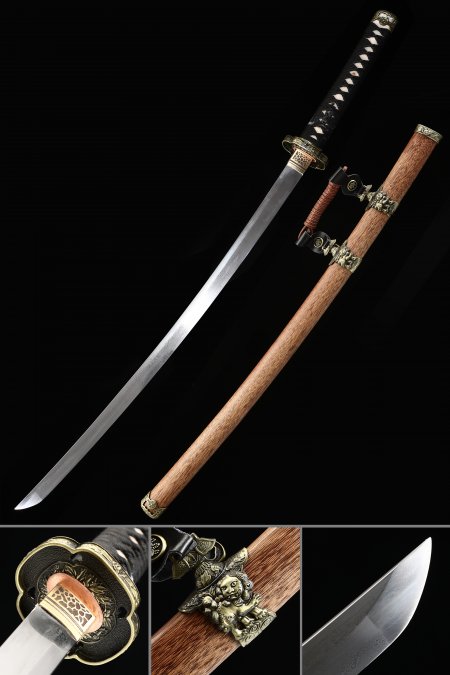
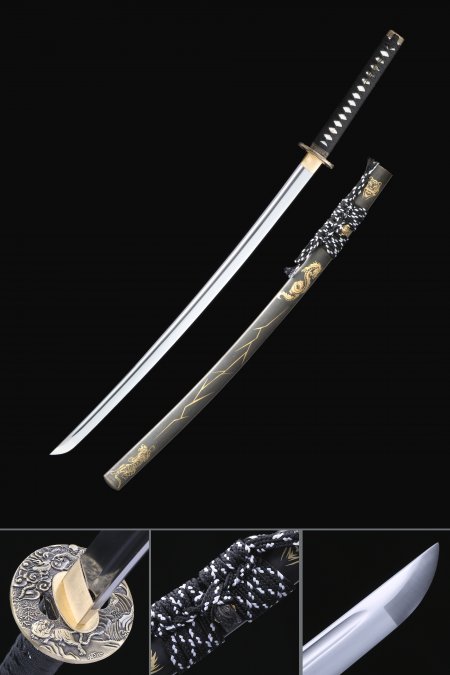
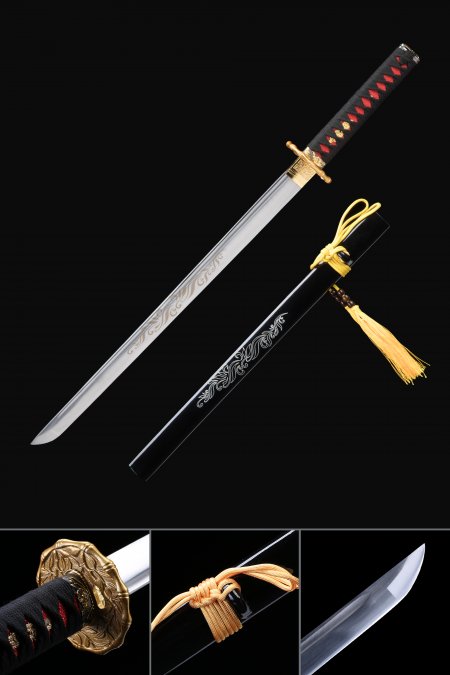
A saber sword is defined by its single-edged curved blade - one edge is sharpened while the spine opposite is left thick and unsharpened, and the blade curves in an arc that concentrates the edge's cutting force at the contact point of a slashing movement. The saber's effectiveness in cutting arises from this geometry: the curve means that the blade edge moves through the target in a drawing motion rather than a direct impact, increasing the cutting action significantly. This principle is so mechanically effective that multiple sword-making cultures developed it independently without any contact with one another - Japanese katana, Chinese dao, Turkish kilij, Persian shamshir, Indian talwar, and European cavalry saber all represent independent discoveries of the same fundamental principle. The specific curve geometry, blade width, handle design, and fitting system differ significantly between these traditions, reflecting different fighting styles and material traditions, but the core insight - a single-edged curved blade draws through a target more effectively than a straight blade - is shared across all of them. The East Asian saber traditions, particularly the Japanese katana and Chinese dao, represent the most technically refined expressions of this principle in Asian sword-making history.
How does the Japanese katana saber differ from the Chinese dao saber in design?
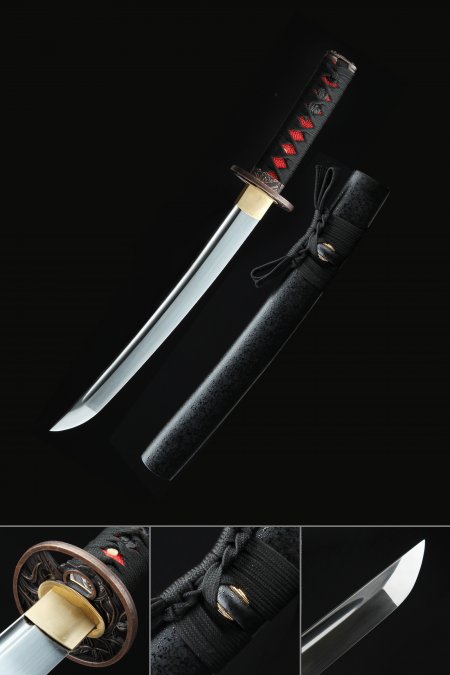
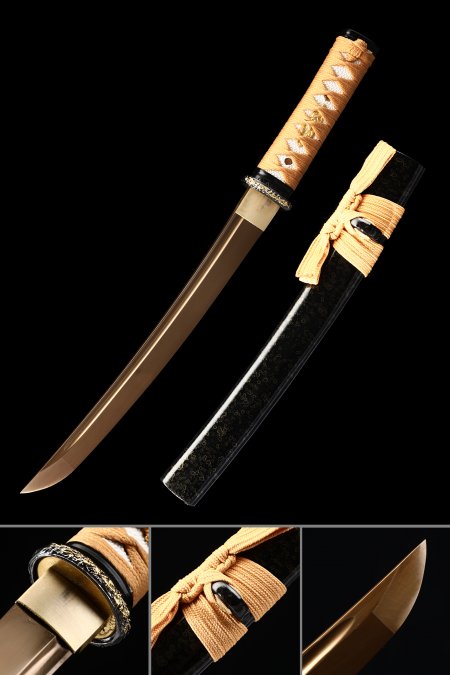
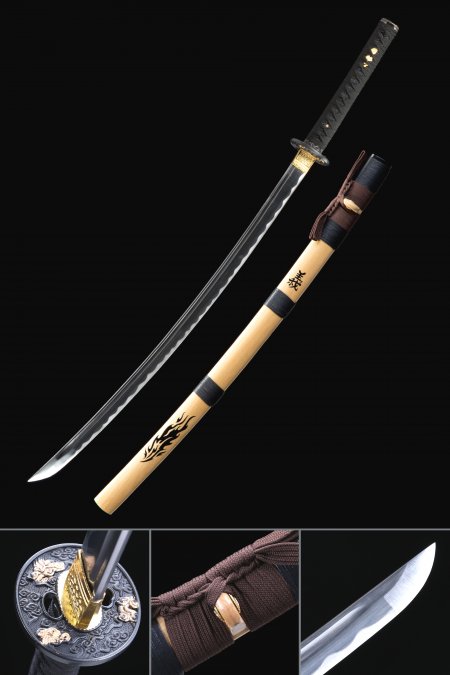
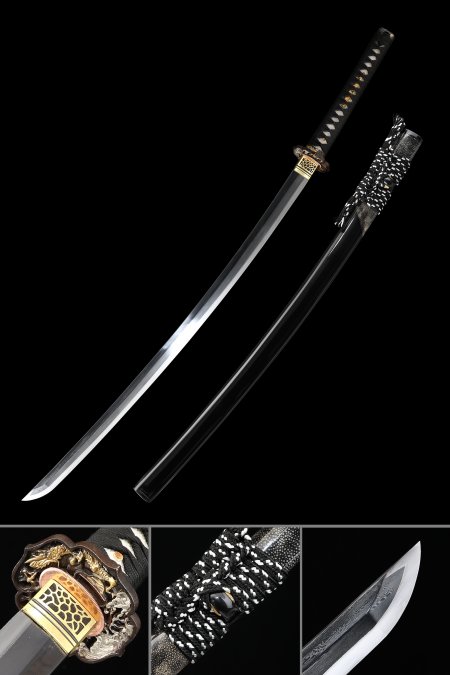
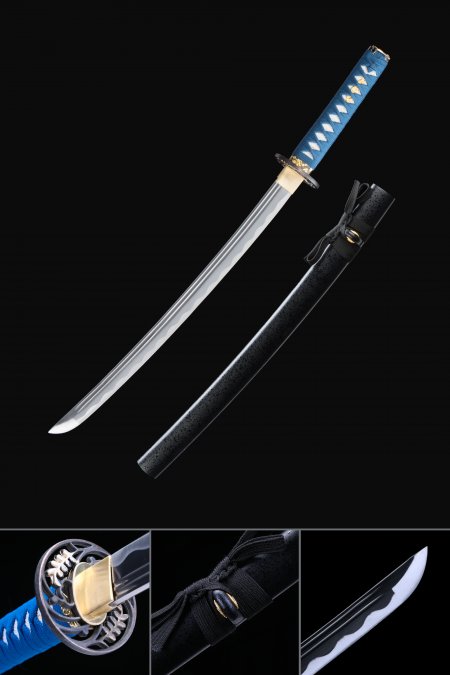
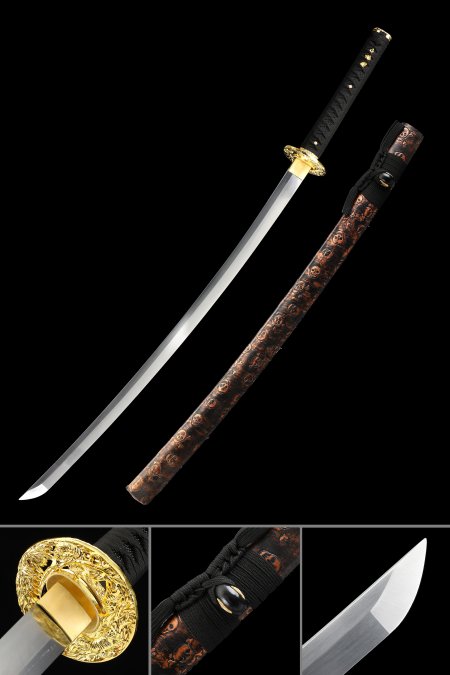
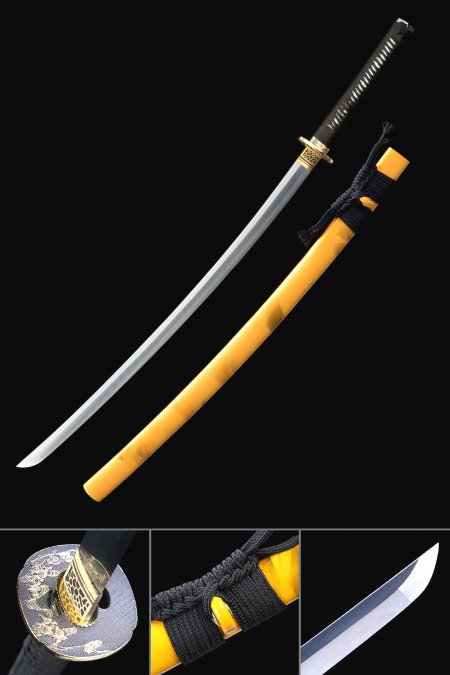
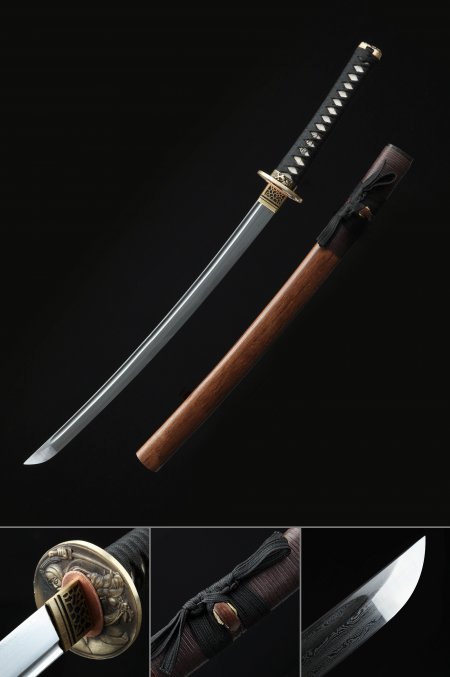
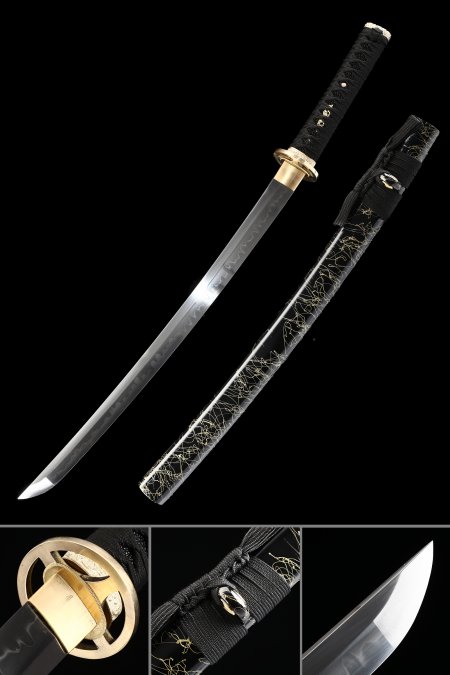
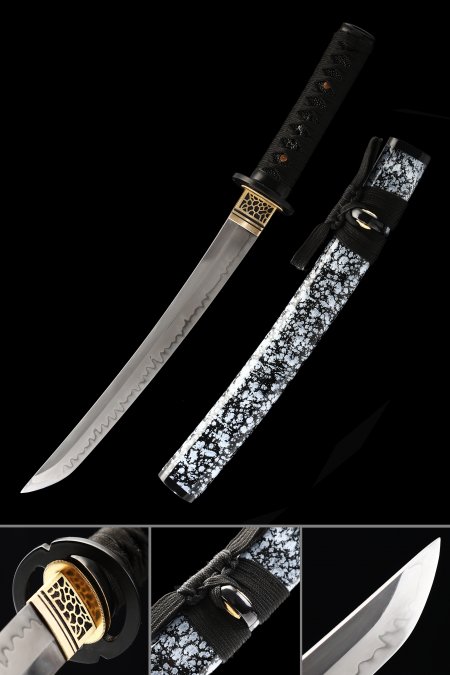
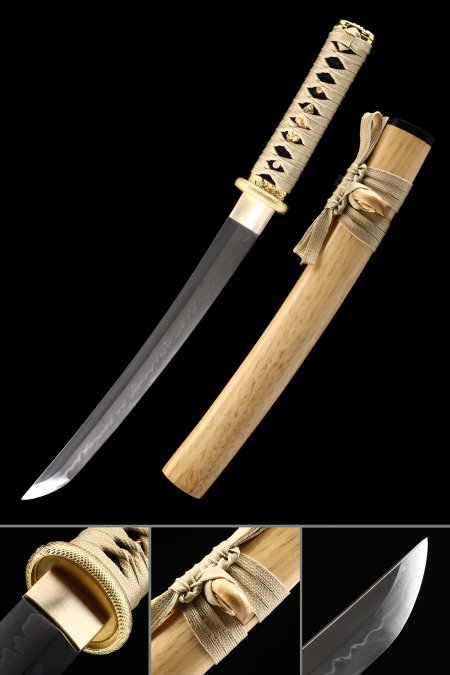
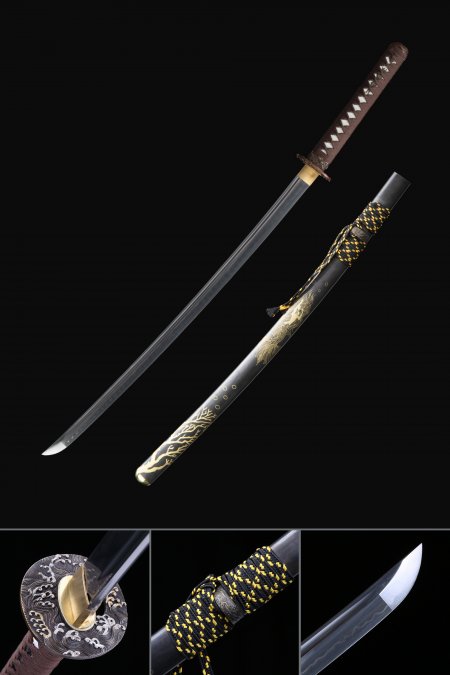
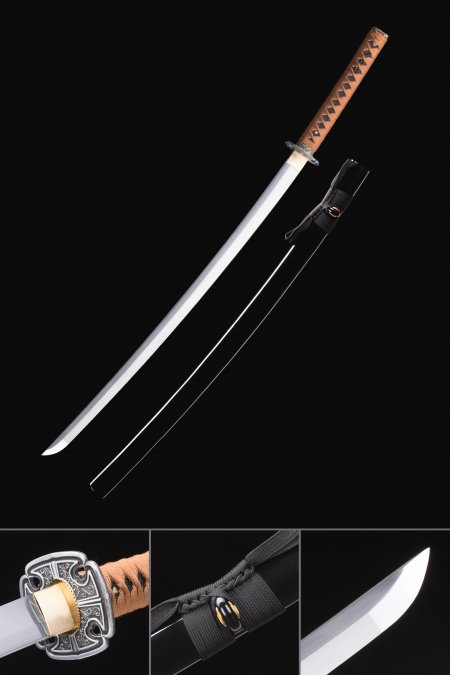
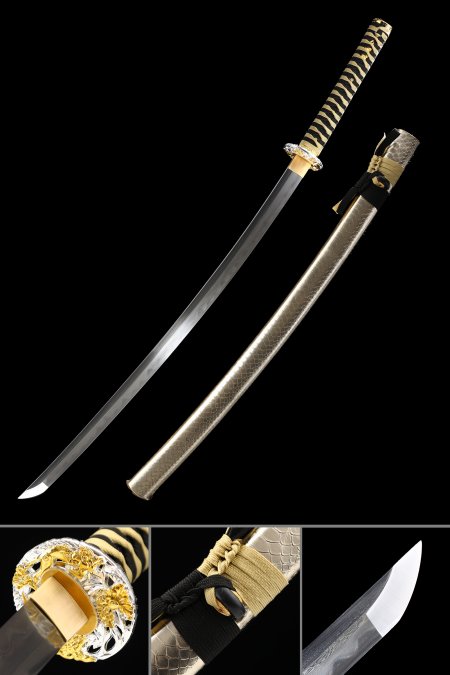
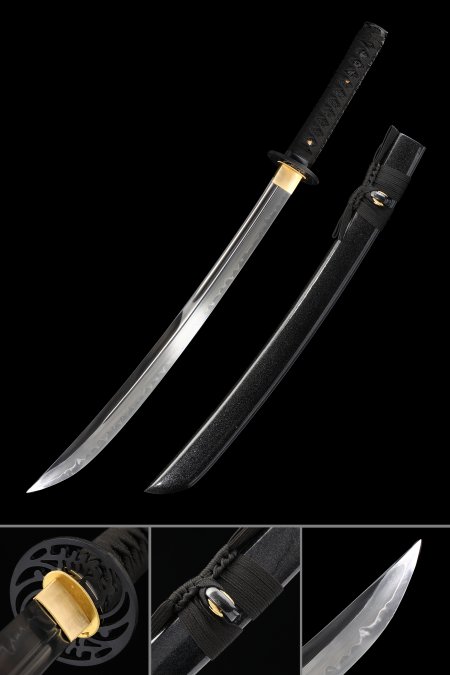
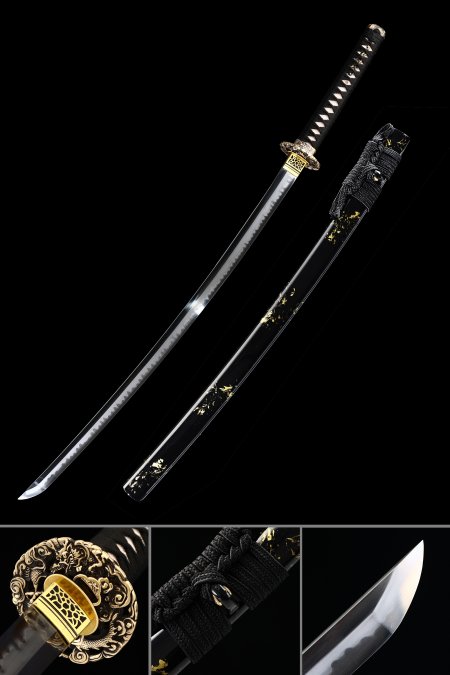
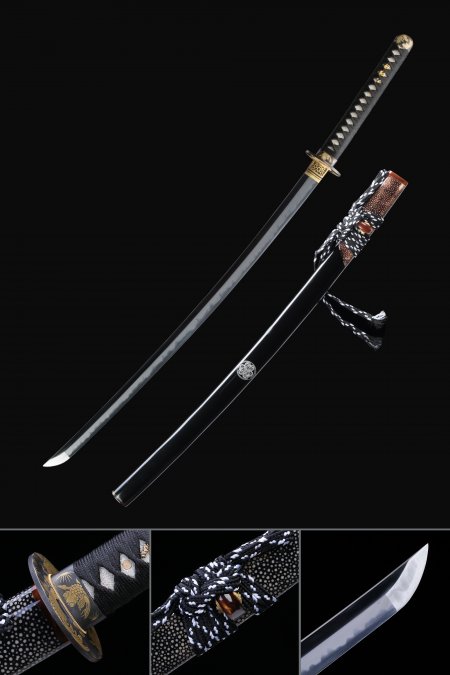
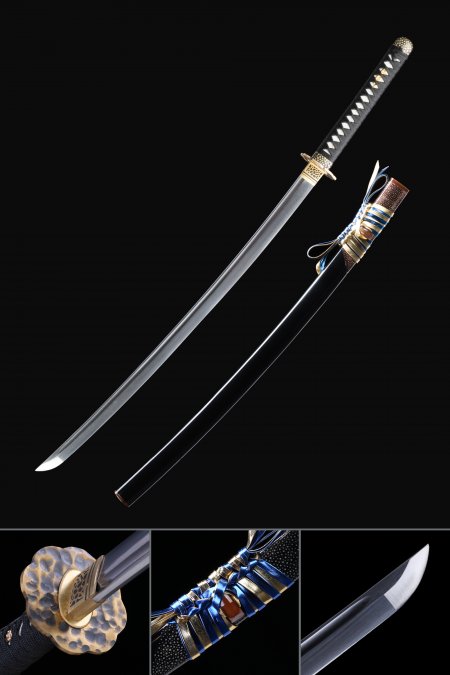
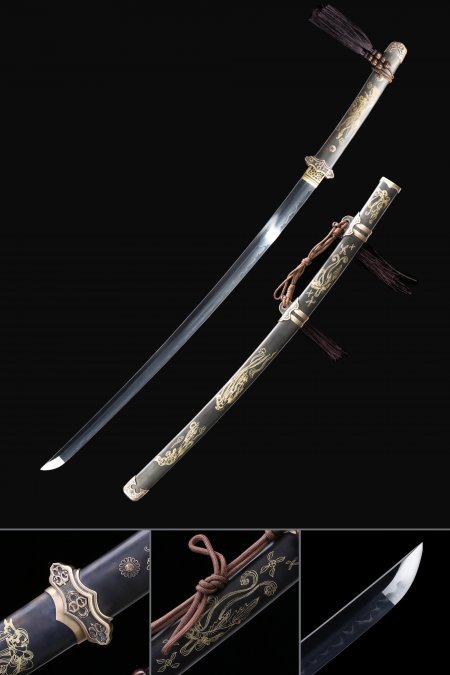
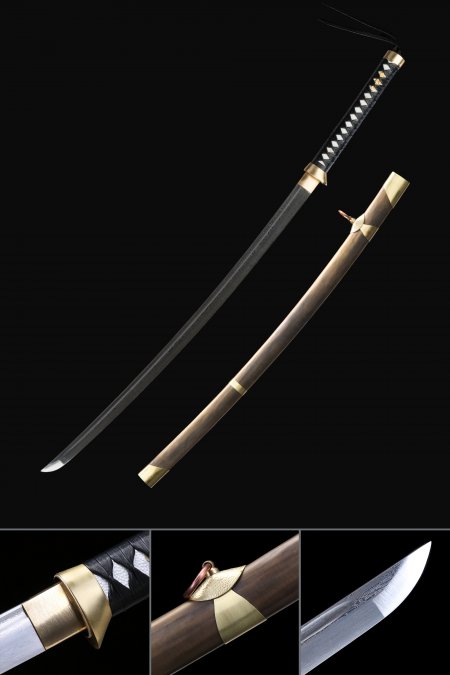
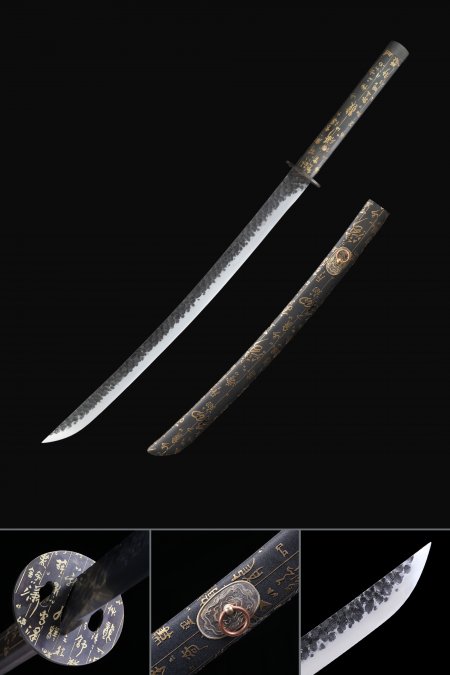
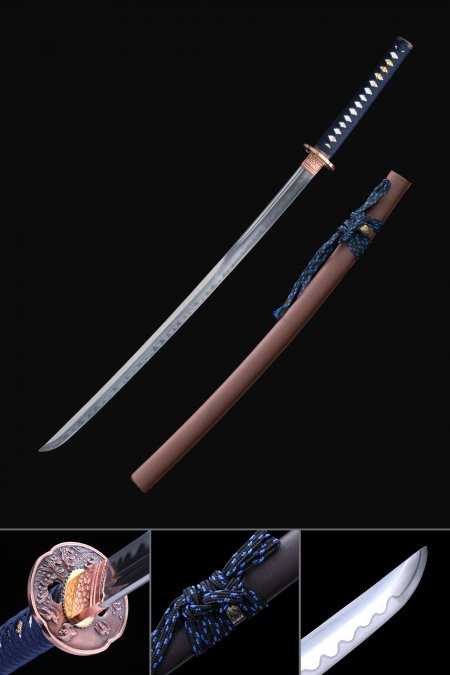
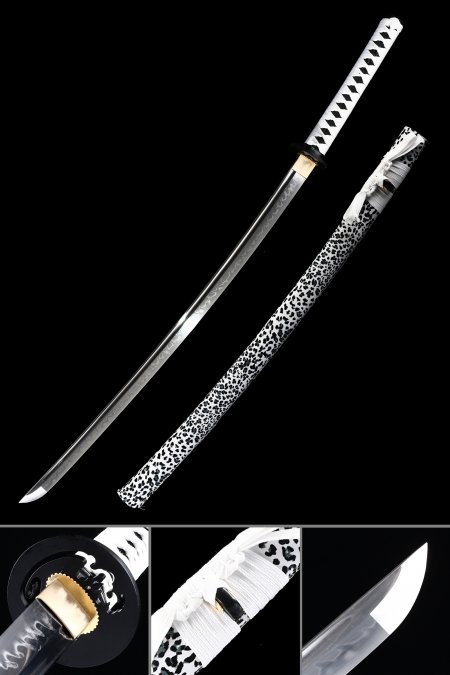
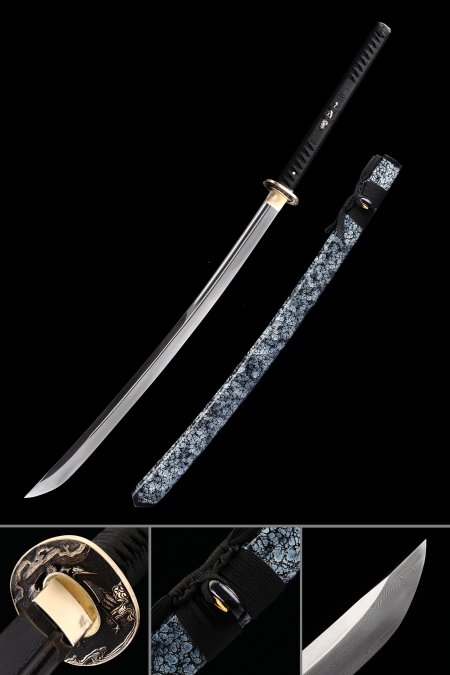
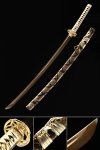
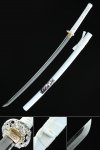
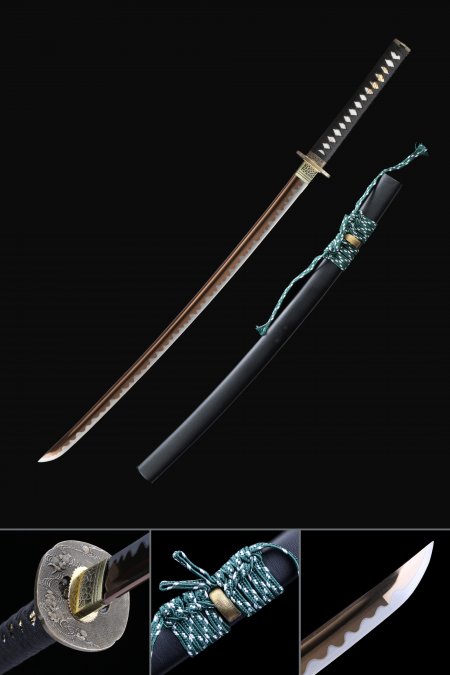
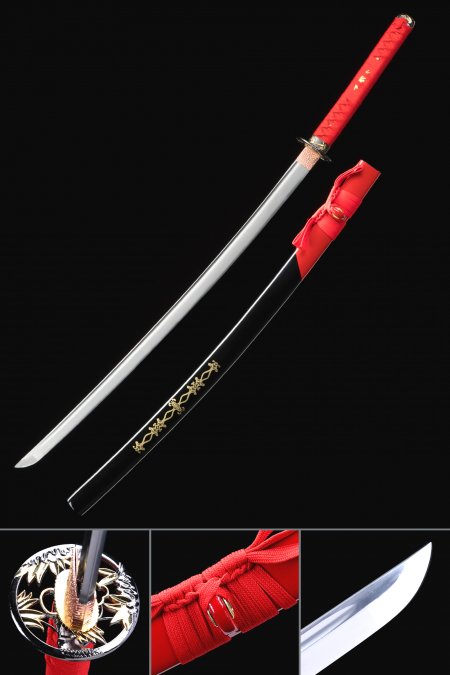
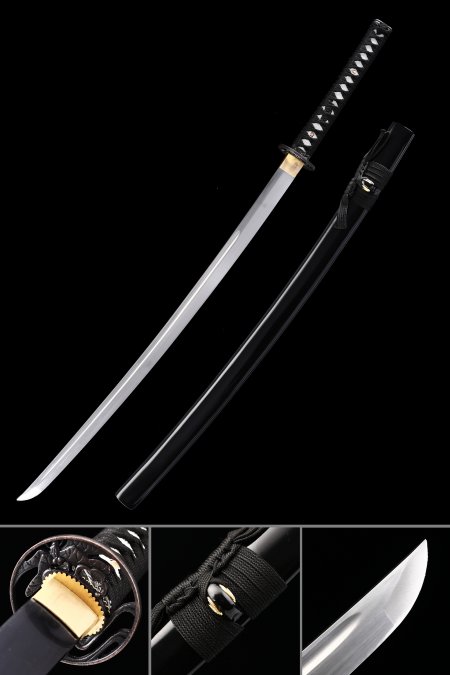
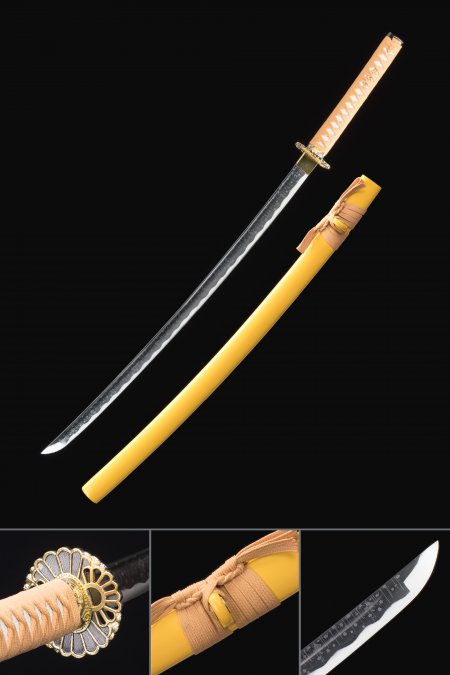
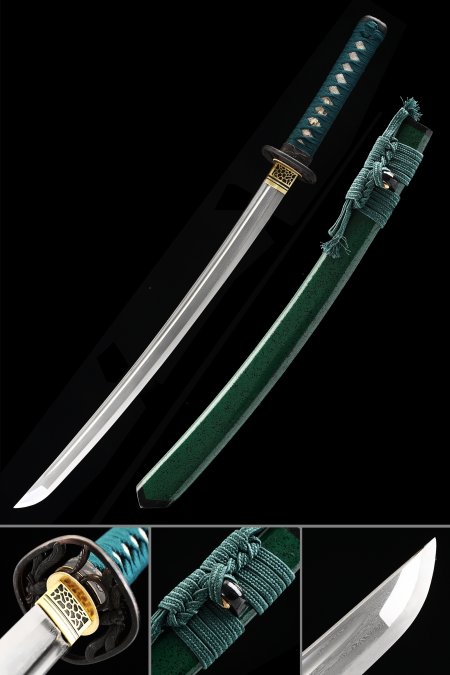
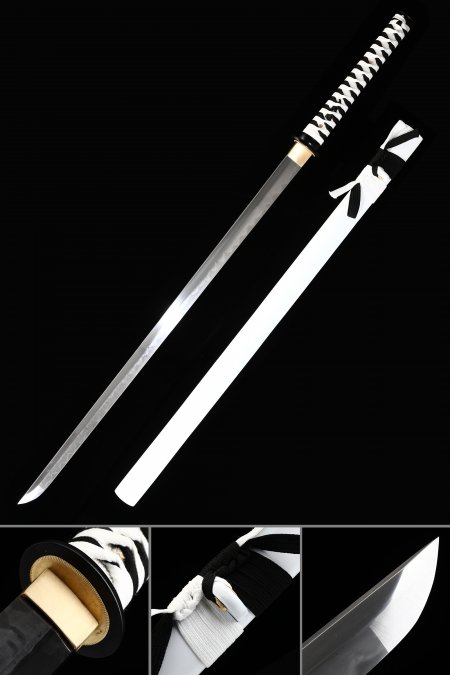
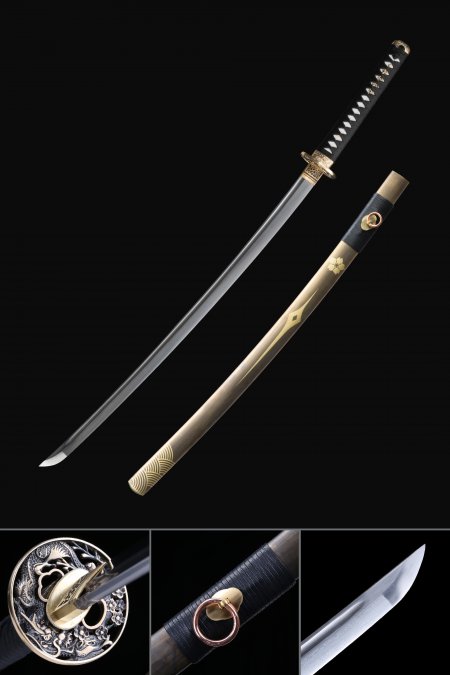
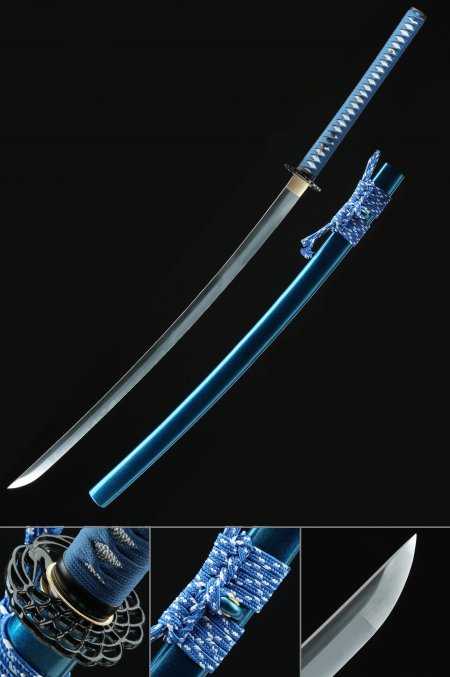
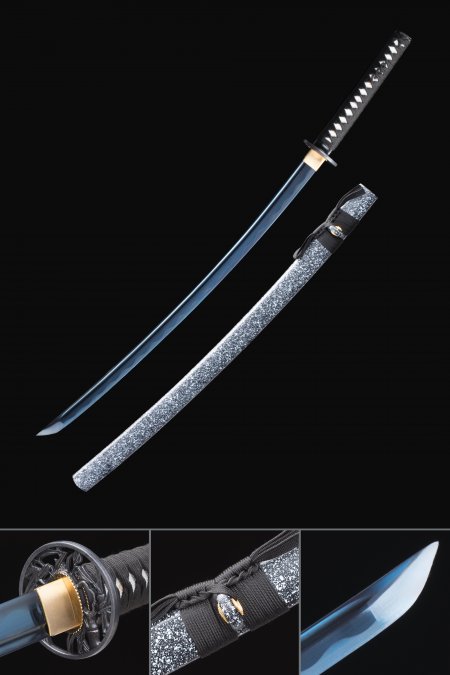
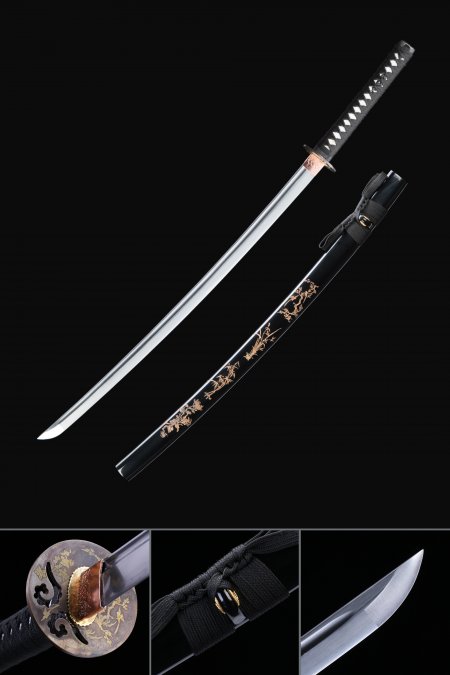
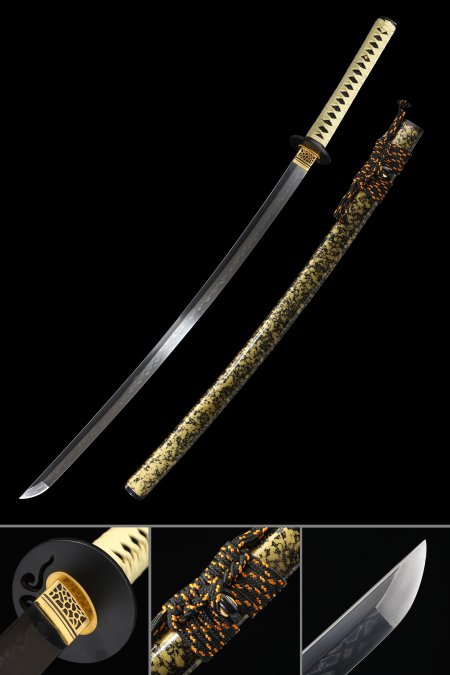
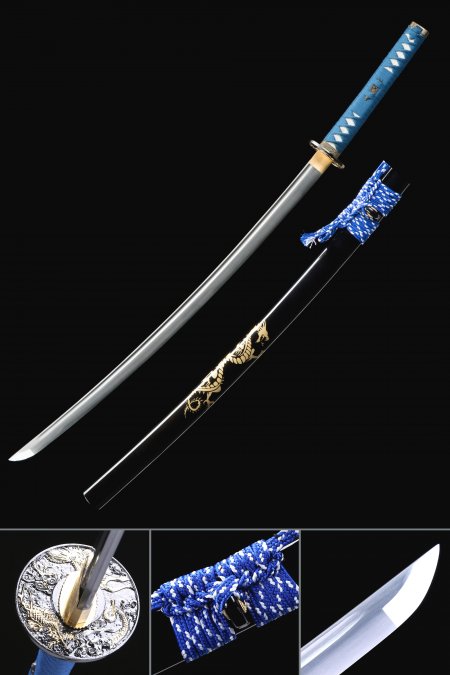
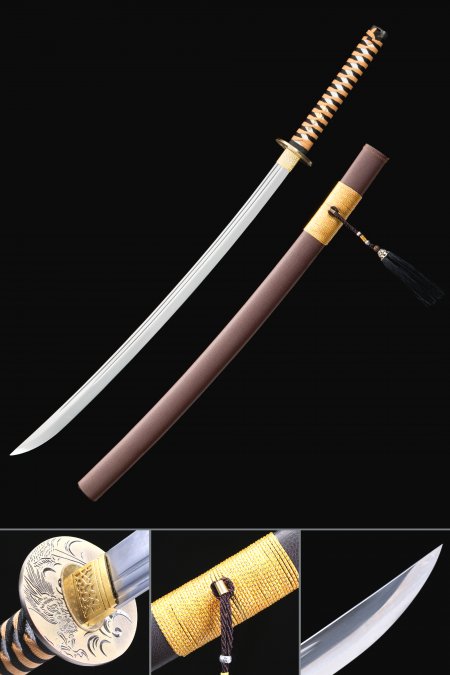
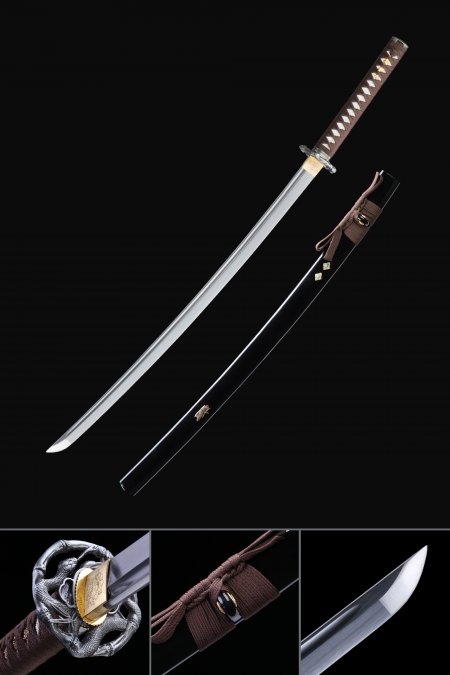
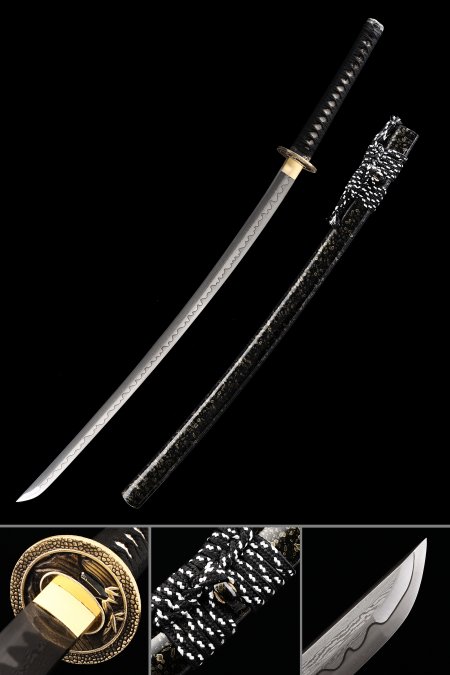
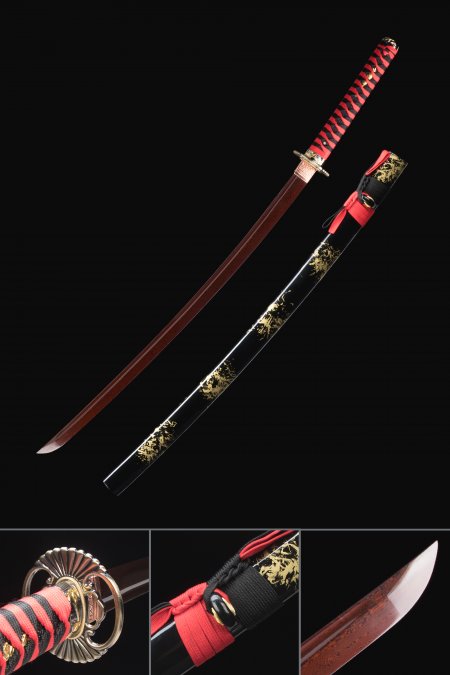
The Japanese katana and the Chinese dao are both single-edged curved sabers but differ significantly in their specific geometry, cultural aesthetic, and associated sword-making traditions. The katana's curve - the sori - is distributed along the full blade length in a gentle, consistent arc that creates an elegant tapered silhouette. The blade narrows from base to kissaki tip in a precise taper, and the kissaki tip geometry is a distinct design element that is uniquely Japanese. The samurai fitting system - tsuba guard, ito-wrapped handle over ray-skin, lacquered wooden scabbard - is highly refined and standardized in a way that reflects centuries of specialized craft development. The dao's curve tends to be more concentrated toward the tip rather than distributed evenly along the blade length, and the blade often widens toward the mid-section rather than tapering consistently. The ring pommel handle and disc or oval guard of the dao are distinctly Chinese in character. In display terms, the katana reads as more elegant and refined while the dao reads as more powerful and direct - the visual character of each reflects the martial philosophy and aesthetic priorities of its originating culture.
What construction standards should I look for in a saber sword collectible?
Quality saber sword collectibles share several construction standards that distinguish serious pieces from lower-quality alternatives regardless of whether the saber is in the Japanese katana or Chinese dao tradition. Full-tang construction is the most important standard: the blade steel should run from the tip through the complete handle body rather than ending at the guard and connecting to a separate handle rod. Full-tang construction gives the saber both the structural integrity and the handling weight distribution of a genuine collectible. High-carbon steel blade material - 1045 or higher, or Manganese Steel, or Damascus - confirms proper heat treatment capability and genuine blade hardness rather than the stainless steel used in decorative pieces. Secure fitting assembly throughout: in a Japanese katana-format saber, the mekugi pin should be present and secure; in a Chinese dao-format saber, the ring pommel and guard should be firmly attached. The scabbard should fit the blade securely without excessive looseness. All saber sword collectibles in this collection meet these standards with full-tang high-carbon steel construction throughout.
How do I display a collection of saber swords from different cultural traditions?
Displaying saber swords from different cultural traditions - Japanese katana alongside Chinese dao, for example - creates a thematic display organized around the shared saber concept rather than a single cultural tradition. The most effective approach for a multi-cultural saber display is to position pieces so each sword's distinctive profile is clearly readable from the room's main viewing angle. The katana's elegant distributed curve and the dao's more pronounced tip curve create visible geometric differences that are informative when positioned side by side for direct comparison. Standard horizontal wall bracket hardware accommodates both katana and dao-length sabers without requiring different mounting systems, though the dao's ring pommel creates a slightly different weight distribution that should be accounted for in bracket positioning. Consistent lighting across all pieces ensures that neither cultural tradition's swords are more visually favored than the others. For a visitor unfamiliar with sword collecting, labels or minimal descriptive notes explaining the cultural origin and historical period of each tradition can transform a personal collection into a genuinely educational display of comparative sword history.