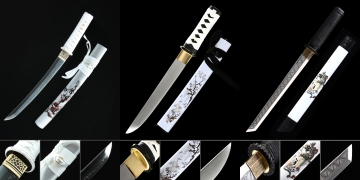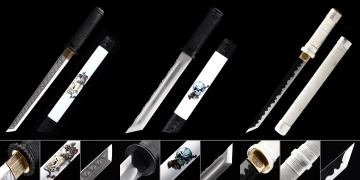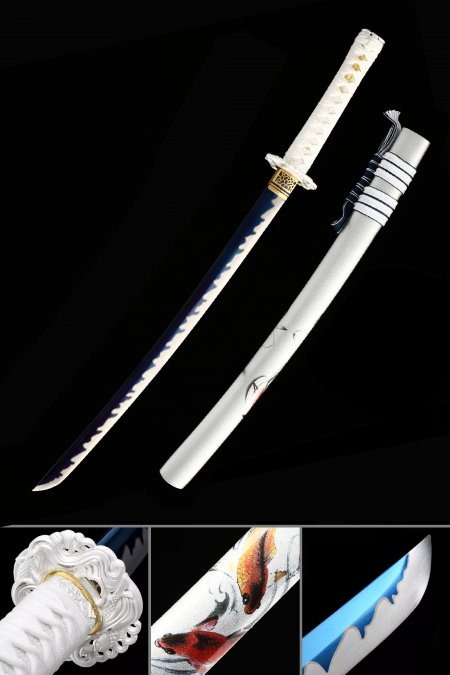
White Handle Wakizashi

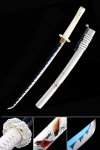
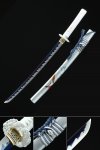
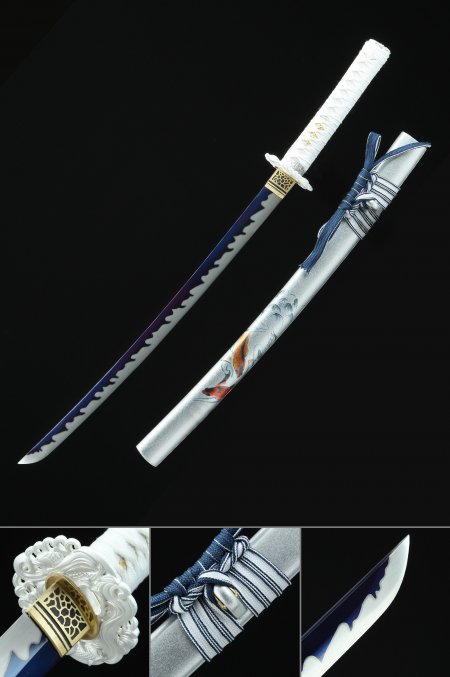
White Handle Wakizashi brings together the refined aesthetic of ivory-toned ito wrapping and the shorter, companion-blade format that defined samurai court tradition. Each piece in this collection is hand-assembled with attention to tsuka construction, tsuba detail, and saya finish - making them standout display centerpieces for discerning collectors. Every order ships free with hassle-free returns, so acquiring your next treasured piece is completely risk-free.
Showing 2 Products

Related Collections

Gold Katana17 items


172 Reviews

White Ninjato3 items


23 Reviews

White Tanto6 items


34 Reviews

White Hamidashi3 items


4 Reviews

Frequently Asked Questions

What does the white ito wrapping on a wakizashi signify?
In historical Japanese sword tradition, the color of the ito — the cord wrapped around the tsuka — carried social and ceremonial meaning. White ito was associated with formality, purity, and high-court aesthetics, often appearing on blades prepared for ceremonial occasions or gifted among samurai of significant rank. On a modern display-grade wakizashi, white ito wrapping signals that the maker has prioritized visual harmony and period authenticity over purely utilitarian choices. The wrap pattern itself, typically a hineri-maki or katate-maki style, creates the diamond-shaped gaps that expose the same (ray skin) underneath — a tactile and visual contrast that defines quality handle construction. For collectors, white ito sets a piece apart on a display rack and pairs especially well with silver or gold-tone fittings.
How does 1095 carbon steel differ from manganese steel in these wakizashi?
Both 1095 carbon steel and manganese steel are popular choices for hand-forged collectible blades, but they have meaningfully different characteristics. 1095 is a plain high-carbon steel with approximately 0.95% carbon content, valued for its tight grain structure, capacity for a fine polish, and the clean hamon (temper line) it can develop during heat treatment. Manganese steel, sometimes called Hadfield steel, incorporates manganese as an alloying element, which increases toughness and gives the blade a slightly different surface texture and sheen — often appearing with more depth or visual complexity in photographs. For display collectors, the choice often comes down to surface aesthetics: 1095 tends toward a sharper, mirror-like polish, while manganese steel can exhibit a warmer, more layered visual character. Neither is inherently superior; each serves different display and collecting preferences.
Are the koi fish painted saya hand-painted or machine printed?
The koi fish designs on the saya in this collection are hand-applied artisan finishes, not machine-printed decals or transfers. Craftsmen lay down base lacquer coats before applying the decorative imagery, then seal the completed design under additional clear coats to protect against chipping and fading during handling and display. The koi motif itself is among the most culturally resonant in Japanese decorative art — symbolizing perseverance, good fortune, and the passage through adversity — which makes it a particularly appropriate subject for a display piece meant to hold long-term significance. Because each saya is finished by hand, subtle variations in shading, scale placement, and background gradients exist between individual pieces, meaning no two are entirely identical. This hand-crafted variability is considered a mark of authenticity among serious collectors rather than a flaw.
How should I store a white handle wakizashi to prevent ito discoloration?
White ito is more susceptible to visible soiling and discoloration than darker cord colors, so proper storage practice matters more here than with most handle wraps. Store the wakizashi horizontally on a padded sword stand or in a presentation box lined with acid-free fabric, keeping it away from direct sunlight, which yellows natural fibers over time. Avoid touching the ito with bare hands before display — skin oils transfer easily and accumulate in the cord weave where they are difficult to remove without risking loosening the wrap. For the blade, apply a light coat of choji oil (a traditional camellia-based sword oil) every few months and wipe away excess with a clean rice-paper nugui before resheathing. A controlled indoor environment with moderate humidity — ideally 40–60% relative humidity — protects both the wooden saya core and the cord wrap from moisture-related degradation.
Is a white handle wakizashi suitable as a display gift for collectors?
A white handle wakizashi makes an especially thoughtful gift for someone who appreciates Japanese cultural history, decorative arts, or martial heritage as a collector. The white-and-silver or white-and-gold aesthetic reads as elegant rather than aggressive, which makes it appropriate for display in a home office, study, or curated collection room without appearing out of place to guests unfamiliar with sword collecting. When selecting a piece as a gift, pay attention to the saya artwork and tsuba design — koi motifs carry universally positive cultural symbolism (perseverance and good fortune) that resonates beyond the collector community. Pairing a wakizashi with a matching katana as a daisho set elevates the gift further, as the paired display has immediate visual impact and tells a complete historical story about samurai tradition. Include a care card with basic oiling and storage instructions to help the recipient maintain the piece long-term.

Customer Reviews

Cart 0 Items

Your cart is empty