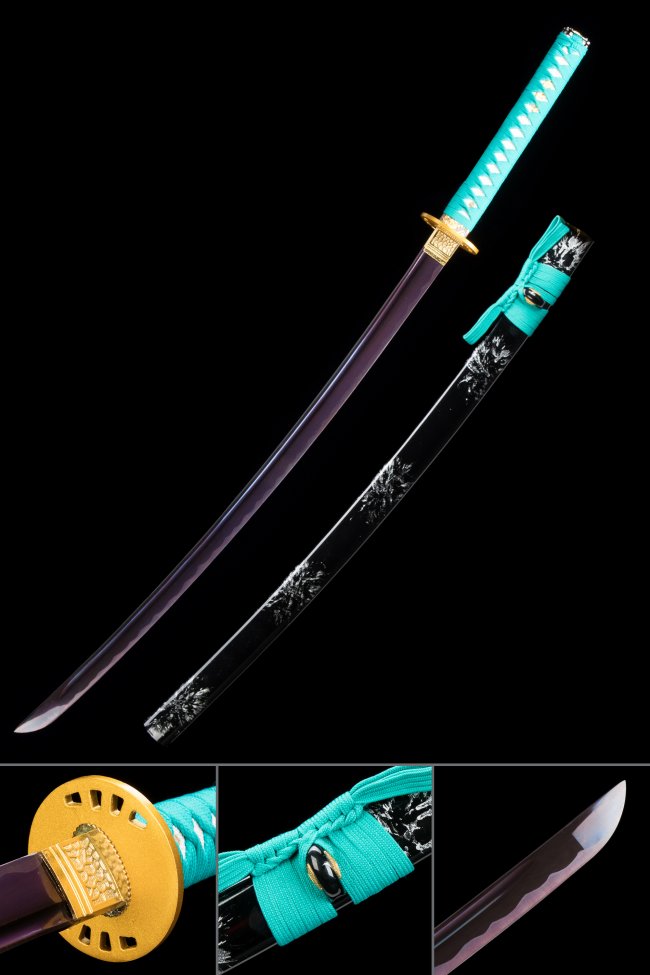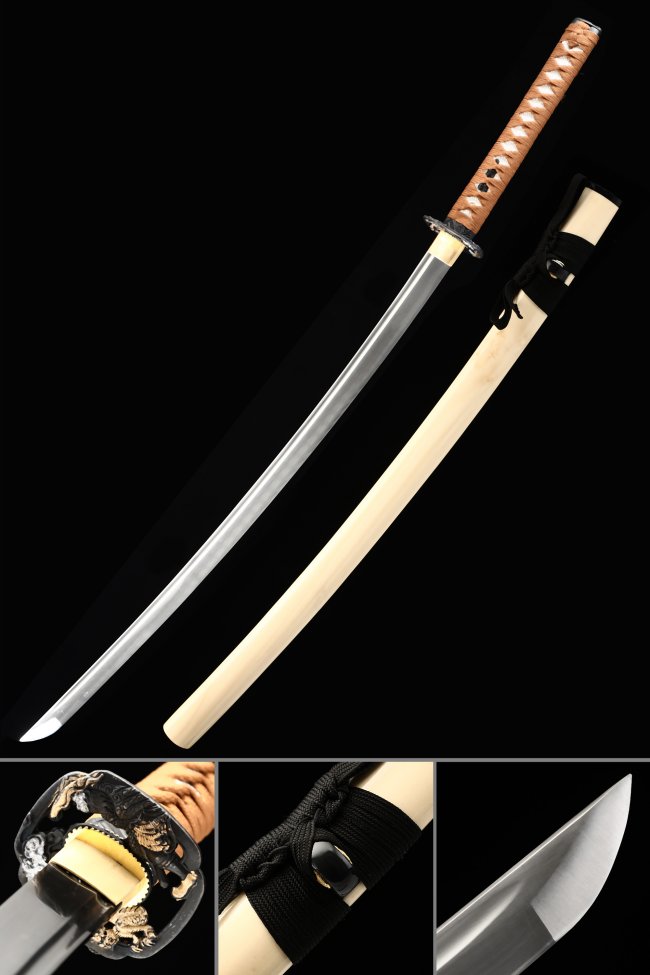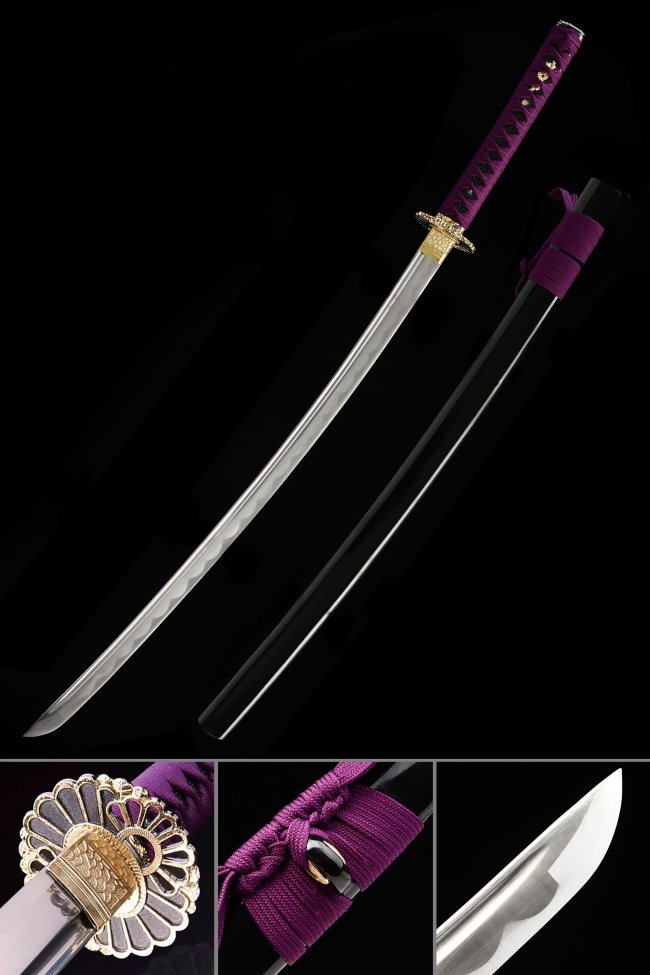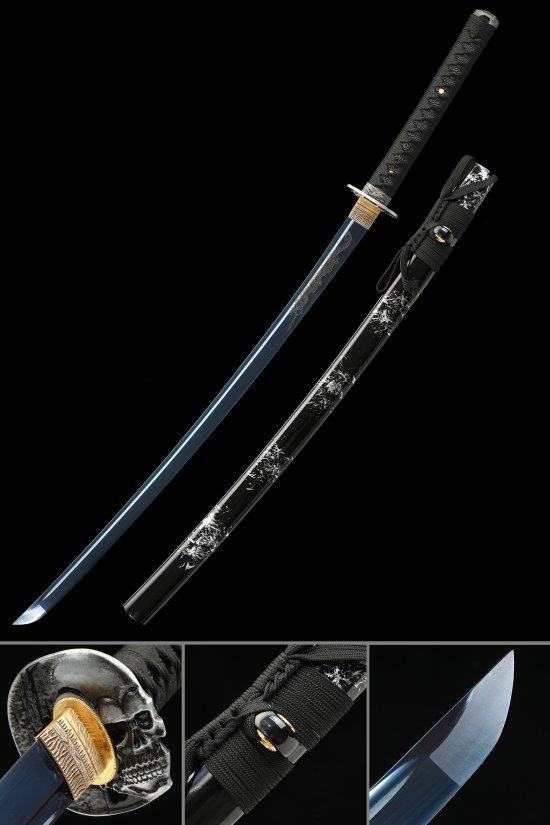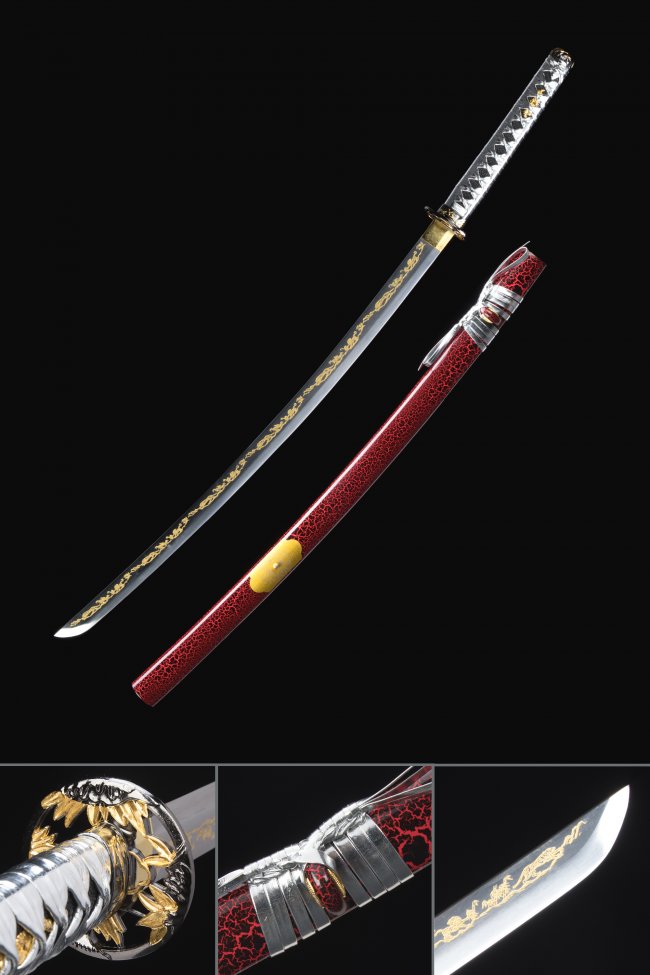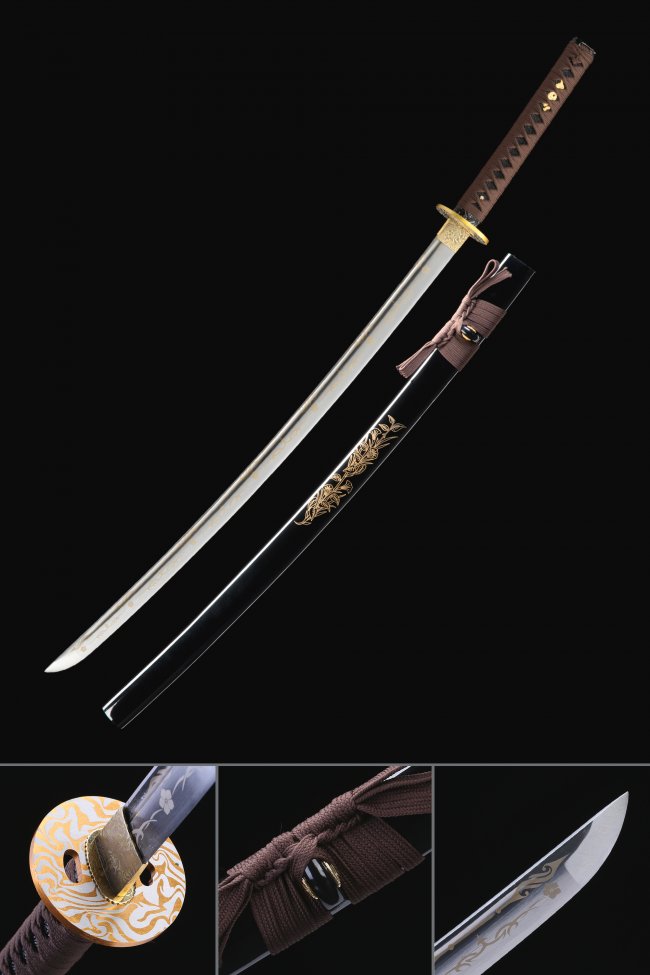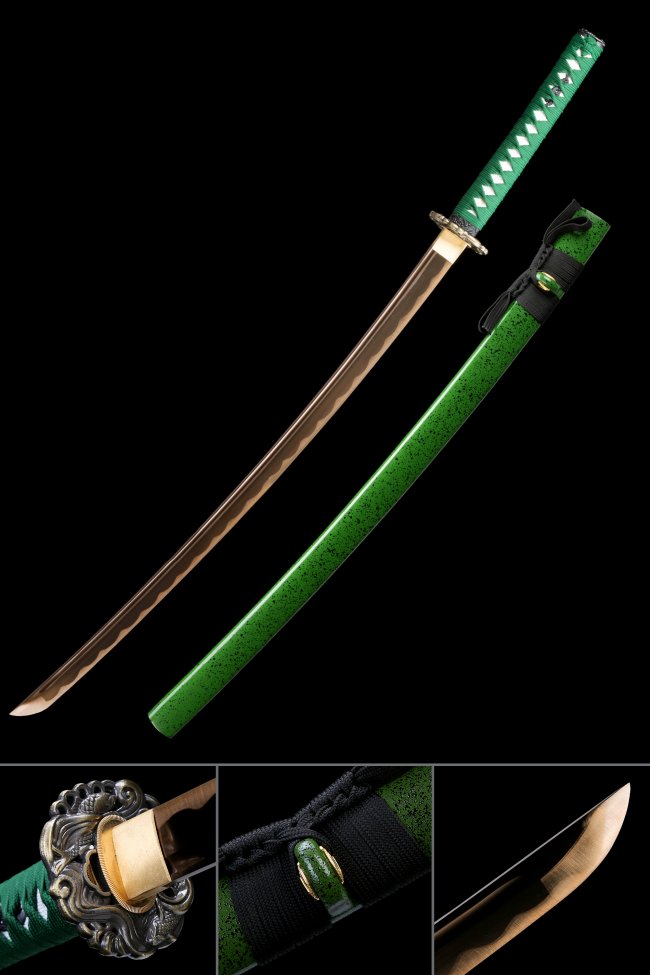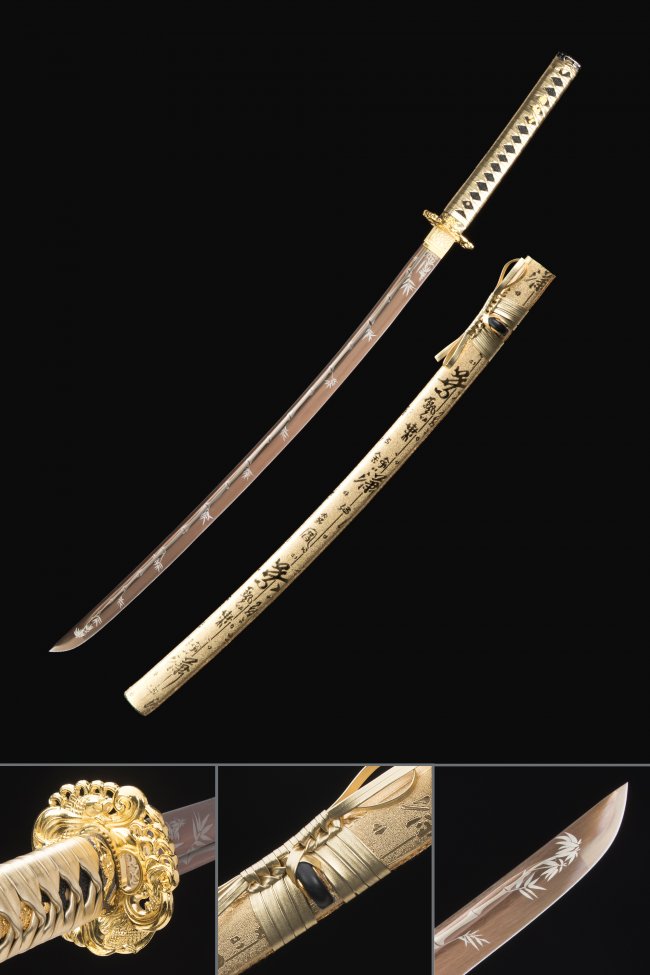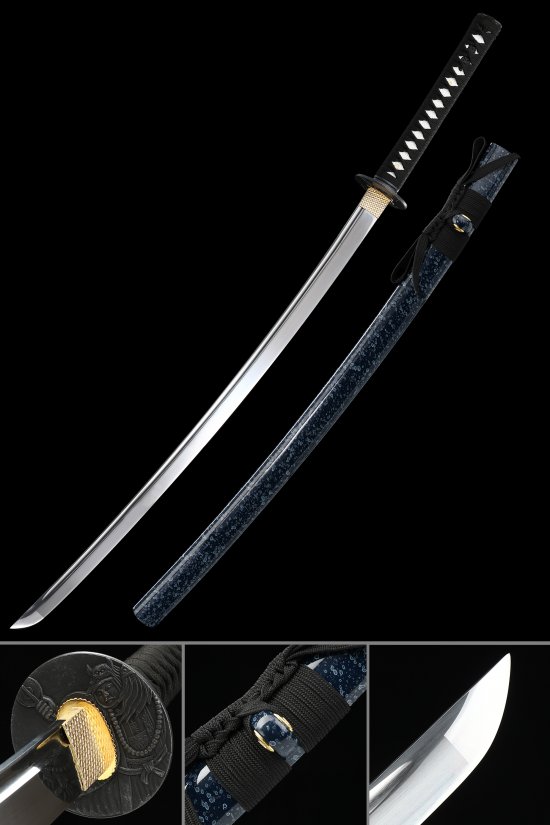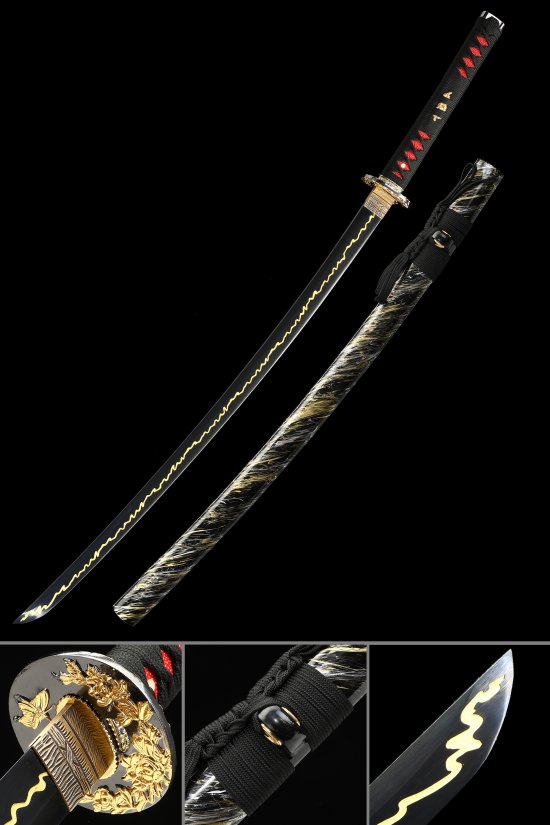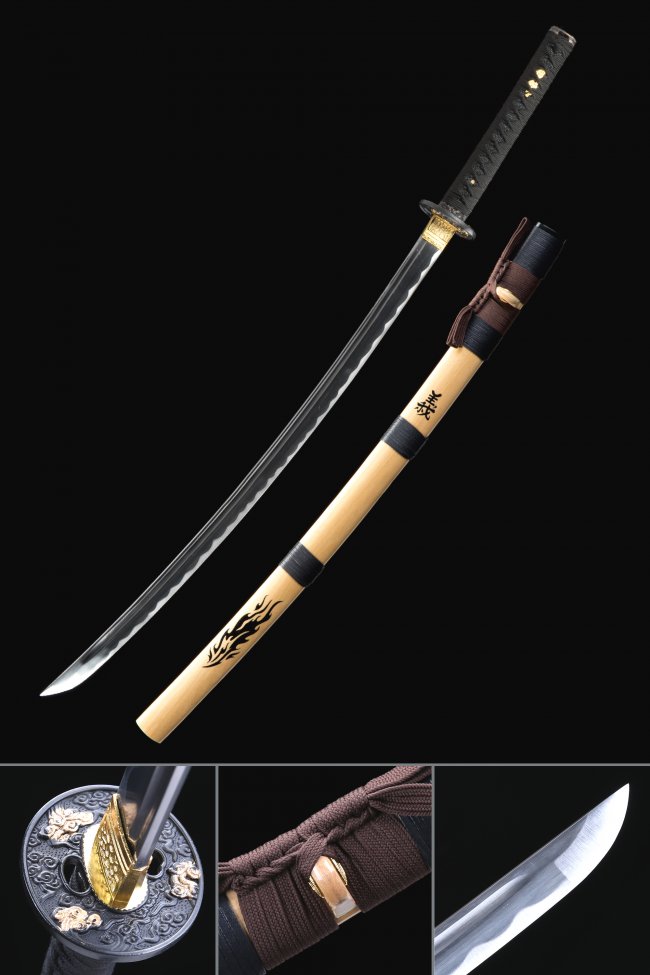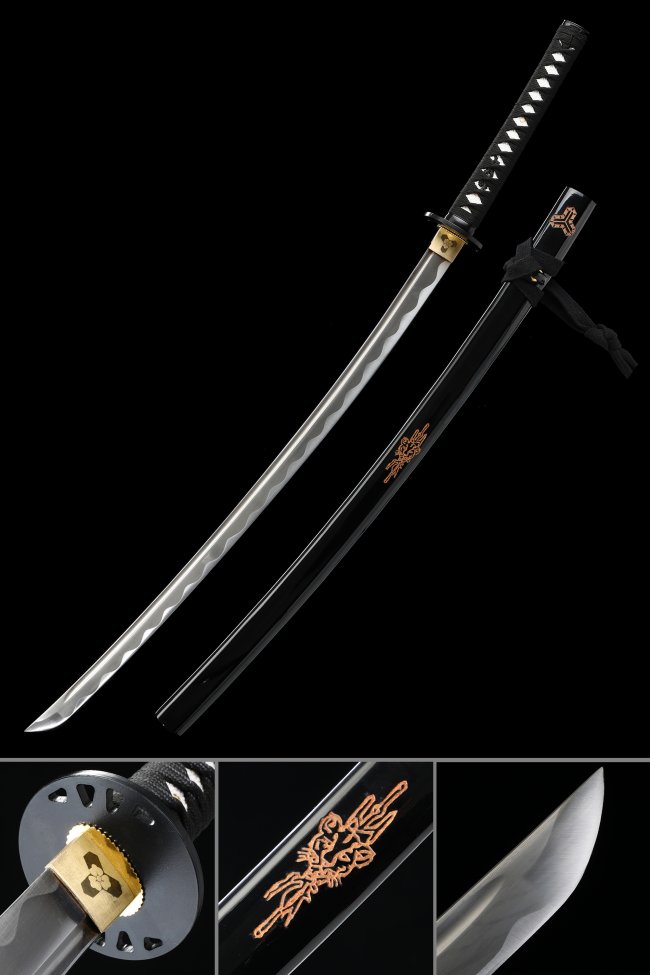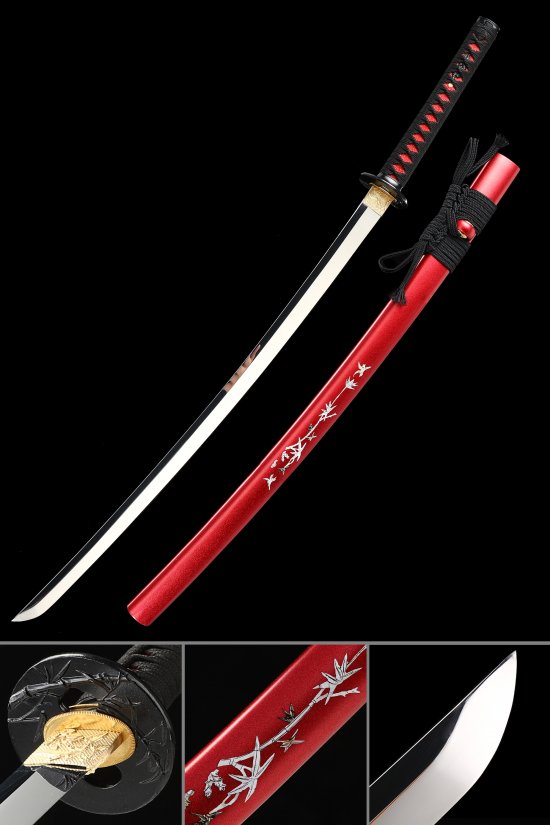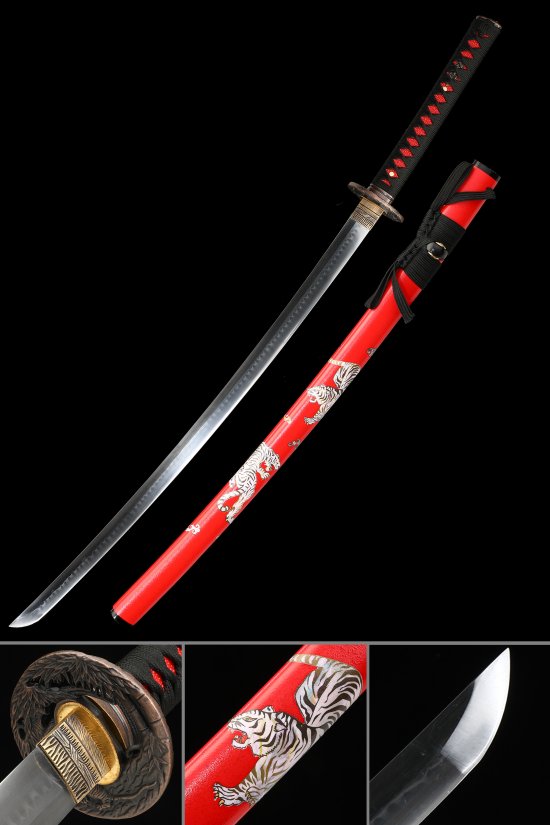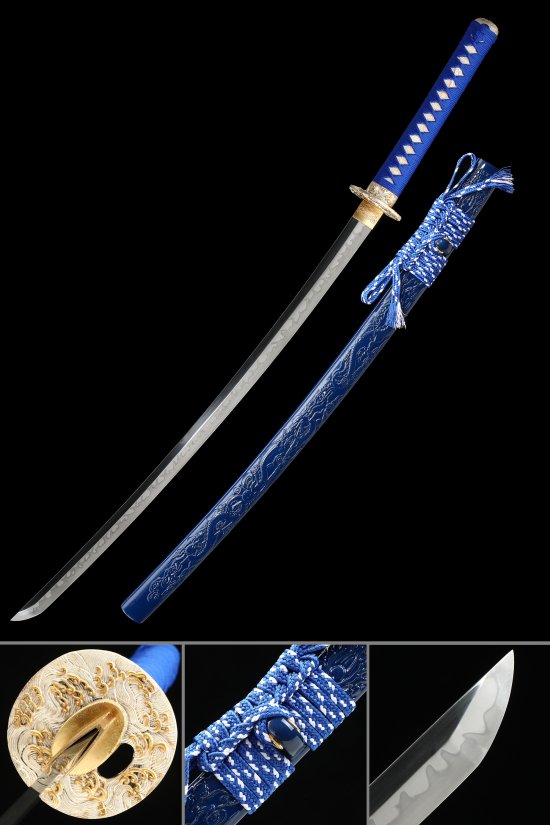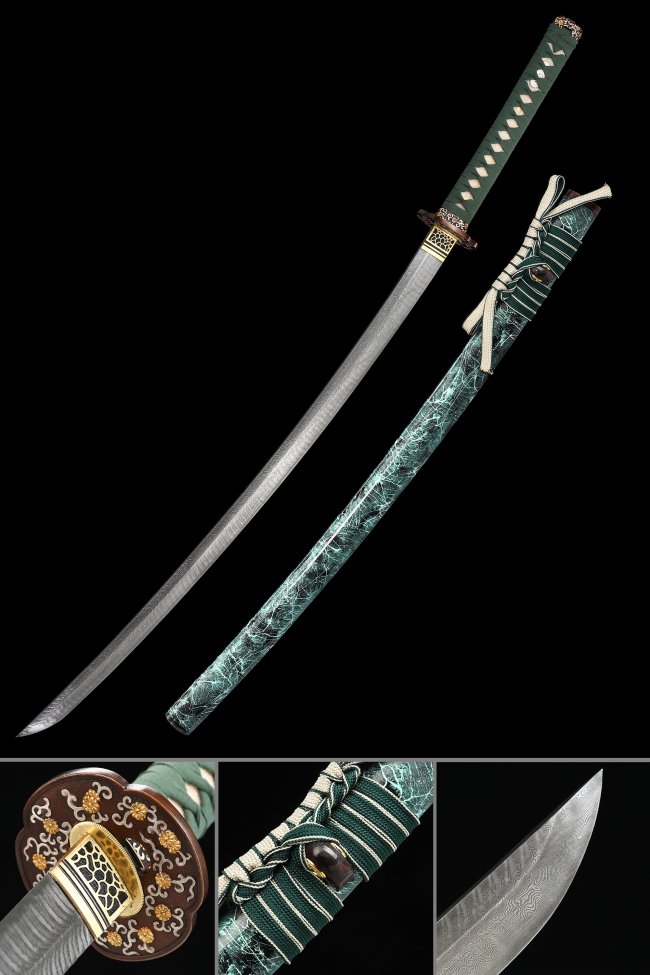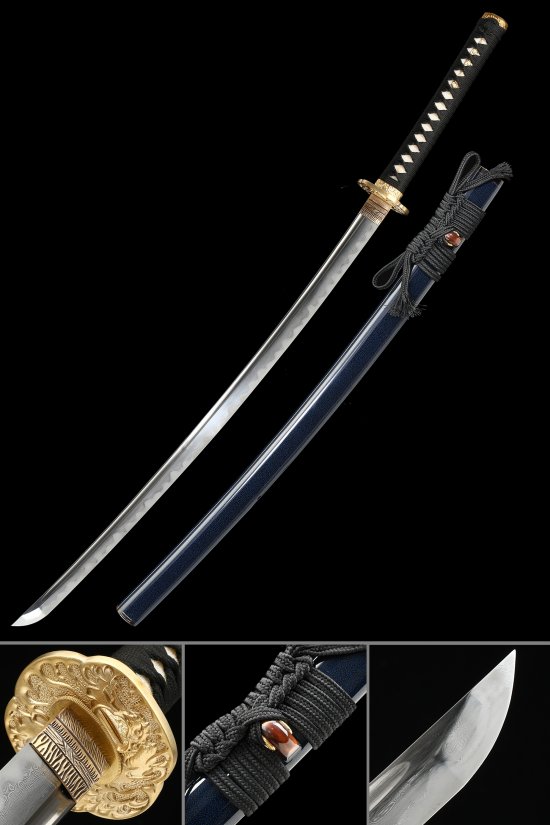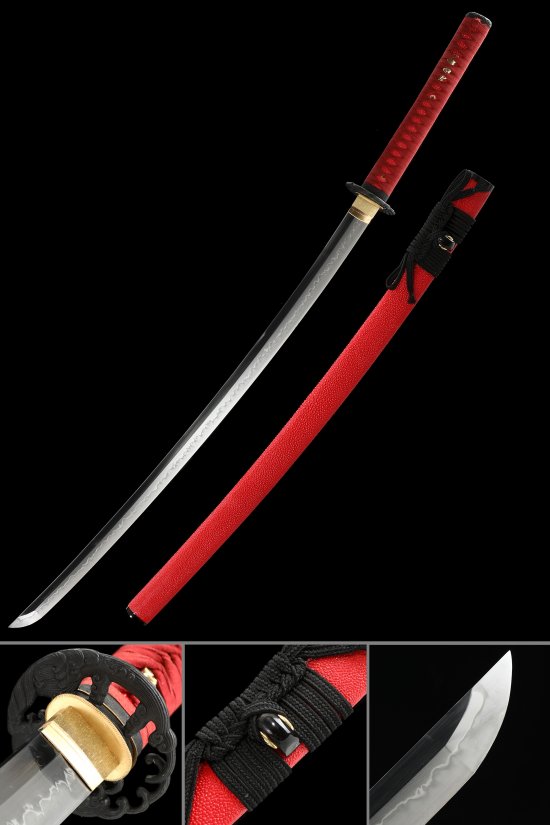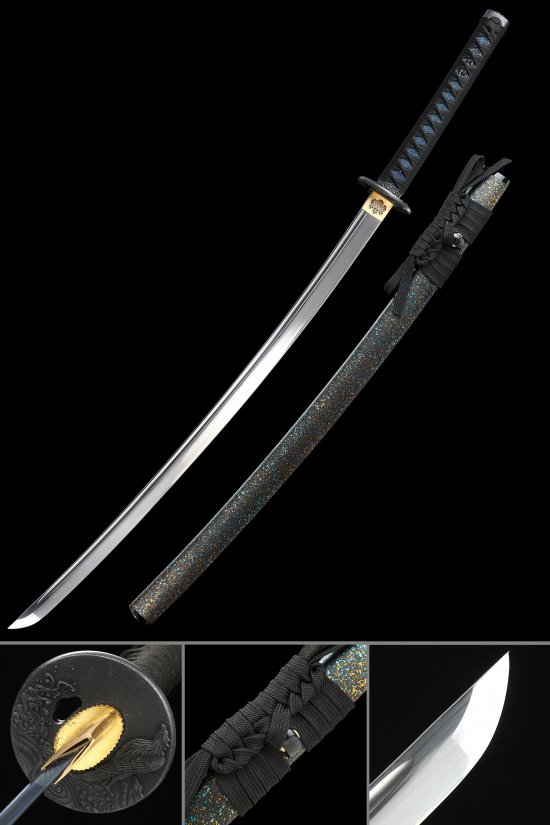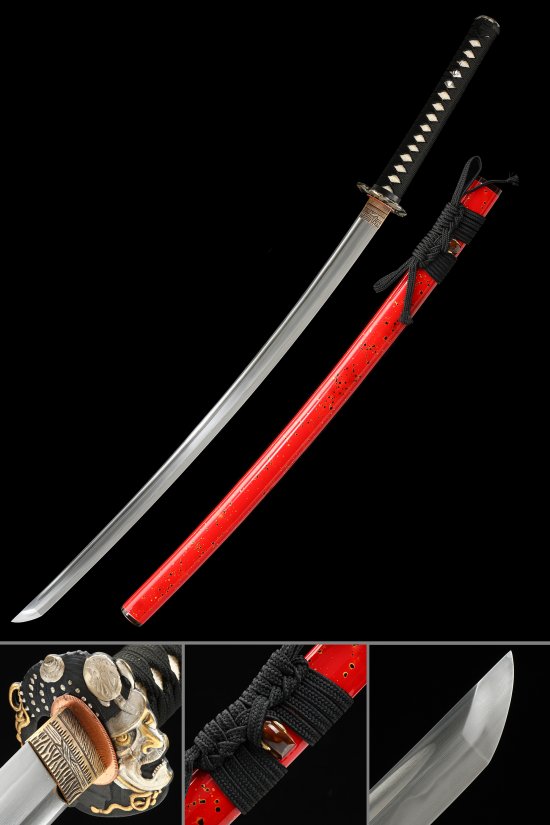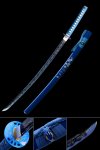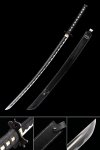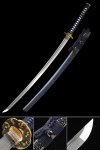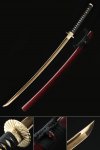
Antique Samurai Sword

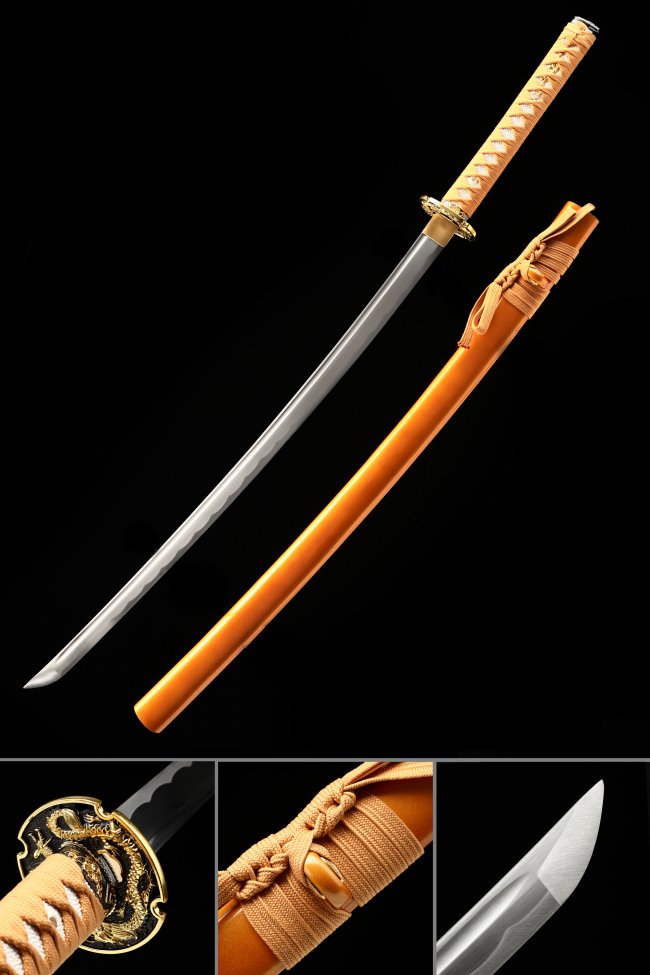
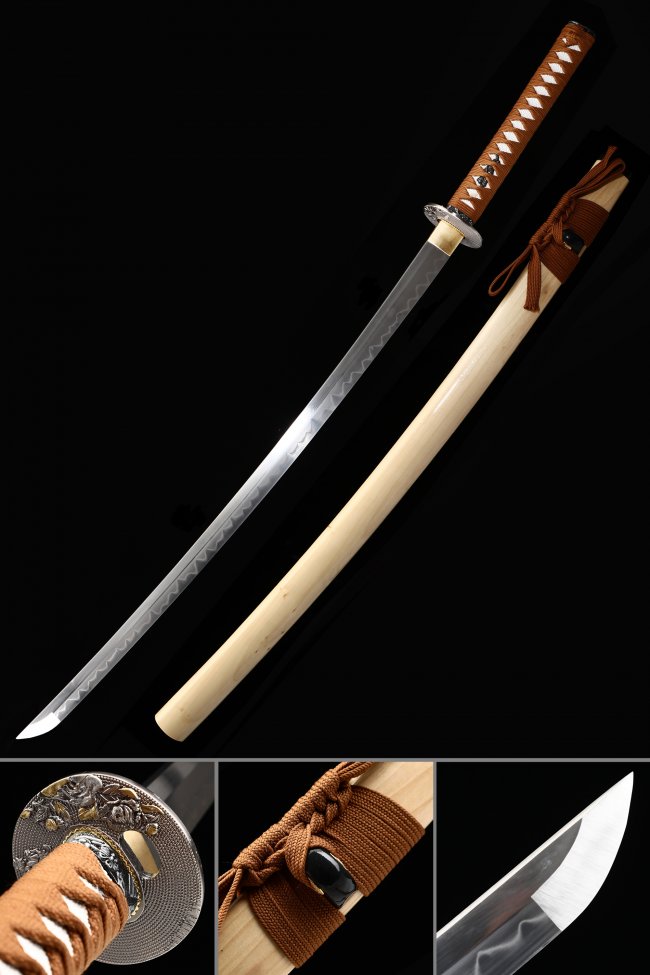
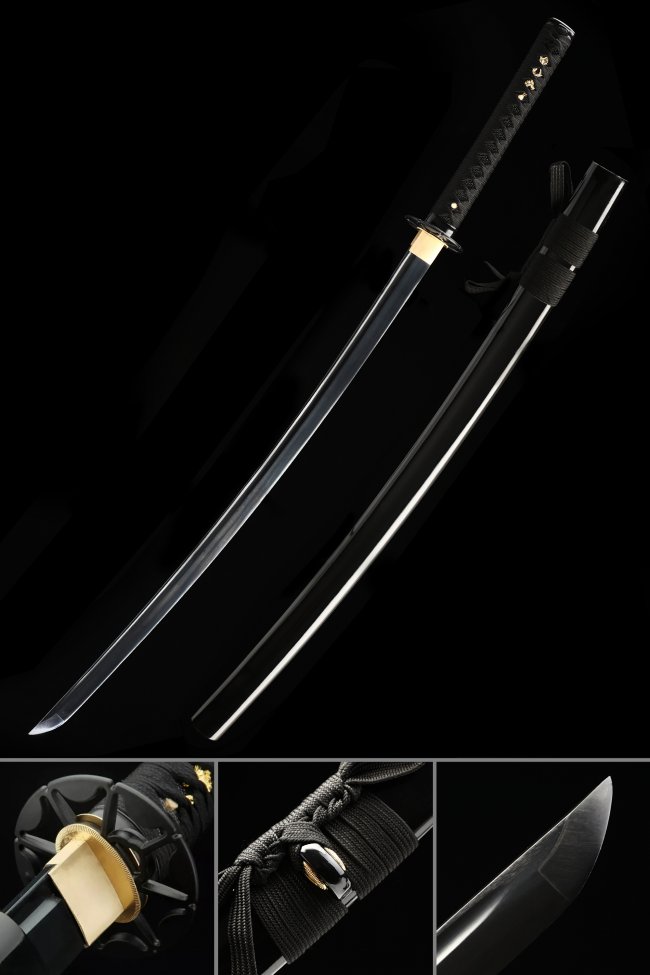
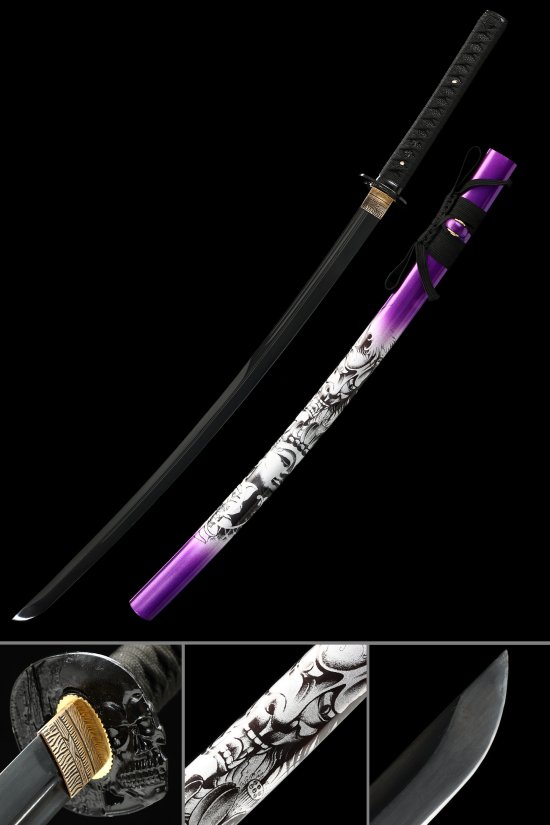
Browse our antique samurai sword collection - hand-forged Japanese katana and samurai swords in classical configurations built from 1045, 1060, 1095, and Manganese Steel with full-tang construction, featuring natural wood scabbards, traditional handle materials, and historically-inspired designs that evoke the antique samurai sword aesthetic. Antique samurai swords in this collection are modern handcrafted collectibles that reference historical configurations. Free US shipping and hassle-free returns included.

Showing 74 Products

Related Collections

T10 Katana94 items


161 Reviews

Shirasaya Wakizashi8 items


126 Reviews

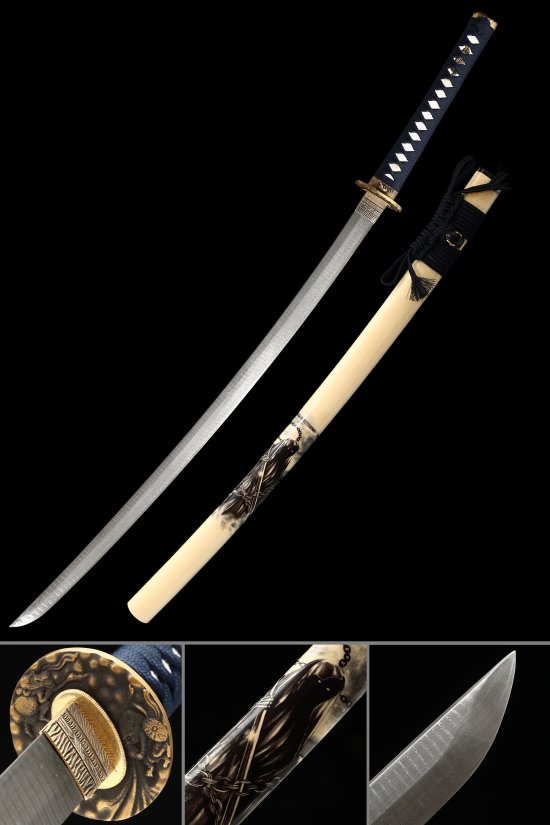
1095 Steel Katana100 items

195 Reviews

Modern Japanese Tanto10 items

11 Reviews

Frequently Asked Questions

What distinguishes an antique-style samurai sword from a contemporary styled katana?
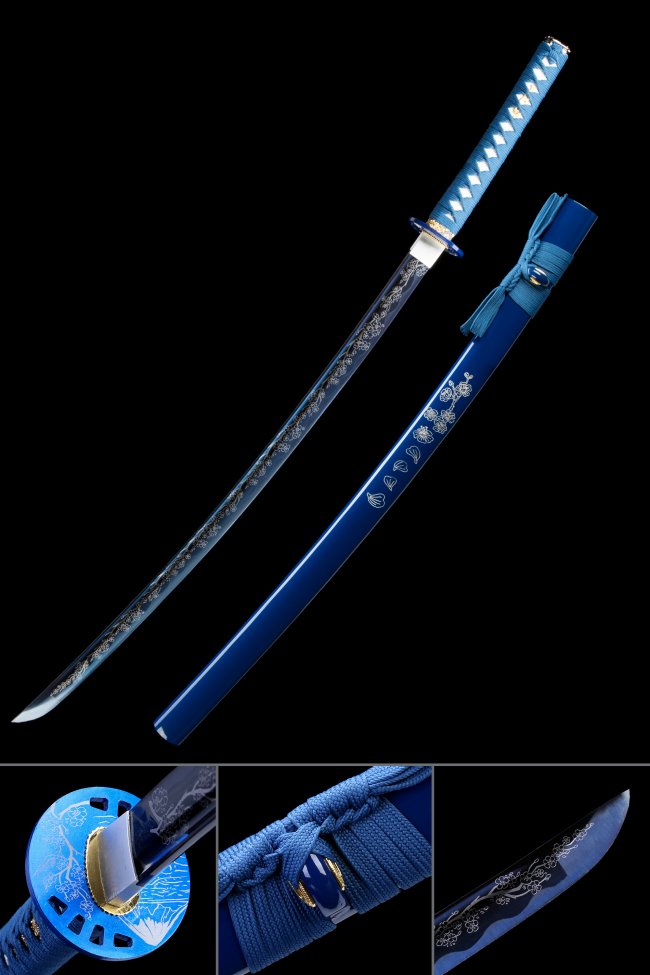
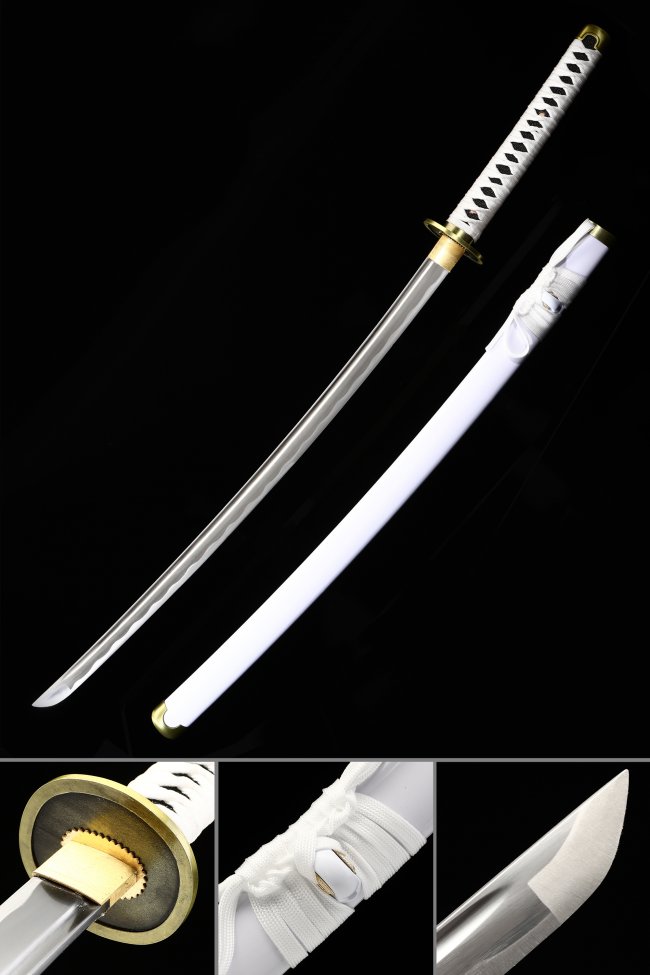
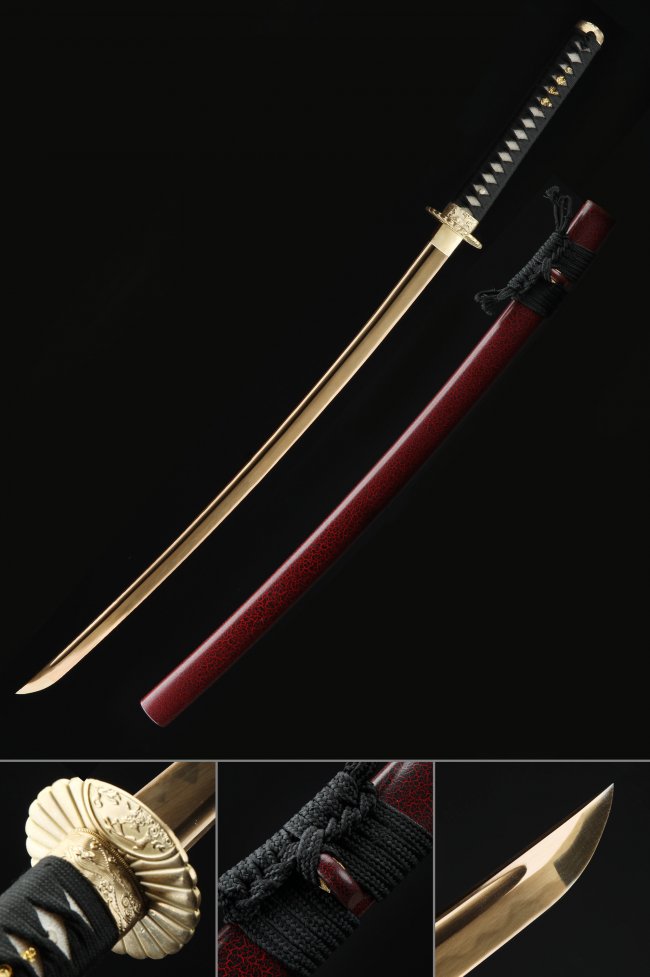
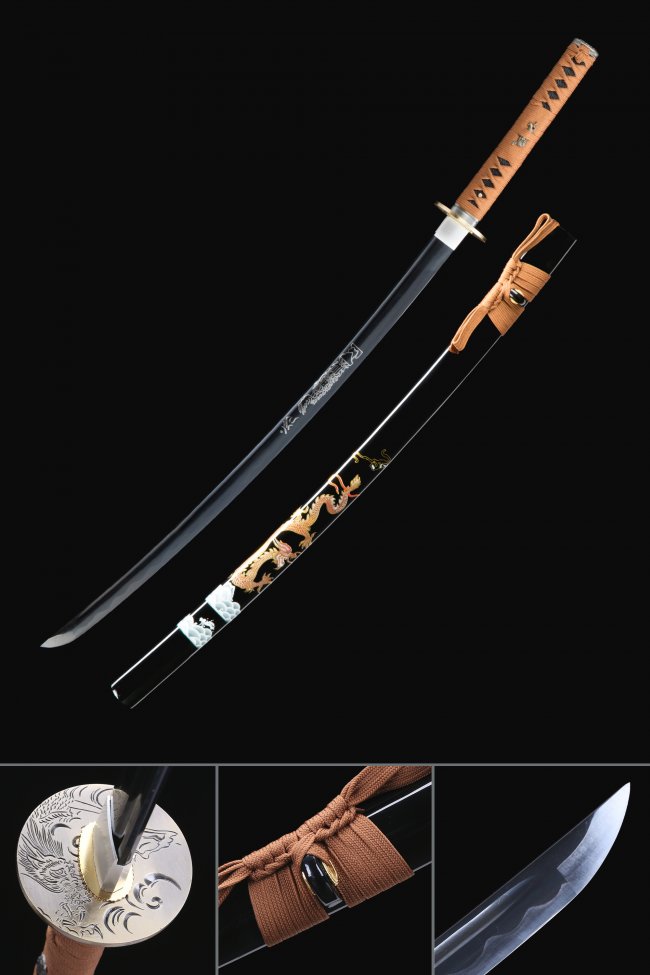
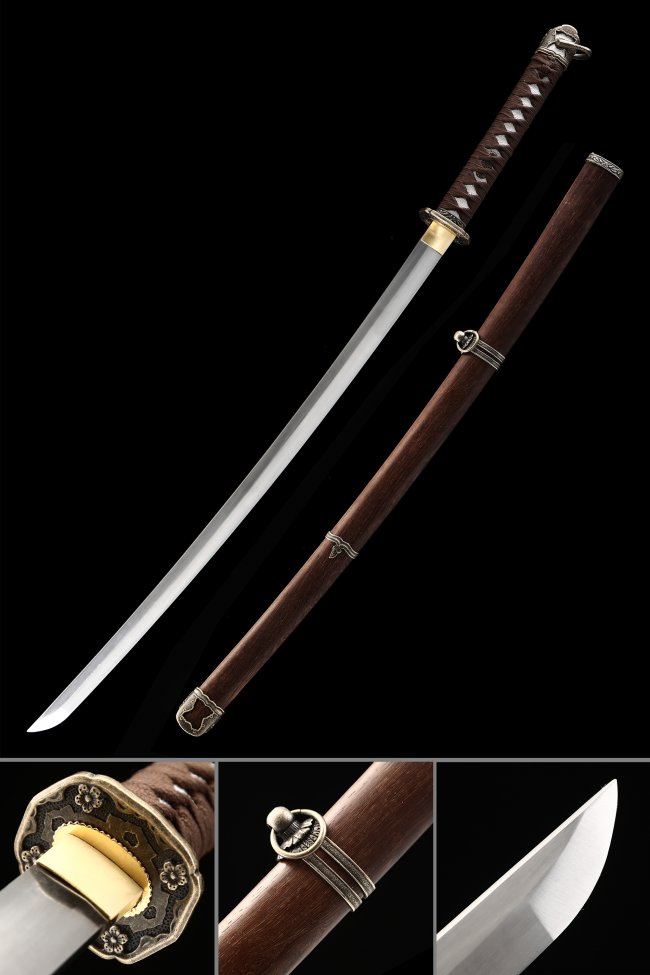
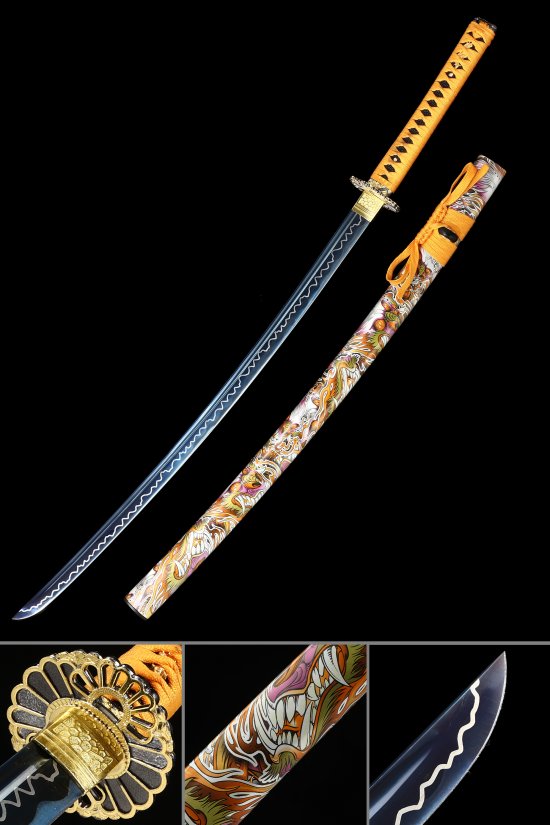
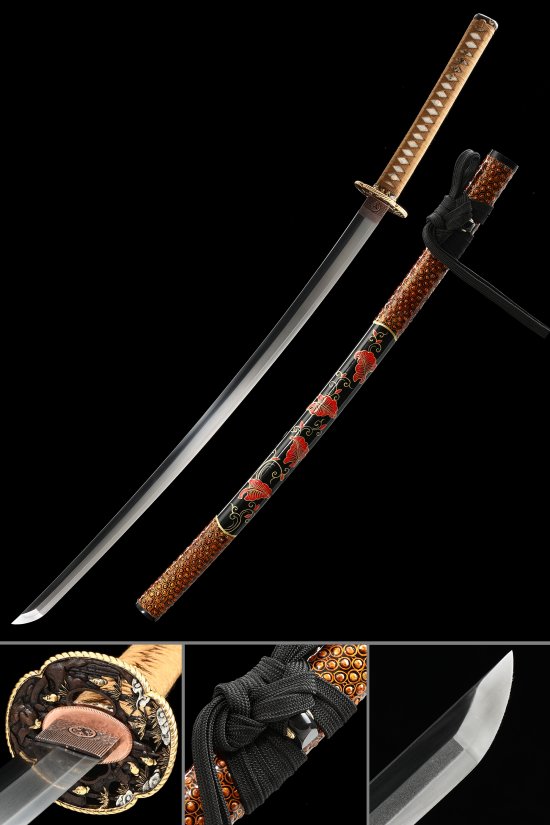
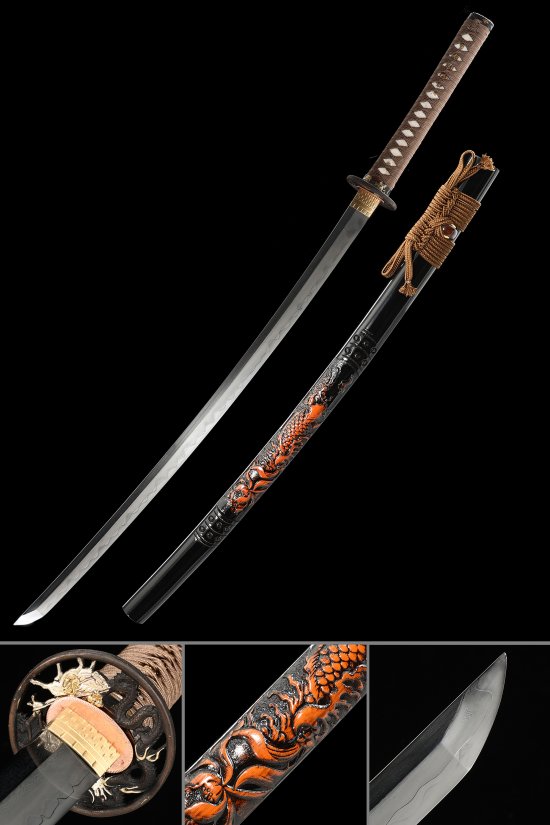
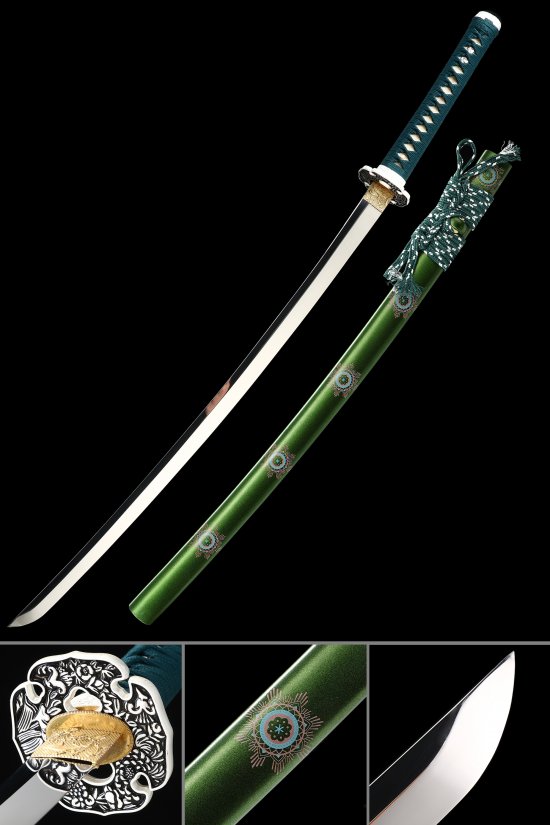
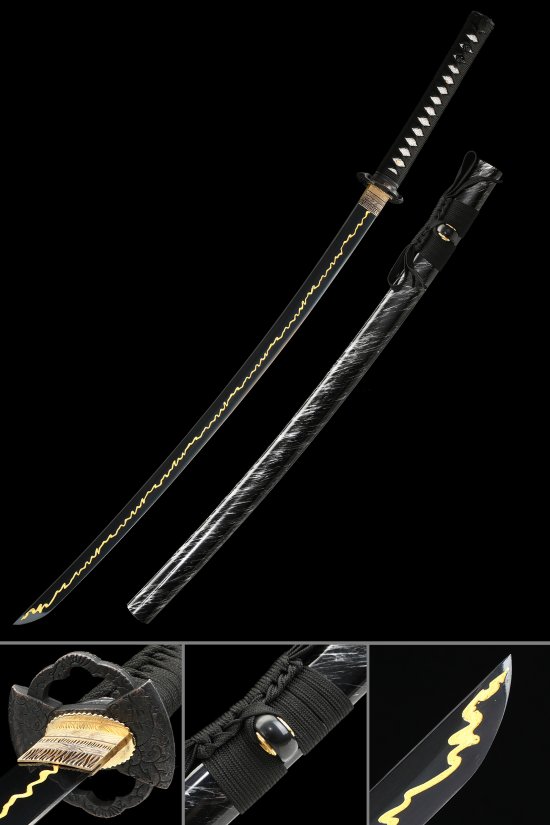
An antique-style samurai sword takes the historical Japanese sword configuration as its design reference: natural wood and lacquer scabbard in traditional colors, conventional metallic blade surface with hamon if clay-tempered, earth-toned or dark ito handle wrapping, and period-appropriate fittings in restrained designs. The piece reads as historically grounded because its materials and proportions reference actual samurai-period swords. A contemporary styled katana introduces design elements with no historical precedent: vivid color blade treatments, bold colored lacquer, and fitting configurations optimized for visual impact over historical accuracy. Both are handcrafted collectibles, but the antique configuration piece connects the display to the actual historical object it references, while the contemporary piece prioritizes visual distinctiveness.
What historical sword periods does the antique samurai sword collection reference?
Antique samurai sword collectibles in this collection reference primarily the Muromachi, Azuchi-Momoyama, and Edo periods - the three great periods of Japanese sword culture development. Muromachi-period references appear in katana with pronounced curve and ko-katana proportions. Azuchi-Momoyama pieces reference the dramatic blade geometries of the late Sengoku civil war period. Edo-period references are the most extensively represented: the refined samurai sword of the peaceful Edo period is the most familiar historical configuration, with its specific proportions, black or brown lacquer scabbard, and dark-toned ito wrapping. WWII-era Shin Gunto military sword references add a specifically 20th-century historical dimension. Each of these period references creates a specific historical resonance for collectors who know the history of the samurai sword tradition.
Are natural wood scabbard configurations authentic to historical samurai swords?
Natural wood scabbards are historically accurate to the classical Japanese samurai sword tradition. The honoki magnolia wood scabbard, typically finished with lacquer in black or brown, was the standard scabbard construction for samurai swords across all historical periods from the Kamakura period through the Edo period. The wood was selected for its close grain, consistent density, and workability - properties that allowed the craftsman to fit the interior precisely to the blade contours. The lacquer finish protected the wood from moisture and wear while providing the aesthetic completion appropriate to a samurai's personal weapon. Contemporary synthetic scabbard materials are a modern production compromise; the natural wood scabbard is the historically correct material for any antique-style Japanese sword configuration.
How should an antique-style samurai sword collection be arranged for maximum historical impact?
An antique-style samurai sword collection creates the greatest historical impact when displayed to emphasize the period character of each piece and the cultural depth of the collection as a whole. Arrangement by historical period - early Muromachi pieces together, Edo-period pieces as a separate grouping, and WWII military formats in their own zone - creates a display that visitors can read as a timeline of Japanese sword history. Horizontal wall brackets that present the blades in the traditional Japanese carrying position - edge upward - are historically accurate and create the correct visual proportions. Labeling pieces with their period reference and construction details adds educational value to the historical display. A restrained display background - natural wood, neutral tones, or dark fabric - reinforces the historical character of antique-style pieces without competing visually with the swords themselves.

Customer Reviews