FAST SHIP
85 Reviews
ON SALE 15% OFF
$89.00$109.00

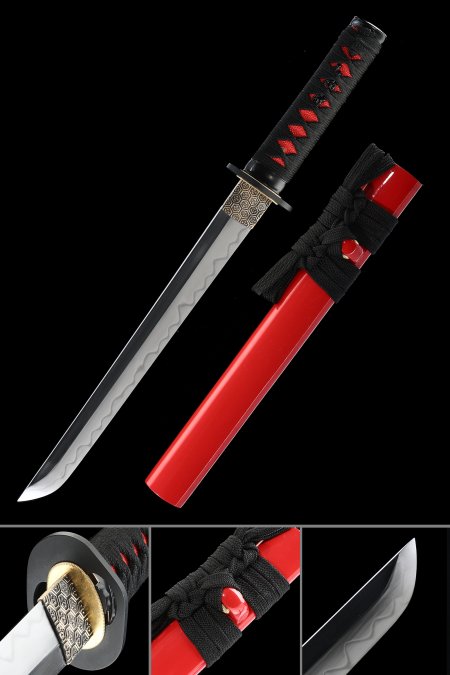
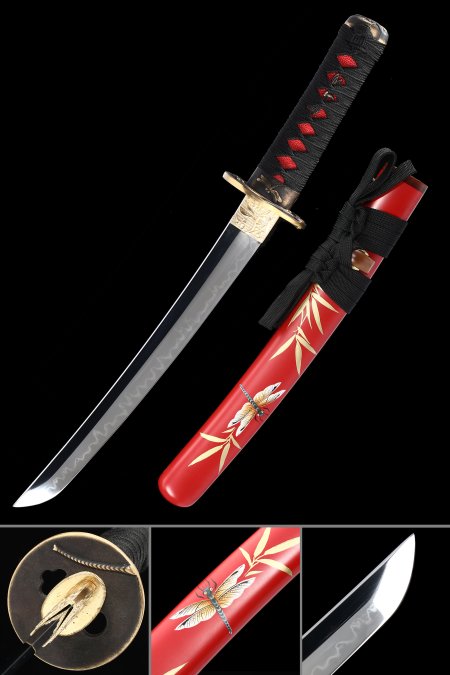
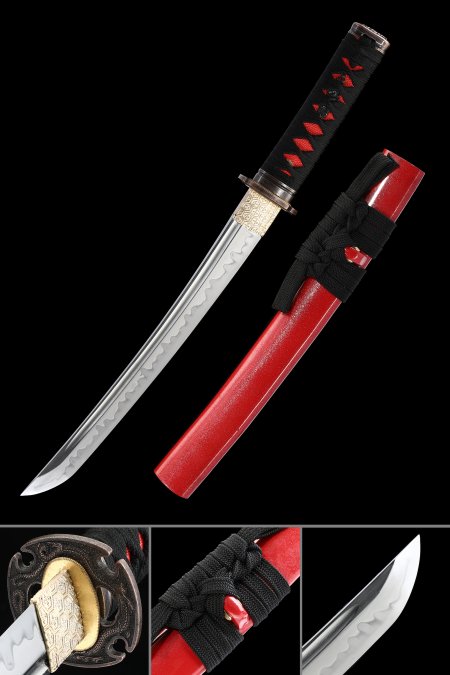
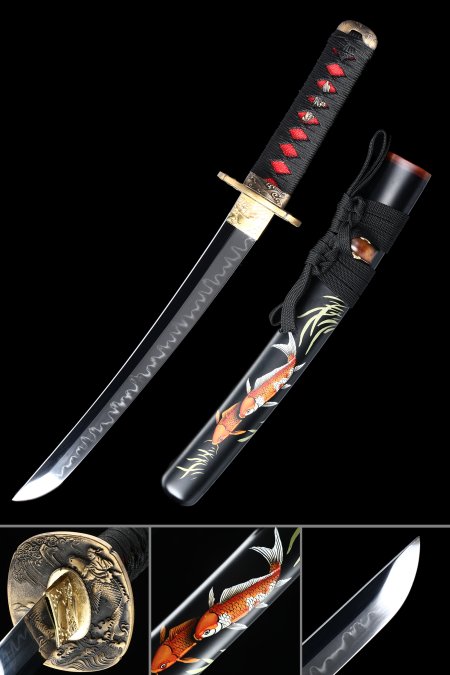
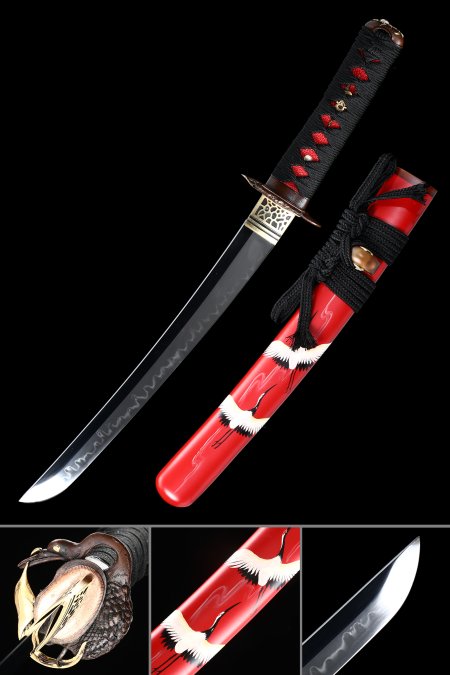
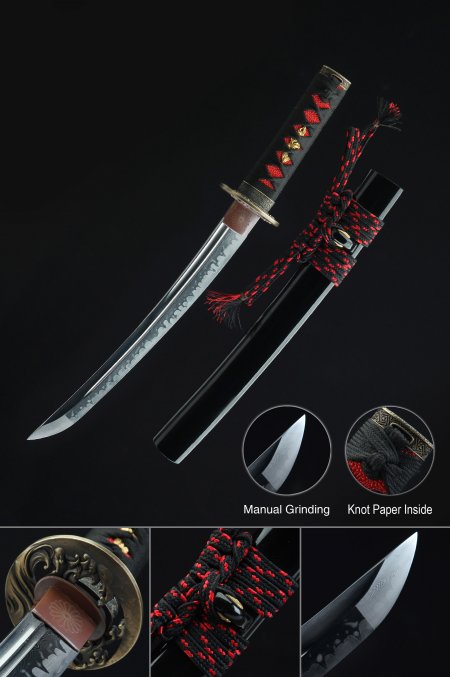
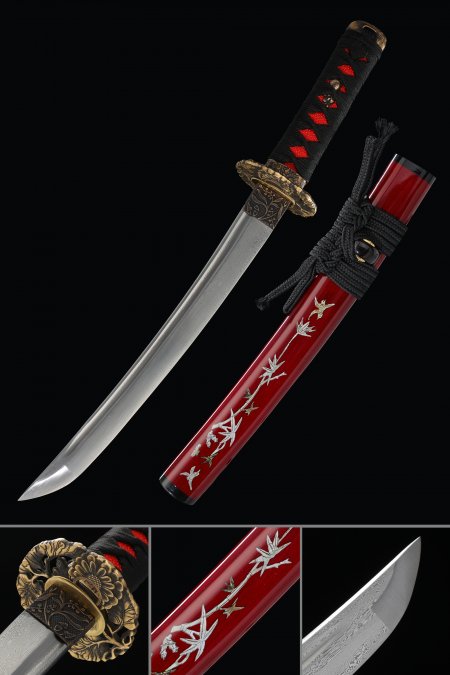
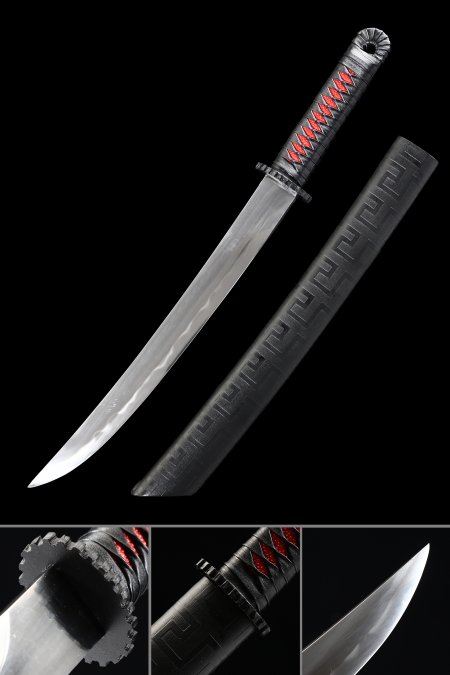
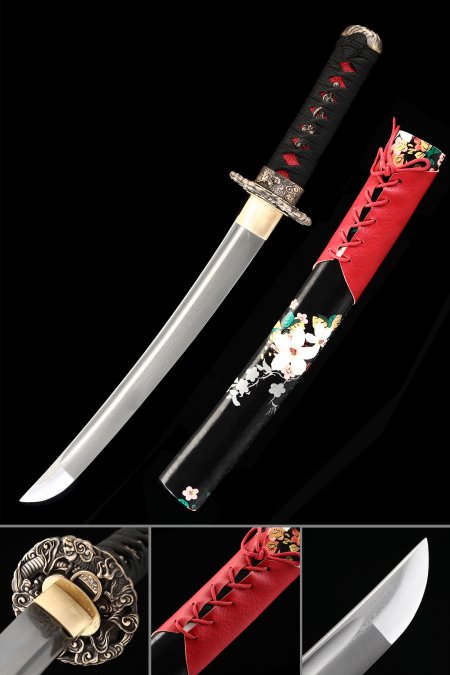
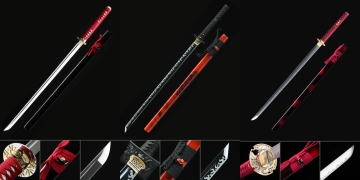
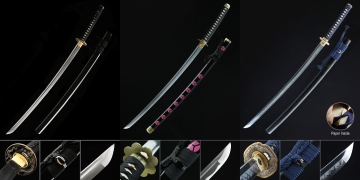
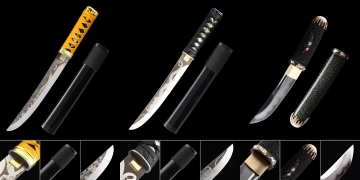
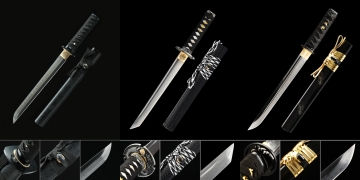
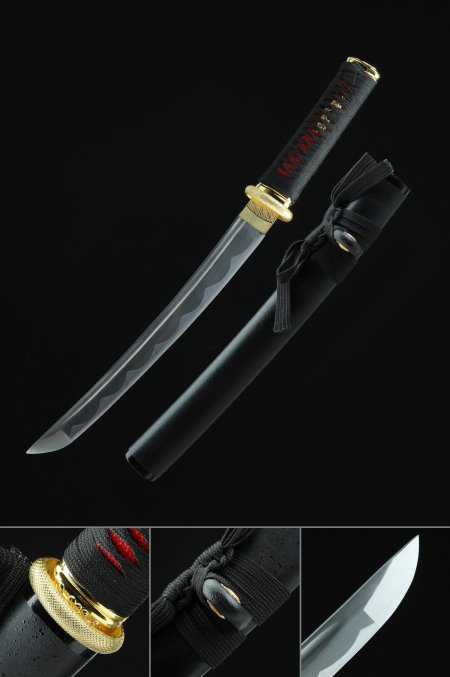
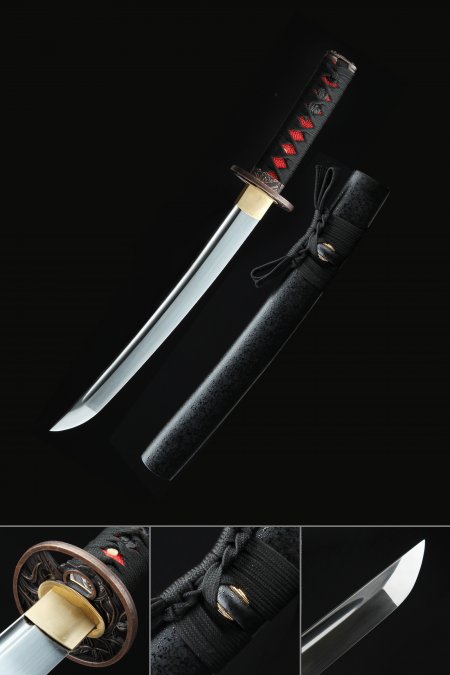
Bold in color and refined in craft, our Black Red Handle Tanto collection brings together hand-forged Japanese short swords dressed in striking black-and-red appointments - from ito-wrapped handles over red samegawa to lacquered saya in deep crimson. Each piece is built on high-carbon or Damascus steel with full-tang construction, making it a serious centerpiece for any display case or collection wall. Enjoy free standard shipping on every order, backed by our hassle-free return policy.
Order was great. One of the sheaths did have a crack in it but thats ok.
 |
1045 Carbon Steel Tanto Sword with Black Matte Hardwood Saya and Gold Alloy Tsuba - Full Tang Japanese Short Sword |
I love it, the knot on the handle came off but is was no big deal easy fix, haven't used it a lot but is still sharp!!
|
1045 Carbon Steel Tanto Sword with Black Matte Hardwood Saya and Gold Alloy Tsuba - Full Tang Japanese Short Sword |
Got this for my son for Christmas who started collecting swords, looks awesome and he loved it!!!
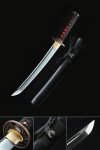 |
1045 Carbon Steel Tanto Sword with Black Ito Wrap, Red Samegawa and Bronze Orchid Tsuba - Full Tang |
Love at first sight, will definitely purchase more from you guys
|
1045 Carbon Steel Tanto Sword with Black Matte Hardwood Saya and Gold Alloy Tsuba - Full Tang Japanese Short Sword |
My new beaty. Like picture shows Even better and very good craftmanship
|
1045 Carbon Steel Tanto Sword with Black Matte Hardwood Saya and Gold Alloy Tsuba - Full Tang Japanese Short Sword |
It's a little tight in the scabbard, and it seems that there was plastic stuffed inside it that I can't get out. Also, it is longer than I expected for a tanto, almost a wakizashi. But it's a good deal for only a hundred bucks.
|
1045 Carbon Steel Tanto Sword with Black Matte Hardwood Saya and Gold Alloy Tsuba - Full Tang Japanese Short Sword |
High quality, extremely sharp, excellent balance, and beautiful. I walk my 4½ pound Biewer Terrier in my back woods. Trailcams have captured single and double coyote and groups of feral dogs. I have the tanto on my belt and feel very safe and able to protect my tiny dog should I need to.
|
1045 Carbon Steel Tanto Sword with Black Ito Wrap, Red Samegawa and Bronze Orchid Tsuba - Full Tang |
The tanto is very nice looking and good quality. Better than expected!
|
1045 Carbon Steel Tanto Sword with Black Ito Wrap, Red Samegawa and Bronze Orchid Tsuba - Full Tang |