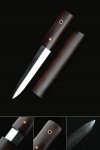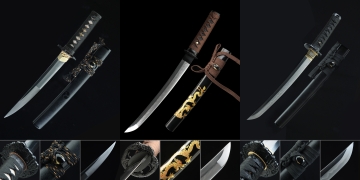
Black Tsuba Aikuchi

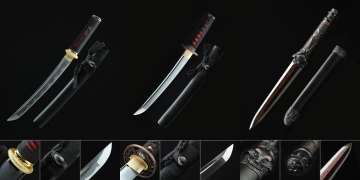
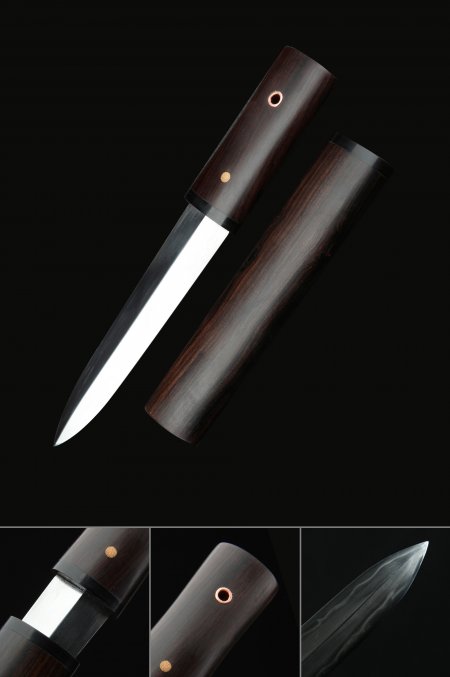
The Black Tsuba Aikuchi brings together a defining feature of classical Japanese blade design — the guardless, flush-fitted tsuba configuration — rendered here with a striking all-black aesthetic that appeals to serious collectors and display enthusiasts alike. Each piece in this collection is hand-assembled with attention to period-accurate proportions, quality materials, and refined finishing details that reward close inspection. Explore the collection and enjoy free standard shipping on your order, backed by our hassle-free return policy.
Showing 2 Products

Related Collections

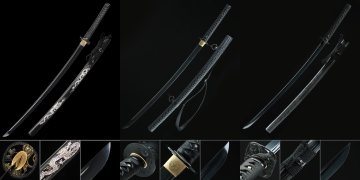
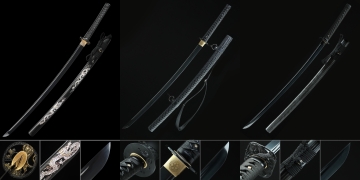
Black Blade Katana32 items


384 Reviews

Frequently Asked Questions

What makes an aikuchi different from other tanto styles?
The defining characteristic of an aikuchi is the complete absence of a tsuba, or hand guard. Where most tanto mounts include a tsuba between the handle and the scabbard mouth, the aikuchi design uses a flush collar fitting — often a plain or lightly decorated habaki — so that the handle and saya meet seamlessly. This guardless configuration was historically associated with formal civilian dress wear in Japan, particularly among court officials and nobility during the Edo period, where displaying a weapon-like guard would have been considered inappropriate. The result is a mount that reads as refined and restrained, making it a particularly elegant choice for display-oriented collectors.
Is folded Damascus steel or stainless steel better for a display tanto?
The right choice depends on what the collector values most. Folded Damascus steel — produced by layering and forge-welding multiple steel billets — develops distinctive surface grain patterns that make each blade visually unique. These organic variations in the steel are part of the appeal for collectors who appreciate material authenticity and traditional hand-forging craft. Stainless steel, on the other hand, offers excellent corrosion resistance with minimal maintenance, and when paired with engraved or etched decorative motifs, produces a consistently sharp visual presentation that suits ornamental display. For a piece primarily intended for long-term display in variable humidity conditions, stainless steel may be the more practical option. For those who prioritize the character and story of the material itself, folded Damascus is the more compelling choice.
How should I store an aikuchi tanto to protect it long-term?
The flush-fit construction of an aikuchi creates a tighter seal between the saya mouth and the handle collar than you find on guarded tanto mounts. While this looks elegant, it also means moisture is more likely to be trapped near the habaki if the piece is kept in a humid environment. To prevent surface oxidation, apply a thin, even coat of choji oil to the blade before storage, removing any excess with a clean soft cloth. Store the piece horizontally in a wooden display case lined with acid-free fabric or paper, in a room with stable, low humidity. Avoid airtight plastic cases, which can trap condensation. Check and re-oil the blade every three to six months if the piece is not in regular rotation.
Does the black aesthetic affect the materials used in these tanto?
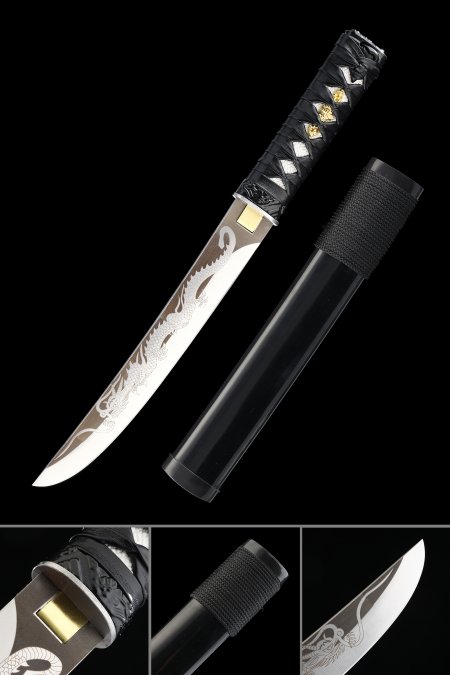
Yes — achieving a cohesive all-black presentation typically involves deliberate material and finish choices across multiple components. The saya is generally lacquered or wrapped in a matte or gloss black finish, the sageo cord is dyed to match, and the handle fittings such as the kashira and fuchi are either coated, oxidized, or manufactured in black-anodized alloy. In dragon-engraved stainless steel variants, the blade itself may receive a dark etching treatment that enhances contrast between the engraved design and the surrounding surface. Each of these finishing decisions is made independently and contributes to the final visual unity of the piece — which is part of what makes a well-executed black tsuba aikuchi a genuinely considered collectible rather than simply a painted version of a standard tanto.
Is a black tsuba aikuchi a good choice as a display gift for a collector?
A black tsuba aikuchi is an excellent gift choice for someone who appreciates Japanese blade culture and traditional craftsmanship. The compact tanto format — shorter than a katana and more suited to tabletop or wall-mounted display — makes it practical for collectors with limited display space. The all-black aesthetic gives it a visual coherence that works across a range of interior styles, from traditional Japanese-themed rooms to modern minimalist spaces. Because the aikuchi mount is historically associated with formality and refinement, the piece carries cultural context that a knowledgeable recipient will recognize and appreciate. Pairing it with a display stand or a complementary piece from the Black Saya Aikuchi collection adds presentation value without overwhelming the recipient.

Customer Reviews