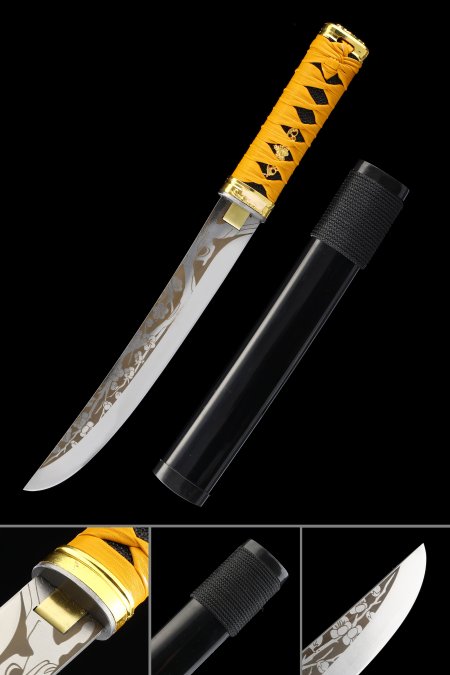
Black Saya Aikuchi

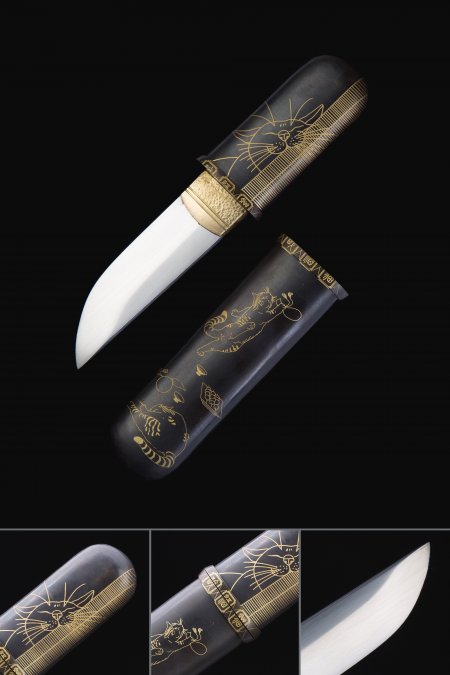
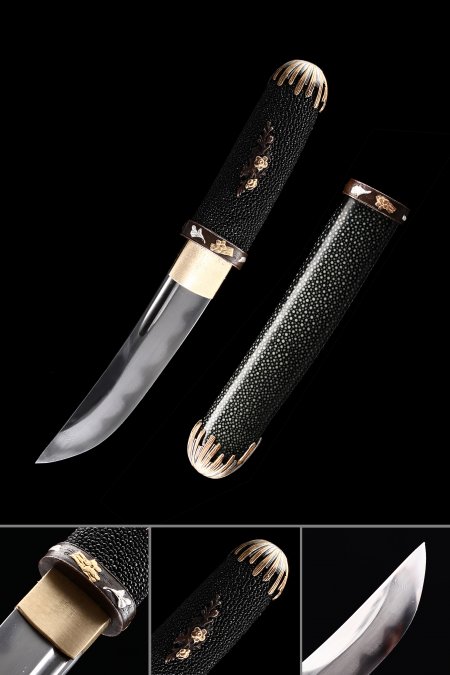
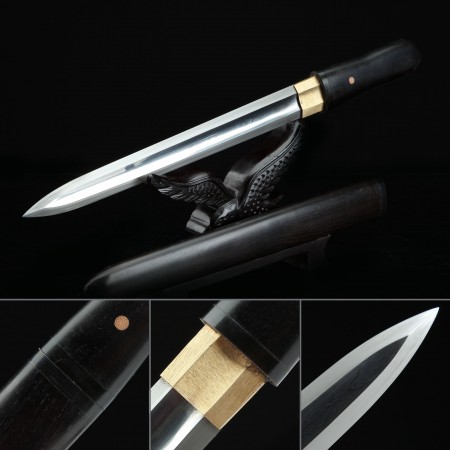
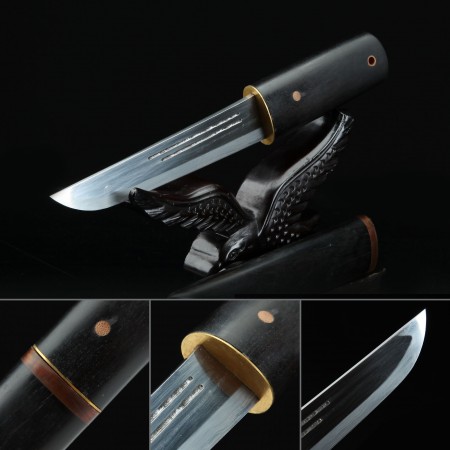
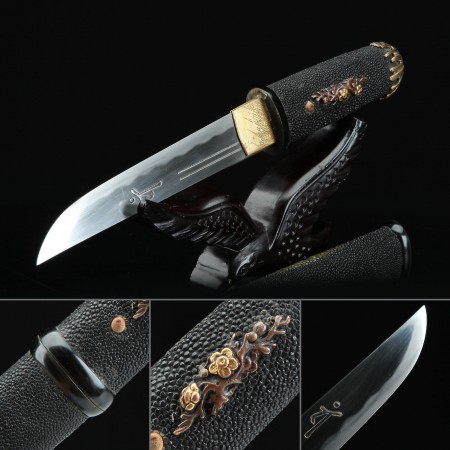
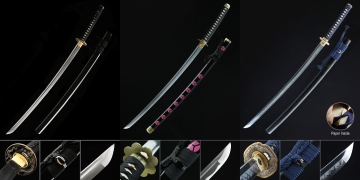
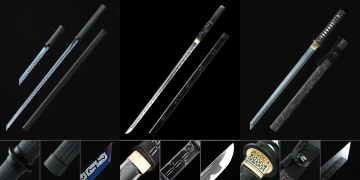
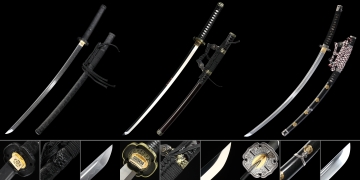
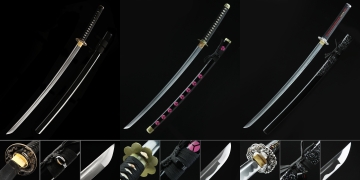
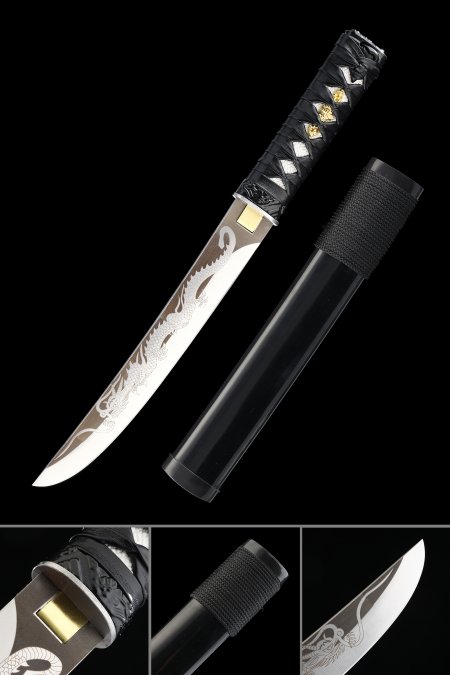
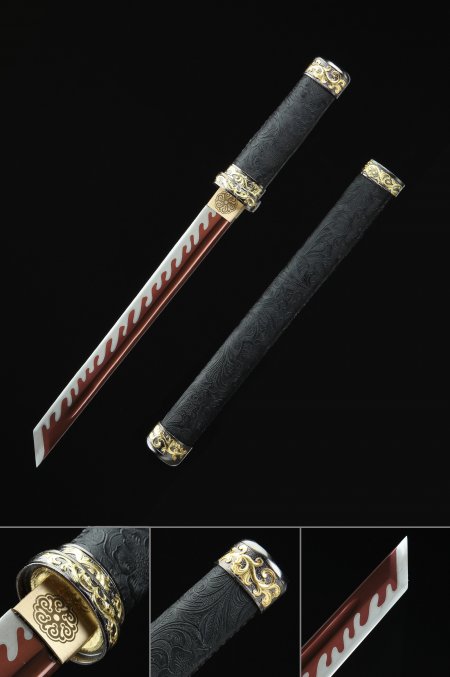
Black Saya Aikuchi blends the guardless elegance of classical Japanese tanto design with the striking visual presence of lacquered black scabbards. Each piece in this collection is hand-forged from quality steel — Damascus, T10, or high-carbon — and fitted with period-inspired hardware including gold habaki, ray-skin wrapping, and engraved collars. Whether you're expanding a display collection or seeking a thoughtful gift for a discerning enthusiast, these aikuchi represent genuine craftsmanship at every detail. Enjoy free shipping and hassle-free returns on your order.
Showing 8 Products

Related Collections

Black Ninja Katana110 items


914 Reviews

Black And Gold Katana14 items


11 Reviews

Frequently Asked Questions

What makes an aikuchi different from a standard tanto?
The defining characteristic of an aikuchi is the absence of a tsuba — the blade's habaki fits directly and flush against the koiguchi opening of the saya, creating a clean, uninterrupted line from scabbard to handle. Standard tanto mountings typically include a tsuba as a hand guard between handle and blade. The aikuchi style was historically associated with civilian dress wear in Edo-period Japan, where the understated, guardless form was considered more elegant for formal or court contexts than the utilitarian tsuba-mounted version. For collectors, this distinction matters both aesthetically and in terms of historical reference: an aikuchi tanto represents a specific social and stylistic tradition, not simply a tanto with a missing component.
Is Damascus steel or T10 carbon steel better for a display aikuchi?
Both are excellent choices, but they offer different visual and material experiences. Damascus steel — produced by folding and forge-welding layers of high and low carbon steel — delivers a distinctive flowing grain pattern on the blade surface that makes every piece visually unique. No two Damascus blades are identical, which appeals to collectors who value individuality. T10 high-carbon steel, sometimes clay-tempered, is prized for the visible hamon (temper line) it can produce along the edge — a hallmark of traditional Japanese heat-treatment methodology. The hamon on a T10 blade gives it a more classically Japanese appearance with clear nie and nioi activity. If visual drama and uniqueness are your priorities, Damascus is compelling. If historical aesthetic authenticity to Japanese sword tradition matters more, T10 with clay tempering is the stronger choice.
How should I store a black lacquer saya to prevent damage?
Lacquered wood sayas require a few specific care habits to maintain their finish long-term. Avoid storing them in areas with fluctuating humidity, as wood expands and contracts with moisture changes, which can cause the lacquer surface to crack or separate over time. A stable indoor environment — ideally between 40–60% relative humidity — is ideal. Keep the saya out of direct sunlight, which degrades lacquer finish and can cause color fading or yellowing of any gold-tone fittings. For storage, a sword bag made of soft fabric such as a traditional katana bag (katanakake) will protect the surface from dust and light scratches. Avoid storing in sealed plastic, which traps moisture. Periodically wipe the saya gently with a soft dry cloth to remove fingerprint oils.
Do the engraved fittings on these aikuchi affect collectible value?
Hand-engraved or relief-carved details on tanto fittings — whether on the habaki, collar, blade surface, or saya itself — are a significant factor in the decorative and collectible appeal of any Japanese-inspired edged piece. Motifs such as cranes, cherry blossoms, dragons, and cats each carry specific iconographic weight in Japanese aesthetic tradition: cranes represent longevity and good fortune, cherry blossoms evoke the Japanese concept of mono no aware (the bittersweet transience of beauty), and dragons symbolize power and protection. Pieces featuring these motifs as carved or engraved details on gold-tone fittings or blade surfaces are generally more display-worthy than plain-finished equivalents, and tend to be more sought-after as gifts or statement collector pieces. The quality and depth of engraving — whether shallow stamped or more deeply worked — also distinguishes individual pieces within the same price range.
Can black saya aikuchi be displayed alongside longer katana pieces?
Absolutely — in fact, pairing an aikuchi tanto with a full-length katana or tachi is a well-established display convention rooted in the daisho tradition of Japanese sword culture, where a longer sword and a shorter companion blade were worn together. A black saya aikuchi makes a particularly strong visual pairing with any black-finished katana, as the matching lacquer tone creates a cohesive aesthetic on a display stand. The compact proportions of the tanto — typically 10 to 18 inches overall — provide a natural counterpoint to a 40-plus-inch katana without competing for visual focus. For collectors building a themed display, combining a Black Saya Aikuchi with pieces from the Black Dragon Katana collection creates a visually unified Japanese-inspired presentation with strong decorative impact.

Customer Reviews