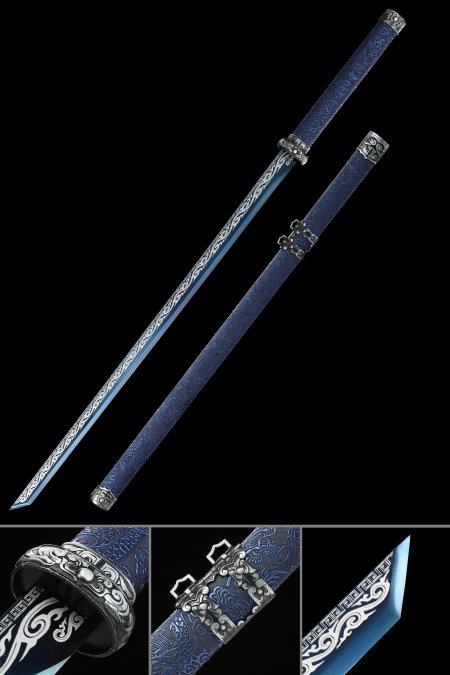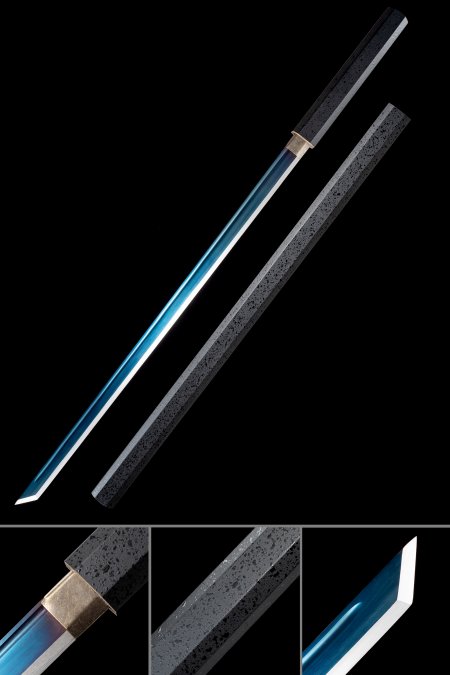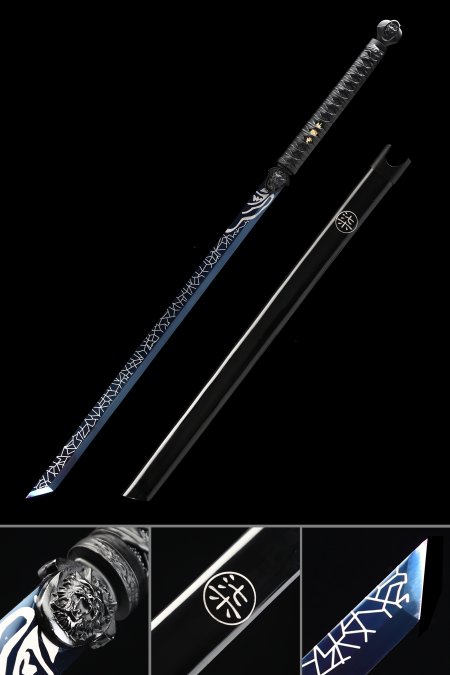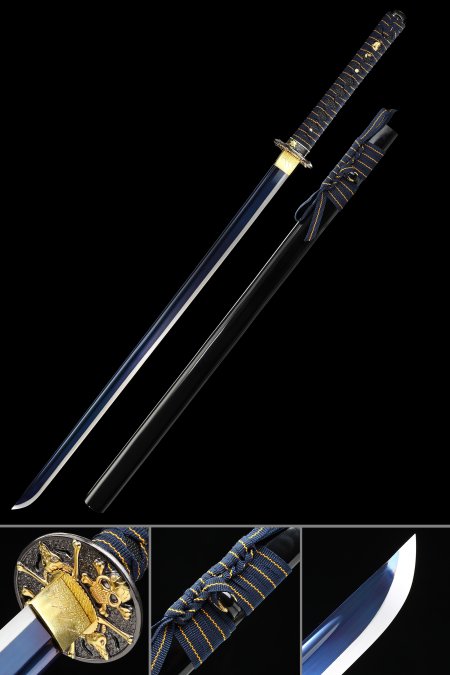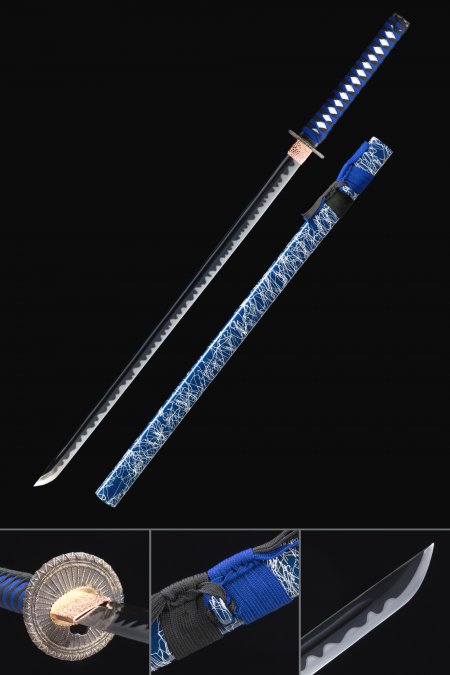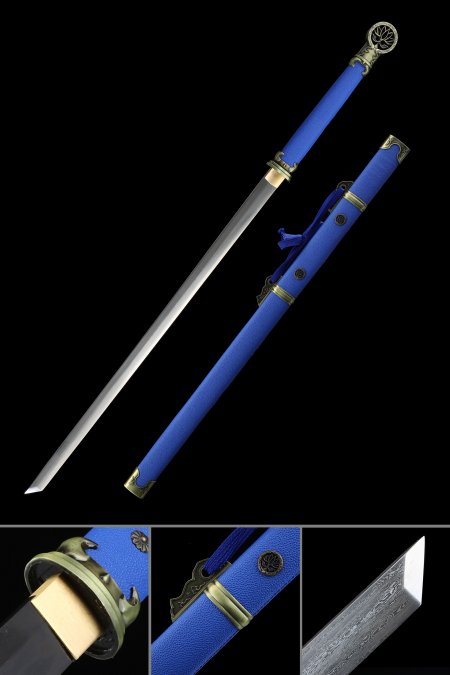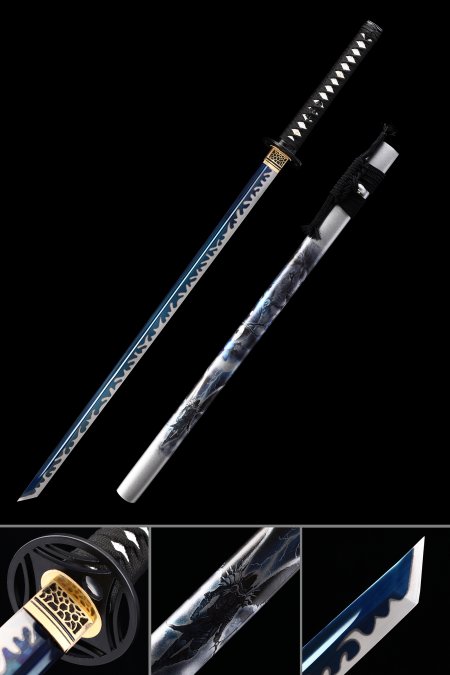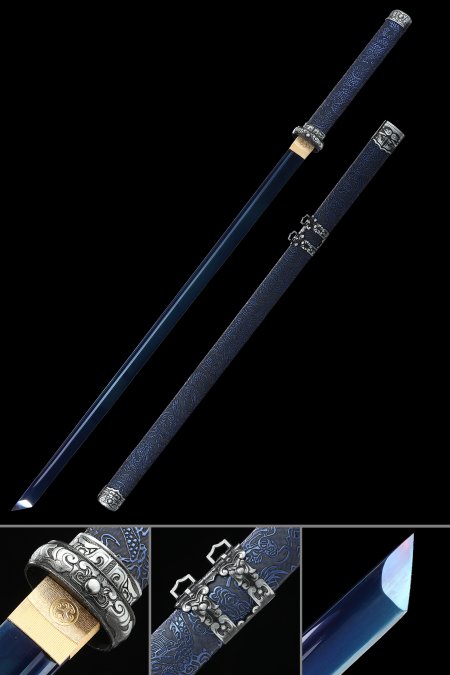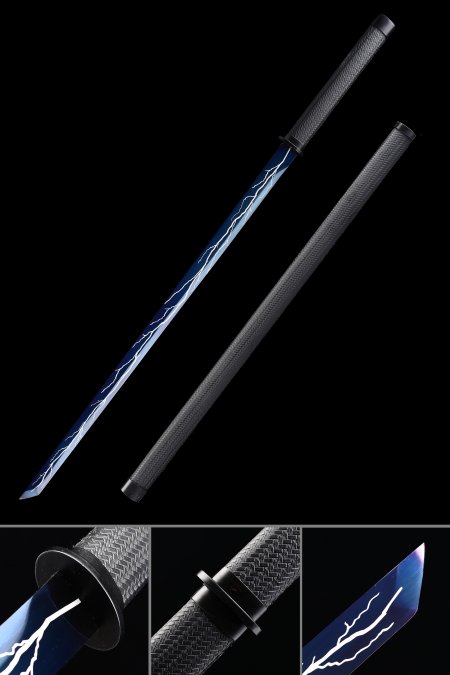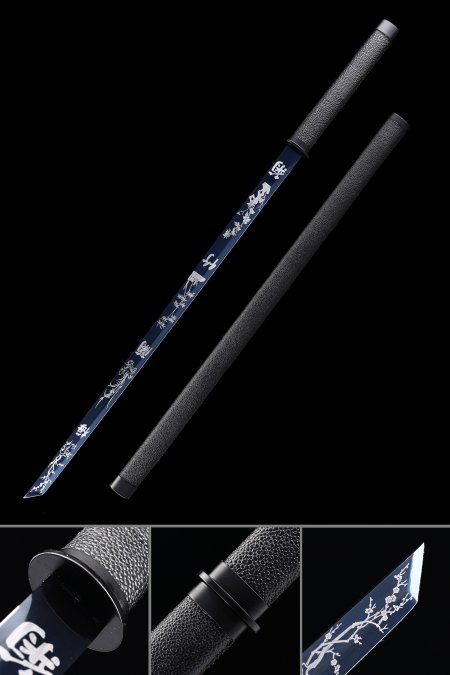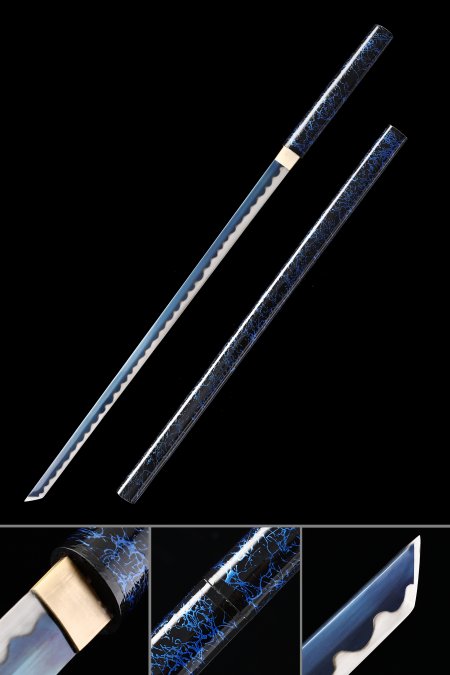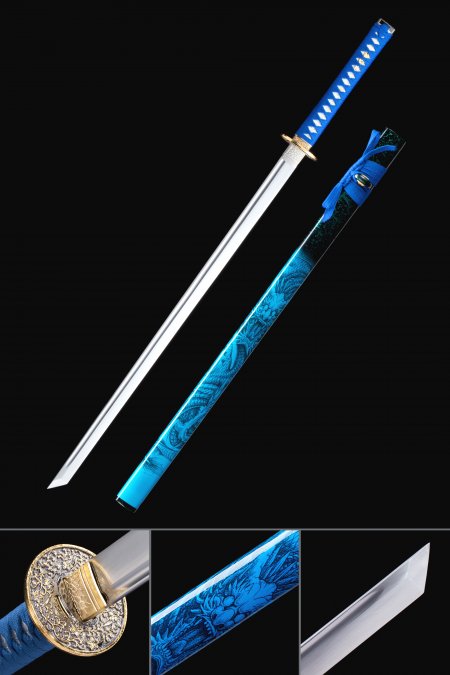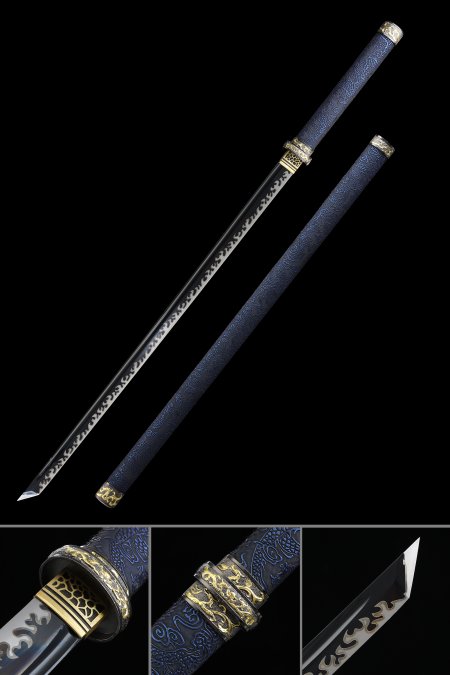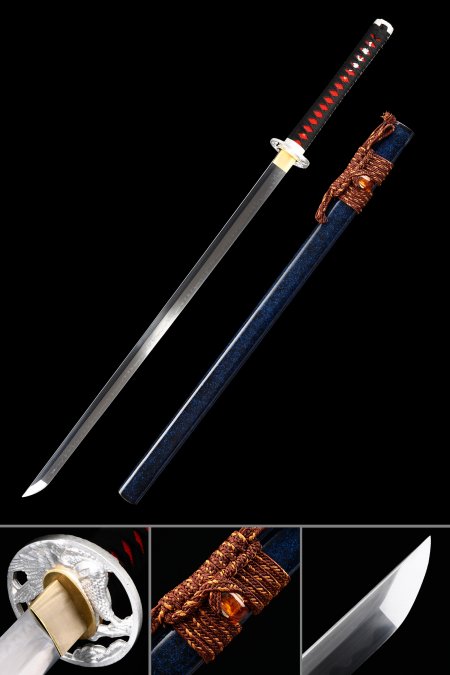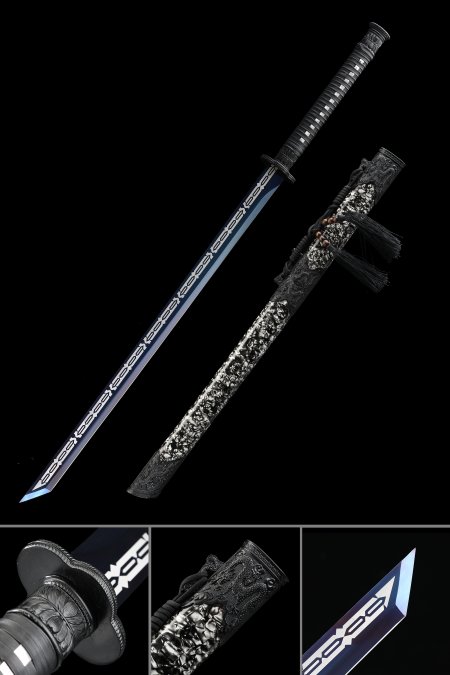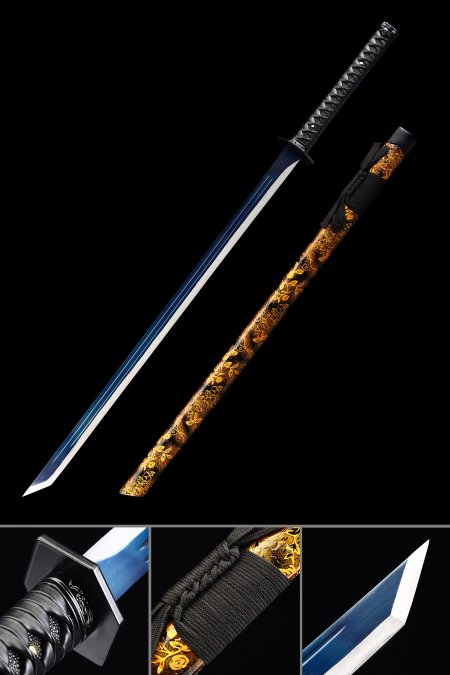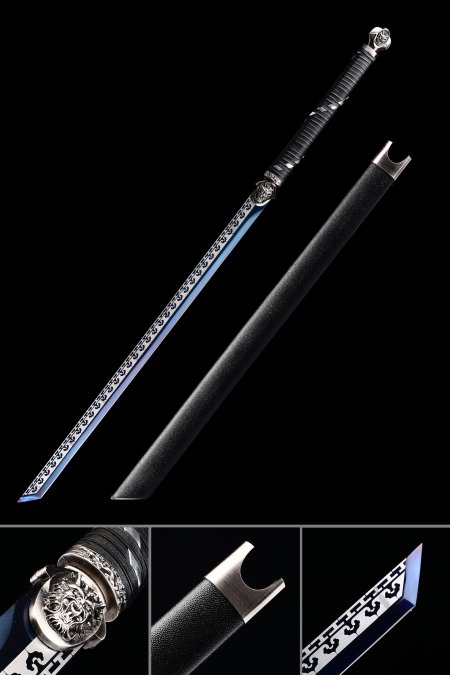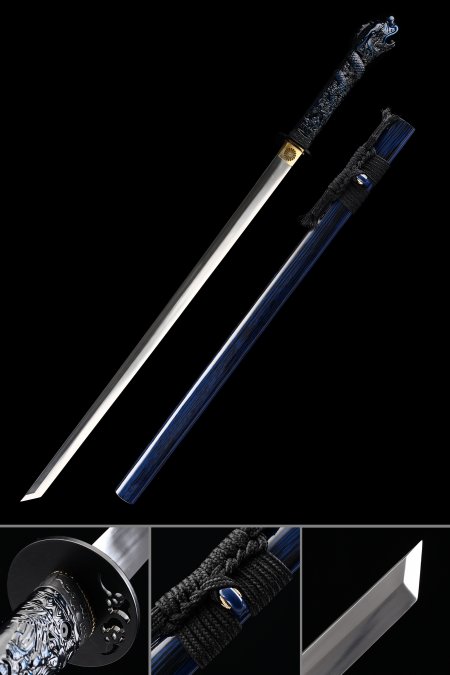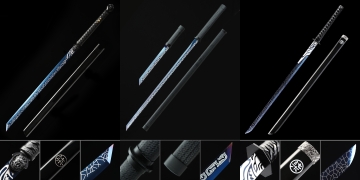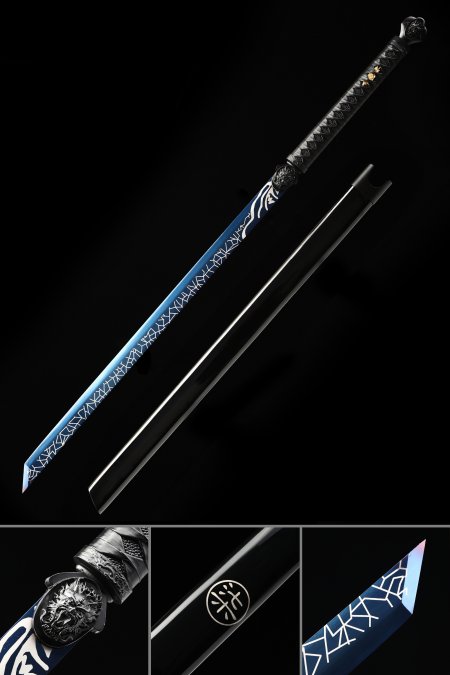
Blue Ninja Sword

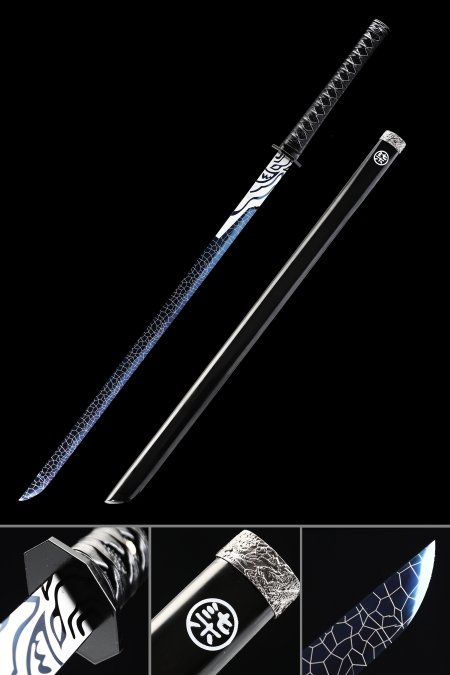
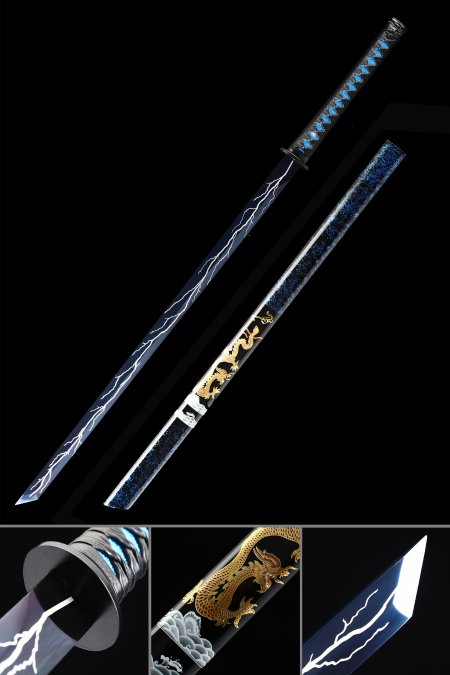
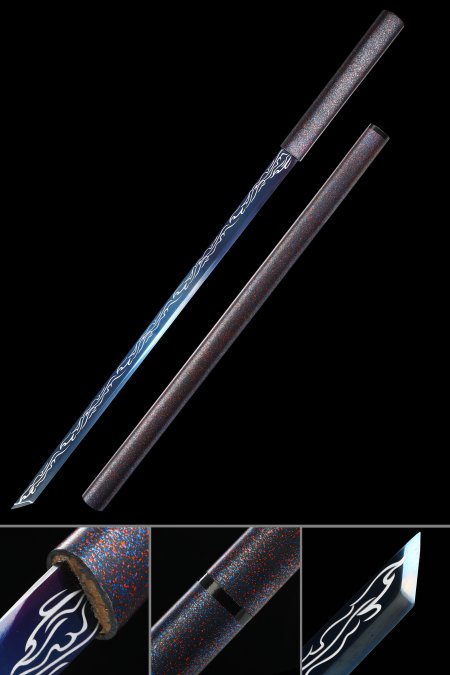
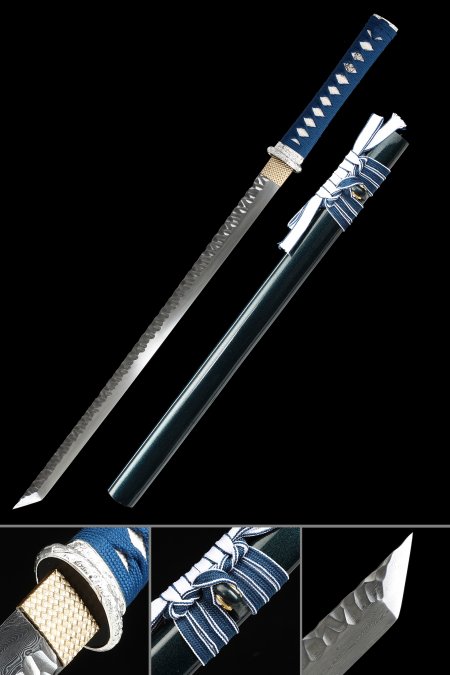
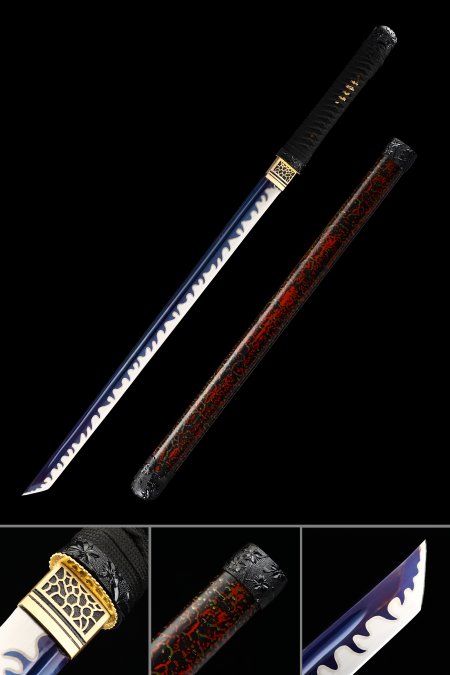
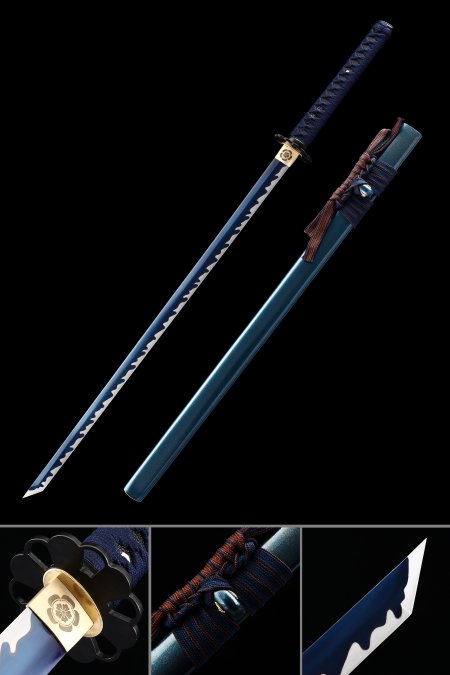
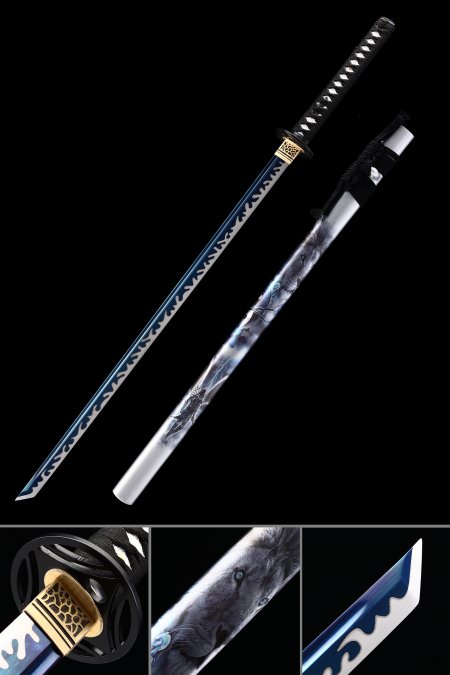
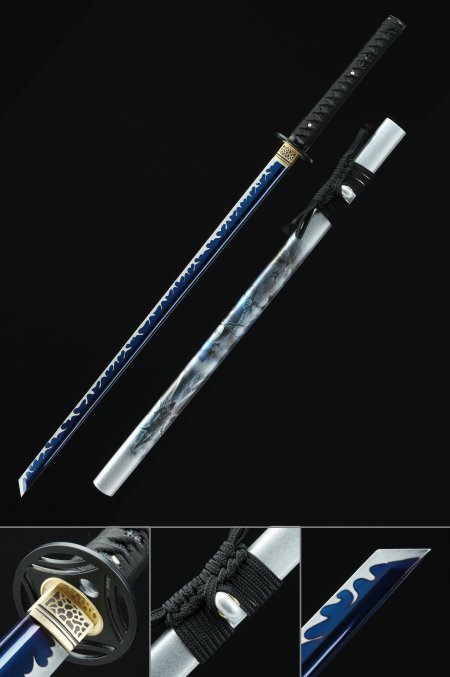
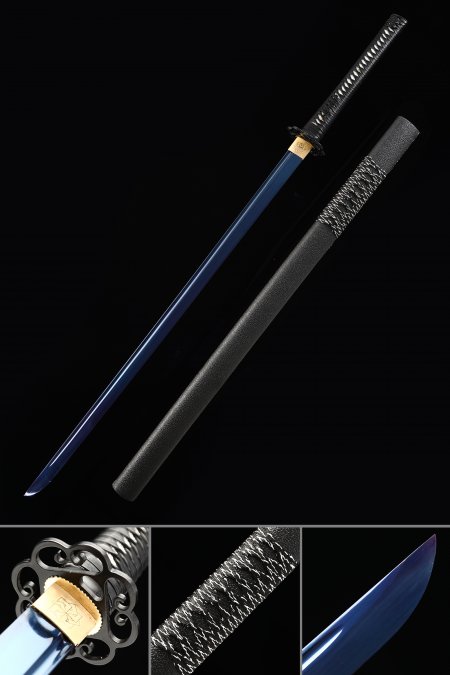
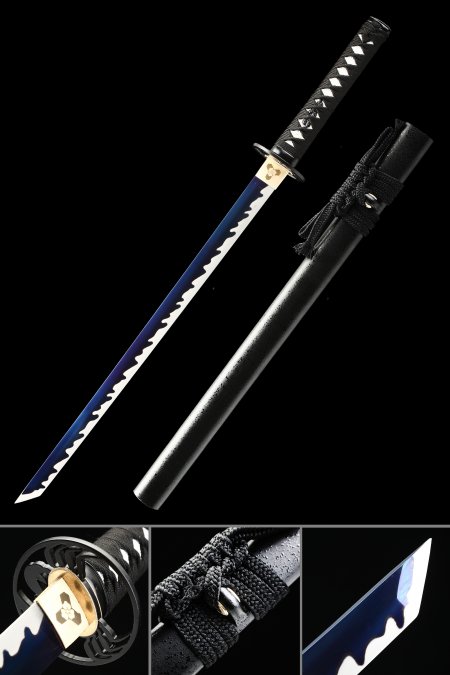
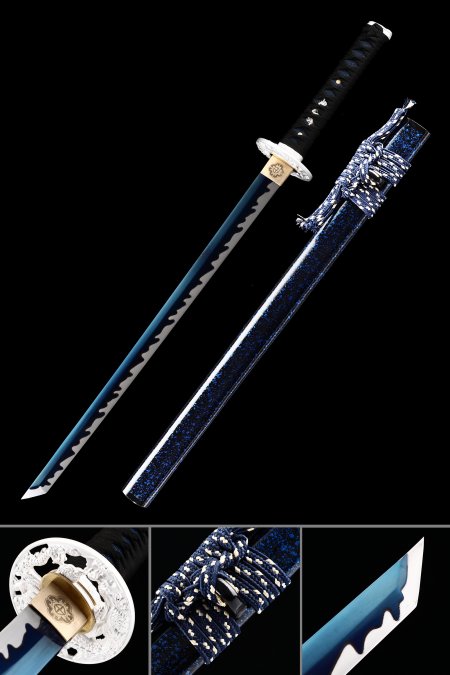
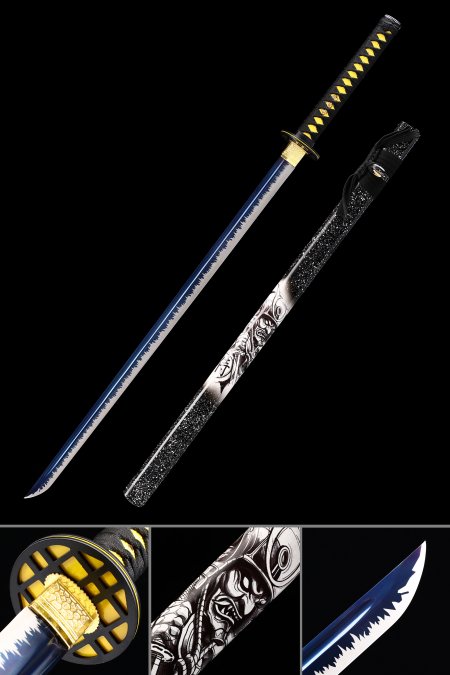
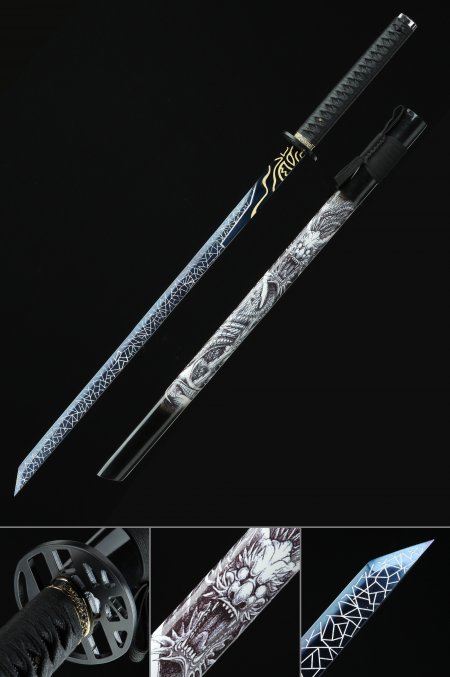
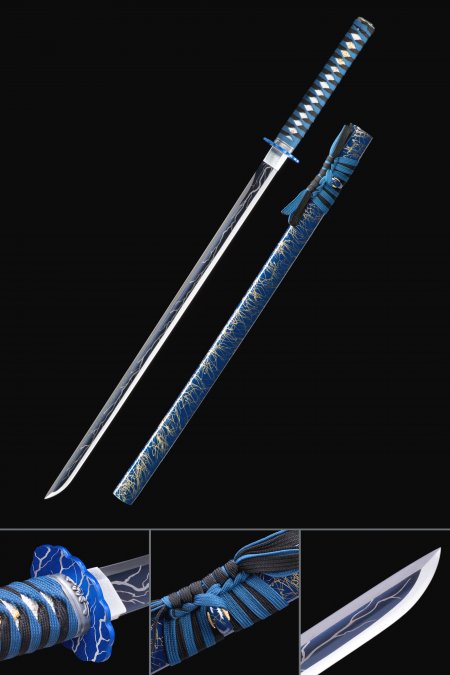
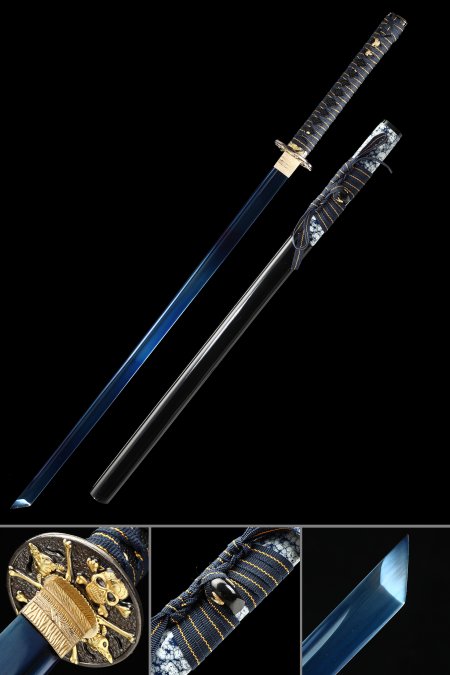
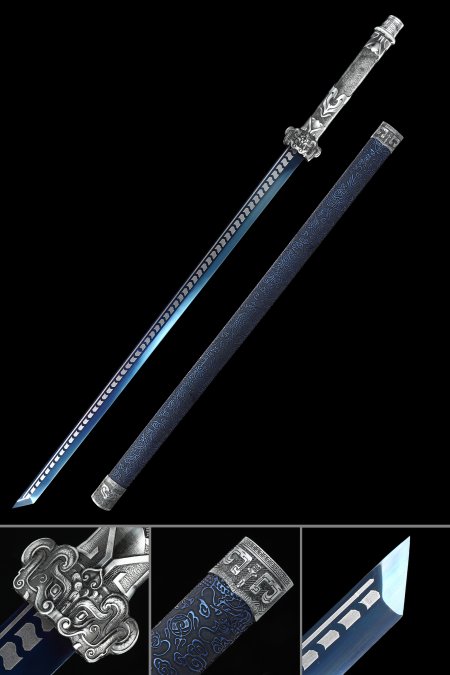
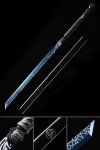
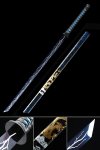
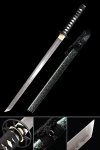
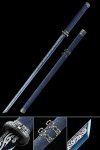
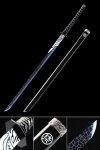
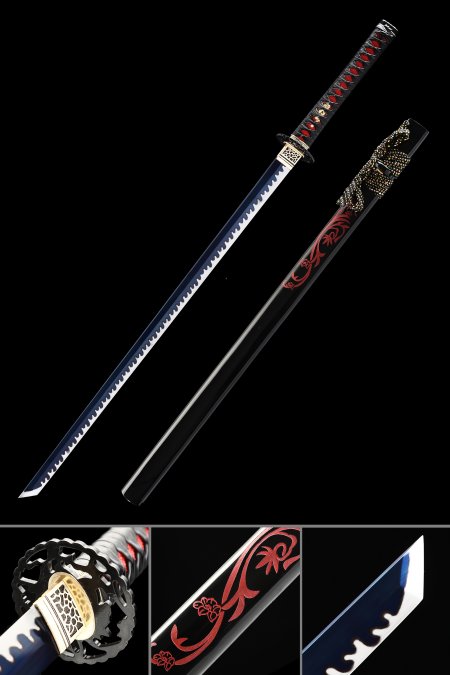
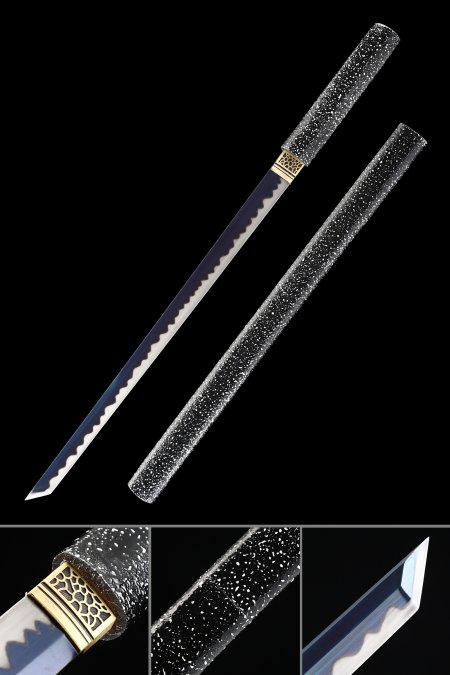
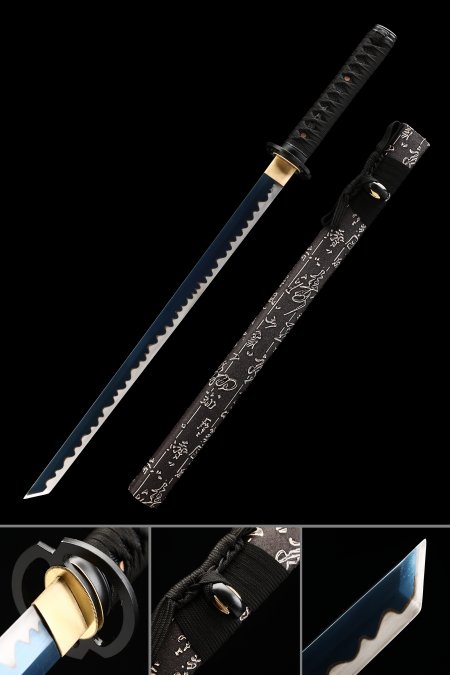
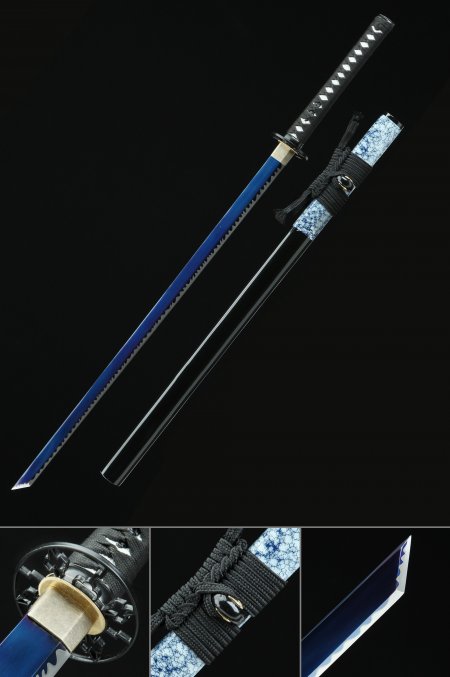
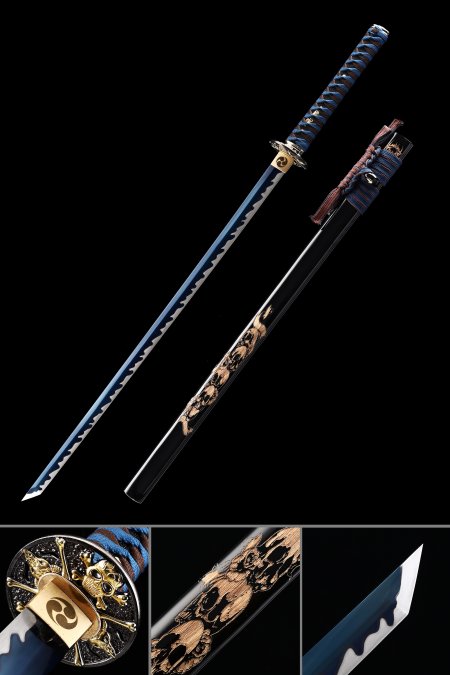
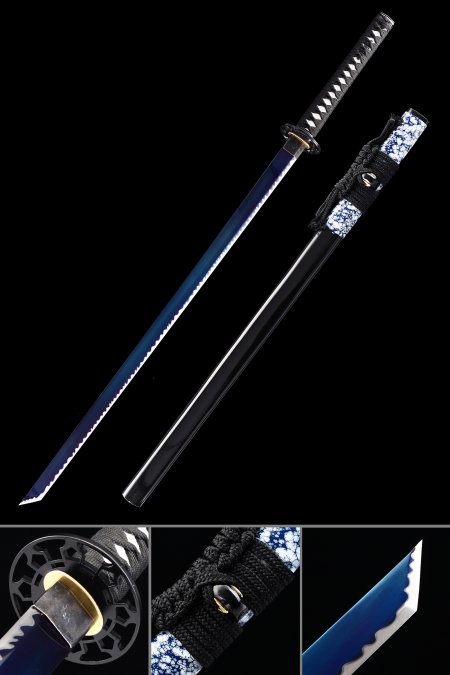
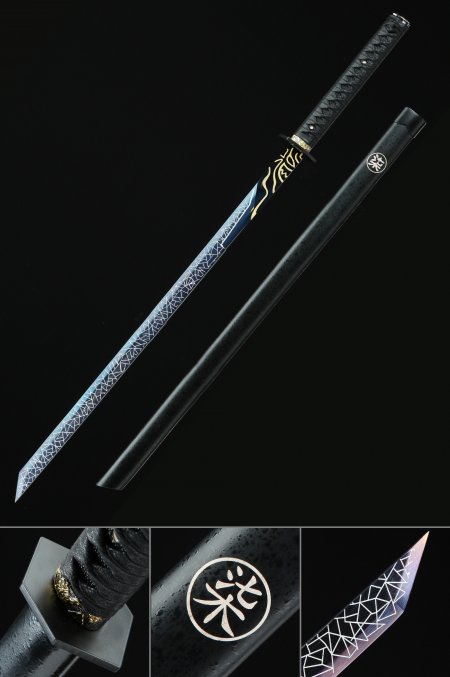
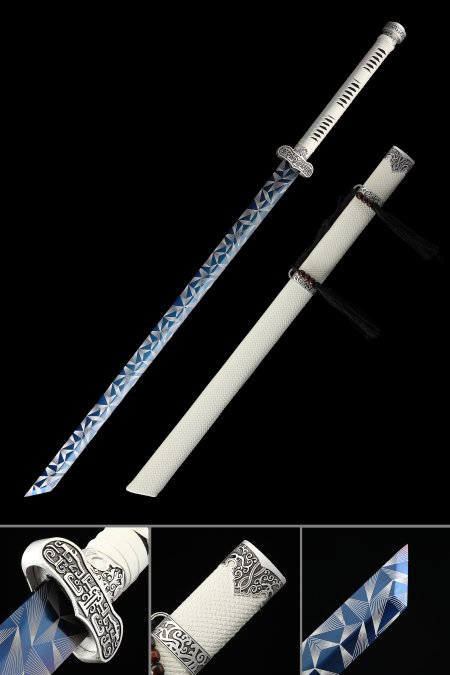
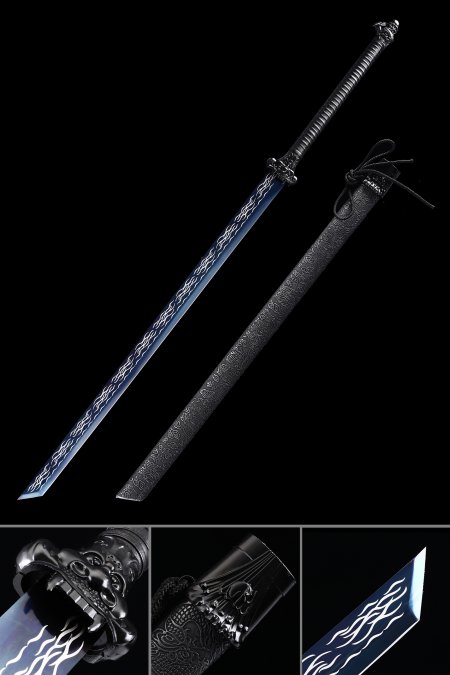
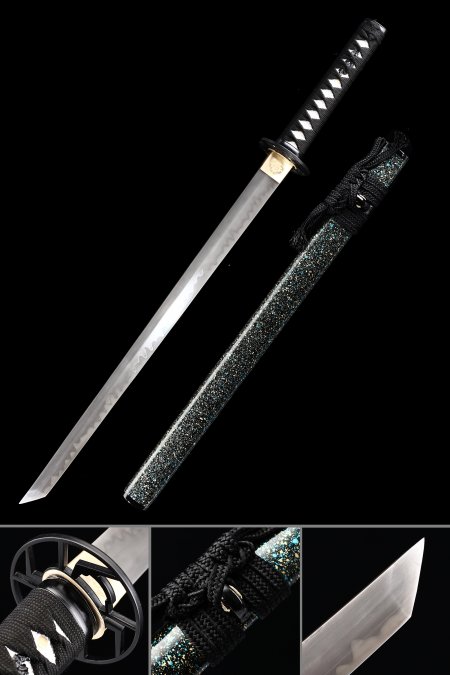
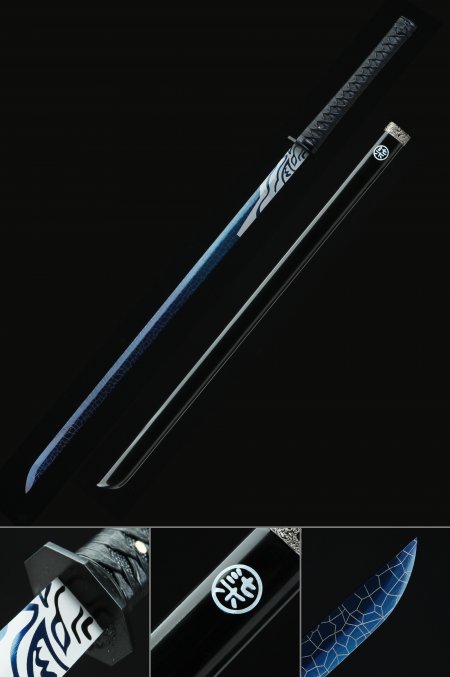
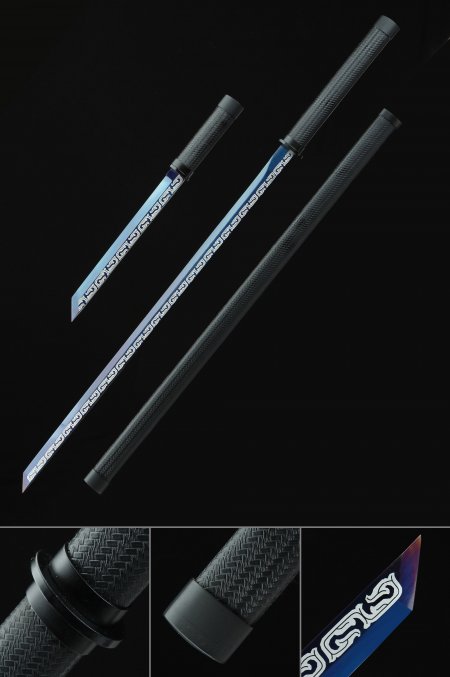
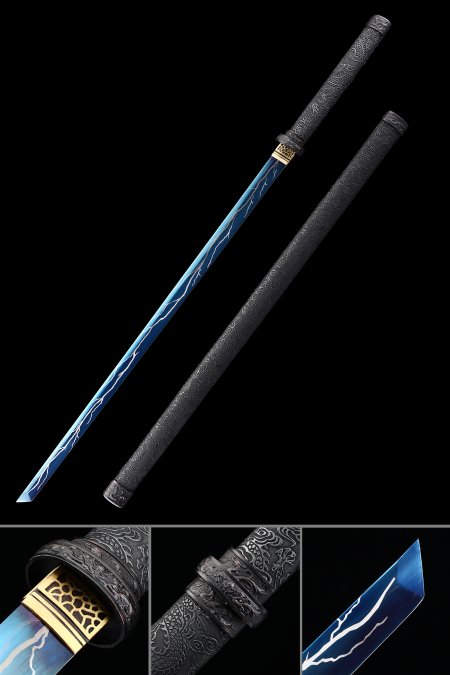
Blue ninja swords in this collection are hand-forged straight-bladed ninjato in manganese steel with blue blade finishes and coordinating blue scabbards and handle wrapping. Available with blue blade and blue saya in multiple style variants. Full-tang construction with complete fittings for display-ready presentation. Free shipping and a 30-day return policy are included.
Showing 55 Products

Related Collections

Blue Dragon Katana4 items


Reviews

Blue Steel Katana116 items


678 Reviews

Frequently Asked Questions

What distinguishes a blue ninja sword from a blue katana in this collection?
A blue ninja sword and a blue katana share the blue surface treatment on the blade but differ in blade geometry, guard style, and cultural association. The ninja sword, in ninjato form, has a straight blade rather than the curved profile of a katana. The straight blade produces a different silhouette - more angular and linear compared to the graceful curve of a katana. The guard on a ninjato is typically square or angular, contrasting with the round or oval tsuba common on katana. The handle proportions may also differ, with ninjato handles sometimes shorter or differently weighted than a standard katana tsuka. Culturally, the ninjato carries the associations of the ninja tradition in Japanese popular culture, while the katana is associated with the samurai. For display purposes, the two create different visual impressions even when finished in the same blue treatment - the straight ninjato has a more graphic, angular presence while the curved katana has a flowing, dynamic quality.
What is the typical blade length on a blue ninja sword in this collection?
The blue ninja swords in this collection use blade lengths in the standard ninjato range, typically 50 to 65 centimeters for the blade alone and 70 to 85 centimeters overall including the handle. This places the ninjato in a size range between a wakizashi and a full-length katana, which is consistent with the ninjato's position in Japanese sword categorization as a shorter straight sword rather than a full-length weapon. The overall length in saya - the relevant dimension for display planning - is typically 80 to 95 centimeters, shorter than a standard katana but longer than a wakizashi. For display stand purposes, a standard katana display stand accommodates ninjato-length swords without any issue - the shorter sword rests comfortably within the peg span used for full-length katana. Specific blade and overall lengths vary by individual piece; product listings include the measurements for each specific sword.
Can a blue ninja sword be displayed alongside a blue katana as a matching pair?
Yes, and this is one of the more effective mixed-format display combinations in the blue sword category. A blue ninjato alongside a blue katana on a two-tier stand creates a display where both pieces share the same color treatment but differ in blade geometry - the straight ninjato below and the curved katana above, or reversed depending on length. The visual relationship established by the shared blue finish makes the two swords read as a thematically matched pair even though they are not a traditional daisho. The geometric contrast between straight and curved blade adds visual interest beyond what a matched pair of the same sword type would create. For collectors who want a display that shows the range of Japanese blade forms while maintaining a unified color presentation, this combination achieves both goals simultaneously. A two-tier black lacquer stand with the blue katana on top and the blue ninjato below creates a compact, visually coherent display.
Is the blue blade on a ninja sword a painted surface or a treated steel surface?
The blue on the blade of a ninja sword in this collection is a treated steel surface rather than a paint or coating applied over the steel. The treatment works by converting the surface layer of the steel through a controlled chemical or thermal process into a stable oxide with the characteristic blue coloration. This is fundamentally different from painting or powder coating, where a separate material is applied over the steel surface. A treated surface is part of the steel rather than sitting on top of it, which means it does not peel or flake as a paint layer would under long-term use. The treated surface is thinner than a paint coating and more sensitive to abrasion - physical contact with hard surfaces can scratch through the treatment layer and reveal the silver steel beneath. For display purposes, this is rarely an issue: the sword rests in its saya and is handled carefully by the handle when drawn for examination. The treated surface is appropriate for display use and holds its appearance reliably when the basic care guidelines - soft cloth cleaning, no abrasive products - are followed.
Customer Reviews