FAST SHIP
Free Shipping
159.00 USD
ON SALE! 15% OFF
Was: 189.00 USD

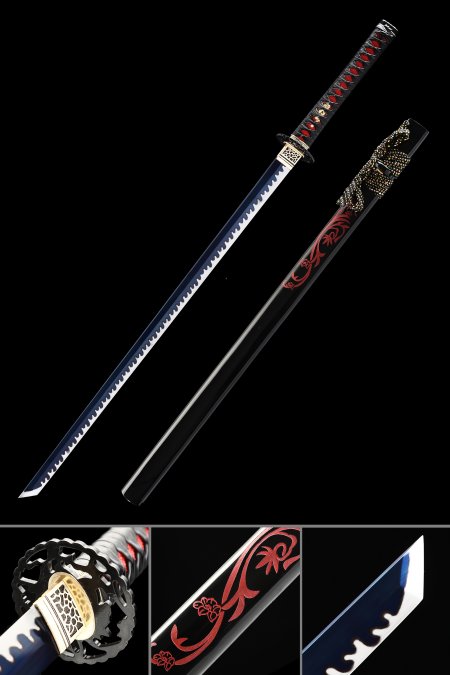
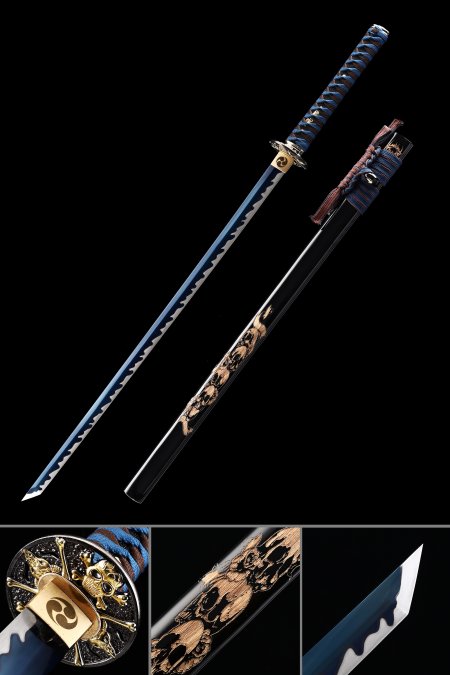
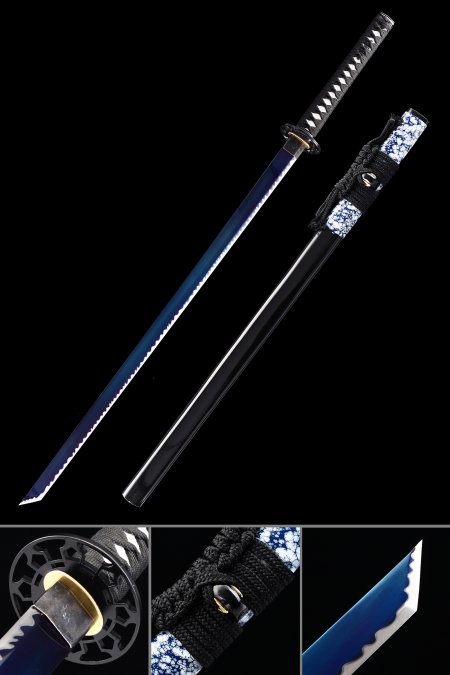
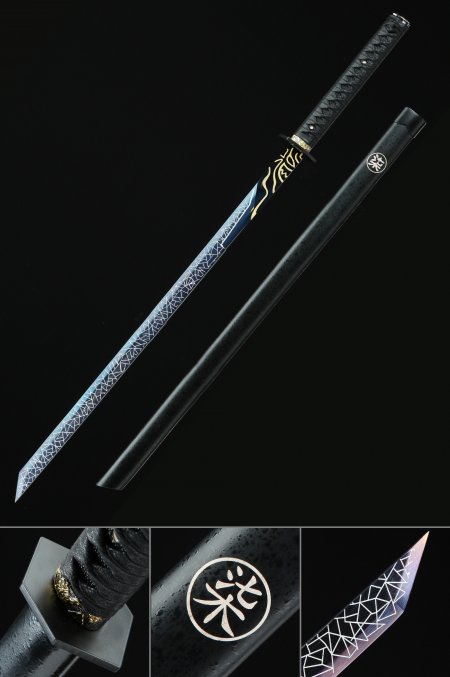
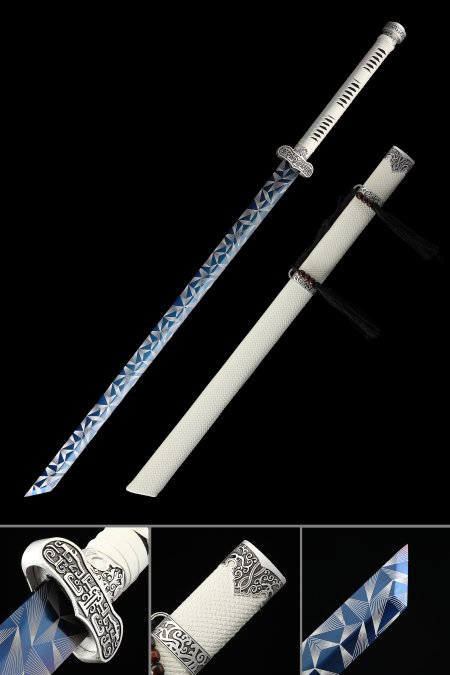
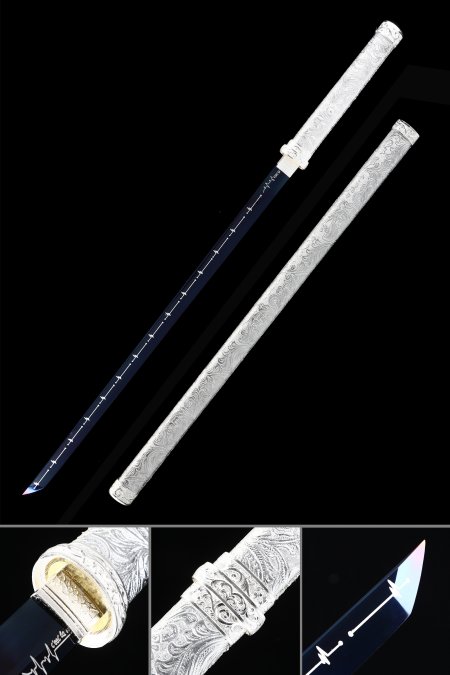
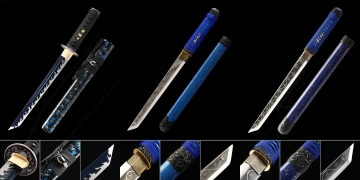
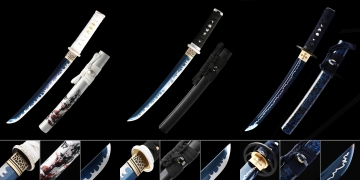
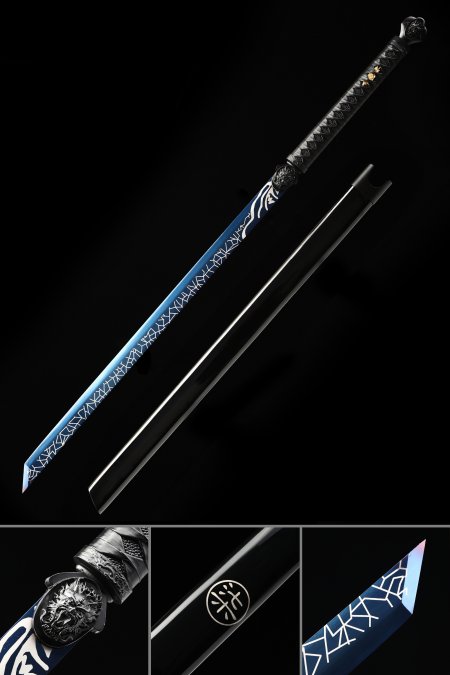
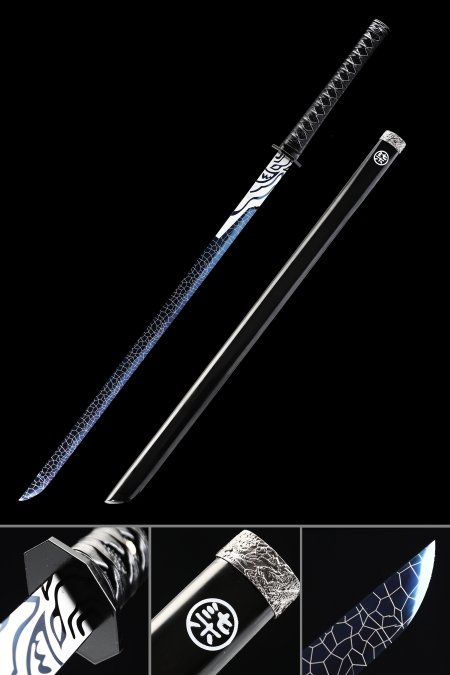
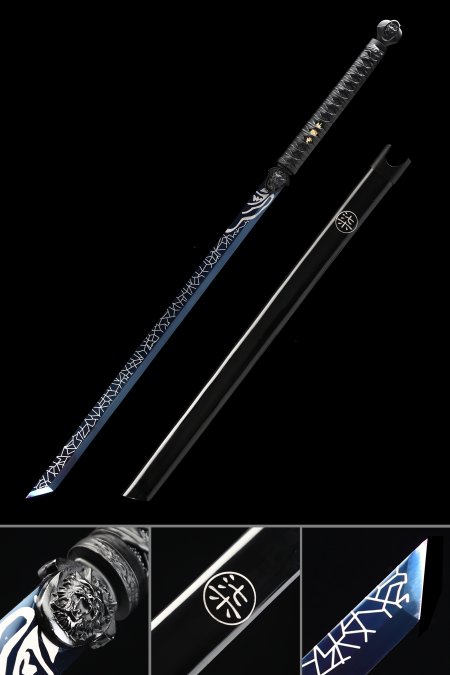
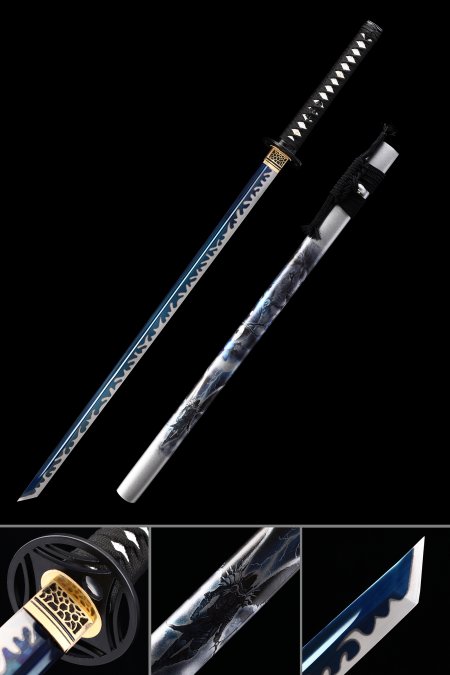
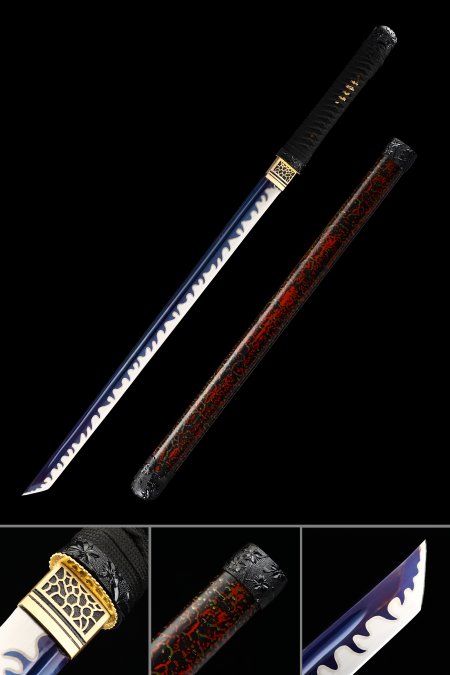
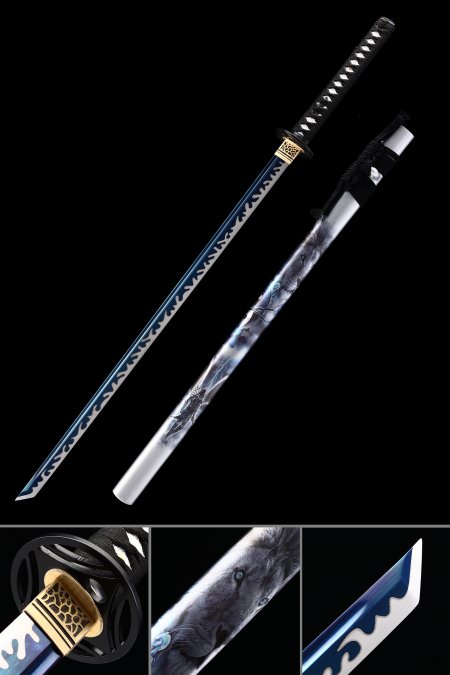
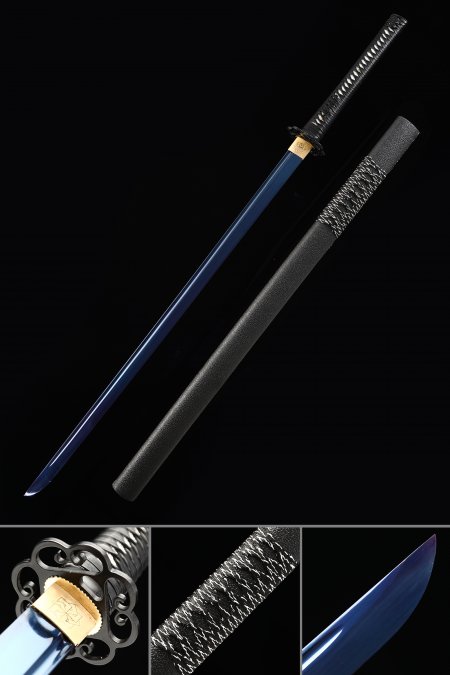
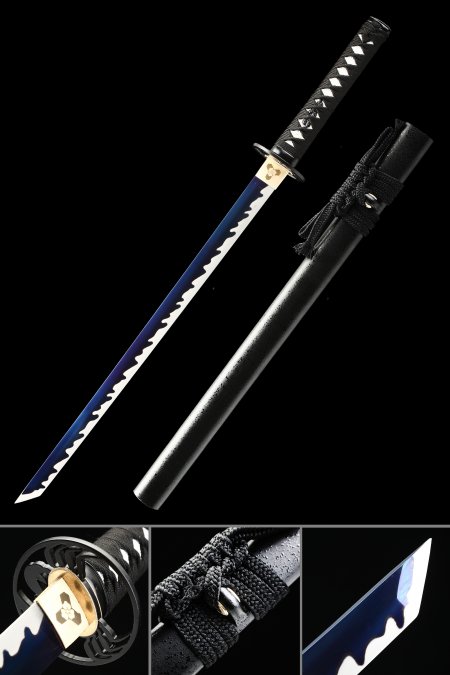
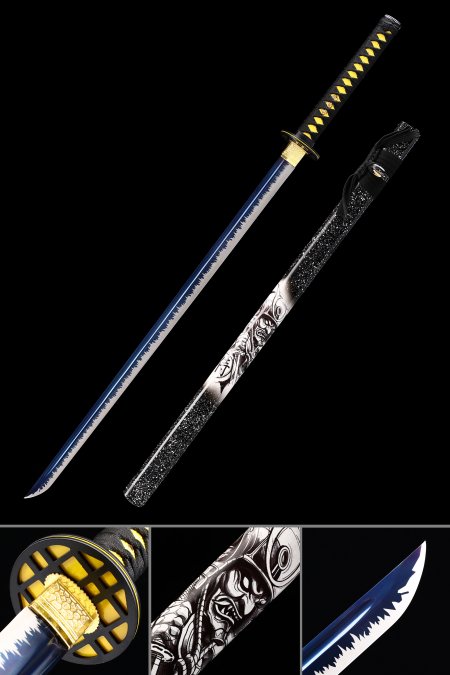
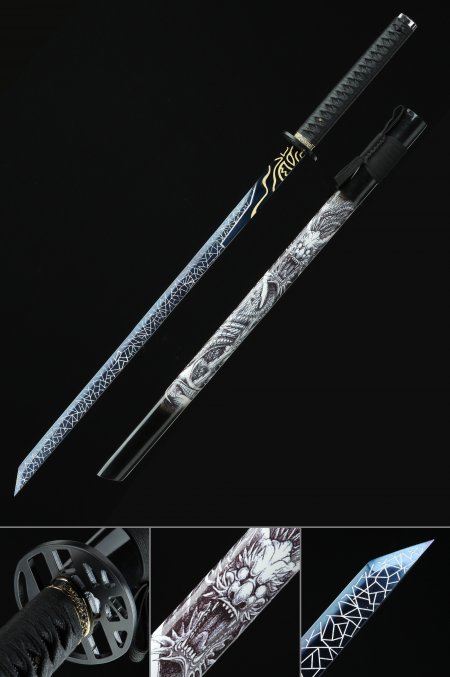
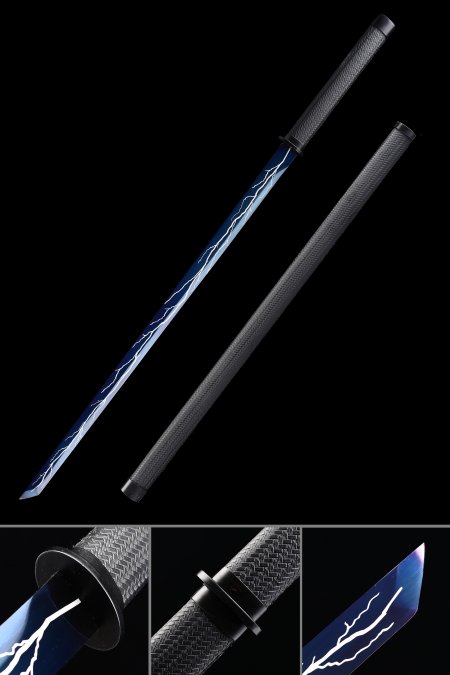
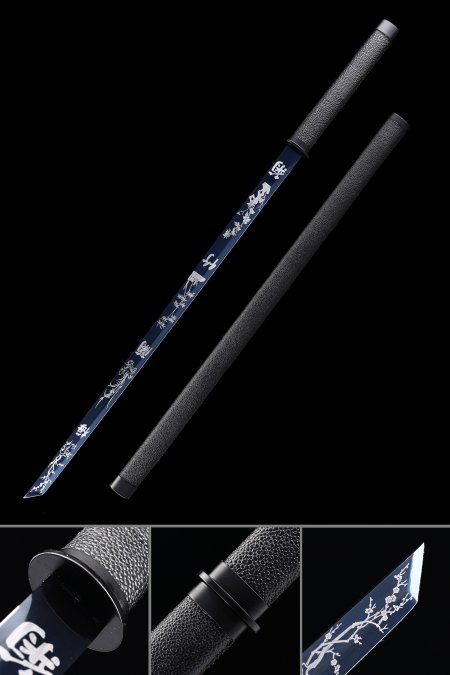
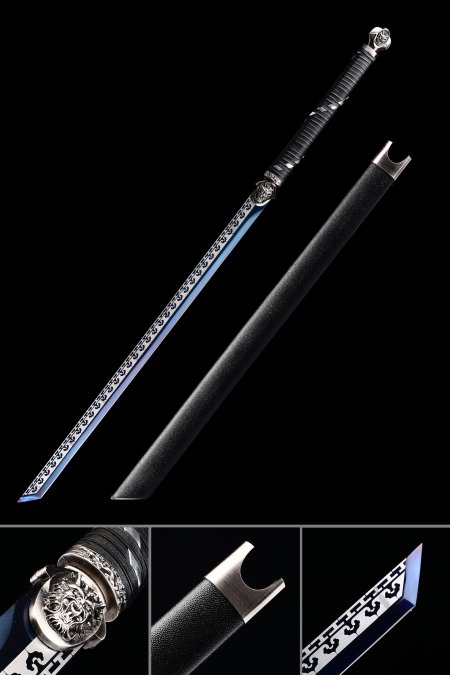
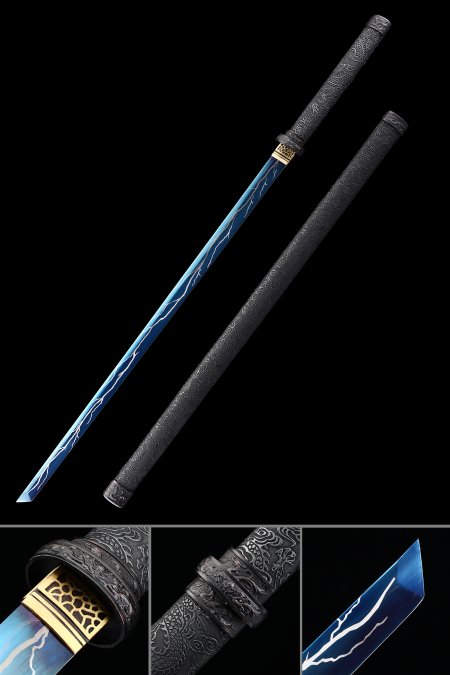
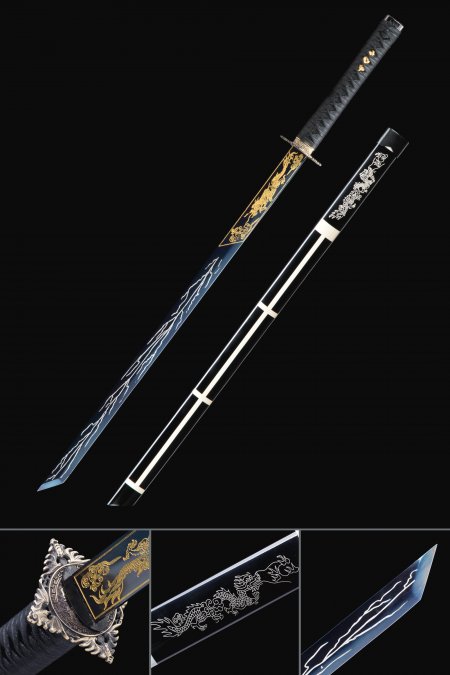
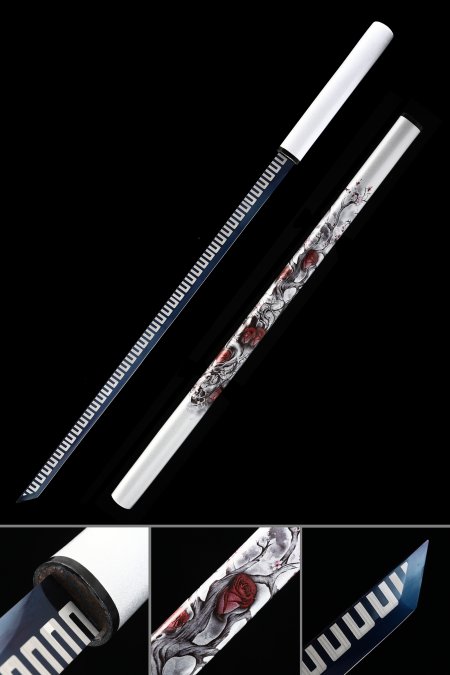
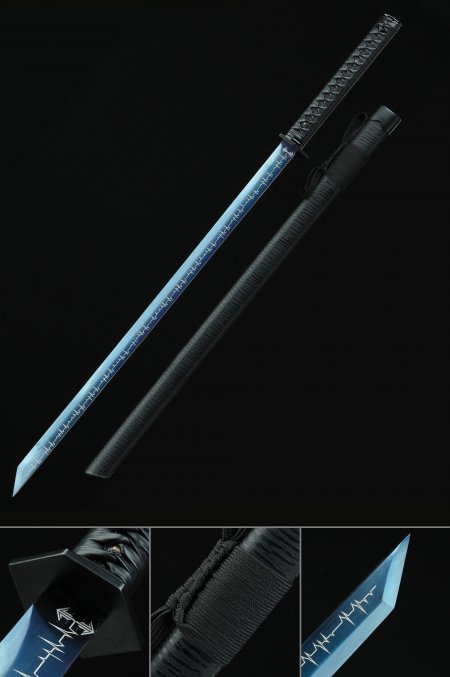
A blue blade ninjato occupies a singular space in Japanese sword collecting — the straight silhouette of a shinobi blade finished in a vivid heat-treated blue sets these pieces apart from any conventional katana on a display stand. Each sword in this collection is individually hand-forged from high manganese steel, fitted with full-tang construction, and dressed in fittings that range from gold geometric tsuba to dragon-relief saya and skull guards. Whether you're adding to an established Japanese blade collection or searching for a statement display piece with genuine craft behind it, these ninjato deliver on both aesthetics and metallurgical integrity. Enjoy free standard shipping on every order, and shop with confidence backed by our straightforward return policy.
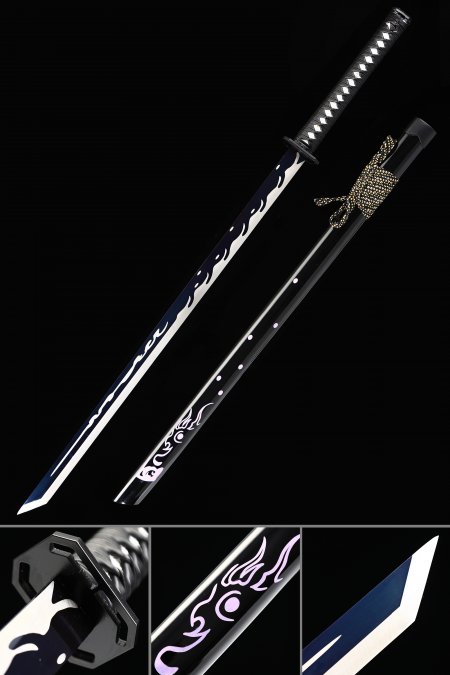
I am not a swordsman so I can't comment on how good it is but as an amateur I'm very happy it looks sturdy and made with quality materials
 |
Blue Blade Manganese Steel Ninjato Sword Full Tang with Black Leather Handle and Dragon Pommel |
I love this sword. It's my first one. I wanted a katana ever since I was a kid. I decided on ninjatu on my first order and plan to get few more in different designs and some actual katanas. I highly recommend TurKatana.com for good quality swords.
|
Blue Blade Manganese Steel Ninjato Sword Full Tang with Black Leather Handle and Dragon Pommel |
Amazing service the sword itself is beautiful and it was shipped relatively fast.
|
Blue Blade Manganese Steel Ninjato Sword Full Tang with Black Leather Handle and Dragon Pommel |
It actually looks and feels so nice, came in secure packaging aswell
 |
Ninjato Straight Katana in Manganese Steel with Blue Crackle Blade - Black Lacquer Saya, Wave Tsuba |
Bought the blade for a friend, he and I are very happy with it, well made, great job to the person who made it 👍
|
Blue Blade Manganese Steel Ninjato Sword Full Tang with Black Leather Handle and Dragon Pommel |
Very pleased my katana came from china and the super fast shipping.Highly impressed with my chokuto ninjato sword.Thank you senior sword maker and staff.
 |
Blue Manganese Steel Chokuto Ninjato with Plum Blossom Engraved Blade in Black PU Leather Saya |
I'm extremely satisfied with my order. The package arrived quickly, considering it came from China. And the blade, is actually forged very well. Better than expected. And, it was actually razor sharp right out of the box. I'll be definitely buying here again.
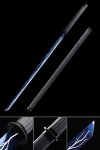 |
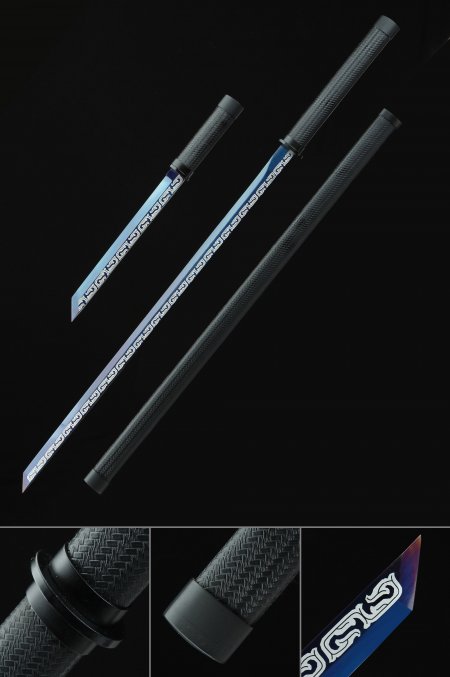
Chokuto Ninjato Sword in High Manganese Steel with Blue Lightning Blade and Black Woven Handle |
could be more resilient and could’ve had more effort put into it. The handle and sheath have leads sticking out like stiches on the bottom. :(
|
Chokuto Ninjato Sword in High Manganese Steel with Blue Lightning Blade and Black Woven Handle |