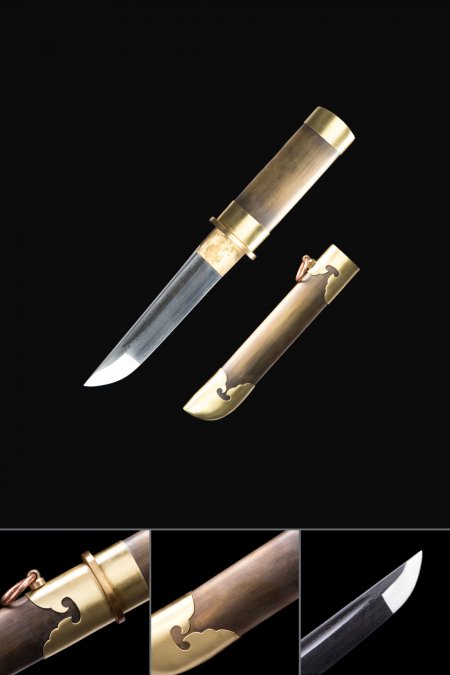
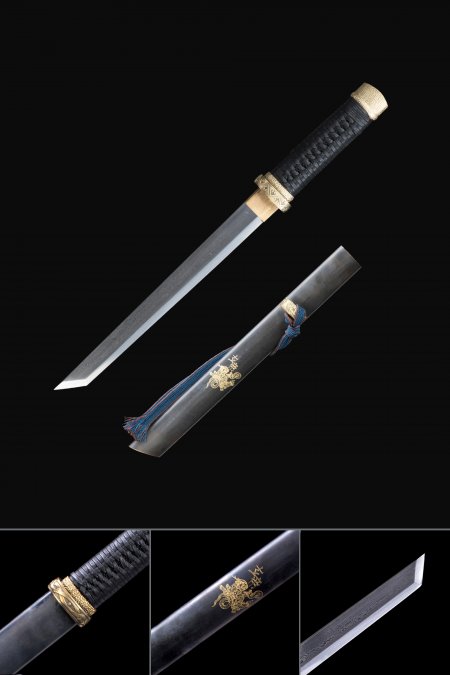
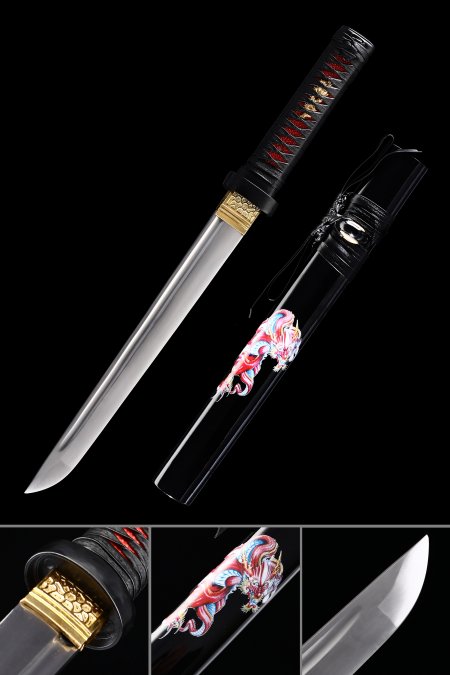
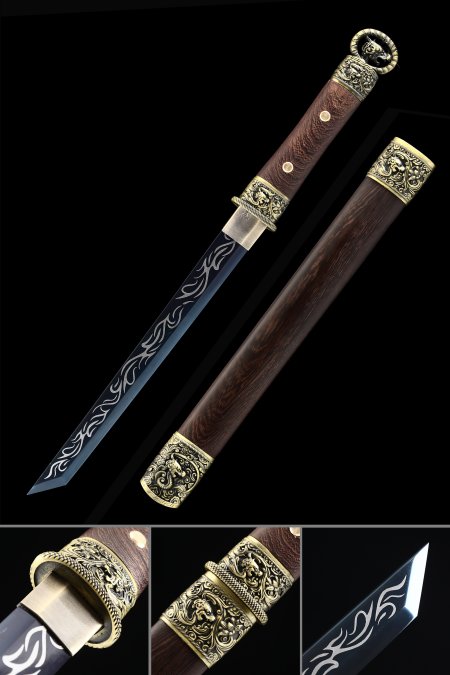
Gold Tsuba Hamidashi

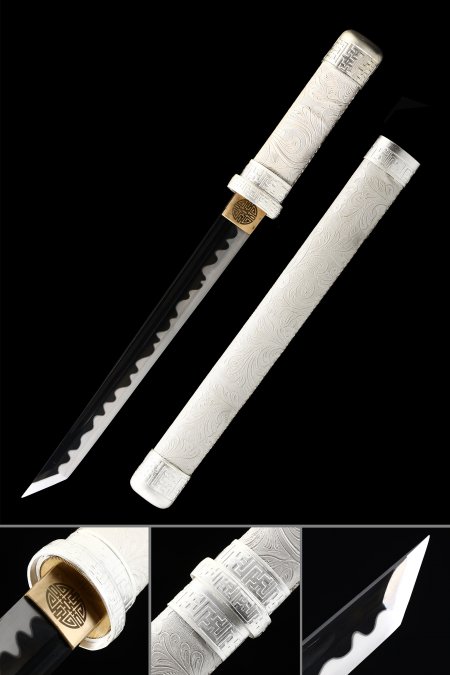
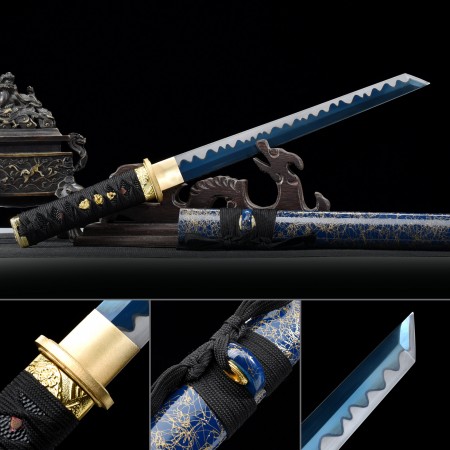
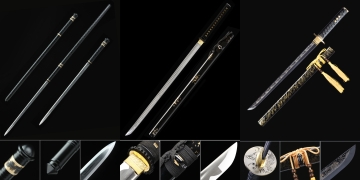
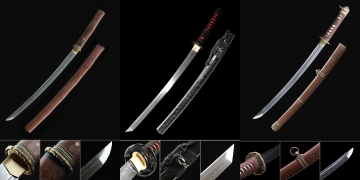
Gold tsuba hamidashi tanto occupy a unique space in Japanese blade collecting — compact in form, yet rich in ornamental detail. The gilded guard frames the blade's abbreviated profile with warmth and visual weight, anchoring designs that range from classical wave motifs to intricate dragon relief work. Each piece in this collection is hand-forged from quality carbon or pattern steel, fitted with full traditional koshirae, and finished to display-worthy standards. Free standard shipping is included on all orders, and we stand behind every piece with a straightforward return policy.
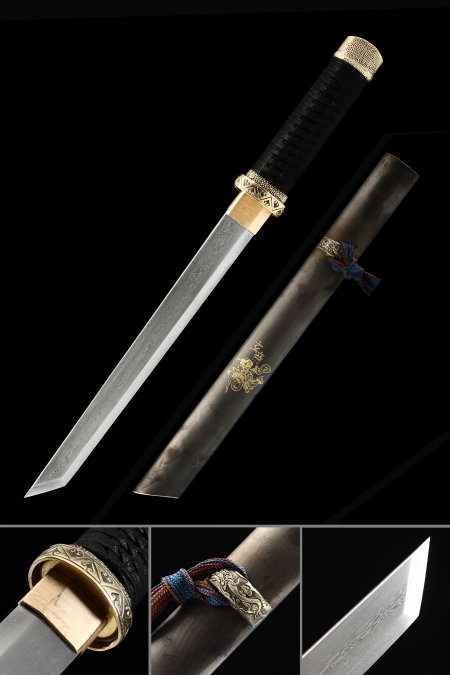
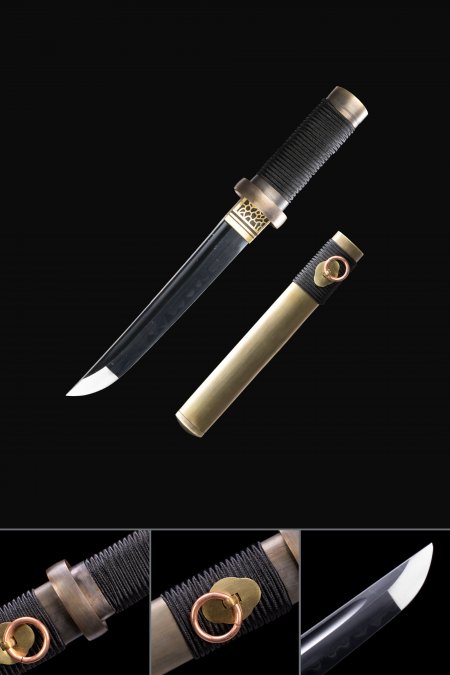
Showing 8 Products

Related Collections

Blue Blade Hamidashi2 items


4 Reviews

Blue Sake Set6 items


Reviews

Damascus Steel Hamidashi4 items


2 Reviews

Frequently Asked Questions

What exactly is a hamidashi tanto?
A hamidashi tanto is a short Japanese blade distinguished by its minimal guard — rather than a full tsuba, it features a very small rim guard that barely extends beyond the handle collar. This design gives the blade a cleaner, more continuous profile than a standard tanto with a conventional guard. In collecting terms, hamidashi pieces are valued for their refined proportions and the challenge they present to the fittings maker: because the guard is so small, every other element of the koshirae — handle wrapping, menuki placement, saya finish — becomes more visually prominent by comparison.
What makes a gold tsuba stand out on a hamidashi?
On a hamidashi, the tsuba is intentionally diminutive, which means a gold or gilded guard reads as a concentrated point of luxury rather than a broad decorative field. The warmth of gold against black lacquer saya creates an immediate focal point that draws the eye to the transition between handle and blade — exactly where the swordsmith's craft is most visible. Historically, gilded fittings were reserved for presentation-grade and ceremonial pieces, so a gold tsuba carries that associative weight. In the pieces here, gilding is achieved through various means including brass with gold finishing and cast alloy with lacquered gold tones, each aging and patinating differently with time.
How do 1045, manganese, and T10 steels differ in these tantos?
1045 carbon steel is a mid-range carbon steel that takes a functional edge and is highly forgiving — it's a good entry point for collectors who also want a display piece that could handle occasional test cutting. Manganese steel offers increased toughness and resistance to chipping, making it well suited to thicker, more robust tanto geometry. T10 is a high-carbon tool steel with added silicon that produces a harder, more refined edge and, when clay-tempered, a visible hamon (temper line) — the quality that dedicated blade collectors tend to prioritize. For pure display value, all three are excellent; for collectors who care about metallurgical detail, T10 represents the highest tier among the three.
How should I store and maintain a gold-fitted hamidashi tanto?
The blade and the fittings require different care routines. For the blade, apply a thin coat of choji oil (or a neutral mineral oil) every few months and after any handling, since skin oils accelerate oxidation on carbon steel. Store the tanto horizontally in its saya, edge upward in the traditional manner, in a location with stable humidity — ideally between 45–55% RH. For the gold-finished tsuba and fittings, avoid abrasive cloths; a soft microfiber wipe removes dust without scratching the gilded surface. Lacquered saya should be kept away from direct sunlight and heat sources, which can cause the lacquer to crack or fade over extended periods.
Are these hamidashi tantos suitable as display gifts?
Gold tsuba hamidashi tanto make particularly considered gifts for collectors because the gilded fittings read as celebratory and refined — appropriate for milestone occasions — while the compact tanto form means the piece displays well even in a small space. For someone new to Japanese blade collecting, a 1045 or manganese steel piece offers accessible entry; for an experienced collector, a T10 or Damascus construction with detailed dragon tsuba motifs signals a higher level of craft awareness. Pairing the tanto with a dedicated display stand completes the presentation. Because these are handcrafted collectibles rather than mass-produced decoratives, each piece carries genuine variation in grain and finish that adds to its individuality as a gift.

Customer Reviews