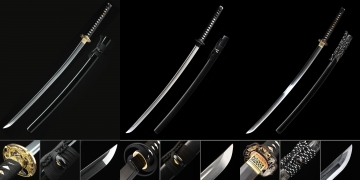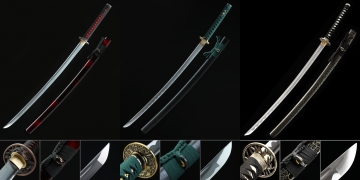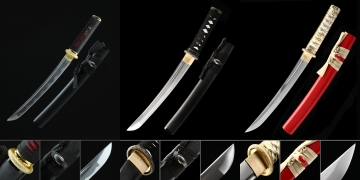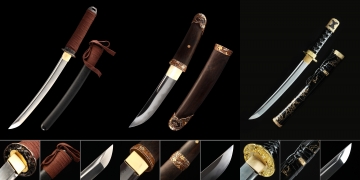
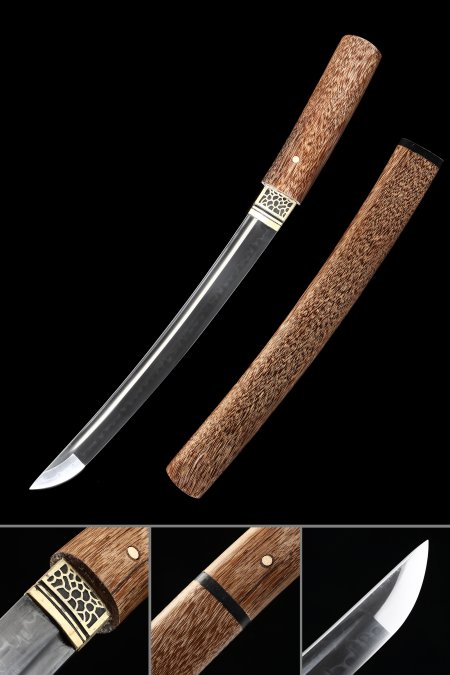
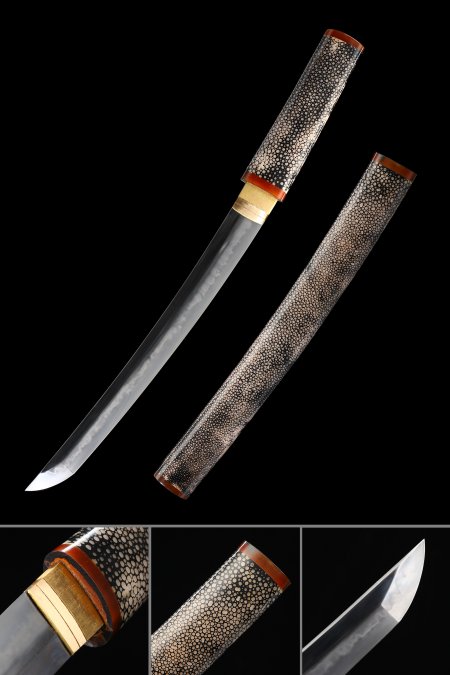
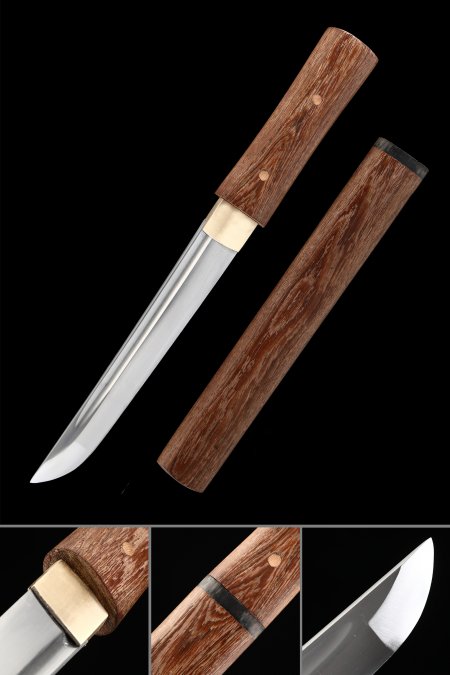
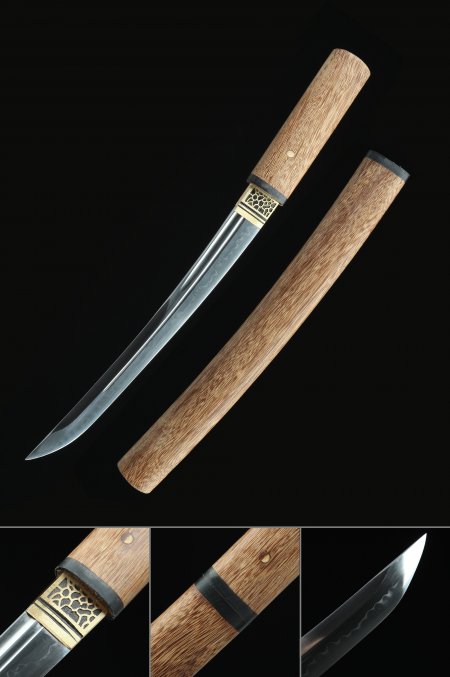
Browse our Japanese Shirasaya Tanto collection, featuring compact blades in the distinctive shirasaya mounting — the plain, undecorated wooden housing that represents Japanese blade craft at its most minimalist. Shirasaya literally means white scabbard, and this mounting strips away all ornamental fittings to present the blade in its purest possible context. Free U.S. shipping and 30-day return guarantee.
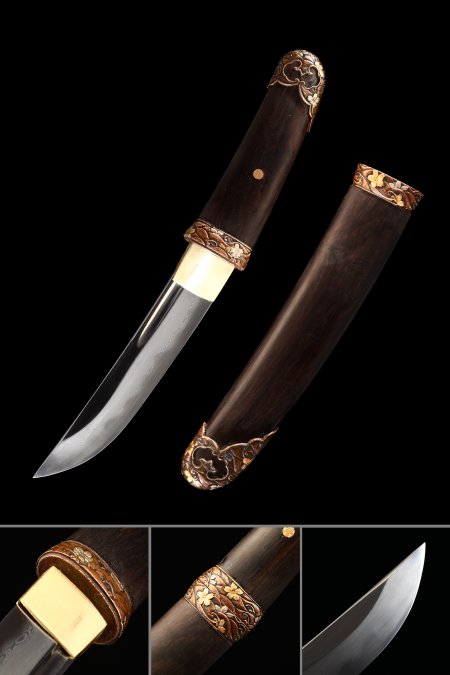
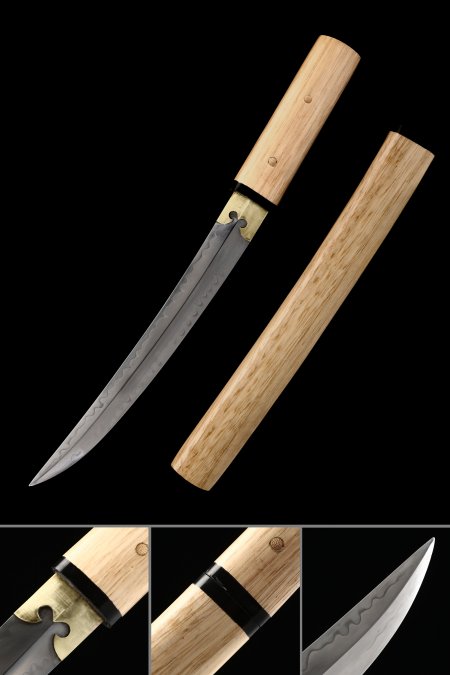
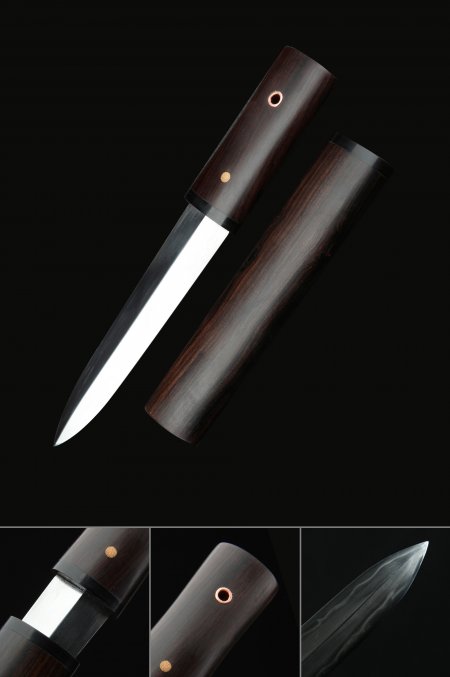
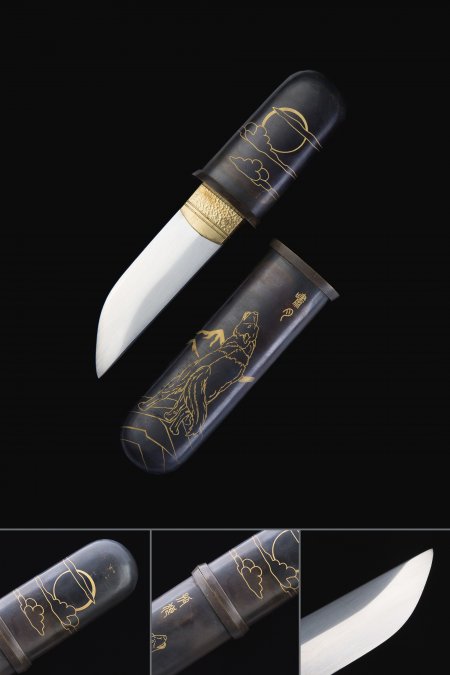
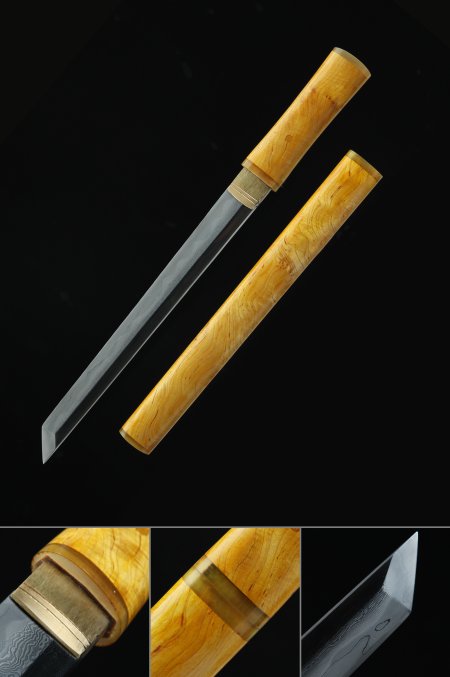
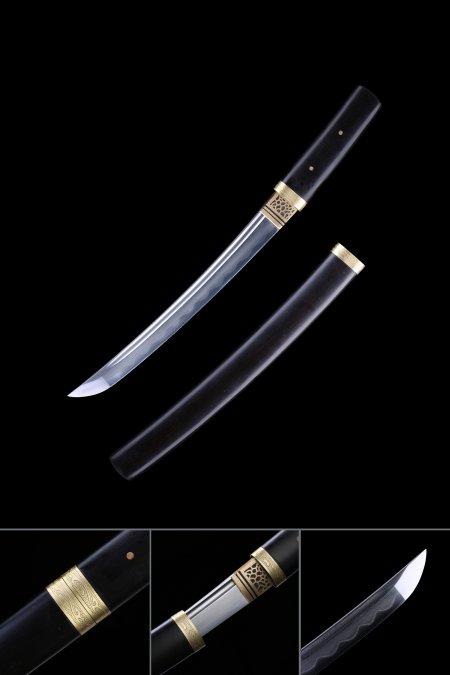
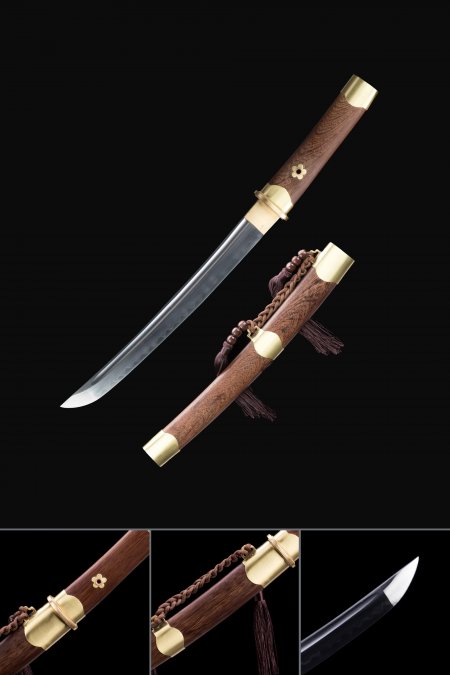
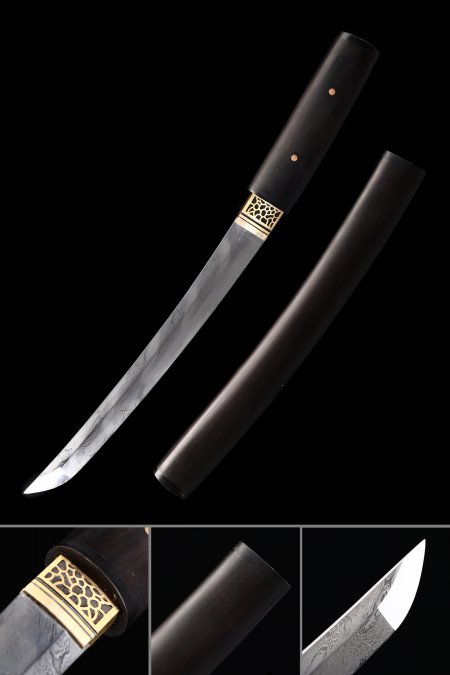
My second blade bought from True Katana and I am very happy with both. Sharp and beautiful to look at.r
Highly recommend
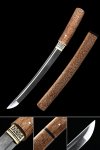 |
Shirasaya Tanto T10 Folded Clay Tempered Steel with Real Hamon in Natural Rosewood Saya |
its my first one, not the only one. i love good for decoration
|
Shirasaya Tanto T10 Folded Clay Tempered Steel with Real Hamon in Natural Rosewood Saya |
Heavy, balanced and display worthy. An awesome piece.
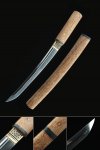 |
T10 Clay Tempered Shirasaya Tanto with Real Hamon in Natural Rosewood Saya - Aikuchi Collectible |
The wooden sheath & handle of high quality. The blade is also of high quality. I love it.
|
T10 Clay Tempered Shirasaya Tanto with Real Hamon in Natural Rosewood Saya - Aikuchi Collectible |
I’m excited about my shirasaya tanto! It is small enough to go with me, discreet enough to go unnoticed, and sharp enough to matter. Well done! The safety warning card was good for a load of laughs.
|
T10 Clay Tempered Shirasaya Tanto with Real Hamon in Natural Rosewood Saya - Aikuchi Collectible |
I have several swords in my collection from your company, I am very impressed
|
T10 Clay Tempered Shirasaya Tanto with Real Hamon in Natural Rosewood Saya - Aikuchi Collectible |
Thank you awesome company fast shipping will buy again.
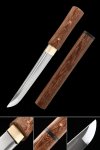 |
1045 Carbon Steel Aikuchi Tanto with Natural Rosewood Handle and Saya - Full Tang Collectible Japanese Short Sword |
I love almost everything thing about this tanto blade. While I could nitpick over insignificant details, my only real complaint is that the blade could be sharper, but bare in mind, I've been a professional cook for nearly 30 years and I'm comparing the sharpness to culinary standards even though I have no intention of using it for cooking.
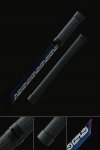 |
Blue Manganese Steel Hamidashi Tanto with Etched Pattern and Black Carbon Fiber Weave Saya |