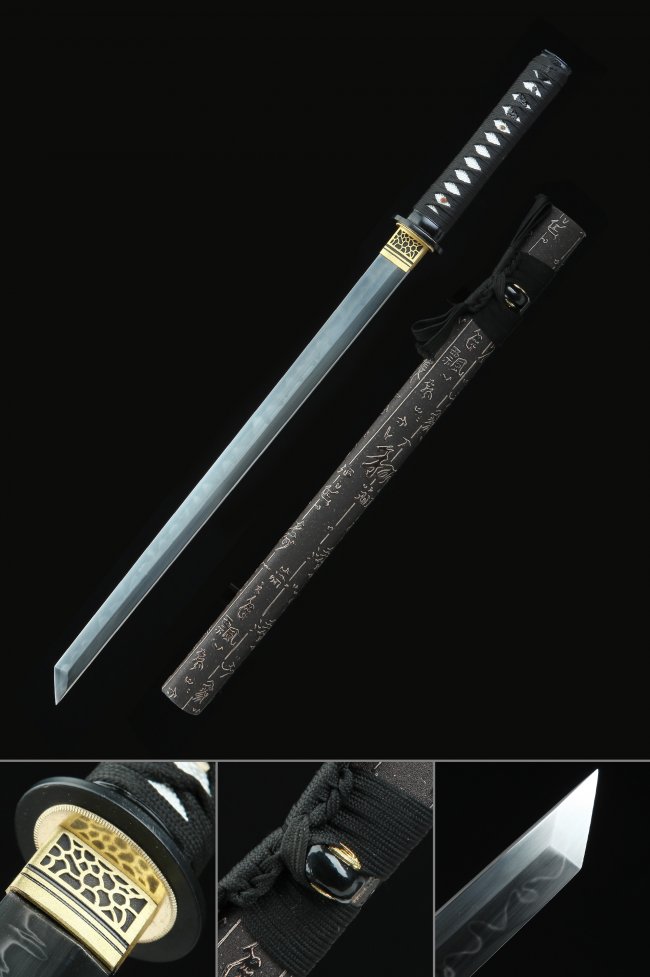
Japanese Straight Sword

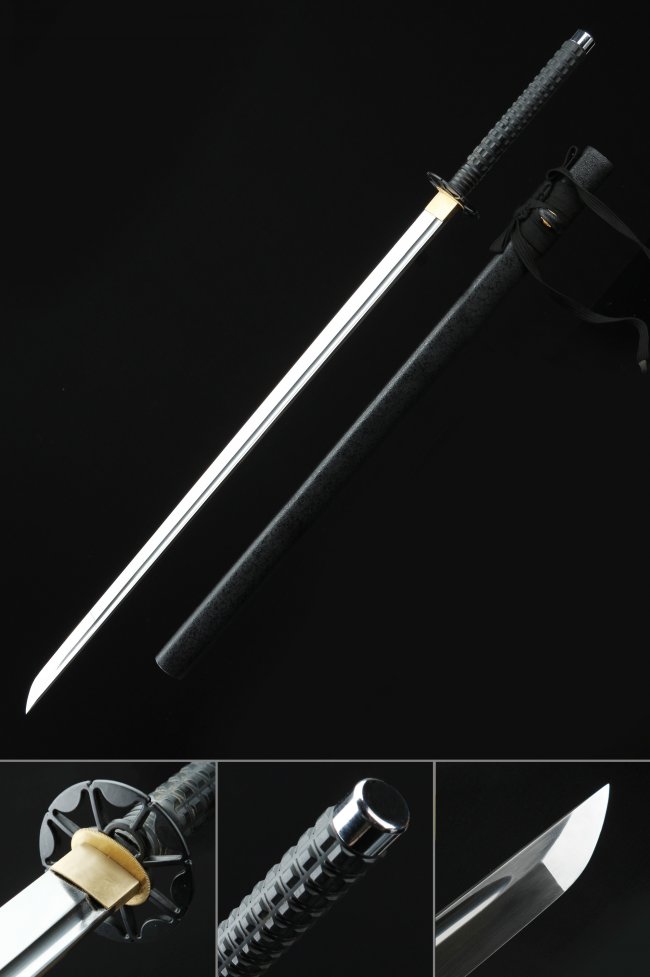
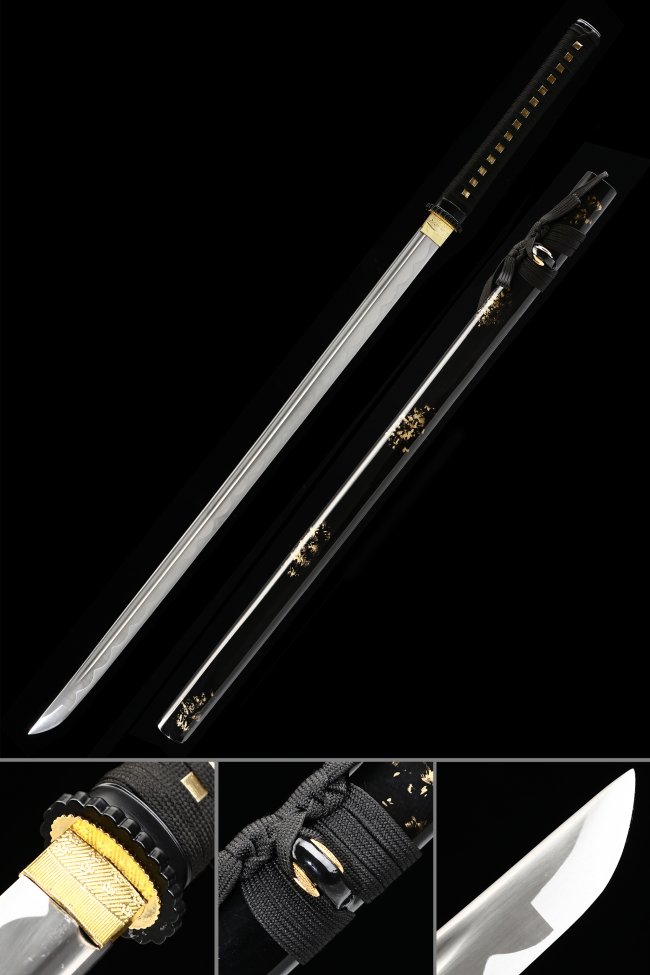
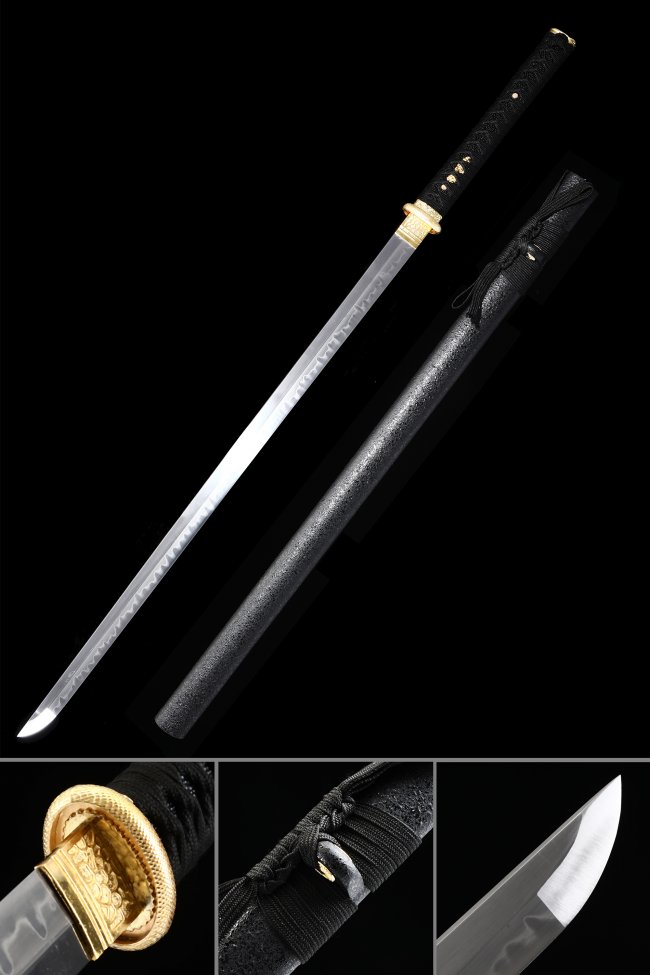
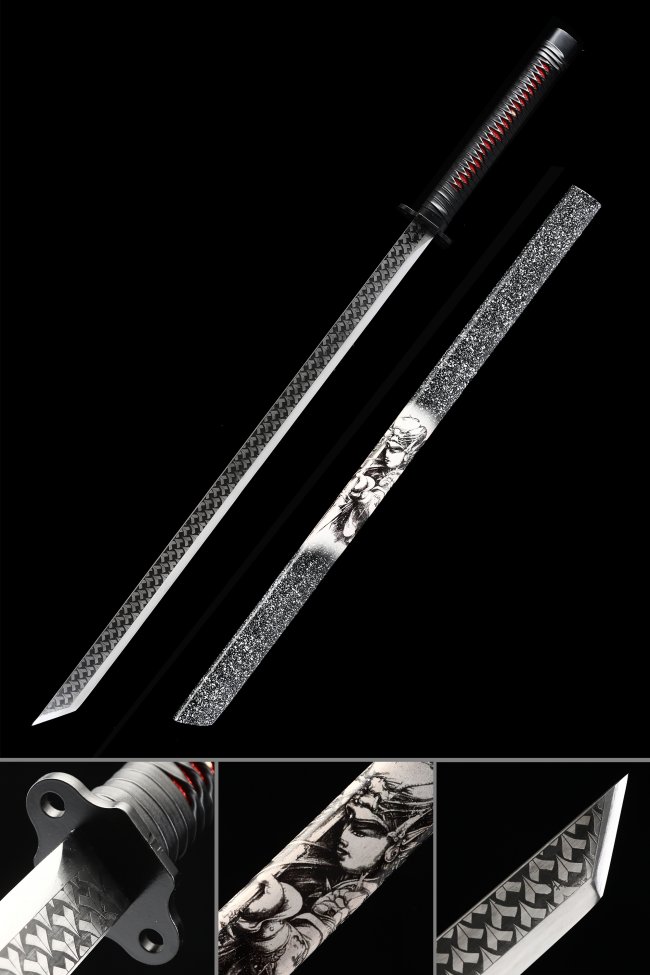
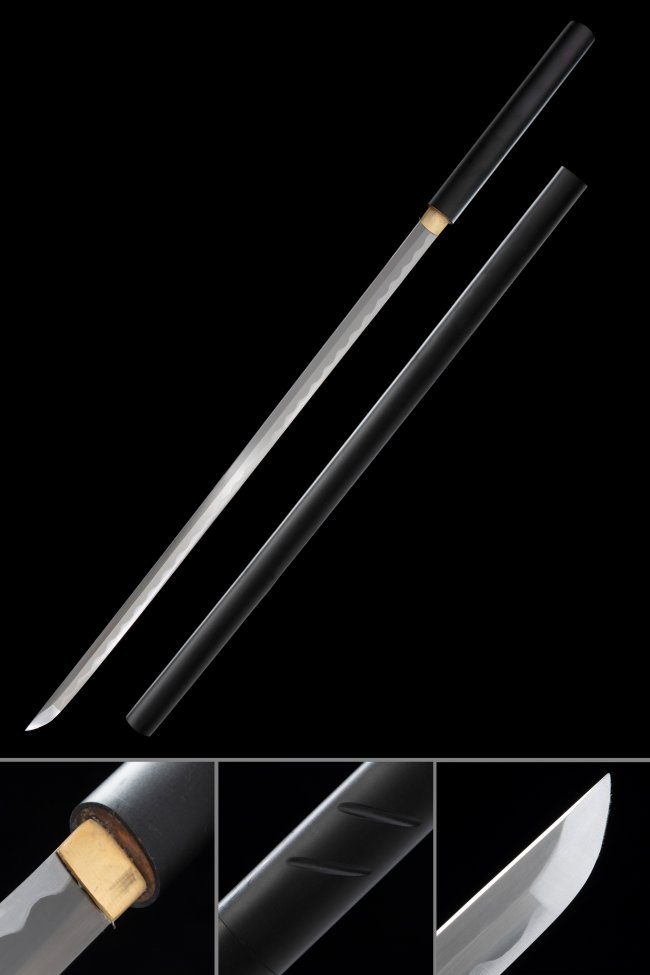
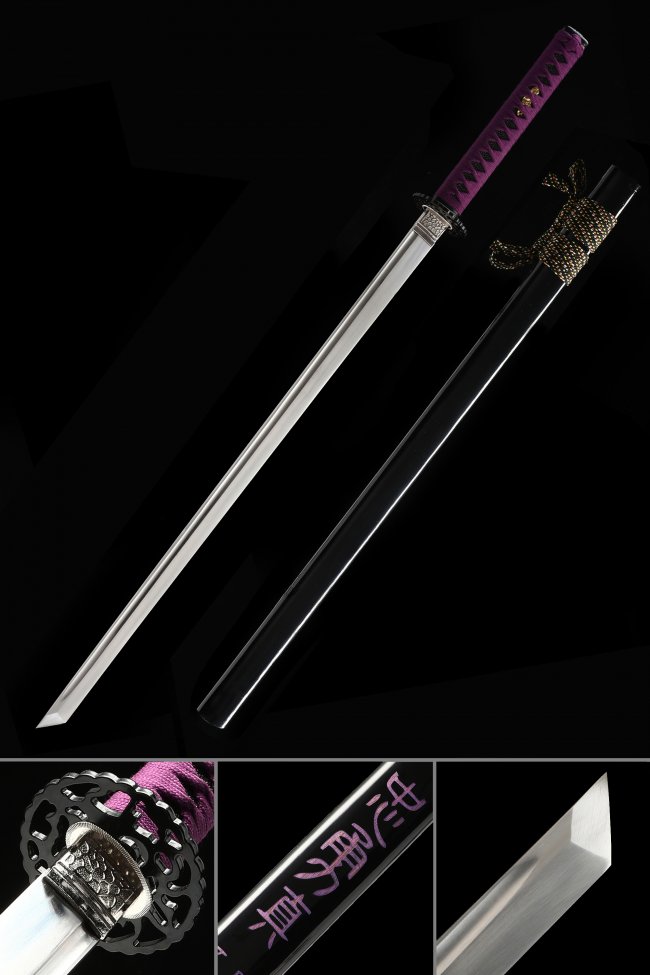
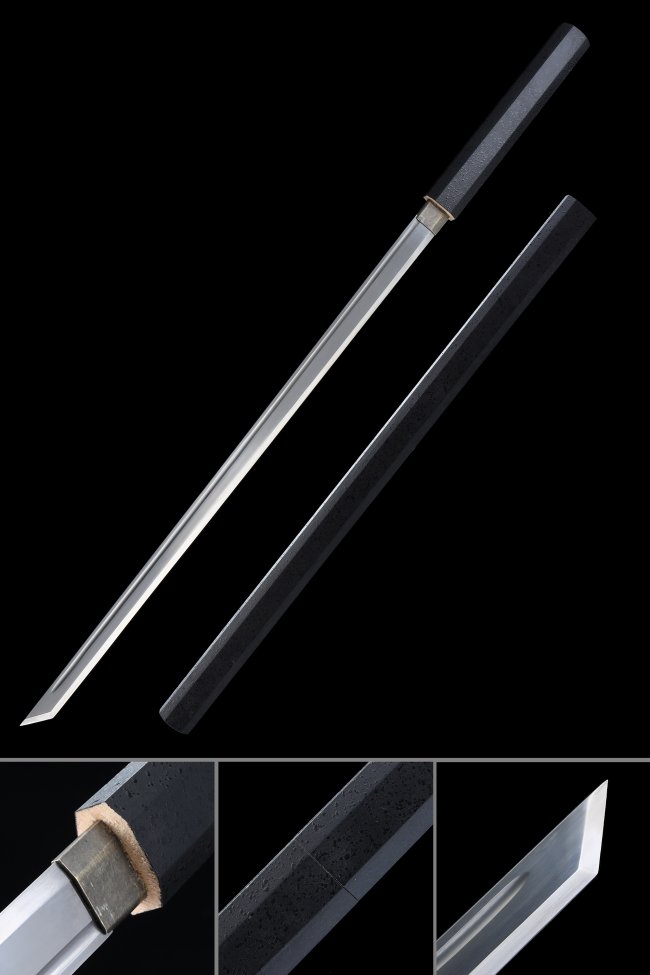
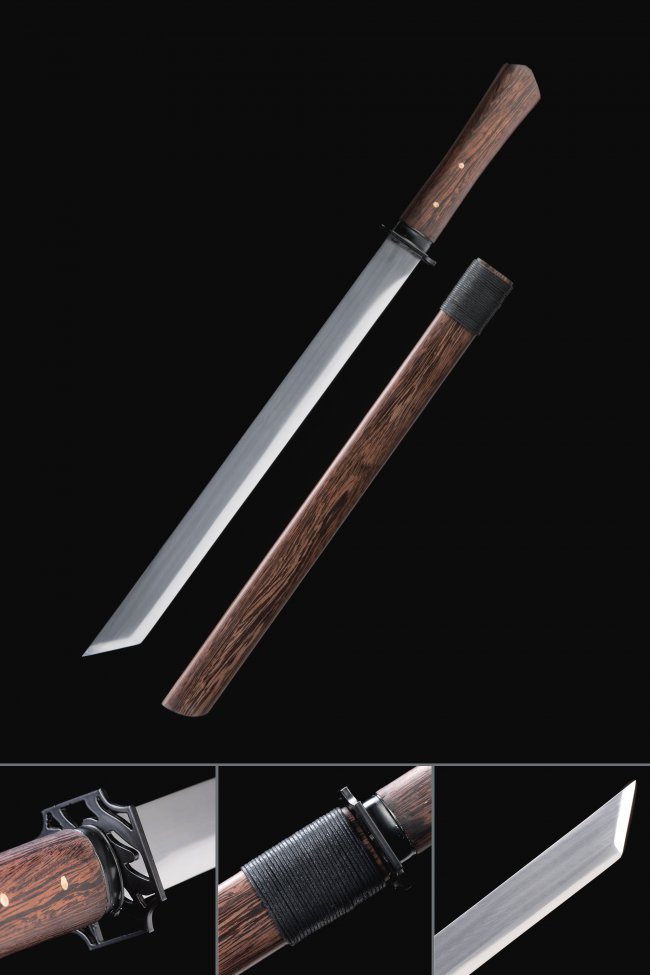
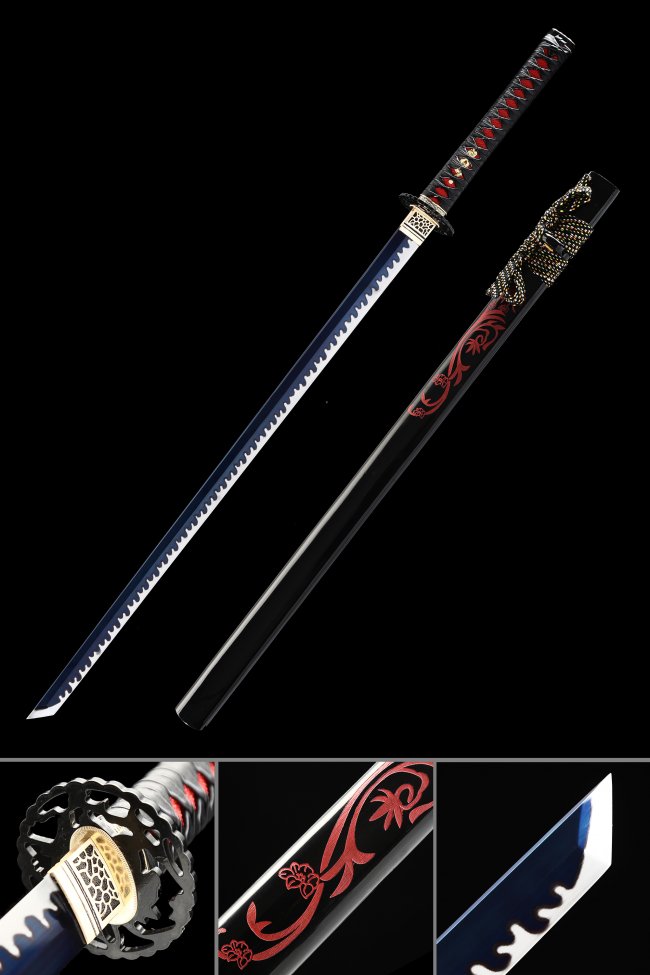
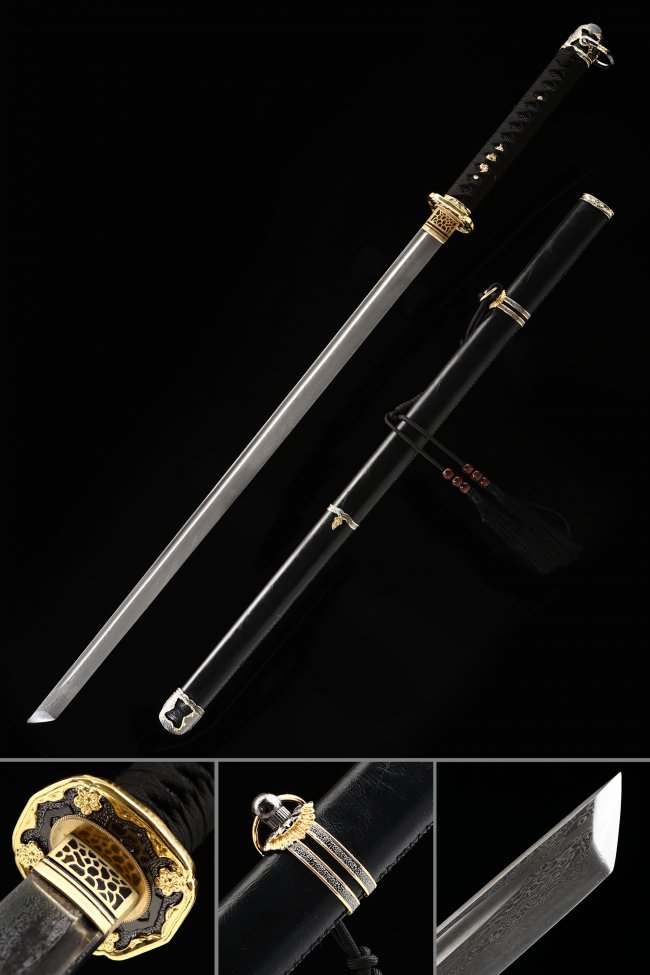
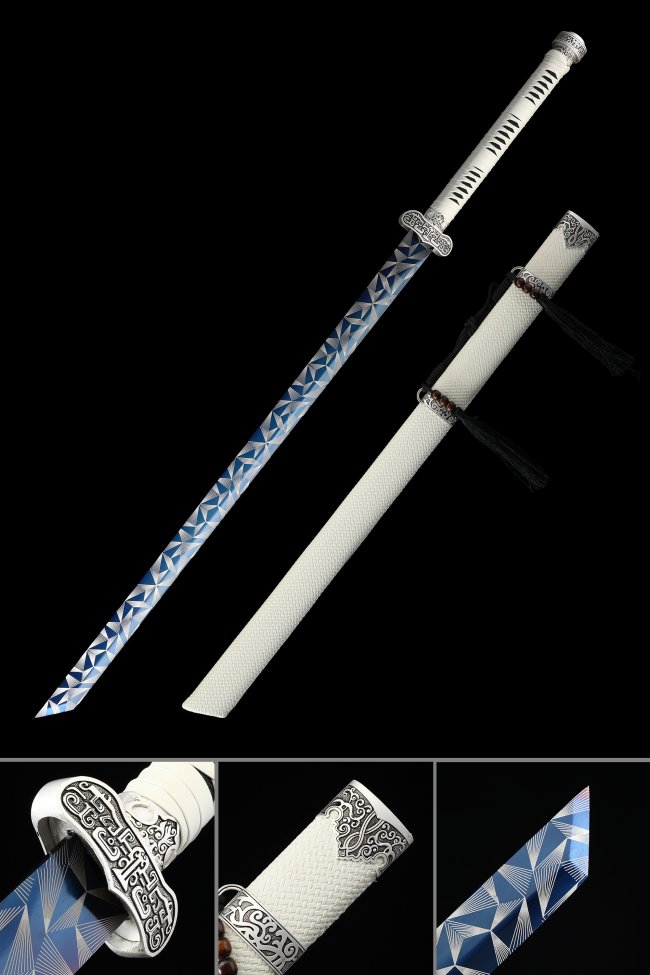
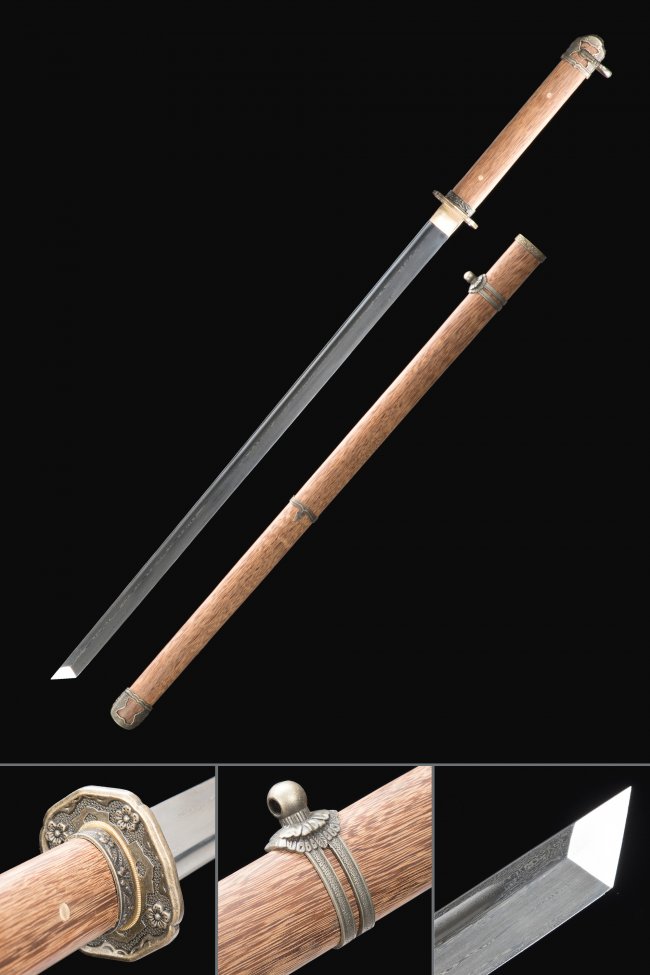
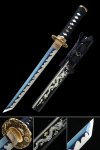
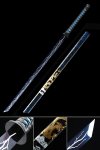
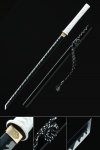
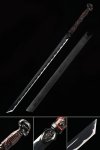
The Japanese Straight Sword traces its lineage to the very dawn of Japanese blade-making, predating the curved katana by several centuries and remaining one of the most recognizable shapes in martial-arts cinema and modern collecting alike. At TrueKatana, every sword in this collection is hand-forged from high-carbon steel and dressed with traditional fittings, so you get the clean linear silhouette of an authentic Straight Ninjato together with the historical accuracy of a Japanese Chokuto Sword. Each piece arrives display-ready with a matching scabbard, a sturdy full tang and a polished edge that doubles as a functional practice tool and a striking room centerpiece.

Showing 54 Products

Related Collections

Authentic Japanese Katana121 items


106 Reviews

Traditional Japanese Tanto79 items


405 Reviews

Japanese Yari4 items


Reviews

Japanese Spear4 items


Reviews

Frequently Asked Questions

What exactly is a Japanese Straight Sword?

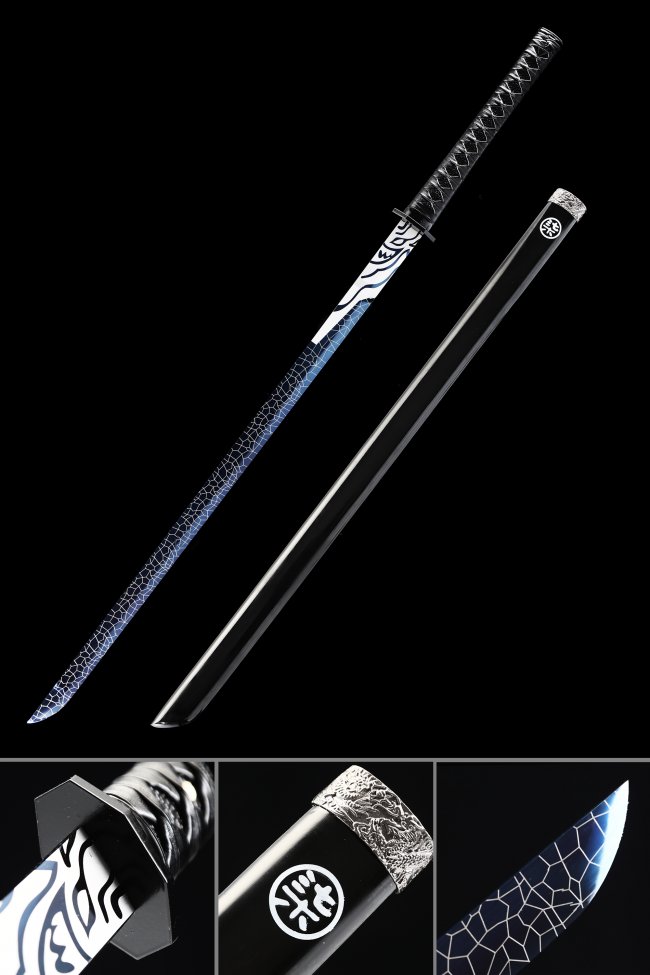
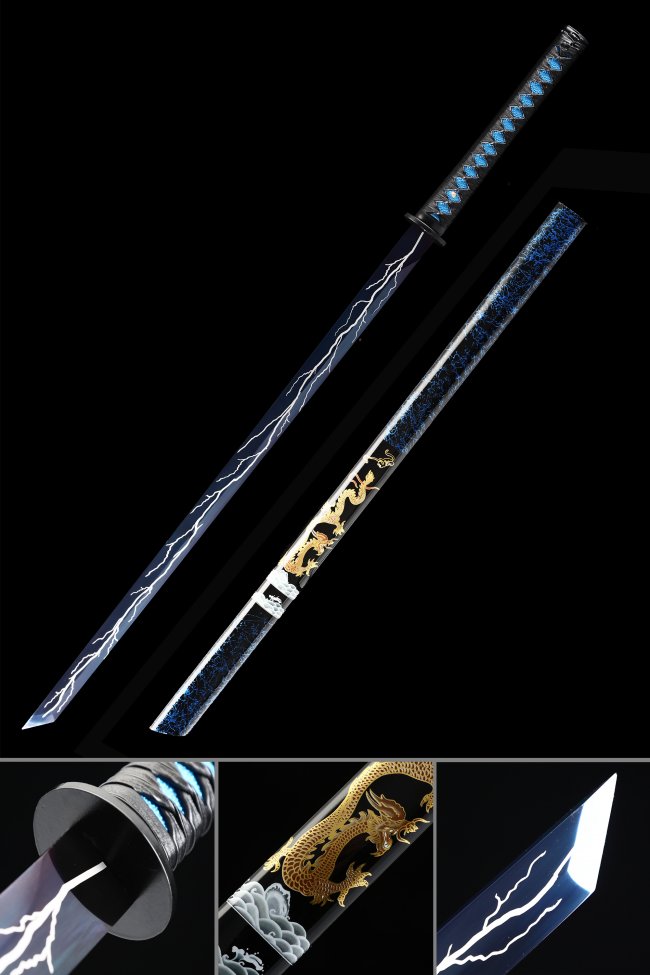
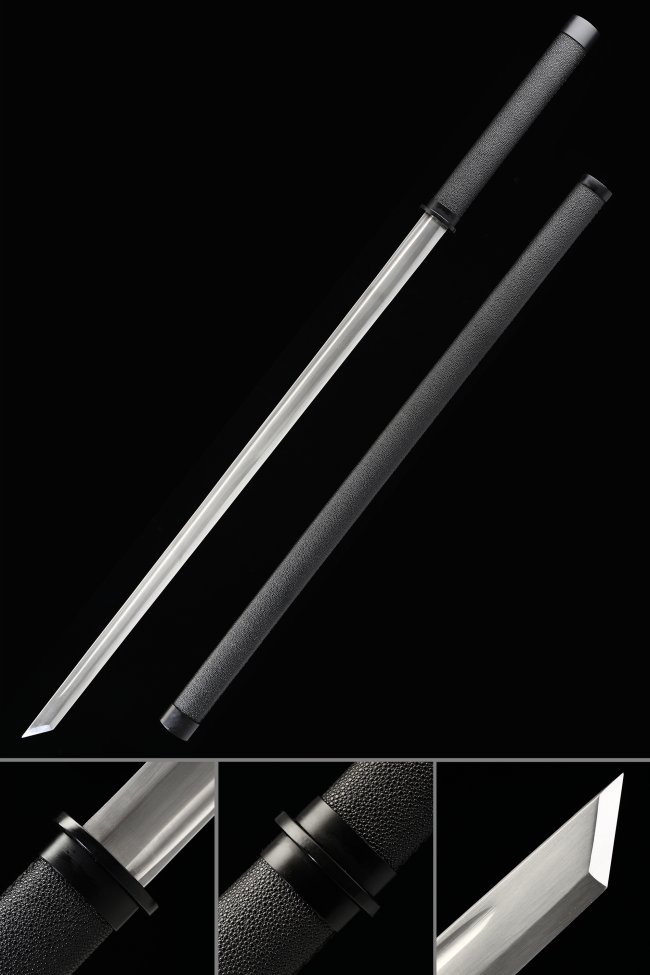
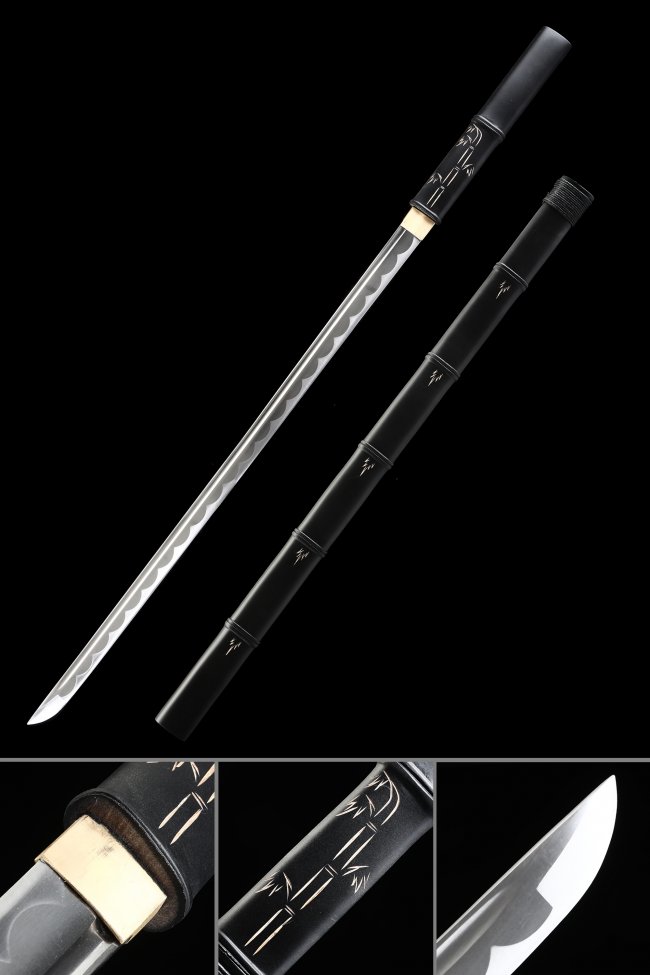
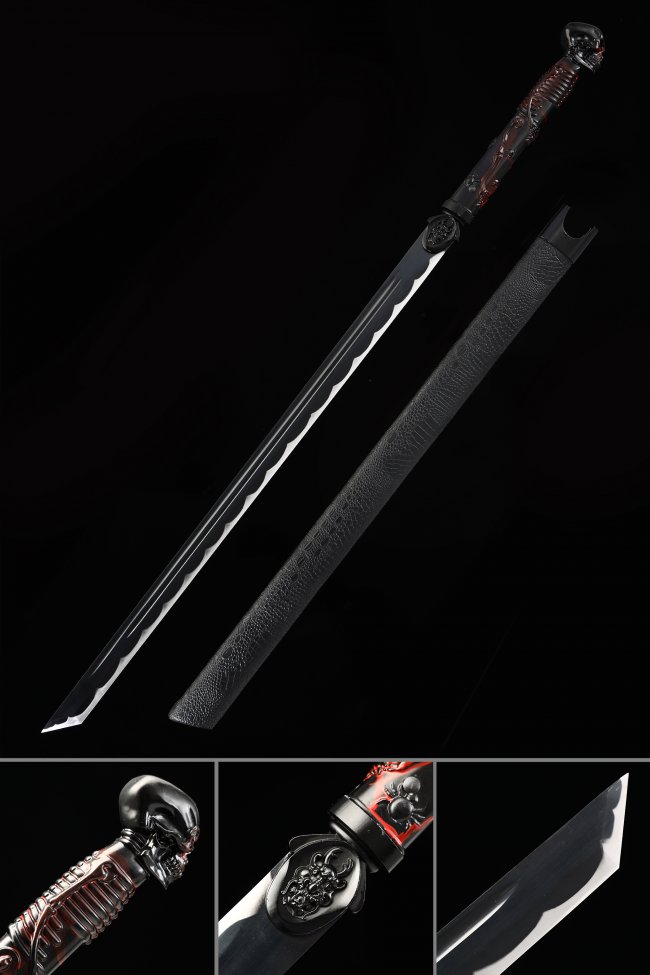
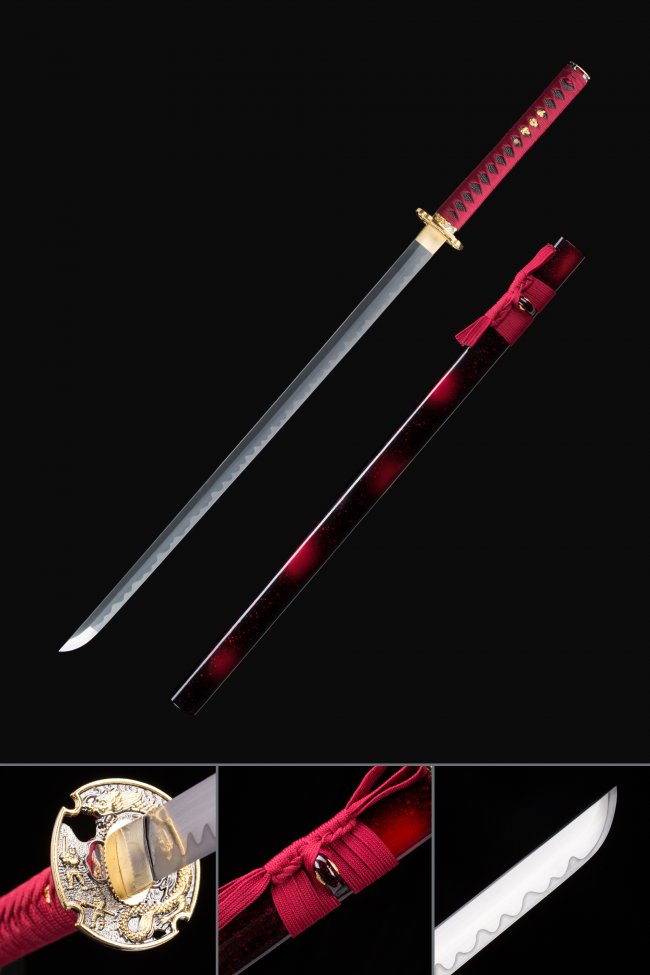
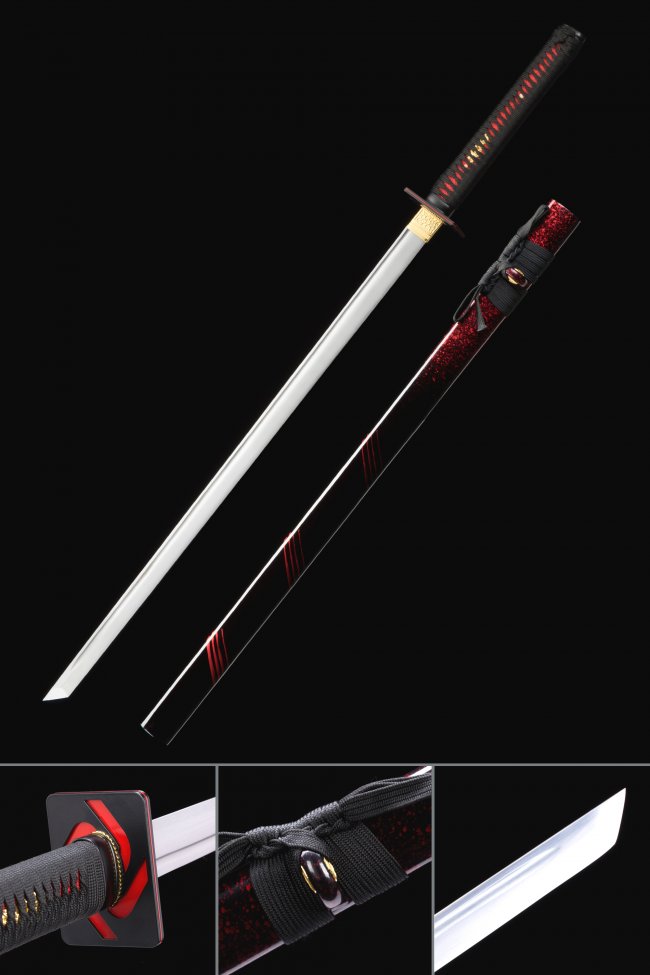
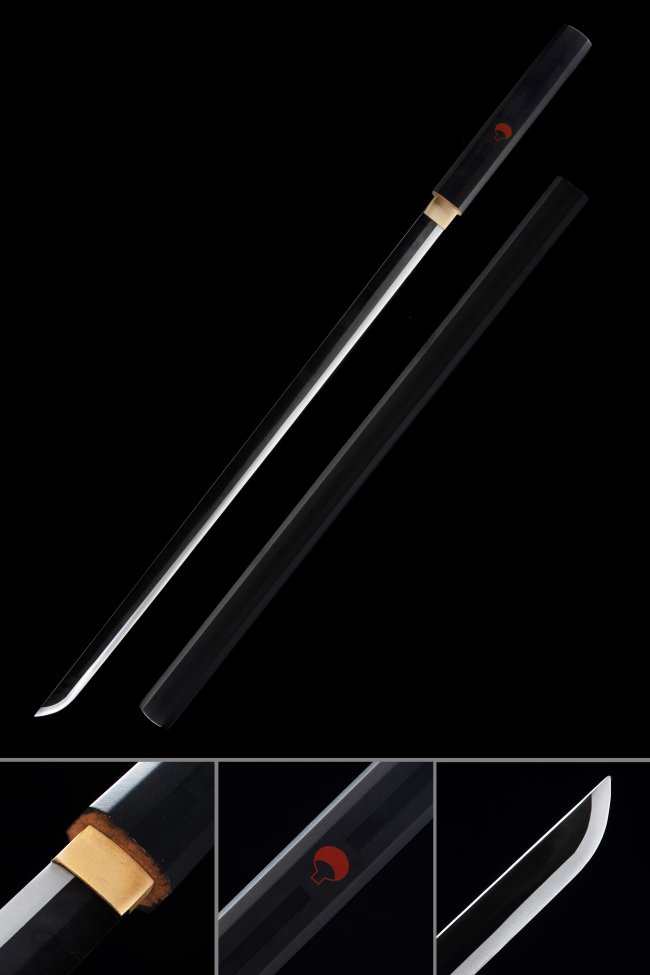
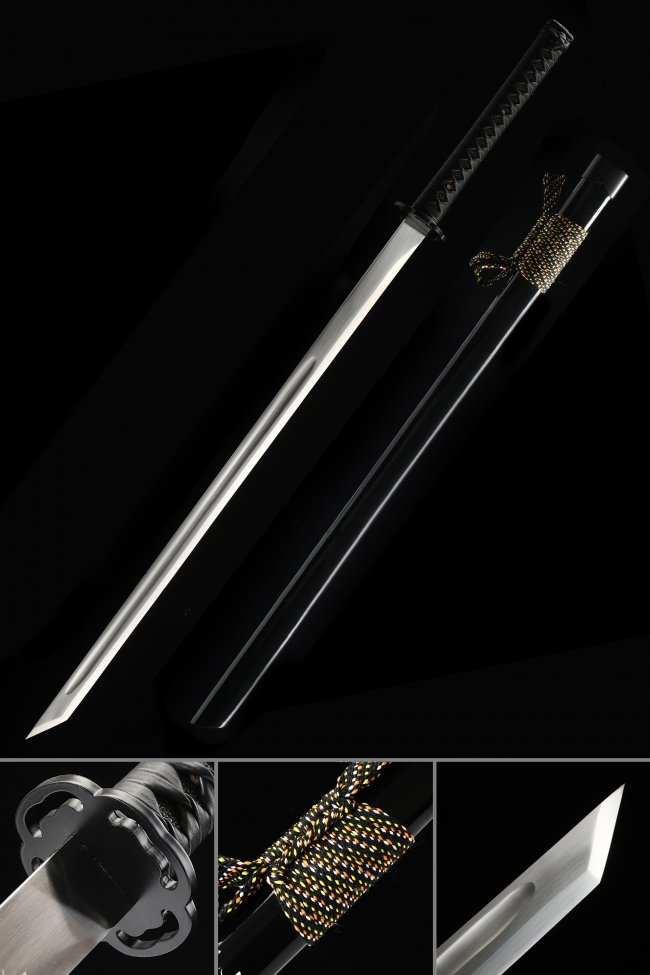
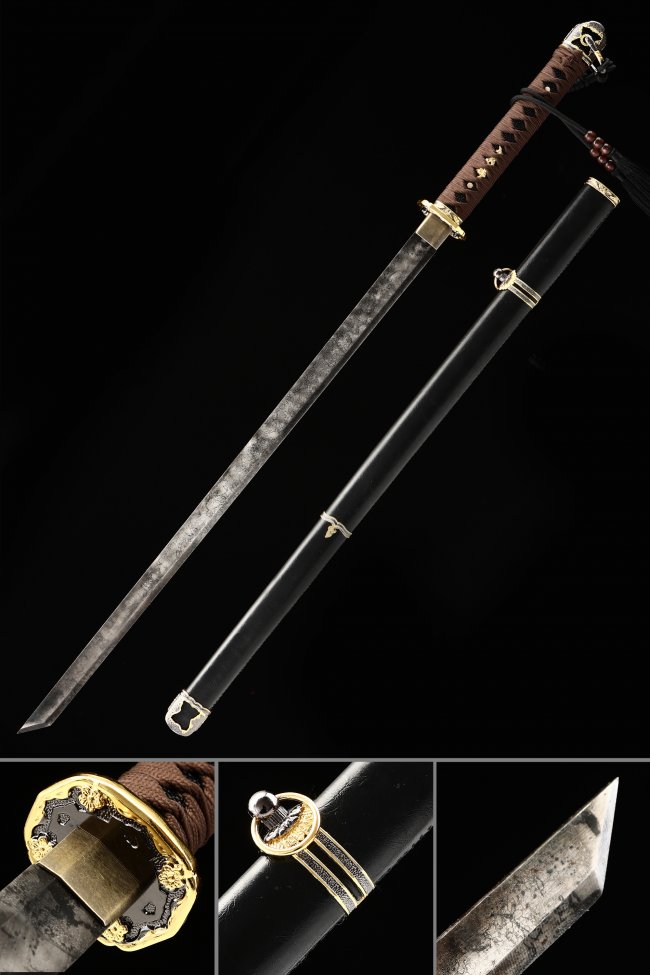
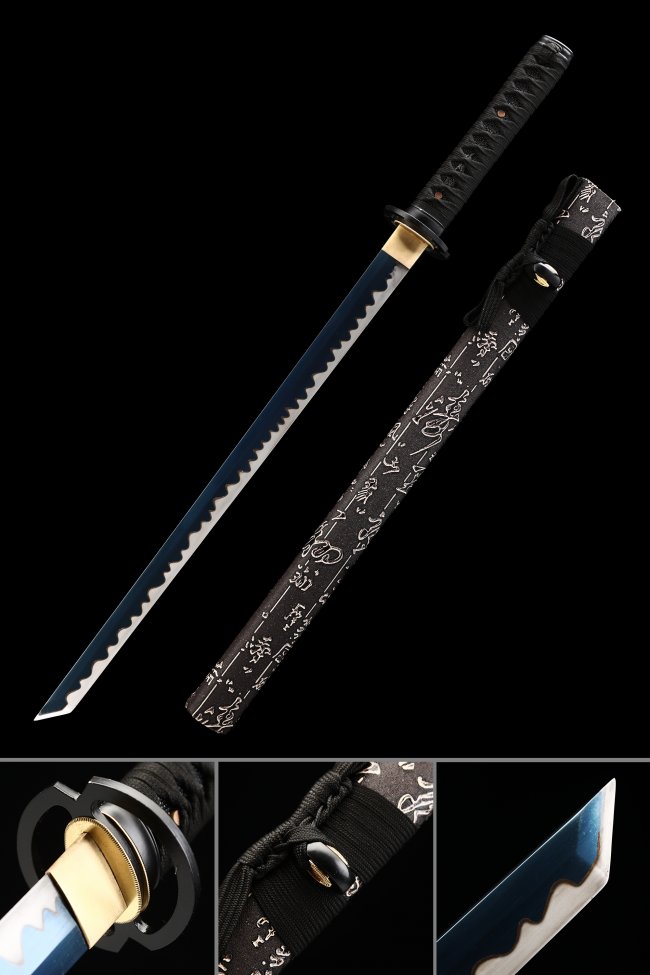
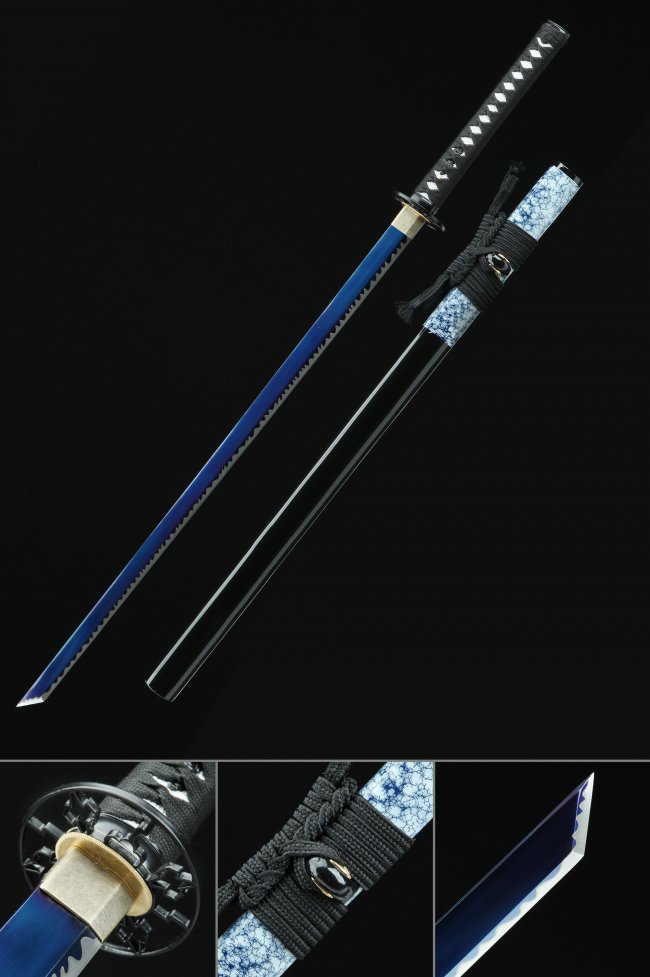
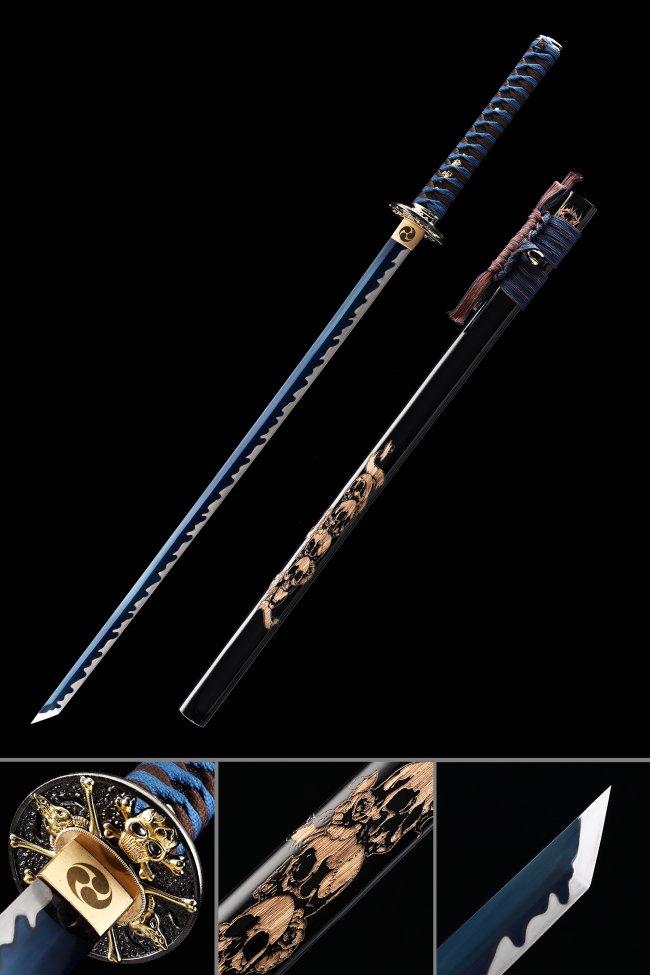
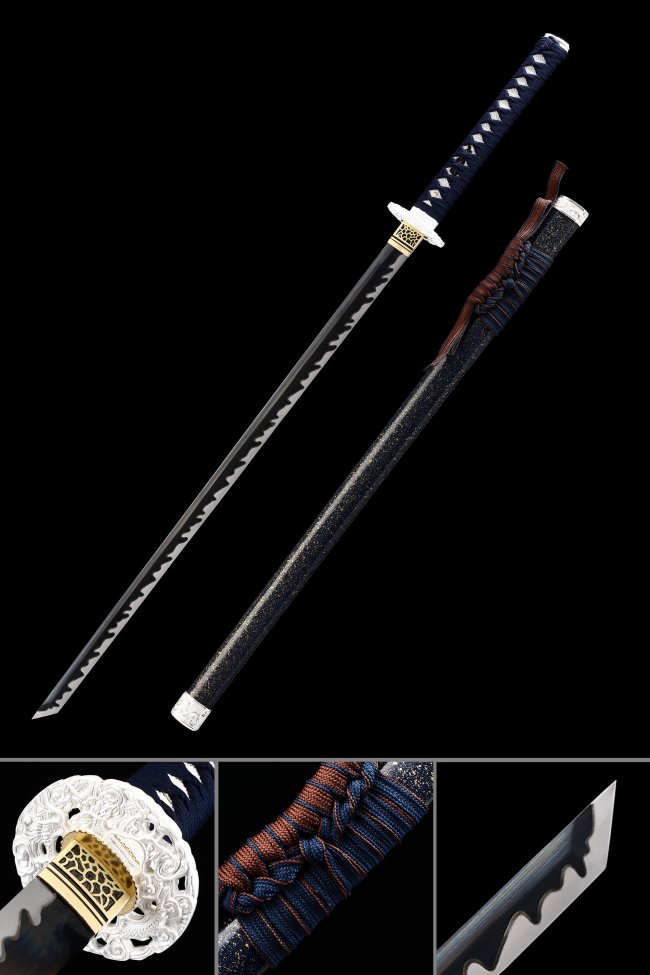
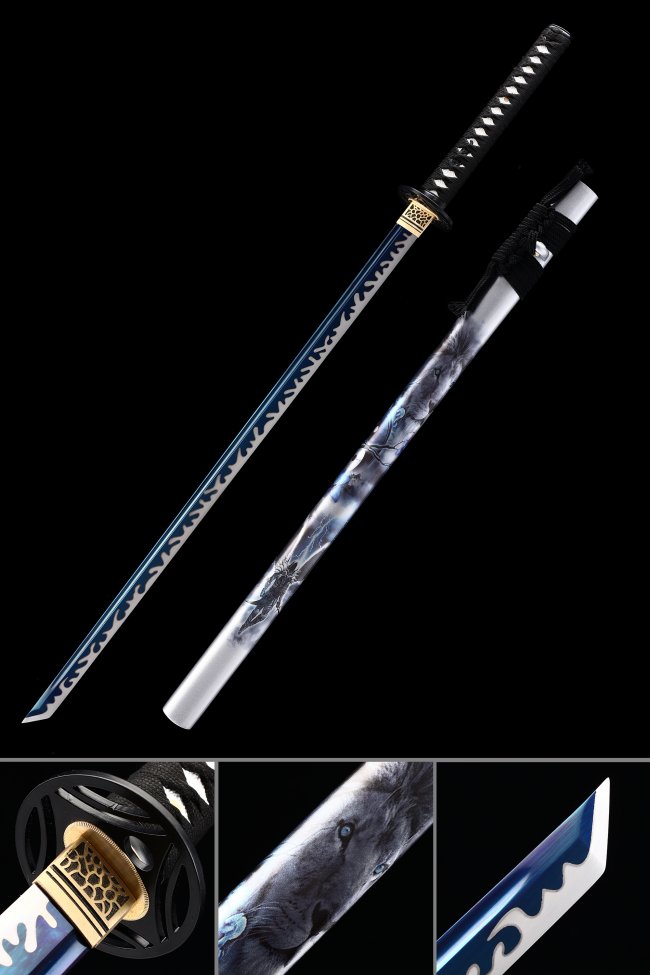
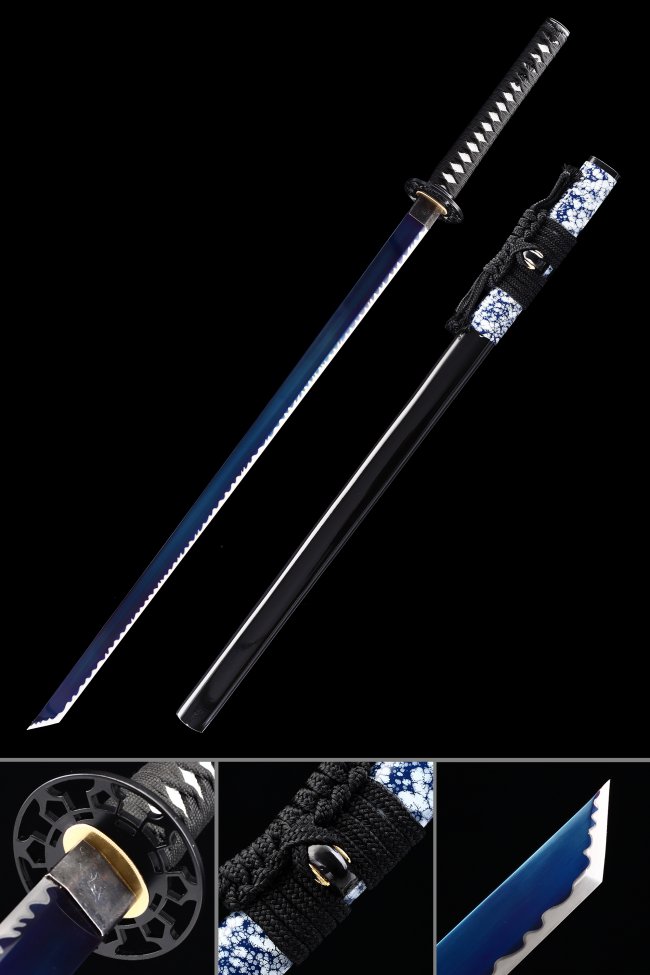
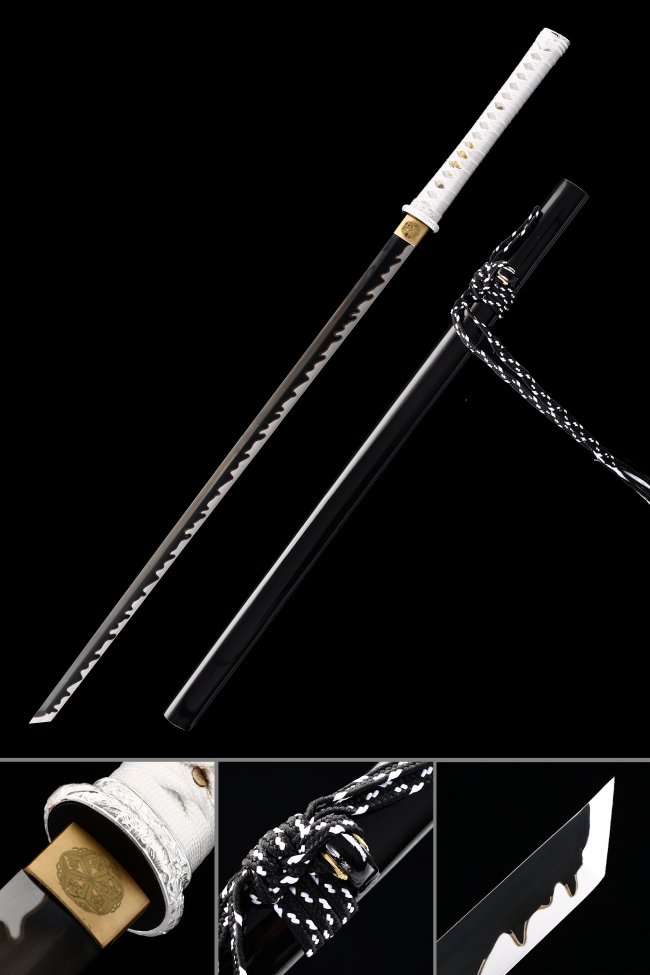
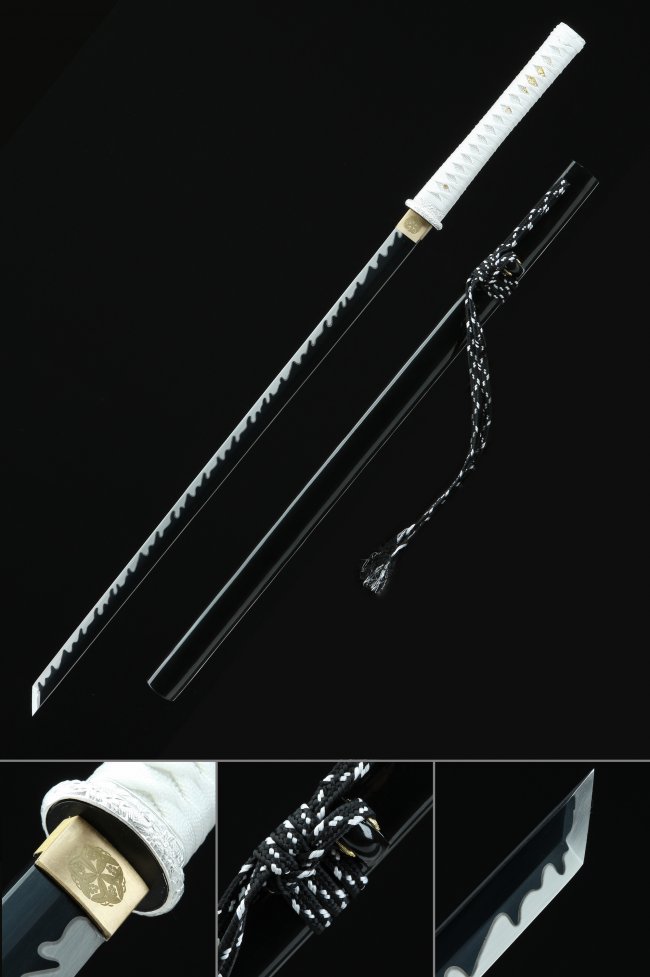
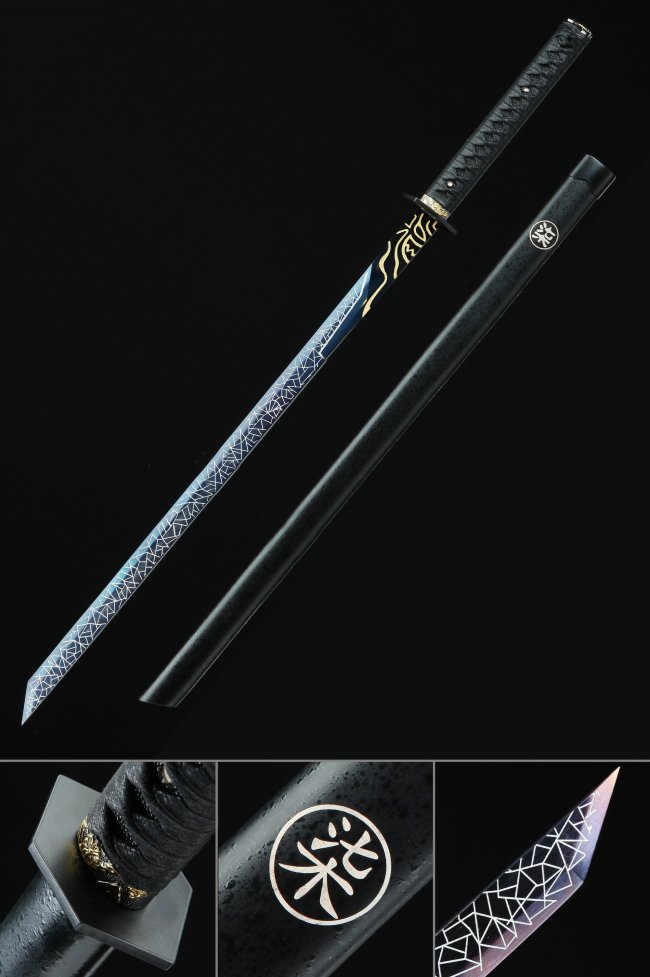
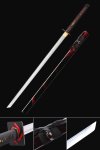
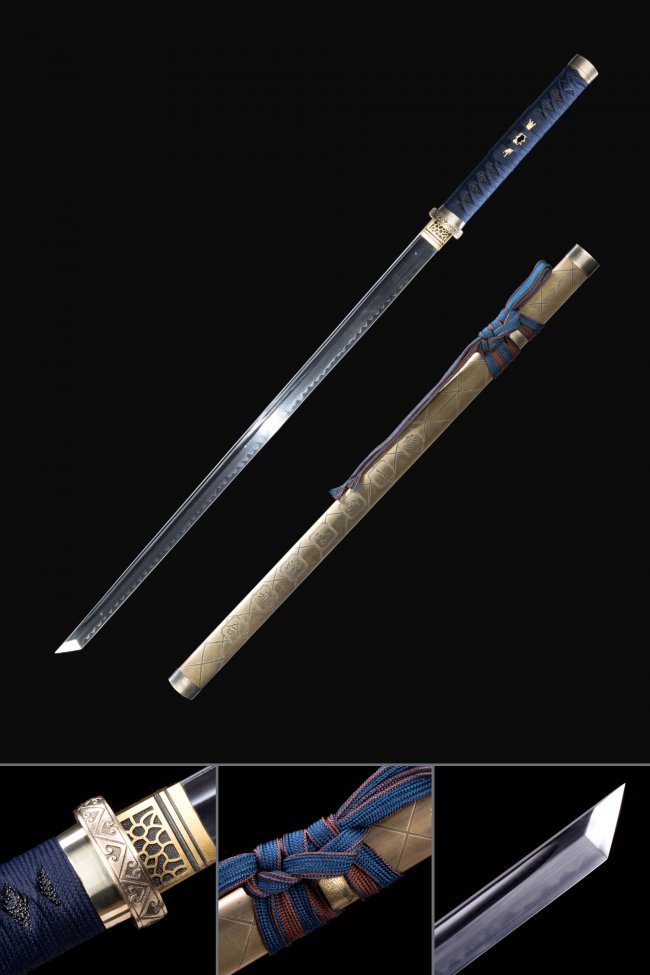
A Japanese Straight Sword is any traditionally styled Japanese blade whose cutting edge runs in a straight line from the habaki to the kissaki, without the gentle sori curvature that defines the more familiar katana. Historically the form is associated with the chokuto, an early Japanese sword type modeled on continental Chinese and Korean designs that dominated the battlefield before curved tachi blades took over in the Heian period. In the modern collecting world, the term also covers the ninjato, a straight-bladed sword popularized by shinobi legends and contemporary martial-arts media. A Straight Ninjato in this catalog typically features a square tsuba, a black-lacquered scabbard and a fully forged carbon-steel blade, while a more historically grounded Japanese Chokuto Sword reproduces the proportions and fittings of those ancient temple-era weapons. Both share the same defining feature: a linear blade that emphasizes thrusting and direct cutting motions rather than the slicing draw cuts at which a curved katana excels. The straight format has a clean, disciplined visual character that many collectors find more striking than the more familiar curved silhouette, and it tends to look stunning when displayed on a single horizontal stand against a neutral wall.

How is a straight sword different from a curved katana?

The most obvious difference is the curvature. A traditional katana features a gentle sori curve along the spine that helps the blade slice cleanly through soft targets when drawn in a single fluid motion, while a straight sword has no such curve and relies more on direct chopping or thrusting motions to deliver power. The historical contexts also differ. The katana evolved during the Muromachi and Edo periods for foot combat by professional samurai, whereas the straight chokuto belongs to the much earlier Kofun and Asuka periods and was carried by warriors influenced by mainland Asian sword traditions. Mountings differ too: a curved katana usually wears a round tsuba in iron or brass, while a Straight Blade Ninjato often features a square tsuba that visually echoes the rectangular geometry of the blade. Finally, draw mechanics are not identical. A curved blade follows the natural arc of the wrist and shoulder during iaido draws, while a straight blade requires a more linear motion, which some practitioners actually find easier to learn. Choosing between the two is ultimately a matter of personal taste, intended practice style and the visual aesthetic you want for your display.

What kind of steel is used inside a Japanese Straight Sword?

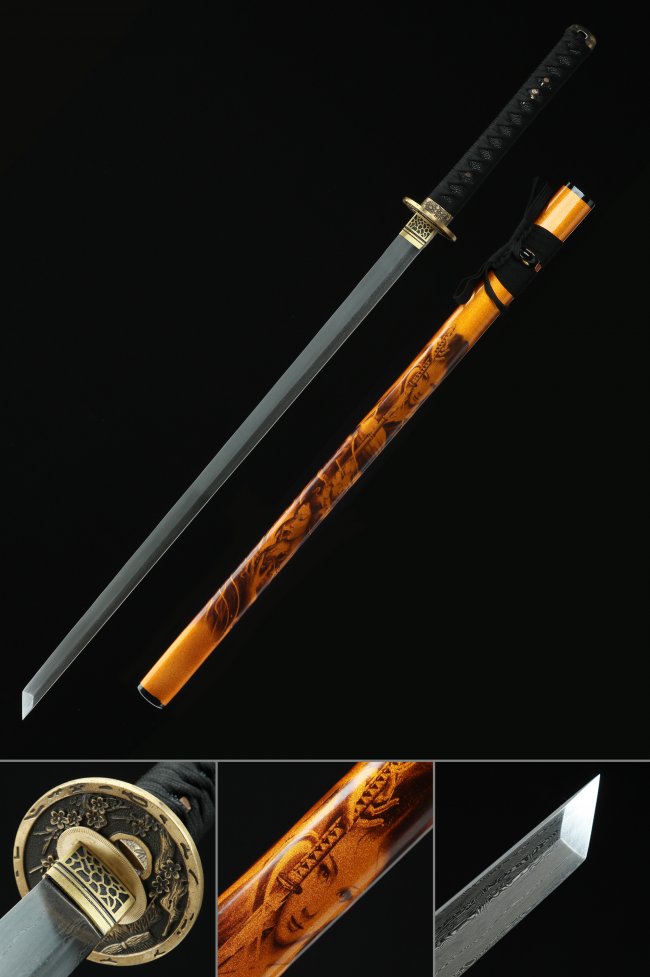
The blade core inside a straight sword is identical in quality to the standard hand-forged ninjato and katana that have made TrueKatana a trusted name. Most entry-level pieces use 1045 or 1060 high-carbon steel, which is shock-tolerant, easy to sharpen and ideal for both display and light cutting practice. A High Carbon Steel Ninjato in a straight pattern offers an excellent balance of toughness and edge retention, which makes it the most popular middle-ground choice for first-time buyers. Mid-tier and premium variants step up to 1095 high-carbon steel, T10 tungsten-alloy steel or fully folded steel, and a Damascus Ninjato built to the straight format adds the visible flowing pattern of folded layers that historical smiths achieved through tamahagane refinement. All of these steels can be heat-treated to traditional Japanese hardness levels, with edge zones reaching HRC 58 or higher and softer spines that absorb impact without chipping. The final hardness, blade taper and weight balance are tuned by hand by experienced smiths, so the sword behaves like a genuine functional blade rather than a wall ornament. Always confirm the exact steel grade in the product listing before checkout to ensure you are getting the construction level you expect.
How do I care for and maintain my straight sword?

Proper care keeps a high-carbon Japanese blade beautiful for decades, and the routine is simpler than most buyers expect. Always wipe the blade down immediately after handling using a clean soft cloth, since fingerprints contain oils and salts that begin oxidizing carbon steel within hours. Apply a thin film of choji oil or a light mineral oil every two to four weeks for display blades, and after every cutting session for working blades. A Clay Tempered Ninjato needs slightly more attention than a uniformly hardened blade because the differential heat treatment creates a more reactive cutting edge. A Folded Steel Ninja Sword requires the same care, with extra attention to keeping the visible hada pattern free of haze. Store the blade horizontally in a low-humidity area and keep it inside its saya only when the inside is fully dry; trapped moisture is the leading cause of pitting. Inspect the mekugi pin every few months and replace it if you notice splitting, since this small bamboo pin is what holds the blade securely inside the tsuka. Avoid touching the polished surface with bare skin, never test the edge against hard materials, and never store the sword in a leather scabbard for long periods because tannins will corrode the steel surface over time.

Can I pair a straight sword with a tanto for a coordinated set?

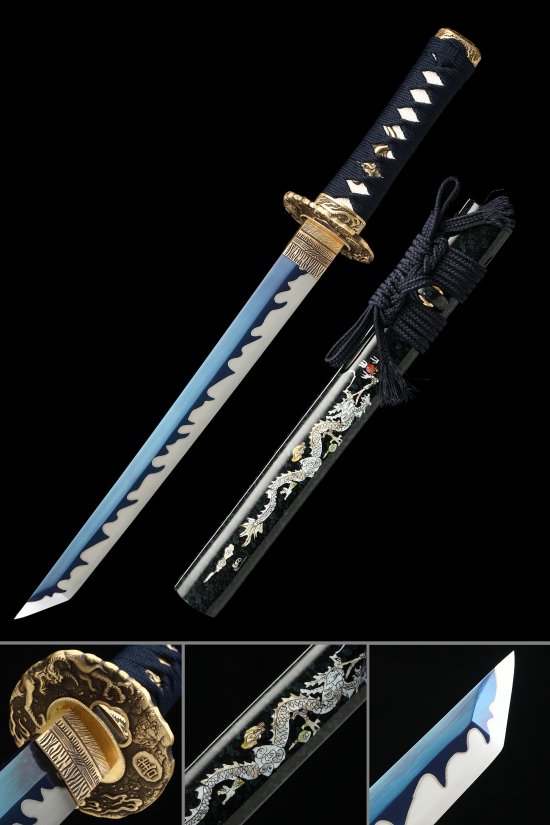
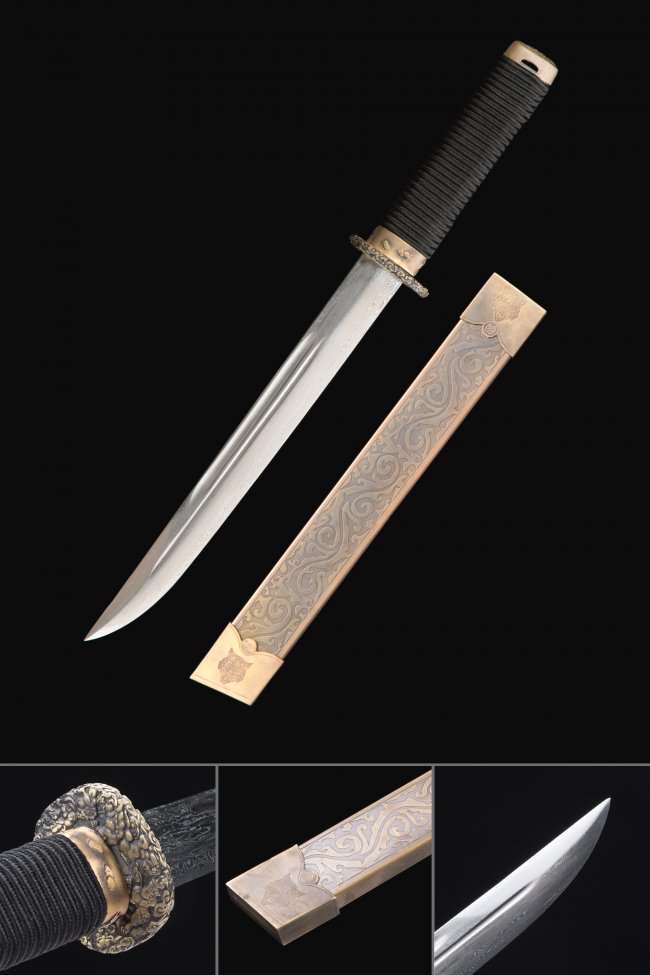
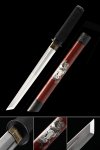
Absolutely, and many collectors enjoy assembling coordinated displays that pair a straight long sword with a matching short blade. The classic samurai daisho pairs a katana with a wakizashi, but a straight-sword themed display works equally well when matched with a straight-bladed dagger. A Japanese Straight Tanto mirrors the linear geometry of the long blade in compact form, making the pair read as a unified design statement rather than a mismatched assembly. A Straight Tanto Sword with a similar square tsuba and matching scabbard color creates an even tighter visual relationship, especially when both are mounted on a tiered horizontal stand. Choose fittings that share the same metal tone, the same ito color and the same saya finish so the pair reads as a single composition. If you want to push the display further, add a coordinated wall scroll or framed kanji print behind the stand to anchor the composition. Position the arrangement away from direct sunlight and high humidity to protect both blades, and consider adding a small dehumidifier in the room if you live in a coastal or tropical climate. With thoughtful pairing, a single sword grows into a museum-worthy collection.

Customer Reviews

Mark Bell California, United States

Arrived right on time.r
Blade, saya, hilt. All up to True Katana's standards.r
Of course I've already dinged the saya, because I can't have nice things. r
r
I believe this is my seventh purchase....r
r
No, I'm not addicted at all!r
Of course I am sane and rational. r
r
Seriously though. r
This blades name is Ryuketsu.

High Manganese Steel Katana with Dragon Tsuba - Red Cord Handle & Dark Red Lacquer Saya High Manganese Steel Katana with Dragon Tsuba - Red Cord Handle & Dark Red Lacquer Saya
Cart 0 Items

Your cart is empty