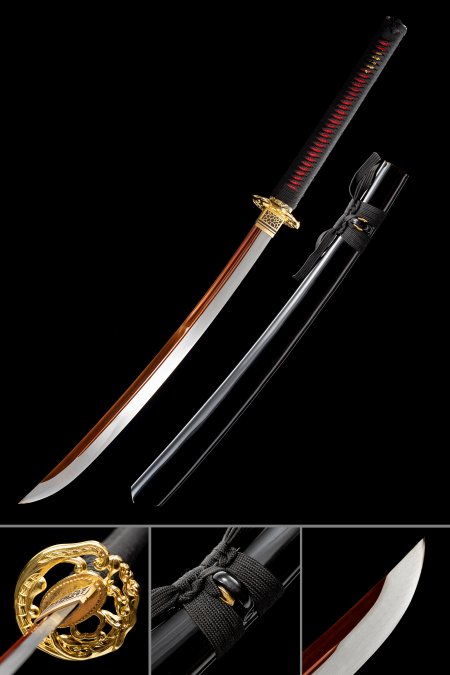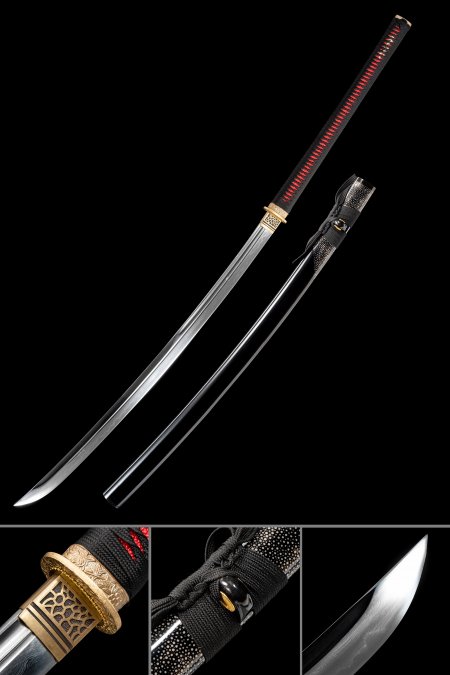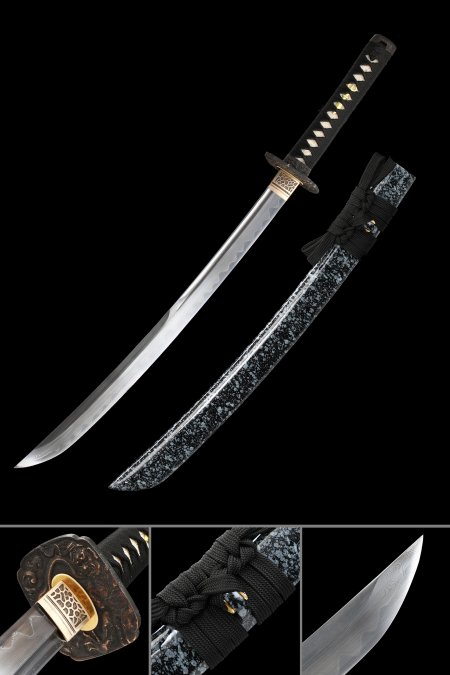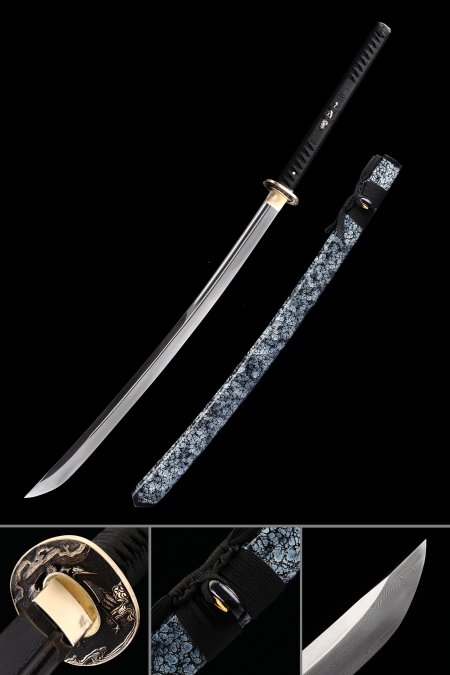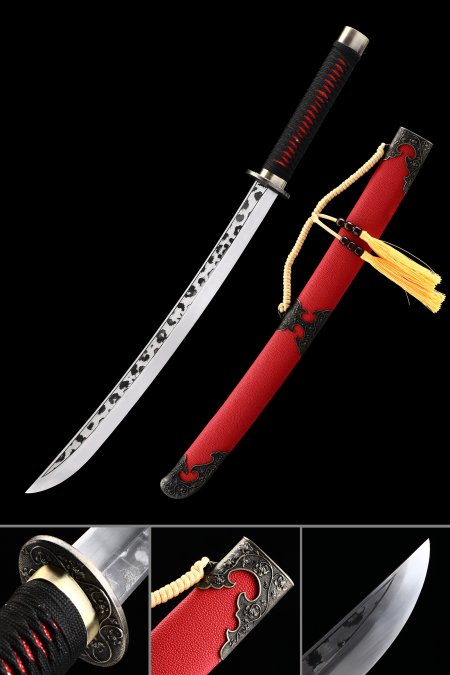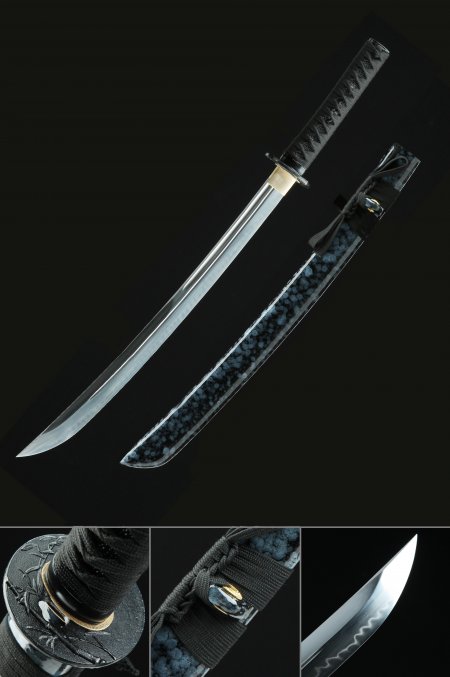
Real Hamon Naginata

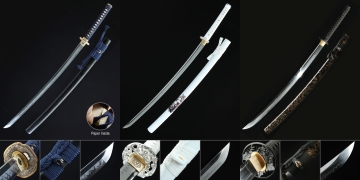
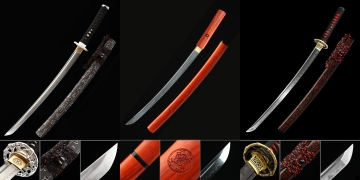
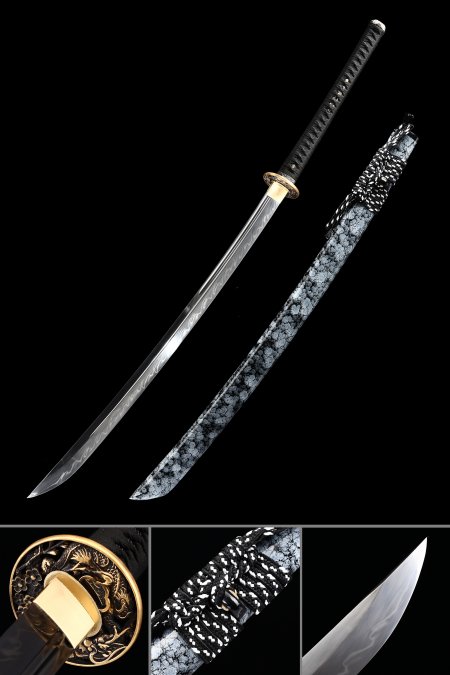
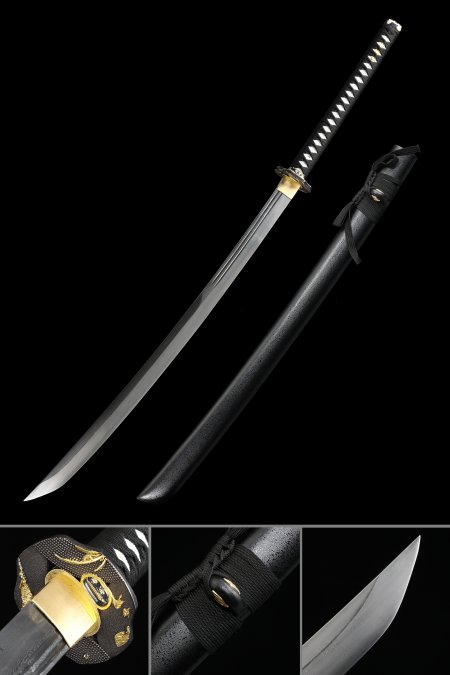
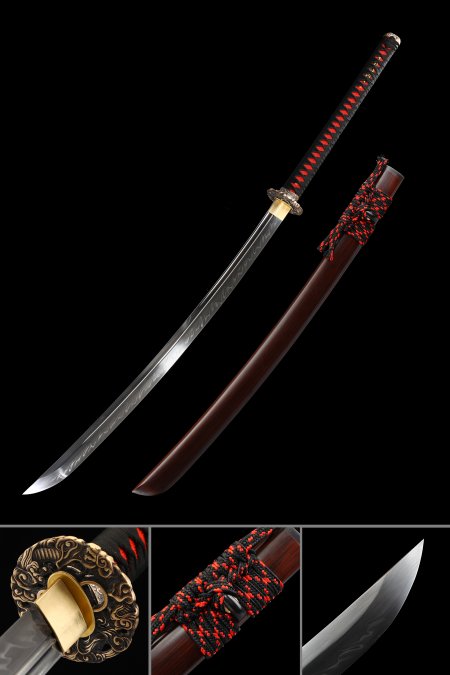
Each Real Hamon Naginata in this collection is hand-forged from premium steels—including T10 clay-tempered and Damascus pattern steel—then differential-hardened to produce an authentic, naturally occurring hamon along the blade. The result is a visually striking temper line that speaks to genuine Japanese smithing tradition, not surface etching or artificial finish. Paired with lacquered saya in blue, red, black, or marble and fitted with full-tang construction, every piece is a display-ready collectible built to exacting standards. Free standard shipping on all orders, backed by our hassle-free return policy.
Showing 9 Products

Related Collections

Real Ninjato16 items


61 Reviews

Real Ninja Katana77 items


220 Reviews

Real Wakizashi40 items


171 Reviews

Real Tanto46 items


215 Reviews

Frequently Asked Questions

What makes a hamon on a naginata "real" vs. artificial?
A real hamon results from differential clay tempering during the forging process. The smith applies a clay mixture to the blade spine before quenching, so the edge cools faster than the spine and hardens into a martensitic structure. The visible boundary between hard edge and softer spine is the hamon. An artificial hamon, by contrast, is acid-etched or sandblasted onto a uniformly hardened blade purely for aesthetics—it carries no structural meaning and disappears if the blade is repolished. On a genuine clay-tempered naginata, the hamon remains present through any polish because it is a property of the steel’s internal crystalline structure, not a surface treatment.
How does T10 steel compare to Damascus for a collectible naginata?
T10 is a high-carbon tool steel prized for its fine grain structure and trace tungsten content, which improves wear resistance and supports a crisp, well-defined hamon after clay tempering. Collectors who prioritize a vivid, historically authentic temper line typically favor T10. Damascus (pattern-welded) steel, by contrast, is created by forge-welding multiple steel alloys together and folding them repeatedly, producing flowing banded surface patterns unique to each blade. Damascus naginata are highly valued for visual complexity and individuality—no two blades look identical. Both types can carry real hamon lines; Damascus pieces simply add an additional layer of decorative and structural character that makes them stand out in a display collection.
Is a full-tang build important for a display naginata?
Yes, and for reasons beyond structural safety. Full-tang construction—where the steel runs continuously from blade through the entire handle core—is a mark of authentic craftsmanship that distinguishes a serious collectible from a decorative reproduction. On a polearm as long as 118 cm, a partial or rat-tail tang creates weak points at the handle joint that affect the piece’s balance and long-term integrity, even in a display setting. Full-tang naginata hold their proportional balance correctly, hang true on wall mounts, and are far more durable over decades of display. It is one of the first specifications experienced collectors verify before adding any polearm to their collection.
How should I store and maintain a real hamon naginata?
High-carbon steel blades—whether T10 or Damascus—require periodic oiling to prevent oxidation, especially in humid environments. Apply a thin coat of choji oil or food-grade mineral oil to the blade every one to three months, wiping off any excess with a clean soft cloth. Store the naginata horizontally on padded wall mounts or in its saya with the edge facing upward to avoid pressure on the hamon area. Avoid display near windows with direct sunlight, which can fade lacquered saya finishes over time. Never store in an airtight sealed case without a silica gel desiccant packet, as trapped humidity accelerates surface rust even on well-oiled blades. Handle the blade only with clean cotton gloves—fingerprint oils are mildly acidic and will etch high-carbon steel if left unaddressed.
Can a naginata make a meaningful gift for a Japanese history enthusiast?
A real hamon naginata is one of the more distinctive gift choices for someone with genuine interest in Japanese history or martial arts culture. Unlike a katana, which is the most commonly collected form, a naginata is less expected and carries its own rich historical narrative—associated with samurai households, classical martial disciplines, and the onna-bugeisha tradition of female warriors. The visual drama of a long lacquered saya, prominent tsuba, and a naturally occurring hamon along a curved blade makes for a display piece that prompts conversation and communicates thoughtful selection. For gift purposes, pairing with a matching stand or a complementary short blade from our Real Hamon Wakizashi collection creates a cohesive presentation that reflects a deeper understanding of Japanese edged arts.

Customer Reviews

Cosmos Wrenn Tennessee, United States

My first Naganata. I'm hooked. The most solid and we'll balanced sword I have purchased yet. The wooden Saya is a thing of beauty. The entire sword is gorgeous from top to bottom. It came perfect out of the box. Sharp, no rattles, fits perfectly in the saya. It will be my main blade to practise with going forward. Great job!
T10 Naginata - Handcrafted Clay Tempered Steel, Real Hamon, Red Saya, Wave Tsuba, 118cm T10 Naginata - Handcrafted Clay Tempered Steel, Real Hamon, Red Saya, Wave Tsuba, 118cm
Shawn P Franco New Mexico, United States

I have to say I'm impressed with the high quality and astounding prices. Here is my latest acquisition on the top tier. Extremely satisfied with this company's vast array of offerings. Very good business model ends up a win for all involved in any transaction. TRUEKATANA HAS IT NAILED!! Many thanks.
T10 Clay Tempered Naginata - Handcrafted Folded Steel, Real Hamon, Blue Saya, 118cm T10 Clay Tempered Naginata - Handcrafted Folded Steel, Real Hamon, Blue Saya, 118cm
Cart 0 Items

Your cart is empty